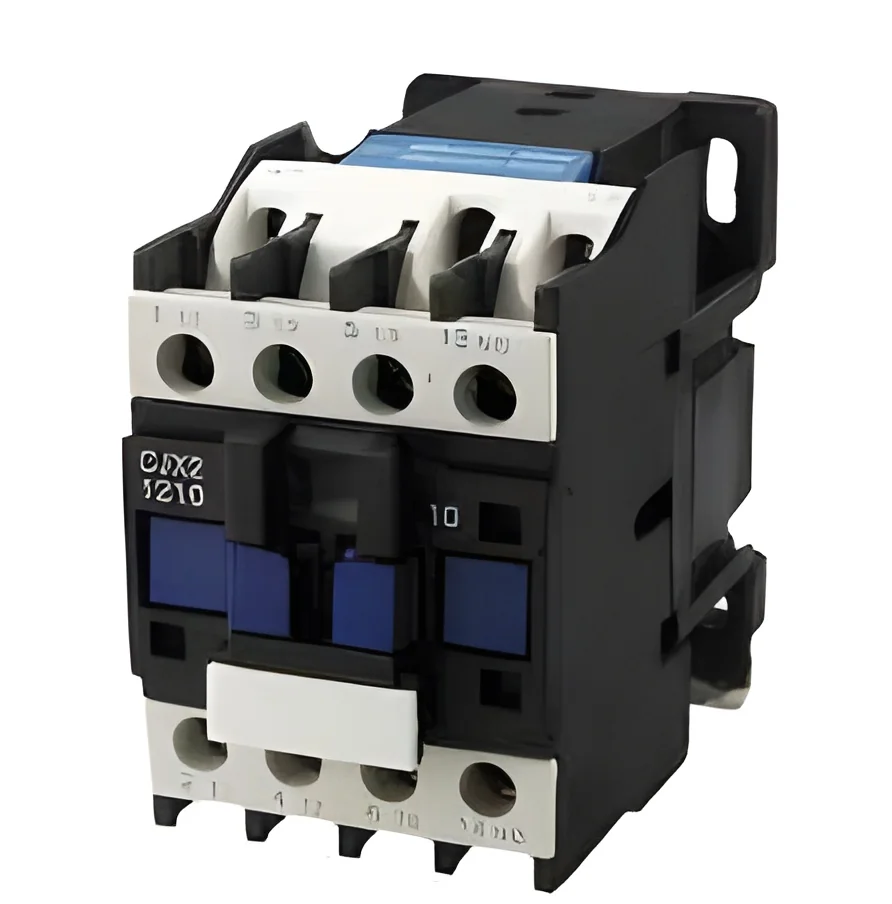
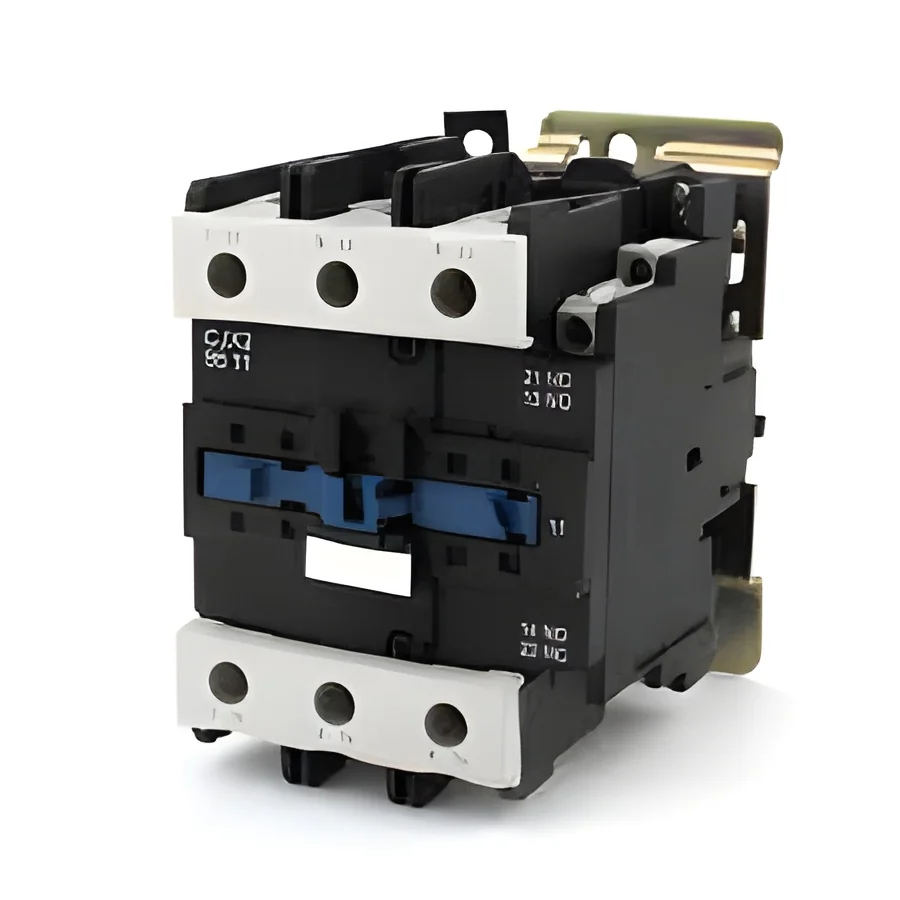
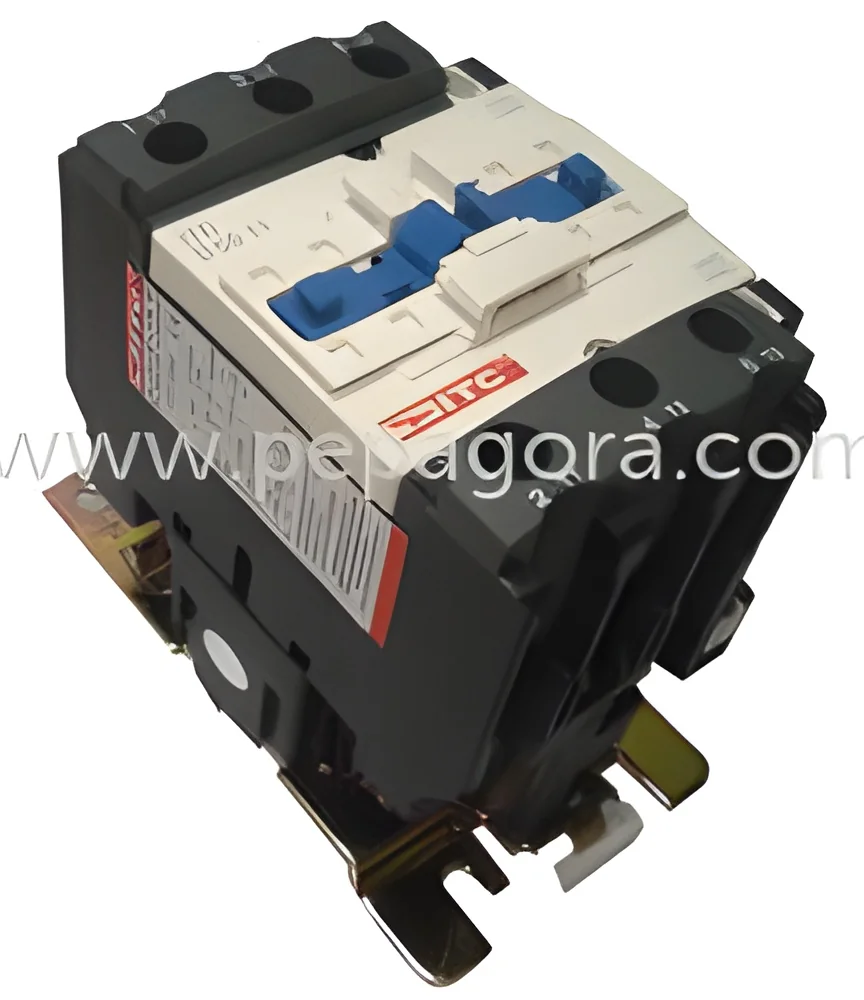
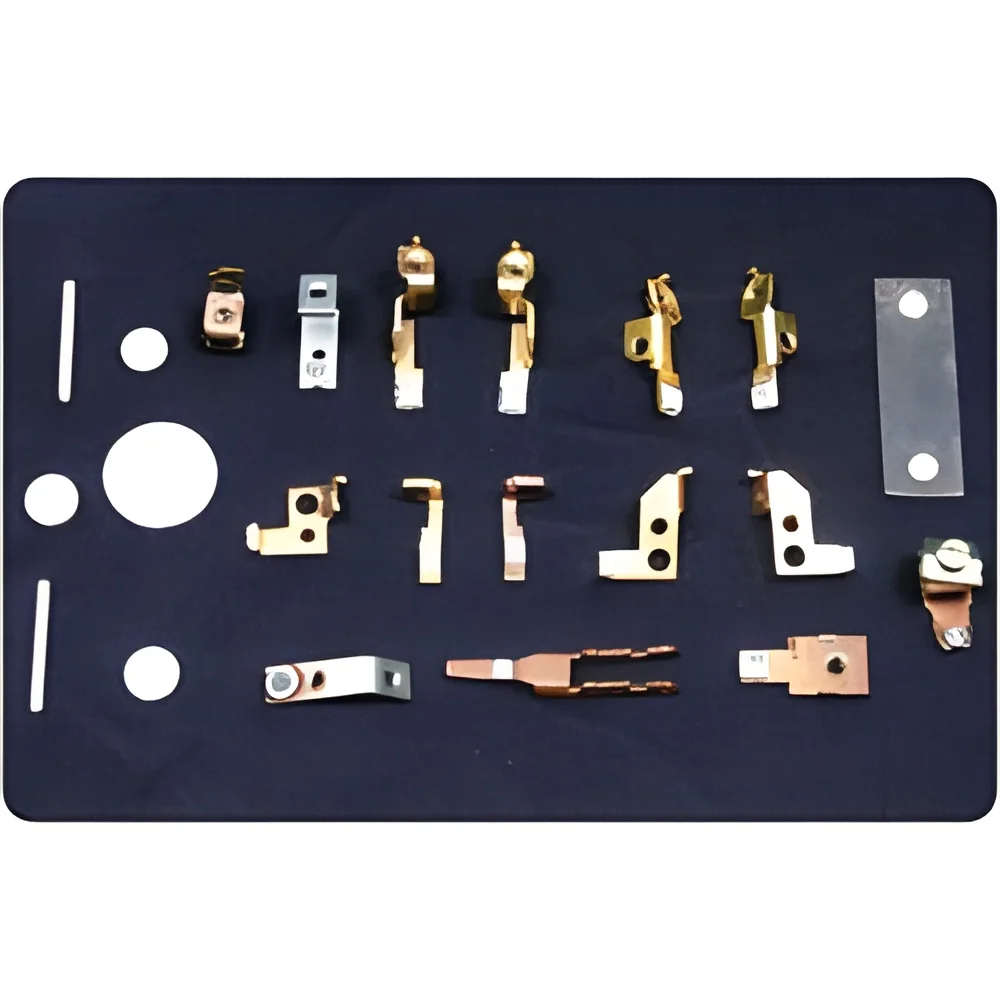
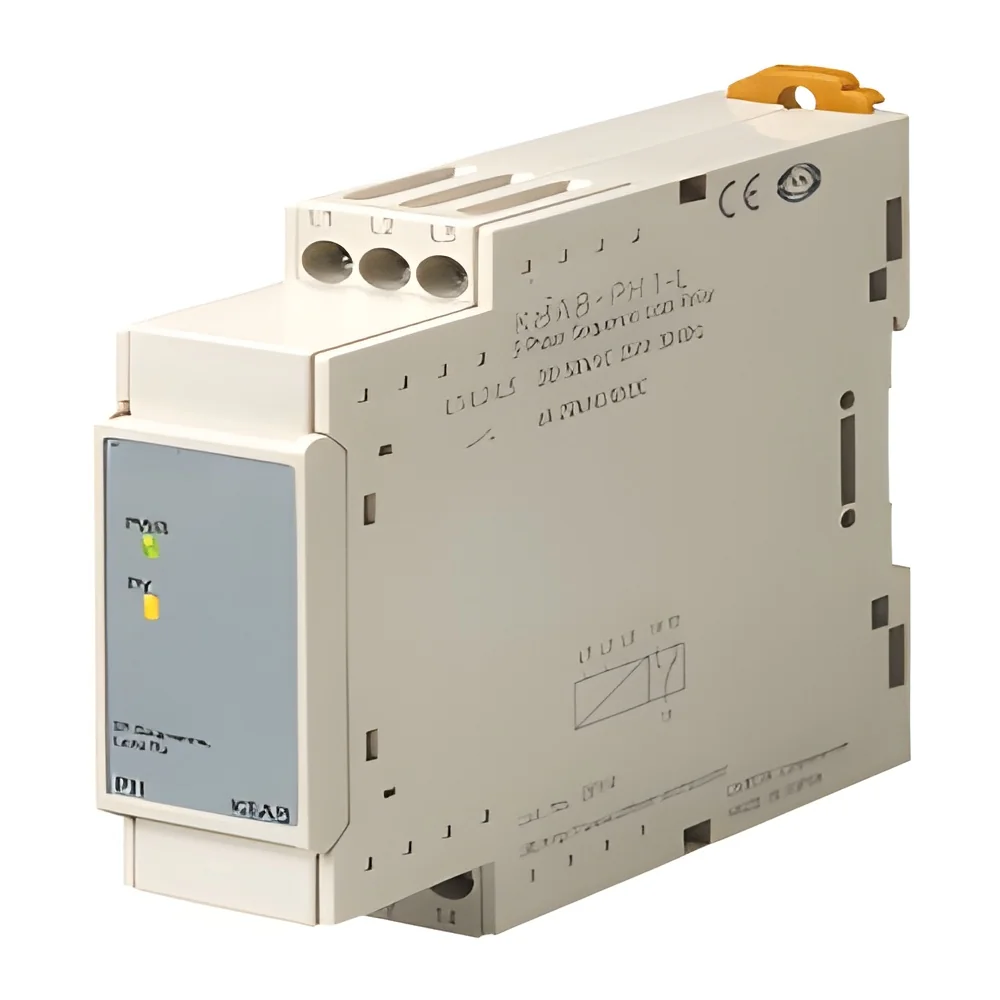
What are Relays & Contactors?
Relays and contactors are crucial components in electrical systems, designed to control the flow of electricity in various applications. A relay is an electrically operated switch that uses an electromagnetic coil to open or close a circuit, while a contactor is a type of relay specifically designed for switching higher currents. These devices are essential for controlling power to motors, lighting systems, and other electrical equipment.
In business applications, relays and contactors are integral to automation systems, allowing for remote control and monitoring of equipment. They are widely used in manufacturing, HVAC systems, and energy management solutions. By ensuring reliable operation, these components enhance efficiency and safety in industrial environments.
The relevance of relays and contactors in today’s market is significant, as industries increasingly rely on automation and smart technology. With the rise of smart factories and the Internet of Things, the demand for reliable switching devices continues to grow, making them vital in modern electrical engineering and control systems.
Key Features and Specifications
Relays and contactors come with a variety of features and specifications that cater to different industrial needs. Understanding these specifications helps businesses select the right components for their applications.
Key specifications include:
1. Coil Voltage
- The voltage required to energize the coil of the relay or contactor.
- Common ranges include 12V, 24V, 120V, and 240V.
2. Current Rating
- The maximum current the device can handle without overheating.
- Typically ranges from a few amps to several hundred amps.
3. Contact Configuration
- The arrangement of contacts, such as normally open (NO) or normally closed (NC).
- Options can include single or multiple poles.
4. Switching Capacity
- The maximum voltage and current the contacts can handle during operation.
- Specifications vary based on application requirements.
5. Lifespan
- The expected operational life of the relay or contactor, usually measured in mechanical or electrical cycles.
- Typical ratings range from thousands to millions of cycles.
6. Protection Features
- Additional features such as surge protection or enclosure ratings for environmental resistance.
- Ratings such as IP20 or IP65 for dust and moisture protection.
7. Mounting Options
- Various mounting styles such as panel mount, DIN rail mount, or socket mount.
- This flexibility allows easy integration into existing systems.
8. Certifications
- Compliance with standards such as CE, ensuring safety and reliability.
- Certifications may also include other industry-specific approvals.
In summary, selecting the right relay or contactor involves understanding these key specifications to ensure compatibility and performance in various applications.
Common Applications and Use Cases
Relays and contactors are used across a wide range of industries to manage electrical operations efficiently.
1. Manufacturing: In manufacturing environments, relays and contactors control machinery and automate processes, enhancing production efficiency and safety.
2. HVAC: These devices are used in heating, ventilation, and air conditioning systems to control motors and compressors, ensuring optimal performance and energy efficiency.
3. Energy Management: In power distribution systems, relays and contactors help manage loads, providing reliable control over electrical supply and enhancing grid stability.
4. Automotive: Relays are commonly used in vehicles for various applications, including lighting, power windows, and engine control systems, ensuring reliable operation.
5. Telecommunications: In telecom equipment, relays manage signal routing and power distribution, maintaining system integrity and performance.
6. Agriculture: Automated irrigation systems utilize relays and contactors to control pumps and valves, optimizing water usage and agricultural productivity.
7. Building Automation: In smart buildings, these components manage lighting, security systems, and energy-efficient technologies, contributing to sustainability efforts.
Product Variants and Subcategories
Relays and contactors come in various forms to meet the specific needs of different applications.
Electromechanical Relays
These relays use electromagnetic coils to open and close contacts, making them suitable for low to medium voltage applications. They are known for their reliability and simple design.
Solid State Relays
Solid state relays operate without moving parts, providing faster switching speeds and longer lifespans. They are ideal for high-frequency applications and environments with limited mechanical wear.
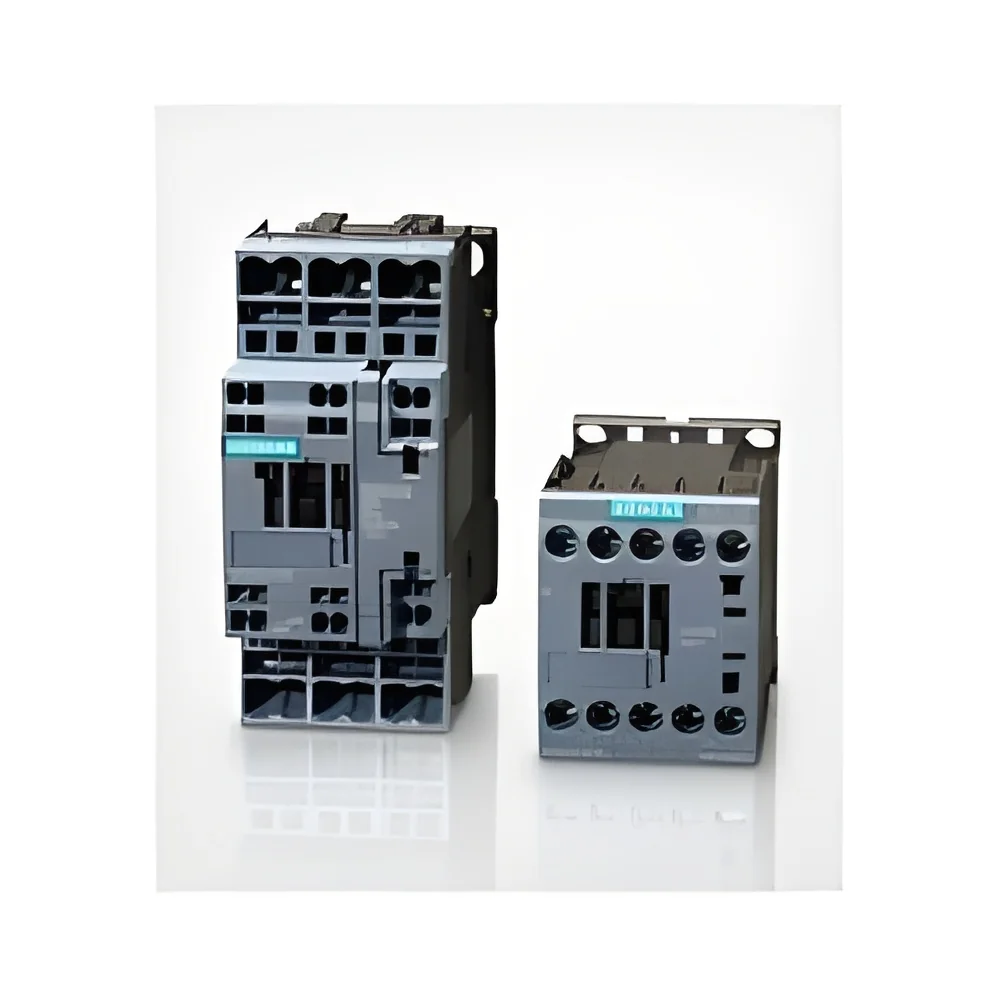
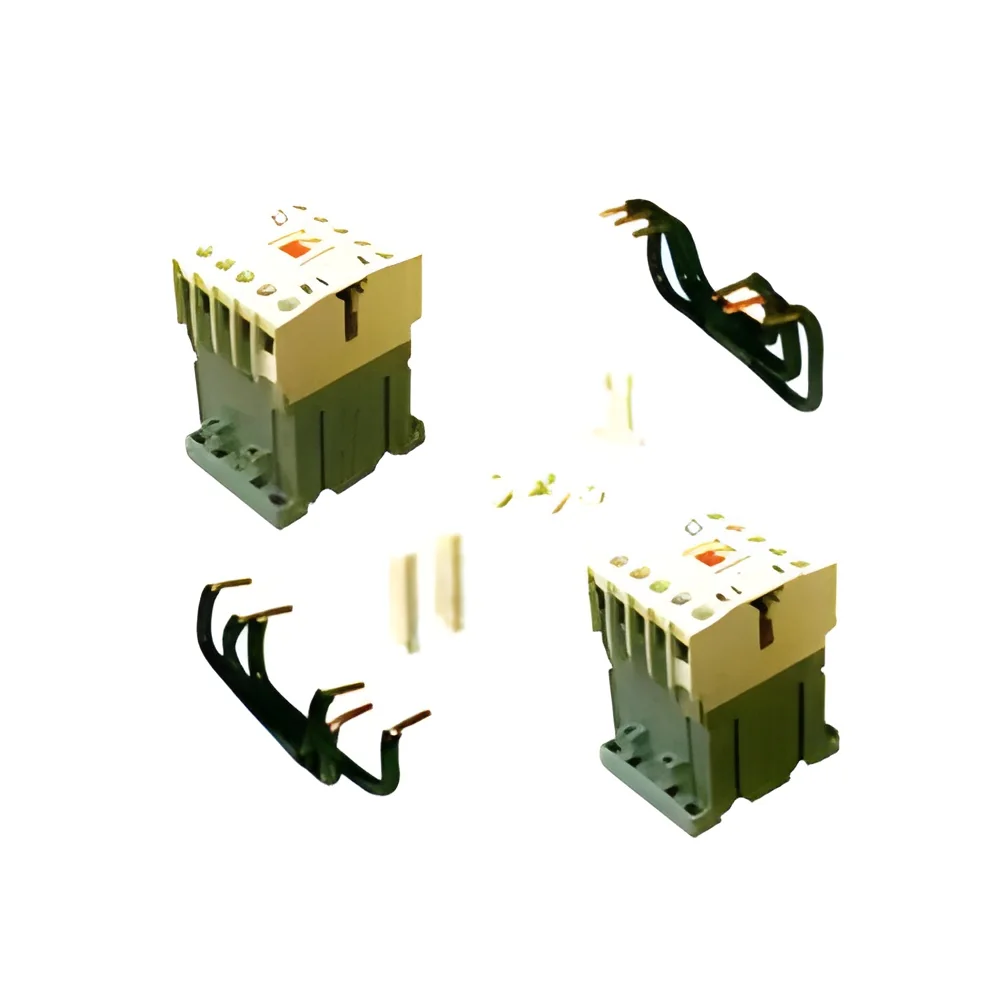
Miniature Contactors
These compact devices are designed for applications where space is limited. They provide reliable switching in smaller footprints, commonly used in panels and control systems.
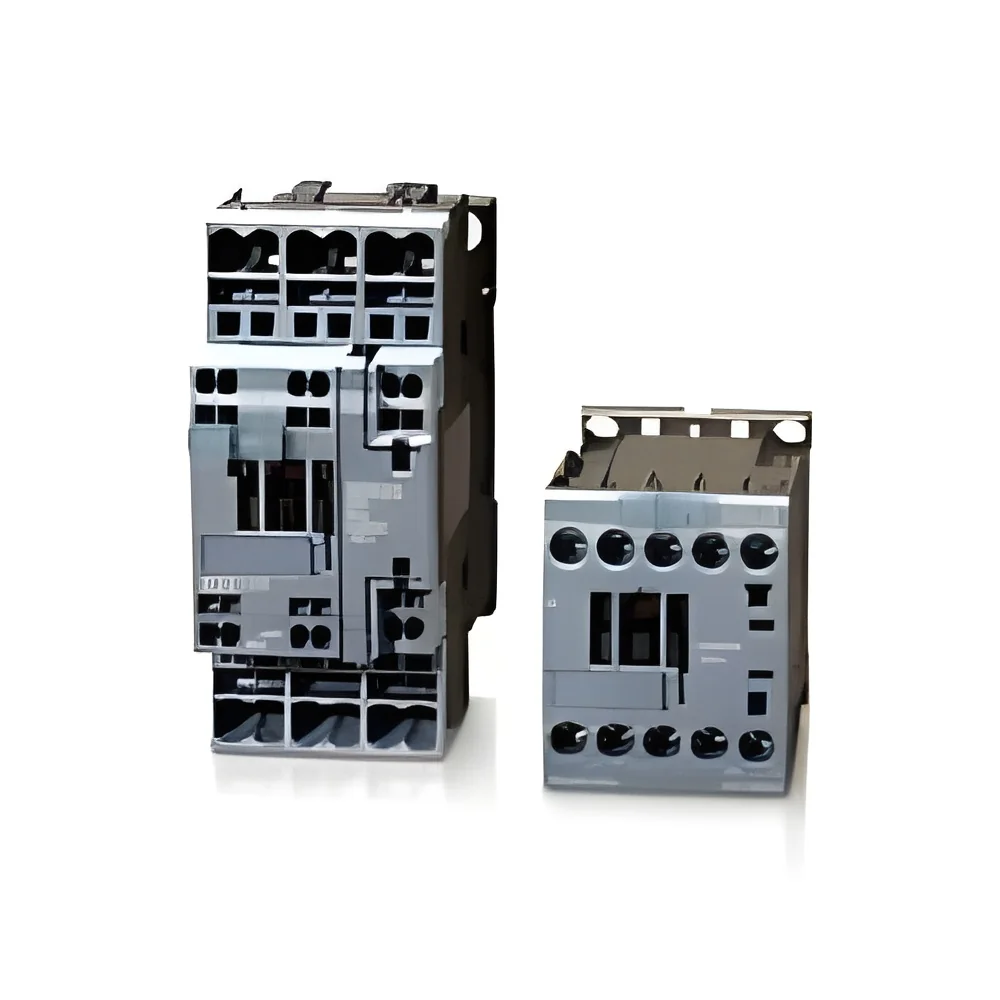
Industrial Contactors
These are built for heavy-duty applications, capable of handling high currents and voltages. They are often used in industrial machinery and large electrical installations.
Benefits and Advantages
Choosing the right relays and contactors offers numerous benefits to businesses.
1. Reliability: These components provide consistent performance, ensuring that electrical systems operate smoothly and efficiently.
2. Safety: By controlling high currents and voltages, relays and contactors help prevent electrical hazards, contributing to workplace safety.
3. Automation: Their ability to be controlled remotely enhances automation, allowing for improved operational efficiency and reduced labor costs.
4. Versatility: Available in various configurations and specifications, they can be tailored to specific applications across multiple industries.
5. Cost-Effectiveness: Investing in quality relays and contactors can lead to long-term savings through reduced maintenance and enhanced equipment lifespan.
6. Energy Efficiency: By managing power distribution effectively, these components contribute to lower energy consumption and operational costs.
Buying Guide for B2B Buyers
When sourcing relays and contactors for business applications, several factors should be considered to ensure optimal selection.
1. Quality Assessment: Evaluate the quality standards of the products, looking for certifications such as CE and compliance with industry norms. This ensures reliability and safety.
2. Supplier Verification: Vet suppliers carefully to confirm their credibility and track record. Look for reviews, references, and previous projects to gauge their reliability.
3. Pricing and MOQ: Understand pricing structures and minimum order quantities. This information is crucial for budgeting and inventory management.
4. Delivery and Lead Times: Inquire about logistics and delivery times to ensure timely availability of products. This can affect project timelines and operational efficiency.
5. Compliance Requirements: Ensure that the products meet all relevant compliance and regulatory standards, which can vary by industry and region.
Compliance and Certifications
Compliance and certifications are vital for ensuring the reliability and safety of relays and contactors. While specific quality standards like ISO 9001 and HACCP may not be universally applicable, adherence to these standards is often sought by manufacturers to guarantee product quality.
Certifications such as CE are important, as they indicate that the products meet European safety, health, and environmental protection requirements. This certification is crucial for market acceptance in Europe and other regions.
Safety and testing requirements also play a significant role in the compliance landscape. Manufacturers must conduct rigorous testing to ensure that their products can withstand operational stresses, which includes electrical, thermal, and mechanical tests.
Regional compliance considerations should also be taken into account, as different countries may have their own regulations and standards governing electrical components. Understanding these requirements is essential for businesses looking to source relays and contactors globally.
Why Source Relays & Contactors from Pepagora?
Pepagora offers a trusted platform for sourcing relays and contactors, providing several key advantages for B2B buyers.
Verified Supplier Network: The platform features a network of verified suppliers, ensuring that buyers can connect with reputable manufacturers and distributors. This helps mitigate risks associated with sourcing.
Streamlined RFQ Process: Pepagora’s streamlined request for quotation (RFQ) process simplifies the purchasing journey. Buyers can easily compare quotes from multiple suppliers, saving time and effort.
Trade Assurance and Support: With trade assurance programs in place, buyers can benefit from protection against potential disputes. This support fosters confidence in transactions and encourages long-term partnerships.
Regional Coverage: Pepagora's geographic reach extends across India, the Gulf Cooperation Council (GCC) countries, and Southeast Asia. This broad coverage ensures that businesses can find the products they need, no matter their location.
By choosing Pepagora, buyers can enhance their sourcing experience, ensuring access to quality relays and contactors that meet their specific needs.

 IN
IN