IN
IN₹
Apparel & Fashion
Description
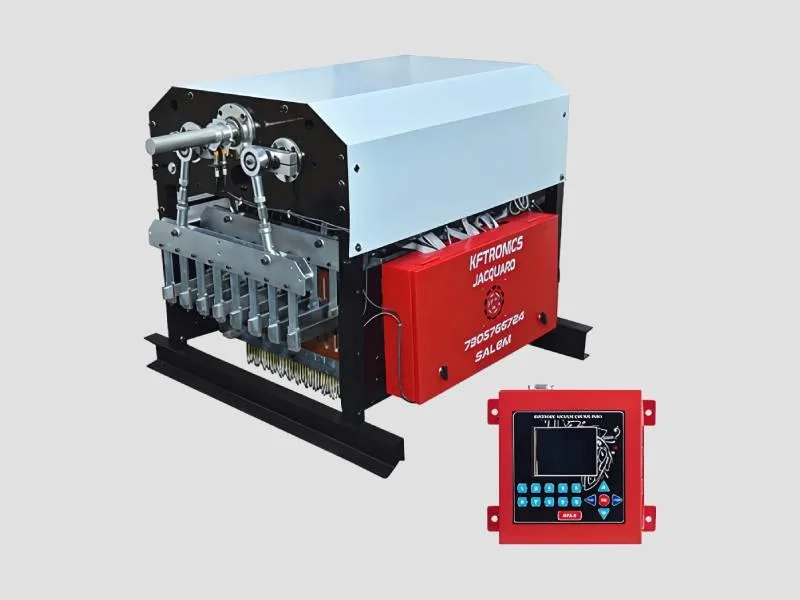
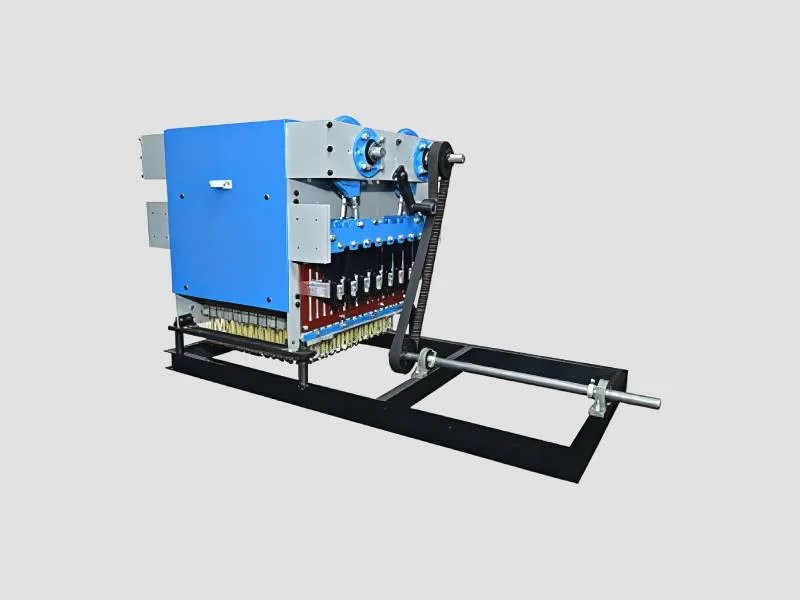
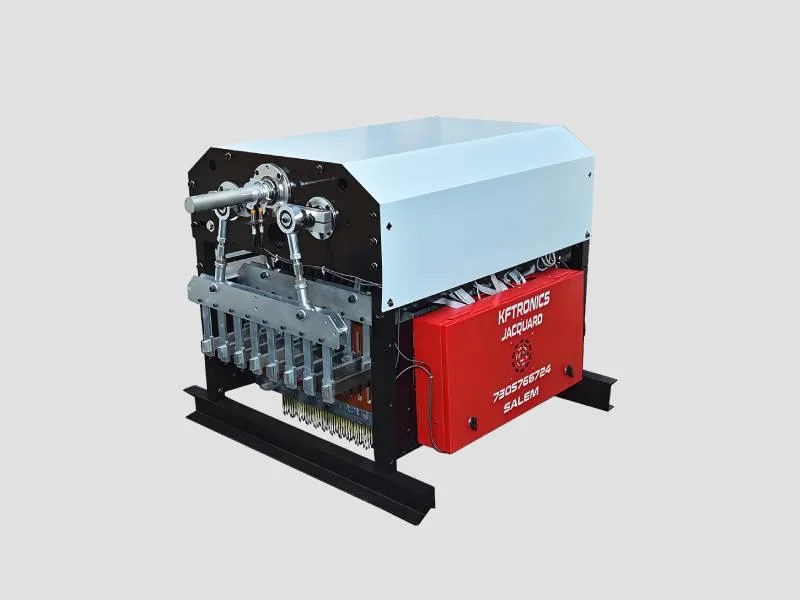
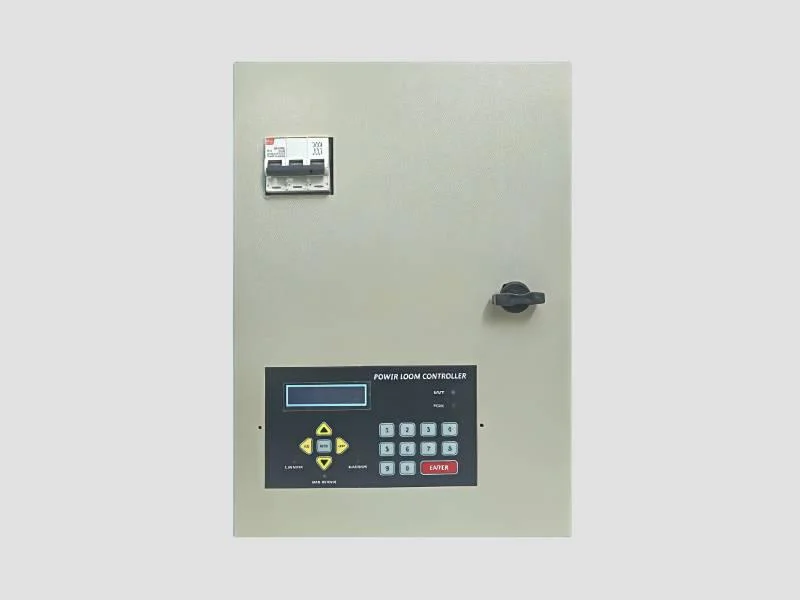
The Smart Loom Controller represents a significant leap in textile manufacturing technology, designed to bring precision, reliability, and automation to the heart of weaving operations. This sophisticated system replaces manual and semi-automatic controls with a programmable, sensor-driven unit that manages every aspect of the loom's function. It operates on standard industrial input voltages and communicates via robust protocols like RS-485 and Ethernet, ensuring compatibility with a wide range of machinery and existing plant networks. The intuitive display provides operators with clear access to all settings, from basic speed adjustments to complex pattern programming, reducing setup times and operator error. Built with durability in mind, its enclosure offers high ingress protection (IP65/IP67), making it suitable for the dusty and demanding environments typical of textile mills.

This controller finds essential application across the entire spectrum of the textile industry. Large-s...
The Smart Loom Controller represents a significant leap in textile manufacturing technology, designed to bring precision, reliability, and automation to the heart of weaving operations. This sophisticated system replaces manual and semi-automatic controls with a programmable, sensor-driven unit that manages every aspect of the loom's function. It operates on standard industrial input voltages and communicates via robust protocols like RS-485 and Ethernet, ensuring compatibility with a wide range of machinery and existing plant networks. The intuitive display provides operators with clear access to all settings, from basic speed adjustments to complex pattern programming, reducing setup times and operator error. Built with durability in mind, its enclosure offers high ingress protection (IP65/IP67), making it suitable for the dusty and demanding environments typical of textile mills.

This controller finds essential application across the entire spectrum of the textile industry. Large-scale fabric mills producing bulk materials like cotton, polyester, and blended fabrics rely on it to maintain uniform quality and high output. Manufacturers of technical textiles, such as those used in filtration, geotextiles, and automotive interiors, utilize its precision for consistent weave density and material properties. The fashion and home furnishings sectors benefit from its ability to handle complex jacquard and dobby patterns for decorative fabrics. Essentially, any operation involving shuttle, rapier, projectile, or air-jet looms can integrate this system to transition towards Industry 4.0, enabling data-driven production and smart factory concepts.

Investing in the Smart Loom Controller delivers direct business value through enhanced operational efficiency and reduced waste. Its automated controls minimize fabric defects caused by human error or machine inconsistency, leading to higher first-pass yield rates and material savings. The system's reliability, underscored by safety features like emergency stop and overload protection, reduces unplanned downtime and protects both machinery and personnel. This translates into a stronger bottom line through increased production capacity, lower operational costs, and improved product quality that meets stringent market standards. It is a cornerstone for businesses aiming to build a reputation for consistency and technological prowess in a competitive global market.

Key Features:
- Offers manual, automatic, and programmable control types for flexible operation management.
- Features a clear display interface for real-time monitoring and adjustment of loom parameters.
- Supports standard industrial communication interfaces including RS-485 and Ethernet for network integration.
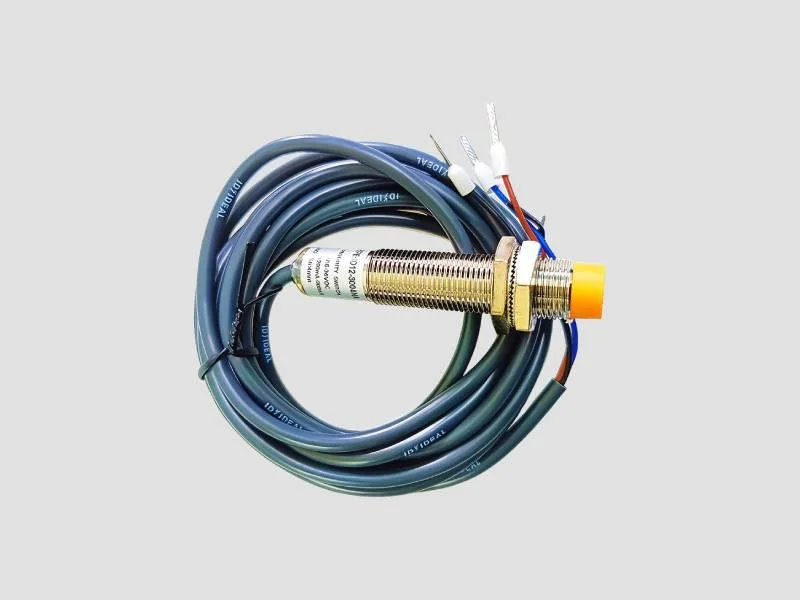
- Compatible with a range of sensors for monitoring temperature, speed, and position for precise control.
- Incorporates critical safety features like emergency stop and overload protection within a robust IP65/IP67 rated enclosure.

Benefits:
- Significantly boosts production efficiency and consistency by automating critical weaving processes.
- Enhances fabric quality and reduces material waste through precise, real-time monitoring and control.
- Improves workplace safety and protects machinery with integrated emergency and overload protection systems.
- Simplifies integration and future upgrades with support for standard industrial communication protocols.
- Provides reliable, durable performance in harsh mill environments due to its high-protection enclosure design.
Specifications
| Key Attributes | |
|---|---|
| Control Type | Specifies the method of control (e.g., manual, automatic, or programmable)., RS-485, Ethernet)., temperature, speed, position)., emergency stop, overload protection)., IP65, IP67). |
| Display | Indicates the type of interface for displaying settings and operational data., Specifies the types of sensors supported for real-time monitoring (e.g., Details integrated safety mechanisms (e.g., Indicates the operating temperature range for optimal functionality. |
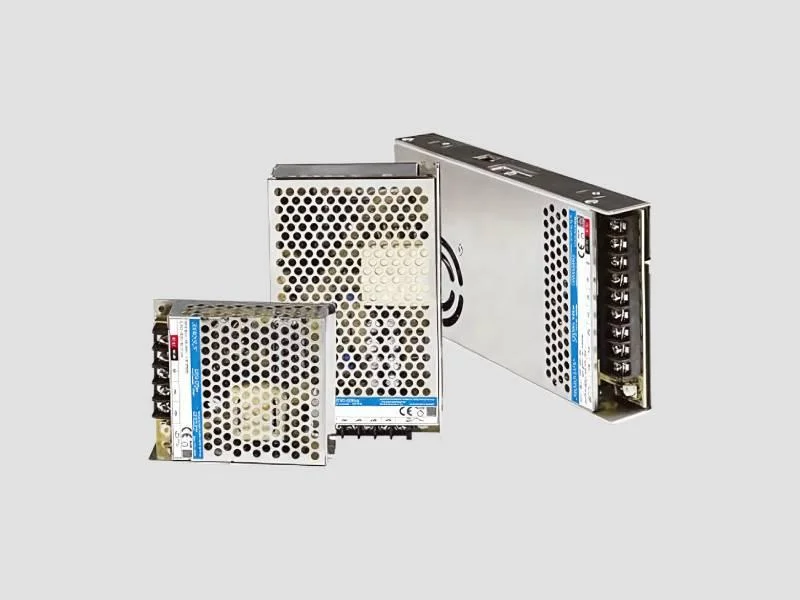
| Input Voltage | Describes the electrical input voltage required for the controller., Specifies the protection level of the housing (e.g. |
| Communication Interface | Identifies the type of communication protocol used for integration (e.g. |
| Additional Information | |
|---|---|
| Country of Origin | 106 |
Application
The Smart Loom Controller is engineered for the precise automation of weaving machinery, transforming traditional textile production lines. It integrates seamlessly with various loom types, enabling centralized control over speed, tension, and pattern execution. This system is vital for operations seeking to minimize manual intervention and maximize throughput consistency across long production runs. Its robust design ensures reliable performance in demanding industrial environments where uptime is critical.
By providing real-time operational data and diagnostics, this controller empowers managers to make informed decisions that boost overall equipment effectiveness. It supports a wide array of sensors for monitoring key parameters like yarn tension and shuttle position, directly contributing to superior fabric quality. The system's compatibility with standard industrial communication networks allows for easy integration into existing factory automation setups, making it a future-proof investment for modernizing production floors.
- Automating high-speed rapier and air-jet looms for consistent production of apparel fabrics like denim and shirting.
- Controlling jacquard looms in the manufacturing of intricate decorative textiles and upholstery materials.
- Managing loom operations in large-scale textile mills producing technical fabrics for automotive or industrial use.
- Enabling precise tension and speed control in weaving units dedicated to producing high-value silk and specialty yarn fabrics.
- Integrating with factory SCADA systems for centralized monitoring and data logging in vertically integrated textile manufacturing plants.
Trade Details
| Available Stock | In Stock |
| Sample Availability | No |
Payment Terms
| Payment Terms |
|
Company Profile

KFTRONICS Electronic Jacquard, Tamil Nadu
 Tamil Nadu, India
Tamil Nadu, IndiaManufacturer
Factory Details
Factory SizeBelow 1000 sqm
Industrial Smart Loom Controller For Textile Machinery Automation
Smart Loom Controller is an advanced automatic control system for textile machinery, enhancing efficiency with modern communication protocols and sensor integration for precise weaving operations.
Min. Order Quantity: 1 piece
Shipping
Shipping fee and delivery date to be negotiated. Contact supplier now for more details.
KFTRONICS Electronic Jacquard Tamil Nadu, India
Tamil Nadu, IndiaManufacturer