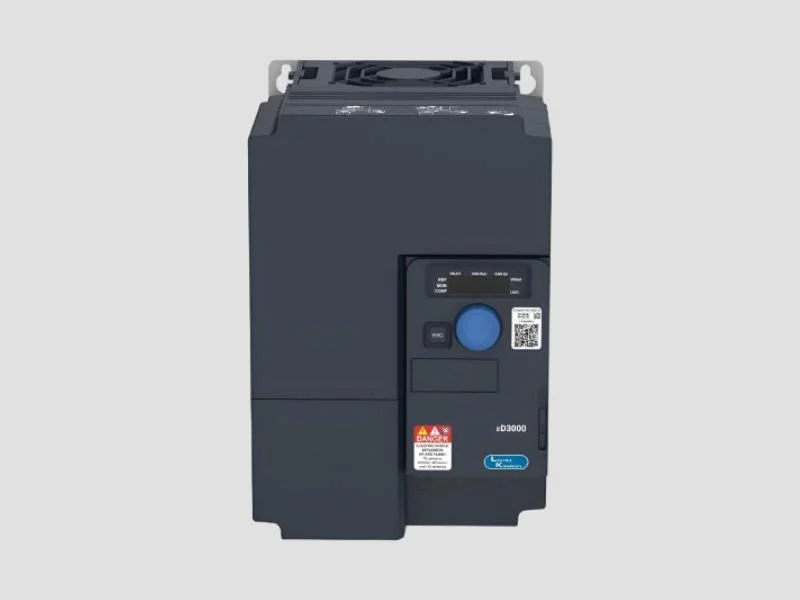
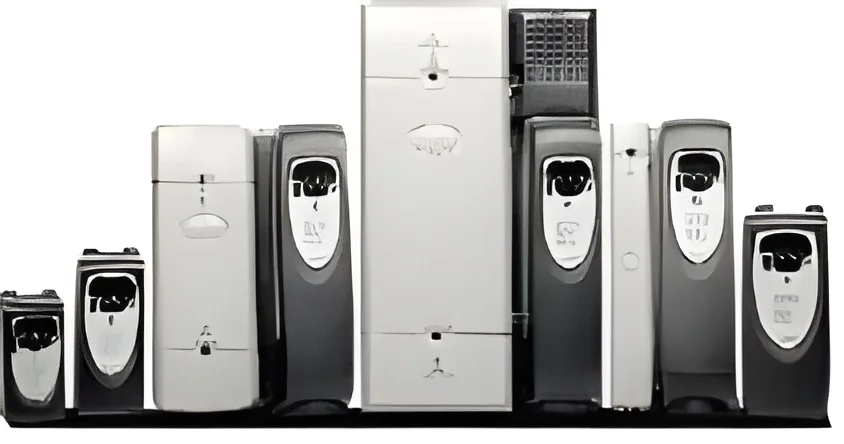
Key Features and Specifications
Variable Frequency Drives come with a variety of features and specifications that enhance their effectiveness and adaptability in industrial settings. Some key features include:
1. Control Method
- VFDs may employ different control methods, such as scalar control or vector control, to optimize motor performance.
- Options typically include open-loop and closed-loop control strategies.
2. Input Voltage Range
- VFDs are designed to operate within specific input voltage ranges, which can vary by model.
- Common input voltages include 230V, 400V, and 690V.
3. Output Frequency Range
- The output frequency can typically range from 0 Hz to 400 Hz, allowing for significant speed variation.
- This flexibility enables precise motor control tailored to application needs.
4. Cooling Method
- VFDs may feature different cooling methods, such as forced air or liquid cooling, to maintain optimal operating temperatures.
- Cooling methods can affect performance and longevity.
5. Protection Features
- Built-in protection features may include over-voltage, under-voltage, and over-temperature protection to ensure reliability.
- These features help minimize the risk of damage to both the drive and the connected motor.
6. Communication Protocols
- Many VFDs support various communication protocols, such as Modbus, Profibus, or Ethernet, for integration into larger control systems.
- This facilitates easier monitoring and control of the system.
7. Display and Interface
- User-friendly displays and interfaces are common, allowing for straightforward programming and operation.
- Many models feature digital displays for real-time monitoring.
8. Size and Mounting Options
- VFDs come in various sizes, suitable for different installation environments, including panel-mounted and floor-mounted options.
- This variety provides flexibility for space-constrained applications.
In summary, the features and specifications of VFDs are designed to offer flexibility, efficiency, and reliability in motor control, catering to a broad range of industrial applications.
Common Applications and Use Cases
Variable Frequency Drives are versatile devices used across many industries to enhance operational efficiency.
1. HVAC Systems: VFDs are employed in heating, ventilation, and air conditioning systems to adjust fan and pump speeds according to demand, reducing energy consumption and improving comfort.
2. Water and Wastewater Treatment: In this sector, VFDs control pumps to optimize flow rates, ensuring efficient operation while managing energy costs in both treatment plants and distribution systems.
3. Manufacturing: VFDs are widely used in manufacturing processes for conveyors, mixers, and other machinery, allowing for dynamic speed control that enhances production efficiency.
4. Mining and Metals: VFDs help control motors for crushing, grinding, and conveying systems, improving energy efficiency and process control in mining operations.
5. Food and Beverage: In food processing, VFDs regulate the speed of pumps and conveyors, ensuring precise handling of materials while maintaining product quality.
6. Material Handling: VFDs are integral to material handling systems, providing smooth acceleration and deceleration for hoists, lifts, and conveyors, thereby enhancing safety and reliability.
7. Agriculture: In agricultural applications, VFDs are used in irrigation systems and feed systems, optimizing resource use while ensuring operational efficiency.
Product Variants and Subcategories
Variable Frequency Drives encompass a range of variants to meet diverse industrial needs. While specific subcategories are not available, common variants include:
General Purpose VFDs: These are designed for a wide range of applications, providing standard features and flexibility for various motor types. They are suitable for general industrial use.
High-Performance VFDs: These drives offer advanced control capabilities, making them ideal for applications requiring precise speed and torque control. They are commonly used in robotics and CNC machinery.
Compact VFDs: These drives are designed for space-limited environments, providing essential functionality in a smaller footprint. They are often used in HVAC and pump applications.
Benefits and Advantages
Variable Frequency Drives offer numerous advantages that contribute to operational efficiency and cost savings.
1. Energy Savings: VFDs can significantly reduce energy consumption by matching motor speed to actual load requirements, leading to lower utility bills.
2. Extended Equipment Life: By minimizing wear and tear on motors through smooth acceleration and deceleration, VFDs help extend the lifespan of both motors and associated equipment.
3. Improved Process Control: VFDs provide precise control over motor speed and torque, enhancing the quality and consistency of production processes.
4. Reduced Maintenance Costs: With less mechanical stress on motors, VFDs can lead to decreased maintenance needs and associated costs.
5. Enhanced Operational Flexibility: VFDs allow for quick adjustments to motor speed, enabling businesses to respond rapidly to changing operational demands.
6. Lower Noise Levels: The ability to control motor speed can lead to quieter operation, which is beneficial in noise-sensitive environments.
Buying Guide for B2B Buyers
When sourcing Variable Frequency Drives (VFDs), it is essential to consider several factors to ensure optimal selection.
1. Quality Assessment: Look for VFDs that meet industry standards and have a proven track record of reliability. Assess supplier certifications and customer reviews to gauge quality.
2. Supplier Verification: Vet suppliers thoroughly to ensure they offer genuine products and reliable support. Consider their experience in the industry and customer service reputation.
3. Pricing and MOQ: Evaluate pricing structures and minimum order quantities (MOQs) to ensure they align with your budget and project requirements. Consider bulk purchase discounts.
4. Delivery and Lead Times: Understand the logistics involved, including delivery times and shipping options. Timely delivery is crucial for maintaining project schedules.
5. Compliance Requirements: Ensure that the VFDs meet regulatory compliance standards for your industry. Check for safety certifications and adherence to local regulations.
Compliance and Certifications
Variable Frequency Drives must adhere to various quality standards and certifications to ensure safety and performance. ISO 9001 is a key quality management standard that emphasizes consistent quality in manufacturing processes. Other relevant quality standards, such as HACCP and GDP, may apply depending on the industry and application.
CE certification is essential for VFDs sold in European markets, ensuring compliance with European health, safety, and environmental protection standards. Safety and testing requirements are also critical, as they help to prevent malfunctions that could lead to accidents.
Regional compliance considerations should be reviewed, particularly for businesses operating in multiple countries. Understanding local regulations will help ensure that VFDs meet all necessary legal requirements and industry standards.
Why Source Variable Frequency Drives (VFDs) from Pepagora?
Pepagora offers a trusted platform for sourcing Variable Frequency Drives (VFDs), providing several key advantages to B2B buyers.
Verified Supplier Network: Pepagora connects buyers with a network of verified suppliers, ensuring that you receive high-quality products from reputable sources. The vetting process helps eliminate risks associated with purchasing.
Streamlined RFQ Process: The platform features an efficient Request for Quotation (RFQ) system that enables buyers to obtain multiple quotes quickly. This simplifies the comparison process and helps in making informed purchasing decisions.
Trade Assurance and Support: Pepagora provides trade assurance, giving buyers confidence in their transactions. Support services are available to assist with any issues that may arise during the purchasing process.
Regional Coverage: With a broad geographic reach, Pepagora serves buyers in India, the GCC, and Southeast Asia. This extensive coverage ensures that businesses can access the products they need, no matter their location.

 IN
IN