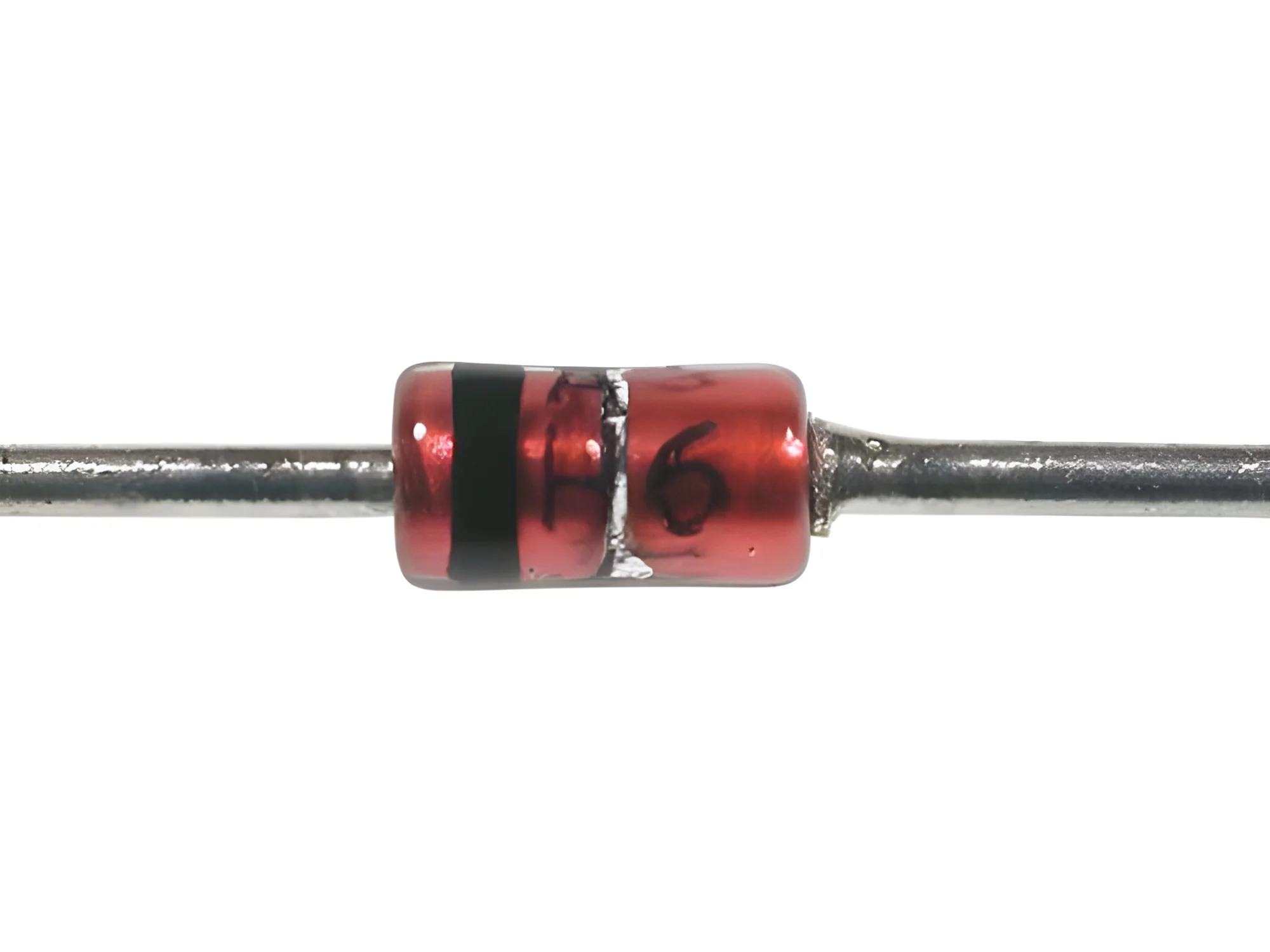
What are Circuit Protection Devices?
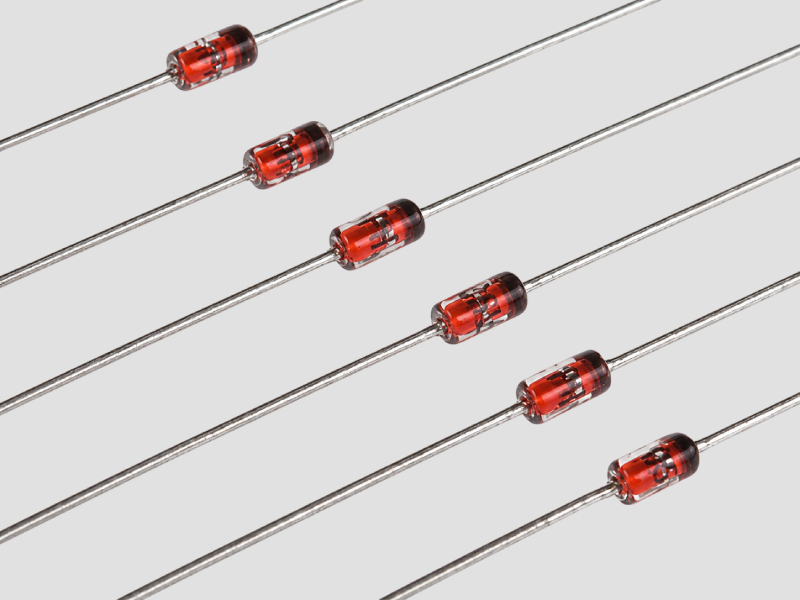
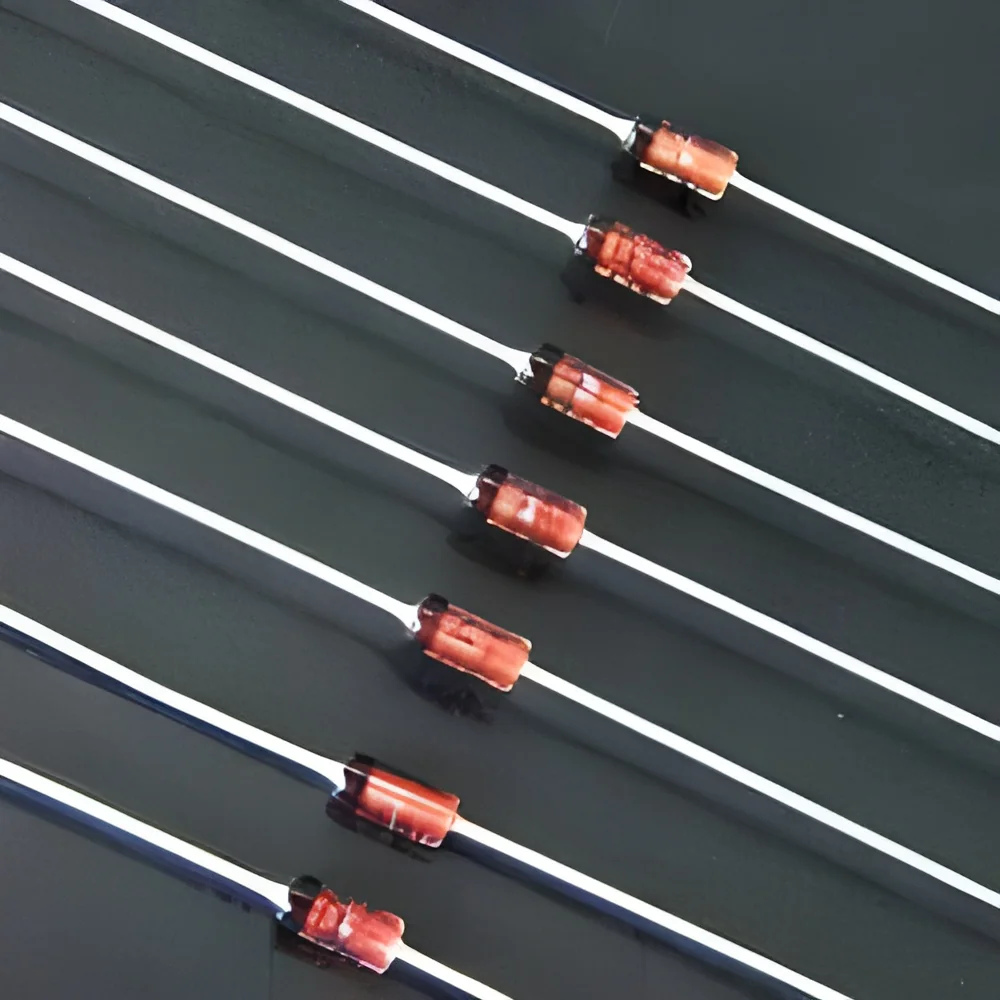
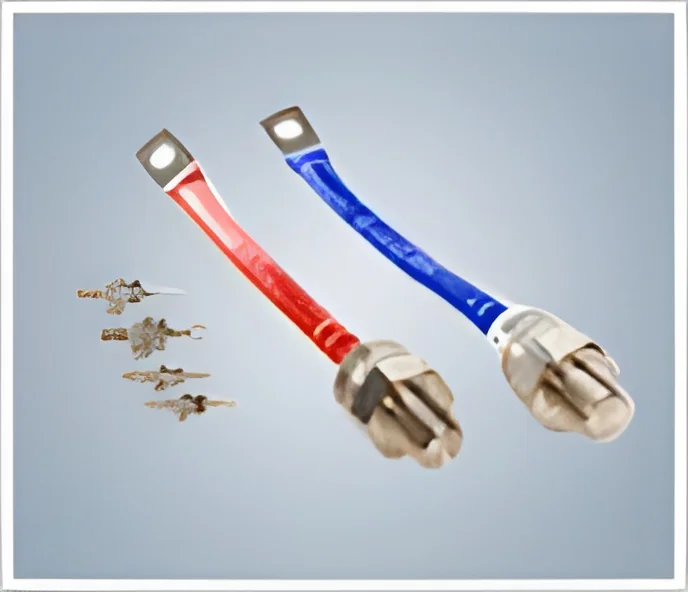
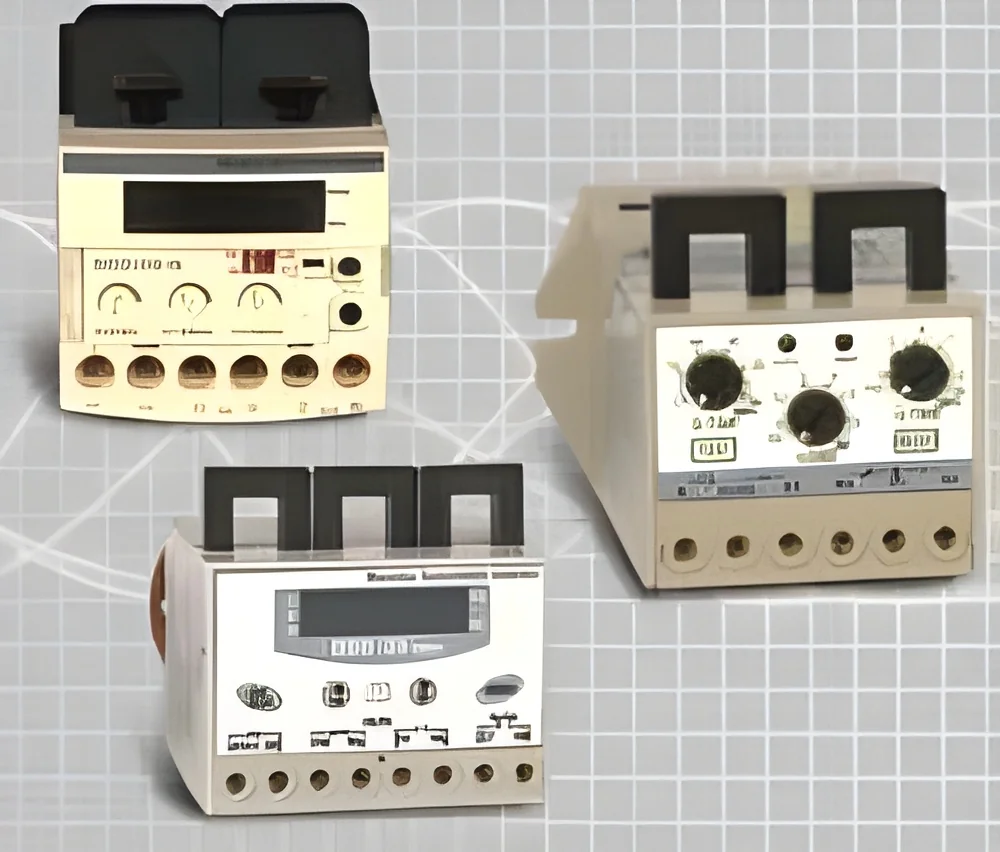
Circuit protection devices are essential components used in electrical systems to prevent damage caused by overcurrent, short circuits, and other electrical faults. They function by interrupting the flow of electricity when a fault is detected, thereby safeguarding both the equipment and the electrical circuits. These devices are crucial for maintaining the safety and reliability of electrical systems across various applications.
The primary uses of circuit protection devices include protecting machinery, consumer electronics, and industrial equipment. Businesses utilize these devices to ensure the longevity of their assets and to comply with safety standards. Common applications range from residential wiring to complex industrial automation systems. The relevance of circuit protection devices in today’s market cannot be overstated, as industries increasingly prioritize safety and efficiency in their operations.
Key Features and Specifications
Circuit protection devices come with a variety of features and specifications that enhance their functionality and performance. Understanding these specifications is essential for selecting the right device for specific applications.
Key specifications include:
1. Current Rating
- Defines the maximum continuous current the device can handle.
- Typically ranges from a few amps to several hundred amps.
2. Voltage Rating
- Indicates the maximum voltage the device can operate under safely.
- Common ratings include 120V, 240V, and 480V.
3. Trip Time
- Refers to the time taken for the device to interrupt the circuit after detecting a fault.
- Often specified in milliseconds, crucial for protecting sensitive equipment.
4. Reset Type
- Describes how the device can be reset after tripping.
- Options include manual reset and automatic reset.
5. Operating Temperature Range
- Specifies the temperatures within which the device can function effectively.
- Typically from -20°C to +85°C, depending on the design.
6. Enclosure Type
- Indicates the physical protection level of the device.
- Includes options like IP ratings for dust and water resistance.
7. Certifications
- Highlights compliance with industry standards such as CE marking.
- Ensures quality and safety benchmarks are met.
8. Mounting Type
- Describes how the device can be installed.
- Options include panel mount, DIN rail mount, or surface mount.
These specifications are critical in ensuring the selected devices meet the operational needs and safety requirements of various applications.
Common Applications and Use Cases
Circuit protection devices serve a broad spectrum of industries, each with unique applications.
1. Manufacturing: In manufacturing plants, these devices protect machinery and control systems from electrical faults, ensuring operational continuity and worker safety.
2. Automotive: In the automotive industry, circuit protection devices are employed to safeguard electrical systems in vehicles, enhancing safety and reliability.
3. Electronics: Consumer electronic products utilize these devices to prevent damage from overcurrent situations, ensuring longer product life and customer satisfaction.
4. Renewable Energy: In solar and wind energy systems, circuit protection devices help manage electronic controls and protect against surges.
5. Telecommunications: These devices are crucial in telecommunications to protect sensitive equipment from electrical disturbances.
6. HVAC Systems: Circuit protection devices are used in HVAC systems to prevent overloads and maintain efficient operation.
7. Construction: In construction sites, these devices help protect temporary electrical installations from faults, reducing the risk of accidents.
Product Variants and Subcategories
Circuit protection devices come in various forms designed to meet specific needs within different applications.
Miniature Circuit Breakers (MCBs)
MCBs are designed to protect low voltage circuits from overload and short-circuit conditions. They provide precise trip settings and are ideal for residential and commercial applications.
Residual Current Devices (RCDs)
RCDs protect against electric shock by detecting earth faults. They are crucial in both residential and industrial settings for enhancing electrical safety.
Fuse Links
These devices provide overload protection by melting a wire when too much current passes through. They are widely used in older electrical systems and offer simple, reliable protection.
Surge Protective Devices (SPDs)
SPDs protect equipment from voltage spikes caused by lightning or other electrical disturbances. They are essential for safeguarding sensitive electronic equipment in industrial environments.
Benefits and Advantages
Circuit protection devices offer numerous advantages that contribute to the safety and efficiency of electrical systems.
1. Enhanced Safety: They significantly reduce the risk of electrical fires and equipment damage, ensuring a safer environment.
2. Equipment Longevity: By protecting against faults, these devices extend the lifespan of electrical equipment and machinery.
3. Compliance with Standards: Circuit protection devices help businesses meet regulatory safety standards, avoiding potential fines and liabilities.
4. Cost-Effective: Investing in circuit protection can prevent costly repairs and downtime, making it a wise financial decision.
5. Reliability: These devices provide consistent performance, ensuring that electrical systems operate smoothly and safely.
6. Easy Integration: Circuit protection devices can be easily integrated into existing electrical systems, enhancing their functionality without major modifications.
Buying Guide for B2B Buyers
When sourcing circuit protection devices, it is important to consider several key factors to ensure a successful procurement process.
1. Quality Assessment: Evaluate the quality of the devices by looking for reputable brands and checking for adherence to relevant standards. Quality assurance processes should be in place to verify product reliability.
2. Supplier Verification: Vet potential suppliers by reviewing their certifications, customer testimonials, and industry reputation. Ensure they have a history of delivering high-quality products consistently.
3. Pricing and MOQ: Understand the pricing structure and minimum order quantities (MOQ) required by suppliers. This will help in budgeting and determining the feasibility of bulk purchases.
4. Delivery and Lead Times: Consider the logistics involved in the procurement process. Timely delivery is essential, so inquire about lead times and shipping options before finalizing orders.
5. Compliance Requirements: Ensure that the devices meet all necessary compliance and safety certifications relevant to your industry. This will help avoid regulatory issues and ensure safe operation.
Compliance and Certifications
Compliance and certifications are vital in the circuit protection device industry to ensure safety and reliability. Relevant quality standards such as ISO 9001 emphasize quality management systems, ensuring manufacturers maintain high production standards.
Industry certifications, including CE, indicate that products meet European safety and environmental requirements. These certifications provide assurance to buyers that the devices are tested and verified for safety.
Safety and testing requirements can vary based on application. It is essential for manufacturers to follow rigorous testing protocols to ensure their products can withstand operational stresses.
Regional compliance considerations may affect the choice of circuit protection devices. Different regions may have specific regulations and standards that must be adhered to, making it crucial to be aware of local compliance needs.
Why Source Circuit Protection Devices from Pepagora?
Pepagora offers a reliable platform for sourcing circuit protection devices, delivering several key advantages to B2B buyers.
Verified Supplier Network: The platform connects buyers with verified suppliers, ensuring quality and reliability in their sourcing process. Each supplier is thoroughly vetted to maintain high standards.
Streamlined RFQ Process: Pepagora simplifies the request for quotation (RFQ) process, allowing buyers to compare pricing and features easily. This efficiency saves time and helps in making informed purchasing decisions.
Trade Assurance and Support: Buyers benefit from trade assurance features that protect their orders, providing peace of mind throughout the procurement process. Comprehensive customer support is available to assist with any inquiries.
Regional Coverage: Pepagora has extensive geographic reach, covering key markets in India, the GCC, and Southeast Asia. This broad coverage allows buyers to access a diverse range of products suited to their specific regional needs.

 IN
IN