IN
IN₹
Apparel & Fashion
Loading subcategories...
View More
Description
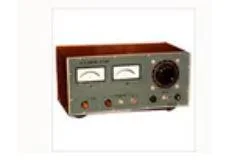
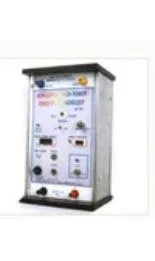
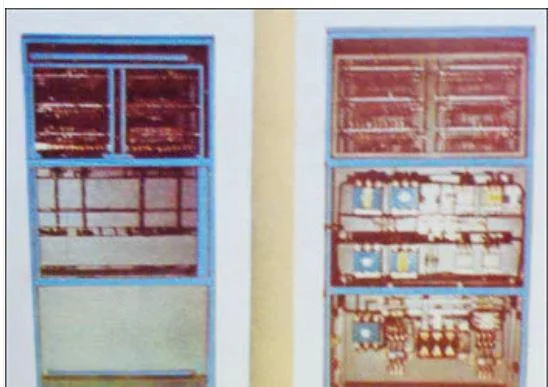
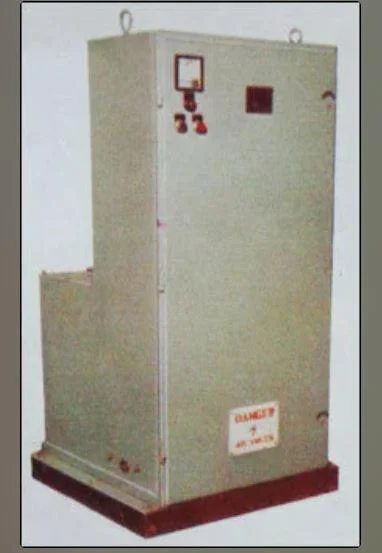
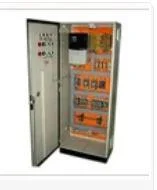
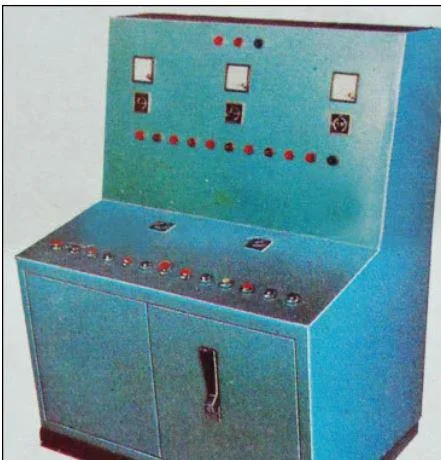
Electrical Control Panels represent sophisticated solutions for centralized management of electrical systems in demanding operational environments. These engineered assemblies combine protective devices, monitoring instruments, and control components within secure enclosures to create intelligent interfaces between power sources and connected equipment. Designed with precision and attention to detail, each panel undergoes rigorous testing to ensure compatibility with various electrical loads and operational scenarios. The integration of quality components from trusted manufacturers guarantees consistent performance while maintaining compliance with industry standards and safety regulations. These systems provide operators with clear visibility into electrical parameters, enabling informed decisions about equipment operation and maintenance schedules.

Across industrial sectors, these control panels have become indispensable for maintaining operational continuity and safety. Manufacturi...
Electrical Control Panels represent sophisticated solutions for centralized management of electrical systems in demanding operational environments. These engineered assemblies combine protective devices, monitoring instruments, and control components within secure enclosures to create intelligent interfaces between power sources and connected equipment. Designed with precision and attention to detail, each panel undergoes rigorous testing to ensure compatibility with various electrical loads and operational scenarios. The integration of quality components from trusted manufacturers guarantees consistent performance while maintaining compliance with industry standards and safety regulations. These systems provide operators with clear visibility into electrical parameters, enabling informed decisions about equipment operation and maintenance schedules.

Across industrial sectors, these control panels have become indispensable for maintaining operational continuity and safety. Manufacturing plants utilize them to coordinate complex production lines where multiple machines must operate in synchronized sequences. Processing facilities depend on their reliable performance to maintain consistent output quality while protecting sensitive equipment from electrical disturbances. Infrastructure projects incorporate these panels to manage critical systems in commercial buildings, transportation hubs, and utility installations. The versatility of these solutions allows for adaptation to specific industry requirements, whether controlling heavy machinery in industrial settings or managing building automation systems in commercial properties.

The business value of Electrical Control Panels extends beyond basic functionality to deliver tangible operational advantages. Their robust construction and quality components ensure long-term reliability, reducing unexpected downtime that can disrupt production schedules and service delivery. By centralizing control functions, these systems simplify operational procedures while enhancing safety through integrated protection mechanisms. The modular design approach allows for future expansion or modification as operational needs evolve, protecting initial investment while accommodating growth. These panels contribute to energy efficiency through optimized equipment operation and load management, potentially reducing operational costs over time. Their proven track record in diverse applications demonstrates suitability for serious operational requirements where performance consistency cannot be compromised.

Key Features:
- Centralized control interface for monitoring and managing multiple electrical systems from single location
- Integration of protective devices including circuit breakers, relays, and overload protection mechanisms
- Compatibility with automation systems through programmable logic controllers and communication interfaces
- Durable construction with quality enclosures designed for specific environmental conditions
- Configurable designs that accommodate various component layouts and wiring requirements

Benefits:
- Enhanced operational safety through systematic protection against electrical faults and overload conditions
- Improved equipment reliability with consistent power management and monitoring capabilities
- Simplified maintenance procedures with organized component layouts and clear labeling systems
- Energy efficiency optimization through controlled equipment operation and load balancing
- Operational continuity with reduced downtime through reliable performance and easy troubleshooting
Specifications
| Additional Information | |
|---|---|
| Country of Origin | India |
| Customisable | No |
Application
Electrical Control Panels serve as the central nervous system for managing power distribution and equipment operation across diverse environments. These robust systems integrate seamlessly with existing infrastructure to provide precise control over electrical loads, ensuring consistent performance while protecting valuable assets from electrical faults and operational anomalies.
From manufacturing plants to commercial facilities, these panels adapt to specific operational requirements through configurable designs. They enable operators to monitor energy consumption, automate repetitive processes, and maintain safety standards across multiple zones or production lines, creating efficient workflows that reduce manual intervention while enhancing overall system reliability.
Real-world applications:
- Manufacturing facilities use these panels to control assembly lines, robotic systems, and production machinery with precision timing and sequencing.
- Commercial buildings implement them for managing lighting systems, elevators, security systems, and backup power distribution networks.
- Water treatment plants rely on control panels to operate pumps, valves, and filtration systems while monitoring flow rates and pressure levels.
- Food processing units utilize these systems to regulate temperature-controlled environments, conveyor systems, and packaging equipment operations.
- Warehouse and logistics centers deploy control panels for automated storage systems, material handling equipment, and inventory management technology.
Trade Details
| Available Stock | In Stock |
| Sample Availability | No |
Payment Terms
| Payment Terms |
|
| Payment Methods |
|
Company Profile
KAMRAN POWER CONTROLS PRIVATE LIMITED, Maharashtra
 Maharashtra, India
Maharashtra, IndiaElectronics & Electrical•Manufacturer•Trading Company
Factory Details
Factory SizeBelow 1000 sqm
Industrial Electrical Control Panels For Machinery Protection And Automation
Electrical Control Panels by leading manufacturers provide reliable monitoring and protection for industrial and commercial equipment, ensuring safe operation of machinery, motors, and automated systems with quality components.
Min. Order Quantity: 1 piece
Shipping
Shipping fee and delivery date to be negotiated. Contact supplier now for more details.
KAMRAN POWER CONTROLS PRIVATE LIMITED
 Maharashtra, India
Maharashtra, IndiaElectronics & ElectricalManufacturer