
 IN
INSwitchgear & Switchboards
3 products available
What are Switchgear & Switchboards?
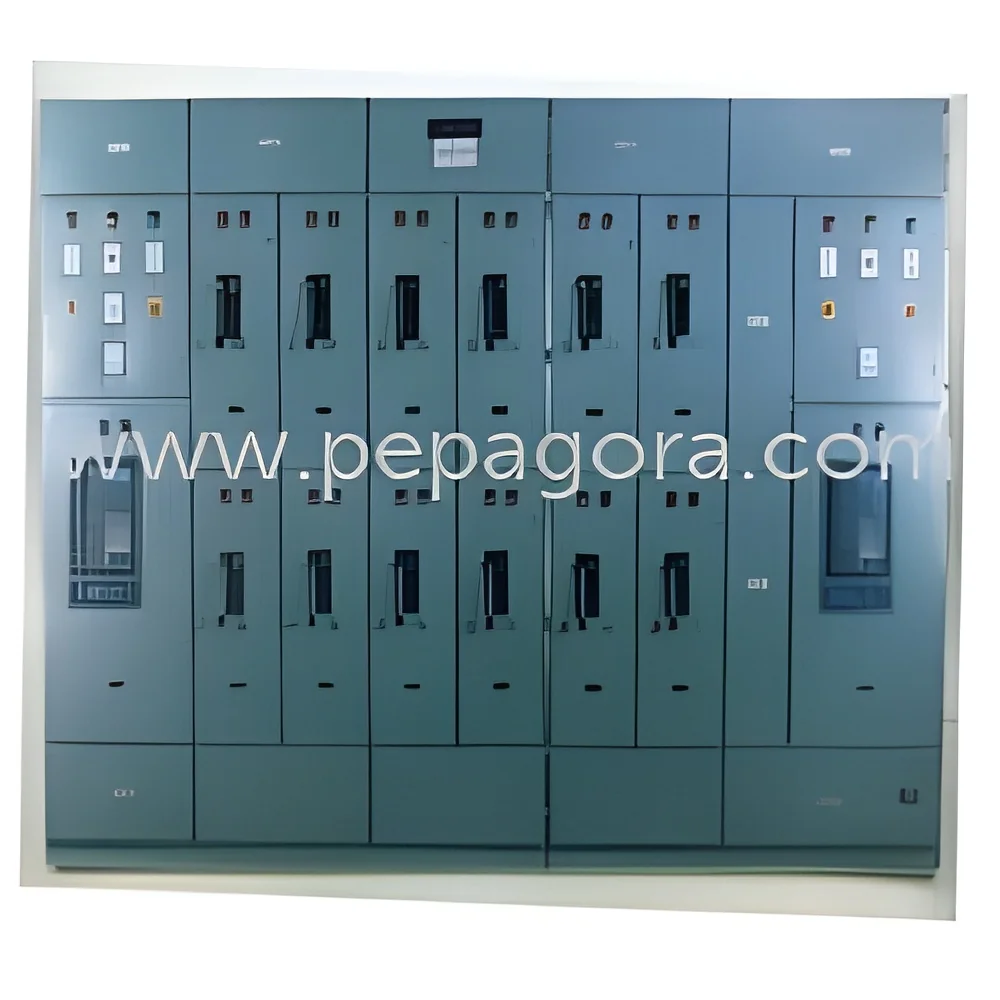
Switchgear and switchboards are essential components in electrical distribution systems. They function as the control and protection mechanisms for electrical circuits and equipment. Switchgear includes devices such as circuit breakers, fuses, and disconnectors, while switchboards serve as the centralized panels where incoming power is distributed to various outgoing circuits. Together, they ensure the safe and efficient operation of electrical systems.
These products are primarily used in industrial, commercial, and utility applications. In factories, switchgear is vital for managing power loads and protecting machinery. In commercial buildings, switchboards distribute electricity to various sections, ensuring that each area receives adequate power supply. Additionally, in utilities, switchgear is critical for managing grid stability and protecting against electrical faults.
The relevance of switchgear and switchboards in today's market cannot be overstated. With the rise of renewable energy sources and the demand for reliable electricity, these components are increasingly important. Industries are focusing on upgrading their electrical systems to enhance efficiency and safety, making the switchgear and switchboard market a dynamic and growing sector.
Key Features and Specifications
Switchgear and switchboards come with various features designed to enhance performance and safety. Understanding these specifications is crucial for selecting the right products for specific applications.
Key specifications include:
1. Voltage Rating
- Defines the maximum voltage the device can handle.
- Common ranges include low voltage (up to 1,000 volts) and medium voltage (1,000 to 35,000 volts).
2. Current Rating
- Indicates the maximum current the switchgear or switchboard can carry.
- Typical ratings range from 100A to 6,000A or more.
3. Short-Circuit Rating
- Represents the maximum fault current the device can withstand without failure.
- Usually specified in kiloamperes (kA).
4. Insulation Type
- Refers to the materials used to isolate live components from each other and the environment.
- Options include air-insulated, gas-insulated, and solid-insulated systems.
5. Protection Level
- Indicates how well the device protects against environmental factors and faults.
- Common ratings include IP (Ingress Protection) ratings.
6. Control Features
- Includes options for remote monitoring and automated control.
- Can enhance operational efficiency and safety.
7. Compliance Standards
- Ensures adherence to industry regulations and safety standards.
- Common certifications include CE for European markets.
8. Size and Configuration
- Refers to the physical dimensions and layout of the switchgear or switchboard.
- Must fit within designated installation spaces.
These specifications play a crucial role in determining the suitability of switchgear and switchboards for various applications.
Common Applications and Use Cases
Switchgear and switchboards find applications across a wide range of industries.
1. Manufacturing: In manufacturing facilities, these products manage electrical loads and protect machinery from power surges.
2. Commercial Buildings: In office and retail environments, switchboards distribute electricity to various circuits, ensuring consistent power supply for lighting and equipment.
3. Utilities: In utility companies, switchgear is essential for controlling and protecting power distribution networks, especially with the integration of renewable energy sources.
4. Data Centers: In data centers, switchgear ensures reliable power delivery to servers and cooling systems, maintaining uptime and performance.
5. Mining: In the mining industry, switchgear protects costly equipment and ensures safe operation in hazardous environments.
6. Transportation: In transportation systems, such as railways and airports, switchboards manage power distribution for lighting, signaling, and other critical systems.
7. Oil and Gas: In the oil and gas sector, switchgear protects against electrical faults in remote and challenging environments.
Product Variants and Subcategories
Switchgear and switchboards come in various configurations to meet different operational needs.
Air Insulated Switchgear: This type uses air as the insulating medium and is commonly used for low- and medium-voltage applications. It is known for its robustness and ease of maintenance.
Gas Insulated Switchgear: This variant uses sulfur hexafluoride gas as an insulator, making it compact and suitable for high-voltage applications. It is ideal for urban settings where space is limited.
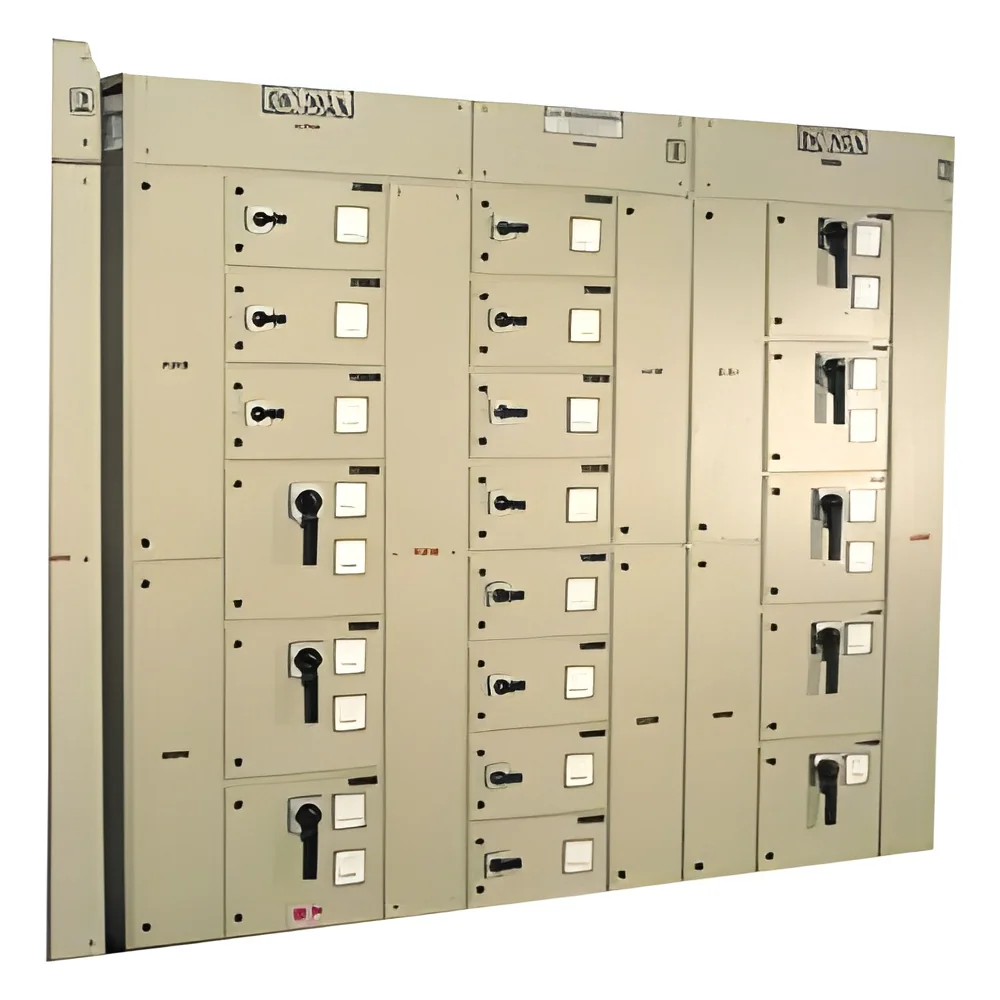
Switchboards: These are centralized systems that distribute electricity to multiple circuits. They can be customized to meet specific load requirements and feature advanced monitoring options.
Motor Control Centers: These specialized switchboards control and protect electric motors within various industrial applications. They offer efficient management of motor loads.
Benefits and Advantages
Switchgear and switchboards offer several advantages that enhance operational efficiency and safety.
1. Enhanced Safety: These devices protect electrical systems from overloads and short circuits, reducing the risk of accidents.
2. Improved Reliability: Switchgear ensures a consistent power supply, which is critical for industrial operations and commercial buildings.
3. Flexibility: Their diverse configurations allow for customization according to specific application needs, accommodating various voltage and current ratings.
4. Space Efficiency: Compact designs, especially in gas-insulated switchgear, save valuable installation space in urban environments.
5. Remote Monitoring: Advanced control features enable real-time monitoring and management, facilitating quick responses to electrical issues.
6. Compliance Assurance: Adhering to industry standards and certifications ensures safety and reliability, giving buyers peace of mind.
Buying Guide for B2B Buyers
When sourcing switchgear and switchboards, it is important to consider several key factors to ensure the right purchase.
1. Quality Assessment: Evaluate products based on material quality, durability, and compliance with international standards. Look for proven track records in similar applications.
2. Supplier Verification: Vet suppliers by checking their certifications, industry reputation, and customer feedback. Ensure they have a history of reliability and customer service.
3. Pricing and MOQ: Understand the cost structure and minimum order quantities. This helps in budgeting and ensures that you can meet your operational demands.
4. Delivery and Lead Times: Inquire about logistics and expected delivery times. Timely delivery is crucial for project schedules and operational continuity.
5. Compliance Requirements: Ensure that the products meet all relevant regulatory and safety standards specific to your industry and region.
Compliance and Certifications
Switchgear and switchboards must adhere to several quality and safety standards to ensure reliability and performance.
ISO 9001: This standard ensures that manufacturers follow quality management systems, providing assurance that products meet customer requirements consistently.
CE Certification: This certification indicates compliance with European health, safety, and environmental protection standards. It is an essential requirement for products sold in European markets.
Safety and Testing Requirements: Products must undergo rigorous testing for electrical safety and performance, including short-circuit testing and insulation resistance testing.
Regional Compliance Considerations: Depending on the region, additional compliance regulations may apply. It is vital to understand local standards to ensure that the products are fully compliant.
Why Source Switchgear & Switchboards from Pepagora?
Pepagora offers a reliable platform for sourcing switchgear and switchboards, providing numerous advantages for B2B buyers.
Verified Supplier Network: Pepagora connects buyers with a network of pre-vetted suppliers, ensuring that you source from reputable manufacturers. This reduces the risks associated with supplier reliability.
Streamlined RFQ Process: The platform simplifies the Request for Quotation process, enabling buyers to easily compare prices and specifications, leading to informed purchasing decisions.
Trade Assurance and Support: Pepagora offers trade assurance that protects buyers during transactions, providing support throughout the sourcing process and ensuring satisfaction with the purchased products.
Regional Coverage: With a strong presence in India, the GCC, and Southeast Asia, Pepagora facilitates connections across diverse markets, making it easier for buyers to access products that meet their specific needs.

Frequently Asked Questions
What are Switchgear & Switchboards?
Switchgear refers to the combination of electrical disconnect switches, fuses, and circuit breakers used to control, protect, and isolate electrical equipment. Switchboards are large panels that distribute electrical power to various circuits and provide protection and control for those circuits.
What are the different types of Switchgear & Switchboards?
There are several types of switchgear, including air-insulated switchgear (AIS), gas-insulated switchgear (GIS), and hybrid switchgear. Switchboards can be classified based on their configuration, such as main switchboards, sub-switchboards, and panel boards.
How do I choose the right Switchgear & Switchboards?
When selecting switchgear and switchboards, consider factors such as the voltage level, current rating, and application requirements. Additionally, assess the environmental conditions, space constraints, and safety standards applicable to your installation.
What are the standard specifications for Switchgear & Switchboards?
Standard specifications for switchgear and switchboards typically include voltage rating, current rating, short-circuit withstand strength, insulation level, and operational temperature range. Compliance with international standards such as IEC and ANSI is also important.
What is the price range for Switchgear & Switchboards?
The price of switchgear and switchboards can vary significantly based on type, specifications, and manufacturer. Generally, prices can range from a few thousand to several lakhs of Indian Rupees, depending on the complexity and features of the equipment.
What quality standards apply to Switchgear & Switchboards?
Quality standards for switchgear and switchboards include compliance with IEC 62271 for high-voltage equipment and IEC 61439 for low-voltage switchgear. These standards ensure reliability, safety, and performance in electrical installations.
Where can I find Switchgear & Switchboards suppliers in India?
You can find switchgear and switchboards suppliers in India through online B2B marketplaces like Pepagora, industry trade shows, and local electrical equipment distributors. It's advisable to check supplier credentials and customer reviews before making a purchase.
Can Switchgear & Switchboards be customized?
Yes, many manufacturers offer customization options for switchgear and switchboards to meet specific project requirements. Customization may include tailored specifications, design modifications, and additional features based on the needs of the application.
What is the typical minimum order quantity for Switchgear & Switchboards?
The minimum order quantity (MOQ) for switchgear and switchboards can vary by supplier and product type. Typically, the MOQ may range from a single unit for standard items to larger quantities for customized solutions.
What is the typical lead time for Switchgear & Switchboards?
The lead time for switchgear and switchboards can vary depending on the manufacturer and the complexity of the order. Generally, standard products may have a lead time of 4 to 8 weeks, while customized solutions could take longer.
Why Businesses Trust Pepagora
Thousands of companies trust Pepagora to source smarter and sell faster
Expand Your Sales Globally

Source Smarter,Grow Faster
