What are Earthing & Lightning Protection Systems?
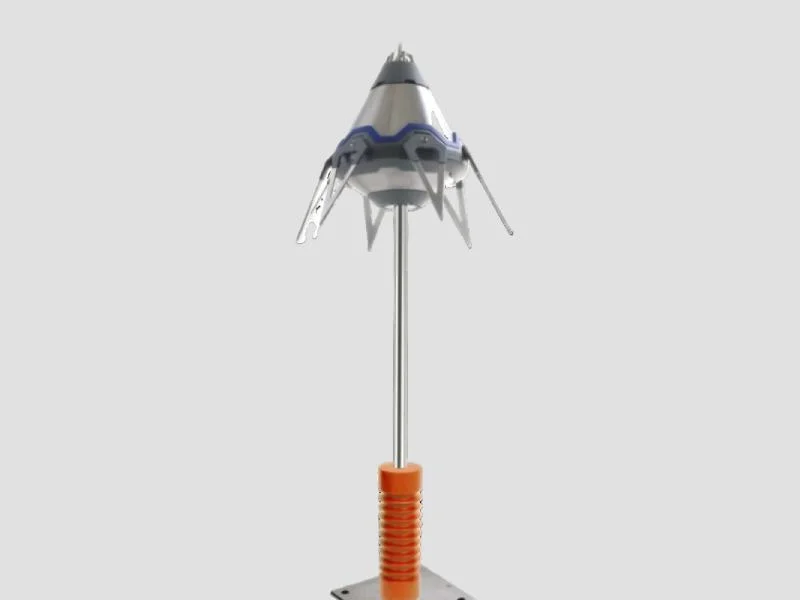
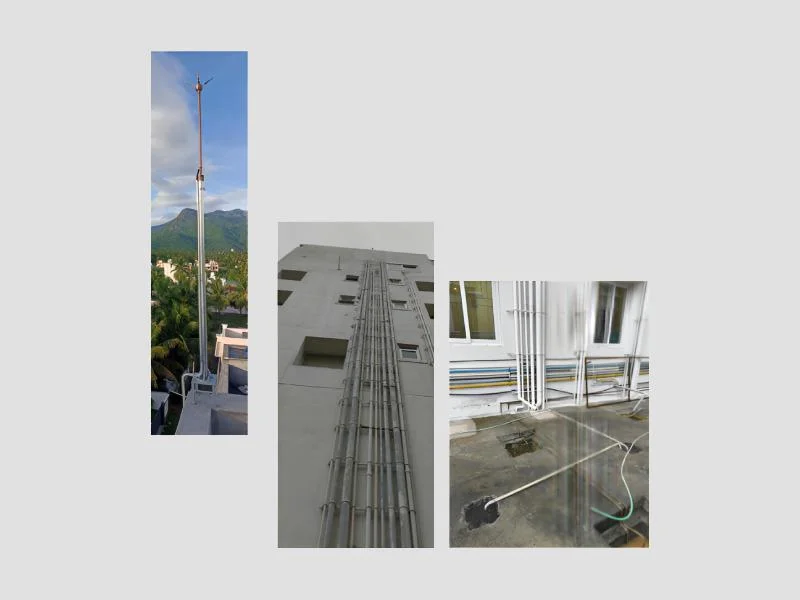
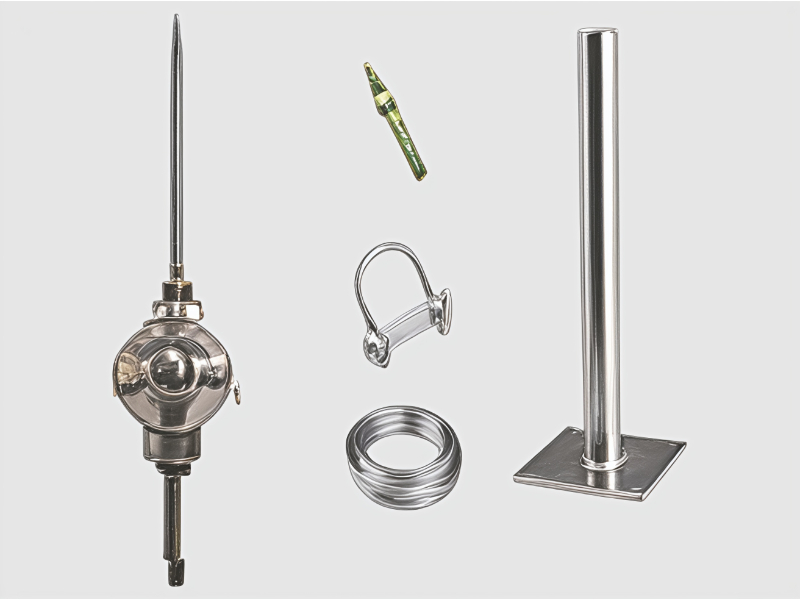
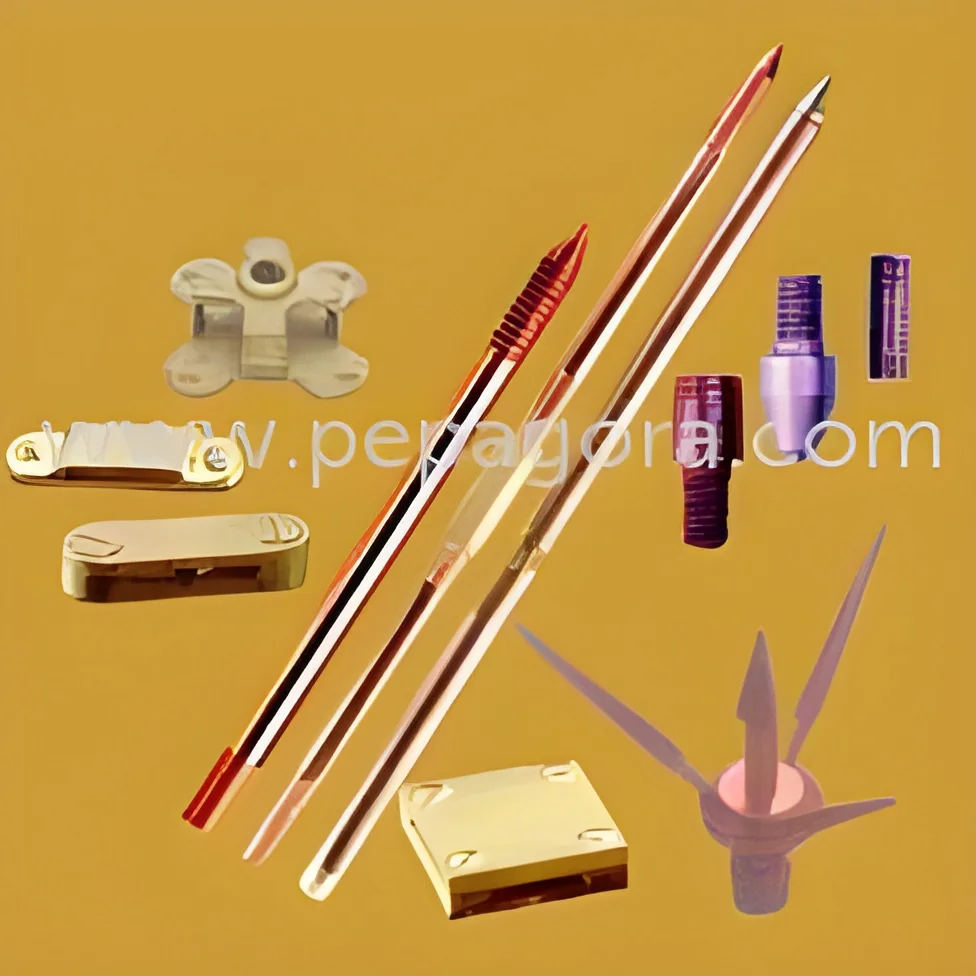
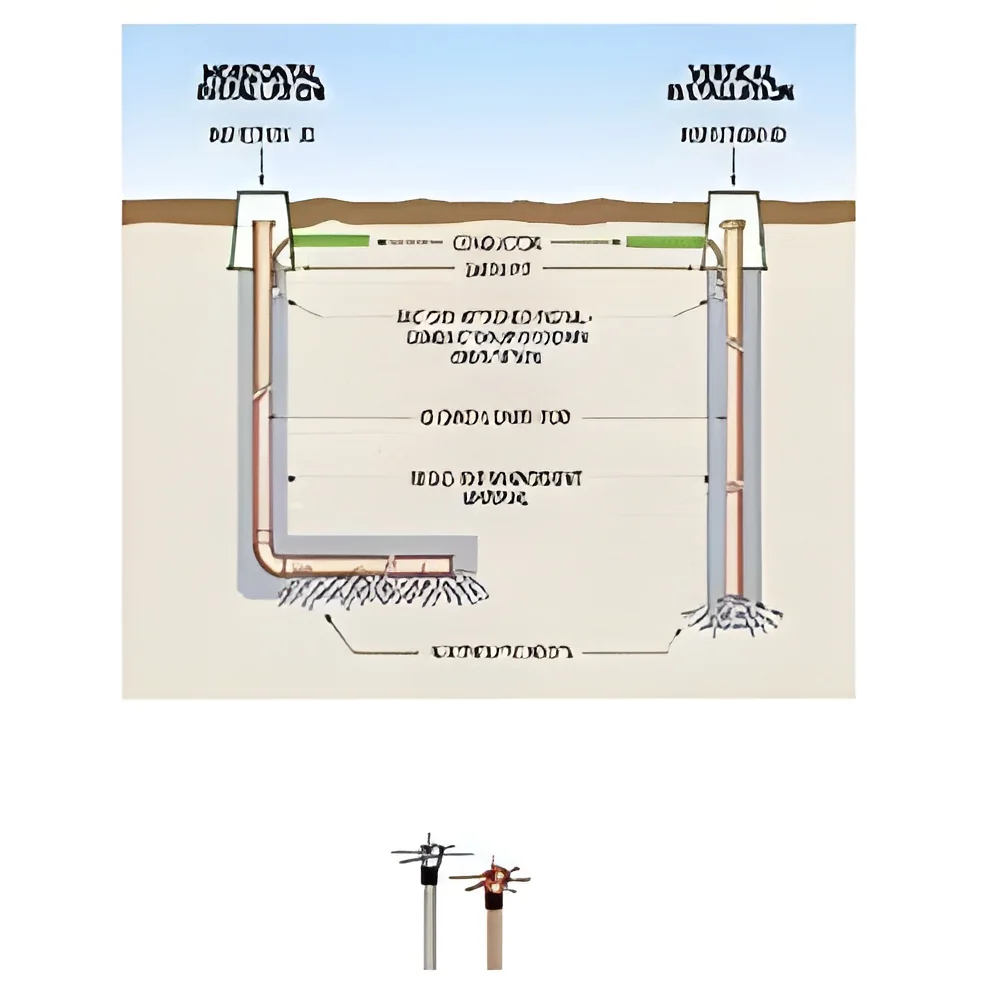
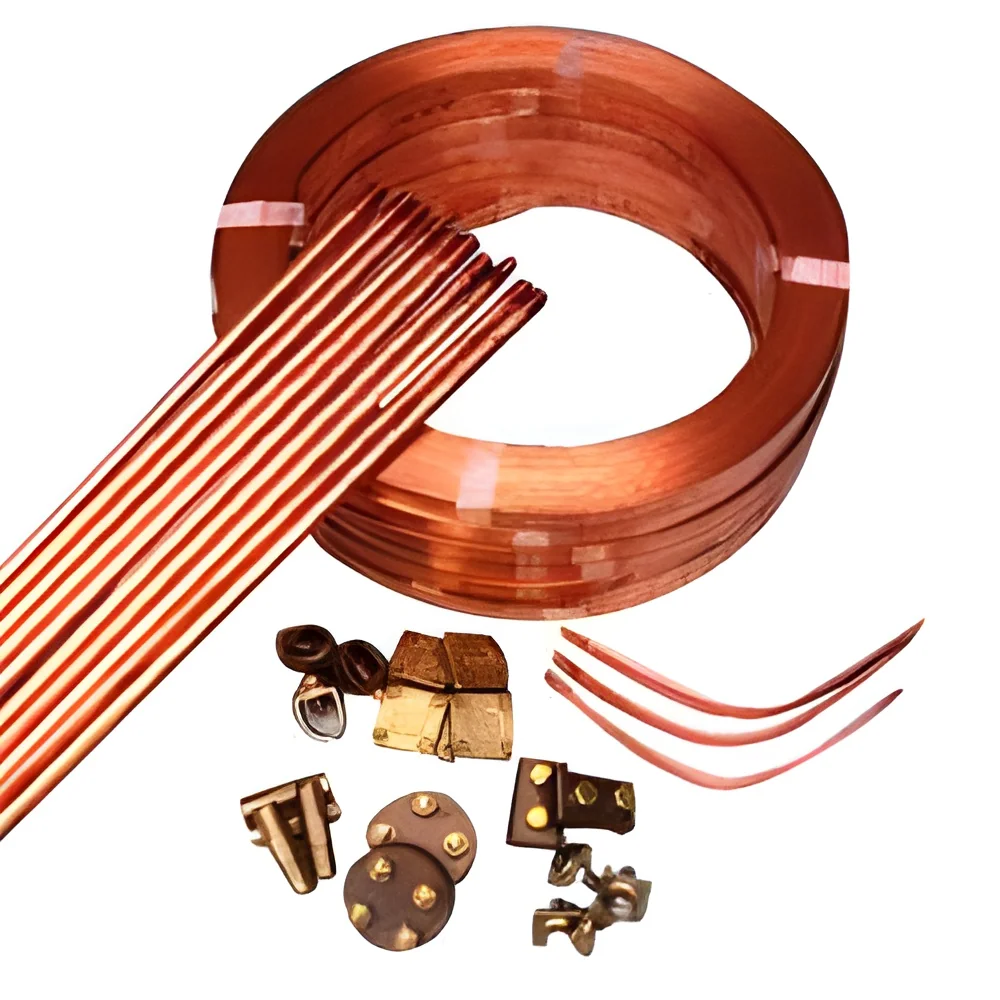
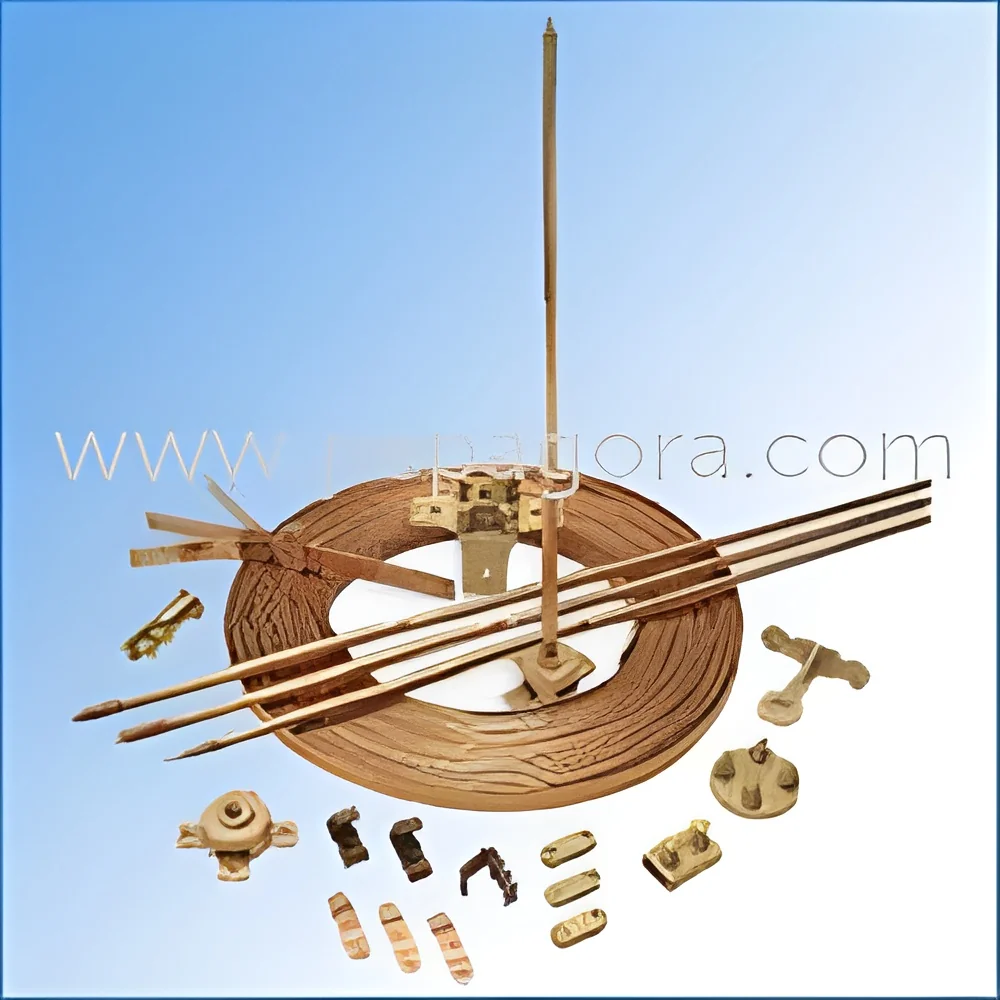
Earthing and lightning protection systems are critical components designed to protect structures and electrical equipment from the damaging effects of electrical surges, particularly those caused by lightning strikes. These systems ensure that excess electrical energy is safely channeled into the ground, minimizing the risk of fire, equipment damage, and injury. An effective earthing system provides a low-resistance path for electrical currents, while lightning protection systems utilize various components like air terminals, conductors, and ground rods to direct lightning safely away from a building.
These systems find primary applications in sectors such as construction, telecommunications, and manufacturing. Businesses invest in earthing and lightning protection to safeguard their assets, ensure operational continuity, and comply with safety regulations. The increasing frequency of extreme weather events has heightened the relevance of these systems. As industries continue to evolve with technology, the demand for reliable protection systems is expected to grow, creating a robust market for manufacturers and suppliers.
Key Features and Specifications
Earthing and lightning protection systems come with a variety of features and specifications to meet diverse needs across different industries. Understanding these specifications is essential for selecting the right system for your application.
Key specifications include:
1. Material Composition
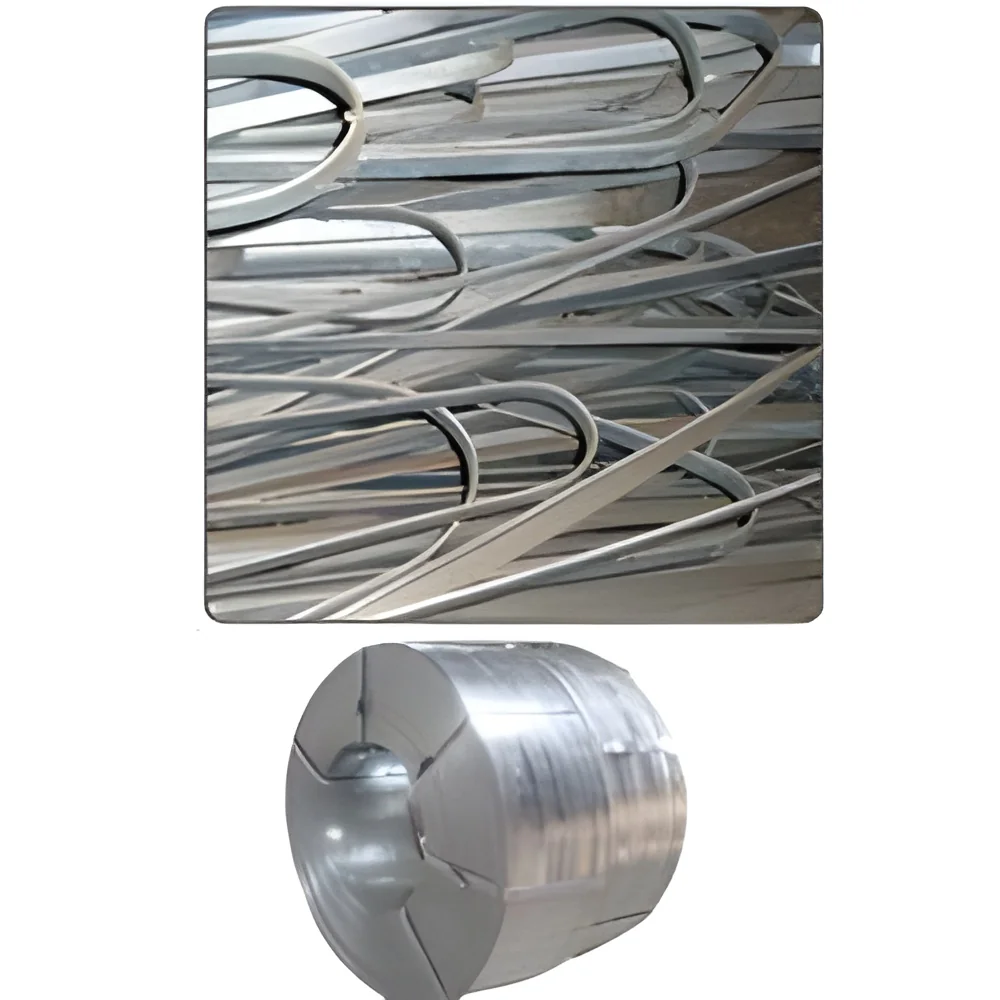
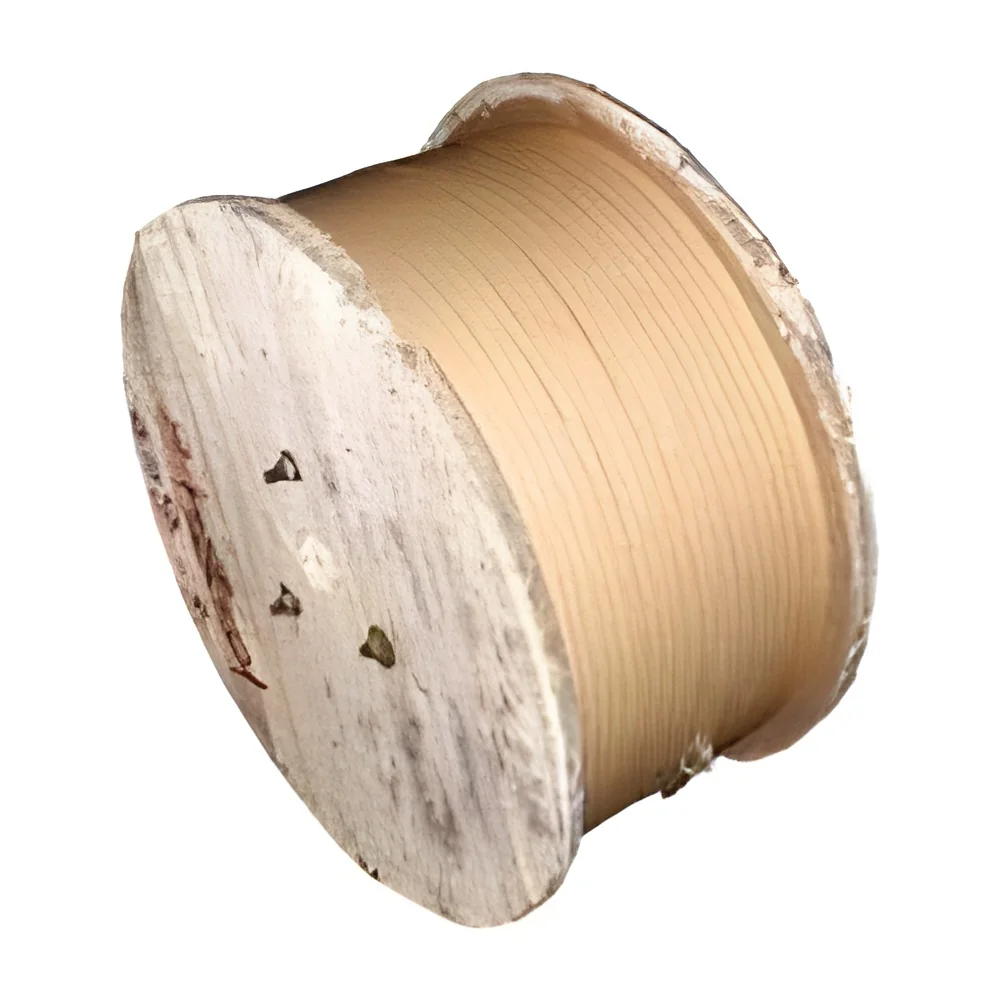
- Typically made from copper, aluminum, or galvanized steel
- Provides corrosion resistance and durability
2. Current Carrying Capacity
- Determines the maximum current the system can handle without failure
- Ranges typically between 10 kA to 100 kA for lightning protection systems
3. Ground Resistance
- A lower ground resistance indicates better performance
- Standard values range from 1 ohm to 10 ohms for effective earthing
4. System Configuration
- Various configurations include radial, grid, and ring systems
- Each configuration serves specific site requirements
5. Compliance Standards
- Systems should comply with relevant standards such as IEC 62305
- Ensures reliability and safety of the installation
6. Installation Methodology
- Can be installed above ground, below ground, or integrated into building structures
- Installation methods impact overall effectiveness and maintenance
7. Maintenance Requirements
- Regular inspections and tests are required to maintain effectiveness
- Frequency can vary based on environmental conditions
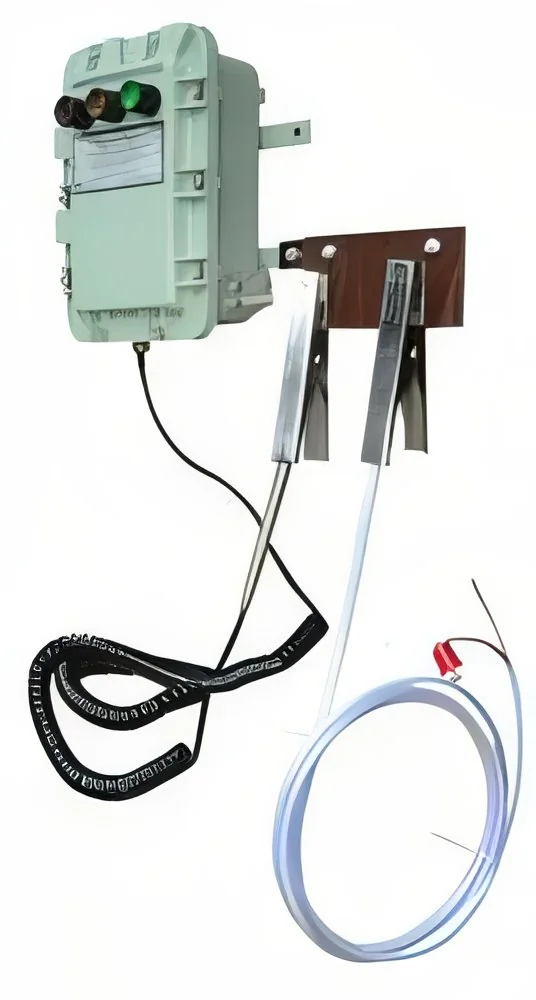
8. Monitoring Features
- Some systems offer monitoring capabilities for real-time performance tracking
- Helps in proactive maintenance and system integrity checks
In summary, the specifications of earthing and lightning protection systems are crucial in determining their effectiveness and suitability for various applications.
Common Applications and Use Cases
Earthing and lightning protection systems are utilized across multiple industries to safeguard infrastructure and personnel.
1. Construction: These systems protect newly built structures from lightning strikes and electrical surges during and after construction.
2. Telecommunications: Ensures the safety of communication equipment and data centers from electrical disturbances.
3. Manufacturing: Protects machinery and equipment from electrical faults, minimizing downtime and repair costs.
4. Renewable Energy: Used in solar and wind energy installations to protect sensitive electronic components from surges.
5. Transportation: Safeguards infrastructure such as railways and airports against lightning strikes, ensuring operational safety.
6. Healthcare: Protects critical medical equipment in hospitals from electrical disruptions, ensuring patient safety.
7. Oil and Gas: Provides essential protection for facilities and equipment in high-risk environments, reducing fire hazards.
Product Variants and Subcategories
Earthing and lightning protection systems offer diverse variants to cater to specific needs and applications.
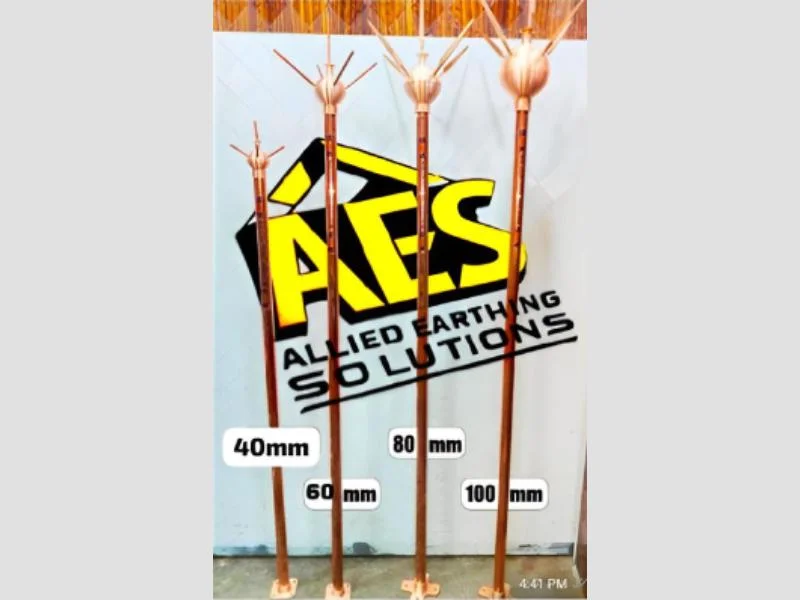
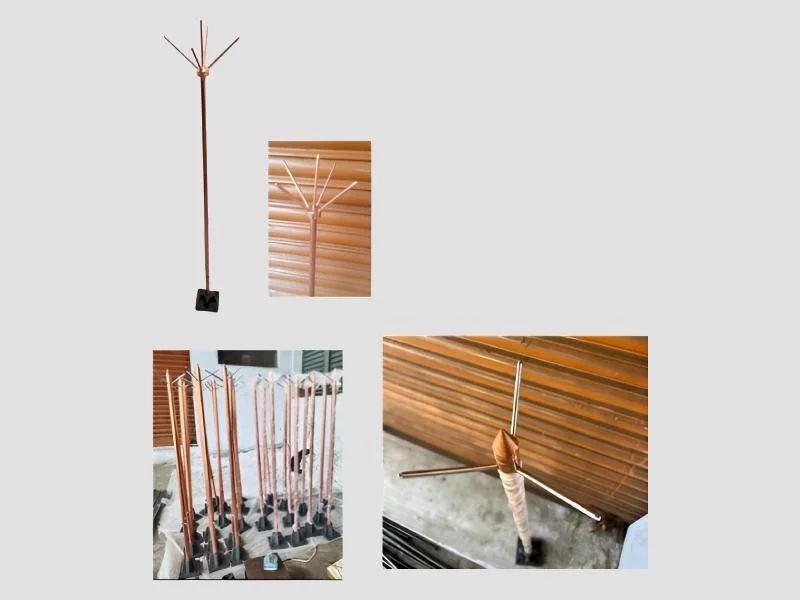
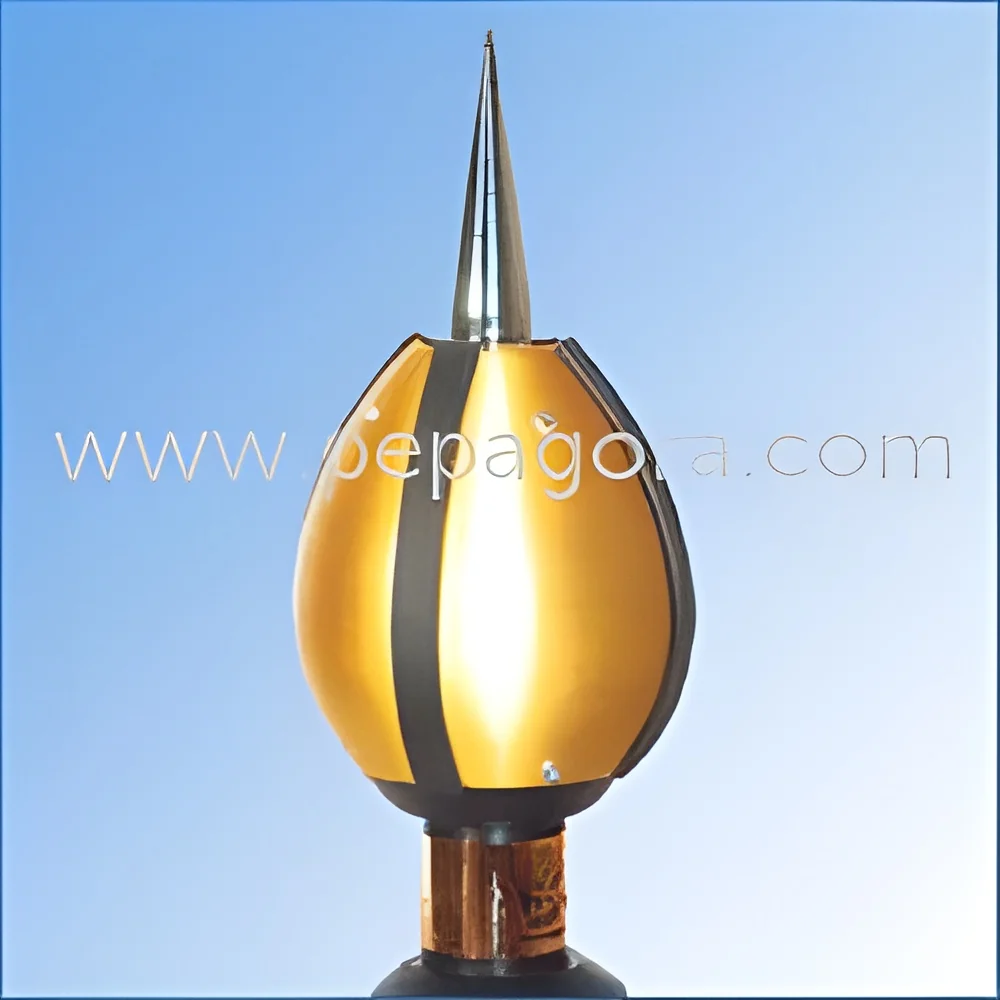
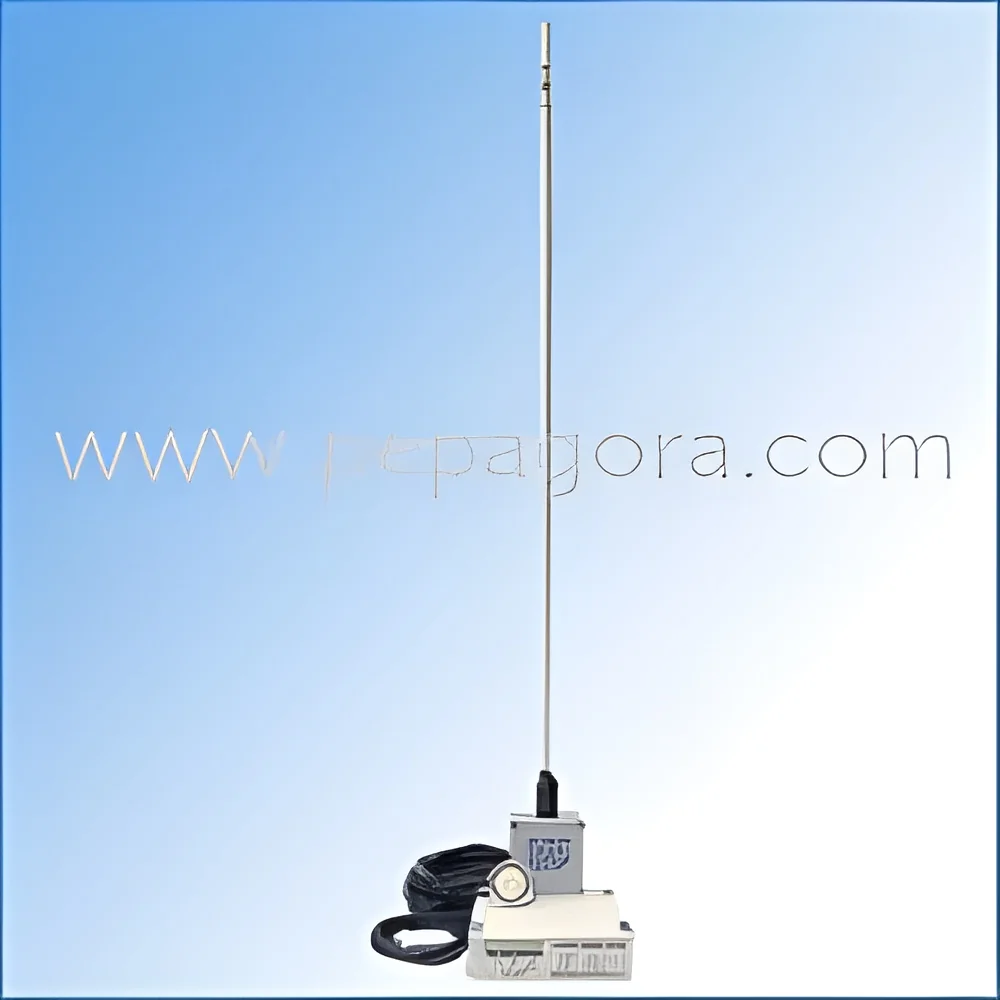
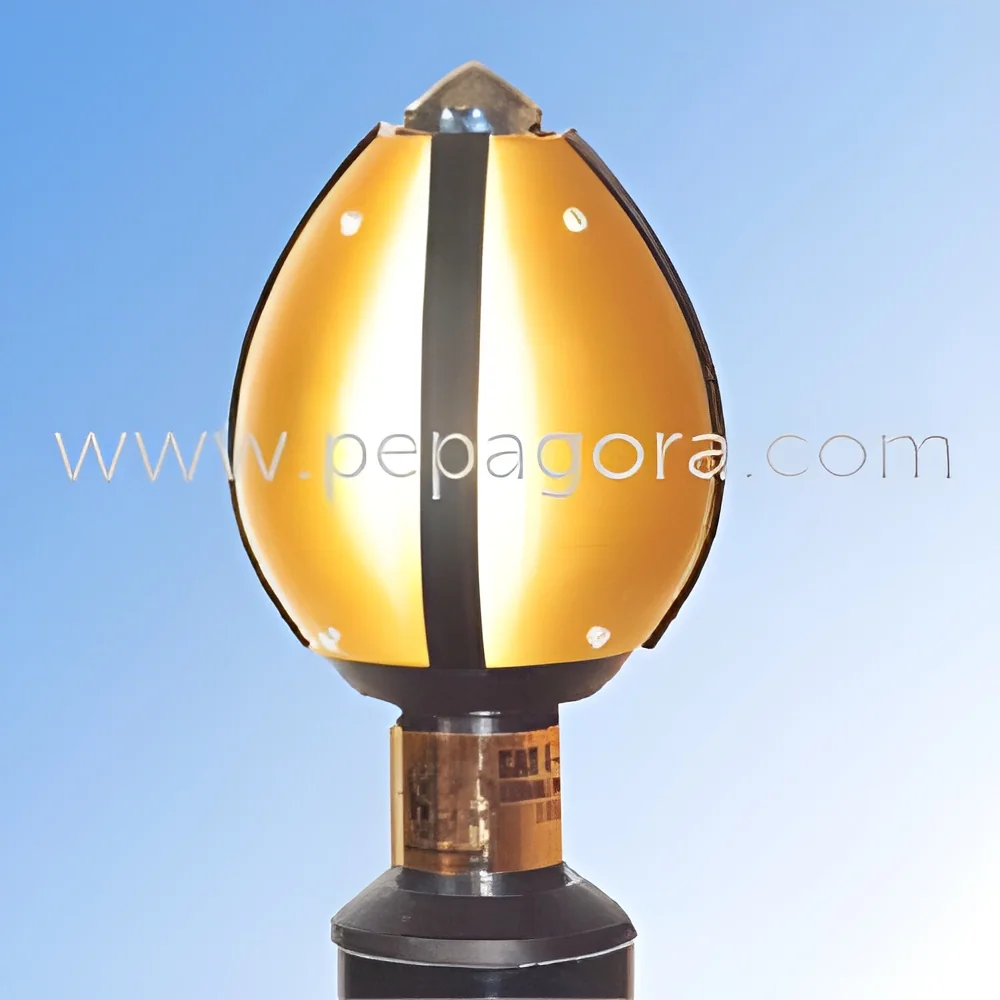
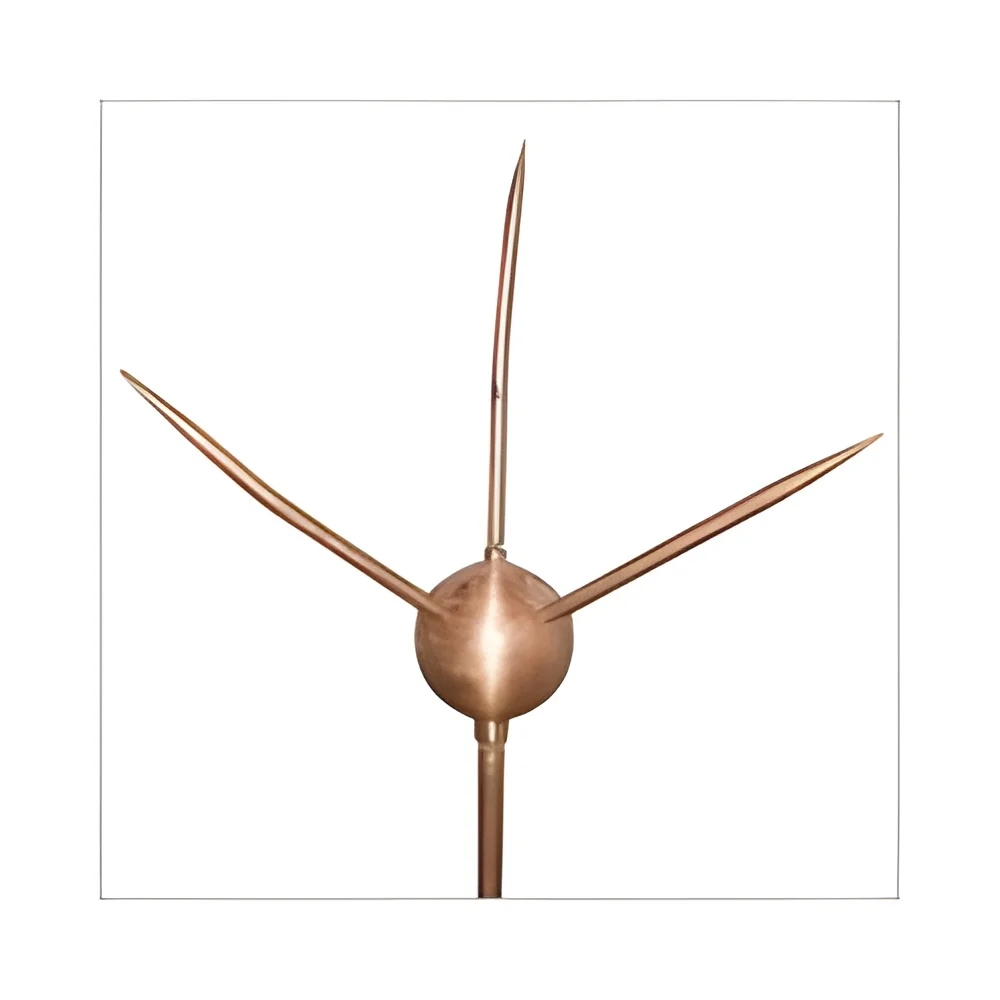
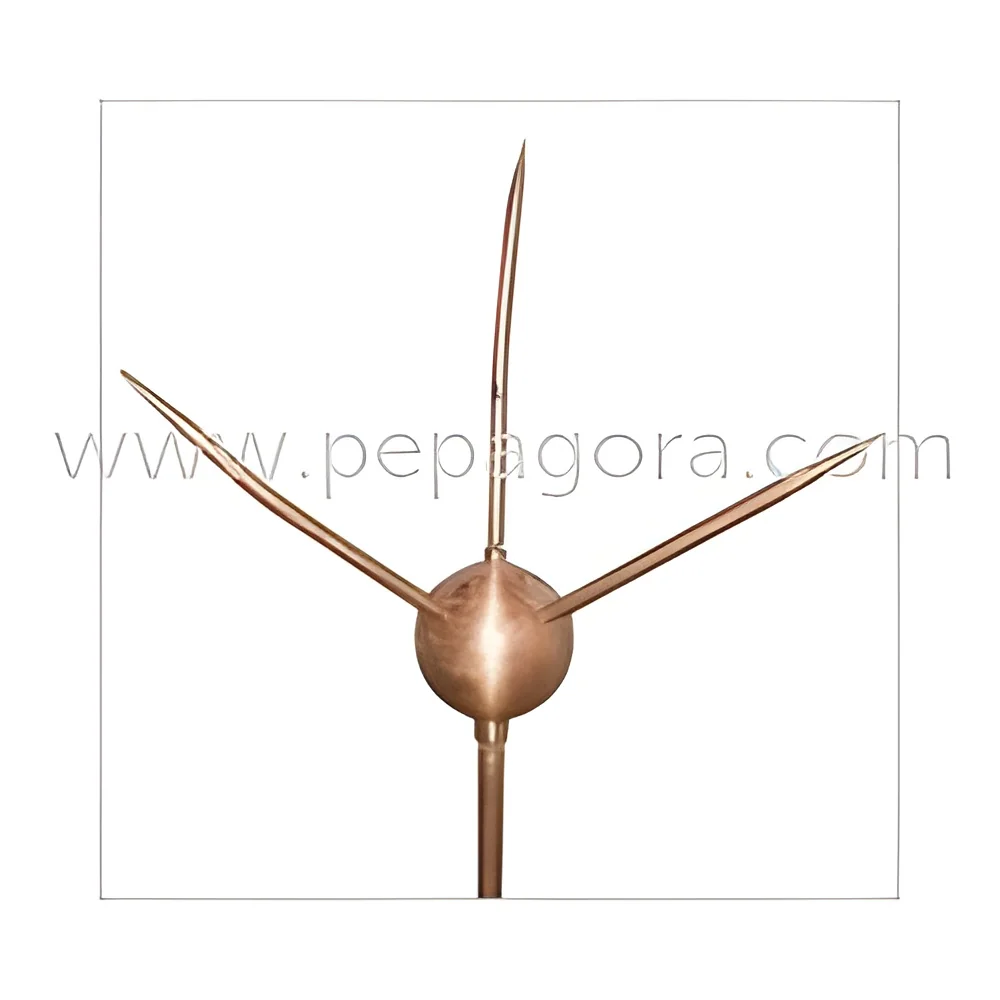
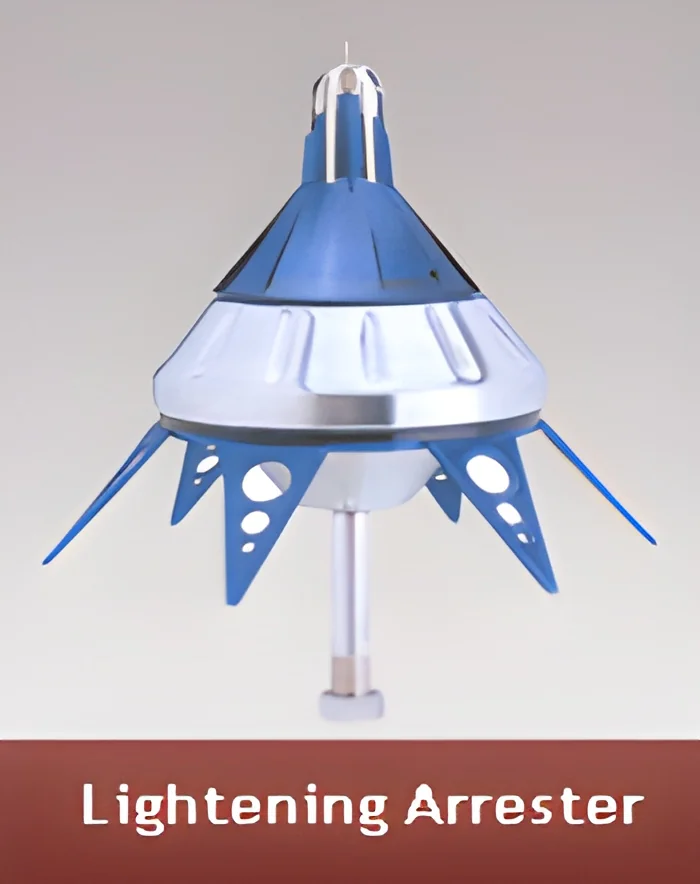
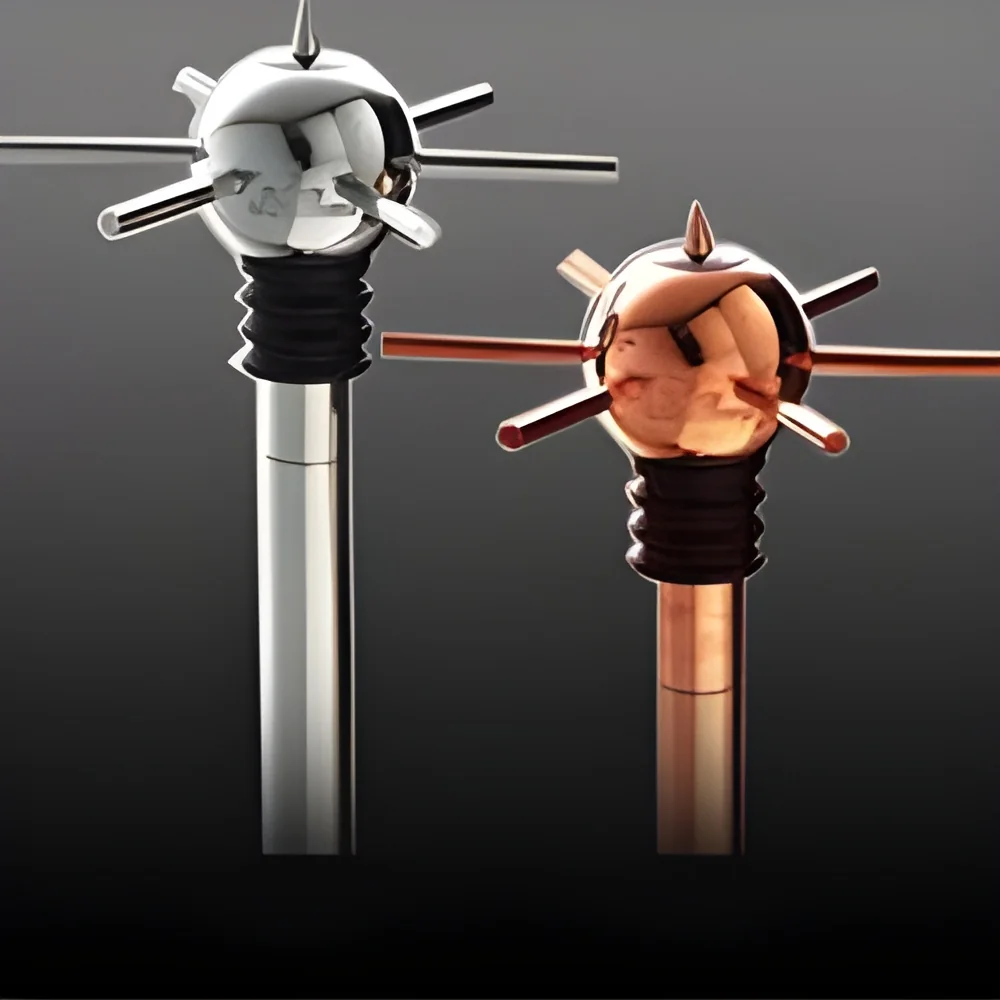
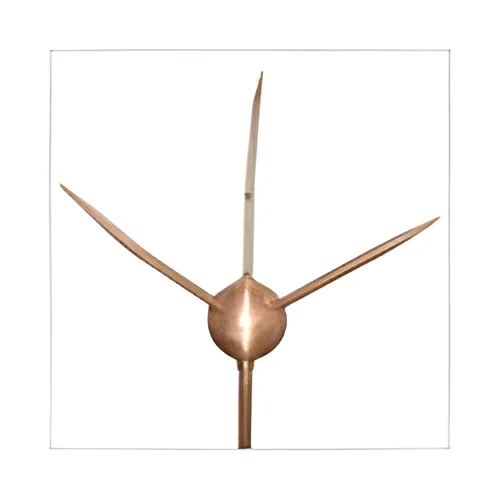
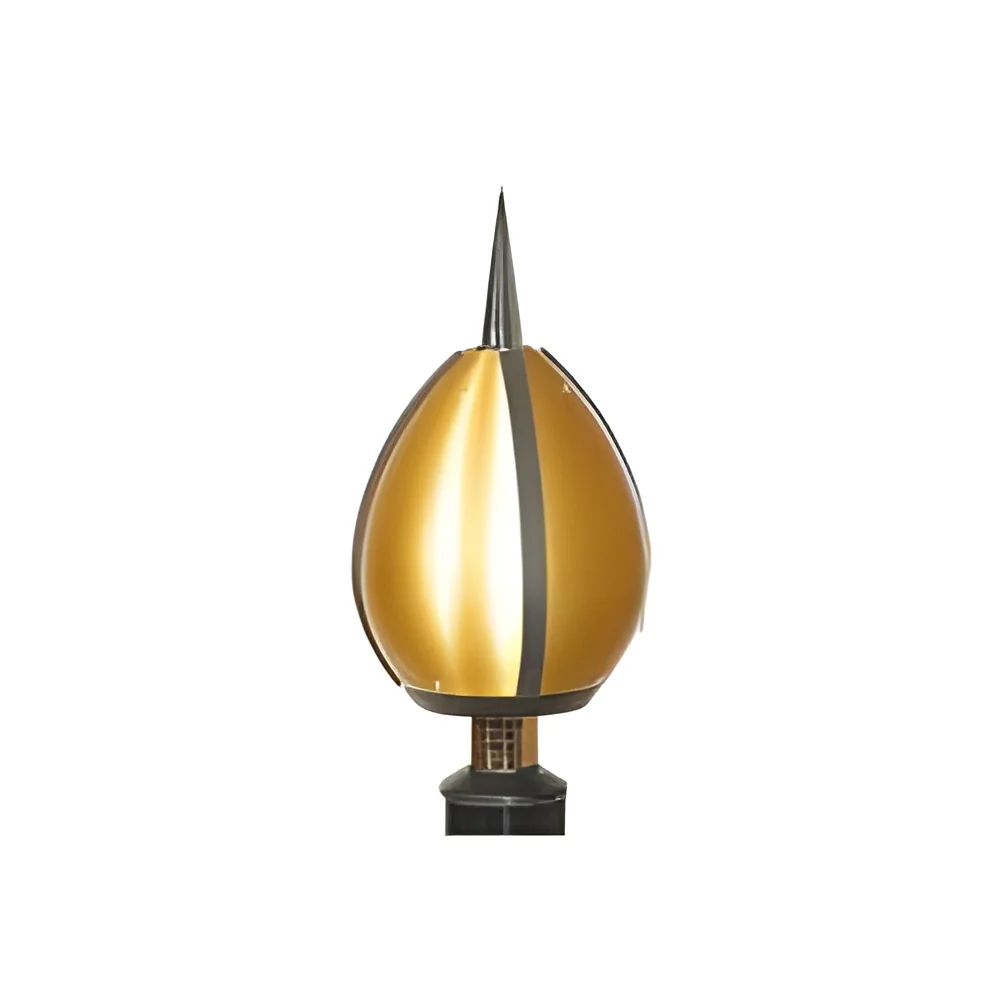
Conventional Lightning Rods: These are the most common type of lightning protection system, designed to intercept lightning strikes and direct the energy safely into the ground. They are widely used in residential and commercial buildings.
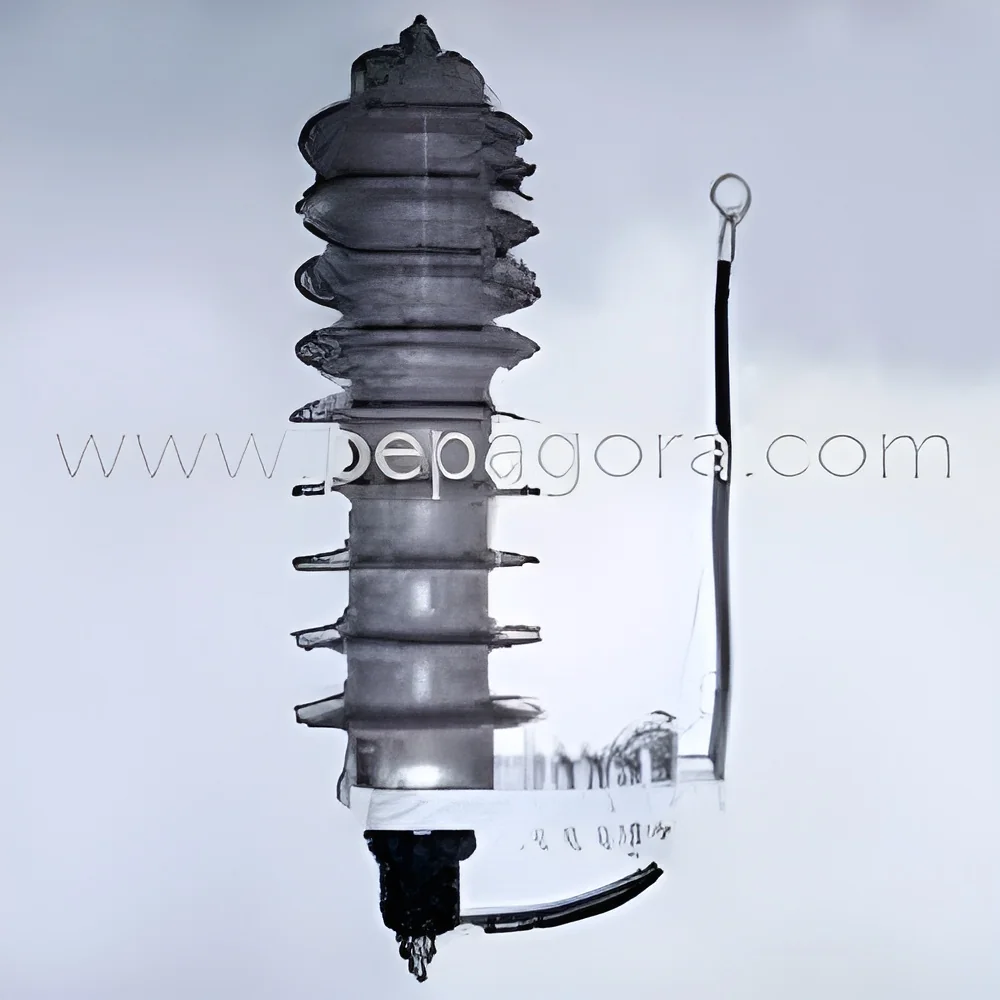
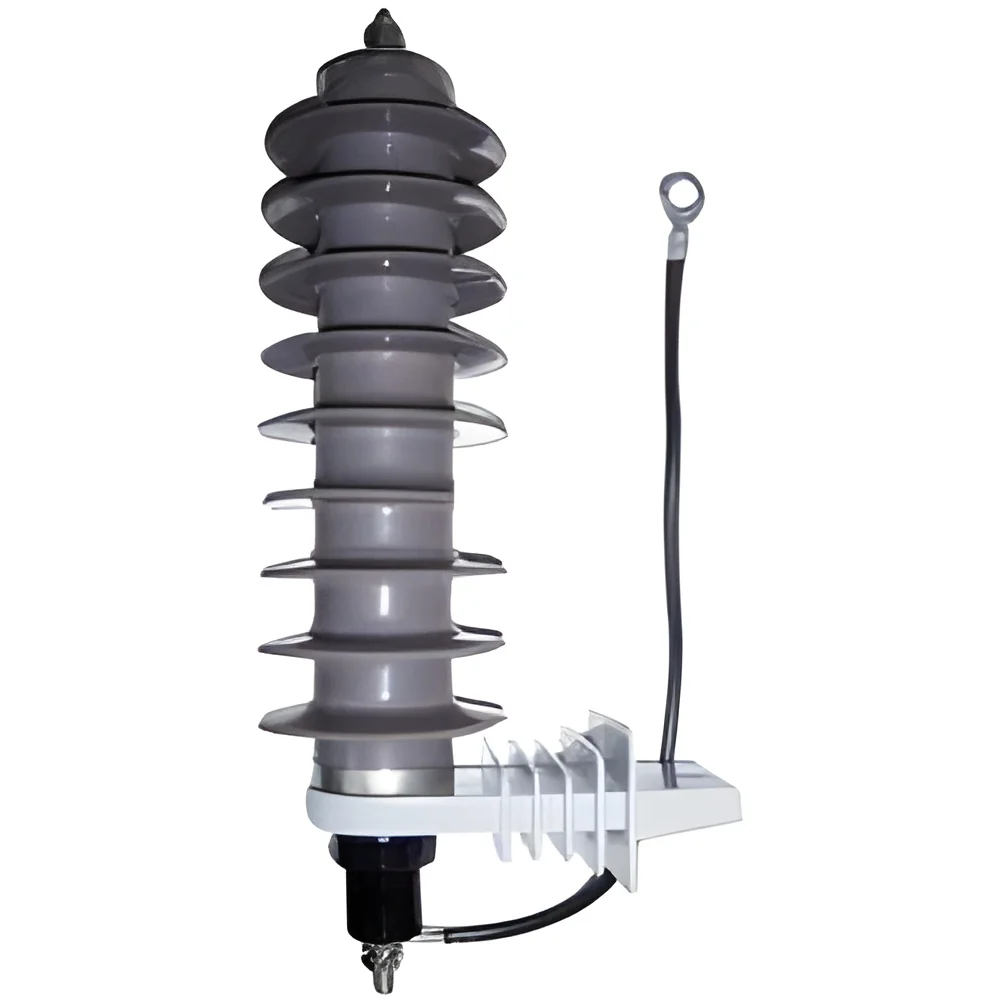
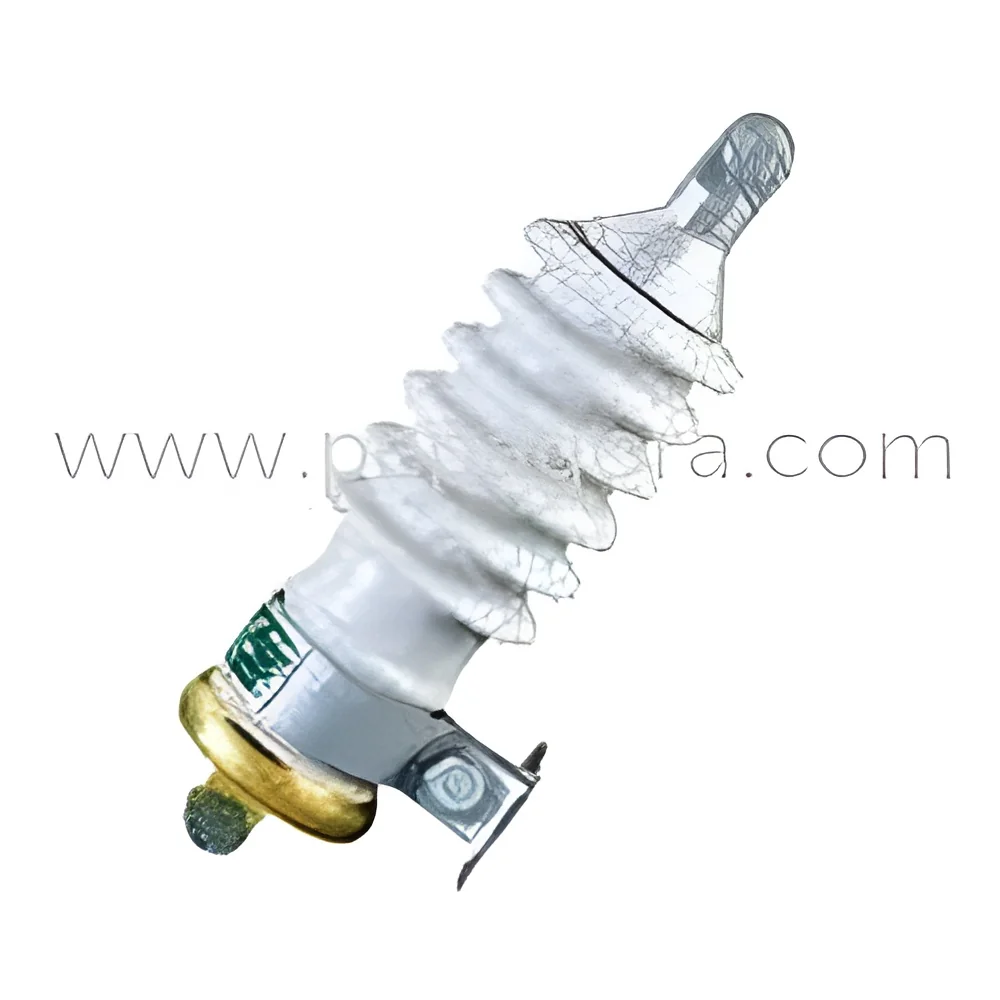
Surge Protection Devices (SPDs): SPDs are crucial for protecting electrical and electronic equipment from voltage spikes. They are essential in settings like data centers and industrial facilities where sensitive equipment is in use.
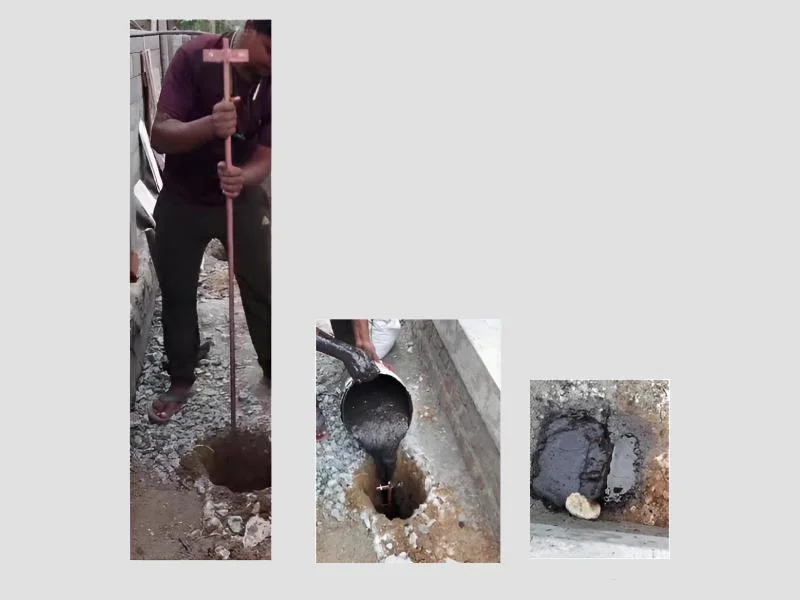
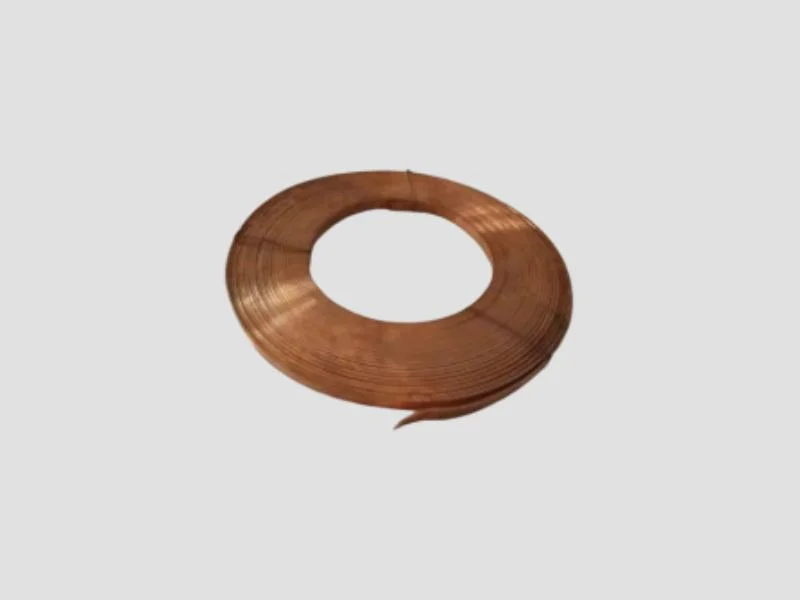
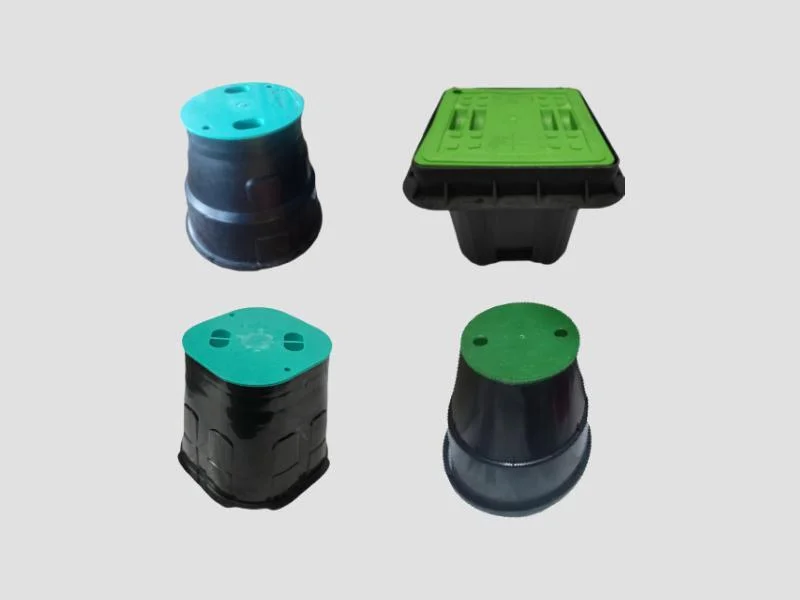
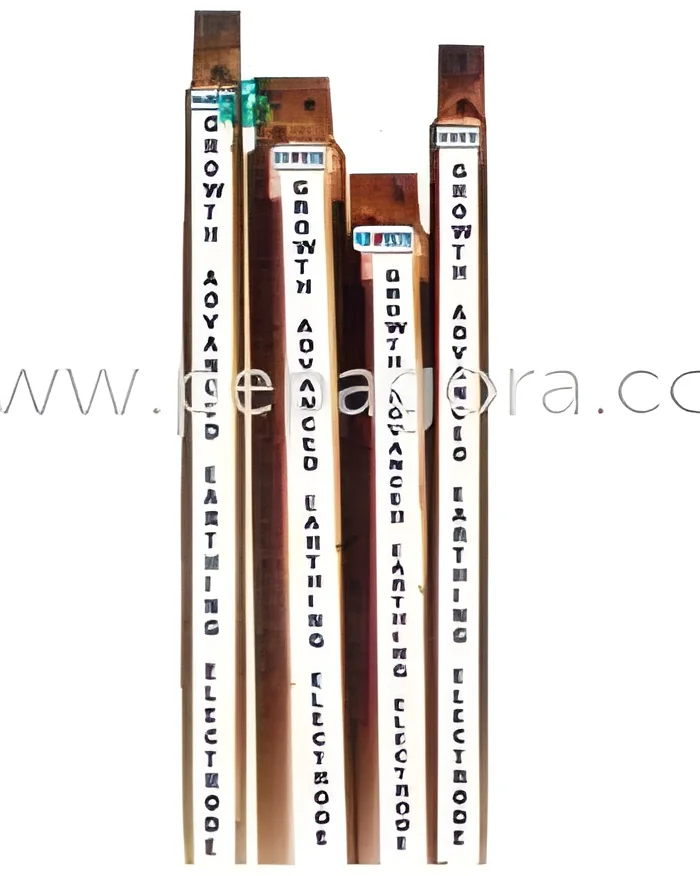
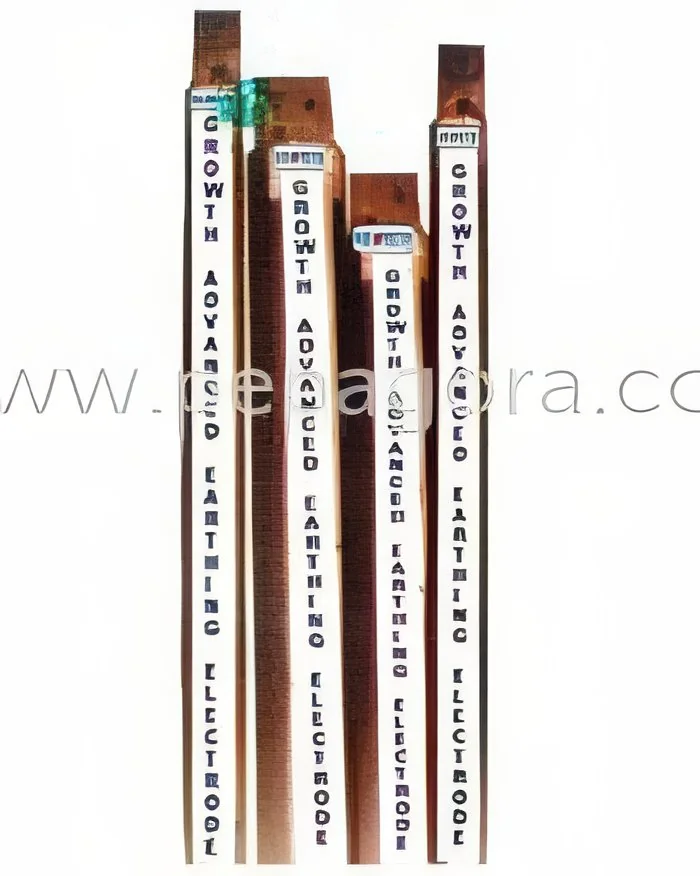
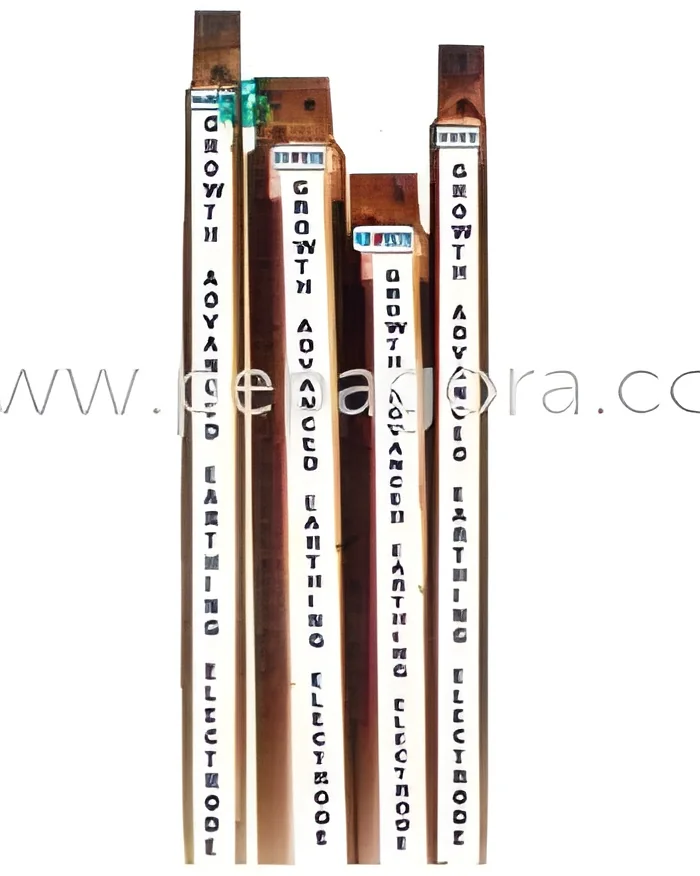
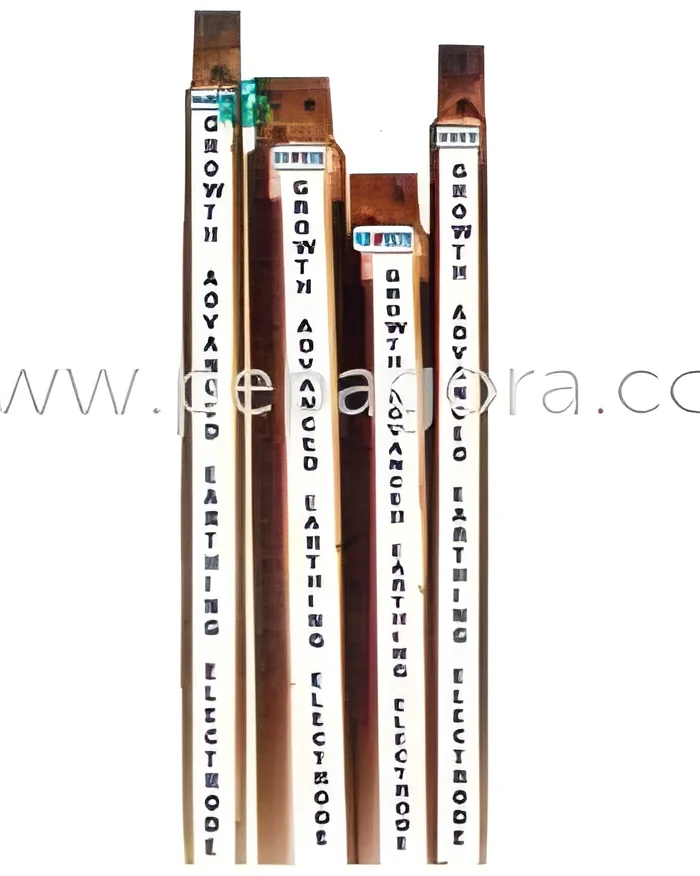
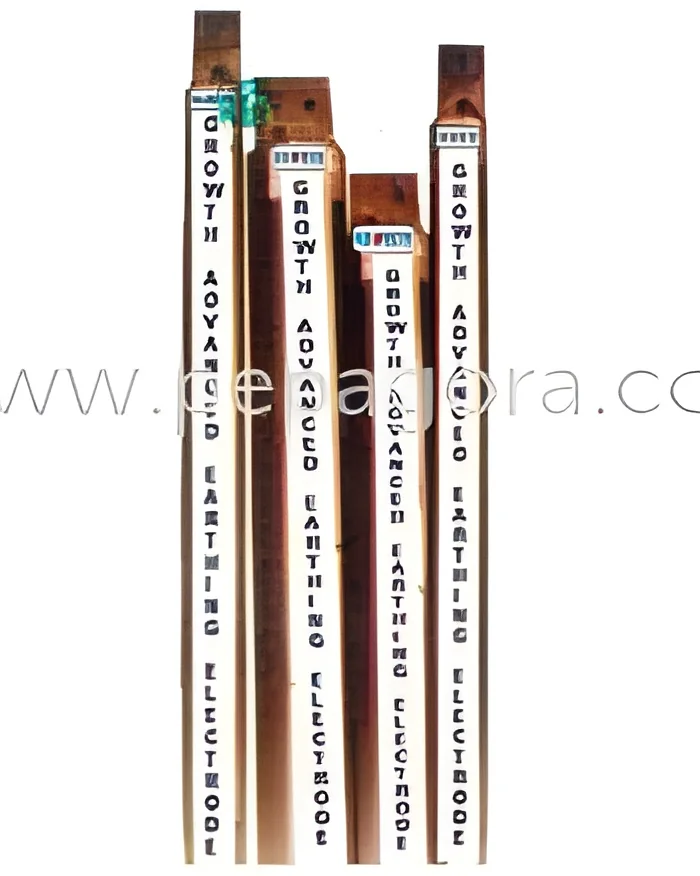
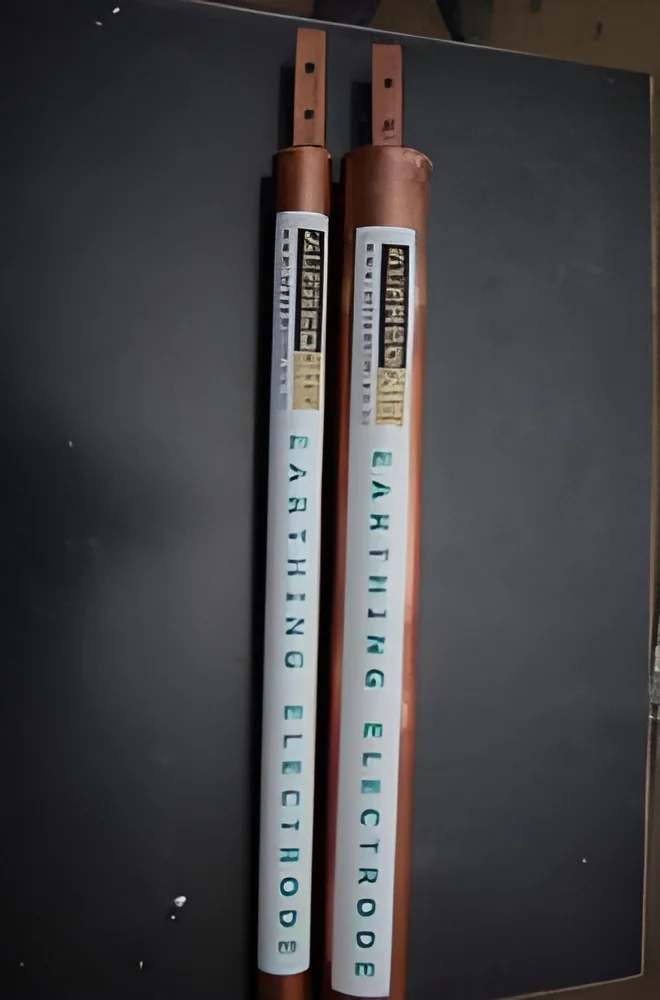
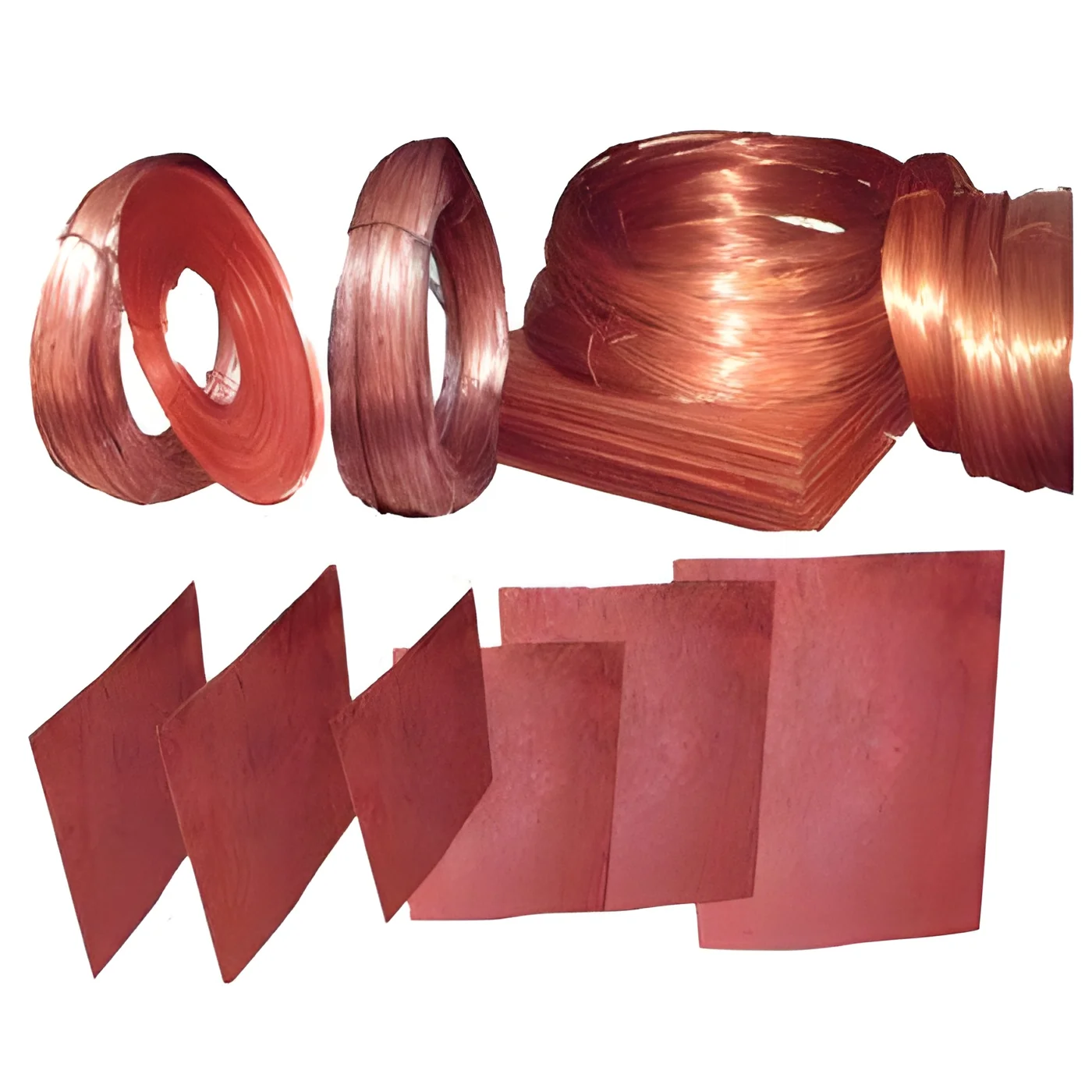
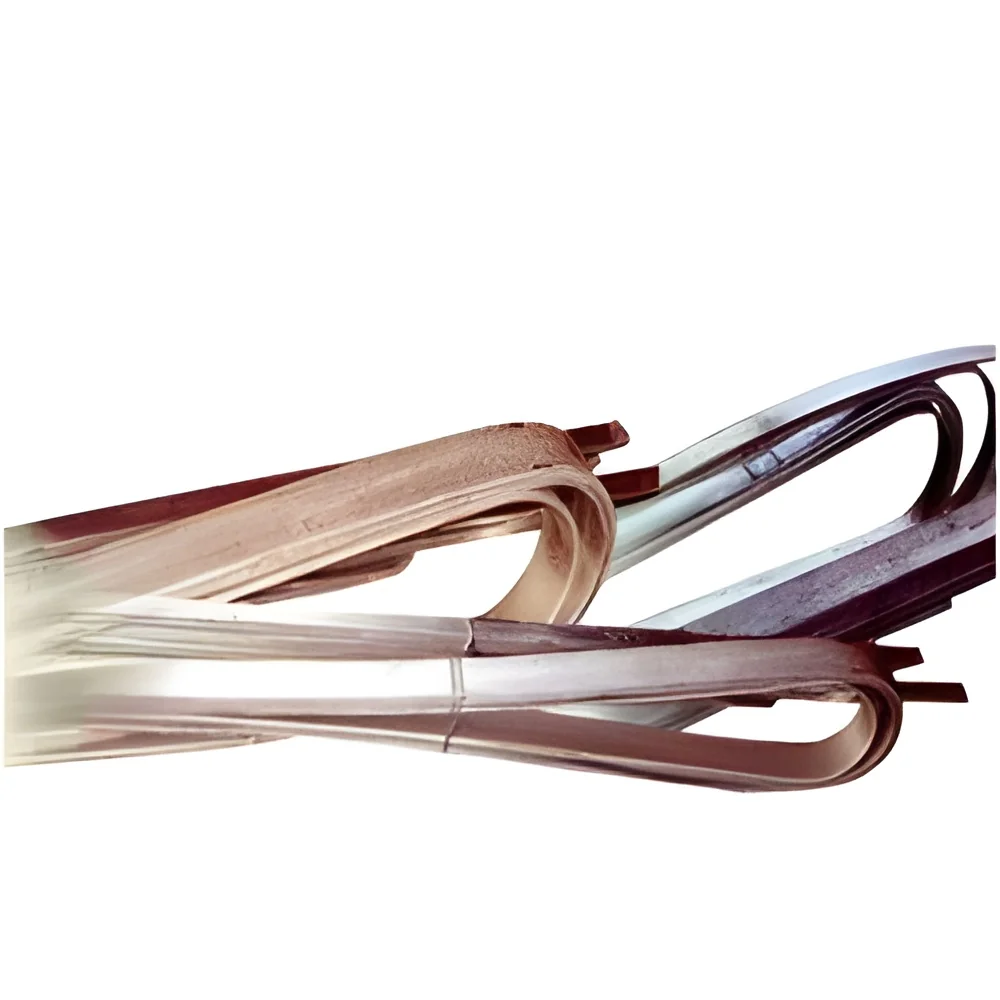
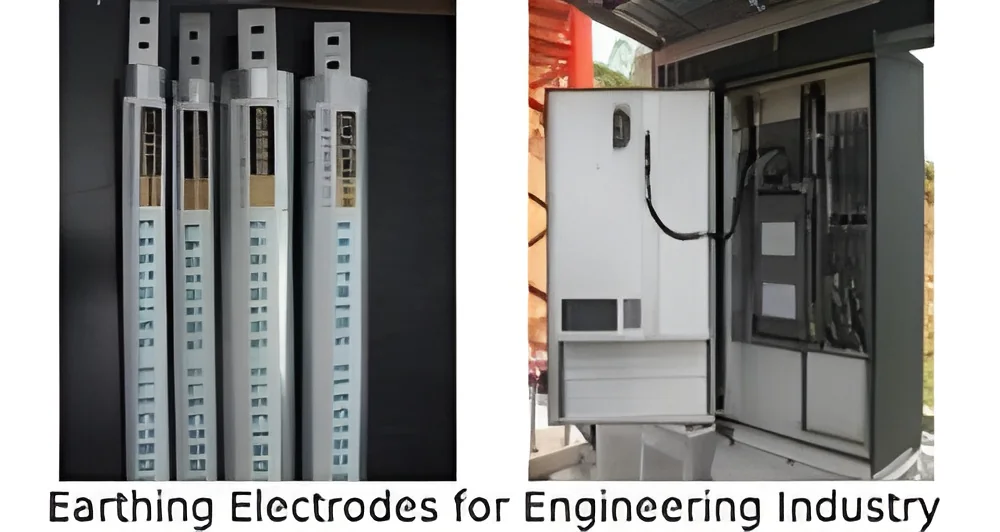
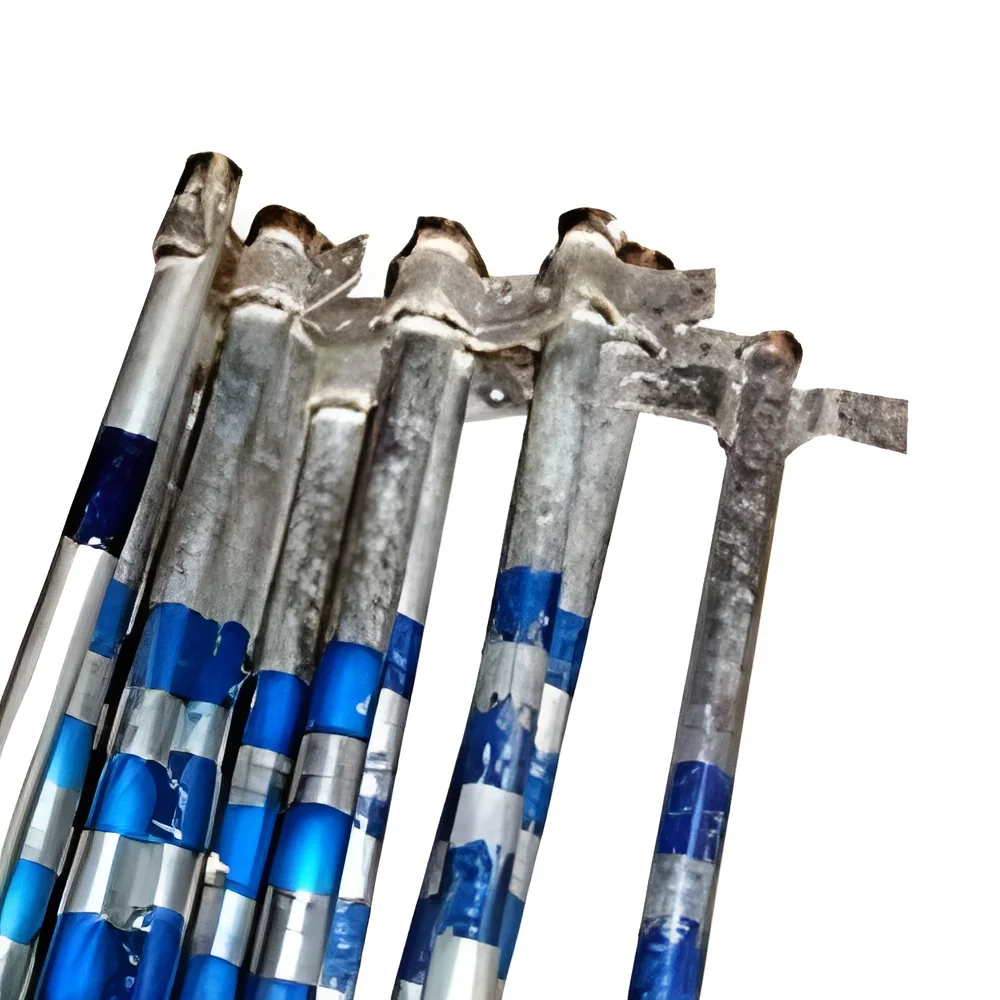
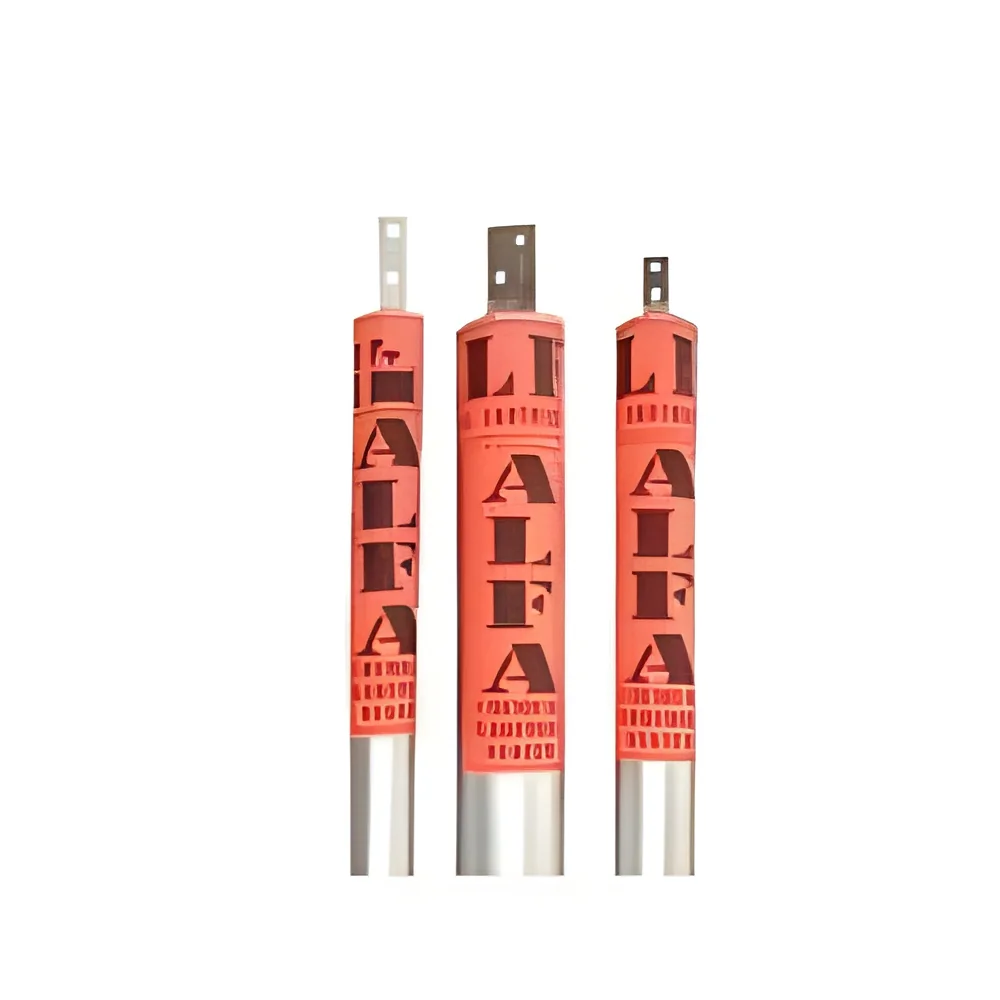
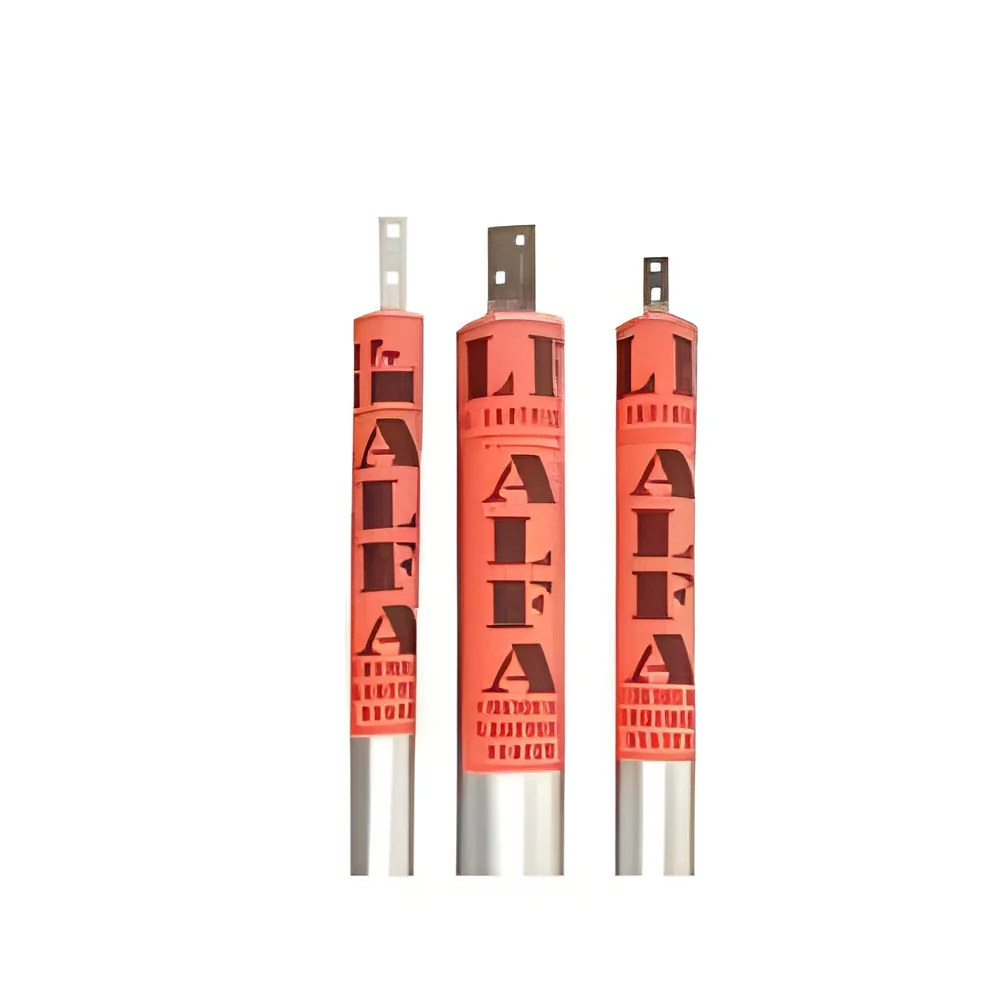
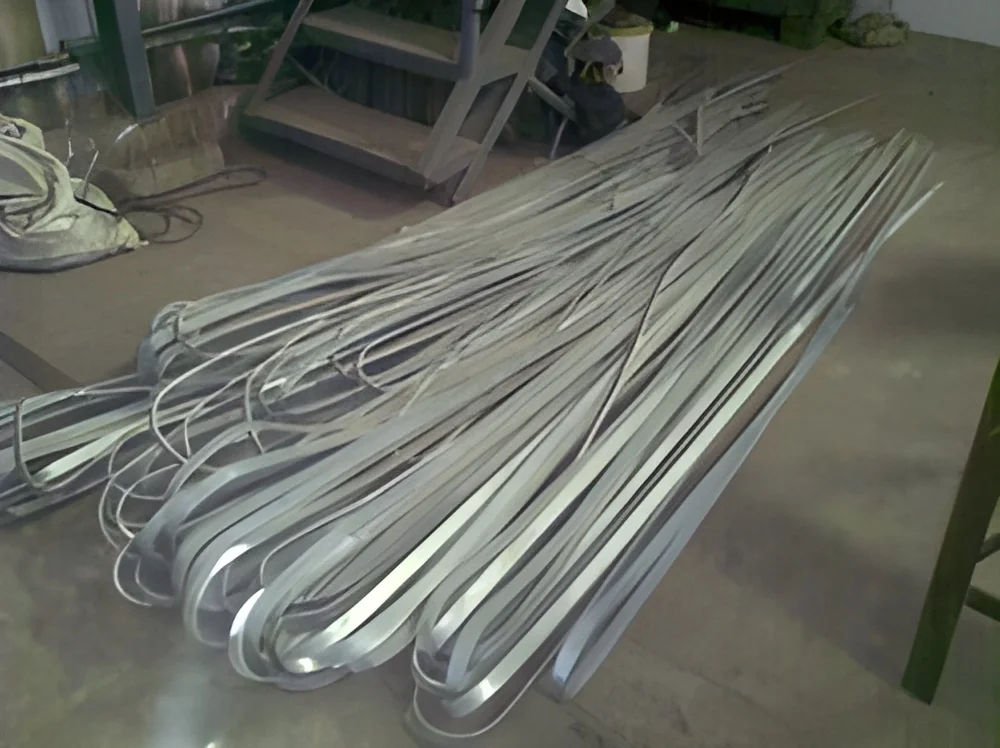
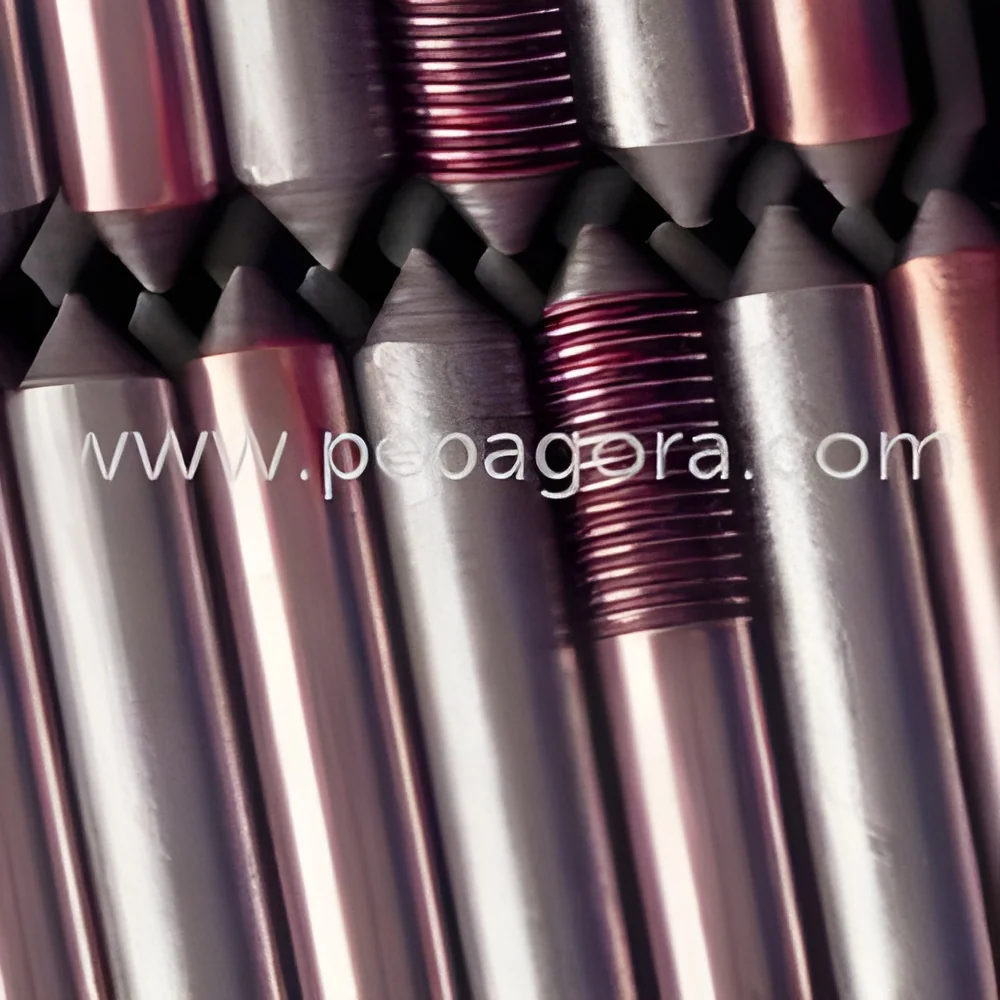
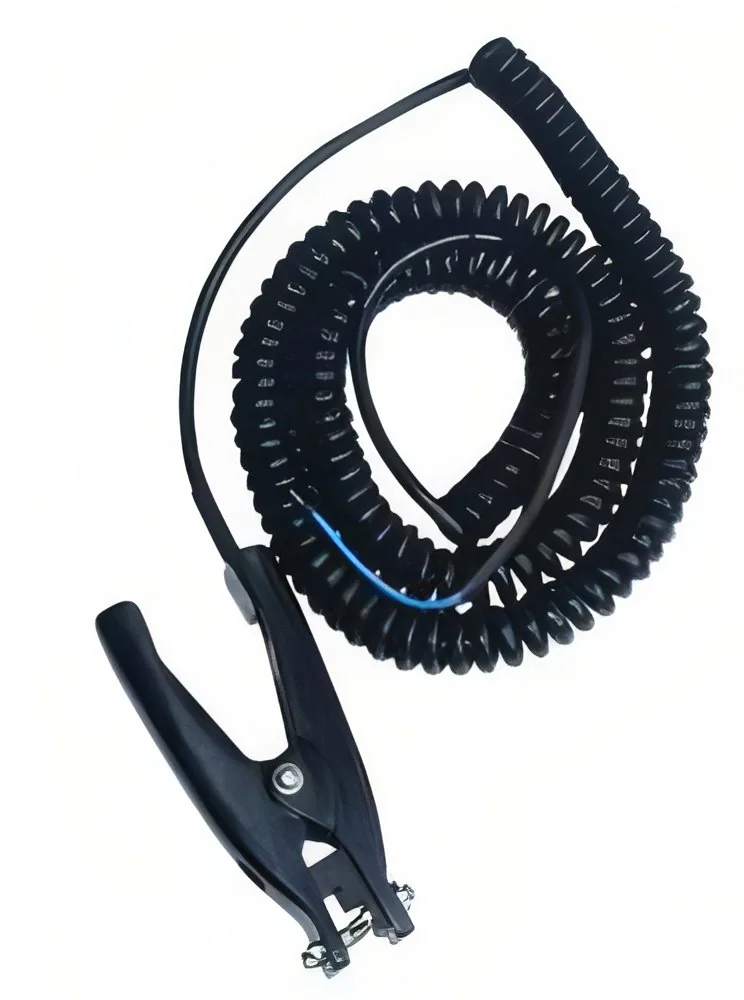
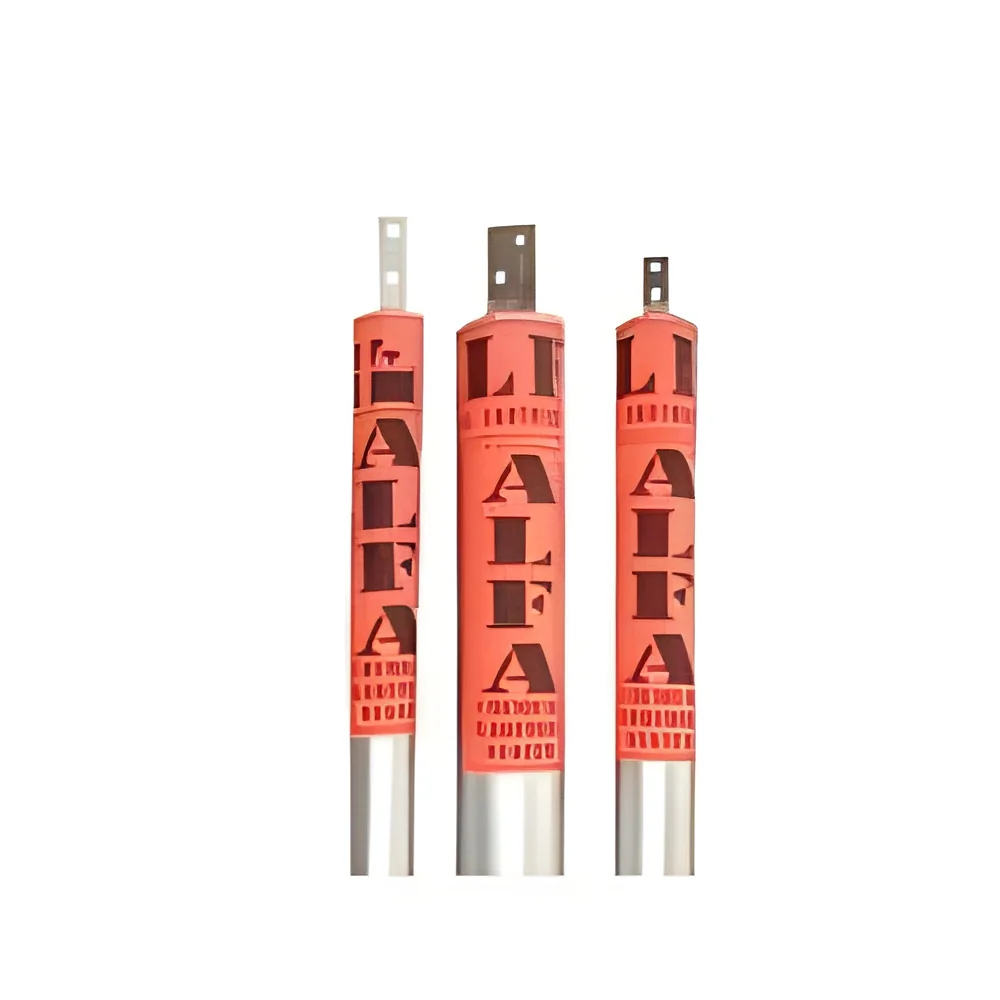
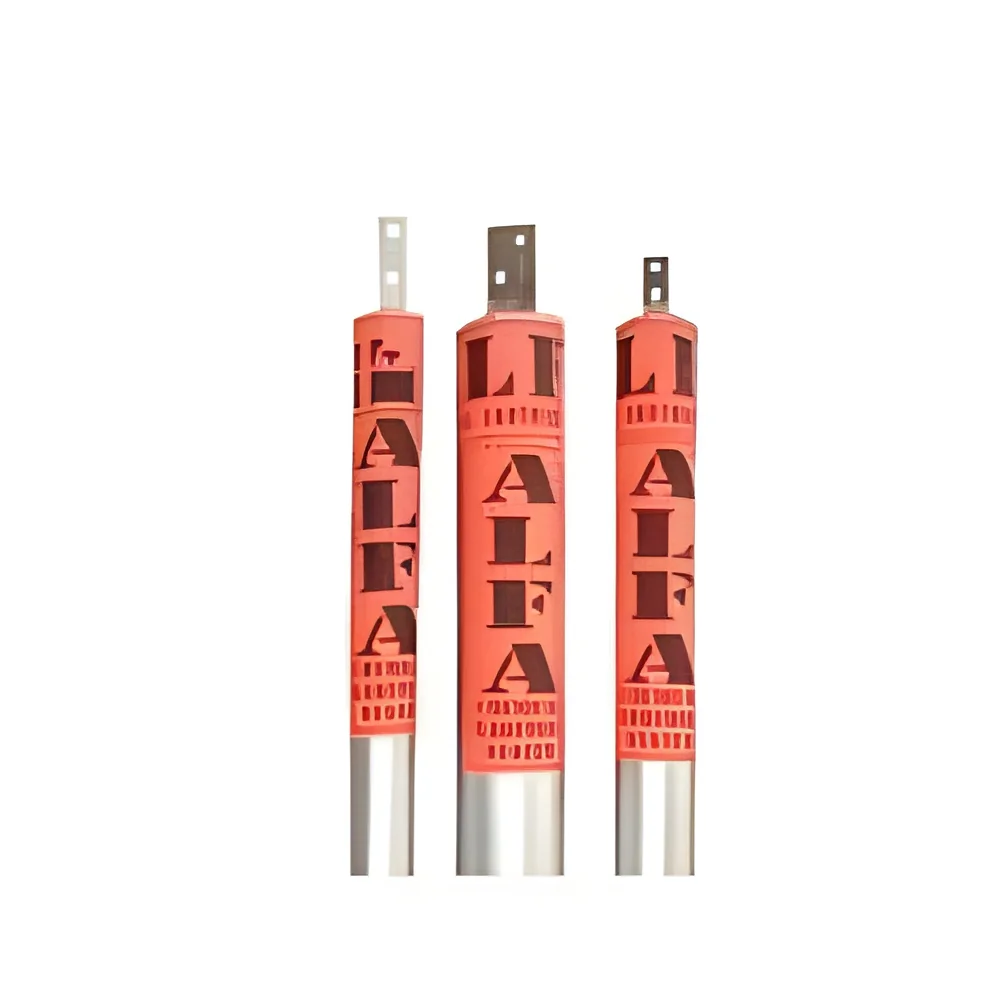
Earthing Plates and Rods: These components are used to establish a reliable ground connection. They vary in size and material and are essential for effective earthing in any system.
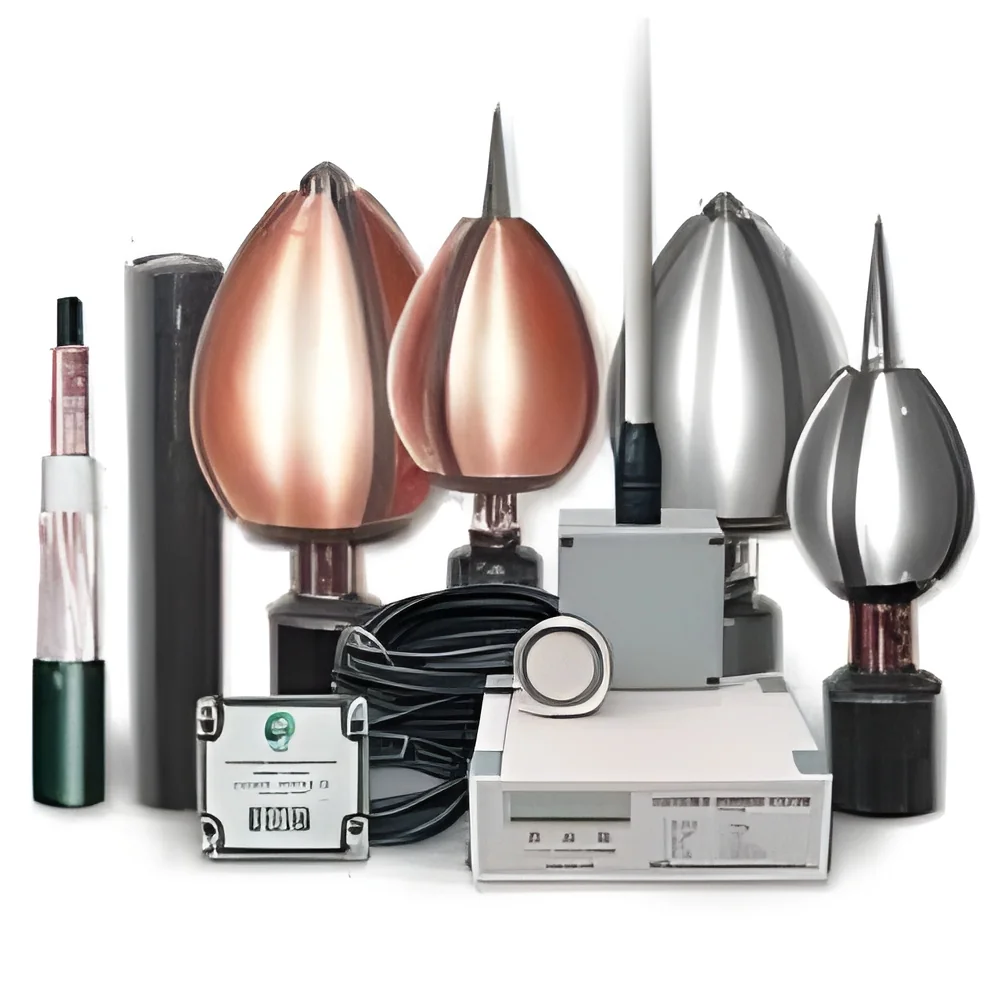
Integrated Systems: Some solutions combine earthing and lightning protection features into a single system, providing comprehensive protection and reducing installation complexity.
Benefits and Advantages
Investing in earthing and lightning protection systems offers several key benefits.
1. Enhanced Safety: These systems significantly reduce the risk of electrical hazards, protecting personnel and property.
2. Equipment Protection: They safeguard valuable equipment from electrical surges, prolonging its lifespan and ensuring operational efficiency.
3. Compliance Assurance: Implementing these systems helps businesses meet regulatory requirements and industry standards.
4. Cost Efficiency: By preventing damage from electrical disturbances, companies can save on repair and replacement costs.
5. Peace of Mind: Knowing that a reliable protection system is in place allows businesses to operate with confidence.
6. Increased Reliability: These systems contribute to the overall reliability of electrical installations, minimizing unexpected downtime.
Buying Guide for B2B Buyers
When sourcing earthing and lightning protection systems, consider the following factors to ensure you make an informed decision.
1. Quality Assessment: Evaluate the quality of materials and construction. Look for systems that meet established industry standards to ensure longevity and reliability.
2. Supplier Verification: Vet suppliers to confirm their reputation and reliability. Check certifications and customer reviews to gauge their track record.
3. Pricing and MOQ: Understand the pricing structure and minimum order quantities. Compare quotes from different suppliers to find the best value.
4. Delivery and Lead Times: Discuss logistics with suppliers to ensure timely delivery. Factor in lead times when planning installations.
5. Compliance Requirements: Be aware of regulatory compliance in your region. Ensure that the systems you choose meet all necessary safety and quality standards.
Compliance and Certifications
Compliance with industry standards is crucial for earthing and lightning protection systems. Key standards include ISO 9001, which ensures quality management systems are in place.
Industry certifications like CE demonstrate that products meet European safety and performance requirements. Compliance with these standards is essential for gaining market acceptance and ensuring safety.
Safety and testing requirements often include assessments of material durability and performance under electrical stress. Regular testing helps maintain system integrity and compliance.
Regional compliance considerations may vary, so it is important to consult local regulations to ensure adherence to specific safety and quality standards in your area.
Why Source Earthing & Lightning Protection Systems from Pepagora?
Pepagora provides a trusted platform for sourcing earthing and lightning protection systems with several key advantages.
Verified Supplier Network: Pepagora connects buyers with a network of verified suppliers, ensuring that you can find reliable and quality products suited to your needs.
Streamlined RFQ Process: The request for quotation system simplifies the procurement process, allowing buyers to receive competitive quotes quickly and efficiently.
Trade Assurance and Support: Pepagora offers buyer protection through trade assurance, giving you confidence in your transactions and support throughout the purchasing process.
Regional Coverage: With a presence in India, the GCC, and Southeast Asia, Pepagora provides extensive geographic reach, allowing you to source products tailored to your regional requirements.

 IN
IN