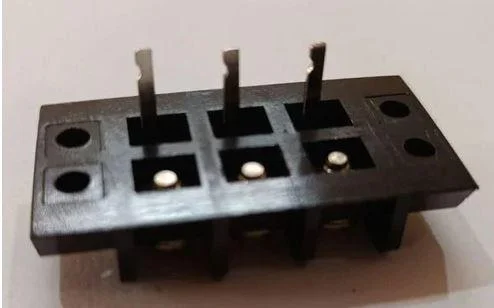
What are Industrial Plugs & Sockets?
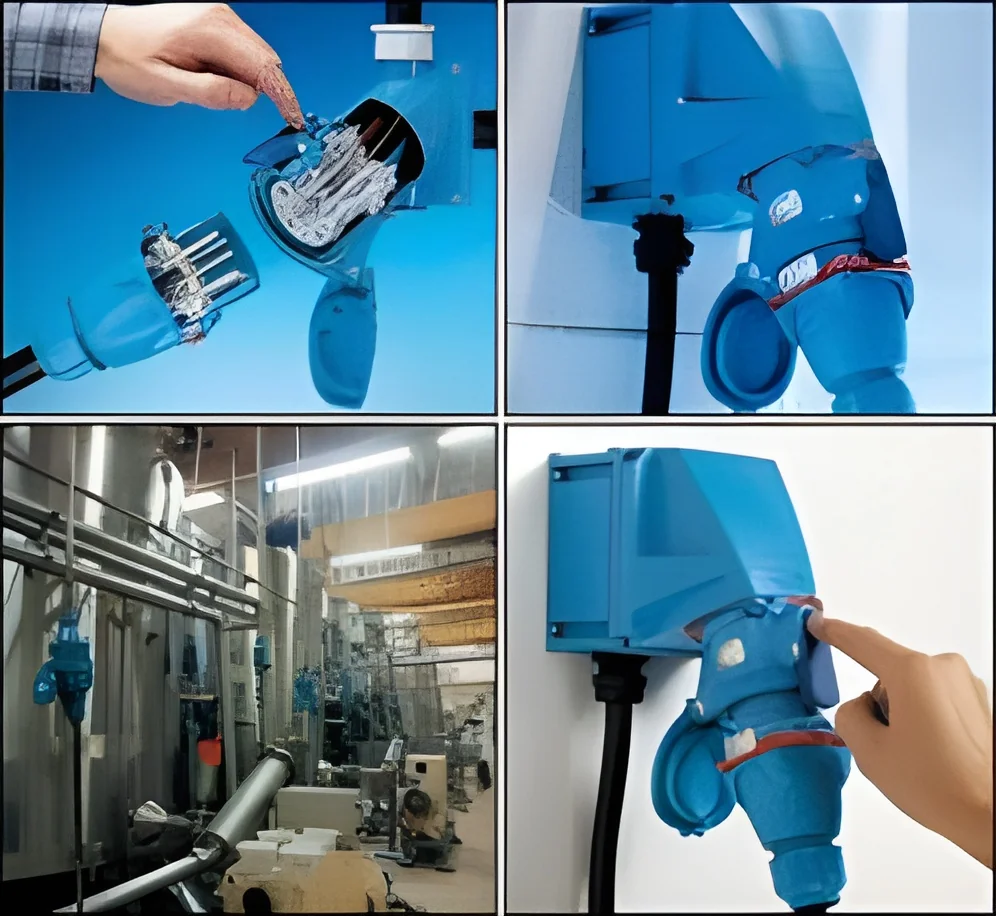
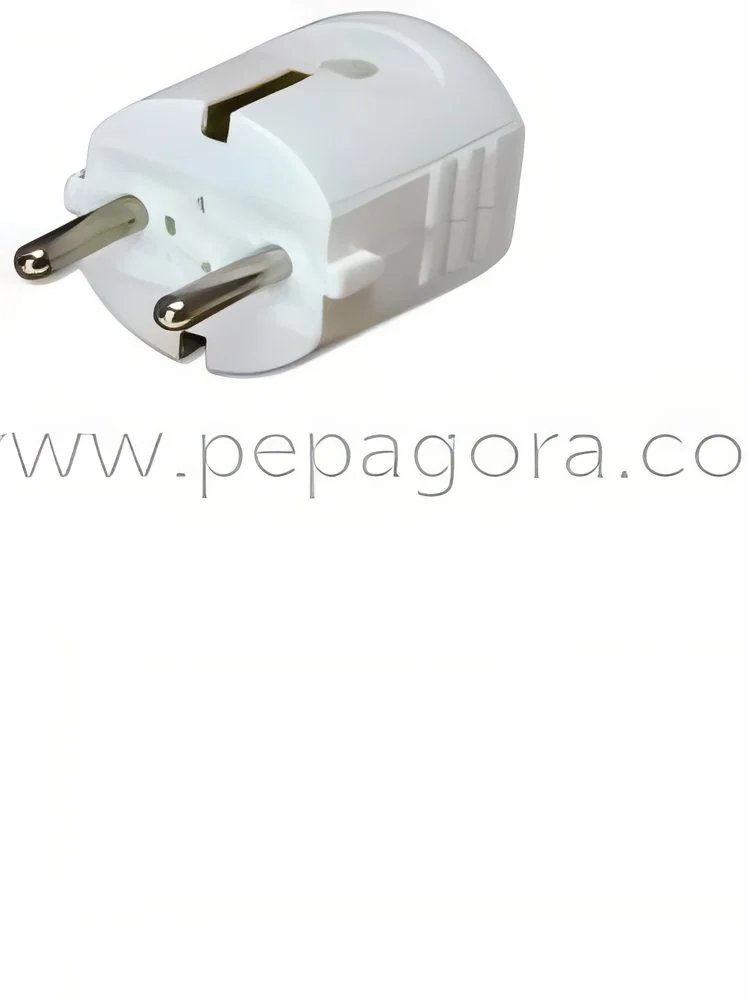
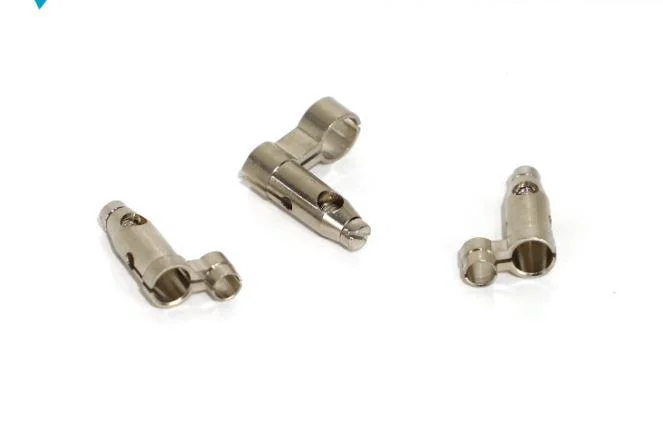
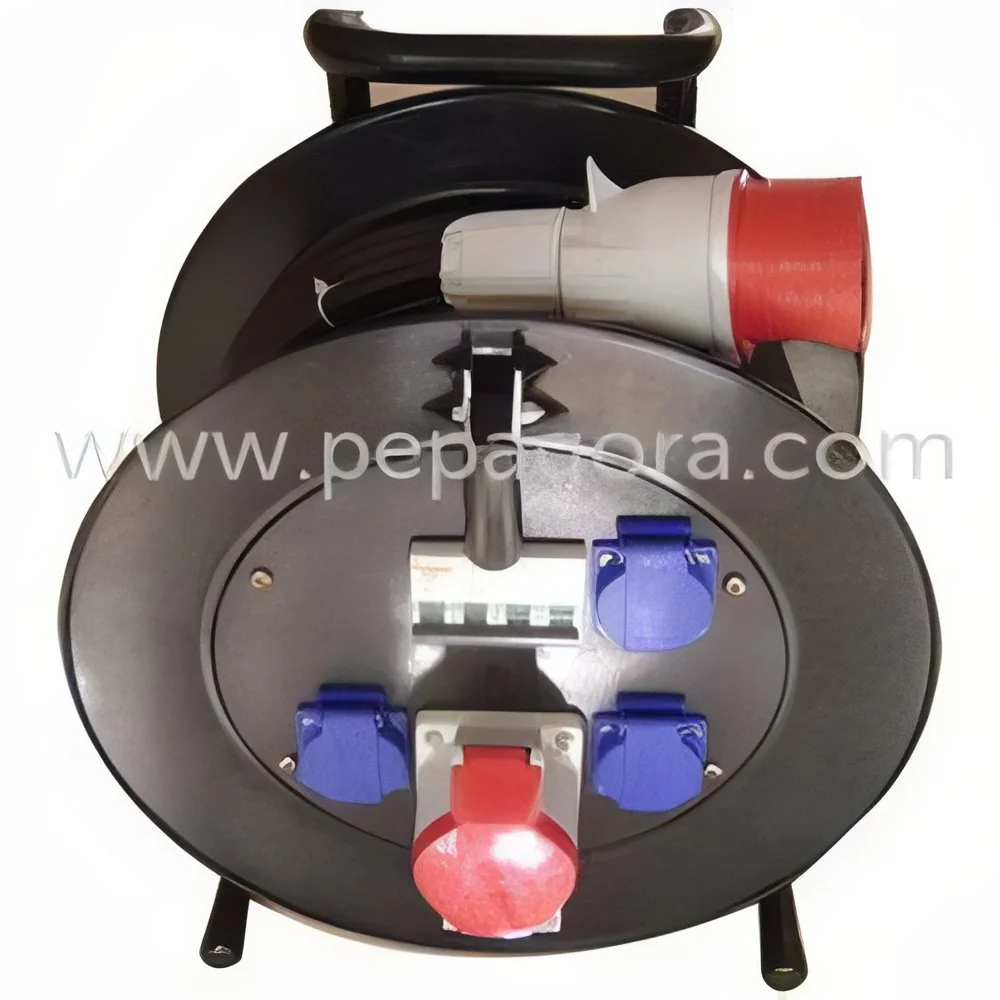
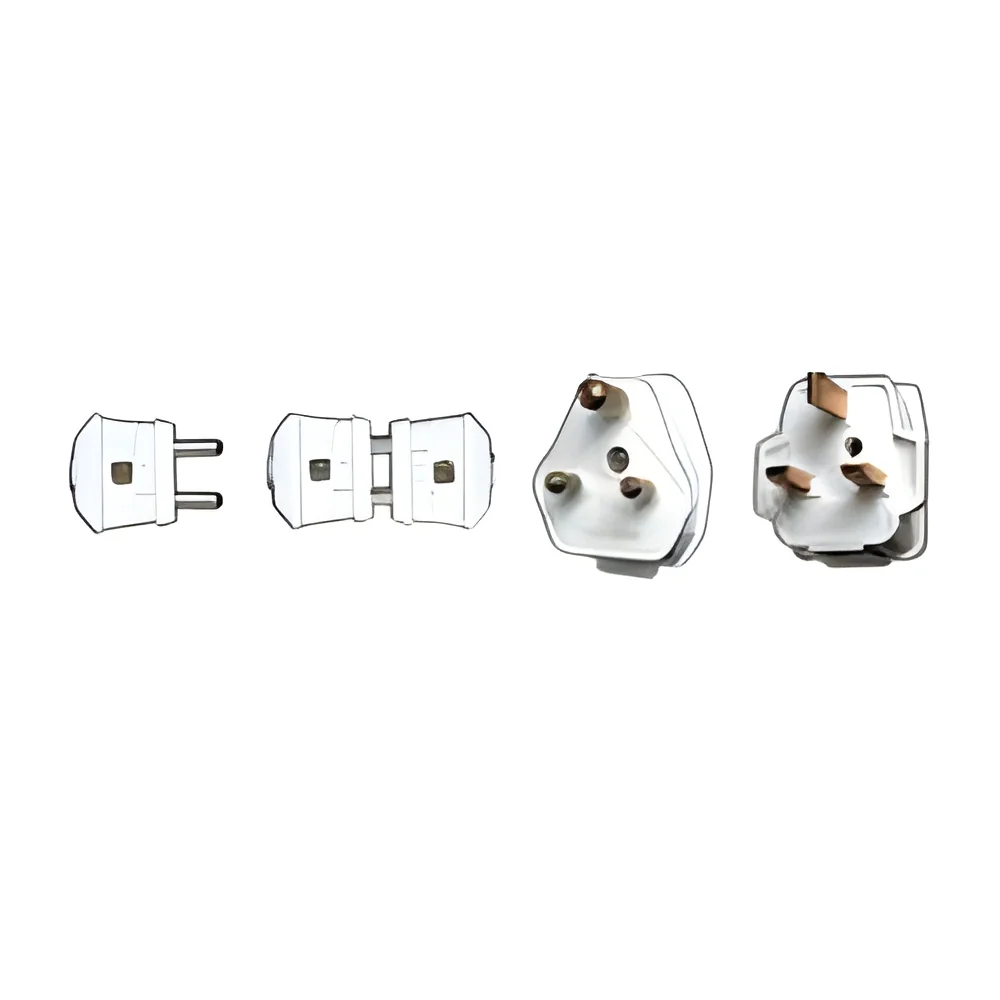
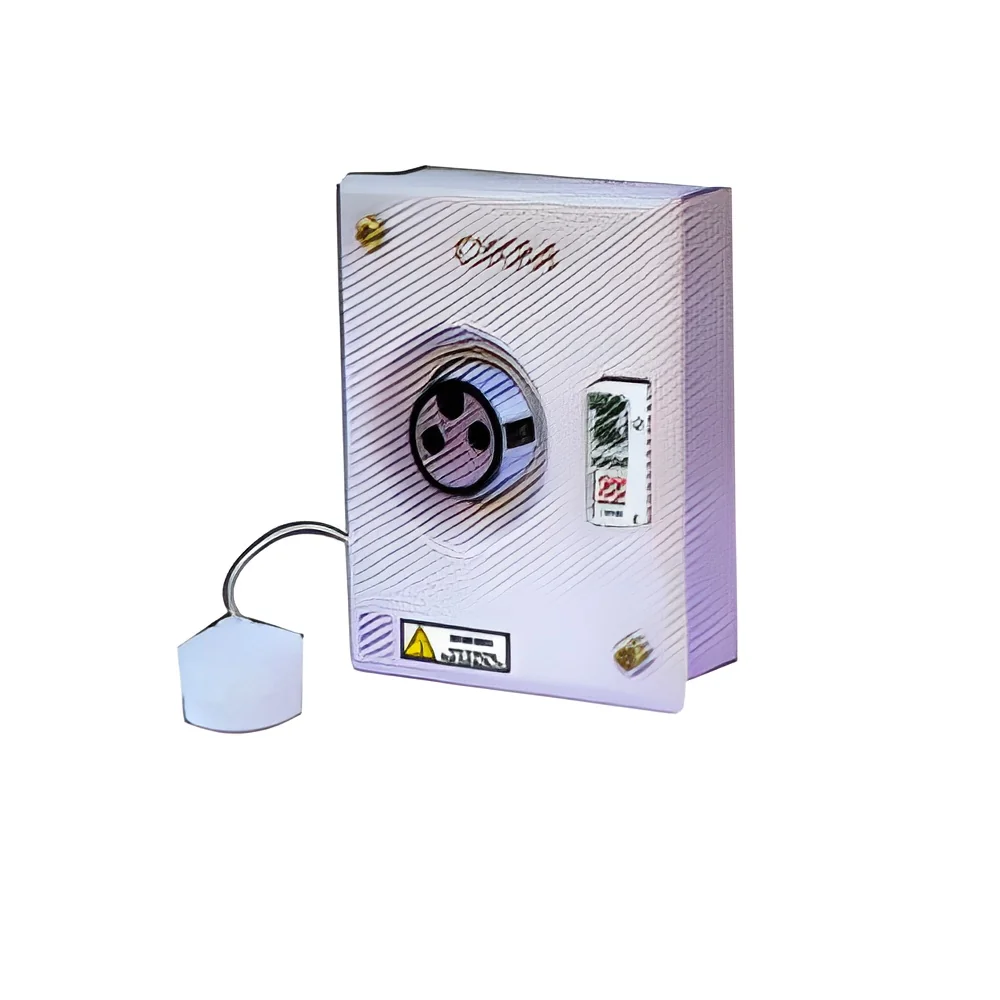
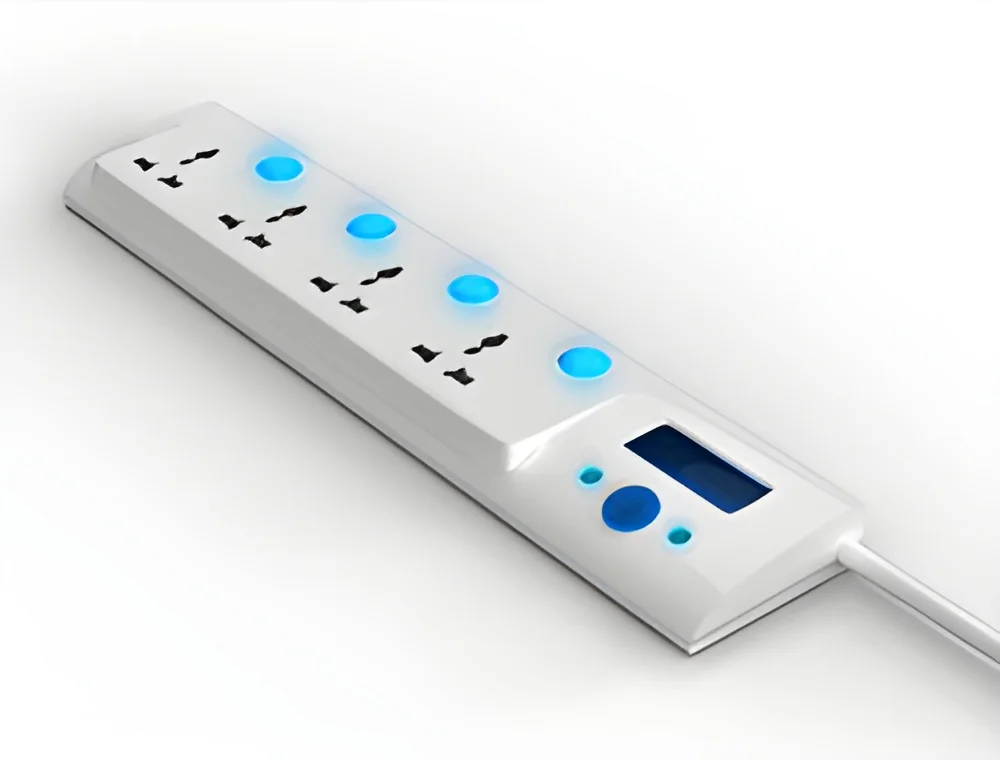
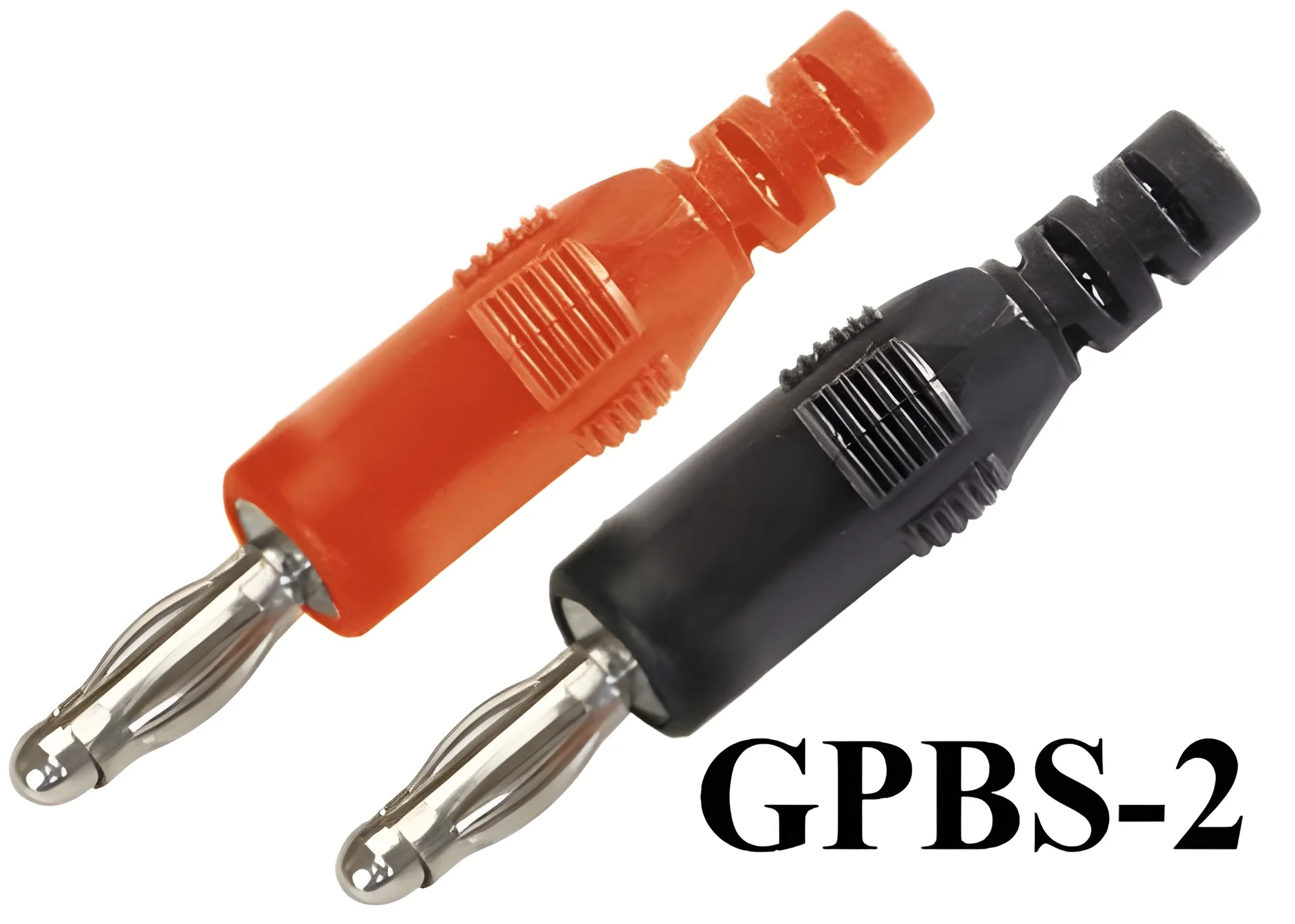
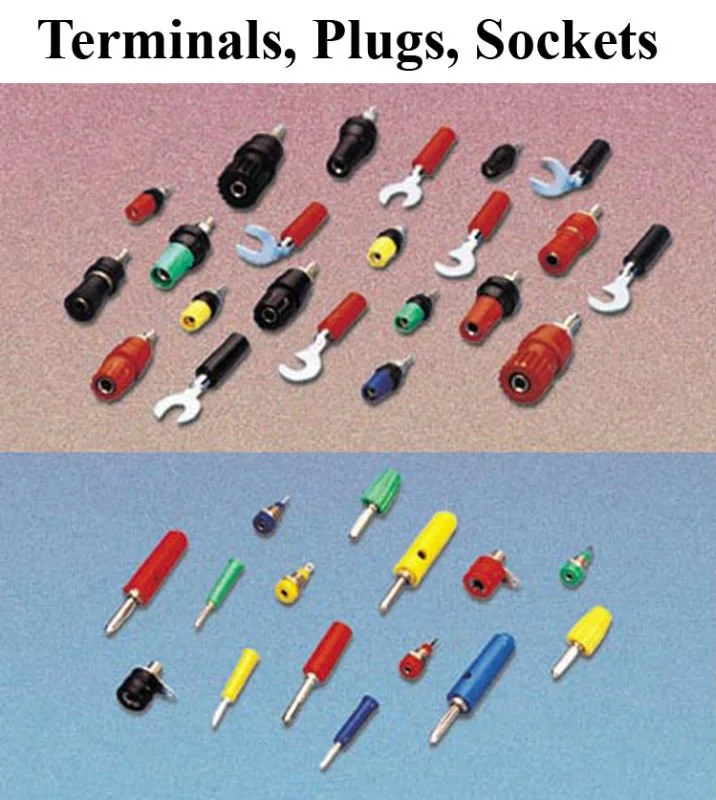
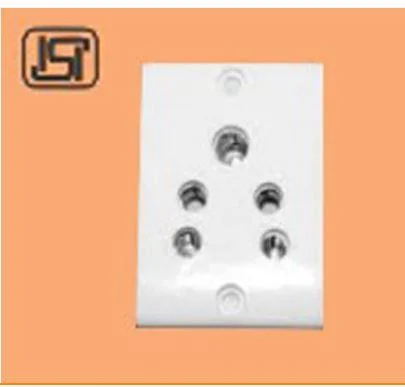
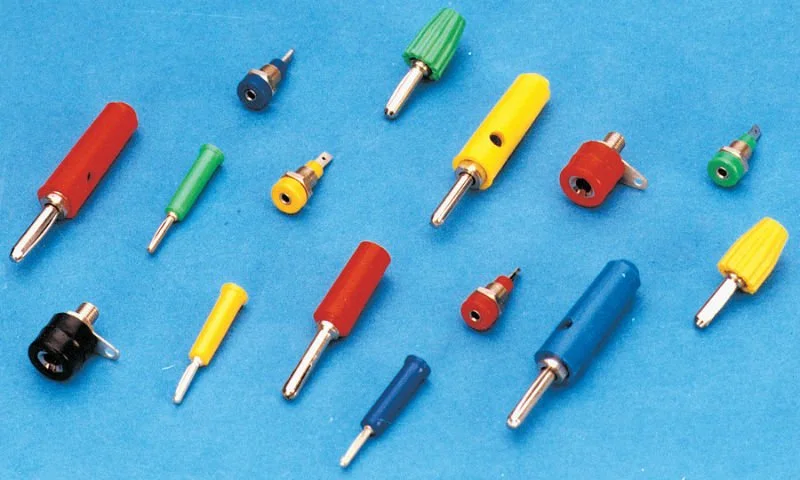
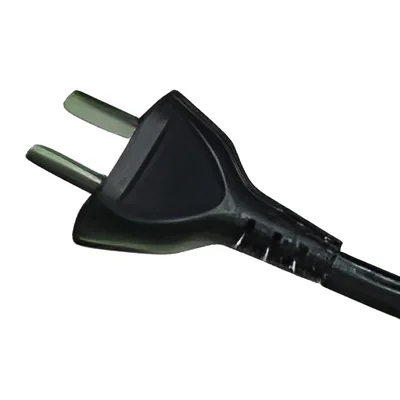
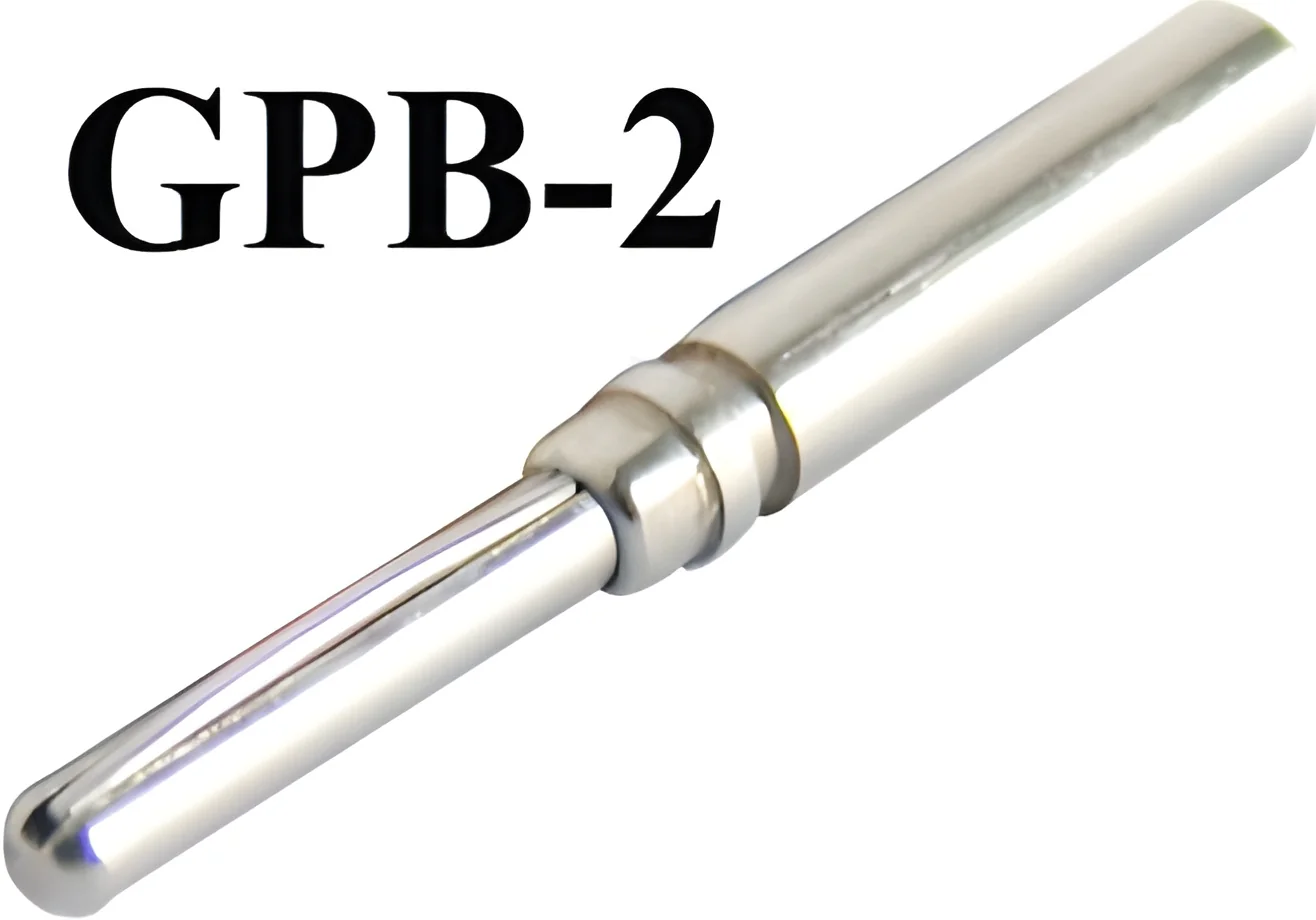
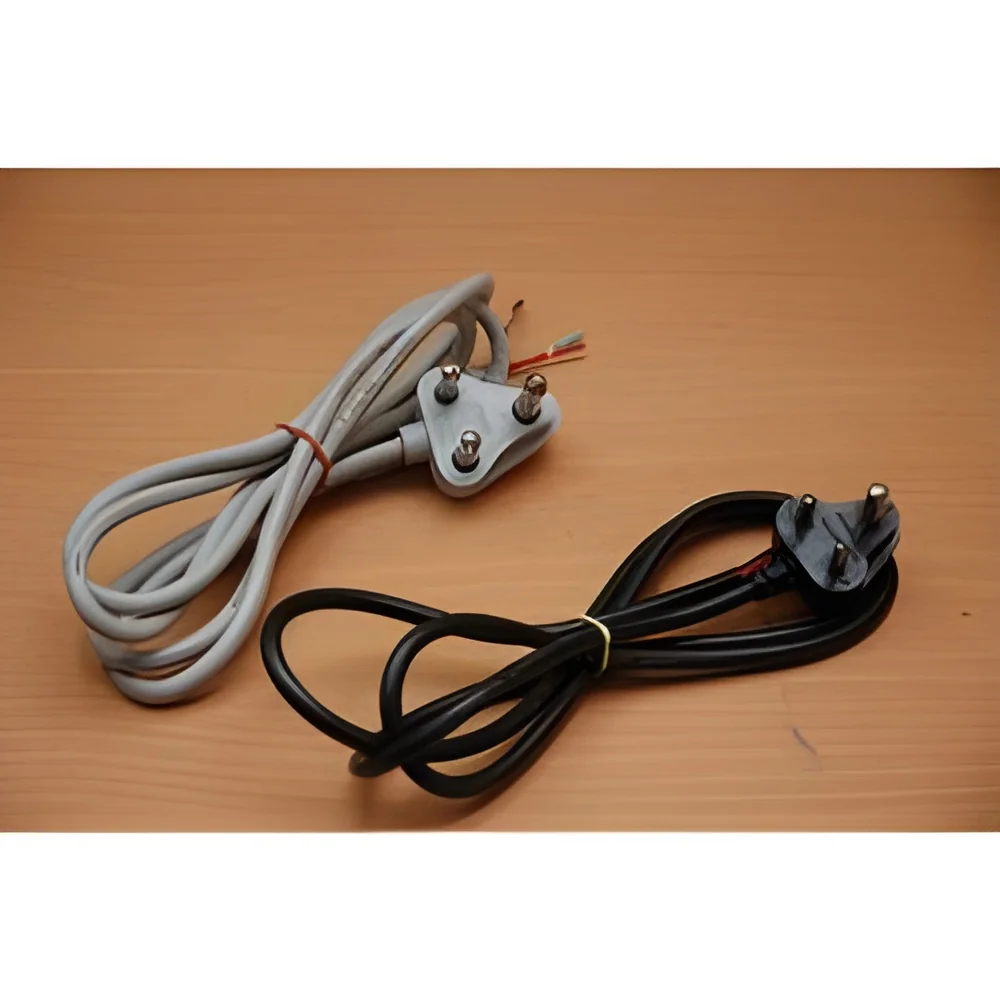
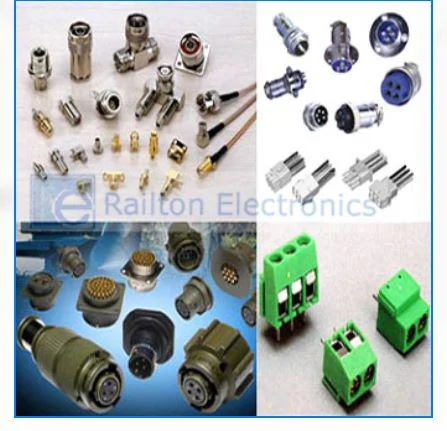
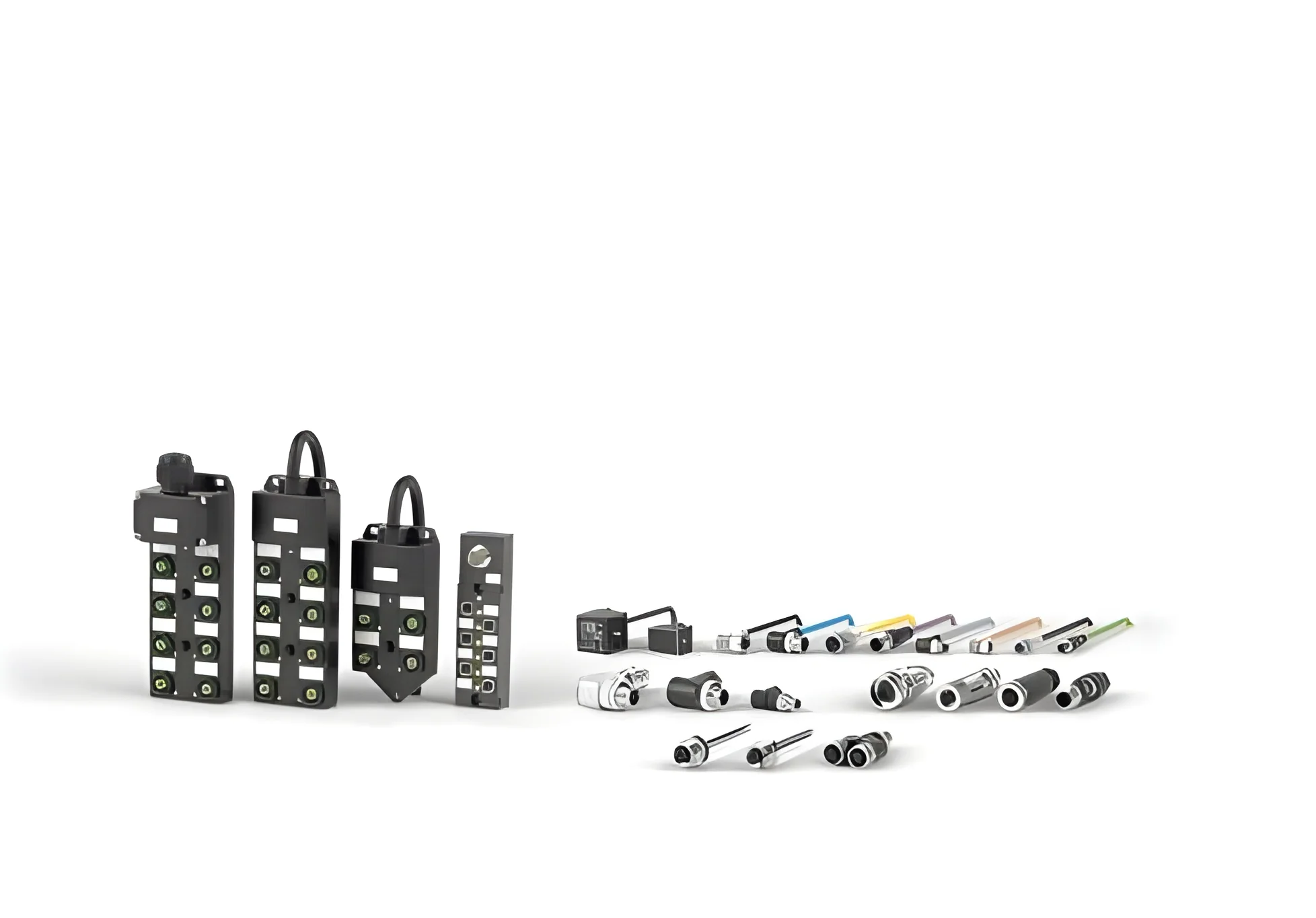
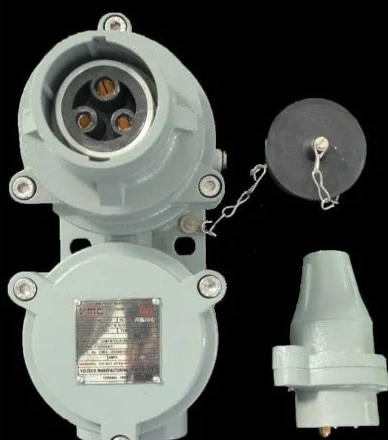
Industrial plugs and sockets are electrical connectors designed for high-performance applications in various industrial settings. They provide a safe and reliable means to connect electrical equipment to power sources. These connectors are built to withstand harsh environmental conditions, ensuring functionality in demanding applications.
The primary uses of industrial plugs and sockets include powering machinery, equipment, and tools in factories, construction sites, and outdoor events. They are critical in sectors such as manufacturing, construction, and energy, where consistent and reliable power is essential for operational efficiency. The relevance of these products in the market is underscored by the growing industrial sector and the increasing demand for robust electrical solutions to support modern infrastructure.
Key Features and Specifications
Industrial plugs and sockets come with several essential features to ensure safety and reliability. They are engineered to accommodate various electrical loads and environmental conditions, making them suitable for diverse applications.
Key specifications include:
1. Voltage Rating
- Indicates the maximum voltage the connector can handle.
- Common ranges are from 230V to 400V.
2. Current Rating
- Specifies the maximum current the plug or socket can carry.
- Typical ratings include 16A, 32A, and 63A.
3. Protection Class
- Defines the level of protection against dust and water.
- Common classes include IP44 to IP67.
4. Number of Poles
- Refers to the number of electrical contacts within the connector.
- Variants typically include 2, 3, and 5 poles for single-phase and three-phase applications.
5. Material Composition
- Indicates the materials used in construction for durability and resistance.
- Options may include thermoplastic, metal, and rubber.
6. Temperature Rating
- Represents the operational temperature range for the plugs and sockets.
- Usually varies from -25°C to +55°C.
7. Locking Mechanism
- Describes the safety feature that prevents accidental disconnection.
- Can include screw locks or bayonet types.
8. Color Coding
- Used to identify different voltage levels and applications.
- Standard color codes enhance safety and compliance.
These specifications play a crucial role in selecting the right industrial plugs and sockets for specific applications, ensuring both safety and performance.
Common Applications and Use Cases
Industrial plugs and sockets are utilized across a variety of sectors, each with unique requirements and applications.
1. Manufacturing: In manufacturing facilities, these connectors are essential for powering heavy machinery and assembly lines. They ensure a stable power supply, which is critical for maintaining production efficiency.
2. Construction: At construction sites, industrial plugs and sockets facilitate the operation of tools and equipment such as cranes and power generators. Their robust designs withstand outdoor conditions.
3. Events and Entertainment: Temporary power setups for events and concerts rely on industrial plugs and sockets to connect lighting, sound systems, and other equipment safely.
4. Energy and Utilities: In the energy sector, these connectors are used in substations and renewable energy installations, providing reliable connections for generators and other high-power equipment.
5. Agriculture: Industrial plugs and sockets are used in agricultural settings to power irrigation systems and other farming equipment, ensuring efficient operations.
6. Mining: In mining operations, these connectors are crucial for powering heavy equipment and ensuring safe electrical connections in hazardous environments.
7. Telecommunications: These products are used in telecommunications facilities for powering networking equipment and ensuring reliable connections.
Product Variants and Subcategories
Industrial plugs and sockets offer a range of variants to meet specific operational needs and preferences.
Weatherproof Plugs and Sockets: These variants are designed for outdoor use, featuring enhanced sealing and protection against moisture and dust. They are ideal for construction sites and outdoor events.
Heavy-Duty Plugs and Sockets: Engineered for high-current applications, these connectors can handle significant electrical loads. They are commonly used in manufacturing and energy sectors.
Compact Plugs and Sockets: These variants are designed for space-constrained environments without compromising on performance. They are suitable for small machinery and tools.
Portable Plugs and Sockets: Designed for mobility, these connectors facilitate quick power connections in various locations. They are commonly used in event setups and temporary installations.
Benefits and Advantages
Utilizing industrial plugs and sockets offers several key benefits that enhance operational efficiency and safety.
1. Durability: These connectors are built to withstand tough environments, ensuring long-lasting performance even in harsh conditions.
2. Safety: Industrial plugs and sockets feature safety mechanisms to prevent accidental disconnection and electrical hazards, promoting a secure working environment.
3. Versatility: With a variety of specifications, these connectors can cater to a wide range of applications, making them suitable for multiple industries.
4. Ease of Use: Designed for quick connections and disconnections, these products simplify the process of setting up and relocating equipment.
5. Compliance: Many industrial plugs and sockets meet international safety and quality standards, ensuring they are suitable for global applications.
6. Cost-Effectiveness: Investing in high-quality industrial plugs and sockets can reduce maintenance costs and downtime due to their reliability and durability.
Buying Guide for B2B Buyers
When sourcing industrial plugs and sockets, it is essential to consider several factors to ensure the best fit for your needs.
1. Quality Assessment: Evaluate the quality of the connectors based on material composition and durability. Look for products that meet industry standards to ensure reliability.
2. Supplier Verification: Vet suppliers to ensure they have a track record of providing quality products and reliable customer service. Check for certifications and reviews.
3. Pricing and MOQ: Be aware of the pricing structures and minimum order quantities (MOQ) required by suppliers. Compare prices across different suppliers to find competitive rates.
4. Delivery and Lead Times: Understand the logistics involved, including delivery times and shipping costs. Ensure that suppliers can meet your project timelines.
5. Compliance Requirements: Familiarize yourself with any regulatory standards that apply to the industrial plugs and sockets you require. Ensure that suppliers can provide documentation for compliance.
Compliance and Certifications
Compliance and certifications are critical in the production and supply of industrial plugs and sockets. Products should adhere to relevant quality standards, such as ISO 9001, which ensures consistent quality management processes.
Additionally, industry certifications like CE mark indicate that the products meet European safety and performance standards. These certifications provide assurance to buyers regarding the safety and reliability of the connectors.
Safety and testing requirements must also be adhered to, including electrical safety testing and environmental impact assessments. It is crucial for buyers to verify that products comply with regional regulations and standards, ensuring they are suitable for use in their specific markets.
Why Source Industrial Plugs & Sockets from Pepagora?
Pepagora provides a trusted platform for sourcing industrial plugs and sockets, offering several key advantages to B2B buyers.
Verified Supplier Network: Pepagora connects buyers with a network of verified suppliers, ensuring that all listed products meet high-quality standards. This verification process helps buyers make informed decisions.
Streamlined RFQ Process: The request for quotation (RFQ) system at Pepagora simplifies the procurement process, allowing buyers to easily obtain quotes from multiple suppliers for better pricing and service options.
Trade Assurance and Support: Pepagora offers trade assurance, providing buyers with protection against fraud and ensuring that suppliers fulfill their commitments. This support enhances buyer confidence in their purchases.
Regional Coverage: With a strong presence in India, GCC, and Southeast Asia, Pepagora ensures that buyers have access to a wide range of industrial plugs and sockets tailored to local market needs. This geographic reach helps facilitate faster logistics and more effective sourcing.

 IN
IN