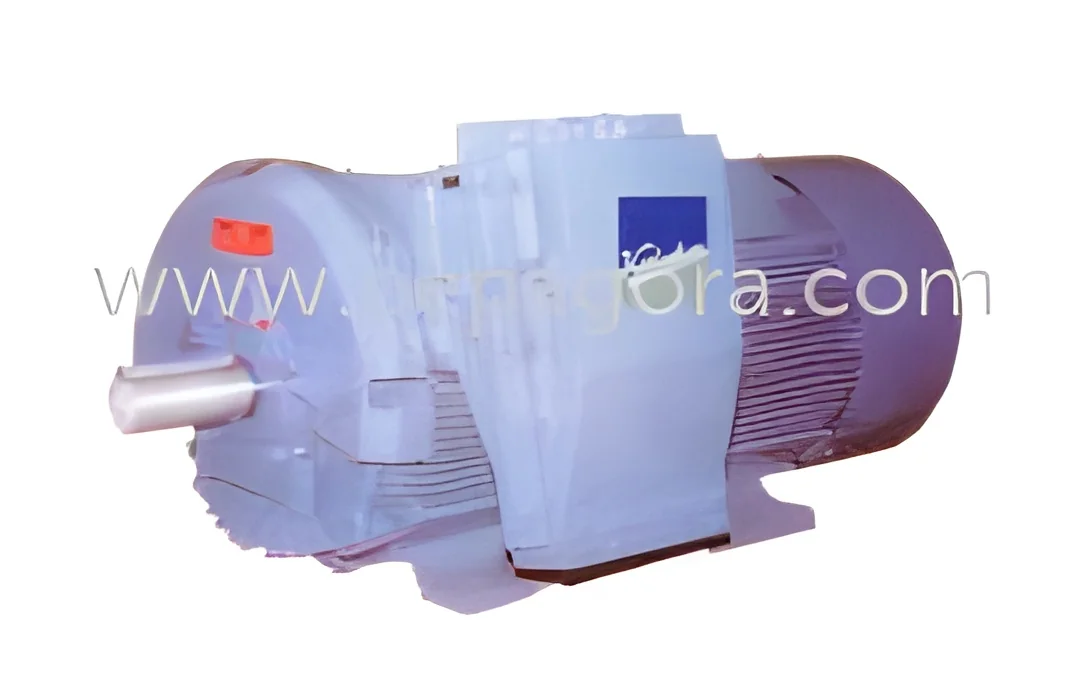
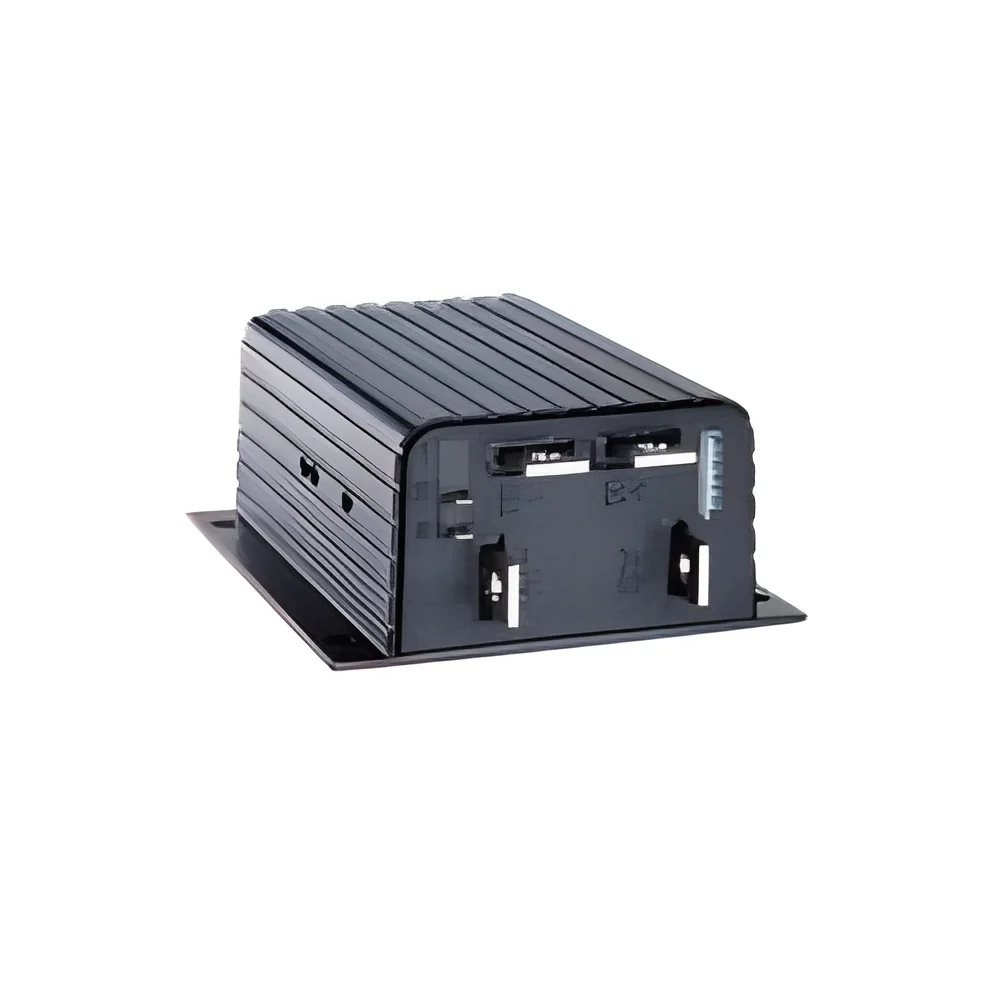
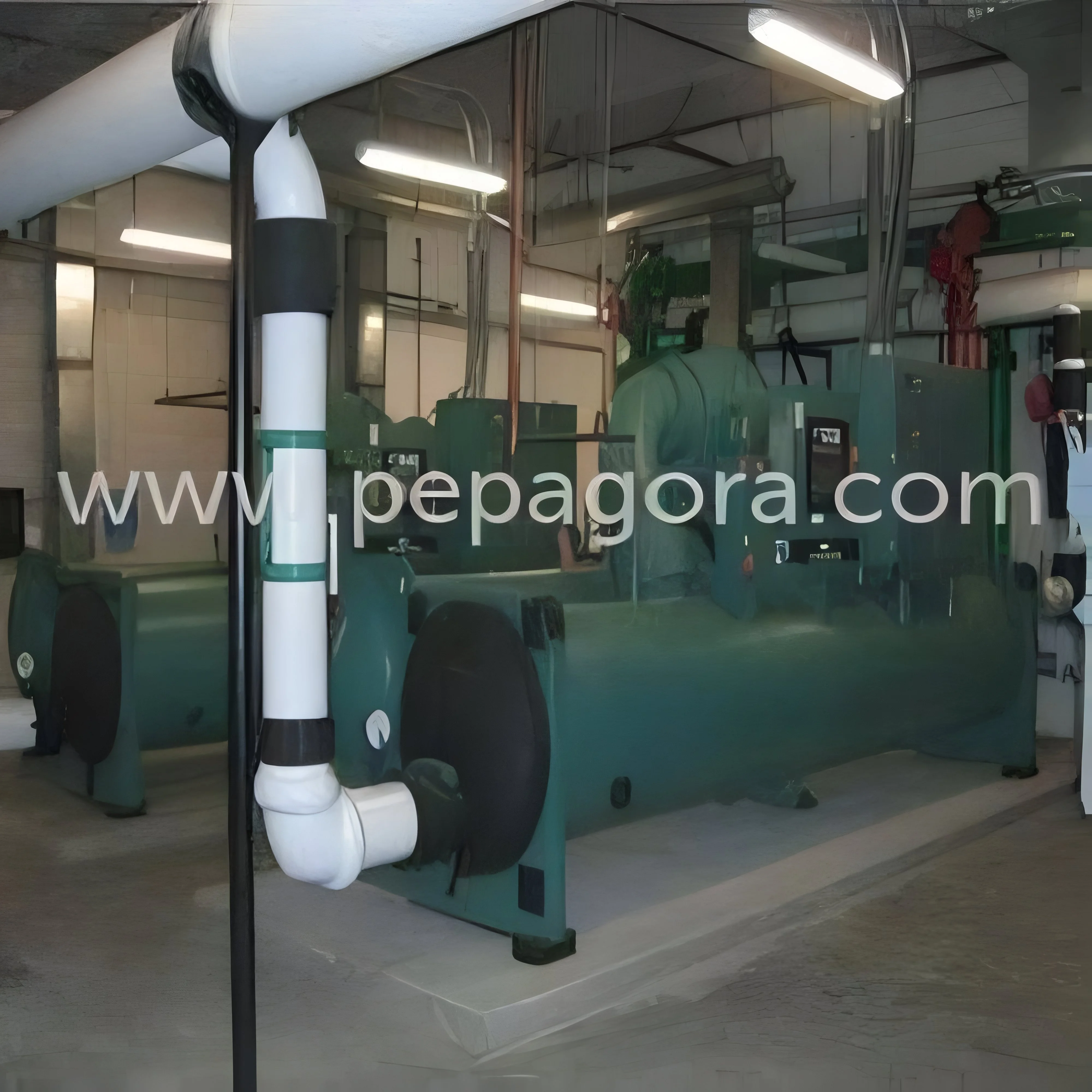
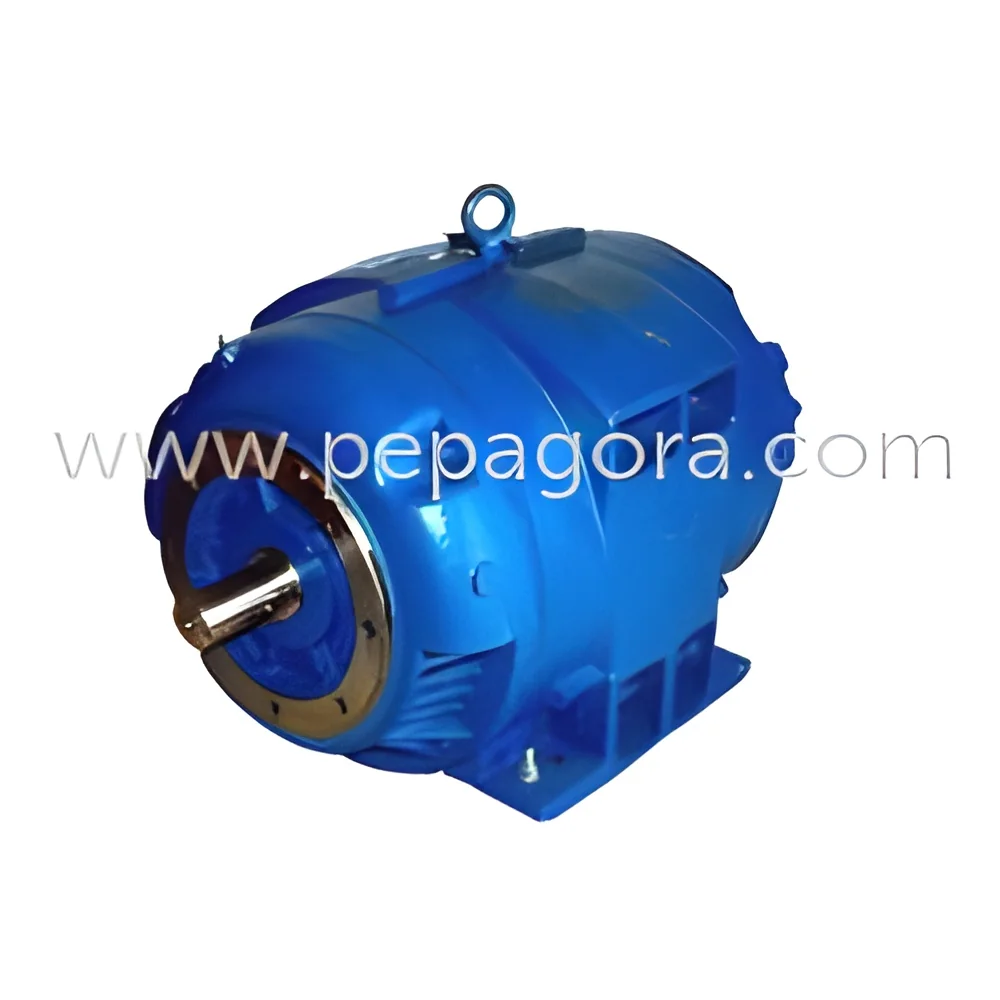
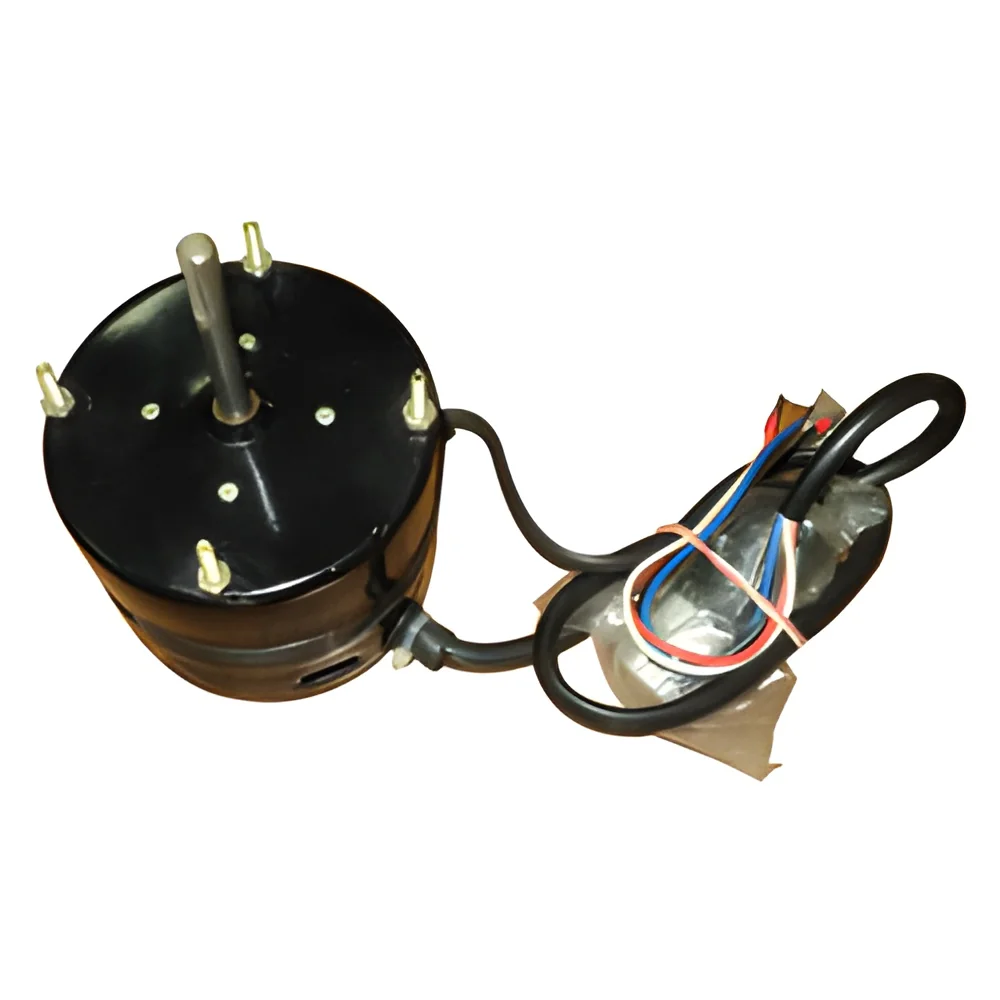
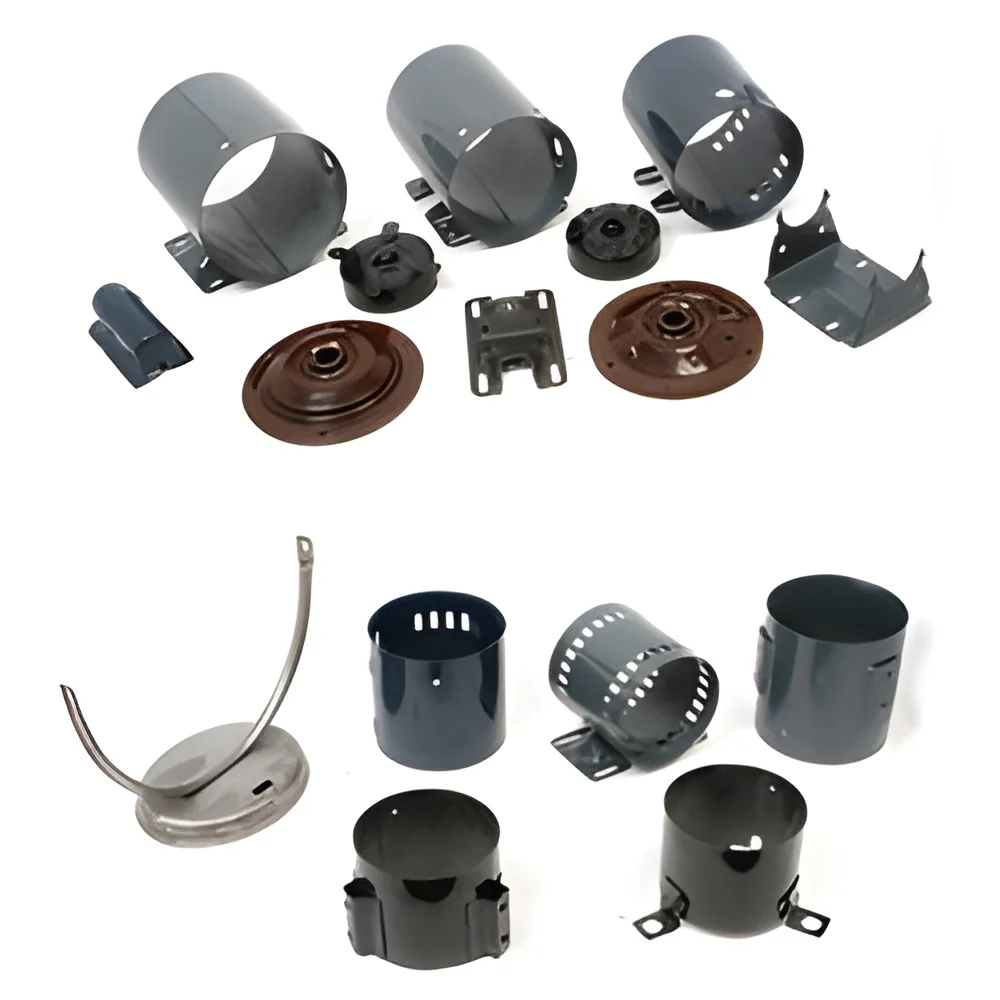
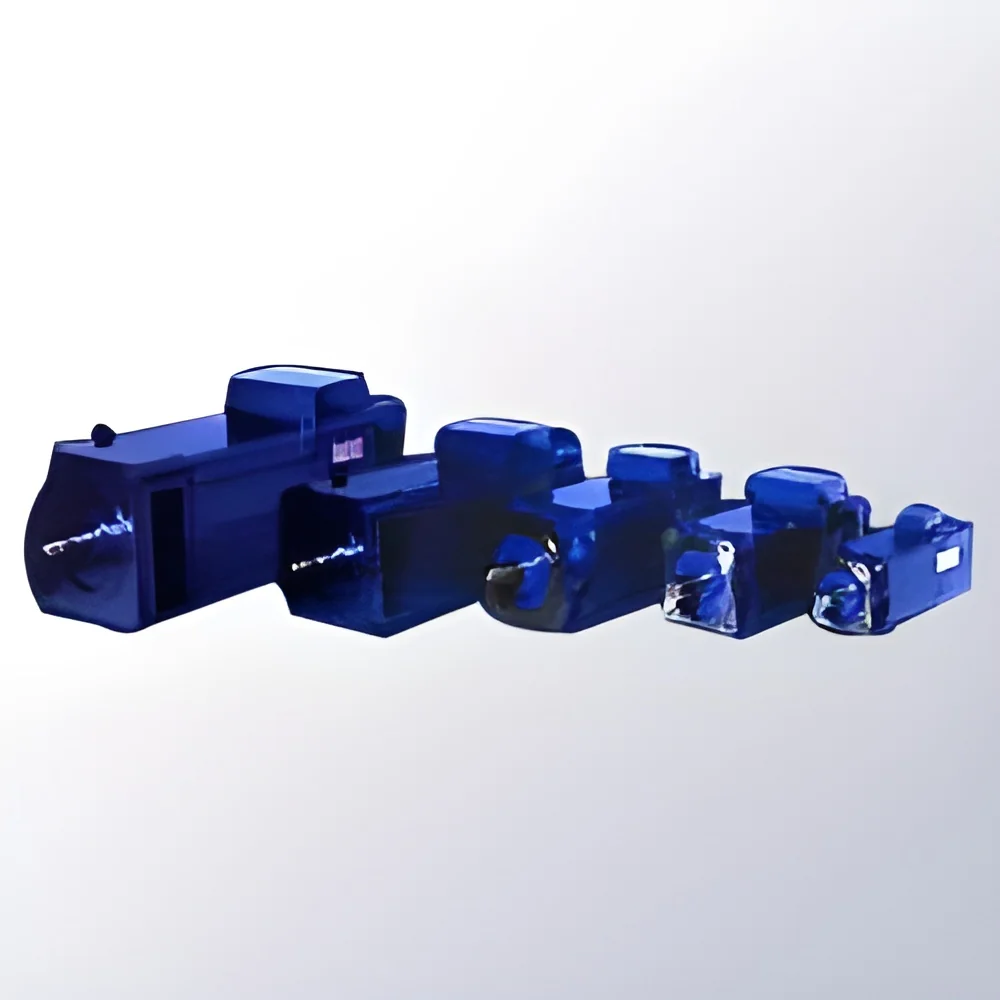
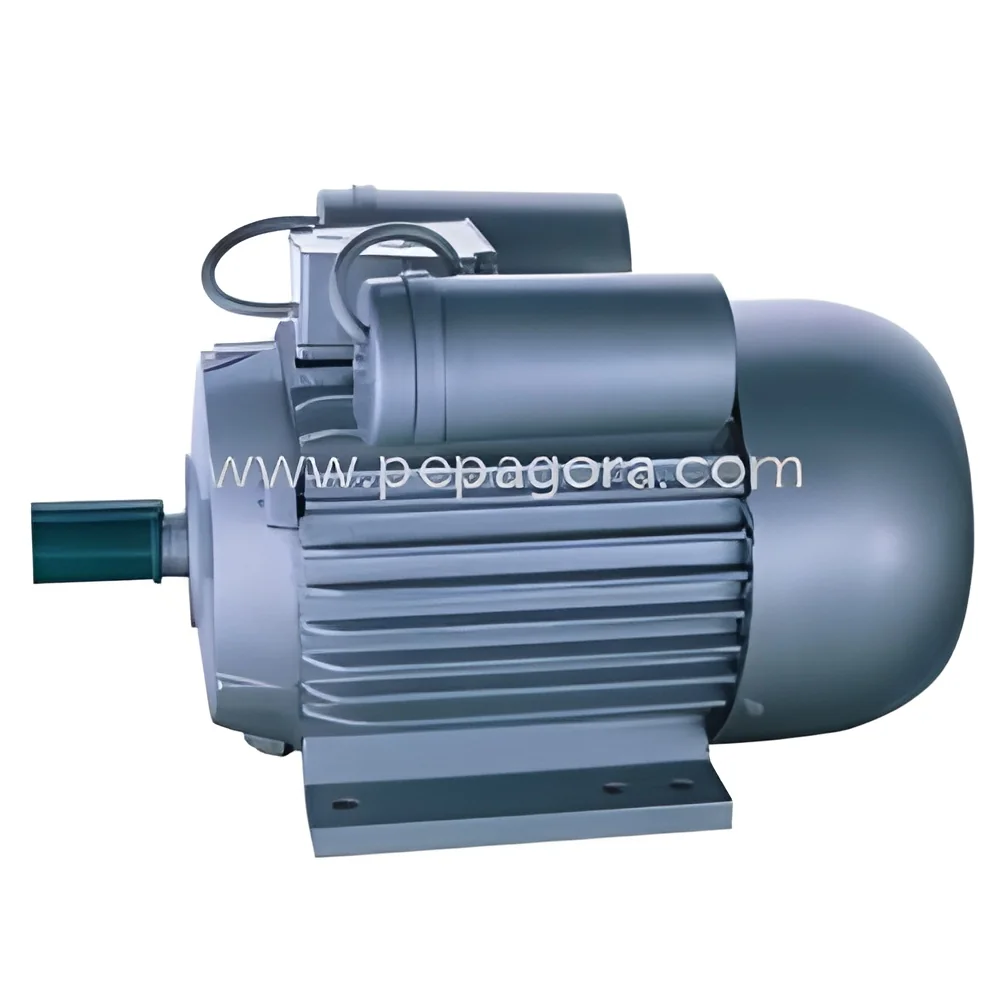
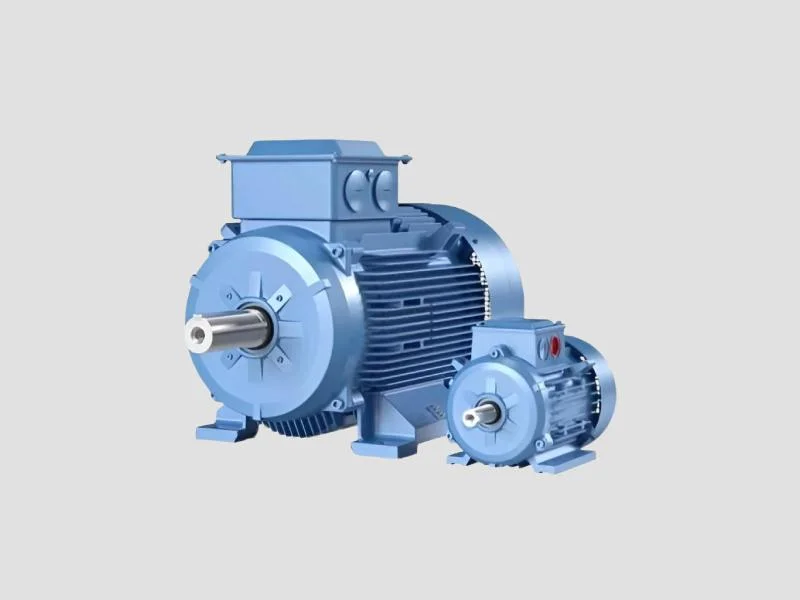
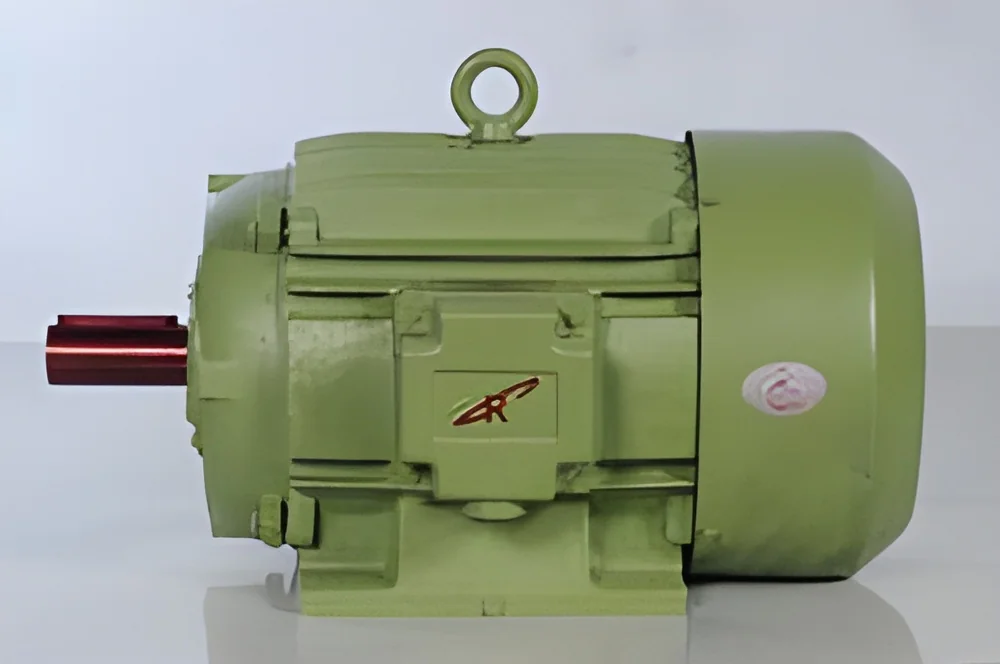
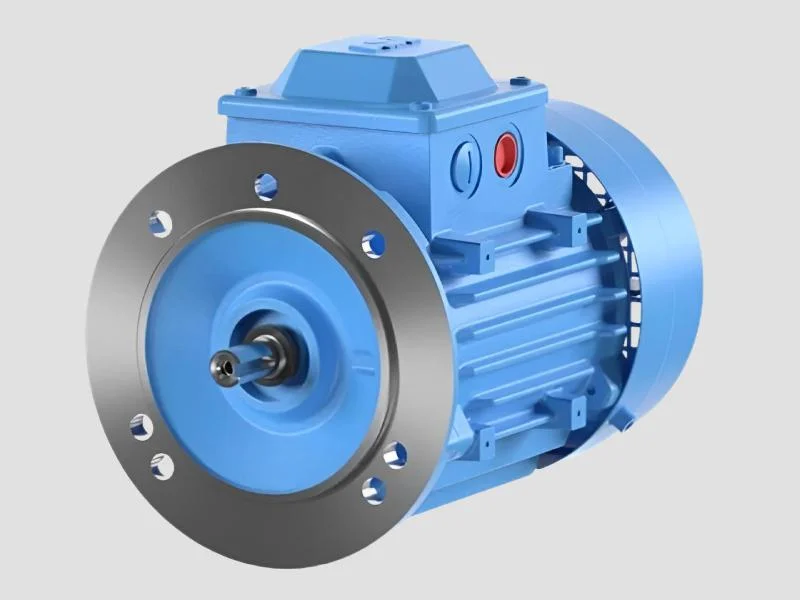
Key Features and Specifications
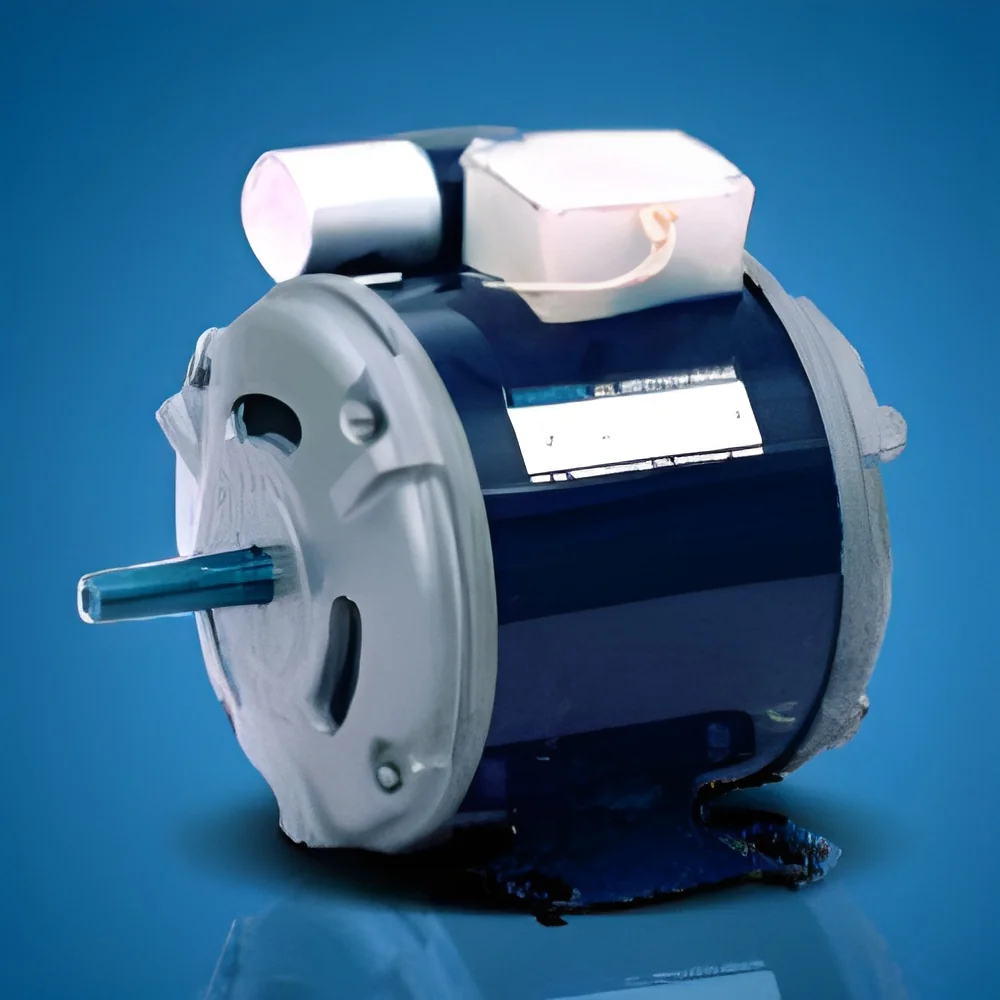
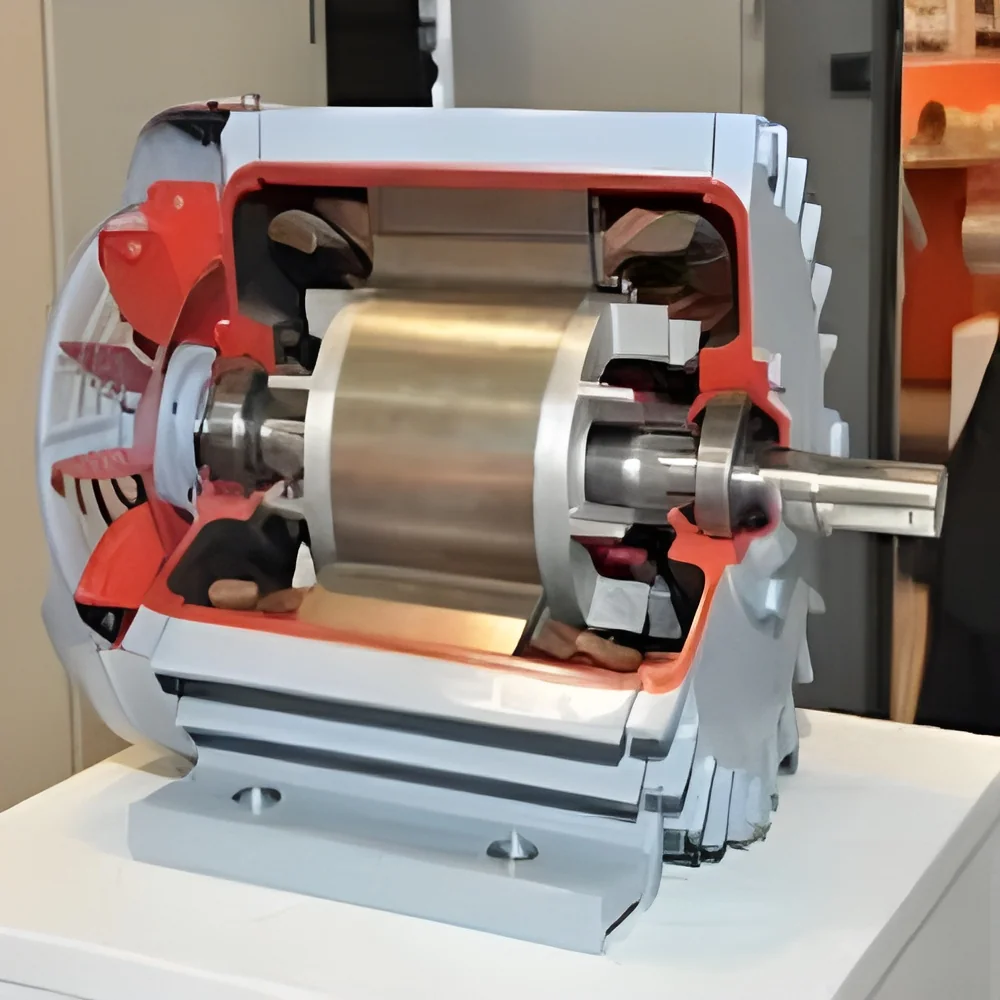
Industrial motors are engineered with several key specifications that determine their performance and suitability for specific applications. Understanding these specifications helps businesses make informed purchasing decisions.
Key specifications include:
1. Power Rating
- Indicates the motor's output power, typically measured in kilowatts (kW) or horsepower (HP).
- Common ranges vary from fractions of a kW to several hundred kW.
2. Voltage Rating
- Specifies the operating voltage of the motor, usually provided in volts (V).
- Common voltage ratings include 230V, 400V, and 460V for AC motors.
3. Frequency
- Refers to the frequency of the electrical supply, measured in hertz (Hz).
- Common frequencies are 50Hz and 60Hz, depending on the region.
4. Efficiency Class
- Represents the motor's energy efficiency, classified under standards such as IE1 to IE5.
- Higher efficiency classes indicate better performance and energy savings.
5. Speed
- Denotes the rotational speed of the motor, usually measured in revolutions per minute (RPM).
- Standard speeds include 1500 RPM and 3000 RPM for AC motors.
6. Enclosure Type
- Describes the motor's protection against environmental factors.
- Common types include open drip-proof (ODP) and totally enclosed fan-cooled (TEFC).
7. Cooling Method
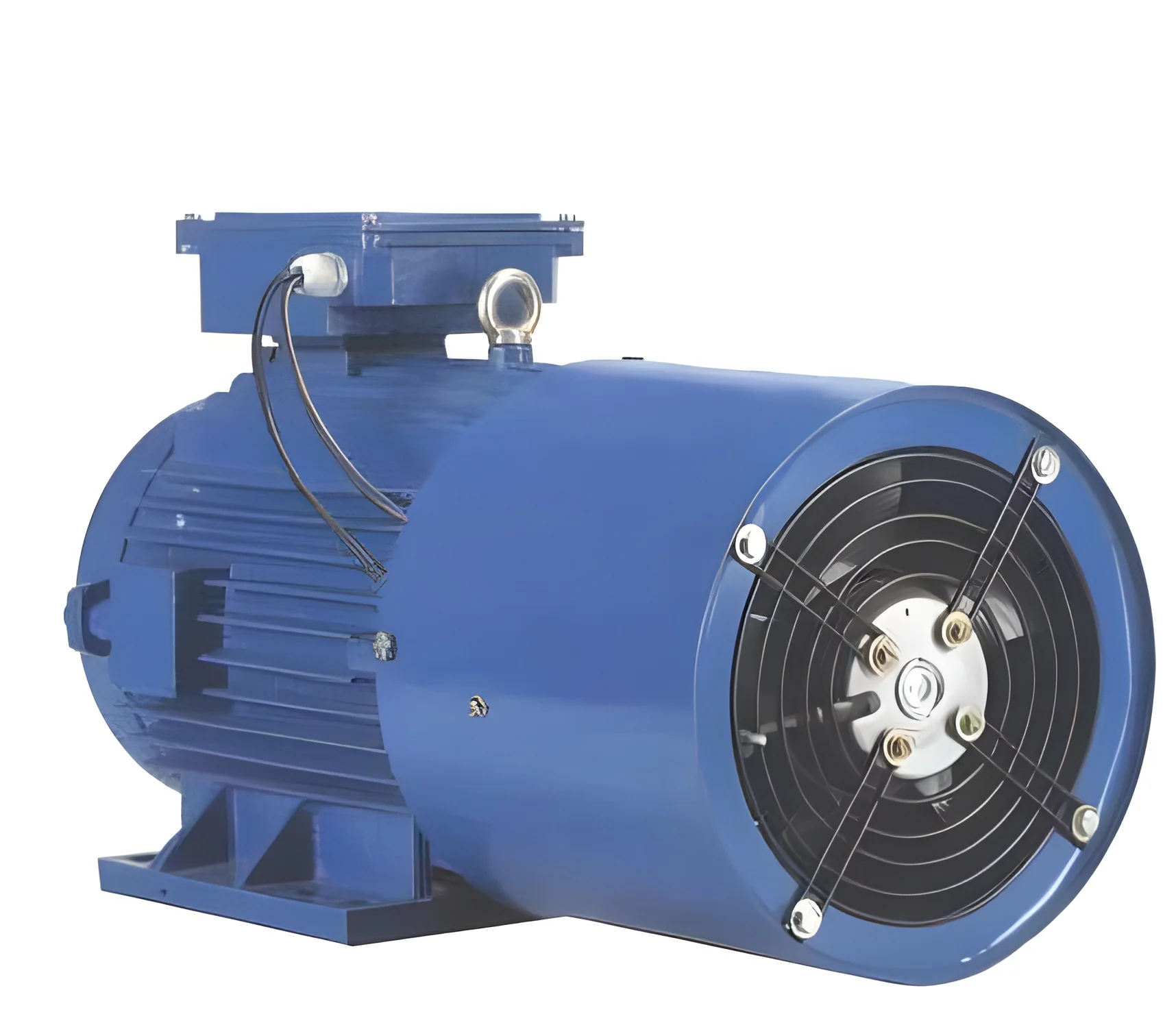
- Refers to how the motor dissipates heat during operation.
- Cooling methods include natural air cooling and forced air cooling.
8. Start Method
- Describes how the motor is started, which can affect performance and application.
- Common methods include direct-on-line (DOL), star-delta, and soft starters.
In summary, understanding these features and specifications is critical for selecting the right industrial motor for specific applications, ensuring optimal performance and energy efficiency.
Common Applications and Use Cases
Industrial motors (AC, DC) are widely used in various sectors, providing essential functionality across numerous applications.
1. Manufacturing: Motors are integral to machinery such as lathes, milling machines, and assembly lines, enabling automated production processes.
2. Oil and Gas: Motors power pumps, compressors, and drilling equipment, playing a critical role in extraction and processing operations.
3. Food Processing: Motors drive conveyors, mixers, and packaging machinery, facilitating efficient food production while adhering to safety standards.
4. HVAC Systems: AC motors are commonly used in heating, ventilation, and air conditioning systems for fans and compressors, promoting energy efficiency.
5. Transportation: DC motors are vital for electric vehicles and material handling equipment, offering precise speed control and reliability.
6. Mining: Motors operate heavy machinery such as crushers and excavators, essential for the extraction of minerals and resources.
7. Agriculture: Motors are used in irrigation systems, grain handling, and various farm machinery, enhancing productivity in agricultural operations.
Product Variants and Subcategories
Industrial motors come in various configurations and designs to meet specific application needs.
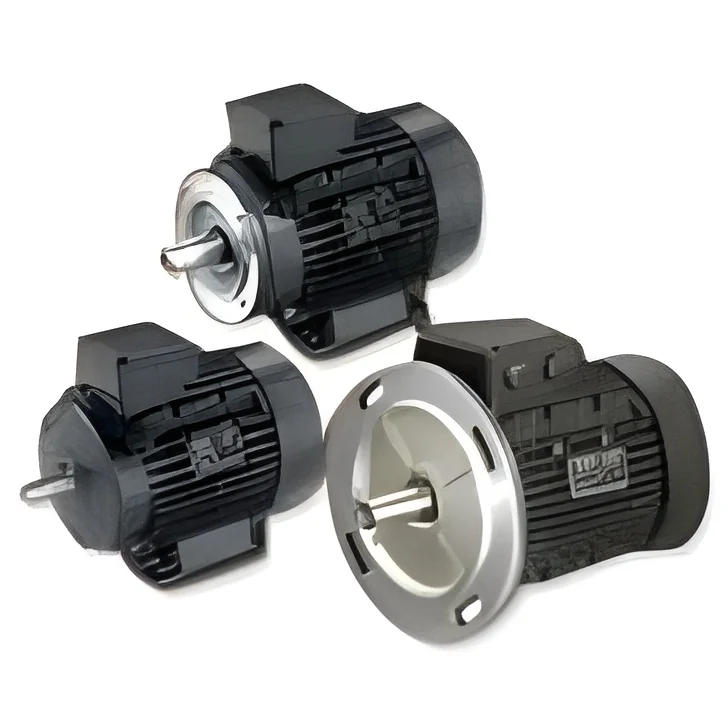
AC Induction Motors
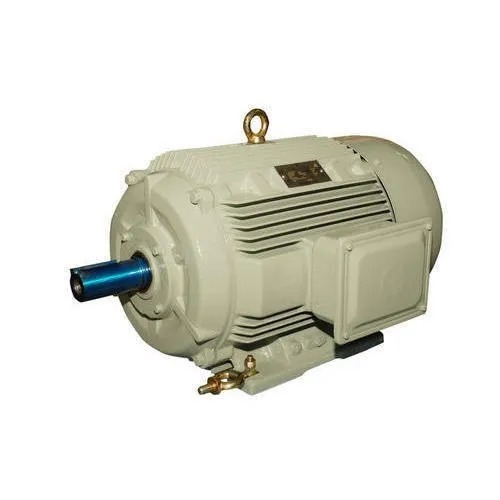
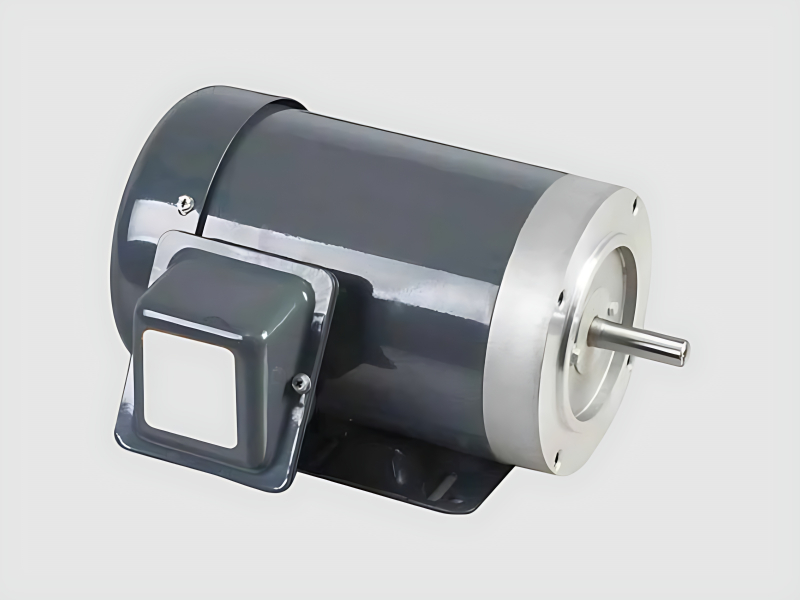
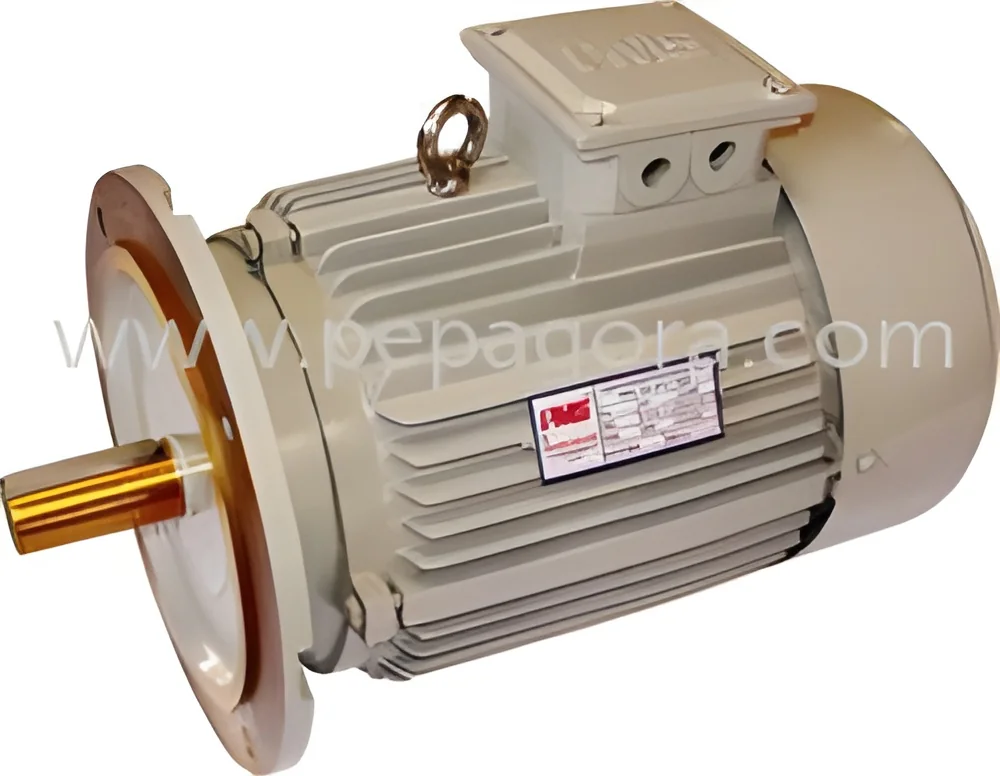
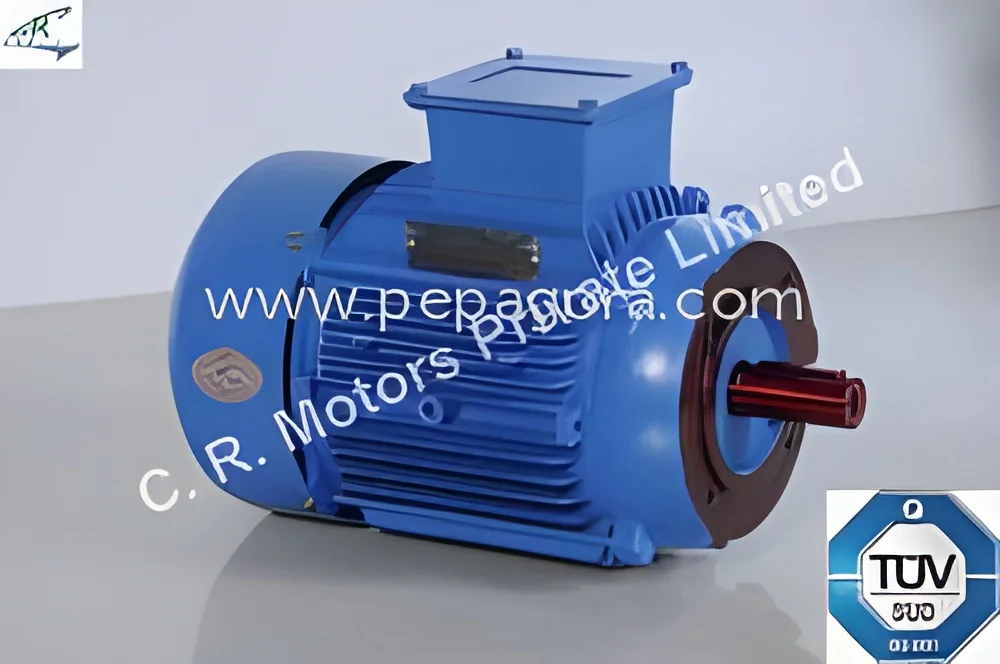
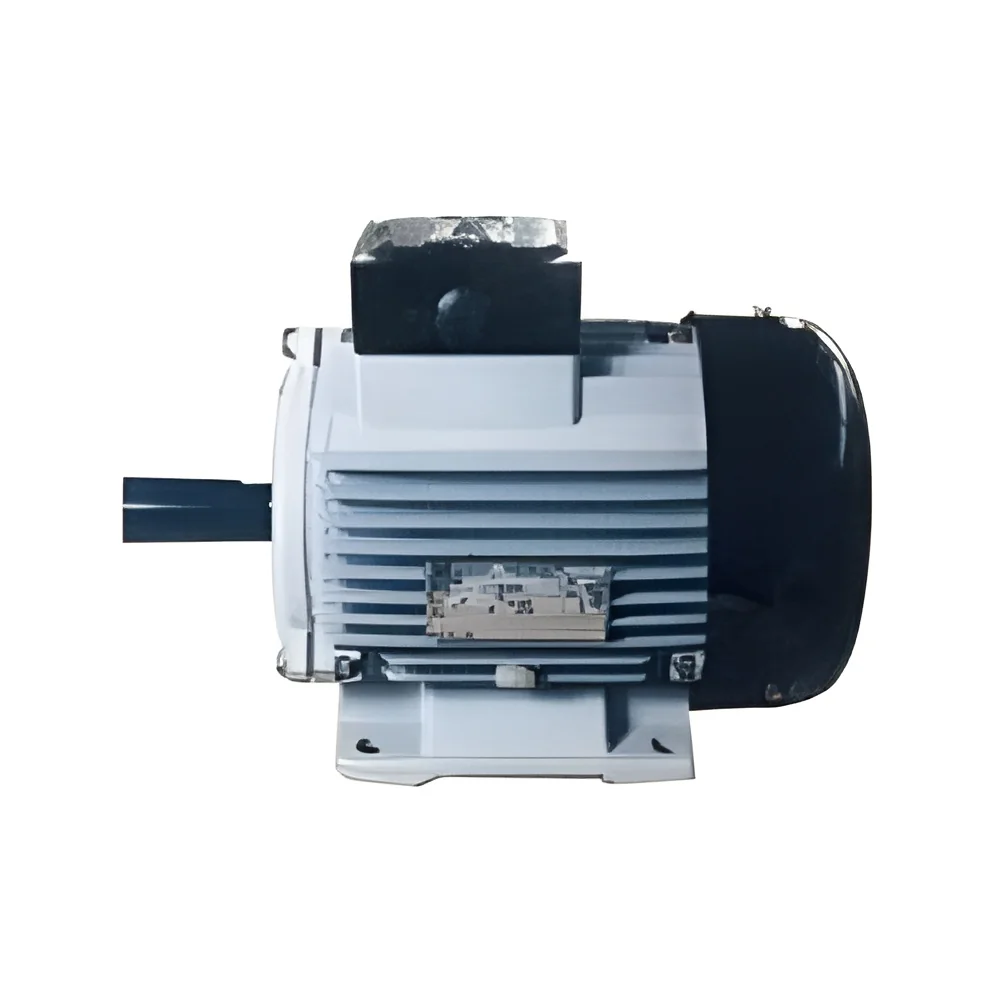
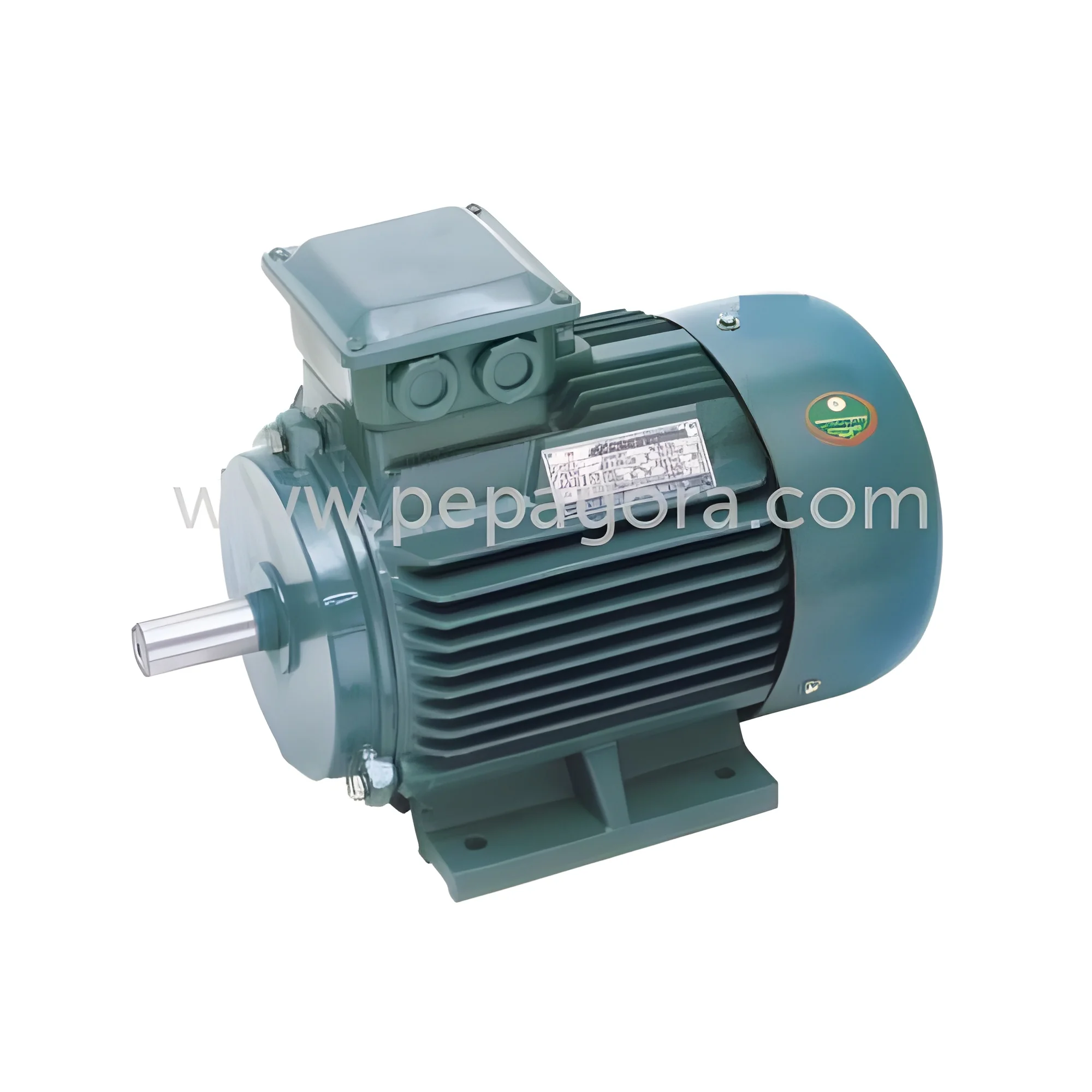
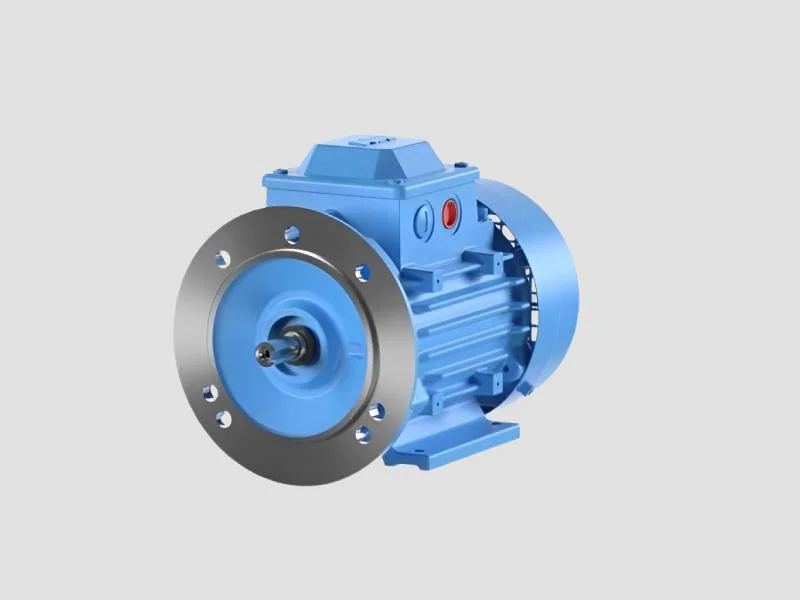
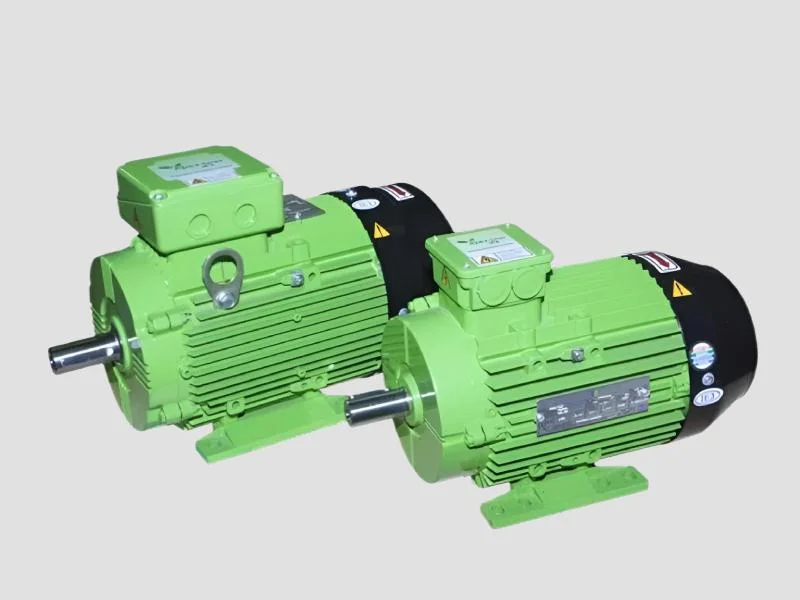
These are the most common type of motor used in industrial applications, offering durability and reliability. They are typically used in fixed-speed applications and are available in single-phase and three-phase configurations.
DC Brushless Motors
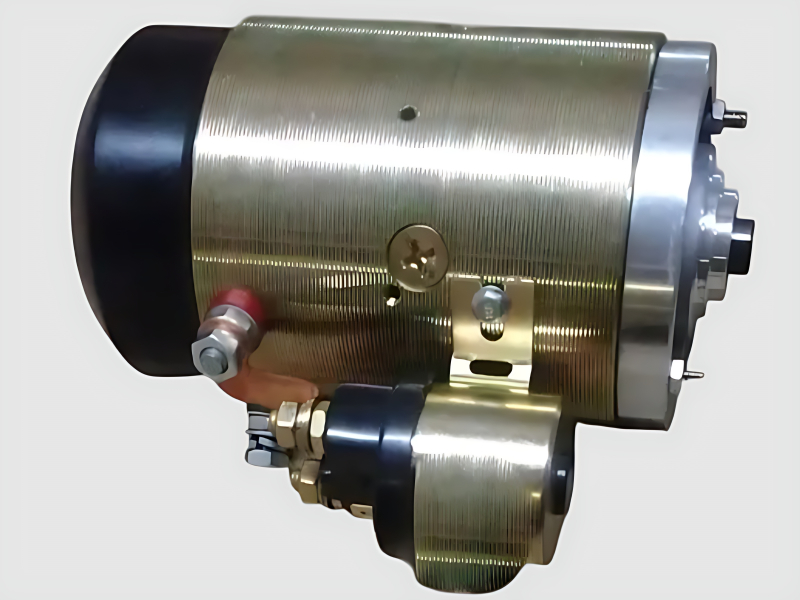
These motors provide higher efficiency and longer lifespan compared to traditional brushed motors. They are widely used in applications requiring precise control, such as robotics and electric vehicles.
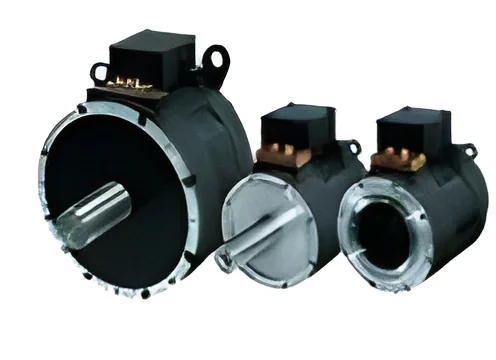
Step Motors
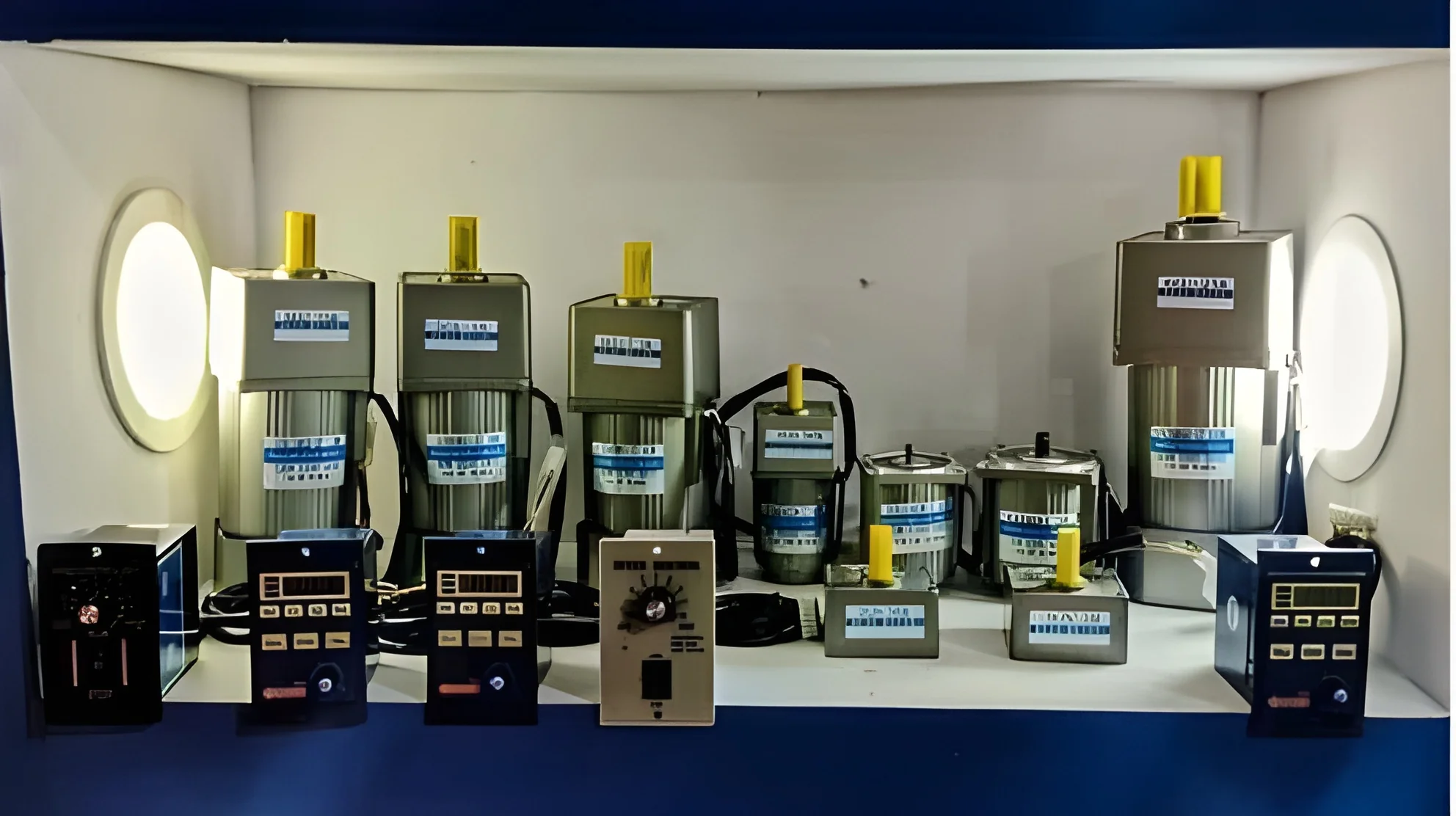
Step motors are specialized DC motors designed for precise positioning and control. They are commonly used in CNC machines and 3D printers, allowing for accurate movement and operation.
Synchronous Motors
These motors operate at a constant speed, synchronizing with the frequency of the power supply. They are used in applications where speed stability is crucial, such as in large industrial fans and pumps.
Benefits and Advantages
Industrial motors offer numerous benefits that enhance operational efficiency and productivity.
1. Energy Efficiency: Many modern industrial motors are designed to operate at high efficiency, reducing energy consumption and operational costs.
2. Reliability: Industrial motors are built to withstand harsh environments and continuous operation, ensuring long service life and minimal downtime.
3. Versatility: With a wide range of types and configurations, industrial motors can be used in various applications across multiple industries.
4. Low Maintenance: Many industrial motors require minimal maintenance, reducing the need for frequent repairs and service interruptions.
5. Performance: These motors provide consistent and reliable performance, ensuring smooth operation of machinery and equipment.
6. Customization: Industrial motors can often be tailored to meet specific application requirements, allowing for flexibility in design and functionality.
Buying Guide for B2B Buyers
When sourcing Industrial Motors (AC, DC), it is essential to consider several critical factors to ensure the right choice for your business needs.
1. Quality Assessment: Evaluate the motor's construction quality and ensure it meets industry standards. Look for certifications that indicate compliance with quality benchmarks.
2. Supplier Verification: It is crucial to research and verify potential suppliers. Check their reputation, customer reviews, and history of reliability in delivering products.
3. Pricing and MOQ: Understand the pricing structure and minimum order quantity (MOQ) requirements. This helps in budgeting and ensuring that the supplier meets your volume needs.
4. Delivery and Lead Times: Consider the logistics involved in sourcing the motors. Ensure that the supplier can meet your delivery timelines to avoid production delays.
5. Compliance Requirements: Be aware of any industry-specific compliance and regulatory needs, such as safety standards and environmental regulations, that may affect motor selection.
Compliance and Certifications
Industrial motors are subject to various compliance and certification requirements that ensure safety and performance standards are met.
Quality standards such as ISO 9001 ensure that manufacturers adhere to consistent quality management practices. This certification demonstrates a commitment to providing high-quality products that meet customer expectations.
Additionally, industry certifications like CE mark signify compliance with European safety and environmental regulations. This certification is essential for products being sold in European markets, ensuring they meet necessary standards.
Safety and testing requirements are critical for industrial motors, emphasizing the need for thorough testing under various conditions. Compliance with these safety standards helps prevent accidents and ensures reliable operation in industrial environments.
Regional compliance considerations vary based on geographic location. Different regions may have their own specific regulations and standards that manufacturers must adhere to, influencing product design and specifications.
Why Source Industrial Motors (AC, DC) from Pepagora?
Pepagora provides a trusted platform for sourcing Industrial Motors (AC, DC) with several key advantages.
Verified Supplier Network: Pepagora connects buyers with a network of verified suppliers, ensuring that all listed manufacturers meet stringent quality and reliability standards. This network helps businesses find trustworthy partners for their motor needs.
Streamlined RFQ Process: The Request for Quotation (RFQ) process on Pepagora is designed to be efficient, allowing buyers to easily compare quotes from multiple suppliers. This simplifies the procurement process and enables better decision-making based on pricing and specifications.
Trade Assurance and Support: Pepagora offers trade assurance, providing buyers with protection during the purchasing process. This support helps build confidence when sourcing industrial motors, ensuring that transactions are secure and reliable.
Regional Coverage: With a strong presence in India, the Gulf Cooperation Council (GCC), and Southeast Asia, Pepagora offers extensive regional coverage. This geographic reach allows businesses to access a diverse range of industrial motors tailored to local market needs.

 IN
IN