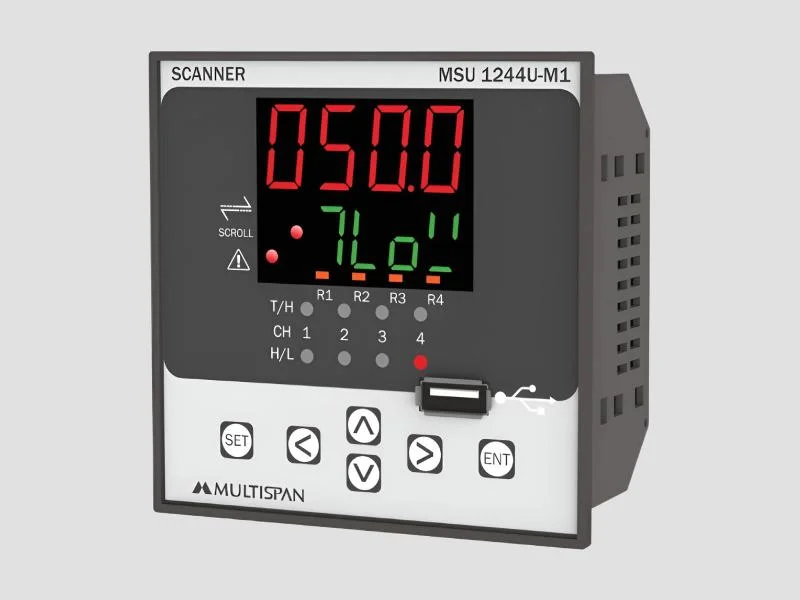
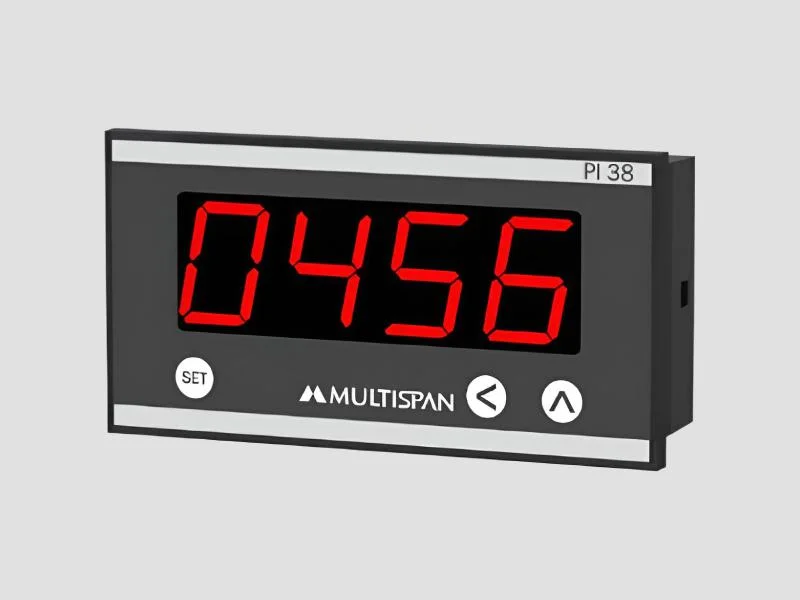
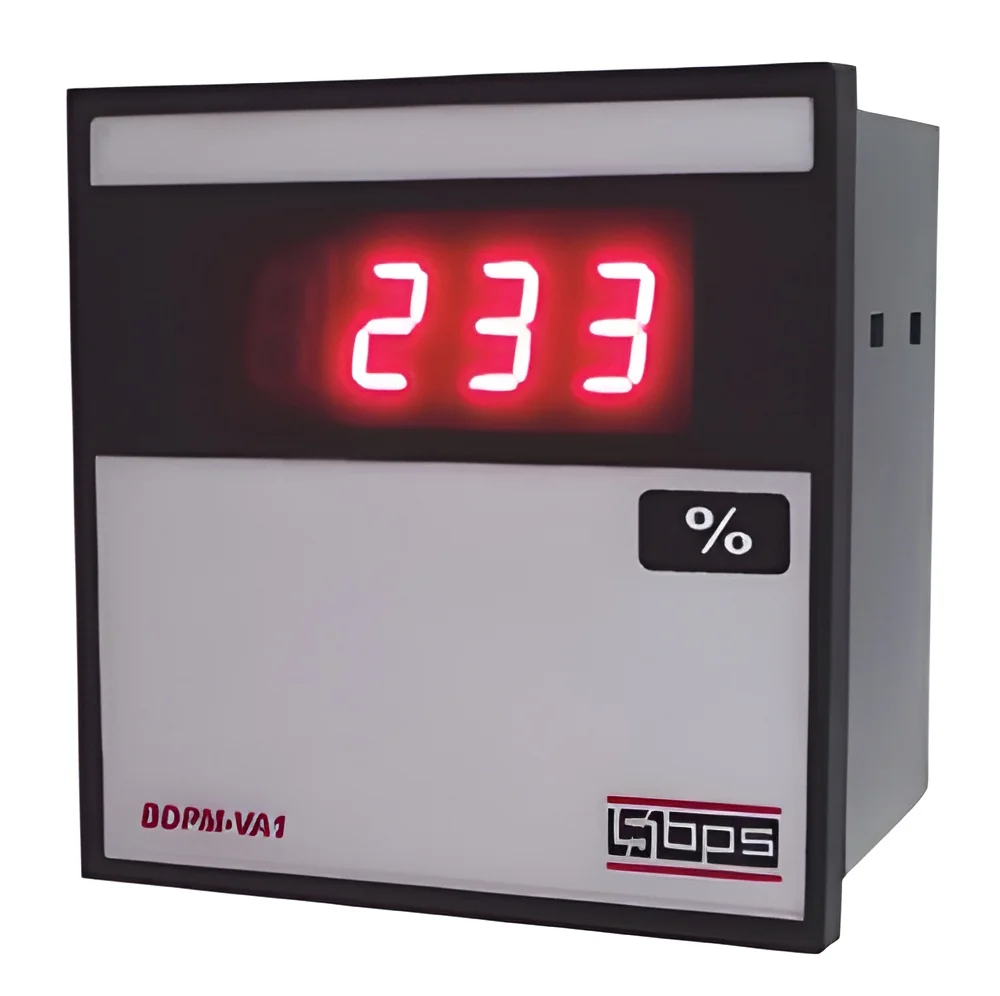
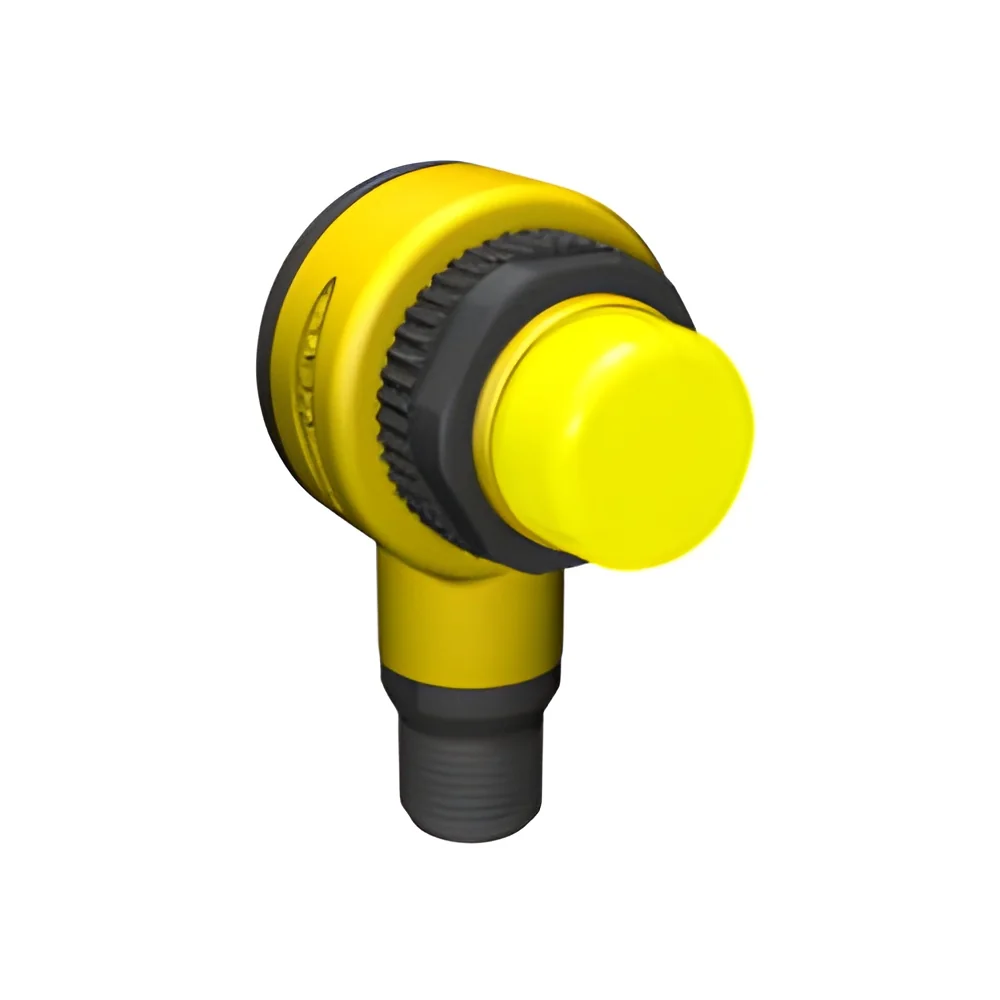
What are Industrial Sensors (Proximity, Pressure, Temp)?
Industrial sensors are devices that detect changes in the environment and convert these changes into signals that can be measured and analyzed. Proximity sensors identify the presence or absence of an object without physical contact, while pressure sensors measure the force exerted by a fluid. Temperature sensors, on the other hand, detect temperature fluctuations and convert them into readable data. Together, these sensors play a crucial role in automation and process control across various industries.
These sensors are widely used in manufacturing, automotive, oil and gas, and food processing industries, among others. They facilitate automation, enhance safety, and improve operational efficiency. By providing real-time data, these sensors enable businesses to make informed decisions, optimize processes, and ensure compliance with safety regulations. The demand for industrial sensors is growing as industries increasingly adopt smart technologies and IoT applications.
The industrial sensor market is evolving rapidly, driven by advancements in technology and the need for improved efficiency and safety. As companies seek to modernize their operations, the relevance of these sensors becomes more pronounced. With an increasing focus on sustainability and energy efficiency, the role of industrial sensors in monitoring and managing resources is paramount.
๐๐ฒ๐ ๐๐ฒ๐ฎ๐๐๐ฟ๐ฒ๐ ๐ฎ๐ป๐ฑ ๐ฆ๐ฝ๐ฒ๐ฐ๐ถ๐ณ๐ถ๐ฐ๐ฎ๐๐ถ๐ผ๐ป๐
Industrial sensors come with a variety of features and specifications that enhance their functionality and suitability for different applications. Understanding these specifications is essential for selecting the right sensor for your needs.
Key specifications include:
1. Operating Range
- Indicates the temperature or pressure range the sensor can accurately measure.
- For temperature sensors, typical ranges can vary widely depending on the application.
2. Response Time
- Refers to how quickly the sensor can detect a change in the environment.
- Fast response times are critical in applications where quick decision-making is necessary.
3. Accuracy
- The degree to which the sensor's output corresponds to the actual environmental conditions.
- High accuracy is vital for precise measurements in sensitive applications.
4. Output Type
- Details the format in which the sensor transmits data (analog, digital, etc.).
- Different output types may be required based on the existing infrastructure.
5. Environmental Resistance
- Describes the sensor's ability to withstand harsh conditions such as humidity, dust, and chemicals.
- Sensors designed for extreme environments typically have enhanced protective features.
6. Mounting Options
- Specifies how the sensor can be installed in a system.
- Flexible mounting options can facilitate easy integration into various setups.
7. Power Supply Requirements
- Indicates the voltage and power type needed for operation.
- Compatibility with existing systems can influence selection.
8. Communication Protocols
- Refers to the methods used for data transmission.
- Common protocols include Modbus, CAN, and Ethernet, which are crucial for system integration.
In summary, understanding the features and specifications of industrial sensors is vital for effective application. Businesses should evaluate these factors to ensure they select the most suitable sensors for their needs.
๐๐ผ๐บ๐บ๐ผ๐ป ๐๐ฝ๐ฝ๐น๐ถ๐ฐ๐ฎ๐๐ถ๐ผ๐ป๐ ๐ฎ๐ป๐ฑ ๐จ๐๐ฒ ๐๐ฎ๐๐ฒ๐
Industrial sensors are employed across various sectors, providing critical data for process optimization and safety.
1. Manufacturing: In manufacturing environments, proximity sensors are used for product detection and positioning, while pressure sensors monitor hydraulic and pneumatic systems to ensure proper operation.
2. Automotive: In the automotive industry, temperature sensors are crucial for monitoring engine temperatures and ensuring optimal performance, helping to prevent overheating.
3. Oil and Gas: Pressure sensors are vital in oil and gas operations for monitoring pipeline pressures, ensuring safe transport of materials and preventing leaks.
4. Food Processing: In food processing, temperature sensors help maintain appropriate cooking and refrigeration temperatures, ensuring food safety and compliance with health regulations.
5. Pharmaceuticals: Proximity sensors are used in pharmaceutical manufacturing to automate processes and ensure precise handling of sensitive materials.
6. HVAC Systems: Temperature and pressure sensors play a key role in HVAC systems, helping to regulate air conditioning and heating efficiently.
7. Water Treatment: Sensors are essential in water treatment facilities for monitoring pressure and temperature in treatment processes, ensuring regulatory compliance and safety.
๐ฃ๐ฟ๐ผ๐ฑ๐๐ฐ๐ ๐ฉ๐ฎ๐ฟ๐ถ๐ฎ๐ป๐๐ ๐ฎ๐ป๐ฑ ๐ฆ๐๐ฏ๐ฐ๐ฎ๐๐ฒ๐ด๐ผ๐ฟ๐ถ๐ฒ๐
Industrial sensors come in various types to cater to different measurement needs and environments.
Proximity Sensors
These sensors detect the presence of objects without physical contact. They are commonly used in assembly lines for automation and monitoring equipment.
Pressure Sensors
Designed to measure pressure levels in gases or liquids, these sensors are critical in industries such as oil and gas, manufacturing, and automotive for ensuring system integrity.
Temperature Sensors
Temperature sensors are essential for monitoring system temperatures in various applications, including HVAC, food processing, and pharmaceuticals, helping to maintain optimal operating conditions.
๐๐ฒ๐ป๐ฒ๐ณ๐ถ๐๐ ๐ฎ๐ป๐ฑ ๐๐ฑ๐๐ฎ๐ป๐๐ฎ๐ด๐ฒ๐
Choosing industrial sensors offers numerous advantages that can enhance operational efficiency.
1. Increased Efficiency: Automation through sensors leads to streamlined processes, reducing the need for manual interventions and increasing productivity.
2. Enhanced Safety: By providing real-time data, sensors help identify potential hazards, enabling timely interventions to prevent accidents.
3. Cost Savings: Accurate monitoring can lead to energy savings and reduced downtime, ultimately lowering operational costs.
4. Improved Product Quality: Sensors ensure that processes remain within specified limits, leading to consistent product quality and adherence to standards.
5. Data-Driven Decisions: Real-time data from sensors allows for informed decision-making and proactive management of operations.
6. Regulatory Compliance: Sensors aid in meeting industry regulations by providing necessary data for audits and compliance checks.
๐๐๐๐ถ๐ป๐ด ๐๐๐ถ๐ฑ๐ฒ ๐ณ๐ผ๐ฟ ๐๐ฎ๐ ๐๐๐๐ฒ๐ฟ๐
When sourcing industrial sensors, it is essential to consider several crucial factors to ensure a successful purchase.
1. Quality Assessment: Evaluate the quality of sensors by reviewing certifications and compliance with industry standards. This can help ensure reliability and performance.
2. Supplier Verification: Conduct thorough research on suppliers to verify their reputation and reliability. Reliable suppliers often have established track records and customer references.
3. Pricing and MOQ: Understand the pricing structure and minimum order quantities (MOQ) to align with your budget and purchasing needs. Comparing quotes from multiple suppliers can be beneficial.
4. Delivery and Lead Times: Consider the logistics involved, including delivery timelines and shipping methods. Timely delivery is critical for maintaining production schedules.
5. Compliance Requirements: Ensure that the sensors meet all relevant regulatory requirements, including safety standards and certifications like CE. This is vital for operational compliance and safety.
๐๐ผ๐บ๐ฝ๐น๐ถ๐ฎ๐ป๐ฐ๐ฒ ๐ฎ๐ป๐ฑ ๐๐ฒ๐ฟ๐๐ถ๐ณ๐ถ๐ฐ๐ฎ๐๐ถ๐ผ๐ป๐
Compliance with quality standards is essential for industrial sensors. Common standards include ISO 9001, which ensures quality management systems are in place. Additionally, certifications like CE indicate that products meet European safety, health, and environmental protection requirements.
Testing requirements ensure that sensors perform as expected under various conditions. Manufacturers must adhere to rigorous testing protocols to guarantee reliability and accuracy.
Regional compliance considerations can vary significantly, so it is essential to understand local regulations that may impact sensor selection and use. This ensures that operations remain lawful and safe across different geographical locations.
Why Source Industrial Sensors (Proximity, Pressure, Temp) from Pepagora?
Pepagora is a trusted platform for sourcing industrial sensors, offering several advantages for B2B buyers.
Verified Supplier Network: Pepagora maintains a network of verified suppliers, ensuring that buyers have access to quality products and reputable manufacturers. This verification process adds an extra layer of security when sourcing.
Streamlined RFQ Process: The Request for Quotation (RFQ) process on Pepagora is designed for efficiency. Buyers can easily submit their requirements and receive competitive quotes from multiple suppliers, simplifying the procurement process.
Trade Assurance and Support: Buyers are protected through trade assurance measures, ensuring that transactions are secure. Additionally, Pepagora provides support throughout the purchasing journey, enhancing the overall experience.
Regional Coverage: With a strong presence in regions such as India, the GCC, and Southeast Asia, Pepagora offers extensive market coverage, making it easier for businesses to find suitable suppliers in their area. This geographic reach facilitates local sourcing while ensuring quality and reliability.