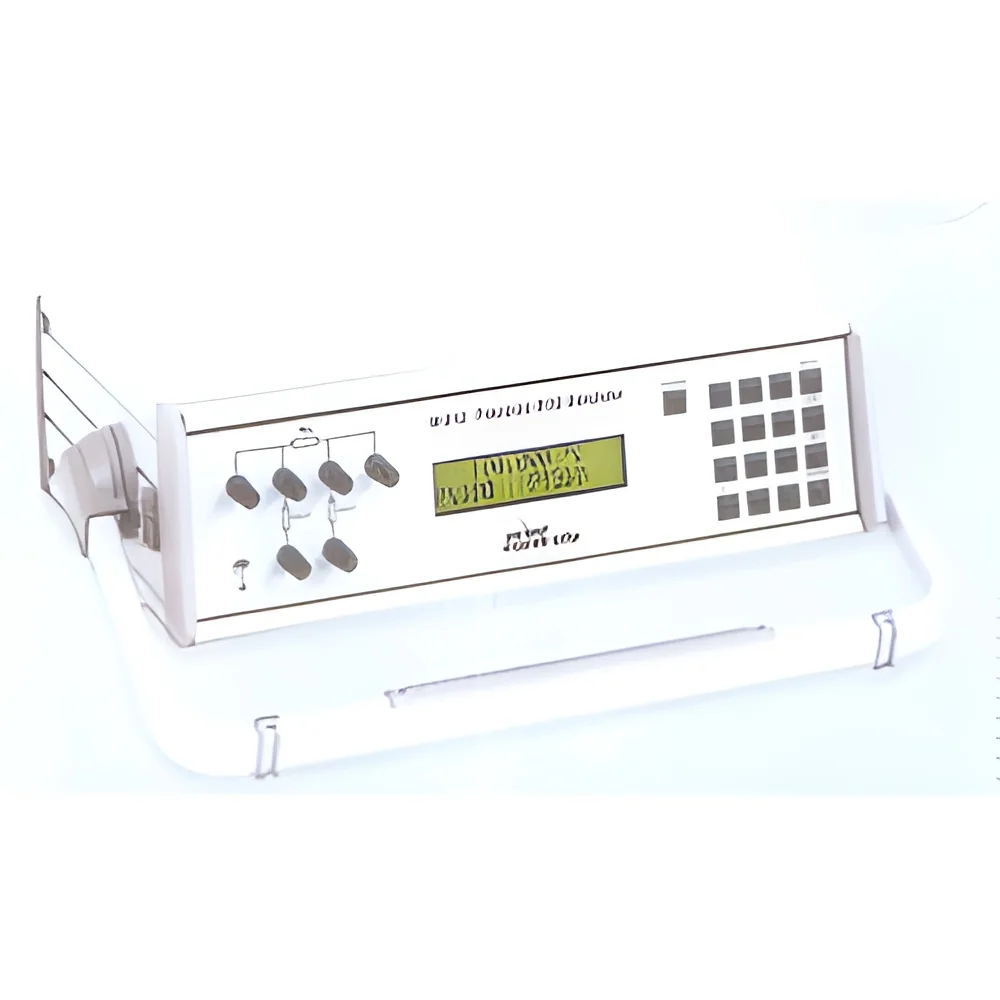
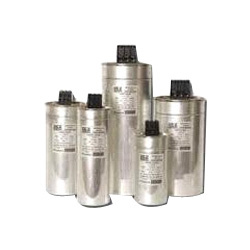
What are Industrial Capacitors?
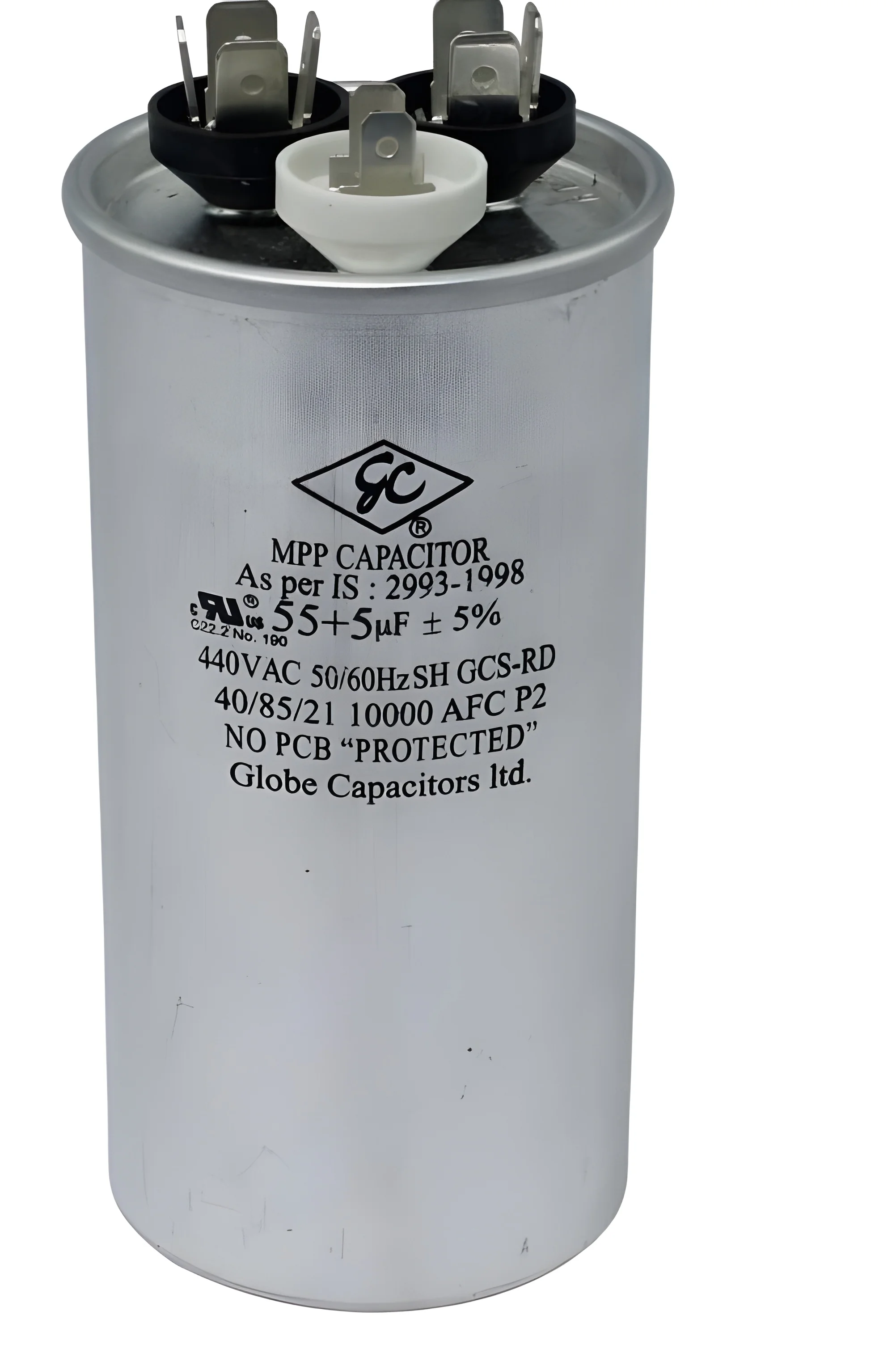
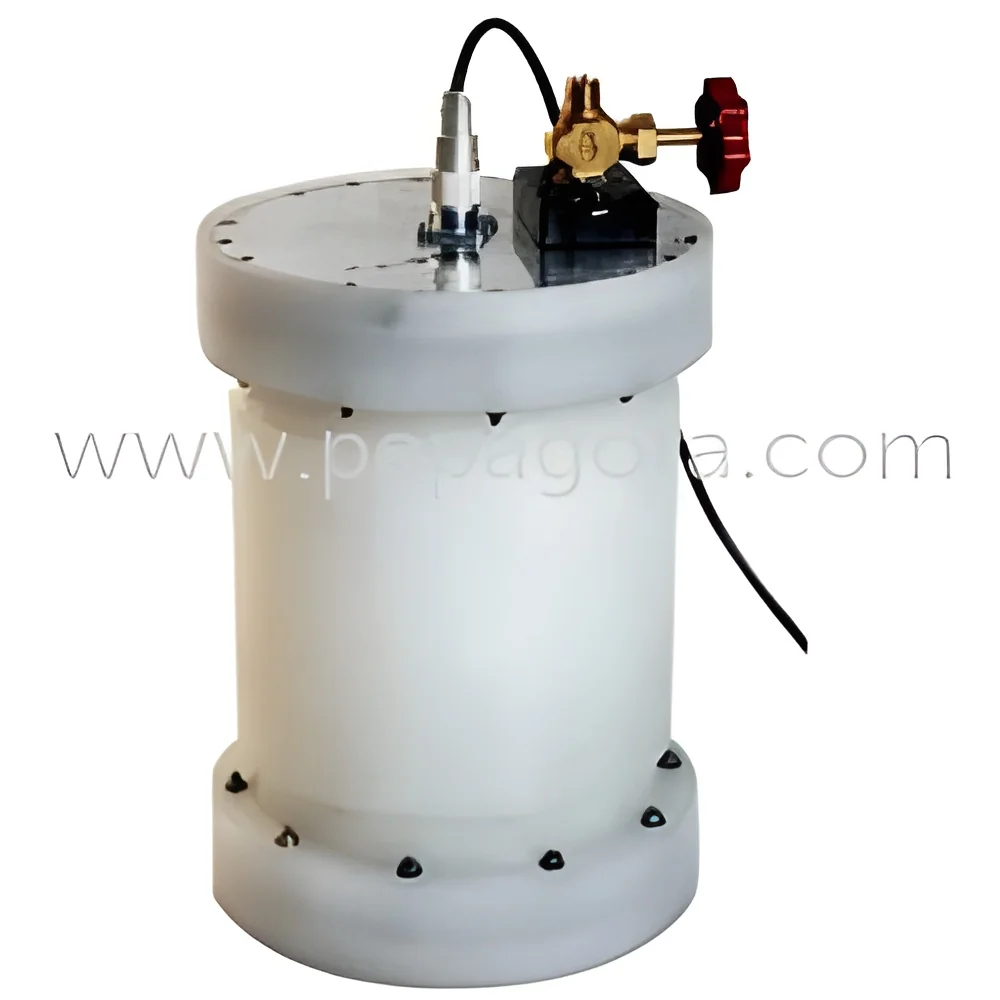
Industrial capacitors are essential electronic components that store electrical energy for various applications in industrial settings. They function by accumulating charge and releasing it when needed, thus playing a critical role in stabilizing voltage and power flow in electrical systems. These components come in various types and sizes, each designed to meet specific operational requirements and electrical characteristics.
In terms of business applications, industrial capacitors are widely used in power supply systems, motor drives, and electronic circuits. They are crucial in filtering, energy storage, and power factor correction tasks. Industries such as manufacturing, telecommunications, and energy rely heavily on these components to ensure efficient operation and reliability of their electrical systems. As technology advances, the demand for high-performance capacitors has grown, making them a vital part of modern industrial infrastructure.
Key Features and Specifications
Industrial capacitors are characterized by several key features that determine their performance and suitability for various applications. These specifications help buyers make informed decisions based on their specific needs.
Key specifications include:
1. Capacitance Value
- Indicates the amount of electrical charge the capacitor can store.
- Measured in Farads (F), with subunits such as microfarads (µF) and picofarads (pF).
2. Voltage Rating
- The maximum voltage the capacitor can handle without failure.
- Typically expressed in volts (V), ensuring safety in electrical systems.
3. Temperature Range
- The environmental temperature limits for optimal performance.
- Essential for maintaining reliability in varying conditions.
4. Dielectric Material
- The insulating material that separates the capacitor's plates.
- Common types include ceramic, film, electrolytic, and tantalum.
5. Size and Form Factor
- Physical dimensions and shape, affecting installation and application.
- Available in axial, radial, and surface-mounted configurations.
6. ESR (Equivalent Series Resistance)
- Represents the resistive losses within the capacitor.
- Lower ESR values indicate better performance, especially in high-frequency applications.
7. Lifetime and Reliability
- Expected operational lifespan under specified conditions.
- Key for minimizing maintenance costs and ensuring continuous operation.
8. Compliance and Certifications
- Adherence to industry standards such as CE marking.
- Ensures safety and quality in manufacturing processes.
In summary, understanding these specifications is crucial for selecting the right industrial capacitors for specific applications. Buyers should evaluate their needs against these features to make informed choices.
Common Applications and Use Cases
Industrial capacitors are utilized across a broad range of industries, each with unique applications that take advantage of their properties.
1. Manufacturing: Capacitors help in motor control, enhancing efficiency and stability in production equipment.
2. Telecommunications: These components are critical in filtering and signal processing, ensuring clear communication in networks.
3. Energy: Capacitors are used in power factor correction systems, optimizing energy consumption in electrical grids.
4. Automotive: Capacitors play a role in electronic control units, enabling precise operation of various vehicle systems.
5. HVAC: In heating, ventilation, and air conditioning systems, capacitors support compressor motor start-up and operation.
6. Renewable Energy: Capacitors are used in solar inverters and wind turbines, assisting in energy storage and conversion.
7. Medical Devices: They ensure the reliable operation of diagnostic and therapeutic equipment, maintaining precision and safety.
Product Variants and Subcategories
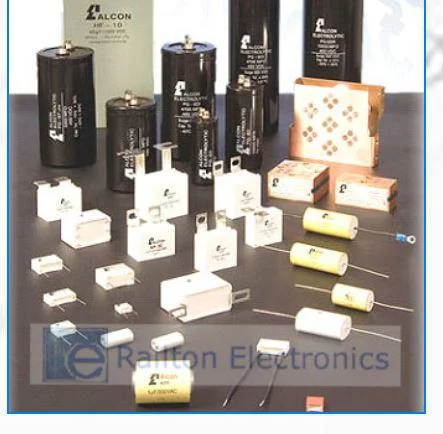
Industrial capacitors come in various forms, each designed for specific functionalities and applications.
Electrolytic Capacitors
These capacitors are known for their high capacitance values and are commonly used in power supply circuits for energy storage. They are polarized, making them suitable for DC applications.
Ceramic Capacitors
Ceramic capacitors are widely used for their stability and reliability. They are ideal for high-frequency applications, such as RF circuits, due to their low ESR and excellent temperature characteristics.
Film Capacitors
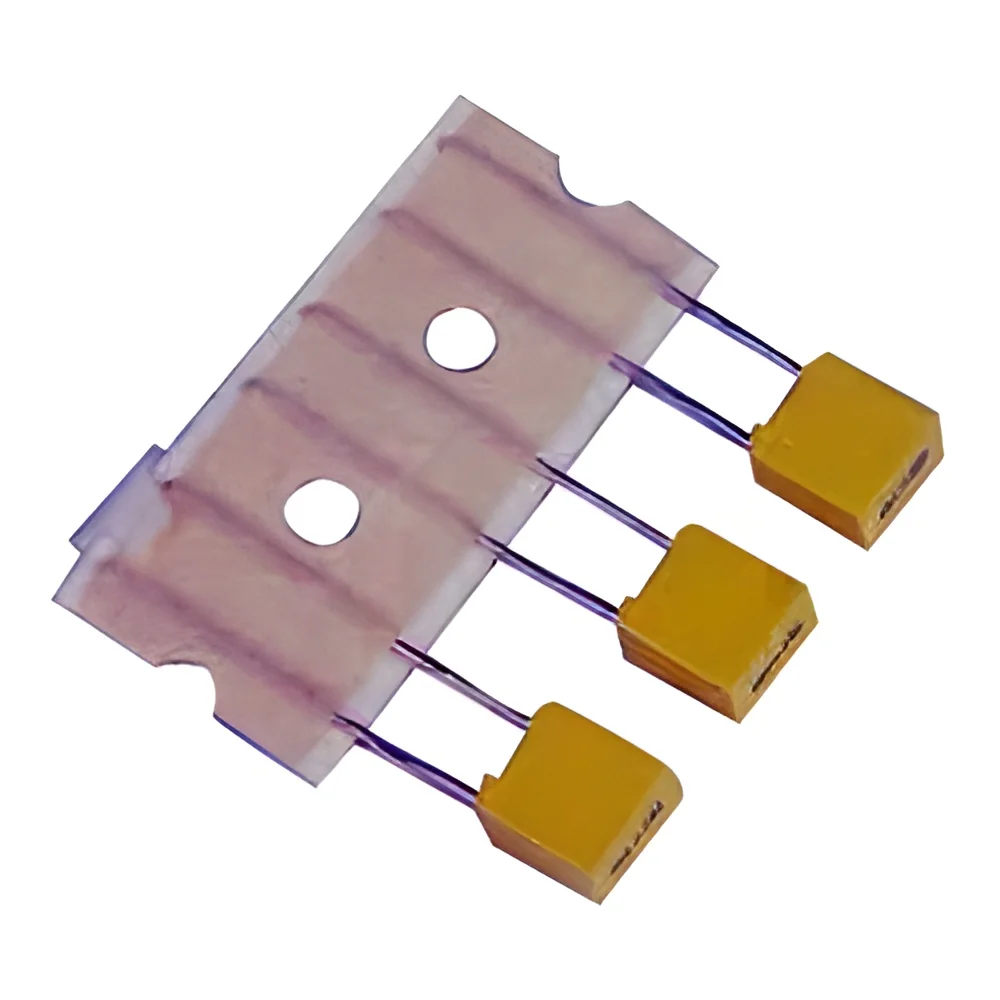
These capacitors provide excellent performance in AC applications. They are used in power electronics and audio equipment, where their low distortion and high insulation resistance are valuable.
Tantalum Capacitors
Tantalum capacitors are recognized for their compact size and high capacitance. They are suitable for military and aerospace applications due to their reliability and long lifespan.
Benefits and Advantages
Utilizing industrial capacitors offers numerous advantages that enhance operational efficiency and reliability.
1. Improved Energy Efficiency: Capacitors help stabilize voltage levels, reducing energy waste in electrical systems.
2. Enhanced Equipment Lifespan: By smoothing voltage fluctuations, capacitors protect sensitive electronic components from damage.
3. Compact Design: Many capacitors are available in small sizes, allowing for space-saving designs in various applications.
4. High Reliability: Quality industrial capacitors are designed to withstand harsh conditions, ensuring long-term performance.
5. Versatile Applications: With various types available, capacitors can be used in a wide range of industries and applications.
6. Cost-Effective Solutions: The right capacitor can reduce operational costs by improving system efficiency and minimizing maintenance needs.
Buying Guide for B2B Buyers
When sourcing industrial capacitors, it is essential to consider several factors to ensure a successful purchase.
1. Quality Assessment: Evaluate the quality of capacitors based on manufacturer reputation and compliance with relevant industry standards. Look for certifications that indicate reliability and performance.
2. Supplier Verification: Vet potential suppliers by checking their experience, customer reviews, and product offerings. A reliable supplier can provide support throughout the purchasing process.
3. Pricing and MOQ: Understand the pricing structure and minimum order quantities. This will help in budgeting and ensure you are getting the best value for your investment.
4. Delivery and Lead Times: Assess the supplier's logistics capabilities to ensure timely delivery of products. This is crucial for maintaining project schedules and operational efficiency.
5. Compliance Requirements: Ensure that the capacitors meet regional compliance standards and safety regulations. This is important to avoid legal issues and ensure safe operation in your applications.
Compliance and Certifications
Compliance and certifications are critical factors when selecting industrial capacitors. Adherence to quality standards such as ISO 9001 ensures that manufacturers consistently produce high-quality products. This standard focuses on maintaining quality management systems that enhance customer satisfaction.
Additionally, industry certifications like CE mark indicate that a product meets European safety and environmental requirements. This is particularly relevant for businesses operating in or exporting to European markets.
Safety and testing requirements also play a vital role in the manufacturing process. Capacitors must undergo rigorous testing to ensure they can operate safely under specified conditions, minimizing the risk of failure.
Regional compliance considerations vary based on local regulations. Buyers should be aware of these requirements to ensure their products are compliant, thus avoiding potential fines or operational disruptions.
Why Source Industrial Capacitors from Pepagora?
Pepagora offers a trusted platform for sourcing industrial capacitors with several key advantages.
Verified Supplier Network: Pepagora connects you with a network of verified suppliers, ensuring you have access to high-quality products from reputable manufacturers. This reduces the risk associated with sourcing components.
Streamlined RFQ Process: The platform simplifies the quotation process, allowing buyers to request multiple quotes from different suppliers quickly. This saves time and facilitates better purchasing decisions.
Trade Assurance and Support: Buyers can benefit from trade assurance policies that protect their transactions. This provides confidence when purchasing, knowing that support is available if issues arise.
Regional Coverage: Pepagora has a strong geographic reach, serving markets in India, GCC, and Southeast Asia. This allows businesses to find suitable suppliers in their region, ensuring timely delivery and service.
By choosing Pepagora, businesses can enhance their procurement process for industrial capacitors, ensuring they find the right products at competitive prices.

 IN
IN