
 IN
Hydraulic Oils
21 products available
What are Hydraulic Oils?
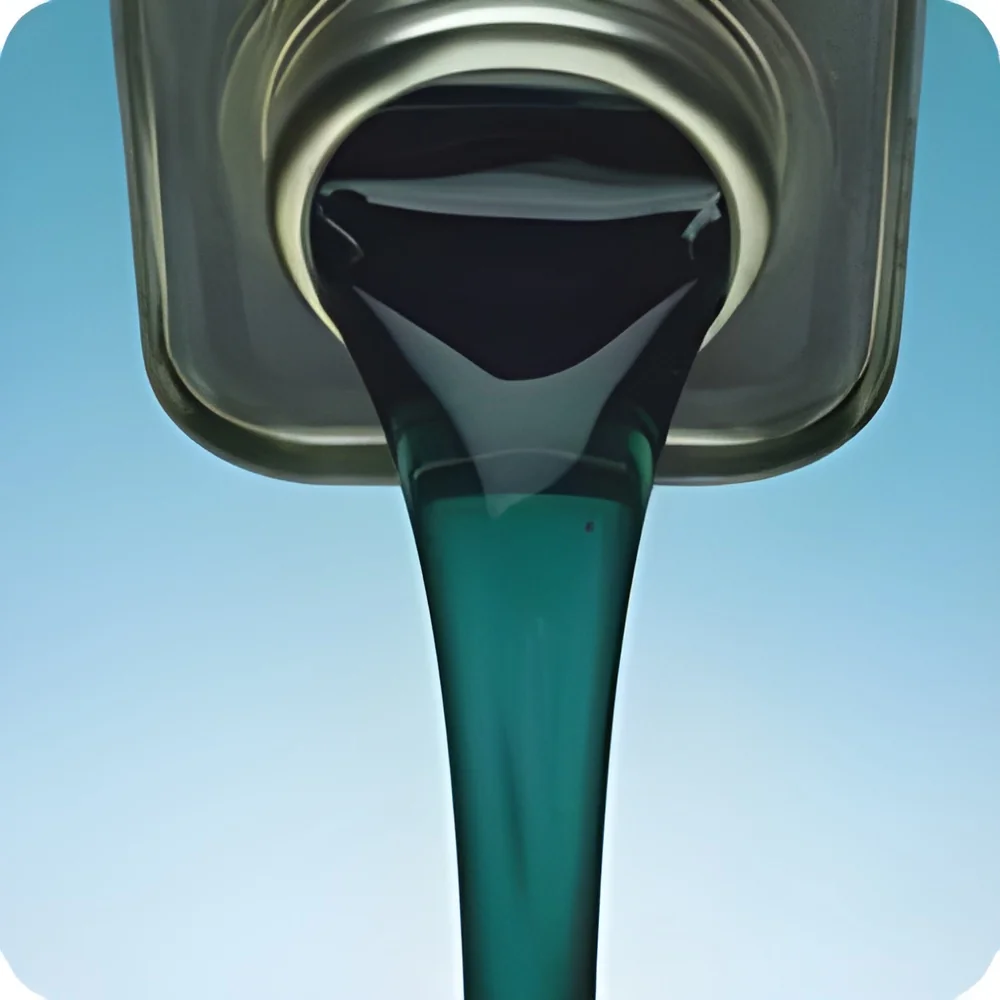
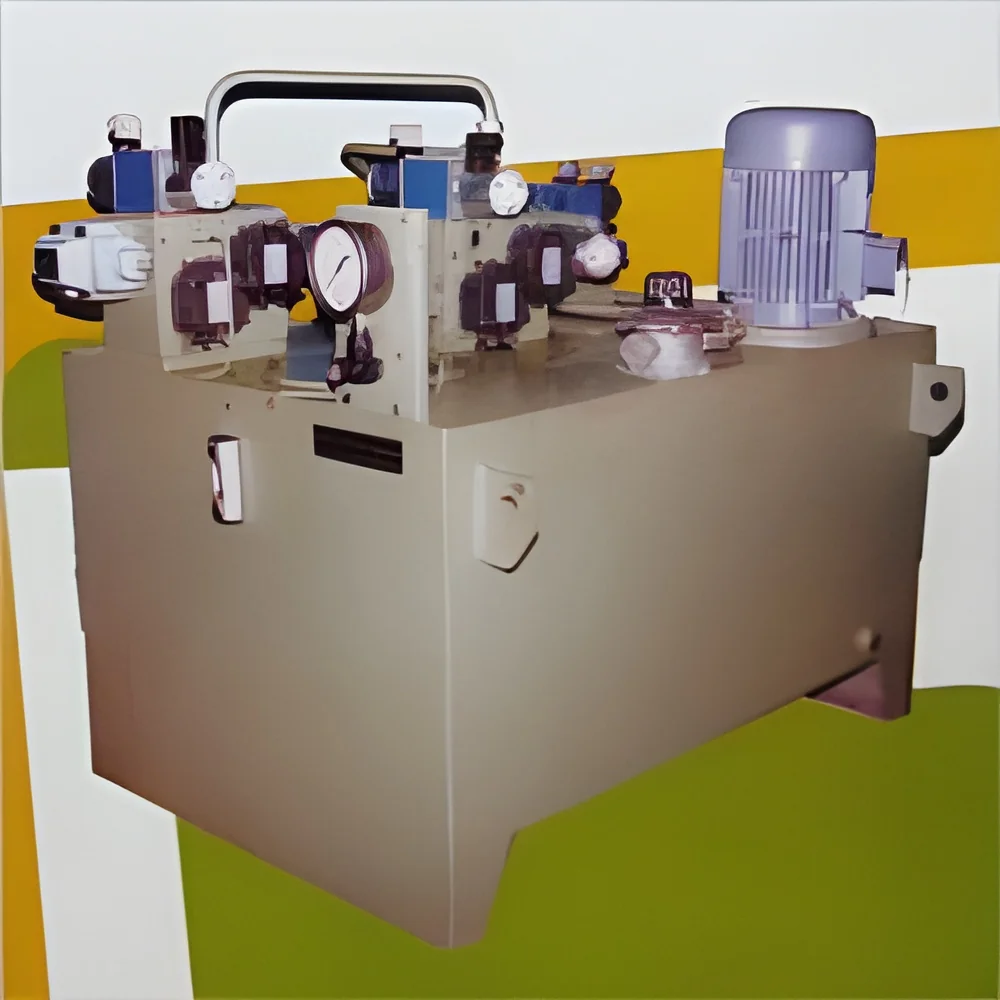
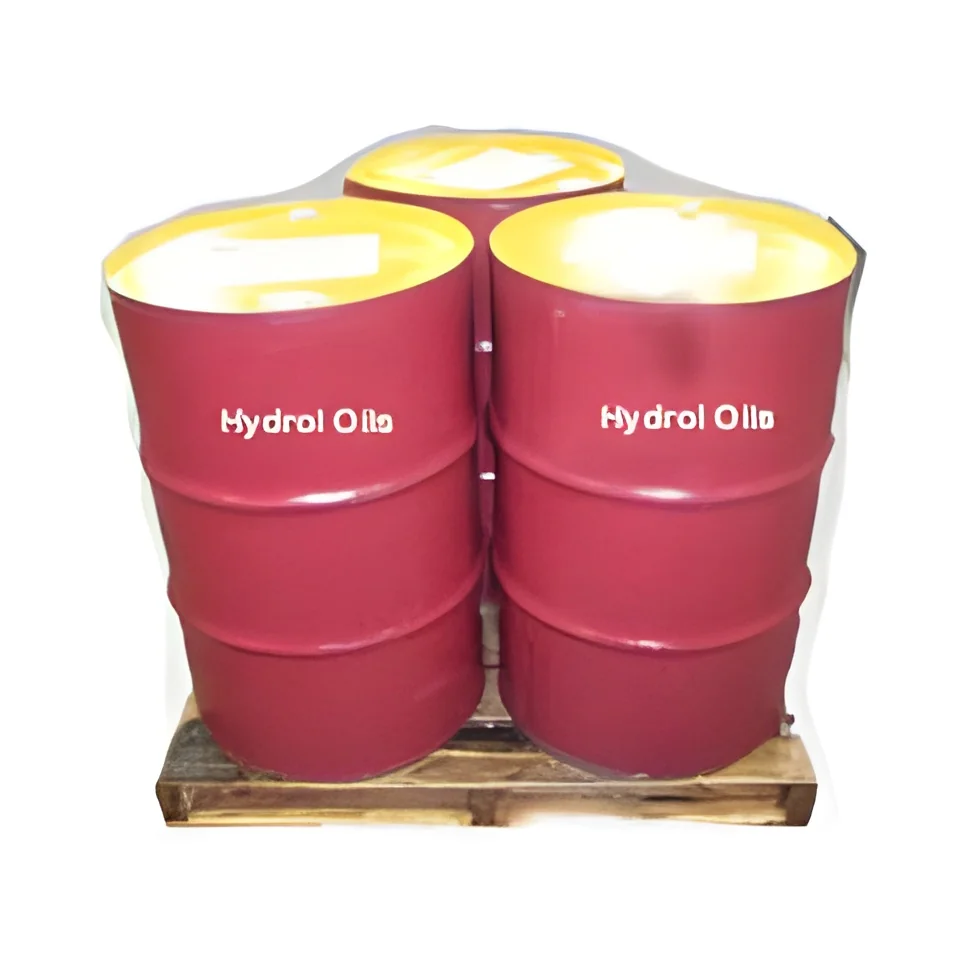
Hydraulic oils are specialized fluids used in hydraulic systems to transmit power and ensure the smooth operation of machinery. These oils are formulated to provide optimal lubrication, cooling, and protection against wear and corrosion. The primary purpose of hydraulic oils is to transfer force within hydraulic machinery, allowing for efficient movement and control of various mechanical components.
In business applications, hydraulic oils are essential for industries that rely on hydraulic systems, such as construction, manufacturing, and agriculture. They are used in equipment like excavators, forklifts, and presses, where high-pressure systems are critical for performance. The demand for hydraulic oils continues to grow as industries expand and seek improved efficiency in their operations. Companies increasingly recognize the importance of choosing the right hydraulic oil to enhance equipment longevity and operational reliability.
As industries evolve, the market for hydraulic oils is becoming more competitive. Companies are focusing on developing high-performance formulations that meet specific industry standards and regulatory requirements. This focus on innovation is contributing to the growth of the hydraulic oils market, as businesses look for solutions that offer superior performance and sustainability.
Key Features and Specifications
Hydraulic oils possess several key features that make them suitable for various hydraulic applications. These specifications ensure that the oils perform well under different operating conditions and meet industry standards.
Key specifications include:
1. Viscosity Grade
- Determines the oil's thickness and flow characteristics.
- Typically measured in ISO grades, with common ranges including ISO 32 to ISO 46.
2. Anti-Wear Properties
- Protects machinery from wear and extends equipment lifespan.
- Evaluated through standardized tests such as the Four-Ball Wear Test.
3. Oxidation Stability
- Enhances the oil's resistance to degradation over time.
- Measured by the oil's ability to withstand high temperatures and prolonged use.
4. Demulsibility
- Indicates the oil's ability to separate from water.
- Important for preventing rust and corrosion in hydraulic systems.
5. Pour Point
- Indicates the lowest temperature at which the oil remains fluid.
- Essential for performance in cold environments.
6. Flash Point
- The temperature at which the oil can ignite.
- Higher flash points are preferred for safety in high-temperature applications.
7. Foam Resistance
- Measures the oil's ability to prevent foam formation.
- Important for maintaining proper hydraulic performance.
8. Biodegradability
- Indicates the oil's environmental impact.
- Increasingly relevant for companies focused on sustainability.
In summary, selecting hydraulic oils with the right features and specifications is crucial for ensuring optimal performance and reliability in hydraulic systems.
Common Applications and Use Cases
Hydraulic oils are utilized in a wide range of industries, each with specific applications that take advantage of their properties.
1. Construction: Hydraulic oils are essential in heavy machinery like excavators and bulldozers, enabling effective lifting and digging operations.
2. Manufacturing: In manufacturing plants, hydraulic systems power presses and assembly lines, making hydraulic oils vital for smooth operation and productivity.
3. Agriculture: Tractors and other agricultural equipment rely on hydraulic oils for functions like lifting and lowering attachments, ensuring efficient fieldwork.
4. Mining: Hydraulic oils are used in equipment such as drills and loaders, providing the power needed for excavation and material handling.
5. Transportation: Hydraulic oils are critical in various vehicles, including trucks and buses, for operating brakes and lifting systems.
6. Marine: Hydraulic systems in ships and boats utilize hydraulic oils for steering, loading, and stabilization functions.
7. Aerospace: In aviation, hydraulic oils are used in landing gear systems and flight control mechanisms, emphasizing the need for high-performance fluids.
Product Variants and Subcategories
Hydraulic oils come in various formulations designed to meet the specific needs of different applications. While specific subcategories are not available, some common variants can be highlighted.
Mineral-Based Hydraulic Oils: These are derived from refining crude oil and are widely used in general hydraulic applications. They provide reliable performance and lubrication.
Biodegradable Hydraulic Oils: Formulated from renewable resources, these oils are designed for environmentally sensitive applications. They offer similar performance to conventional oils while minimizing ecological impact.
Synthetic Hydraulic Oils: These oils are engineered for high-performance applications, providing superior temperature stability and lubrication. They are ideal for extreme operating conditions.
Fire-Resistant Hydraulic Fluids: Used in industries where fire hazards are a concern, these fluids are formulated to reduce the risk of combustion while maintaining hydraulic performance.
Benefits and Advantages
Hydraulic oils offer several advantages that make them essential for industrial applications.
Key benefits include:
1. Enhanced Equipment Life: Proper lubrication reduces wear and tear, extending the lifespan of hydraulic machinery.
2. Improved Efficiency: Hydraulic oils ensure smooth operation, reducing energy consumption and improving overall system efficiency.
3. Corrosion Protection: The right hydraulic oil provides a protective layer against moisture and contaminants, preventing rust and corrosion.
4. Temperature Stability: High-performance hydraulic oils maintain their viscosity and performance across a wide temperature range, ensuring reliability.
5. Environmental Considerations: Biodegradable options offer a sustainable choice for businesses aiming to reduce their ecological footprint.
6. Safety Features: Fire-resistant hydraulic fluids enhance safety in high-risk environments, reducing the likelihood of accidents.
Buying Guide for B2B Buyers
When sourcing hydraulic oils, several factors should be considered to ensure optimal performance and compatibility with your equipment.
1. Quality Assessment: Evaluate the quality of the hydraulic oils by reviewing specifications and performance standards. Look for oils that meet industry certifications to ensure reliability.
2. Supplier Verification: Vet potential suppliers by checking their reputation, certifications, and customer reviews. A reliable supplier should provide documentation of quality assurance practices.
3. Pricing and MOQ: Consider the pricing structure and minimum order quantities. It is essential to balance cost with quality to ensure you receive value for your investment.
4. Delivery and Lead Times: Discuss logistics and lead times with suppliers to ensure timely delivery of hydraulic oils. This is critical for maintaining operational continuity.
5. Compliance Requirements: Ensure that the hydraulic oils meet regulatory compliance standards relevant to your industry. This may include safety and environmental regulations.
Compliance and Certifications
Hydraulic oils must adhere to various quality standards and certifications to ensure their suitability for industrial applications. Relevant quality standards include ISO 9001, which ensures consistent quality management systems across suppliers.
Additionally, industry certifications such as CE and UL signify that the products have undergone rigorous testing and meet safety requirements. These certifications provide assurance to buyers regarding the reliability and safety of the hydraulic oils.
Safety and testing requirements are also crucial aspects of hydraulic oil compliance. This includes evaluations for potential hazards and environmental impact, ensuring that the products are safe for use in various applications.
Regional compliance considerations may vary based on local regulations, particularly in areas with stringent environmental laws. It is essential for businesses to be aware of these regulations when sourcing hydraulic oils.
Why Source Hydraulic Oils from Pepagora?
Pepagora provides a trusted platform for sourcing hydraulic oils with several key advantages.
Verified Supplier Network: Pepagora has established a network of verified suppliers, ensuring that buyers can access high-quality hydraulic oils from reputable manufacturers. This reduces the risk of sourcing low-quality products.
Streamlined RFQ Process: The Request for Quotation (RFQ) process on Pepagora simplifies interactions between buyers and suppliers. This efficient system allows for quick comparisons and selections based on specific needs.
Trade Assurance and Support: Pepagora offers trade assurance to protect buyers throughout the purchasing process. This includes support for resolving disputes and ensuring that products meet expectations.
Regional Coverage: With a strong presence in regions such as India, the GCC, and Southeast Asia, Pepagora facilitates access to hydraulic oils tailored to local market needs. This regional expertise enhances the sourcing experience for businesses across various industries.


 India

 India


 India
 India

 India
 India
 India
 India

 India
 India
 India
 India
 India
 India

Frequently Asked Questions
What are Hydraulic Oils?
Hydraulic oils are specialized lubricants used in hydraulic systems to transmit power. They are designed to provide lubrication, heat dissipation, and protection against corrosion, ensuring the efficient operation of hydraulic machinery.
What are the different types of Hydraulic Oils?
There are various types of hydraulic oils, including mineral oils, water-based fluids, and biodegradable oils. Each type has specific properties that make it suitable for different applications, such as high-temperature environments or environmentally sensitive areas.
How do I choose the right Hydraulic Oils?
Choosing the right hydraulic oil involves considering factors such as the operating temperature, system pressure, and compatibility with materials. Additionally, it is essential to refer to the equipment manufacturer's specifications to ensure optimal performance.
What are the standard specifications for Hydraulic Oils?
Hydraulic oils are typically classified according to standards like ISO 6743 and DIN 51524. These specifications cover aspects such as viscosity, performance additives, and thermal stability, which are crucial for ensuring the oil's effectiveness in hydraulic systems.
What is the price range for Hydraulic Oils?
The price of hydraulic oils can vary widely based on factors such as type, quality, and quantity purchased. Generally, prices can range from INR 100 to INR 500 per liter, depending on the specifications and supplier.
What quality standards apply to Hydraulic Oils?
Quality standards for hydraulic oils include ISO 9001 for quality management and various performance criteria set by organizations like ASTM and SAE. These standards help ensure the reliability and performance of hydraulic oils in various applications.
Where can I find Hydraulic Oils suppliers in India?
Hydraulic oils suppliers in India can be found through various channels, including online B2B marketplaces like Pepagora, trade shows, and industry directories. It's advisable to compare suppliers based on quality, pricing, and customer reviews.
Can Hydraulic Oils be customized?
Yes, hydraulic oils can be customized to meet specific requirements, such as unique viscosity or additive formulations. Discussing your needs with manufacturers or suppliers can help you obtain a product tailored to your application.
What is the typical minimum order quantity for Hydraulic Oils?
The typical minimum order quantity (MOQ) for hydraulic oils can vary by supplier but usually ranges from 100 liters to 1000 liters. It is best to check with individual suppliers for their specific MOQs.
What is the typical lead time for Hydraulic Oils?
The typical lead time for hydraulic oils varies depending on the supplier and order size, but it generally ranges from 5 to 15 business days. Factors such as customization and shipping location can also influence the delivery timeframe.
Why Businesses Trust Pepagora
Thousands of companies trust Pepagora to source smarter and sell faster
Expand Your Sales Globally

Source Smarter,Grow Faster
