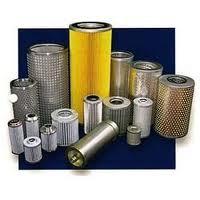
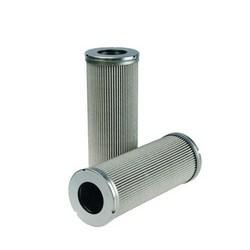
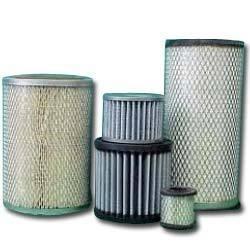
𝗪𝗵𝗮𝘁 𝗮𝗿𝗲 𝗛𝘆𝗱𝗿𝗮𝘂𝗹𝗶𝗰 𝗢𝗶𝗹 𝗙𝗶𝗹𝘁𝗲𝗿𝘀?
Hydraulic oil filters are essential components in hydraulic systems, designed to remove contaminants and impurities from hydraulic fluid. These filters ensure that the hydraulic systems operate efficiently by preventing dirt, metal particles, and other foreign substances from causing damage to machinery. By maintaining fluid cleanliness, hydraulic oil filters play a crucial role in prolonging the lifespan of hydraulic components and enhancing the overall performance of the equipment.
These filters find primary use in various industrial applications, from manufacturing and construction to agriculture and automotive industries. In hydraulic systems, they are used in equipment such as excavators, forklifts, and hydraulic presses, helping to maintain operational integrity and reduce downtime. The importance of hydraulic oil filters is underscored by their industry relevance, as they are integral to the reliability and efficiency of hydraulic machinery, supporting various sectors that rely on hydraulic power.
𝗞𝗲𝘆 𝗙𝗲𝗮𝘁𝘂𝗿𝗲𝘀 𝗮𝗻𝗱 𝗦𝗽𝗲𝗰𝗶𝗳𝗶𝗰𝗮𝘁𝗶𝗼𝗻𝘀
Hydraulic oil filters come with a range of features and specifications that cater to the diverse needs of industrial applications. These specifications are critical for ensuring the right fit and performance in specific hydraulic systems.
Key specifications include:
1. Filtration Rating
- Typically ranges from 5 to 25 microns
- Determines the size of particles that can be filtered out
2. Pressure Rating
- Commonly rated up to 3000 PSI
- Ensures the filter can withstand high-pressure environments
3. Flow Rate
- Ranges from 10 to 150 gallons per minute
- Indicates the volume of fluid that can pass through the filter
4. Material Construction
- Often made from synthetic media or cellulose
- Affects durability and filtration efficiency
5. Operating Temperature
- Usually between -30°C to 100°C
- Ensures the filter can operate under varying conditions
6. End Cap Design
- Can be metal or plastic
- Influences the filter's compatibility and ease of installation
7. Seal Type
- Options include O-ring or flat seals
- Critical for ensuring leak-proof operation
8. Dimensions
- Varies widely depending on application
- Important for compatibility with existing hydraulic systems
In summary, understanding these specifications is vital for selecting the right hydraulic oil filter for specific applications, ensuring optimal performance and longevity of hydraulic systems.
𝗖𝗼𝗺𝗺𝗼𝗻 𝗔𝗽𝗽𝗹𝗶𝗰𝗮𝘁𝗶𝗼𝗻𝘀 𝗮𝗻𝗱 𝗨𝘀𝗲 𝗖𝗮𝘀𝗲𝘀
Hydraulic oil filters are utilized across a variety of industries, making them a versatile component in hydraulic systems.
1. Construction: Hydraulic filters are used in heavy machinery like bulldozers and cranes, ensuring clean hydraulic fluid for optimal operation.
2. Agriculture: Equipment such as tractors and harvesters rely on hydraulic filters to maintain performance and reduce maintenance costs.
3. Manufacturing: Hydraulic presses and assembly line equipment use these filters to ensure fluid cleanliness, which is essential for precision operations.
4. Automotive: In vehicles, hydraulic filters help maintain the efficiency of power steering systems and automatic transmissions.
5. Mining: Hydraulic systems in mining equipment benefit from filters that prevent contaminants from damaging sensitive components.
6. Marine: Hydraulic systems on ships and boats utilize oil filters to ensure reliable operation in challenging environments.
7. Oil and Gas: Hydraulic filters are critical in drilling equipment, protecting machinery from abrasive particles found in drilling fluids.
𝗣𝗿𝗼𝗱𝘂𝗰𝘁 𝗩𝗮𝗿𝗶𝗮𝗻𝘁𝘀 𝗮𝗻𝗱 𝗦𝘂𝗯𝗰𝗮𝘁𝗲𝗴𝗼𝗿𝗶𝗲𝘀
Hydraulic oil filters come in various types tailored to specific needs and applications, offering businesses options based on their requirements.
Spin-On Hydraulic Filters: These filters are easy to replace and are commonly used in automotive and light-duty applications. Their design allows for quick installation and maintenance.
Return Line Filters: Designed for installation in the return line of hydraulic systems, these filters help to keep the fluid clean before it re-enters the reservoir, making them ideal for high-volume applications.
Inline Filters: These filters are installed directly in the hydraulic lines and are used in various industrial applications to protect sensitive components from contamination.
Suction Filters: Positioned at the intake of hydraulic pumps, suction filters prevent debris from entering the pump, which is crucial for the longevity of the hydraulic system.
𝗕𝗲𝗻𝗲𝗳𝗶𝘁𝘀 𝗮𝗻𝗱 𝗔𝗱𝘃𝗮𝗻𝘁𝗮𝗴𝗲𝘀
Hydraulic oil filters offer numerous advantages that contribute to the efficient functioning of hydraulic systems.
1. Enhanced Equipment Longevity: By filtering out contaminants, these filters reduce wear and tear on hydraulic components, significantly extending their lifespan.
2. Improved System Efficiency: Clean hydraulic fluid ensures that systems operate smoothly, reducing energy consumption and operational costs.
3. Reduced Downtime: Regularly maintained filters help prevent system failures, minimizing downtime and associated costs.
4. Increased Safety: By preventing contamination, hydraulic filters help maintain safe operating conditions, reducing the risk of accidents.
5. Cost-Effectiveness: Investing in high-quality filters can lead to lower maintenance costs and reduced need for repairs over time.
6. Environmental Protection: Clean hydraulic fluid reduces the risk of spills and contamination, promoting a safer environment.
𝗕𝘂𝘆𝗶𝗻𝗴 𝗚𝘂𝗶𝗱𝗲 𝗳𝗼𝗿 𝗕𝟮𝗕 𝗕𝘂𝘆𝗲𝗿𝘀
When sourcing hydraulic oil filters, B2B buyers should consider several factors to make informed purchasing decisions.
1. Quality Assessment: It is crucial to evaluate the quality of hydraulic oil filters based on material, filtration efficiency, and manufacturer reputation. High-quality filters ensure better performance and durability.
2. Supplier Verification: Vet potential suppliers by checking their credentials, customer reviews, and industry certifications. This ensures reliability and product quality.
3. Pricing and MOQ: Consider the cost of filters and the minimum order quantity (MOQ) that suppliers require. Compare prices among different suppliers to ensure competitive rates.
4. Delivery and Lead Times: Assess the logistics of delivery schedules to ensure that filters arrive on time. Timely delivery is essential to maintain operations without delays.
5. Compliance Requirements: Be aware of any regulatory compliance needs specific to the industry and region. Ensuring that filters meet these standards is crucial for legal and operational safety.
𝗖𝗼𝗺𝗽𝗹𝗶𝗮𝗻𝗰𝗲 𝗮𝗻𝗱 𝗖𝗲𝗿𝘁𝗶𝗳𝗶𝗰𝗮𝘁𝗶𝗼𝗻𝘀
Compliance and certifications play a vital role in ensuring that hydraulic oil filters meet industry standards and safety requirements.
Hydraulic oil filters are often manufactured in accordance with quality standards such as ISO 9001, which ensures a consistent quality management system. These standards help in providing assurance that the products meet customer and regulatory requirements.
In addition, many hydraulic filters carry industry certifications such as CE and UL, indicating that they have been tested for safety and performance. These certifications contribute to buyer confidence in the products.
It is also essential to consider regional compliance requirements, as different markets may have specific regulations pertaining to hydraulic systems and fluid management. Ensuring that filters comply with these local regulations helps businesses avoid legal issues and maintain operational integrity.
𝗪𝗵𝘆 𝗦𝗼𝘂𝗿𝗰𝗲 𝗛𝘆𝗱𝗿𝗮𝘂𝗹𝗶𝗰 𝗢𝗶𝗹 𝗙𝗶𝗹𝘁𝗲𝗿𝘀 𝗳𝗿𝗼𝗺 𝗣𝗲𝗽𝗮𝗴𝗼𝗿𝗮?
Pepagora offers a reliable platform for sourcing hydraulic oil filters, providing several key advantages for B2B buyers.
Verified Supplier Network: Pepagora connects buyers with a network of verified suppliers, ensuring that businesses can find high-quality products from reputable manufacturers. This reliability is essential for maintaining operational efficiency.
Streamlined RFQ Process: The request for quotation (RFQ) process is designed to be user-friendly, allowing buyers to easily compare quotes from multiple suppliers. This helps in making informed purchasing decisions quickly.
Trade Assurance and Support: Pepagora provides trade assurance, ensuring that buyers are protected in their transactions. This includes support in case of disputes, giving businesses peace of mind when purchasing.
Regional Coverage: With a strong presence in India, the GCC, and Southeast Asia, Pepagora facilitates access to hydraulic oil filters across these regions. This geographic reach allows buyers to source products conveniently and efficiently.
By choosing Pepagora, businesses can leverage these advantages to ensure they obtain the best hydraulic oil filters for their needs while benefiting from a trusted sourcing experience.

 IN
IN
 India
India