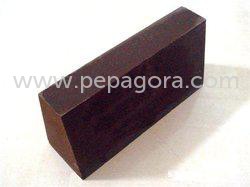
𝗪𝗵𝗮𝘁 𝗮𝗿𝗲 𝗛𝗶𝗴𝗵 𝗔𝗹𝘂𝗺𝗶𝗻𝗮 𝗕𝗿𝗶𝗰𝗸𝘀?
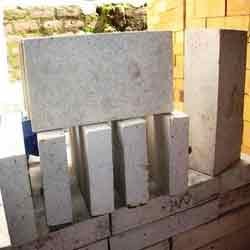
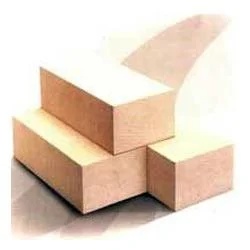
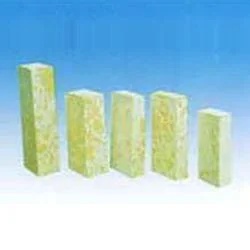
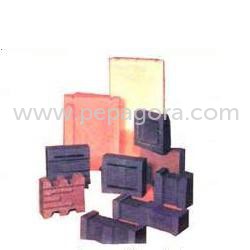
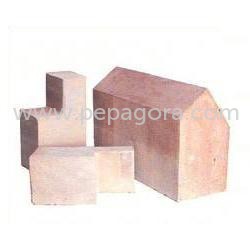
High Alumina Bricks are a type of refractory brick made primarily from high-grade alumina. They are designed to withstand high temperatures and are characterized by their excellent thermal stability, mechanical strength, and resistance to chemical corrosion. These bricks are produced using bauxite and other raw materials that are rich in alumina, which contributes to their high melting point and reduced thermal conductivity.
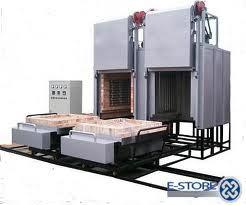
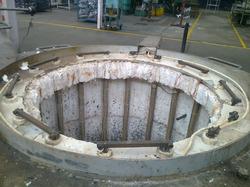
These bricks are commonly used in various high-temperature applications, including furnaces, kilns, and reactors. Their primary business applications include the steel industry, cement production, and non-ferrous metal manufacturing, where they play a critical role in maintaining structural integrity and efficiency. The relevance of High Alumina Bricks in industry cannot be overstated, as they are essential for processes that require high thermal resistance and durability under extreme conditions.
𝗞𝗲𝘆 𝗙𝗲𝗮𝘁𝘂𝗿𝗲𝘀 𝗮𝗻𝗱 𝗦𝗽𝗲𝗰𝗶𝗳𝗶𝗰𝗮𝘁𝗶𝗼𝗻𝘀
High Alumina Bricks are known for their unique properties that make them suitable for demanding applications. These features include high refractoriness, low thermal conductivity, and excellent resistance to thermal shock. They are engineered to perform under extreme conditions, providing long-lasting service life in various industrial environments.
Key specifications include:
1. Alumina Content
- Typically ranges from 50% to 90%
- Affects thermal stability and mechanical strength
2. Bulk Density
- Ranges from 2.4 g/cm³ to 3.0 g/cm³
- Influences load-bearing capacity and thermal conductivity
3. Refractoriness
- Can withstand temperatures up to 1750°C
- Critical for applications in high-temperature environments
4. Thermal Conductivity
- Generally low, around 0.5 to 1.5 W/mK
- Helps in maintaining energy efficiency
5. Compressive Strength
- Ranges from 50 MPa to 150 MPa
- Essential for structural applications
6. Chemical Resistance
- Resistant to corrosive materials like alkalis and acids
- Important for longevity in harsh environments
7. Thermal Shock Resistance
- Capable of withstanding rapid temperature changes
- Reduces risk of cracking and failure
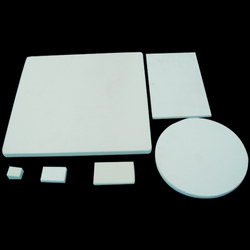
8. Size and Shape Variability
- Available in various sizes and custom shapes
- Allows for tailored applications in different setups
These specifications highlight the versatility and performance capabilities of High Alumina Bricks in various industrial applications.
𝗖𝗼𝗺𝗺𝗼𝗻 𝗔𝗽𝗽𝗹𝗶𝗰𝗮𝘁𝗶𝗼𝗻𝘀 𝗮𝗻𝗱 𝗨𝘀𝗲 𝗖𝗮𝘀𝗲𝘀
High Alumina Bricks find utility across several industries due to their robust properties and high-performance characteristics.
1. Steel Industry: Used in the linings of blast furnaces and ladles, these bricks help optimize heat retention and structural integrity.
2. Cement Production: Essential in kiln linings, they provide durability against high temperatures and abrasive materials.
3. Non-Ferrous Metal Manufacturing: Employed in smelting furnaces for their resistance to chemical attack and thermal shock.
4. Glass Manufacturing: Utilized in glass furnaces where high temperatures and corrosive environments are present.
5. Petrochemical Industry: Serve as linings in reactors to withstand harsh chemical environments and high temperatures.
6. Power Generation: Used in boiler linings to enhance thermal efficiency and withstand flue gas conditions.
7. Incineration: Applied in waste incinerators due to their ability to handle extreme conditions and corrosive materials.
𝗣𝗿𝗼𝗱𝘂𝗰𝘁 𝗩𝗮𝗿𝗶𝗮𝗻𝘁𝘀 𝗮𝗻𝗱 𝗦𝘂𝗯𝗰𝗮𝘁𝗲𝗴𝗼𝗿𝗶𝗲𝘀
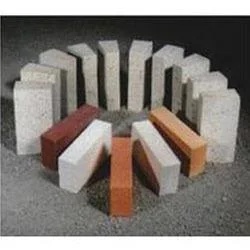
High Alumina Bricks are available in a variety of types to meet diverse industrial needs. Each variant is designed for specific applications based on its unique properties.
Standard High Alumina Brick
These are the most common type, offering a balance of thermal stability and mechanical strength, making them suitable for general use.
High Purity High Alumina Brick
Featuring a higher alumina content, these bricks are designed for applications requiring enhanced thermal and chemical resistance.
Low Density High Alumina Brick
These bricks are lighter and provide excellent insulation properties, ideal for applications where weight reduction is essential.
𝗕𝗲𝗻𝗲𝗳𝗶𝘁𝘀 𝗮𝗻𝗱 𝗔𝗱𝘃𝗮𝗻𝘁𝗮𝗴𝗲𝘀
Investing in High Alumina Bricks provides several key advantages that enhance operational efficiency and product longevity.
1. High Temperature Resistance: Capable of withstanding extreme temperatures, ensuring operational reliability in high-heat environments.
2. Chemical Stability: Resistant to various corrosive substances, reducing maintenance needs and extending service life.
3. Thermal Efficiency: Low thermal conductivity contributes to energy savings in industrial processes.
4. Mechanical Strength: High compressive strength ensures structural integrity under heavy loads.
5. Customizability: Available in various sizes and shapes to fit specific application requirements.
6. Cost-Effectiveness: Long-lasting performance leads to reduced replacement costs and downtime.
𝗕𝘂𝘆𝗶𝗻𝗴 𝗚𝘂𝗶𝗱𝗲 𝗳𝗼𝗿 𝗕𝟮𝗕 𝗕𝘂𝘆𝗲𝗿𝘀
When sourcing High Alumina Bricks, it is crucial to consider several factors to ensure that you select the right materials for your needs.
1. Quality Assessment: Evaluate the alumina content, bulk density, and refractoriness to ensure the bricks meet the required performance standards for your application.
2. Supplier Verification: Conduct thorough background checks on suppliers to confirm their reliability, reputation, and ability to deliver quality products.
3. Pricing and MOQ: Understand the pricing structure and minimum order quantities to properly budget and procure materials.
4. Delivery and Lead Times: Discuss logistics with suppliers to ensure timely delivery and to minimize project delays.
5. Compliance Requirements: Ensure that the bricks comply with relevant industry standards and regulations to avoid potential legal and operational issues.
𝗖𝗼𝗺𝗽𝗹𝗶𝗮𝗻𝗰𝗲 𝗮𝗻𝗱 𝗖𝗲𝗿𝘁𝗶𝗳𝗶𝗰𝗮𝘁𝗶𝗼𝗻𝘀
High Alumina Bricks are subject to various compliance and certification requirements to ensure quality and safety. These include:
- ISO 9001: This standard ensures that manufacturers maintain quality management systems for consistent product quality.
- CE Certification: Indicates that the bricks meet European safety, health, and environmental protection standards.
- Safety and Testing Requirements: Manufacturers must conduct rigorous testing to verify properties like thermal stability and chemical resistance.
- Regional Compliance Considerations: Depending on the location of use, additional local regulations may apply, necessitating awareness of specific compliance needs.
𝗪𝗵𝘆 𝗦𝗼𝘂𝗿𝗰𝗲 𝗛𝗶𝗴𝗵 𝗔𝗹𝘂𝗺𝗶𝗻𝗮 𝗕𝗿𝗶𝗰𝗸𝘀 𝗳𝗿𝗼𝗺 𝗣𝗲𝗽𝗮𝗴𝗼𝗿𝗮?
Pepagora is a trusted platform for sourcing High Alumina Bricks, offering numerous advantages to buyers.
Verified Supplier Network: Pepagora connects you with a network of verified suppliers, ensuring that you have access to quality products from reputable manufacturers.
Streamlined RFQ Process: The Request for Quotation system simplifies the sourcing process, enabling buyers to receive competitive pricing and terms quickly.
Trade Assurance and Support: Pepagora provides buyer protection through trade assurance programs, ensuring that transactions are secure and reliable.
Regional Coverage: With a focus on markets in India, the GCC, and Southeast Asia, Pepagora offers extensive reach, making it easier to find and procure High Alumina Bricks locally.

 IN
IN
 India
India