
 IN
Head & Neck Protection Gear
9 products available
What are Head & Neck Protection Gear?
Head and neck protection gear refers to safety equipment designed to shield vulnerable areas of the body, particularly the head and neck, from potential hazards. This gear is crucial in environments where there are risks of impacts, falls, or exposure to harmful substances. Common types include helmets, face shields, and neck guards, all engineered to offer a high level of safety while ensuring comfort and usability.
The primary uses of head and neck protection gear span various industries including construction, manufacturing, and healthcare. In construction, helmets protect workers from falling objects, while face shields can guard against flying debris. In healthcare settings, such gear is essential for staff working with hazardous materials or in environments where infectious diseases are present. The necessity for such protective equipment is underscored by regulatory standards and safety practices across different sectors, making it a highly relevant product in today’s market.
Key Features and Specifications
Head and neck protection gear comes with various features that enhance safety and usability. Understanding these specifications is essential for selecting the right equipment for specific applications.
Key specifications include:
1. Material Composition
- Typically made of high-impact resistant materials such as polycarbonate or fiberglass.
- Ensures durability and reduces the risk of fractures upon impact.
2. Weight
- Designed to be lightweight for ease of use.
- Allows for extended wear without discomfort.
3. Adjustable Fit
- Many designs include adjustable straps or padding.
- Ensures a secure and customizable fit for different head sizes.
4. Ventilation
- Incorporates ventilation holes or breathable materials.
- Helps reduce heat buildup during prolonged use.
5. Certification
- Must comply with industry standards such as CE marking.
- Indicates the product meets safety and performance requirements.
6. Visibility Features
- Some models include reflective strips or bright colors.
- Improves visibility in low-light conditions.
7. Compatibility with Other Gear
- Designed to work with other personal protective equipment.
- Enhances overall safety when used in combination.
8. Maintenance Requirements
- Generally easy to clean and maintain.
- Ensures longevity and hygiene.
In summary, selecting head and neck protection gear involves understanding its key features and specifications which directly impact safety and comfort.
Common Applications and Use Cases
Head and neck protection gear is versatile and applicable across numerous industries.
1. Construction: In construction environments, hard hats protect workers from falling debris, while face shields offer additional protection against impacts and splashes.
2. Manufacturing: Employees in manufacturing facilities often wear helmets and neck guards to prevent injuries from machinery and materials.
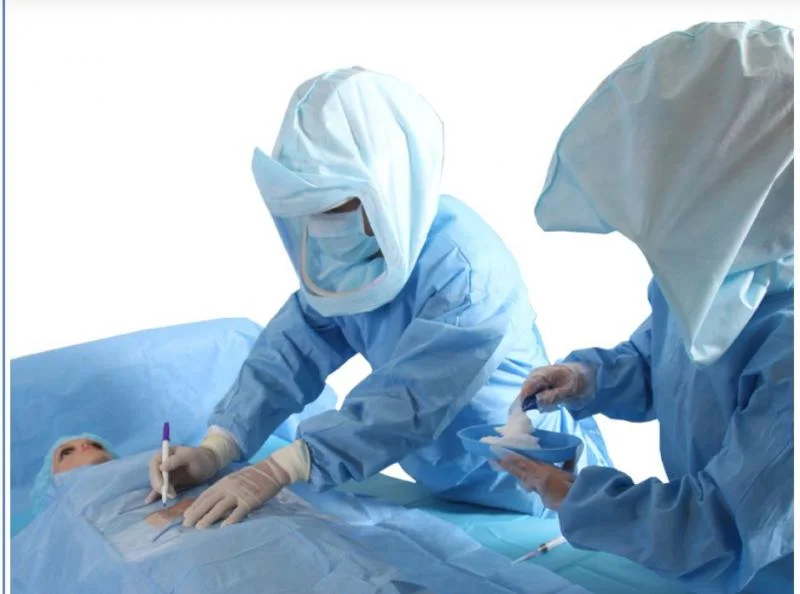
3. Healthcare: Medical professionals utilize specialized head and neck protection to safeguard against exposure to biological hazards and chemicals.
4. Oil and Gas: Workers in the oil and gas sector use helmets designed to withstand extreme conditions and provide protection from falling tools and materials.
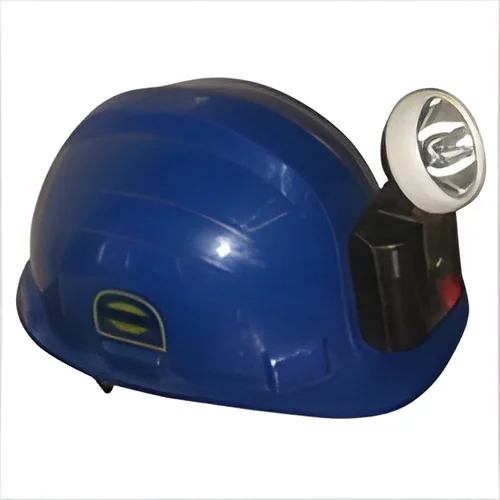
5. Mining: Miners wear heavy-duty helmets that provide robust protection against impacts and falling objects in underground operations.
6. Sports: Athletes in contact sports wear protective gear that includes helmets and neck protection to minimize injury risks.
7. Emergency Services: Firefighters and rescue personnel use head and neck protection to shield themselves from extreme heat and hazardous conditions.
Product Variants and Subcategories
Head and neck protection gear offers a variety of options designed for different applications.
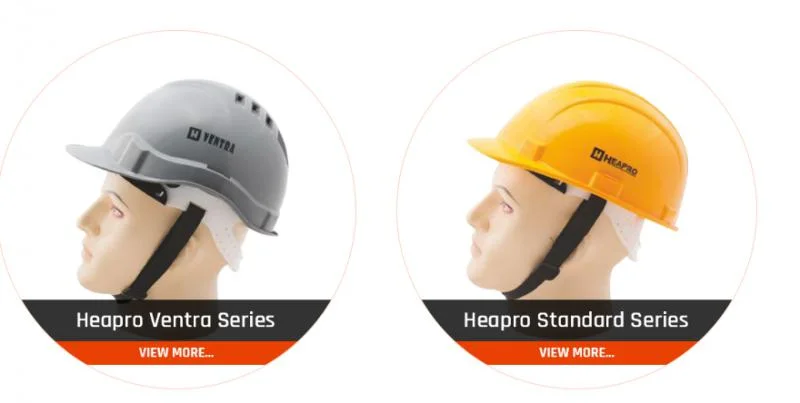
Hard Hats
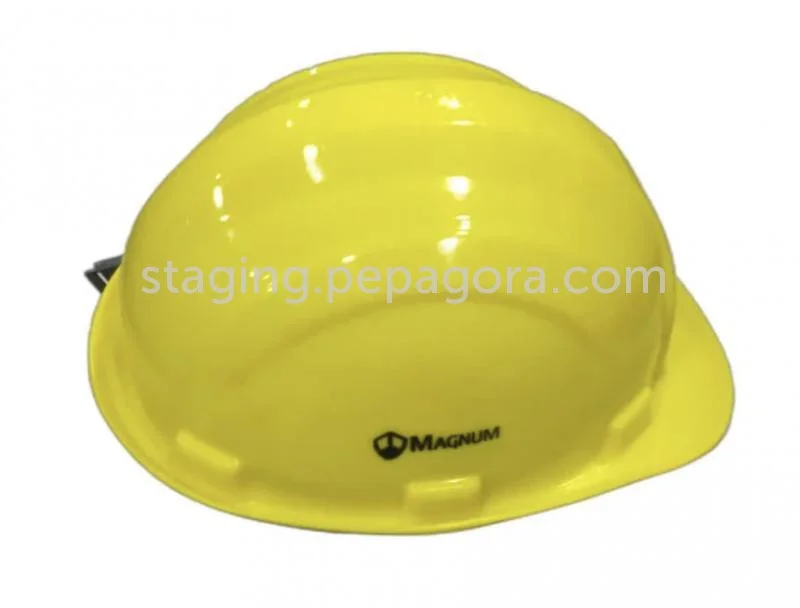
These are standard in construction and industrial environments. They provide excellent impact protection and often include features like ventilation and adjustable sizing for comfort.
Face Shields
Used in conjunction with helmets, face shields offer an additional layer of protection against flying debris and chemical splashes. They are crucial in manufacturing and healthcare settings.
Safety Helmets
These may incorporate advanced materials and designs for specific industries. They often include features for extra visibility and comfort, making them ideal for outdoor work.
Neck Guards
Designed for use in environments with potential exposure to hazardous materials, neck guards provide essential protection against chemical splashes and extreme temperatures.
Benefits and Advantages
Choosing the right head and neck protection gear offers several key benefits.
1. Enhanced Safety: The primary advantage is the significant reduction in the risk of head and neck injuries in hazardous environments.
2. Compliance with Regulations: Using certified gear ensures compliance with health and safety regulations, which is critical for businesses.
3. Improved Comfort: Many modern designs prioritize comfort, allowing for extended wear without causing fatigue.
4. Versatility: This gear can be used across various industries, making it a versatile choice for businesses.
5. Increased Productivity: When workers feel safe, it can lead to improved focus and productivity on the job.
6. Cost-Effectiveness: Investing in quality protection gear can reduce costs associated with workplace injuries and potential liabilities.
Buying Guide for B2B Buyers
When sourcing head and neck protection gear, it is essential to evaluate several factors to ensure the best choice for your organization.
1. Quality Assessment: Look for gear that meets recognized safety standards. Verify the material and construction quality to ensure durability and effectiveness.
2. Supplier Verification: Vet suppliers thoroughly. Check their certifications, customer reviews, and history to ensure reliability and trustworthiness.
3. Pricing and MOQ: Understand the pricing structure and minimum order quantities. Compare quotes from multiple suppliers to find competitive pricing.
4. Delivery and Lead Times: Factor in logistics and delivery timelines. Ensure that suppliers can meet your deadlines to avoid project delays.
5. Compliance Requirements: Be aware of any specific compliance regulations that apply to your industry to ensure that the gear sourced meets all necessary safety standards.
Compliance and Certifications
Head and neck protection gear must adhere to various quality standards and regulations to ensure safety and performance.
Relevant certifications include CE marking, which indicates compliance with European health, safety, and environmental protection standards. This certification is vital for products sold in the European market and ensures that the gear meets rigorous safety criteria.
Additionally, compliance with ISO 9001 standards signifies that the products are manufactured under a quality management system. This standard ensures consistent quality across production processes.
Safety and testing requirements are critical in the manufacturing of head and neck protection gear. Products undergo rigorous testing for impact resistance, durability, and overall safety performance.
Regional compliance considerations may vary, so it is important to understand the specific requirements applicable in different markets, especially when sourcing internationally.
Why Source Head & Neck Protection Gear from Pepagora?
Pepagora provides a trusted platform for sourcing head and neck protection gear, offering several key advantages for B2B buyers.
Verified Supplier Network: Pepagora maintains a network of verified suppliers, ensuring that buyers have access to high-quality products. Each supplier is vetted for reliability and compliance with industry standards.
Streamlined RFQ Process: The request for quotation process is straightforward, allowing businesses to receive competitive quotes quickly. This efficiency helps buyers make informed decisions without unnecessary delays.
Trade Assurance and Support: Buyers benefit from trade assurance, which provides protection and support throughout the purchasing process. This assurance helps mitigate risks associated with sourcing.
Regional Coverage: Pepagora serves a wide geographic area, including India, the GCC, and Southeast Asia. This broad coverage ensures that businesses can find suitable suppliers within their regions, facilitating easier logistics and communication.
Overall, sourcing head and neck protection gear through Pepagora ensures quality, efficiency, and peace of mind for B2B buyers.



 India
 India
 India
 India

Frequently Asked Questions
What are Head & Neck Protection Gear?
Head & Neck Protection Gear includes various types of protective equipment designed to safeguard the head and neck from potential injuries. This gear is commonly used in industrial, construction, and sports environments to prevent accidents and enhance safety.
What are the different types of Head & Neck Protection Gear?
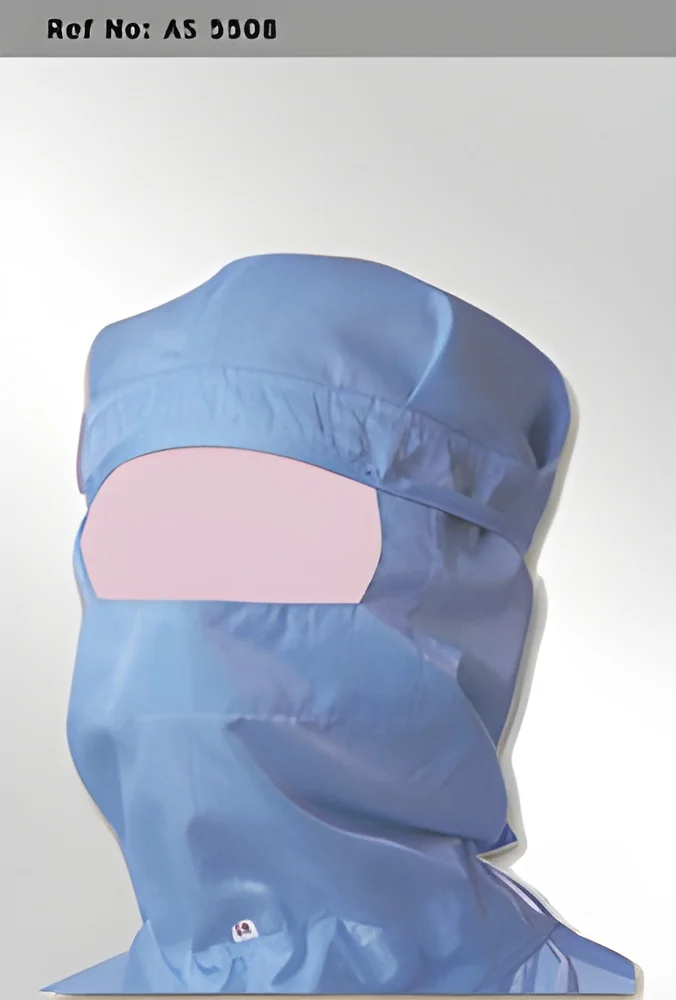
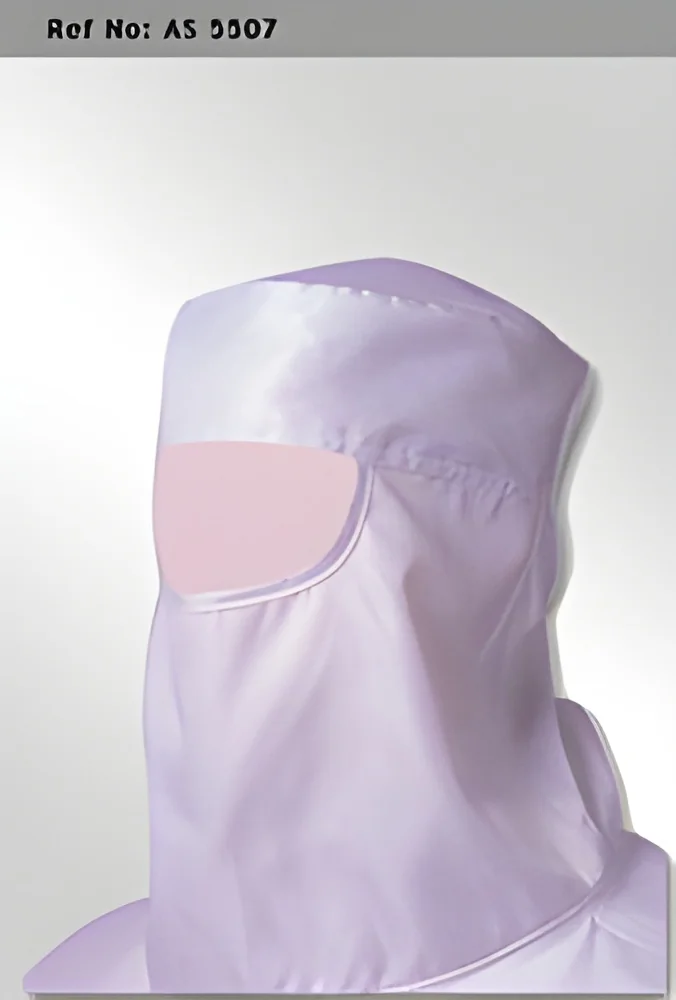
The different types of Head & Neck Protection Gear include helmets, face shields, neck guards, and hoods. Each type is designed for specific applications, such as construction, manufacturing, or sports, providing varying levels of protection.
How do I choose the right Head & Neck Protection Gear?
Choosing the right Head & Neck Protection Gear involves assessing the specific hazards present in your environment. Consider factors such as the type of work being done, the level of impact protection required, and the comfort and fit of the gear.
What are the standard specifications for Head & Neck Protection Gear?
Standard specifications for Head & Neck Protection Gear may include compliance with safety standards such as IS 2925 for helmets and EN 166 for eye protection. These specifications ensure the gear meets safety and performance criteria relevant to its intended use.
What is the price range for Head & Neck Protection Gear?
The price range for Head & Neck Protection Gear can vary widely based on the type and quality of the equipment. Generally, prices can start from INR 500 and go up to INR 5000 or more, depending on features and brand reputation.
What quality standards apply to Head & Neck Protection Gear?
Quality standards for Head & Neck Protection Gear include certifications such as ISO 9001 for manufacturing processes and specific safety standards relevant to the equipment. Ensuring compliance with these standards is crucial for guaranteeing reliable protection.
Where can I find Head & Neck Protection Gear suppliers in India?
You can find Head & Neck Protection Gear suppliers in India through online B2B marketplaces like Pepagora.com, trade shows, and industrial supply directories. These platforms can connect you with manufacturers and distributors offering various protective gear.
Can Head & Neck Protection Gear be customized?
Yes, many manufacturers offer customization options for Head & Neck Protection Gear. Customization may include adding company logos, choosing specific colors, or modifying designs to meet particular safety requirements.
What is the typical minimum order quantity for Head & Neck Protection Gear?
The typical minimum order quantity (MOQ) for Head & Neck Protection Gear can vary by supplier and product type. Generally, MOQs can range from 10 to 100 units, depending on the customization and manufacturing processes involved.
What is the typical lead time for Head & Neck Protection Gear?
The typical lead time for Head & Neck Protection Gear can range from 2 to 6 weeks, depending on factors such as product availability, customization requests, and supplier capacity. It's advisable to confirm the lead time with the supplier at the time of order.
Why Businesses Trust Pepagora
Thousands of companies trust Pepagora to source smarter and sell faster
Expand Your Sales Globally

Source Smarter,Grow Faster
