
 IN
Grease Lubrication Systems
12 products available
What are Grease Lubrication Systems?
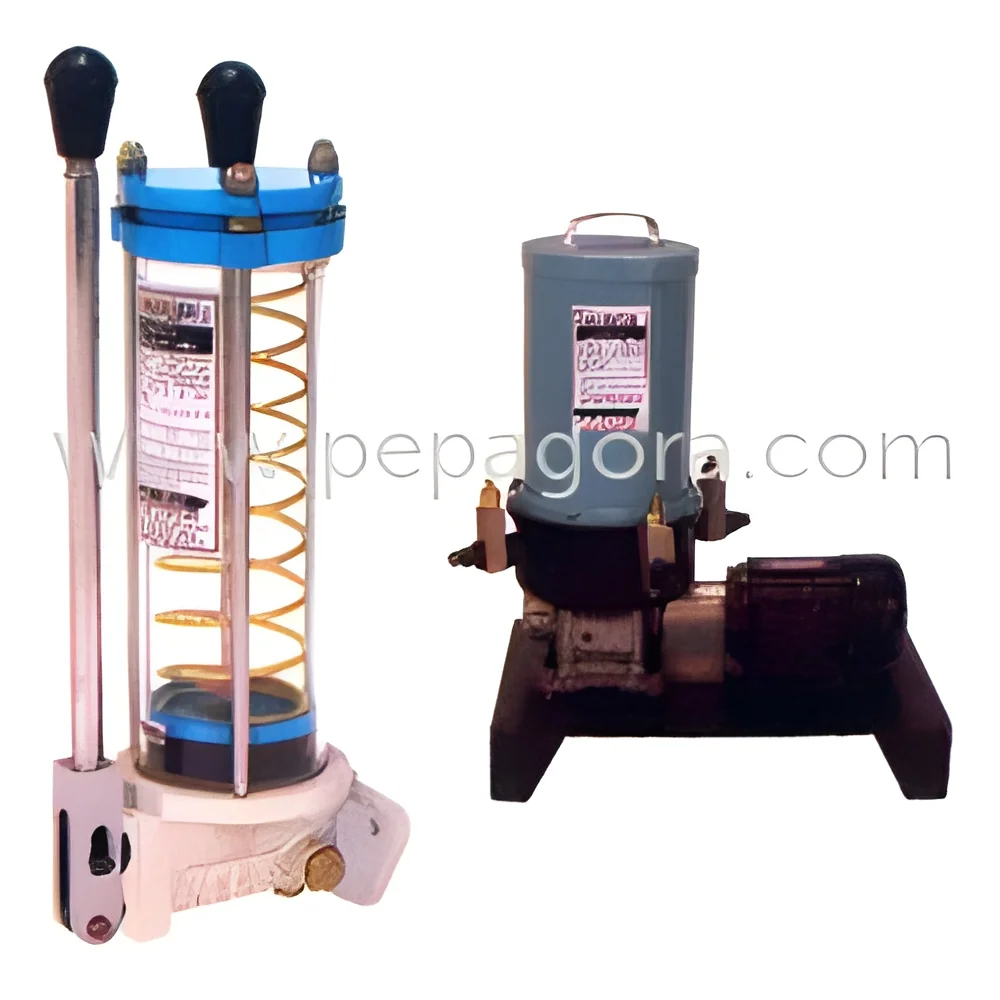
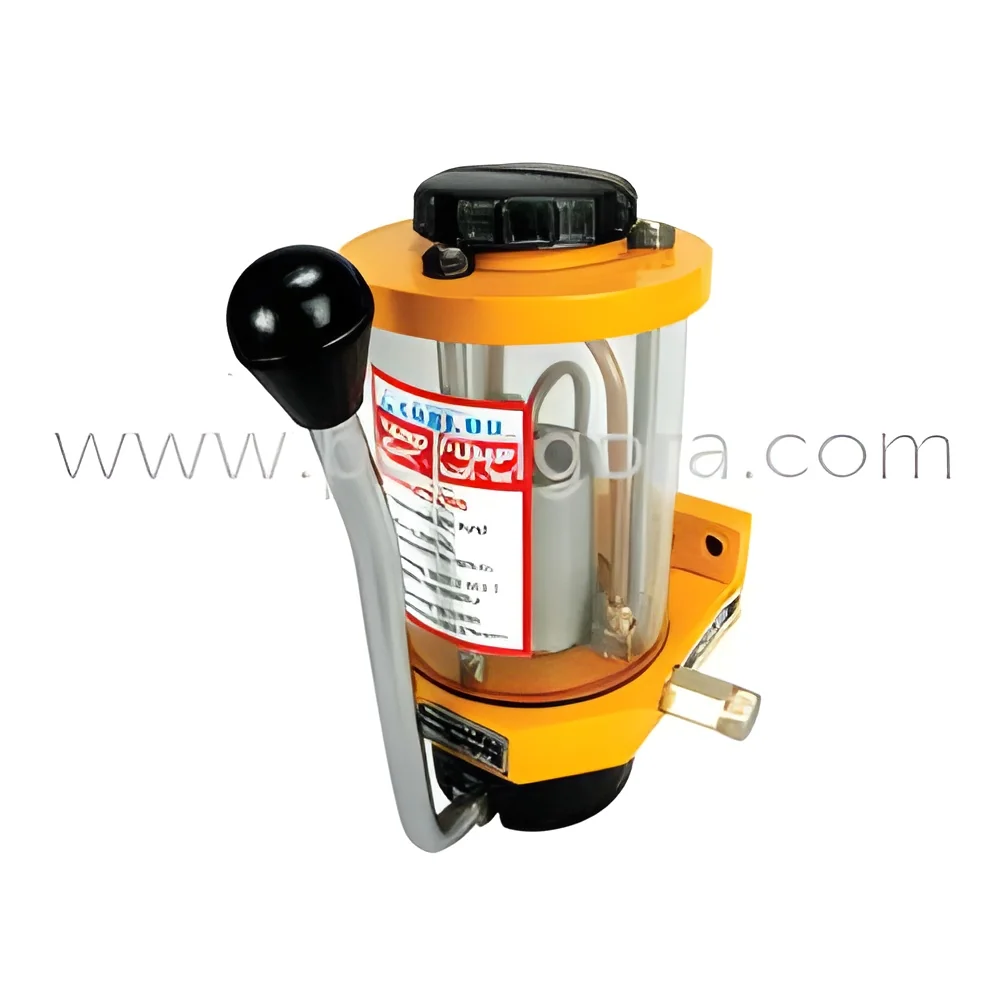
Grease lubrication systems are essential tools designed to deliver precise amounts of grease to various machinery and equipment components. These systems ensure that moving parts remain adequately lubricated, which minimizes wear and tear, reduces friction, and improves overall efficiency. By automating the lubrication process, these systems enhance safety and reliability in industrial operations.
These systems are commonly used in manufacturing, automotive, and heavy machinery industries. They are particularly beneficial in environments where traditional manual lubrication is difficult or impossible. By ensuring consistent lubrication, grease lubrication systems help extend the lifespan of equipment and reduce maintenance costs. In today's competitive market, businesses increasingly rely on these systems to maintain operational efficiency and comply with industry standards.
Grease lubrication systems play a vital role in various sectors, including manufacturing, construction, and transportation. Their ability to improve machinery reliability and performance makes them an indispensable part of modern industrial practices.
Key Features and Specifications
Grease lubrication systems come equipped with several features that enhance their functionality and effectiveness. Understanding these specifications is crucial for selecting the right system for your needs.
Key specifications include:
1. Delivery Mechanism
- Options include manual, semi-automatic, and fully automatic systems
- Delivery rates can vary based on application requirements
2. Grease Type Compatibility
- Systems are designed to work with various types of grease, including lithium, calcium, and synthetic
- Compatibility ensures optimal performance and durability
3. Pressure Range
- Operating pressures typically range from 0.5 MPa to 4 MPa
- Higher pressures may be required for specific applications
4. Control Features
- Systems may include programmable control units for timed lubrication
- Remote monitoring and control options enhance usability
5. Reservoir Capacity
- Varies depending on the system; capacities can range from a few liters to several hundred liters
- Larger reservoirs reduce the frequency of refills
6. Environmental Protection
- Many systems are designed to be weather-resistant
- Sealed components protect against dust and moisture
7. Installation Flexibility
- Systems can be customized for various installation scenarios
- Options for horizontal or vertical mounting
8. Safety Features
- Built-in alarms for low grease levels
- Automatic shut-off mechanisms prevent over-lubrication
These features ensure that grease lubrication systems are tailored to meet the diverse needs of various industries.
Common Applications and Use Cases
Grease lubrication systems are utilized across a wide range of industries, showcasing their versatility and importance in maintaining equipment performance.
1. Manufacturing: In manufacturing plants, these systems are essential for lubricating conveyor belts, bearings, and motors. They ensure smooth operation and minimize downtime.
2. Automotive: In the automotive industry, grease lubrication systems are crucial for servicing assembly lines and maintaining machinery. They enhance the longevity of vehicles and machinery.
3. Heavy Equipment: Construction and mining equipment rely on grease lubrication systems to keep hydraulic systems and moving parts functioning optimally under harsh conditions.
4. Food Processing: In food processing plants, these systems help maintain equipment by ensuring compliance with hygiene standards while reducing maintenance needs.
5. Aerospace: In the aerospace sector, precise lubrication is vital for the safety and reliability of aircraft components. Grease lubrication systems help meet strict regulatory requirements.
6. Marine: Ships and offshore platforms utilize these systems to lubricate engines and other machinery, ensuring reliable operation in challenging environments.
7. Renewable Energy: Wind turbines and solar trackers benefit from grease lubrication systems to enhance performance and reduce maintenance frequency.
Product Variants and Subcategories
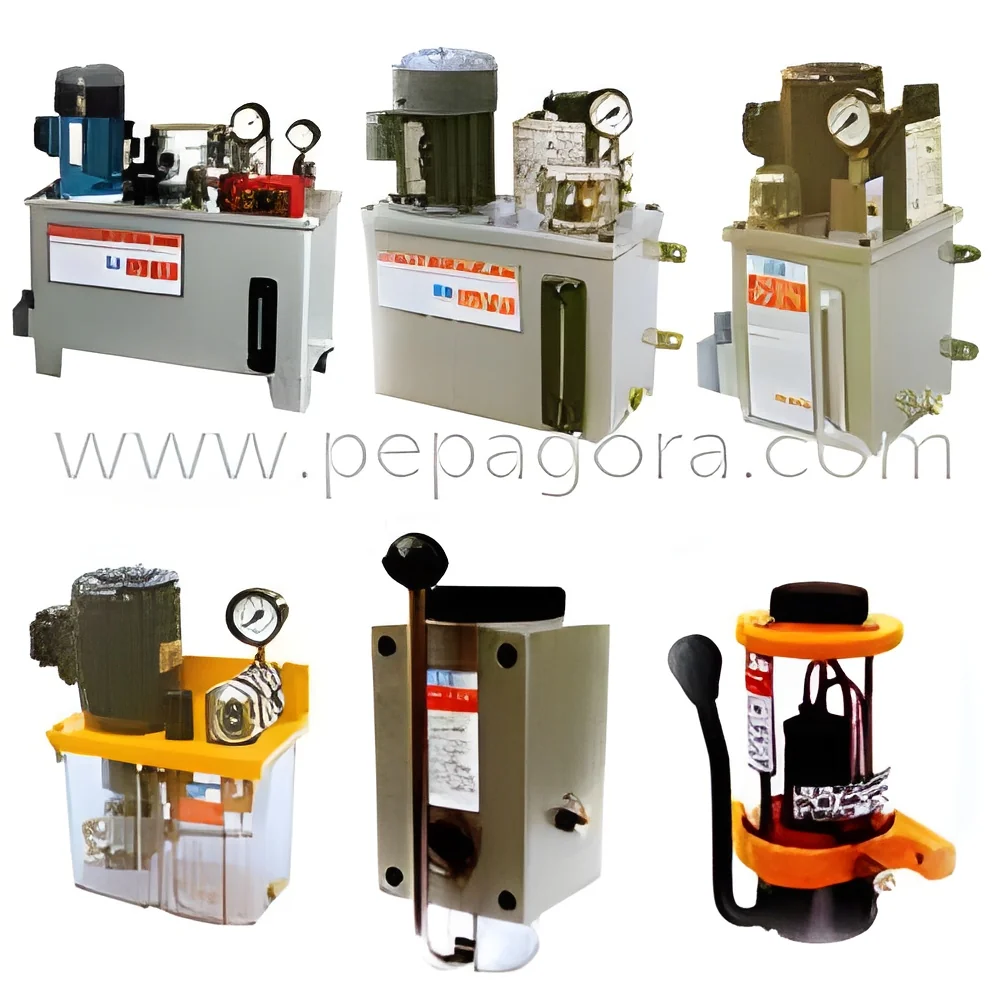
Grease lubrication systems come in various variants to cater to specific needs and applications. Each variant is designed with unique features and capabilities.
Automatic Grease Lubrication System
This variant provides continuous lubrication without manual intervention. It is ideal for high-demand environments where reliable performance is critical.
Centralized Grease Lubrication System
Designed for larger facilities, this system can service multiple lubrication points from a single reservoir. It is efficient and reduces the need for multiple individual systems.
Single-Line Lubrication System
This system delivers grease through a single line to multiple lubrication points. It simplifies installation and is suitable for smaller applications.
Dual-Line Lubrication System
This variant is designed for more complex lubrication needs, allowing for independent supply to different sections of machinery.
Benefits and Advantages
Grease lubrication systems offer numerous benefits that enhance industrial operations and equipment longevity.
Key benefits include:
1. Improved Equipment Longevity: Regular and precise lubrication significantly extends the lifespan of machinery, reducing the need for replacements.
2. Reduced Maintenance Costs: By automating the lubrication process, businesses can lower labor costs and minimize downtime associated with manual lubrication.
3. Enhanced Performance: Consistent lubrication ensures that machinery operates efficiently, reducing energy consumption and enhancing productivity.
4. Safety Improvements: These systems reduce the risk of human error in lubrication processes, enhancing workplace safety.
5. Environmental Compliance: Automated systems can help meet environmental regulations by minimizing grease spillage and waste.
6. Customization Options: Grease lubrication systems can be tailored to fit specific industrial needs, ensuring optimal performance.
Buying Guide for B2B Buyers
When sourcing grease lubrication systems, businesses should consider several critical factors to ensure they select the right solution.
1. Quality Assessment: Evaluate the quality of materials and components used in the system. Look for certifications and compliance with industry standards to ensure durability and reliability.
2. Supplier Verification: Conduct thorough research on potential suppliers. Check their reputation, customer reviews, and past performance in delivering similar products.
3. Pricing and MOQ: Understand the pricing structure and minimum order quantities. Compare prices among suppliers while considering the quality of the systems offered.
4. Delivery and Lead Times: Inquire about the expected delivery timelines. Timely delivery is crucial for maintaining production schedules and minimizing downtime.
5. Compliance Requirements: Ensure that the selected grease lubrication system meets relevant regulatory standards for safety and environmental compliance.
Compliance and Certifications
Grease lubrication systems must adhere to various quality and safety standards to ensure their reliability and effectiveness. Key certifications include CE marking, which signifies compliance with European safety, health, and environmental protection standards.
Additionally, many systems may conform to ISO 9001, which focuses on quality management systems. This certification ensures that products consistently meet customer and regulatory requirements.
Safety and testing requirements are also critical, particularly in industries with strict operational standards. Regular testing and validation of lubrication systems are necessary to guarantee their performance and compliance.
Regional compliance considerations should be taken into account, especially for businesses operating in multiple jurisdictions. Understanding local regulations can help avoid potential legal issues and ensure smooth operations.
Why Source Grease Lubrication Systems from Pepagora?
Pepagora offers a reliable platform for sourcing grease lubrication systems, providing several advantages to B2B buyers.
Verified Supplier Network: Pepagora connects buyers with a network of trusted suppliers. Each supplier is thoroughly vetted to ensure they meet industry standards and deliver high-quality products.
Streamlined RFQ Process: The Request for Quotation (RFQ) process is designed to be efficient and user-friendly. Buyers can easily submit their requirements and receive competitive quotes from multiple suppliers.
Trade Assurance and Support: Pepagora prioritizes buyer protection, offering trade assurance that safeguards transactions. This support ensures that buyers can source products with confidence.
Regional Coverage: With a focus on markets in India, the GCC, and Southeast Asia, Pepagora provides comprehensive geographic coverage. This reach allows businesses to find suitable suppliers within their region, facilitating faster and more cost-effective sourcing.
By choosing Pepagora, businesses can simplify their procurement process for grease lubrication systems while ensuring they receive high-quality products tailored to their operational needs.

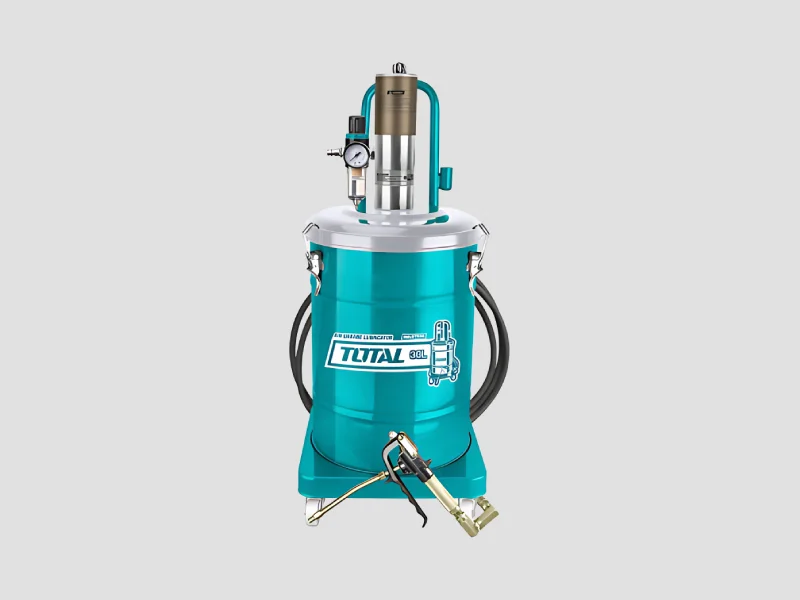

 India


 India
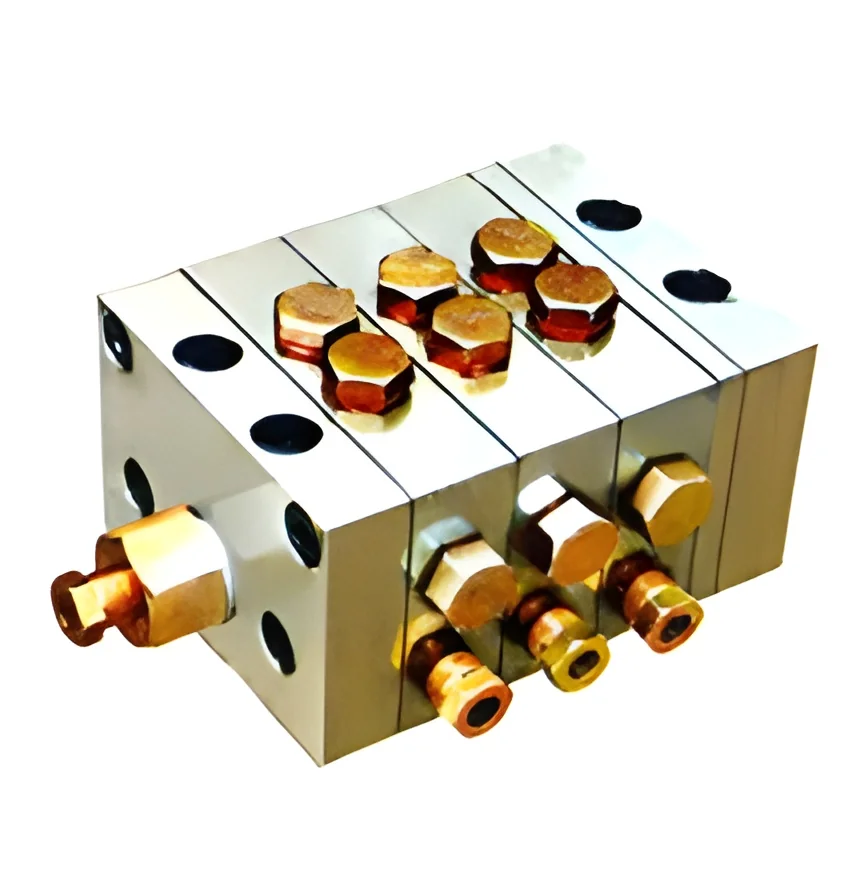
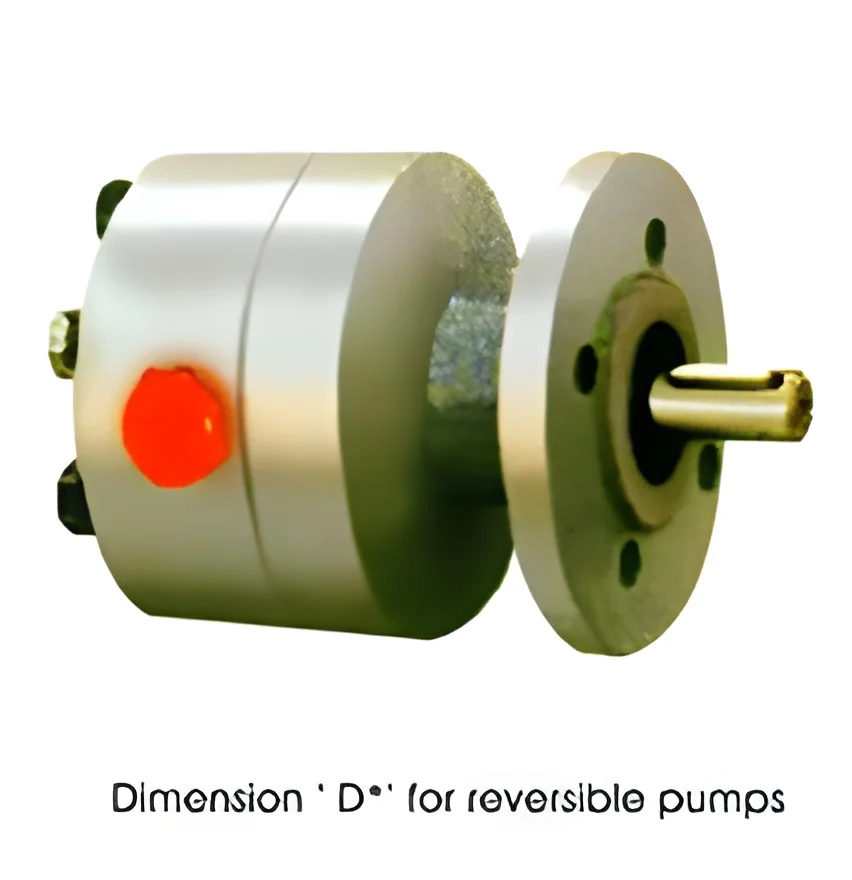 India

 India

 India
Frequently Asked Questions
What are Grease Lubrication Systems?
Grease Lubrication Systems are mechanisms designed to deliver grease to various components in machinery and equipment to reduce friction and wear. These systems ensure that moving parts remain well-lubricated, which enhances performance and extends the lifespan of the machinery.
What are the different types of Grease Lubrication Systems?
There are several types of Grease Lubrication Systems, including manual systems, automatic systems, and centralized systems. Manual systems require human intervention for application, while automatic systems provide consistent lubrication without manual effort. Centralized systems distribute grease to multiple points from a single source.
How do I choose the right Grease Lubrication Systems?
Choosing the right Grease Lubrication System depends on factors like the type of machinery, the operating environment, and the lubrication needs of the components. It's essential to consider the system's capacity, ease of maintenance, and compatibility with the grease type being used.
What are the standard specifications for Grease Lubrication Systems?
Standard specifications for Grease Lubrication Systems typically include parameters such as flow rate, pressure rating, and temperature range. Additionally, the compatibility of the system with various grease types and the materials used in construction are crucial for performance.
What is the price range for Grease Lubrication Systems?
The price range for Grease Lubrication Systems can vary widely based on factors like type, brand, and features. Generally, prices can start from a few thousand rupees for basic manual systems to several lakhs for advanced automatic or centralized systems.
What quality standards apply to Grease Lubrication Systems?
Quality standards for Grease Lubrication Systems often include international certifications such as ISO, ANSI, or ASTM. These standards ensure that the systems meet specific performance and safety criteria, contributing to reliability and efficiency.
Where can I find Grease Lubrication Systems suppliers in India?
You can find Grease Lubrication Systems suppliers in India through various online B2B marketplaces, trade directories, and industry expos. Websites like Pepagora.com can help you connect with reputable manufacturers and suppliers in the grease lubrication sector.
Can Grease Lubrication Systems be customized?
Yes, many manufacturers offer customization options for Grease Lubrication Systems to meet specific operational requirements. Customization can include adjustments to size, capacity, and compatibility with different types of grease.
What is the typical minimum order quantity for Grease Lubrication Systems?
The typical minimum order quantity (MOQ) for Grease Lubrication Systems varies by supplier and product type. Generally, MOQs can range from a single unit for specialized systems to larger quantities for standard products.
What is the typical lead time for Grease Lubrication Systems?
The typical lead time for Grease Lubrication Systems can range from a few days to several weeks, depending on the type of system, customization, and supplier. It's advisable to confirm lead times with the supplier during the ordering process.
Why Businesses Trust Pepagora
Thousands of companies trust Pepagora to source smarter and sell faster
Expand Your Sales Globally

Source Smarter,Grow Faster
