
 IN
Fuel Injectors
29 products available
What are Fuel Injectors?
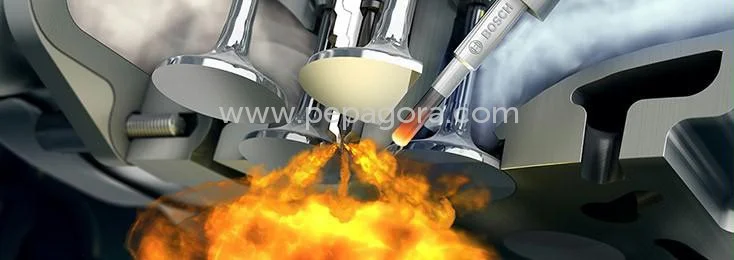
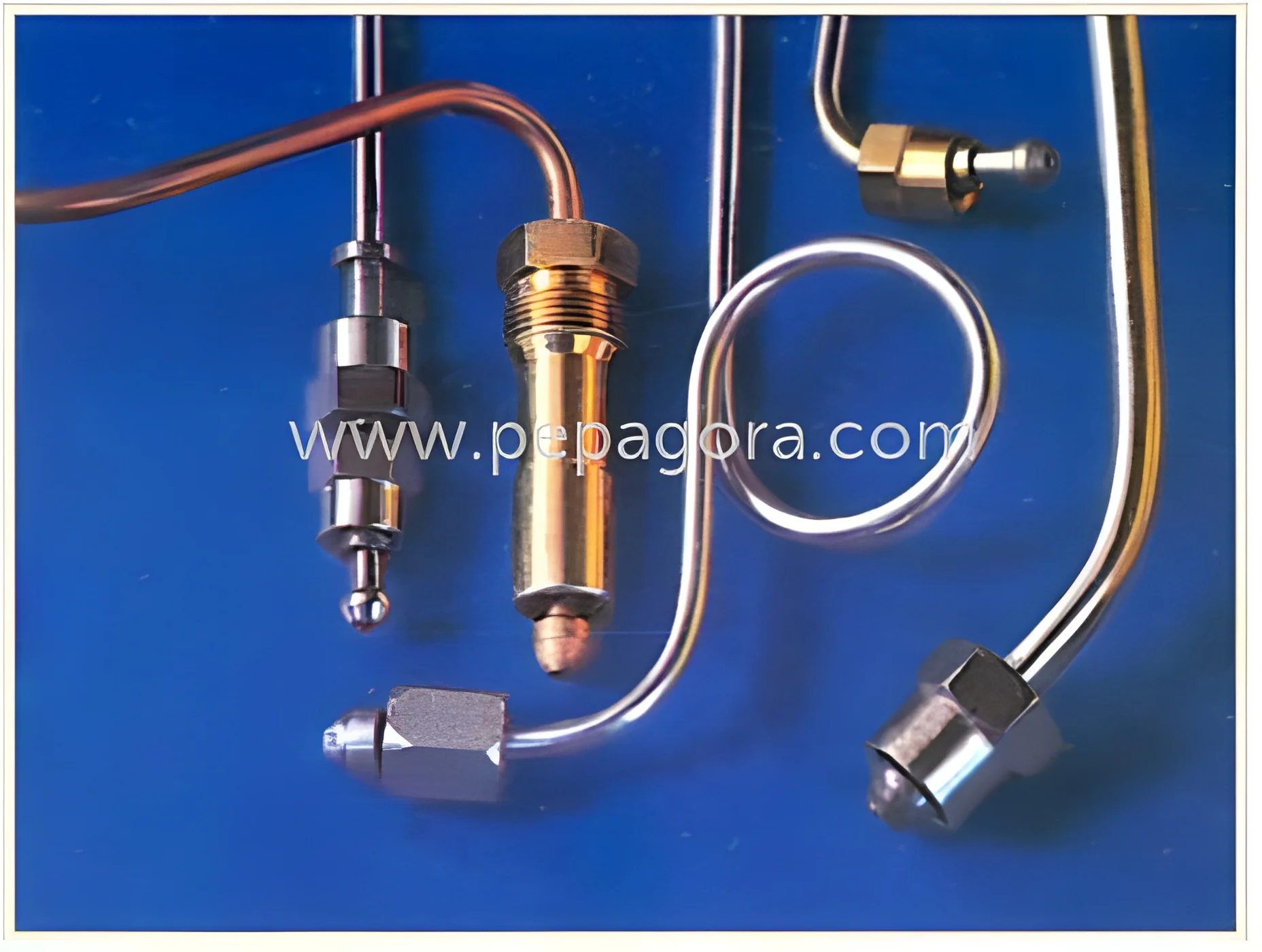
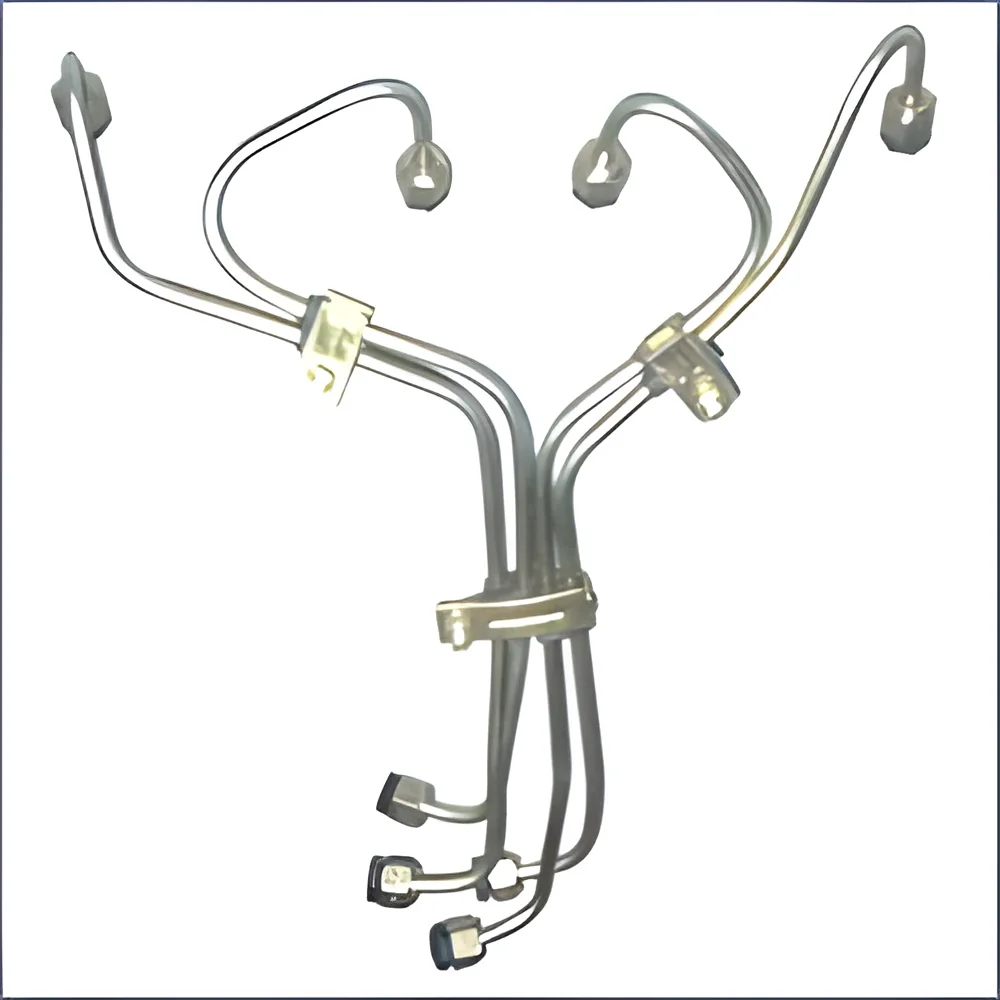
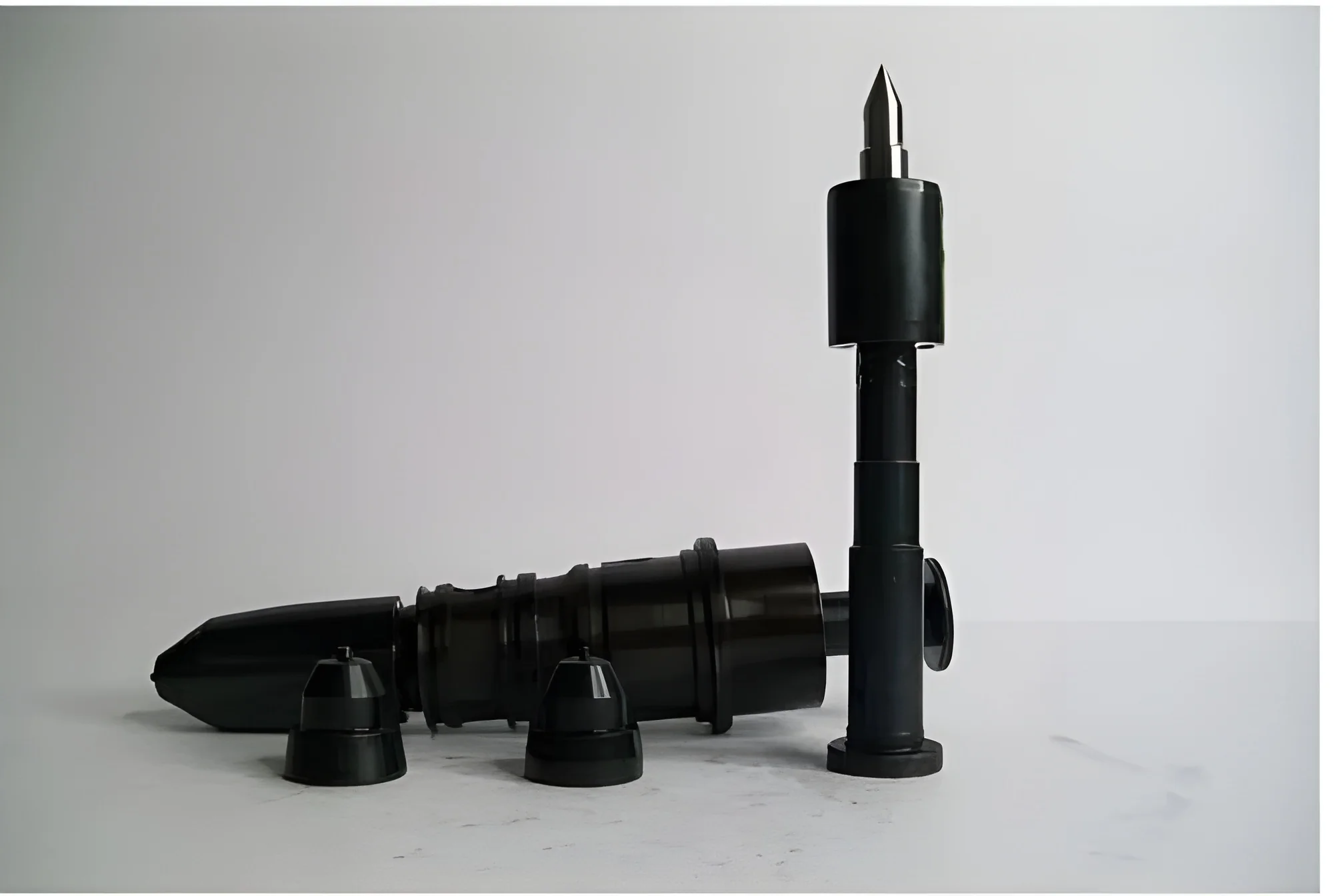
Fuel injectors are essential components in internal combustion engines that deliver fuel into the engine's combustion chamber. They function by atomizing the fuel and spraying it in a precise manner, allowing for efficient combustion. This process is crucial for optimizing engine performance, fuel efficiency, and reducing emissions. Fuel injectors are typically electronically controlled, enabling them to adjust the fuel delivery based on various engine conditions.
In business applications, fuel injectors are widely used in automotive, industrial, and agricultural machinery. They play a vital role in engine performance and are critical for meeting regulatory emissions standards. Industries such as automotive manufacturing, heavy machinery, and agricultural equipment rely on high-quality fuel injectors to ensure optimal engine function and longevity. The growing demand for fuel-efficient solutions and stringent environmental regulations have increased the importance of advanced fuel injector technology in the marketplace.
Key Features and Specifications
Fuel injectors come with various features that ensure their efficiency and compatibility with different engine types. Understanding these specifications is vital for selecting the appropriate injector for specific applications.
Key specifications include:
1. Flow Rate
- This specification indicates the volume of fuel delivered by the injector per unit of time, usually measured in cubic centimeters per minute (cc/min).
- Typical ranges vary from 200 cc/min to over 1,200 cc/min depending on the engine requirements.
2. Fuel Type Compatibility
- Fuel injectors are designed to work with specific types of fuel, including gasoline, diesel, and alternative fuels.
- Ensuring compatibility with the intended fuel type is crucial for optimal performance.
3. Spray Pattern
- The design of the injector nozzle affects the spray pattern, which influences combustion efficiency.
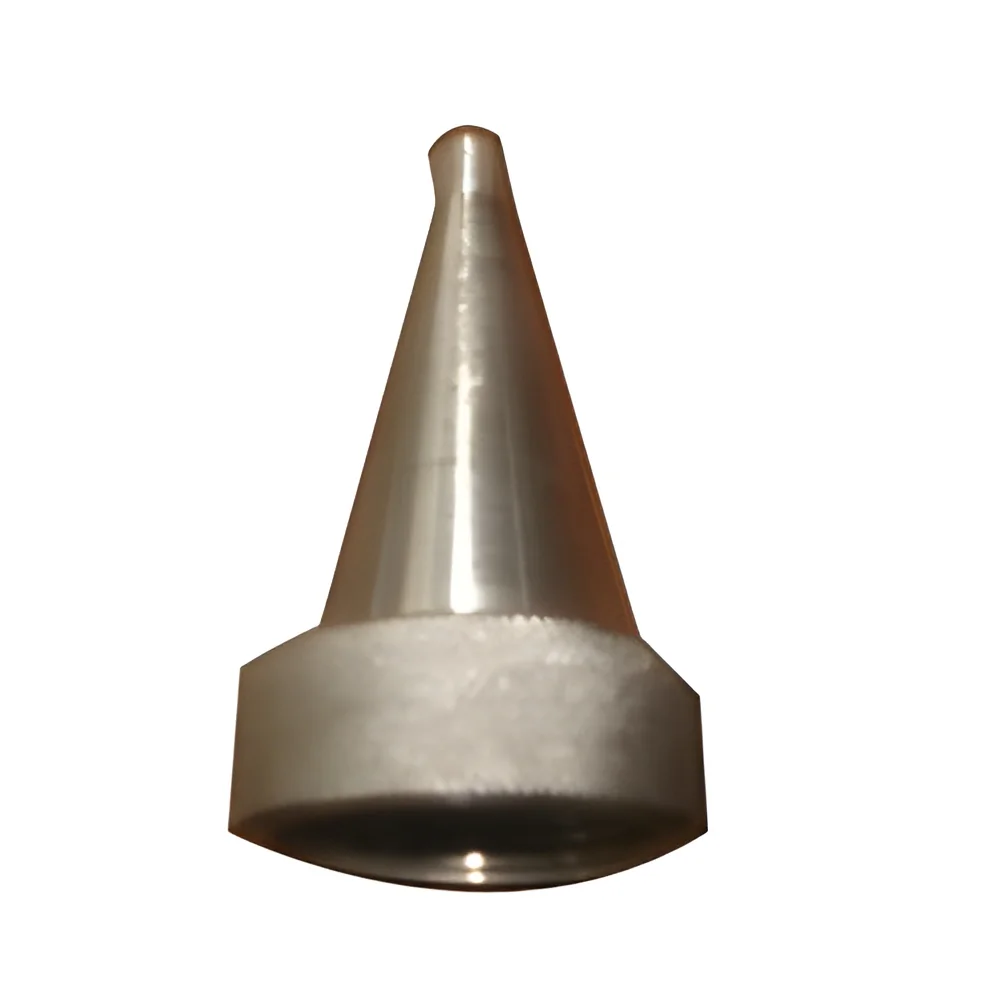
- Common patterns include conical and hollow cone designs.
4. Voltage Rating
- Fuel injectors are typically rated for specific voltage levels, most commonly 12V for automotive applications.
- Proper voltage ensures reliable operation and performance.
5. Resistance
- The electrical resistance of the injector coil can affect its performance and is typically measured in ohms.
- Typical resistance values range from 12 to 16 ohms for standard injectors.
6. Operating Temperature Range
- Fuel injectors must withstand various temperature conditions, making their operating temperature range critical for reliability.
- Data not available on specific temperature ranges for various models.
7. Materials Used
- Fuel injectors are often made from materials that resist corrosion and wear, such as stainless steel and high-grade plastics.
- These materials ensure durability and longevity under harsh conditions.
In summary, understanding the key features and specifications of fuel injectors is essential for selecting the right product for specific applications, ensuring optimal engine performance and compliance with industry standards.
Common Applications and Use Cases
Fuel injectors are utilized across a wide range of industries and applications, demonstrating their versatility and importance.
1. Automotive Industry: Fuel injectors are crucial in modern vehicles, ensuring efficient fuel delivery for optimal engine performance and reduced emissions.
2. Agricultural Equipment: Tractors and other agricultural machinery rely on fuel injectors for efficient operation, allowing for better fuel economy and increased productivity.
3. Heavy Machinery: Construction and mining equipment use specialized fuel injectors designed to handle demanding operational conditions, ensuring reliable performance under heavy loads.
4. Marine Applications: Boats and ships use fuel injectors to optimize fuel consumption and meet environmental regulations, enhancing operational efficiency.
5. Industrial Engines: Generators and industrial engines utilize fuel injectors to maintain performance standards while minimizing emissions and fuel consumption.
6. Motorcycles: Performance motorcycles often feature high-performance fuel injectors to enhance throttle response and overall power output.
7. Small Engines: Lawn mowers and other small engine applications benefit from fuel injectors that provide efficient fuel delivery, enhancing performance and reliability.
Product Variants and Subcategories
Fuel injectors come in various types and designs to meet specific operational requirements across different applications.
Standard Fuel Injectors: These are the most commonly used injectors in passenger vehicles, designed for efficiency and reliability in everyday driving conditions.
High-Performance Fuel Injectors: Designed for racing and high-performance vehicles, these injectors provide increased fuel flow and improved atomization for enhanced power output.
Diesel Fuel Injectors: Specifically designed for diesel engines, these injectors handle higher pressures and are engineered to optimize combustion efficiency in diesel applications.
Flex-Fuel Injectors: These injectors are compatible with multiple fuel types, including gasoline and ethanol blends, providing versatility for varying fuel sources.
Benefits and Advantages
Fuel injectors offer numerous advantages that can enhance engine performance and operational efficiency.
1. Improved Fuel Efficiency: Fuel injectors help optimize fuel delivery, leading to better combustion and reduced fuel consumption.
2. Enhanced Performance: By providing precise fuel atomization, fuel injectors improve engine responsiveness and overall performance.
3. Reduced Emissions: Efficient fuel delivery contributes to lower emissions, helping meet environmental regulations and standards.
4. Reliability: High-quality fuel injectors are designed to withstand harsh conditions, ensuring consistent performance over time.
5. Easy Installation: Many fuel injectors are designed for straightforward installation, reducing downtime and labor costs.
6. Customization Options: Some manufacturers offer customized fuel injectors to meet specific engine requirements, ensuring optimal performance.
Buying Guide for B2B Buyers
When sourcing fuel injectors, several key factors should be considered to ensure the right selection for your needs.
1. Quality Assessment: Evaluate the quality of fuel injectors by reviewing manufacturer specifications and certifications. Look for products that meet industry standards for reliability and performance.
2. Supplier Verification: Vet potential suppliers by checking their reputation, certifications, and customer reviews. A reliable supplier will have a track record of delivering quality products.
3. Pricing and MOQ: Understand the pricing structure and minimum order quantities (MOQ) to ensure that costs align with your budget and project requirements.
4. Delivery and Lead Times: Discuss delivery timelines with suppliers to ensure that you receive your order when needed, minimizing any potential disruptions to your operations.
5. Compliance Requirements: Ensure that the fuel injectors meet relevant regulatory and compliance standards for your industry, such as CE certification for safety and quality assurance.
Compliance and Certifications
Fuel injectors must adhere to various industry standards and regulations to ensure their safety, quality, and performance.
Relevant quality standards include ISO 9001, which focuses on quality management systems, ensuring that manufacturers maintain high standards in production processes.
Industry certifications such as CE indicate compliance with European safety and environmental regulations, providing assurance to buyers regarding product safety and reliability.
Safety and testing requirements are critical in fuel injector production, as they ensure that injectors perform safely and effectively under various operating conditions.
Regional compliance considerations may also apply, depending on the geographic area where the injectors will be used. Adhering to local regulations helps ensure smooth operations and legal compliance.
Why Source Fuel Injectors from Pepagora?
Pepagora provides a trusted platform for sourcing fuel injectors with several key advantages that benefit B2B buyers.
Verified Supplier Network: Pepagora features a network of verified suppliers, ensuring that buyers can access high-quality products from reputable manufacturers. This verification process enhances trust and reliability in sourcing.
Streamlined RFQ Process: The platform offers a user-friendly Request for Quotation (RFQ) system that simplifies the procurement process. Buyers can easily submit their requirements and receive competitive quotes from multiple suppliers.
Trade Assurance and Support: Pepagora provides trade assurance to protect buyers throughout the purchasing process. This includes support for resolving disputes and ensuring that orders meet specified criteria.
Regional Coverage: With a strong presence in India, the GCC, and Southeast Asia, Pepagora offers extensive geographic reach. This enables buyers to access a diverse range of fuel injectors suited to their specific regional needs and industry requirements.

 India

 India
 India

 India

 India
 India

 India
 India
 India
Frequently Asked Questions
What are Fuel Injectors?
Fuel injectors are essential components in internal combustion engines, responsible for delivering fuel into the engine's combustion chamber. They atomize the fuel to ensure efficient mixing with air, improving combustion efficiency and engine performance.
What are the different types of Fuel Injectors?
There are several types of fuel injectors, including port fuel injectors, direct fuel injectors, and electronic fuel injectors. Each type serves different engine configurations and performance requirements, with varying methods of fuel delivery.
How do I choose the right Fuel Injectors?
Choosing the right fuel injectors involves considering factors such as engine type, performance requirements, and compatibility with your vehicle. It is also important to consult with manufacturers or suppliers to ensure the injectors meet your specific needs.
What are the standard specifications for Fuel Injectors?
Standard specifications for fuel injectors include flow rate, resistance, and spray pattern. These specifications can vary based on the application and engine type, so it is crucial to match them to the requirements of your vehicle.
What is the price range for Fuel Injectors?
The price of fuel injectors can vary significantly based on the type and brand, typically ranging from ₹1,500 to ₹10,000 per unit. Bulk purchases may offer price discounts, so it's advisable to check with suppliers for pricing options.
What quality standards apply to Fuel Injectors?
Fuel injectors must comply with various quality standards, including ISO/TS 16949 and other automotive industry standards. These standards ensure that the injectors are reliable, durable, and perform effectively under various operating conditions.
Where can I find Fuel Injectors suppliers in India?
You can find fuel injector suppliers in India through online B2B marketplaces like Pepagora, industry trade shows, and automotive component exhibitions. Researching supplier credentials and product offerings can help you identify reliable sources.
Can Fuel Injectors be customized?
Yes, fuel injectors can be customized to meet specific performance requirements, such as flow rates and spray patterns. Many manufacturers offer customization options to cater to unique engine setups or performance enhancements.
What is the typical minimum order quantity for Fuel Injectors?
The typical minimum order quantity (MOQ) for fuel injectors varies by supplier but generally ranges from 10 to 50 units. It's advisable to confirm the MOQ with your chosen supplier before placing an order.
What is the typical lead time for Fuel Injectors?
The typical lead time for fuel injectors can range from 1 to 4 weeks, depending on the supplier and the complexity of the order. Custom orders may require additional time for production and testing.
Why Businesses Trust Pepagora
Thousands of companies trust Pepagora to source smarter and sell faster
Expand Your Sales Globally

Source Smarter,Grow Faster
