IN
₹
Apparel & Fashion
Description
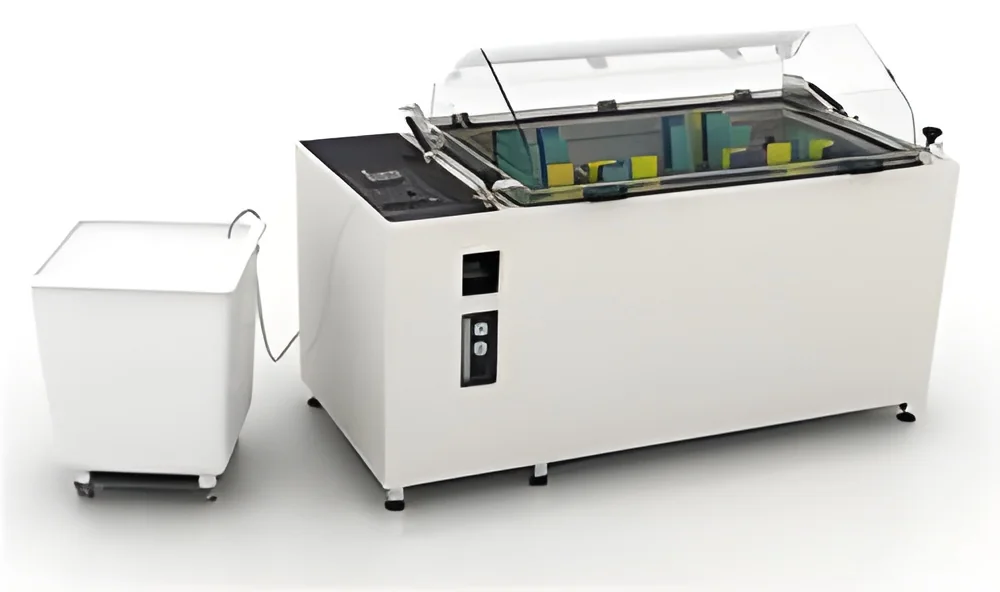
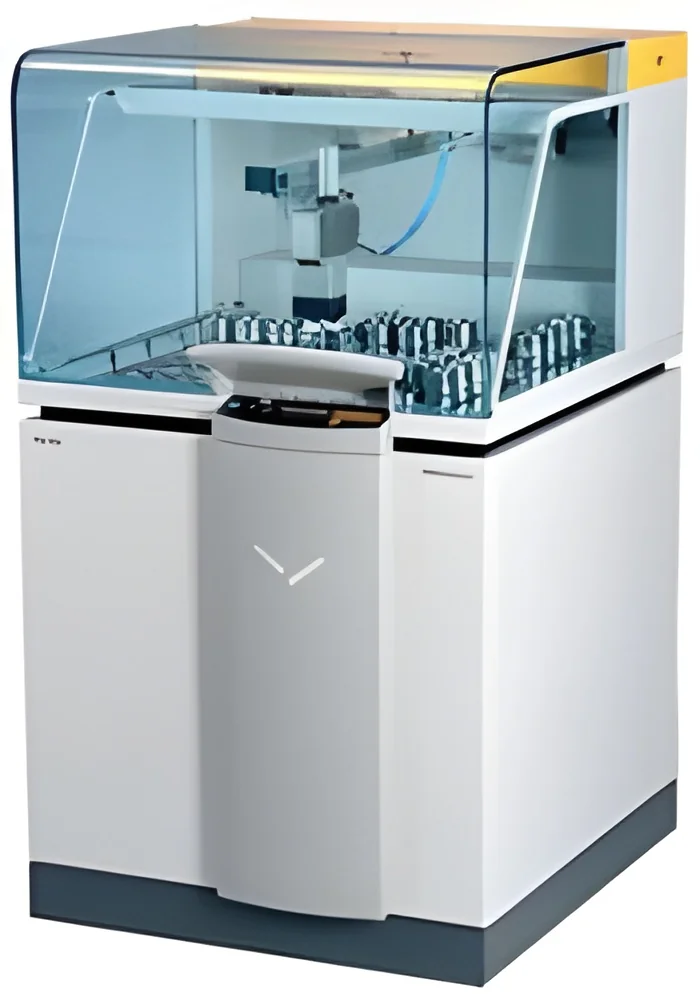
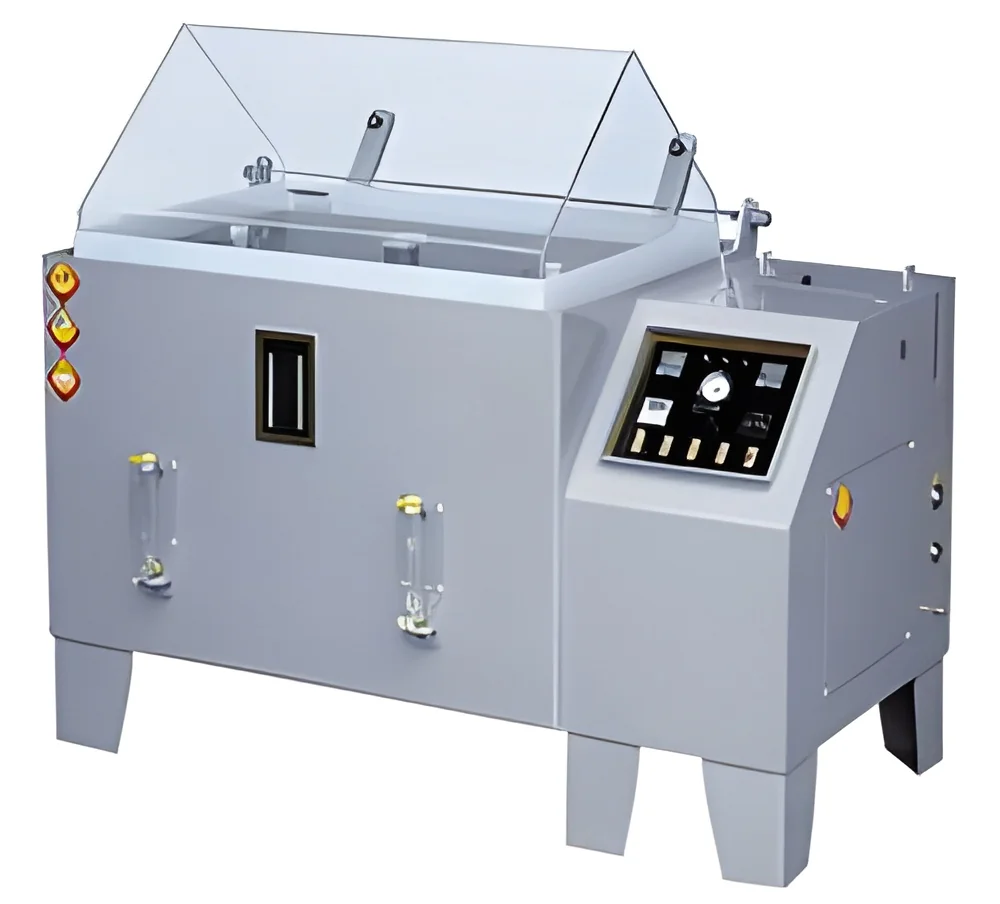
Industrial Salt Spray Test Equipment serves as an essential quality control instrument designed for accelerated corrosion testing of coated samples and materials. This standardized testing methodology creates controlled corrosive environments that simulate harsh conditions, enabling manufacturers to predict how their products will withstand corrosion over extended periods. By exposing test specimens to a fine mist of salt solution, the equipment accelerates the corrosion process, delivering valuable data on coating performance and material durability within days rather than years. This testing proves crucial for industries where corrosion resistance directly impacts product safety, reliability, and operational lifespan, making it an indispensable tool for quality assurance professionals and manufacturing facilities worldwide.

Multiple industries utilize salt spray testing to ensure product quality and compliance with international standards. The automotive sector depends heavily on th...
Industrial Salt Spray Test Equipment serves as an essential quality control instrument designed for accelerated corrosion testing of coated samples and materials. This standardized testing methodology creates controlled corrosive environments that simulate harsh conditions, enabling manufacturers to predict how their products will withstand corrosion over extended periods. By exposing test specimens to a fine mist of salt solution, the equipment accelerates the corrosion process, delivering valuable data on coating performance and material durability within days rather than years. This testing proves crucial for industries where corrosion resistance directly impacts product safety, reliability, and operational lifespan, making it an indispensable tool for quality assurance professionals and manufacturing facilities worldwide.

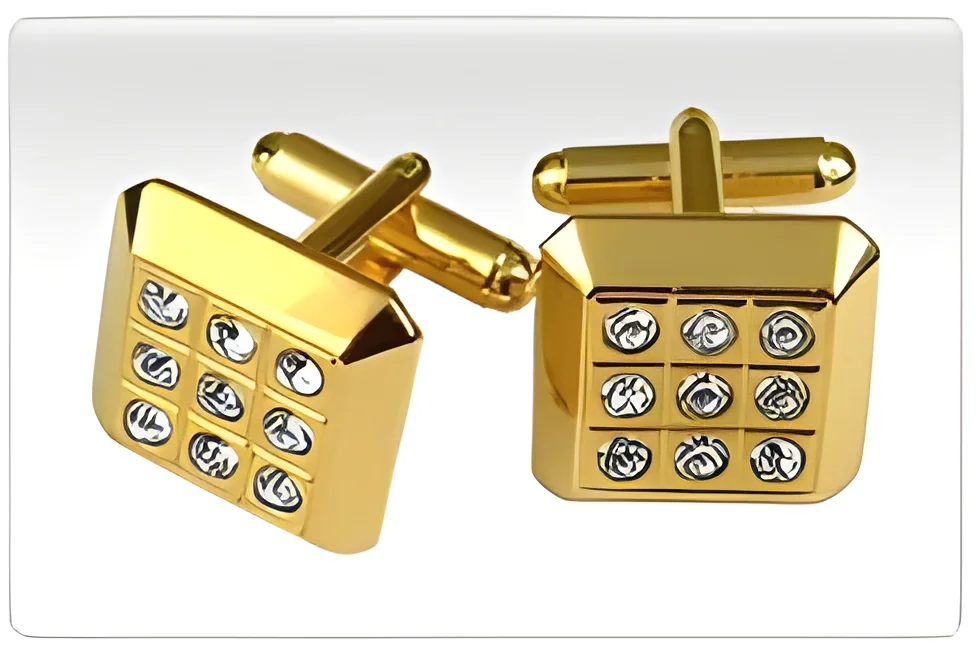
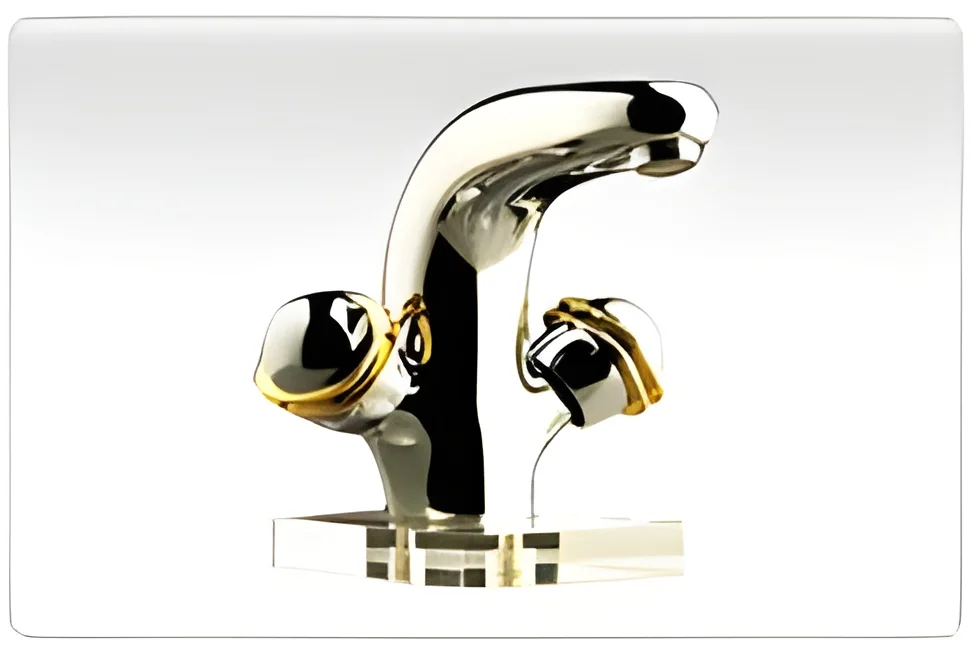
Multiple industries utilize salt spray testing to ensure product quality and compliance with international standards. The automotive sector depends heavily on these tests to validate corrosion resistance of vehicle components including body panels, fasteners, and undercarriage parts. Electronics manufacturers employ salt spray chambers to test connector durability, enclosure coatings, and circuit board protection against environmental factors. Aerospace companies implement this testing for aircraft components while marine equipment manufacturers verify anti-corrosion coatings for saltwater applications. The construction industry also relies on salt spray testing for architectural hardware, structural components, and protective coatings, ensuring all materials meet stringent quality requirements across diverse operational environments.

Implementing salt spray testing delivers significant business value by reducing warranty claims, enhancing product reliability, and maintaining brand reputation. The equipment offers exceptional reliability through precise temperature control, consistent salt mist distribution, and durable construction materials engineered to withstand continuous corrosive environments. Standardized operation ensures repeatable results that meet international testing protocols while helping companies avoid costly product failures. This testing methodology enables businesses to comply with regulatory standards and deliver corrosion-resistant products that meet customer expectations for quality and durability in demanding applications across global markets.

Key Features:
- Standardized corrosion testing compliant with international quality standards
- Accelerated testing capability simulating years of environmental exposure
- Precise temperature control maintaining consistent testing conditions
- Durable chamber construction resistant to corrosive environments
- Reliable performance ensuring accurate and repeatable test results

Benefits:
- Reduces product failure risks through comprehensive corrosion testing
- Accelerates quality validation saving time and development costs
- Ensures compliance with international standards and regulations
- Enhances product reliability and extends operational lifespan
- Provides consistent, repeatable results for quality assurance
Specifications
| Additional Information | |
|---|---|
| Country of Origin | India |
Application
Salt spray testing provides manufacturers with reliable corrosion resistance validation through standardized accelerated testing. This method simulates years of environmental exposure in controlled laboratory conditions, helping businesses ensure product longevity and compliance with international quality standards across diverse industrial sectors while preventing premature coating failures.
The test chamber creates corrosive environments using salt solution fog to evaluate protective coating capabilities. Industries from automotive to marine rely on this testing to verify coating performance, maintain product reliability in harsh conditions, and meet regulatory requirements while ensuring materials withstand demanding operational environments without degradation.
- Automotive manufacturers testing corrosion resistance of painted surfaces and protective coatings on components
- Electronics producers validating durability of connectors, enclosures, and circuit board coatings
- Construction materials testing for architectural hardware, fasteners, and structural components
- Marine equipment manufacturers evaluating anti-corrosion coatings for saltwater environments
- Aerospace industry testing aircraft components and protective coatings for extreme conditions
Trade Details
| Available Stock | In Stock |
| Sample Availability | No |
Payment Terms
| Payment Terms |
|
Company Profile
Arihant Electroplaters, Maharashtra
 Maharashtra, India
Factory Details
Factory SizeBelow 1000 sqm
Annual Production Capacity0
Industrial Salt Spray Test Equipment For Accelerated Corrosion Testing
Industrial Salt Spray Test Equipment for accelerated corrosion testing of coated samples. Standardized method evaluates coating durability and corrosion resistance for quality assurance across manufacturing industries.
Min. Order Quantity: 1 unit
Shipping
Shipping fee and delivery date to be negotiated. Contact supplier now for more details.
Arihant Electroplaters
 Maharashtra, India