
 IN
Flow Sensors
12 products available
What are Flow Sensors?
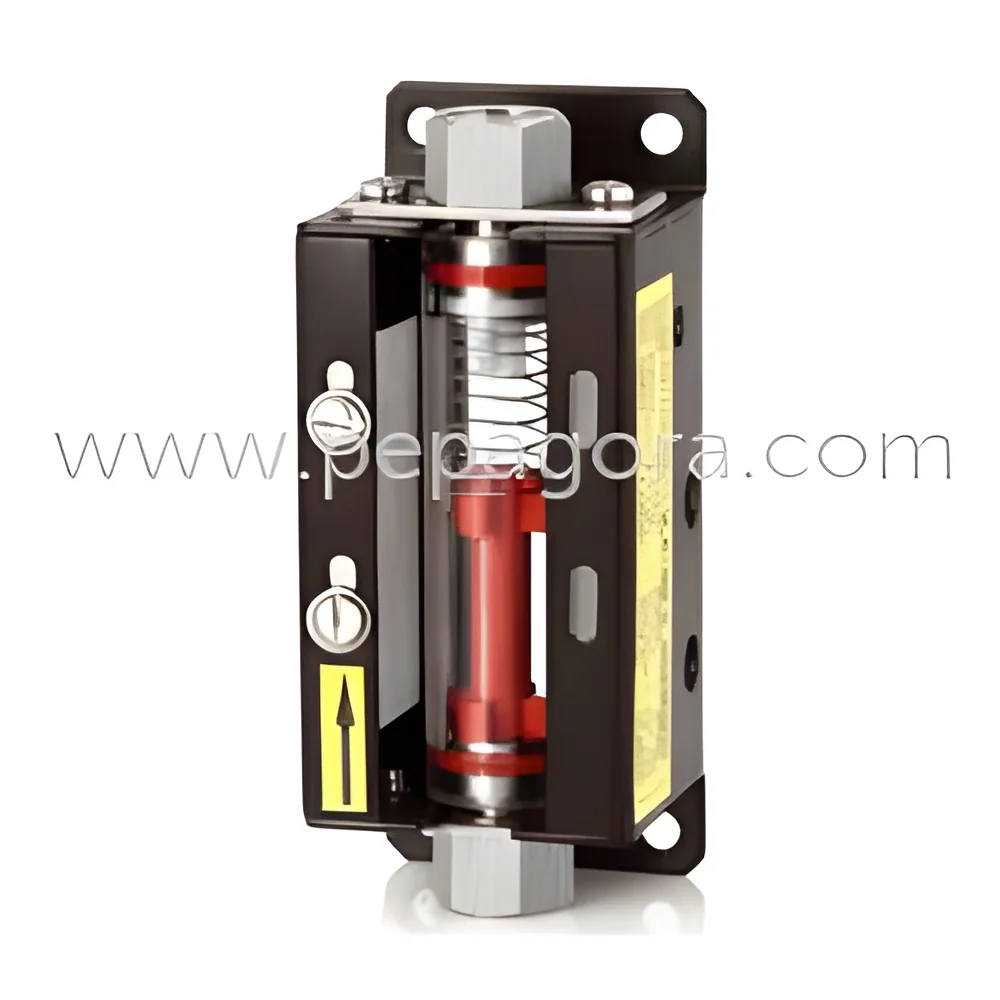
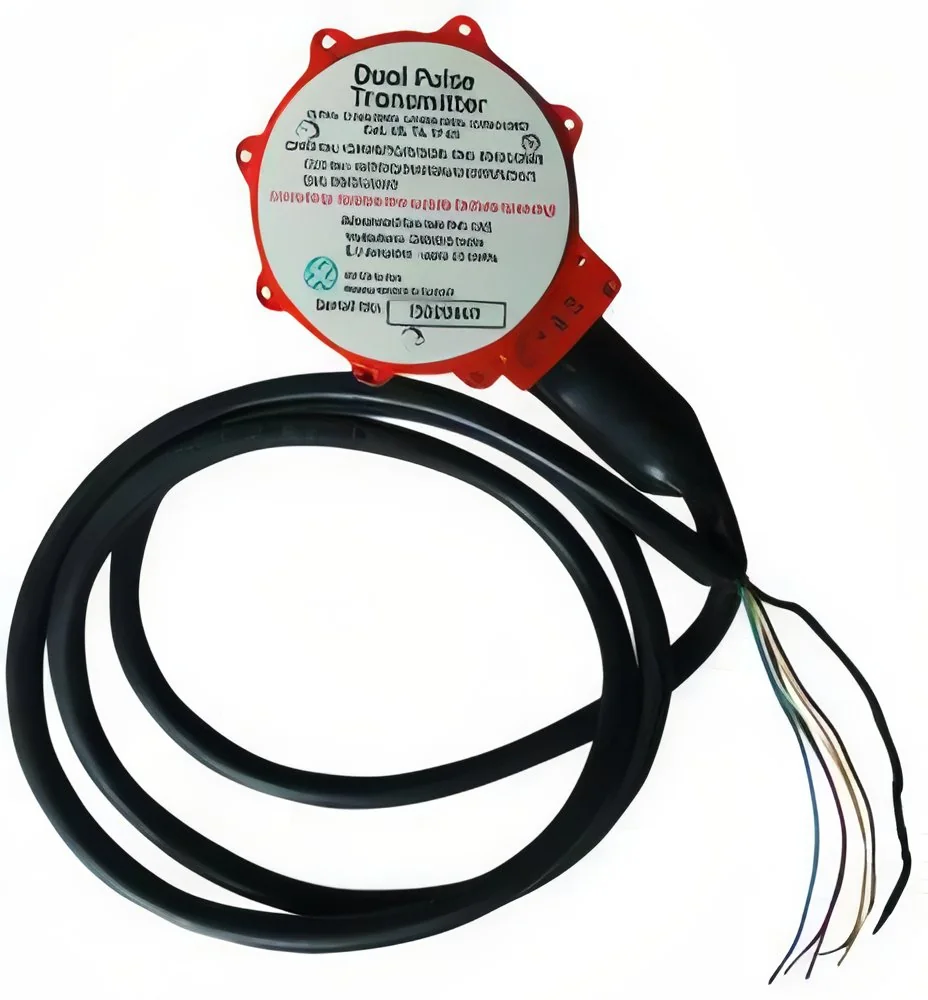
Flow sensors are devices used to measure the flow rate of liquids and gases within various systems. They provide critical data that helps in monitoring, controlling, and optimizing processes in industrial applications. Flow sensors can operate based on different principles, including thermal, magnetic, and mechanical methods, each suitable for specific environments and requirements. Their ability to deliver accurate flow measurements makes them essential tools in managing operational efficiency.
These sensors find extensive applications across a variety of sectors, including manufacturing, water treatment, HVAC systems, and food and beverage processing. Businesses utilize flow sensors to ensure proper flow rates in pipelines, monitor chemical processes, and maintain safety standards. Given the growing emphasis on automation and process optimization in industries, flow sensors are increasingly relevant, driving market demand for more advanced and reliable solutions.
Key Features and Specifications
Flow sensors come equipped with various features that enhance their functionality and usability in industrial applications. Understanding these specifications is crucial for selecting the right sensor for specific needs.
Key specifications include:
1. Measurement Range
- This specification indicates the minimum and maximum flow rates the sensor can accurately measure.
- Typical ranges vary widely depending on the type of sensor.
2. Operating Temperature
- This defines the temperature range in which the sensor can function effectively.
- Specific ranges depend on the sensor design and materials used.
3. Accuracy
- Accuracy refers to how closely the sensor's readings match the actual flow rates.
- High-precision sensors may offer accuracies of ±1% or better.
4. Output Signal Type
- Flow sensors may provide different types of output signals, such as analog (4-20 mA) or digital (pulse output).
- The choice of output type can affect integration with existing monitoring systems.
5. Pressure Rating
- This specification indicates the maximum pressure the sensor can withstand during operation.
- Sensors designed for high-pressure applications will have higher ratings.
6. Material Construction
- The materials used in sensor construction affect durability and compatibility with various fluids.
- Common materials include stainless steel, plastic, and ceramic.
7. Connection Type
- Flow sensors may feature different types of connections, such as threaded, flanged, or clamp fittings.
- The appropriate connection type depends on the installation requirements.
8. Certification
- Many flow sensors are certified to meet industry standards, such as CE marking, indicating compliance with safety and health regulations.
In summary, selecting the right flow sensor involves understanding these key features and specifications, which can significantly impact performance and reliability in various applications.
Common Applications and Use Cases
Flow sensors are integral to many industries, providing essential data for process control and safety.
1. Water Treatment: Flow sensors are used to monitor and control the flow of water through treatment plants, ensuring optimal chemical dosing and filtration processes.
2. Manufacturing: In manufacturing environments, these sensors help regulate fluid flow in production lines, maintaining quality and efficiency.
3. HVAC Systems: Flow sensors monitor air and water flow in heating, ventilation, and air conditioning systems, optimizing energy consumption and comfort levels.
4. Food and Beverage: In this industry, flow sensors ensure accurate measurement of liquid ingredients during production and packaging, maintaining safety and quality standards.
5. Pharmaceuticals: Flow sensors play a critical role in the pharmaceutical sector by monitoring the flow of raw materials and ensuring compliance with strict regulations.
6. Oil and Gas: These sensors are used to monitor the flow of crude oil and gas in pipelines, helping prevent leaks and ensuring safe operations.
7. Chemical Processing: Flow sensors are essential in chemical plants to monitor the flow of reactants and products, maintaining process control and safety.
Product Variants and Subcategories
Flow sensors are available in various designs to cater to specific application needs. This diversity allows businesses to select the most appropriate sensor for their requirements.
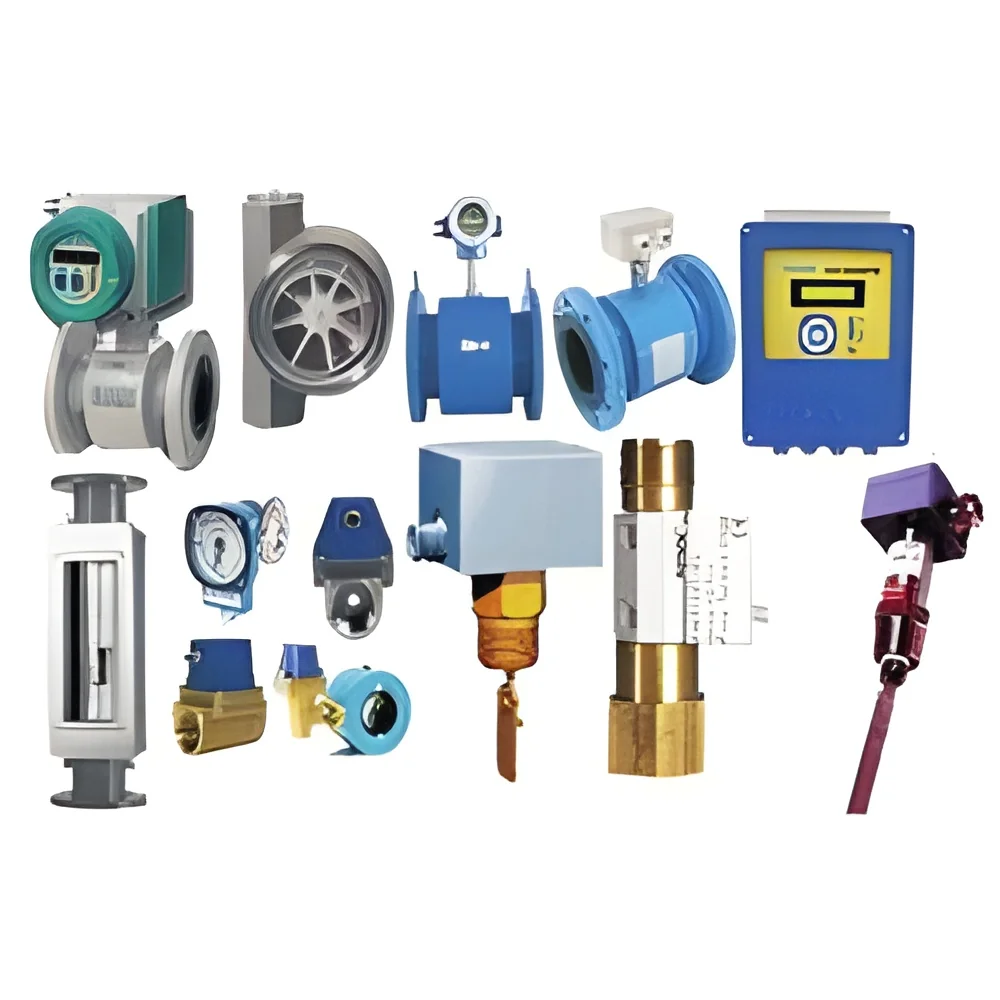
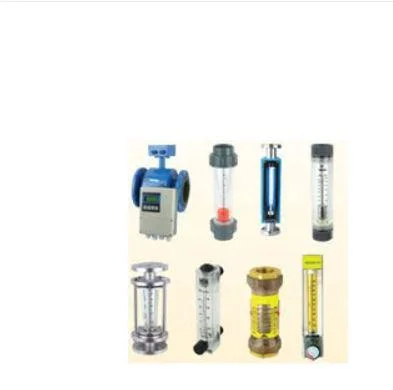
Electromagnetic Flow Sensors: These sensors measure the flow of conductive liquids using magnetic fields. They are highly accurate and suitable for applications in water treatment and chemical processing.
Ultrasonic Flow Sensors: Utilizing sound waves, these sensors measure flow rates in both liquids and gases. They are non-intrusive and ideal for applications where minimal disruption is required.
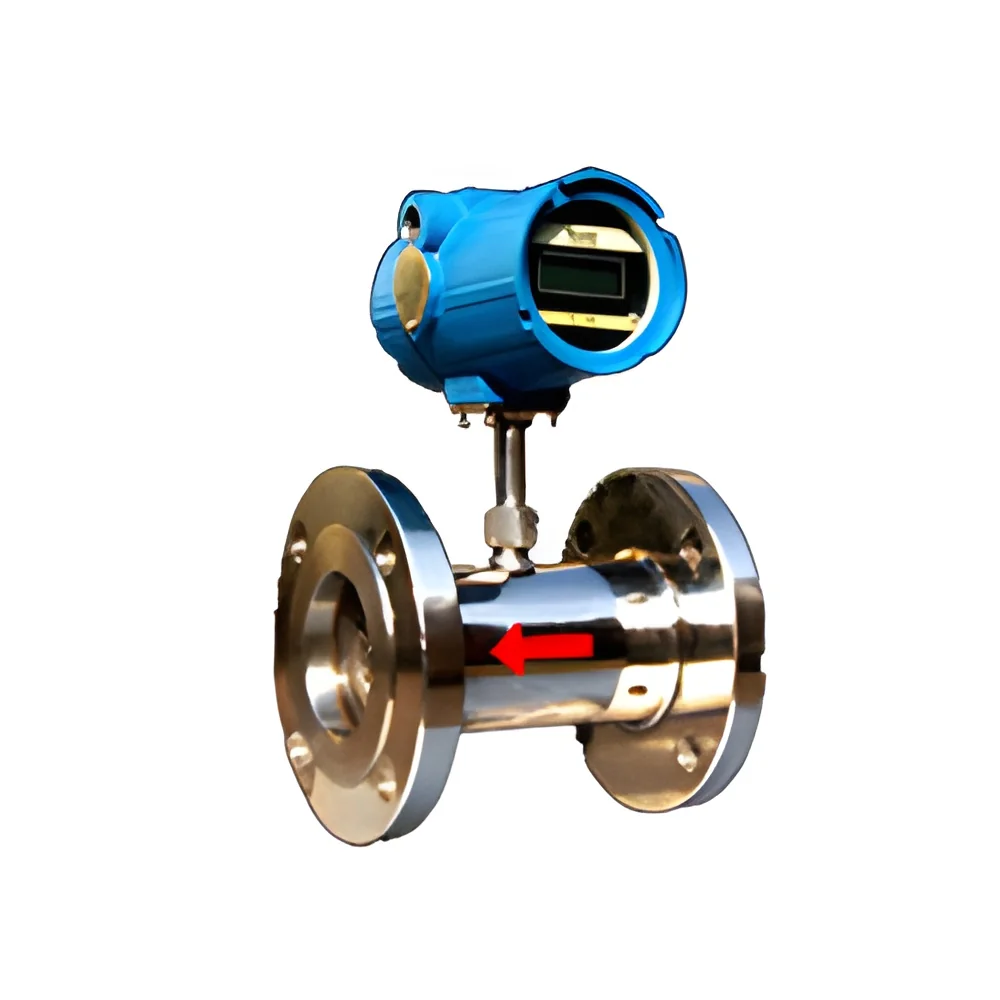
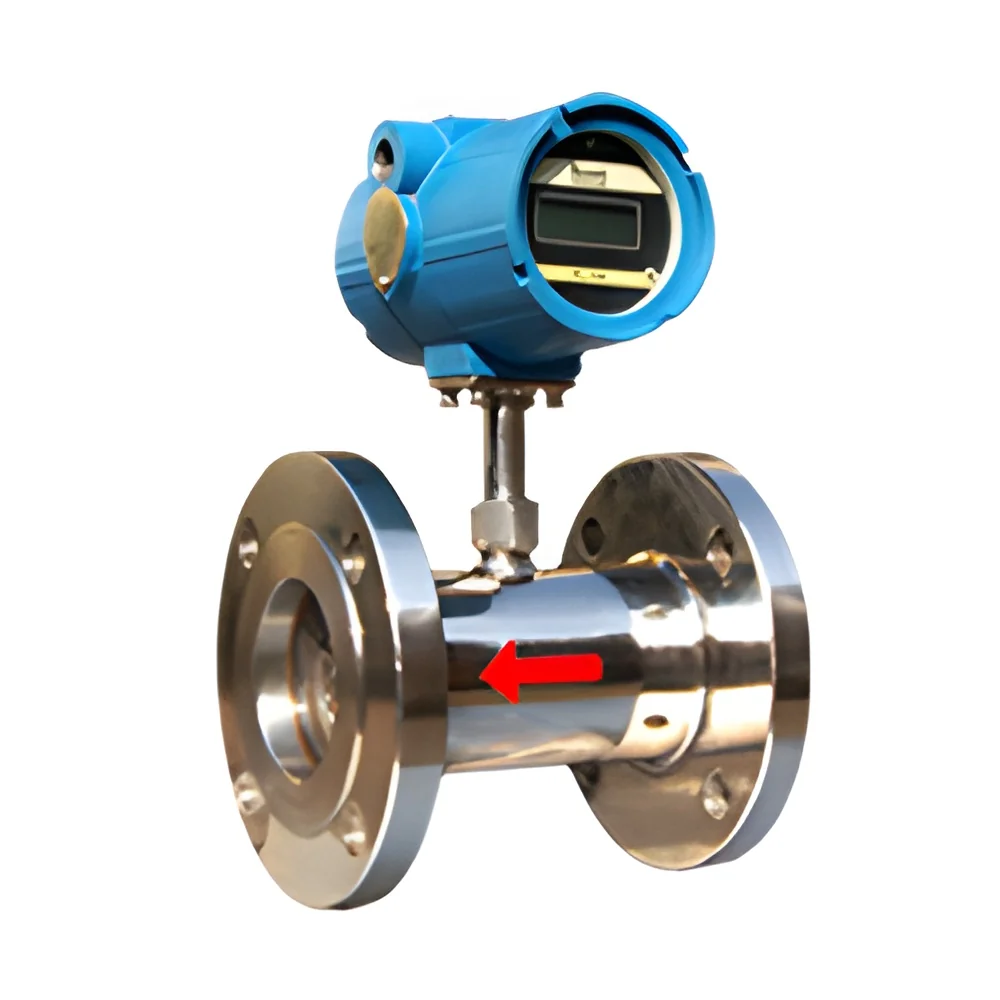
Turbine Flow Sensors: These sensors use a rotating turbine to measure flow rates. They are ideal for high-flow applications and are commonly used in oil and gas industries.
Mass Flow Sensors: These sensors measure the mass flow rate of gases and liquids, offering precise measurements for critical applications in pharmaceuticals and food processing.
Benefits and Advantages
Flow sensors provide numerous benefits that enhance operational efficiency and safety in various industries.
1. Improved Accuracy: Flow sensors deliver precise measurements, enabling better control over processes and reducing waste.
2. Enhanced Safety: By monitoring flow rates, these sensors help prevent hazardous conditions, such as leaks and pressure buildup.
3. Cost Efficiency: Accurate flow measurement reduces energy consumption and material waste, leading to significant cost savings.
4. Process Optimization: Flow sensors provide data that helps optimize production processes, improving overall operational efficiency.
5. Compliance Assurance: Many flow sensors meet industry standards and certifications, ensuring compliance with regulatory requirements.
6. Versatile Applications: Flow sensors can be used in a wide range of industries, making them adaptable to various business needs.
Buying Guide for B2B Buyers
When sourcing flow sensors, it is essential to consider several factors to ensure the right choice for your business.
1. Quality Assessment: Evaluate the build quality and reliability of flow sensors. Look for certifications that reflect adherence to industry standards.
2. Supplier Verification: Vet suppliers thoroughly to ensure they are reputable and have a strong track record in delivering quality products.
3. Pricing and MOQ: Understand the pricing structures and minimum order quantities (MOQ) from different suppliers to find the best fit for your budget and needs.
4. Delivery and Lead Times: Consider the logistics involved, including shipping times and delivery reliability, to avoid disruptions in your operations.
5. Compliance Requirements: Ensure that the sensors meet relevant regulatory compliance standards for your industry to maintain operational integrity and safety.
Compliance and Certifications
Flow sensors must adhere to various compliance and certification standards to ensure quality and safety. Common standards include ISO 9001, which reflects quality management systems, and HACCP, which is essential for food safety.
Industry certifications, such as CE marking, indicate that the product meets European safety, health, and environmental protection standards. Manufacturers must also comply with safety and testing requirements, particularly in sectors like pharmaceuticals and food processing, where strict regulations are enforced.
Additionally, regional compliance considerations may vary, so it is important to understand the specific regulations applicable in your location, which can impact the selection and use of flow sensors.
Why Source Flow Sensors from Pepagora?
Pepagora offers a trusted platform for sourcing flow sensors, providing significant advantages for B2B buyers.
Verified Supplier Network: Pepagora connects buyers with a network of verified suppliers, ensuring quality and reliability in product offerings.
Streamlined RFQ Process: The platform features an efficient request for quotation (RFQ) process that simplifies sourcing and enables buyers to receive competitive quotes quickly.
Trade Assurance and Support: Pepagora provides trade assurance and support to protect buyers, giving them peace of mind when making purchases.
Regional Coverage: With a strong presence in India, the GCC, and Southeast Asia, Pepagora ensures that buyers can access flow sensors suited to their specific regional needs, enhancing their operational capabilities.

 India

 India
 India
 India
 India

Frequently Asked Questions
What are Flow Sensors?
Flow sensors are devices used to measure the flow rate of liquids or gases in various applications. They convert the flow of media into an electrical signal, providing valuable data for monitoring and control purposes.
What are the different types of Flow Sensors?
There are several types of flow sensors, including electromagnetic, turbine, ultrasonic, and differential pressure sensors. Each type operates on different principles and is suited for specific applications depending on the fluid properties and measurement requirements.
How do I choose the right Flow Sensors?
Choosing the right flow sensor involves considering factors such as the type of fluid, flow rate range, temperature, and pressure conditions. It is also important to assess the compatibility of the sensor with existing systems and the specific application needs.
What are the standard specifications for Flow Sensors?
Standard specifications for flow sensors typically include parameters like flow range, accuracy, response time, and operating temperature. Additionally, materials of construction and electrical specifications such as voltage and current ratings are also critical.
What is the price range for Flow Sensors?
The price range for flow sensors can vary significantly based on the type, specifications, and manufacturer. Generally, prices can start from a few thousand rupees and can go up to several lakhs for more advanced models.
What quality standards apply to Flow Sensors?
Flow sensors must comply with various industry standards such as ISO, ANSI, and ASTM to ensure quality and reliability. Manufacturers often provide certifications that demonstrate adherence to these standards, which is crucial for operational safety.
Where can I find Flow Sensors suppliers in India?
You can find flow sensor suppliers in India through online B2B marketplaces like Pepagora, industry trade shows, and directories. It's advisable to compare multiple suppliers to evaluate quality, pricing, and service.
Can Flow Sensors be customized?
Yes, many manufacturers offer customization options for flow sensors to meet specific application requirements. Customizations can include modifications in size, materials, and measurement ranges depending on the client's needs.
What is the typical minimum order quantity for Flow Sensors?
The typical minimum order quantity (MOQ) for flow sensors can vary by manufacturer but usually ranges from 10 to 100 units. It is best to check with individual suppliers for their specific MOQ policies.
What is the typical lead time for Flow Sensors?
The typical lead time for flow sensors can range from a few days to several weeks, depending on the manufacturer's inventory and production schedule. Custom orders may take longer, so it’s important to confirm this with the supplier.
Why Businesses Trust Pepagora
Thousands of companies trust Pepagora to source smarter and sell faster
Expand Your Sales Globally

Source Smarter,Grow Faster
