
 IN
Fire-Resistant Clothing
9 products available
What are Fire-Resistant Clothing?
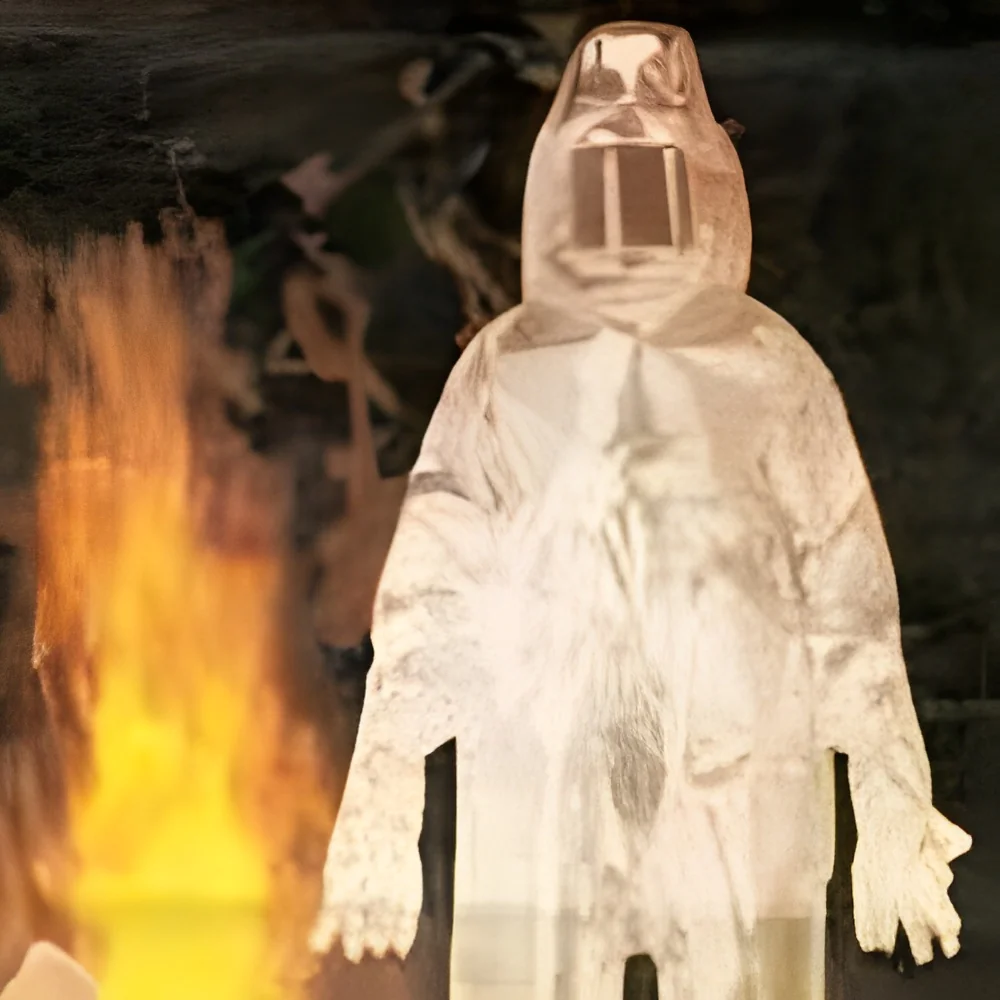
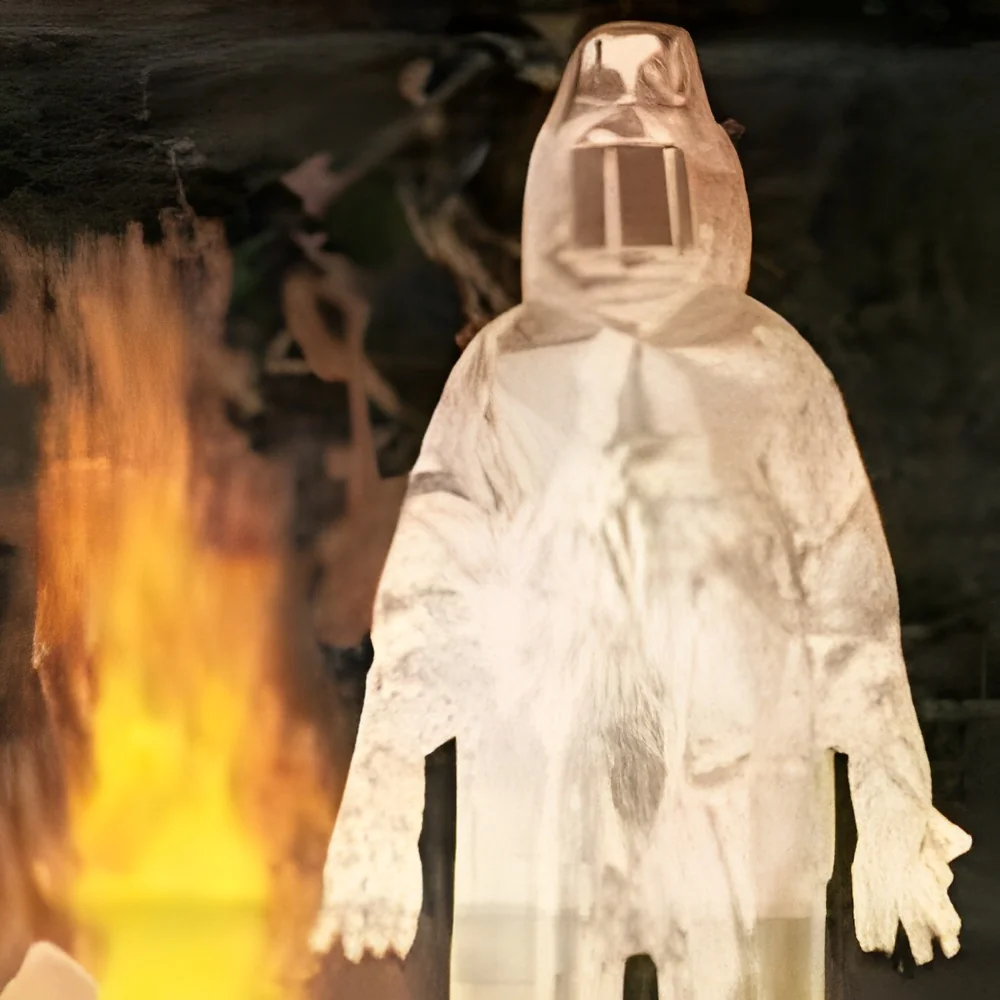
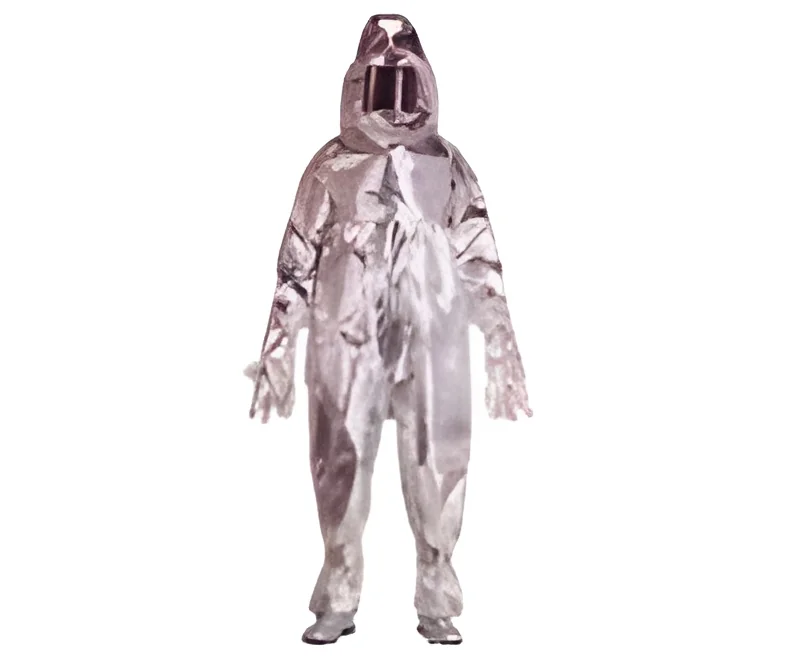
Fire-Resistant Clothing refers to specialized garments designed to protect the wearer from flames, heat, and thermal hazards. These garments are made from materials that resist ignition and minimize burn injuries, providing a crucial layer of protection in hazardous environments. Fire-resistant clothing is essential for professionals working in industries where exposure to fire or high temperatures is a risk.
The primary uses of fire-resistant clothing include applications in sectors such as firefighting, oil and gas, electrical utilities, metalworking, and manufacturing. Workers in these industries face risks from flames, sparks, and other thermal hazards, making fire-resistant clothing vital for their safety. The garments not only shield against heat but also help maintain comfort in extreme working conditions, ensuring that employees can perform their duties effectively.
In the current market, the demand for fire-resistant clothing is rising, driven by stricter safety regulations and a growing awareness of workplace safety. Industries are increasingly prioritizing protective gear to safeguard their workforce, leading to innovations in fabric technology and garment design. This trend highlights the relevance of fire-resistant clothing in enhancing occupational safety across various sectors.
Key Features and Specifications
Fire-Resistant Clothing combines advanced materials and design principles to provide optimal protection. The specifications of these garments are crucial for ensuring their effectiveness in hazardous environments.
Key specifications include:
1. Fabric Construction
- Made from fire-retardant materials such as Nomex or Kevlar
- Designed to withstand extreme temperatures without igniting
2. Durability
- High abrasion resistance for extended wear and tear
- Long-lasting performance even in demanding conditions
3. Comfort Fit
- Ergonomically designed for ease of movement
- Breathable materials to enhance comfort during prolonged use
4. Compliance Standards
- Meets industry safety standards such as CE certification
- Regular testing for fire resistance and safety compliance
5. Moisture Control
- Equipped with moisture-wicking properties
- Helps regulate body temperature and reduce sweat accumulation
6. Flame Resistance Rating
- Rated based on exposure duration and temperature thresholds
- Ensures garments provide adequate protection under various conditions
7. Color Options
- Available in various colors for visibility and compliance
- Customizable for branding and identification purposes
8. Maintenance
- Easy to clean and maintain
- Retains protective qualities after multiple washes
Overall, these specifications ensure that fire-resistant clothing is not only protective but also comfortable and practical for everyday use.
Common Applications and Use Cases
Fire-Resistant Clothing is utilized across various industries where heat and flame hazards are prevalent.
1. Oil and Gas Industry: Workers in this sector wear fire-resistant clothing to protect against potential flash fires and explosions during drilling and refining processes.
2. Electrical Utilities: Technicians and linemen use these garments to shield themselves from arc flash incidents that can result from electrical failures.
3. Manufacturing: Employees in metal fabrication and welding wear fire-resistant clothing to guard against sparks and molten metal exposure.
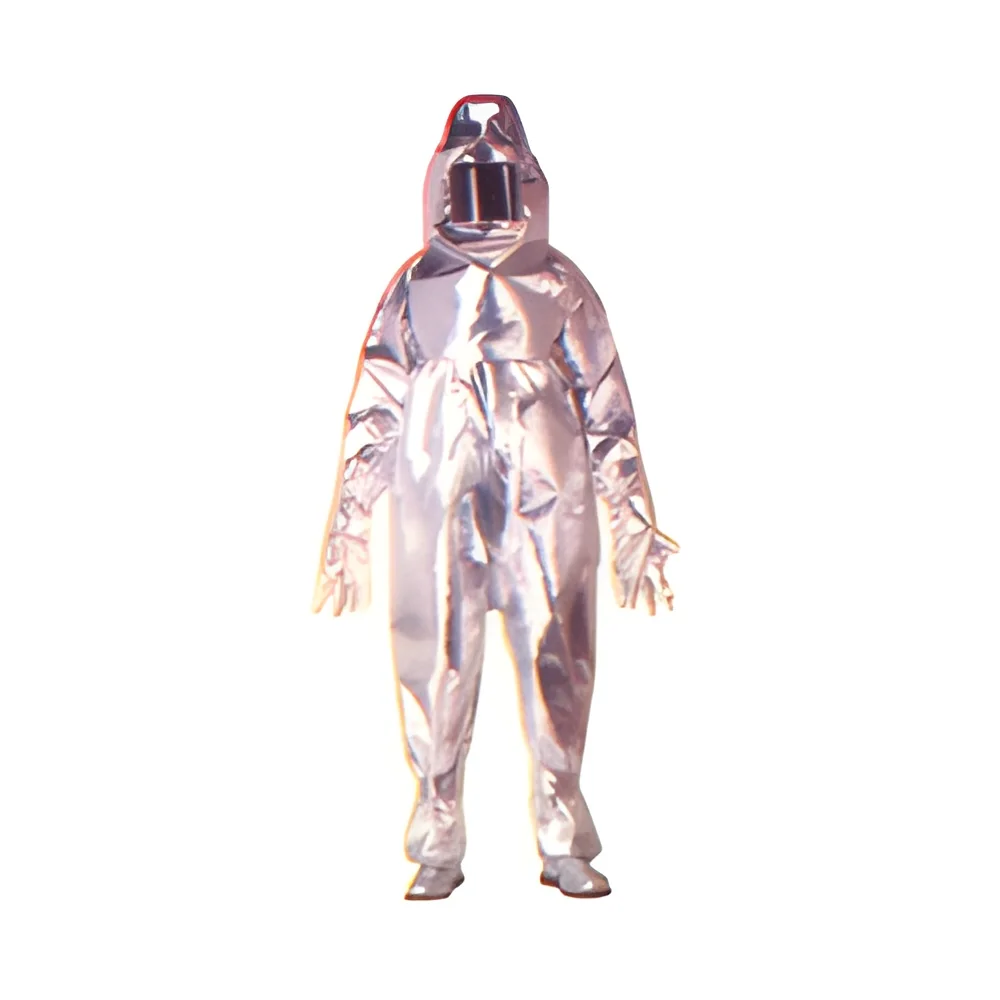
4. Firefighting: Firefighters rely on specialized fire-resistant suits that provide maximum protection from extreme heat and flames.
5. Mining: Miners wear these garments to protect against thermal hazards associated with underground work environments.
6. Aerospace: Workers in the aerospace industry use fire-resistant clothing to safeguard against potential fire hazards during aircraft manufacturing and maintenance.
7. Automotive: Professionals in automotive manufacturing and repair wear fire-resistant clothing to minimize risk from welding and cutting operations.
Product Variants and Subcategories
Fire-Resistant Clothing comes in a variety of styles and designs to meet the specific needs of different industries and applications.
Coveralls
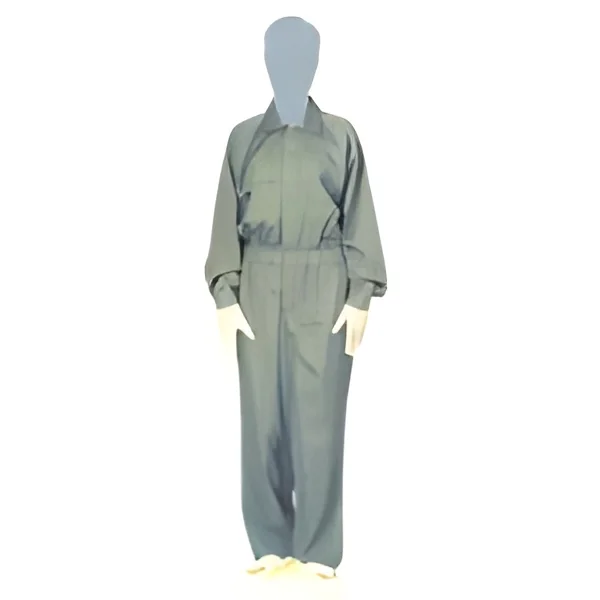
These one-piece suits provide full-body protection and are ideal for workers in environments with high heat exposure.
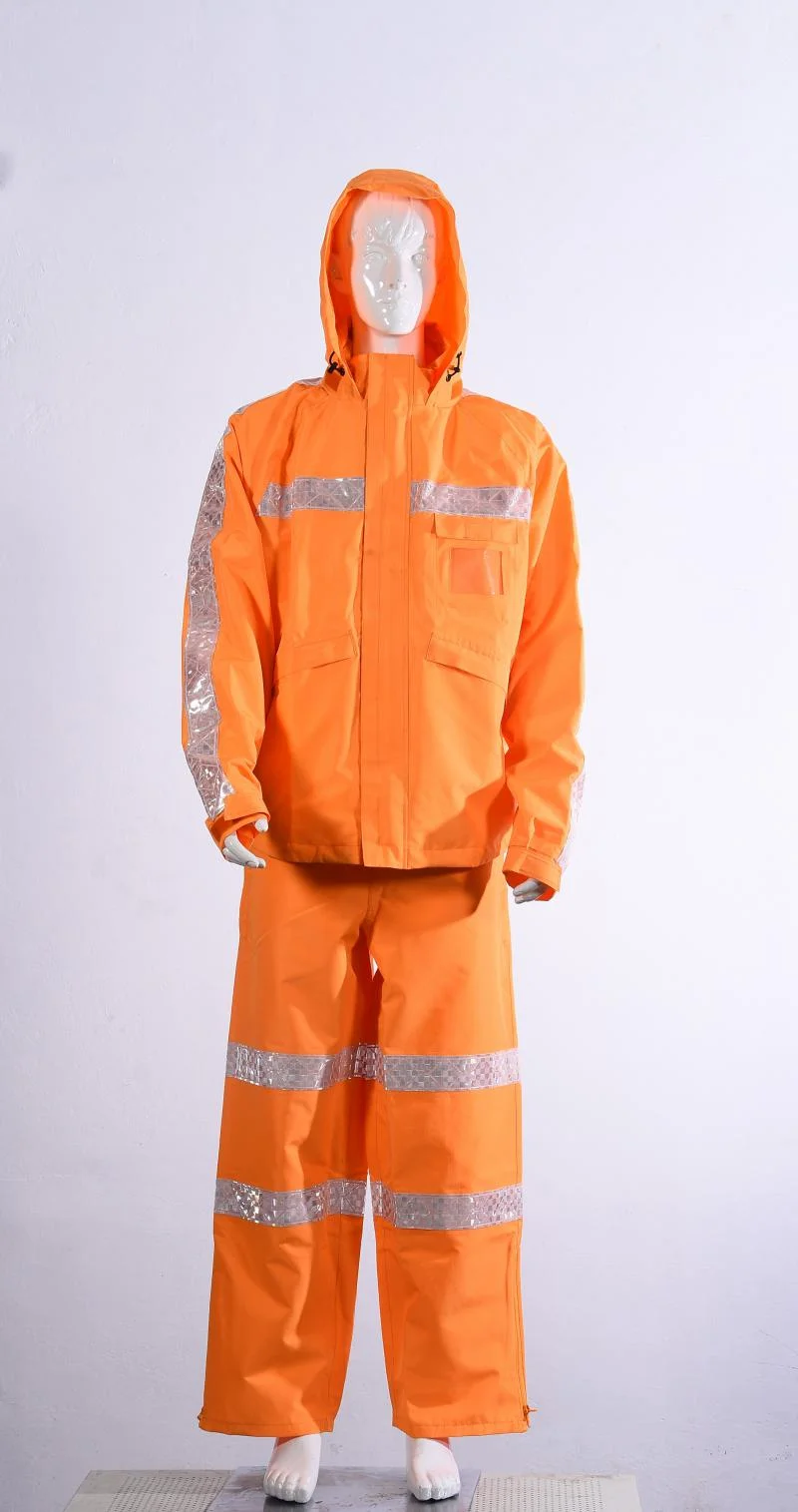
Jackets
Fire-resistant jackets offer upper body protection and are typically worn over regular work clothing in industries like oil and gas.
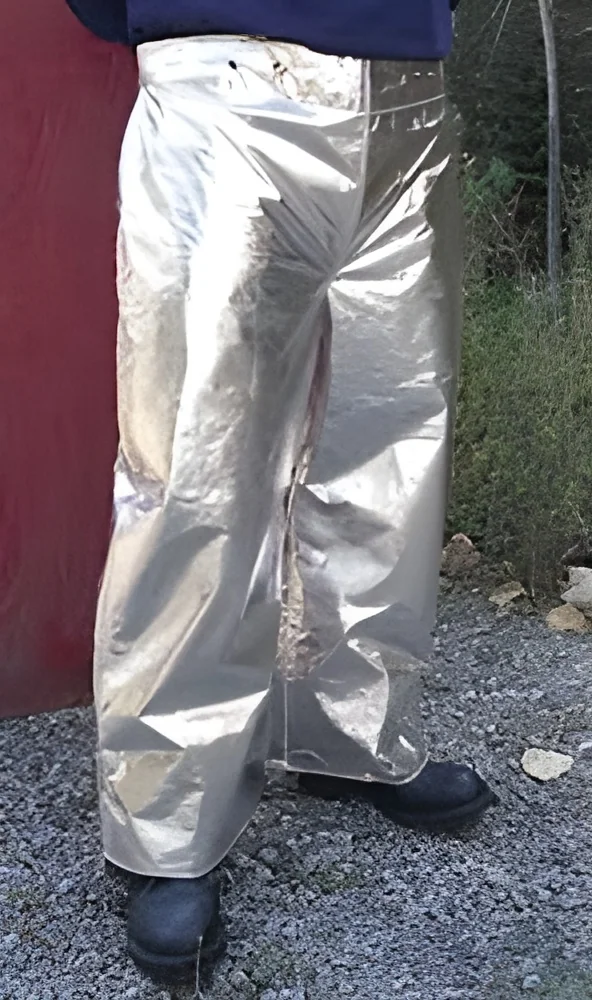
Pants
Specialized fire-resistant pants are designed for comfort and safety, often featuring reinforced seams and pockets.
Shirts
Fire-resistant shirts are used in industries where mobility is essential, providing protection without compromising flexibility.
Benefits and Advantages
Fire-Resistant Clothing offers numerous advantages to ensure worker safety and compliance.
Key benefits include:
1. Enhanced Safety: Provides essential protection against burns and injuries from flames and heat.
2. Compliance Assurance: Meets industry safety regulations, helping businesses avoid penalties and legal issues.
3. Increased Comfort: Designed with breathable materials, allowing for better temperature regulation during work.
4. Durability: Built to withstand harsh conditions, leading to lower replacement costs over time.
5. Versatile Applications: Suitable for various industries, ensuring widespread use and adaptability.
6. Improved Productivity: When workers feel safe and comfortable, their efficiency and productivity levels increase.
Buying Guide for B2B Buyers
When sourcing Fire-Resistant Clothing, businesses should consider several key factors to ensure they make informed purchasing decisions.
1. Quality Assessment: Look for garments made from reputable fire-retardant materials with proven effectiveness. Evaluate the quality of stitching and overall construction.
2. Supplier Verification: Vet suppliers by checking their certifications and industry reputation. Ensure they adhere to safety standards and have a track record of reliability.
3. Pricing and MOQ: Understand the pricing structure and minimum order quantities. Compare quotes from multiple suppliers to find the best value.
4. Delivery and Lead Times: Assess the supplier's ability to deliver on time, especially if there are urgent needs for protective gear.
5. Compliance Requirements: Ensure that the clothing meets relevant safety regulations and quality standards required in your industry.
Compliance and Certifications
Fire-Resistant Clothing must adhere to various quality standards and safety regulations to ensure optimal protection for workers.
Relevant quality standards include ISO 9001, which focuses on quality management systems, ensuring that manufacturers follow strict quality controls in their production processes. Additionally, HACCP (Hazard Analysis and Critical Control Points) can apply to specific industries where fire protection is closely tied to overall safety protocols.
Industry certifications such as CE mark are crucial, indicating compliance with European safety standards for personal protective equipment. This certification signifies that the clothing has been tested and meets necessary safety requirements.
Safety and testing requirements are integral to the manufacturing process, ensuring that garments can withstand high temperatures and provide adequate protection. Regional compliance considerations may vary, so businesses must be aware of local regulations impacting their specific industry.
Why Source Fire-Resistant Clothing from Pepagora?
Pepagora offers a reliable platform for sourcing Fire-Resistant Clothing, providing businesses with several key advantages.
Verified Supplier Network: Pepagora connects buyers with a network of verified suppliers who meet stringent safety and quality standards. This ensures that businesses can trust the products they purchase.
Streamlined RFQ Process: The platform simplifies the request for quotation process, enabling buyers to easily compare options and select the best fit for their needs.
Trade Assurance and Support: Pepagora offers buyer protection through trade assurance programs, ensuring that transactions are secure and that support is available throughout the purchasing process.
Regional Coverage: With a strong presence in India, the GCC, and Southeast Asia, Pepagora provides extensive geographic reach, making it easier for businesses across these regions to find quality fire-resistant clothing tailored to their requirements.


 India
 India
 India
 India
 India
Frequently Asked Questions
What are Fire-Resistant Clothing?
Fire-Resistant Clothing refers to garments made from materials that are designed to withstand high temperatures and prevent ignition. These clothing items protect wearers from flames, heat, and thermal hazards, making them essential for industries such as firefighting, oil and gas, and manufacturing.
What are the different types of Fire-Resistant Clothing?
There are several types of Fire-Resistant Clothing, including flame-retardant coveralls, jackets, pants, and shirts. Additionally, specialized gear like hoods, gloves, and boots may also be classified under this category, catering to various industrial applications.
How do I choose the right Fire-Resistant Clothing?
To choose the right Fire-Resistant Clothing, consider factors such as the specific hazards present in your work environment, the appropriate protection level required, and the fit and comfort of the clothing. It is also essential to ensure that the clothing meets relevant safety standards and certifications.
What are the standard specifications for Fire-Resistant Clothing?
Standard specifications for Fire-Resistant Clothing often include compliance with safety standards such as NFPA 70E, ASTM F1506, or EN 11612. These specifications cover aspects like flame resistance, thermal protection, and durability, ensuring that the clothing provides adequate protection.
What is the price range for Fire-Resistant Clothing?
The price range for Fire-Resistant Clothing can vary widely based on factors such as material quality, design, and brand. Typically, you can expect prices to range from a few thousand to over ten thousand Indian Rupees per garment, depending on the specifications and features.
What quality standards apply to Fire-Resistant Clothing?
Fire-Resistant Clothing must adhere to various quality standards, including ISO 11611 and ISO 11612 for protective clothing. These standards ensure that the garments provide the necessary levels of flame resistance and thermal protection required for safe working conditions.
Where can I find Fire-Resistant Clothing suppliers in India?
You can find Fire-Resistant Clothing suppliers in India through various online B2B marketplaces, trade shows, and industry directories. Websites like Pepagora.com offer a platform where you can connect with reputable manufacturers and suppliers in this category.
Can Fire-Resistant Clothing be customized?
Yes, many manufacturers offer customization options for Fire-Resistant Clothing. Customization can include variations in size, color, branding, and additional features tailored to specific industry requirements or company branding.
What is the typical minimum order quantity for Fire-Resistant Clothing?
The typical minimum order quantity (MOQ) for Fire-Resistant Clothing can vary by supplier, but it often ranges from 10 to 100 pieces per order. It is advisable to check with individual manufacturers for their specific MOQs and bulk order discounts.
What is the typical lead time for Fire-Resistant Clothing?
The typical lead time for Fire-Resistant Clothing can range from 2 to 6 weeks, depending on the supplier, customization requirements, and order quantity. It is essential to discuss lead times with your chosen supplier to ensure timely delivery for your needs.
Why Businesses Trust Pepagora
Thousands of companies trust Pepagora to source smarter and sell faster
Expand Your Sales Globally

Source Smarter,Grow Faster
