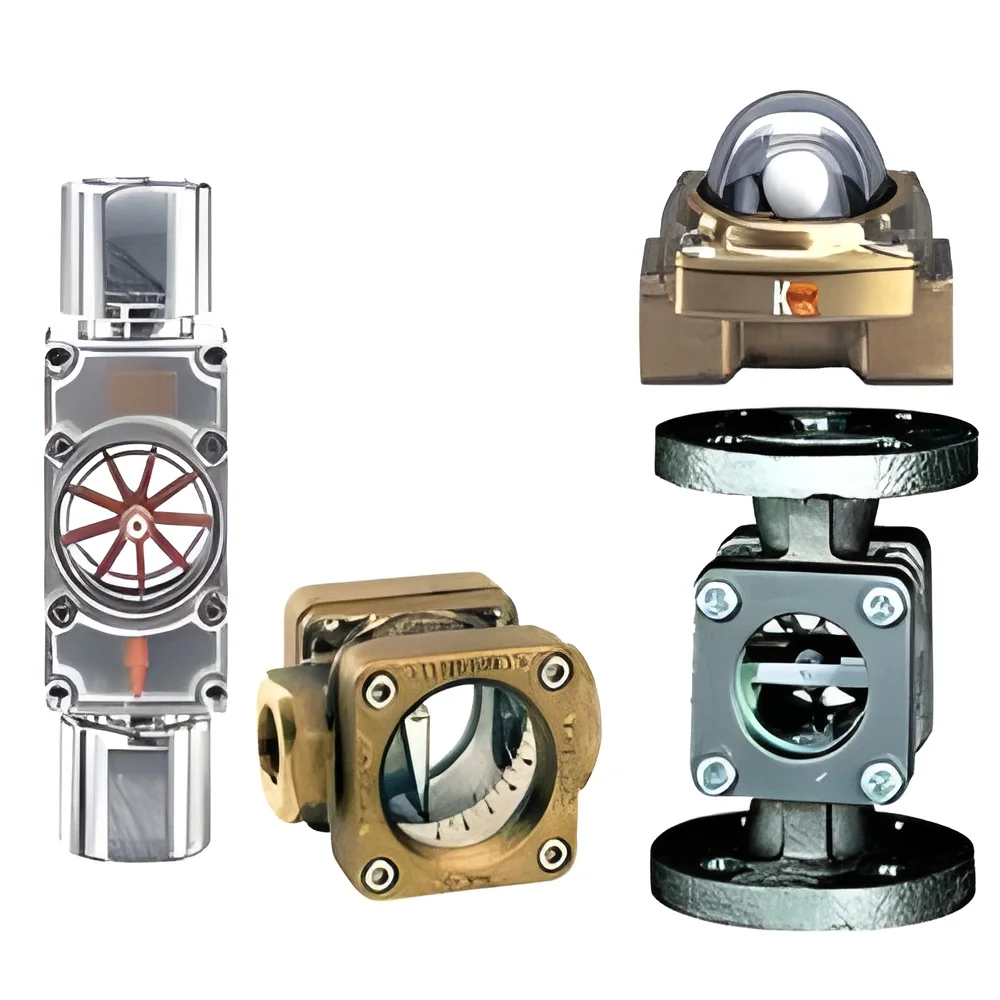
What are Filter Indicators?
Filter indicators are devices designed to monitor the condition of filters in various systems. They provide visual or electronic signals indicating when a filter requires maintenance or replacement. This functionality ensures optimal performance of filtration systems, which is crucial in maintaining the efficiency and reliability of industrial processes.
These devices are extensively used in industries such as manufacturing, pharmaceuticals, and food processing. They play a critical role in ensuring that filters operate efficiently, thereby preventing contamination and system failures. By integrating filter indicators into filtration systems, businesses can improve operational reliability and reduce downtime associated with filter maintenance.
In the current market, filter indicators are becoming increasingly relevant as industries seek to enhance process automation and monitoring. The demand for efficient filtration solutions has led to advancements in filter indicator technology, making them essential tools for maintaining quality standards in various sectors.
Key Features and Specifications
Filter indicators come with various features and specifications that enhance their functionality and usability. Understanding these specifications is essential for selecting the right filter indicator for specific applications.
Key specifications include:
1. Monitoring Mechanism
- Visual indicators or electronic alerts
- Provides real-time feedback on filter status
2. Material Compatibility
- Constructed from durable materials such as stainless steel or plastic
- Ensures resistance to corrosion and chemical exposure
3. Operating Pressure Range
- Designed to function at various pressure levels
- Typically suitable for low to high-pressure systems
4. Temperature Tolerance
- Capable of operating in a range of temperatures
- Specific temperature ranges not available
5. Humidity Control
- Features designed to operate efficiently in varying humidity levels
- Specific humidity control parameters not available
6. Size and Dimensions
- Available in multiple sizes to fit different filtration systems
- Customizable dimensions may be offered by some manufacturers
7. Installation Type
- Options for inline or remote installation
- Flexibility in installation based on system design
8. Certification
- Compliance with industry standards such as CE
- Ensures product reliability and safety for industrial use
These specifications highlight the versatility and adaptability of filter indicators, making them suitable for a wide range of industrial applications.
Common Applications and Use Cases
Filter indicators serve various industries by ensuring the effective operation of filtration systems.
1. Manufacturing: In manufacturing environments, filter indicators help monitor air and liquid filters, preventing system failures that can lead to production delays.
2. Pharmaceuticals: In the pharmaceutical industry, maintaining strict contamination controls is essential. Filter indicators ensure that filtration systems operate within required specifications.
3. Food Processing: Food processing facilities utilize filter indicators to ensure that filters are functioning properly, thus maintaining product quality and safety.
4. Water Treatment: In water treatment plants, filter indicators monitor the filtration process, ensuring that contaminants are effectively removed from the water supply.
5. Automotive: Automotive manufacturers use filter indicators in production lines to monitor filtration systems in spray booths and paint applications.
6. HVAC Systems: In heating, ventilation, and air conditioning systems, filter indicators help maintain air quality by monitoring air filter conditions.
7. Chemical Processing: Chemical plants use filter indicators to ensure that filters in various processes are effective, preventing contamination and ensuring product integrity.
Product Variants and Subcategories
Filter indicators come in various designs and configurations to cater to diverse industrial needs. Each variant offers unique features suited for specific applications.
Standard Filter Indicator
This variant is designed for general applications, featuring a simple visual alert system that indicates when a filter needs replacement. It is commonly used in HVAC systems and basic filtration setups.
Electronic Filter Indicator
This advanced variant provides electronic alerts and data logging capabilities. It is ideal for complex systems requiring continuous monitoring, such as pharmaceutical and manufacturing processes.
High-Pressure Filter Indicator
Designed specifically for high-pressure applications, this variant can withstand elevated pressure levels while providing reliable monitoring. It is often used in oil and gas industries.
Compact Filter Indicator
This variant is smaller in size, making it suitable for installations where space is limited. It offers similar monitoring capabilities as standard models but in a more compact form.
Benefits and Advantages
Filter indicators offer numerous benefits that enhance operational efficiency and reliability.
1. Preventive Maintenance: By providing timely alerts, filter indicators enable proactive maintenance, reducing the risk of system failures.
2. Cost Efficiency: Regular monitoring reduces downtime and maintenance costs associated with unexpected filter replacements.
3. Enhanced Productivity: Maintaining optimal filter performance ensures uninterrupted operations, leading to increased productivity.
4. Quality Assurance: Filter indicators help ensure that filtration systems operate within specified parameters, maintaining product quality and safety.
5. Ease of Use: Many filter indicators come with user-friendly designs, making them easy to install and operate.
6. Compliance Support: Using filter indicators can help businesses meet industry compliance requirements by ensuring proper filter maintenance.
Buying Guide for B2B Buyers
When sourcing filter indicators, it is essential to consider several factors to ensure the right choice for your business needs.
1. Quality Assessment: Evaluate the quality of materials and manufacturing processes. Look for certifications that indicate compliance with industry standards.
2. Supplier Verification: Vet potential suppliers thoroughly to ensure they have a reliable track record and positive customer feedback. This can include checking references and reading reviews.
3. Pricing and MOQ: Understand the pricing structure and minimum order quantities. Compare multiple suppliers to find competitive pricing while ensuring quality.
4. Delivery and Lead Times: Inquire about delivery schedules and lead times to ensure timely receipt of products. This is crucial for maintaining operational efficiency.
5. Compliance Requirements: Ensure that the filter indicators meet all necessary regulatory and safety standards relevant to your industry. This helps avoid potential compliance issues.
Compliance and Certifications
Filter indicators must adhere to various quality standards and certifications to ensure reliability and safety in industrial applications. One significant standard is ISO 9001, which focuses on quality management systems and emphasizes continual improvement. This certification demonstrates a commitment to providing consistent quality products.
Additionally, many filter indicators are certified with CE marking, indicating compliance with European safety, health, and environmental protection standards. This certification assures buyers of the product's reliability and safety for use in various applications.
Safety and testing requirements also play a crucial role in the manufacturing of filter indicators. Manufacturers must conduct thorough testing to ensure that the products can withstand the operational conditions they will face in the field.
Regional compliance considerations may vary depending on local regulations. It is essential for manufacturers and suppliers to stay updated on these requirements to ensure their products meet the necessary standards in different regions.
Why Source Filter Indicators from Pepagora?
Pepagora provides a trusted platform for sourcing filter indicators, ensuring businesses find quality products from verified suppliers. The platform offers a robust supplier verification process, ensuring that all listed suppliers meet stringent quality and reliability standards. This helps buyers mitigate risks associated with sourcing.
The streamlined RFQ process simplifies the procurement journey. Buyers can submit requests for quotation easily and receive competitive offers from multiple suppliers, saving time and effort in sourcing decisions.
Pepagora also prioritizes trade assurance and support, providing buyers with protection and assistance throughout the purchasing process. This added layer of security helps build confidence in transactions.
With a broad regional coverage that includes India, the Gulf Cooperation Council (GCC), and Southeast Asia, Pepagora connects buyers with suppliers in diverse markets. This geographic reach facilitates access to a wide range of filter indicators tailored to various industrial applications.

 IN
IN
 India
India