
 IN
Engine Bearings
5 products available
What are Engine Bearings?
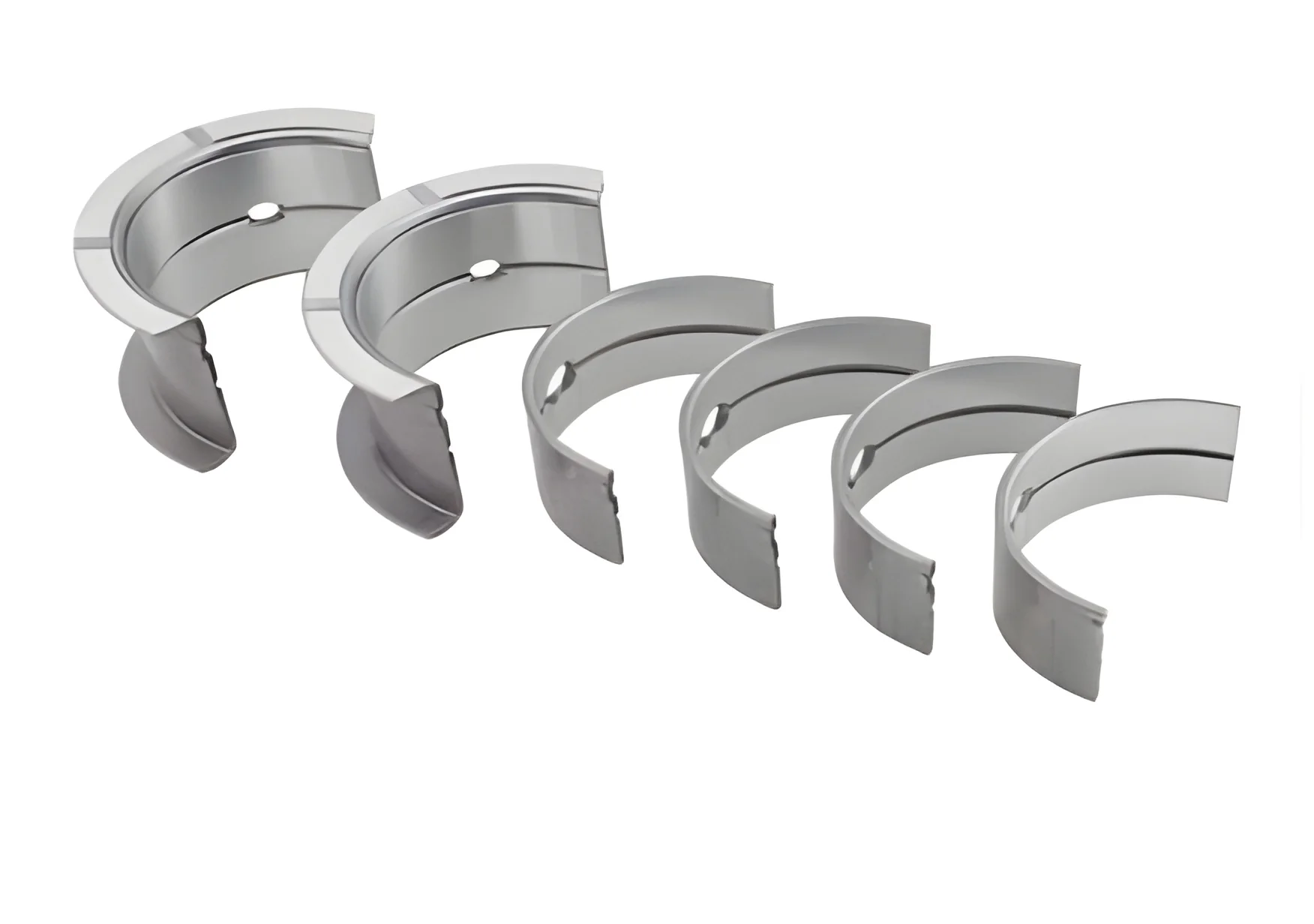
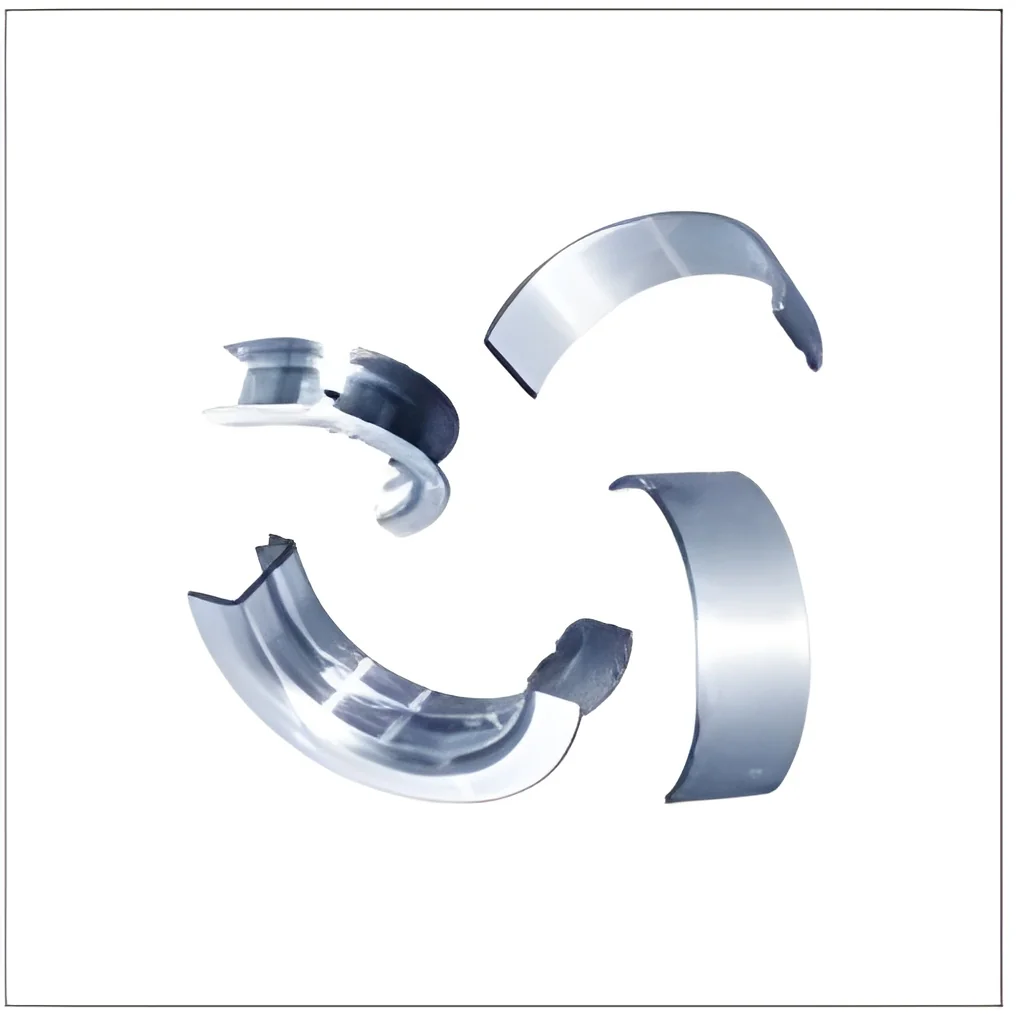
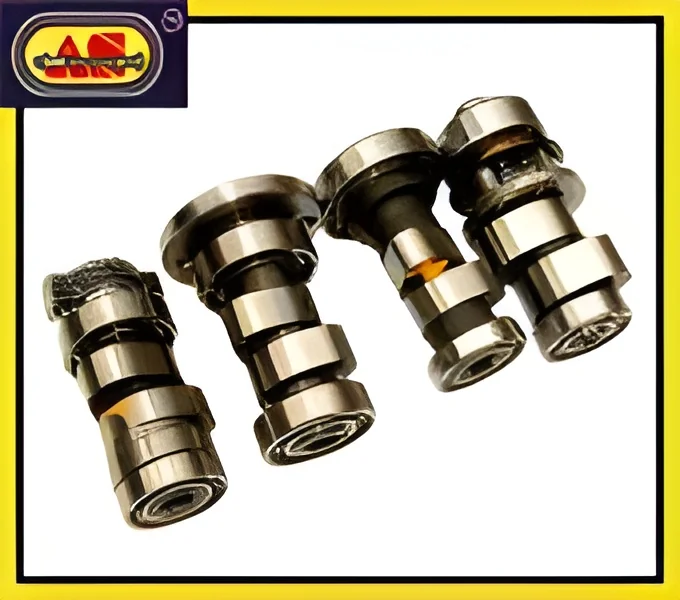
Engine bearings are essential components that provide a smooth interface between moving parts in an engine. They are designed to reduce friction and wear, enabling efficient operation of engine components such as crankshafts, camshafts, and connecting rods. Engine bearings absorb loads and facilitate rotation, allowing the engine to function smoothly under various conditions. Their design and material choice are crucial for their performance, longevity, and reliability in demanding environments.
Engine bearings find primary uses in automotive, marine, and industrial applications. In the automotive sector, they are critical for internal combustion engines, electric vehicles, and performance tuning. Marine applications often require engine bearings that withstand harsh environmental conditions, while industrial engines depend on durable bearings for machinery and equipment. The demand for high-quality engine bearings continues to rise, driven by advancements in technology and the need for improved engine efficiency and performance.
The engine bearings market is significant within the broader automotive and industrial sectors. With the increasing focus on energy efficiency and emissions reduction, manufacturers are investing in advanced materials and designs. This evolution reflects the overall trends in the automotive industry towards enhanced performance and sustainability.
Key Features and Specifications
Engine bearings come with various features and specifications that impact their performance and suitability for different applications. Understanding these key specifications is essential for making informed purchasing decisions.
Key specifications include:
1. Material Composition
- Engine bearings are typically made from materials such as aluminum, copper, and lead alloys.
- Each material offers different levels of strength, wear resistance, and thermal conductivity.
2. Bearing Type
- Common types include plain bearings, rolling element bearings, and composite bearings.
- Each type is tailored for specific applications and load-bearing capacities.
3. Size and Dimensions
- Engine bearings are available in a range of sizes to fit various engine designs.
- Standard measurements include inner diameter, outer diameter, and thickness.
4. Load Capacity
- Bearings are rated for specific load capacities based on their design and material.
- Load ratings ensure that bearings can handle the stresses encountered in operation.
5. Temperature Resistance
- Engine bearings are designed to operate within specific temperature ranges.
- High-performance bearings may withstand extreme temperatures for extended periods.
6. Compliance Standards
- Many engine bearings adhere to international standards such as CE certification.
- Compliance ensures that bearings meet safety and quality benchmarks.
7. Lubrication Requirements
- Proper lubrication is crucial for bearing performance and longevity.
- Bearings may be designed for specific lubrication systems or require regular maintenance.
8. Surface Finish
- The surface finish of engine bearings affects friction and wear characteristics.
- Finishes may include polished, coated, or textured surfaces for enhanced performance.
In summary, selecting the right engine bearing involves understanding these specifications and ensuring they align with the specific requirements of your application.
Common Applications and Use Cases
Engine bearings are utilized across a variety of industries, each with unique requirements and applications.
1. Automotive: In the automotive industry, engine bearings are critical components in internal combustion engines and electric vehicles. They ensure smooth operation, reduce friction, and prolong engine life.
2. Marine: Engine bearings used in marine applications must withstand harsh conditions, such as high humidity and saltwater exposure. They are essential for reliable engine performance in boats and ships.
3. Industrial Machinery: Industrial engines rely on robust engine bearings to support heavy loads and harsh operational conditions. They are integral to generators, compressors, and heavy machinery.
4. Construction Equipment: Heavy construction equipment, such as excavators and bulldozers, requires engine bearings that can handle extreme loads and vibrations during operation.
5. Aerospace: In aerospace applications, engine bearings must meet strict safety and performance standards. They are vital in aircraft engines, where reliability is paramount.
6. Power Generation: Engine bearings in power generation equipment must operate efficiently under continuous load, ensuring the reliability of turbines and generators.
7. Agricultural Machinery: Equipment used in agriculture, such as tractors and harvesters, benefits from high-performance engine bearings that enhance durability and reduce maintenance needs.
Product Variants and Subcategories
Engine bearings come in various forms, each designed to meet specific performance and application requirements.
Plain Bearings
Plain bearings are the most common type used in automotive engines. They provide a simple and effective design for reducing friction between moving parts. Their straightforward design makes them cost-effective for many applications.
Rolling Element Bearings
Rolling element bearings are used in high-performance settings. They offer reduced friction and higher load capacities, making them ideal for performance engines and specialized machinery.
Composite Bearings
Composite bearings combine different materials to enhance performance. They offer benefits such as reduced weight, improved wear resistance, and the ability to operate under extreme conditions.
Benefits and Advantages
Engine bearings provide many benefits that contribute to the overall efficiency and reliability of engines.
1. Reduced Friction: Engine bearings minimize friction between moving parts, leading to improved engine efficiency and reduced wear.
2. Enhanced Durability: High-quality engine bearings are designed to withstand extreme loads and harsh conditions, extending engine life.
3. Improved Performance: By ensuring smooth operation, engine bearings enhance overall engine performance, contributing to better fuel efficiency.
4. Lower Maintenance Needs: With durable materials and designs, engine bearings reduce the frequency and cost of maintenance and replacements.
5. Versatile Applications: Engine bearings are suitable for a wide range of industries and applications, making them a flexible choice for manufacturers.
6. Compliance with Standards: Many engine bearings meet international quality and safety standards, ensuring reliability and peace of mind for users.
Buying Guide for B2B Buyers
When sourcing engine bearings for your business, it is essential to consider several factors to ensure you choose the right products.
1. Quality Assessment: Focus on the quality of materials used in the bearings. Look for suppliers that provide detailed specifications and testing results to ensure reliability.
2. Supplier Verification: Vet suppliers to ensure they have a proven track record. Check for certifications and customer reviews to assess their credibility and service quality.
3. Pricing and MOQ: Understand the pricing structures and minimum order quantities offered by suppliers. This information will help you manage your budget and inventory effectively.
4. Delivery and Lead Times: Inquire about delivery schedules and lead times. Timely delivery is crucial for maintaining production schedules and avoiding downtime.
5. Compliance Requirements: Ensure that the engine bearings meet necessary regulatory and compliance standards for your industry. This is vital for maintaining safety and operational integrity.
Compliance and Certifications
Compliance and certifications are critical aspects of engine bearings that ensure their quality and reliability in various applications.
Engine bearings often adhere to international quality standards such as ISO 9001, which focuses on quality management systems. Compliance with such standards ensures consistent product quality and performance.
In addition, many engine bearings are CE certified. This certification indicates that the bearings comply with European health, safety, and environmental protection standards, providing assurance to buyers.
Safety and testing requirements are also paramount in the manufacturing process of engine bearings. Rigorous testing for load capacity, temperature resistance, and wear resistance is conducted to verify performance.
Regional compliance considerations may vary based on local regulations, so it is essential to verify that the bearings meet the specific needs of your market.
Why Source Engine Bearings from Pepagora?
Pepagora offers a reliable platform for sourcing engine bearings with various key advantages that cater to B2B buyers.
Verified Supplier Network: Pepagora maintains a network of verified suppliers who are vetted for quality and reliability. This ensures that buyers have access to trusted manufacturers.
Streamlined RFQ Process: The request for quotation (RFQ) process on Pepagora is designed for efficiency. Buyers can easily compare quotations and make informed decisions based on their requirements.
Trade Assurance and Support: Pepagora provides trade assurance to protect buyers throughout the purchasing process. This support includes dispute resolution and buyer protection measures to enhance trust.
Regional Coverage: With a broad geographic reach, including India, the Gulf Cooperation Council (GCC) countries, and Southeast Asia, Pepagora connects buyers with suppliers across diverse markets, facilitating smooth transactions.

 India

 India

Frequently Asked Questions
What are Engine Bearings?
Engine bearings are crucial components in an internal combustion engine that support the rotating shafts and reduce friction between moving parts. They facilitate smooth motion and help maintain engine efficiency by bearing loads and providing lubrication channels.
What are the different types of Engine Bearings?
There are several types of engine bearings, including main bearings, rod bearings, and thrust bearings. Main bearings support the crankshaft, rod bearings connect the crankshaft to the connecting rods, and thrust bearings handle axial loads on the crankshaft.
How do I choose the right Engine Bearings?
Choosing the right engine bearings involves considering factors such as engine type, load requirements, and specific material properties. It is essential to consult technical specifications and compatibility with your engine model to ensure optimal performance.
What are the standard specifications for Engine Bearings?
Standard specifications for engine bearings typically include dimensions, load ratings, and material composition. Common materials used are aluminum, copper-lead, and bi-metal, which are designed to withstand high temperatures and pressures.
What is the price range for Engine Bearings?
The price range for engine bearings can vary significantly based on type, manufacturer, and material quality. Generally, prices can range from a few hundred to several thousand Indian Rupees per set, depending on the specifications required.
What quality standards apply to Engine Bearings?
Engine bearings must meet various quality standards, such as ISO 9001, to ensure reliability and performance. Many manufacturers also adhere to specific industry standards that ensure the bearings can withstand the operational stresses of engines.
Where can I find Engine Bearings suppliers in India?
Engine bearings suppliers in India can be found through various online B2B marketplaces, such as Pepagora.com, or by contacting local automotive parts distributors. It is advisable to research suppliers' credentials and product offerings to ensure quality.
Can Engine Bearings be customized?
Yes, engine bearings can often be customized based on specific requirements such as size, material, and load capacity. Many manufacturers offer custom solutions to meet the unique needs of different engine applications.
What is the typical minimum order quantity for Engine Bearings?
The typical minimum order quantity (MOQ) for engine bearings can vary by supplier, but it usually ranges from 10 to 100 pieces. It's essential to check with individual suppliers for their specific MOQ policies.
What is the typical lead time for Engine Bearings?
The typical lead time for engine bearings can vary based on stock availability and customization requirements, generally ranging from 1 to 4 weeks. It's advisable to confirm lead times with suppliers when placing an order.
Why Businesses Trust Pepagora
Thousands of companies trust Pepagora to source smarter and sell faster
Expand Your Sales Globally

Source Smarter,Grow Faster
