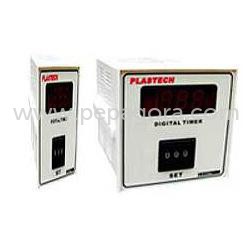
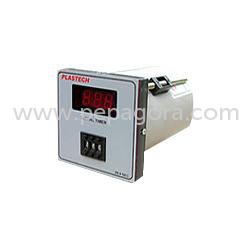
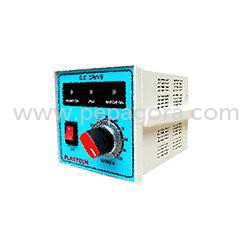
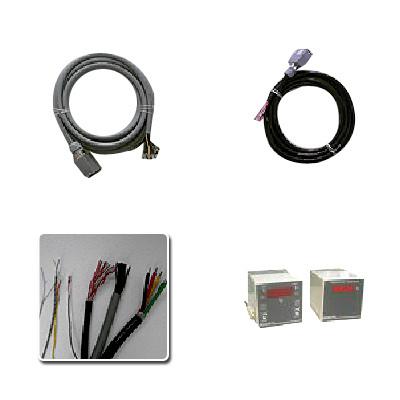
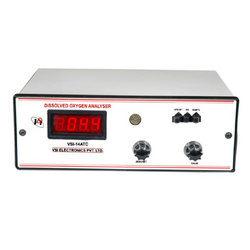
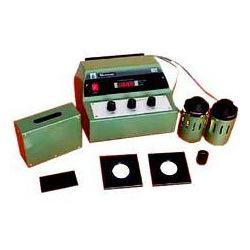
𝗪𝗵𝗮𝘁 𝗮𝗿𝗲 𝗘𝗺𝗯𝗲𝗱𝗱𝗲𝗱 𝗖𝗼𝗻𝘁𝗿𝗼𝗹 𝗦𝘆𝘀𝘁𝗲𝗺𝘀?
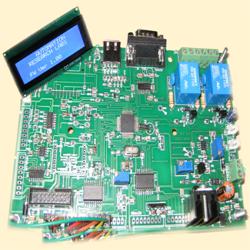
Embedded control systems are specialized computing devices designed to perform dedicated functions within larger systems. These systems integrate hardware and software components to control a variety of processes. They are typically optimized for specific tasks, which allows them to operate efficiently with limited resources. Unlike general-purpose computers, embedded control systems are engineered for real-time performance and reliability in various applications.
These systems find extensive use in multiple sectors, including manufacturing, automotive, telecommunications, and healthcare. They are essential in applications such as automation, robotics, and monitoring systems. Businesses leverage embedded control systems to enhance operational efficiency, reduce costs, and ensure precision in their processes. As industries increasingly adopt automation and smart technologies, the market for embedded control systems continues to grow, driven by advancements in technology and the demand for more efficient solutions.
𝗞𝗲𝘆 𝗙𝗲𝗮𝘁𝘂𝗿𝗲𝘀 𝗮𝗻𝗱 𝗦𝗽𝗲𝗰𝗶𝗳𝗶𝗰𝗮𝘁𝗶𝗼𝗻𝘀
Embedded control systems are characterized by their specific features and technical specifications. Understanding these attributes is crucial for businesses looking to implement such systems effectively.
Key specifications include:
1. Processing Power
- Typically ranges from low to high performance, depending on application needs
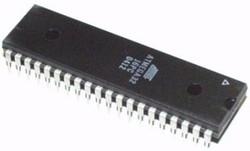
- May include microcontrollers, microprocessors, or digital signal processors
2. Memory Capacity
- Varies according to system requirements
- Includes both volatile (RAM) and non-volatile (Flash, EEPROM) memory types
3. Input/Output Interfaces
- Supports various communication protocols such as UART, SPI, I2C
- Enables interaction with sensors, actuators, and other systems
4. Power Consumption
- Designed for low power usage to enhance energy efficiency
- Power consumption levels vary with operational demands
5. Operating Temperature Range
- Specific ranges depend on industry standards and applications
- Ensures reliability in extreme environments
6. Size and Form Factor
- Compact designs are common to fit into limited spaces
- Custom form factors can be developed based on client needs
7. Compliance Standards
- Adheres to relevant safety and performance standards
- Certifications may include CE marking for European markets
8. Security Features
- Incorporates measures to protect against unauthorized access
- May include encryption and secure boot mechanisms
In summary, the features and specifications of embedded control systems are tailored to meet the specific needs of various applications and industries.
𝗖𝗼𝗺𝗺𝗼𝗻 𝗔𝗽𝗽𝗹𝗶𝗰𝗮𝘁𝗶𝗼𝗻𝘀 𝗮𝗻𝗱 𝗨𝘀𝗲 𝗖𝗮𝘀𝗲𝘀
Embedded control systems are versatile and find applications across numerous industries.
1. Manufacturing: These systems automate production lines, monitor equipment performance, and manage quality control processes to improve efficiency.
2. Automotive: Embedded control systems are crucial for vehicle control, including engine management, safety features, and infotainment systems.
3. Telecommunications: They facilitate data transmission and processing in network devices, enhancing communication reliability and speed.
4. Healthcare: Used in medical devices for patient monitoring, diagnostics, and data management, ensuring timely and accurate healthcare delivery.
5. Consumer Electronics: Embedded control systems power devices like smart appliances, wearable technology, and home automation systems, providing user convenience.
6. Aerospace: These systems control avionics, navigation, and flight management systems, ensuring safety and efficiency in air travel.
7. Agriculture: Embedded systems monitor environmental conditions and automate farming equipment, optimizing crop yields and resource usage.
𝗣𝗿𝗼𝗱𝘂𝗰𝘁 𝗩𝗮𝗿𝗶𝗮𝗻𝘁𝘀 𝗮𝗻𝗱 𝗦𝘂𝗯𝗰𝗮𝘁𝗲𝗴𝗼𝗿𝗶𝗲𝘀
Embedded control systems come in various forms to cater to different requirements. Each variant is designed with specific features and applications.
Microcontroller-Based Systems: These systems are ideal for low-power applications and are commonly used in consumer electronics and home appliances. They offer a balance of performance and energy efficiency.
Real-Time Operating Systems (RTOS): Used in applications requiring immediate response, such as automotive and industrial automation, RTOS ensures timely execution of tasks.
System-on-Chip (SoC) Solutions: These integrate all necessary components on a single chip, facilitating compact designs for mobile devices and IoT applications.
𝗕𝗲𝗻𝗲𝗳𝗶𝘁𝘀 𝗮𝗻𝗱 𝗔𝗱𝘃𝗮𝗻𝘁𝗮𝗴𝗲𝘀
Embedded control systems offer numerous benefits for businesses looking to streamline operations and enhance product functionality.
1. Enhanced Efficiency: These systems automate processes, reducing manual intervention and increasing productivity.
2. Cost Savings: By optimizing resource use and minimizing waste, embedded control systems contribute to significant cost reductions.
3. Increased Reliability: Designed for specific tasks, these systems ensure consistent performance and reduce the risk of failure.
4. Scalability: Businesses can easily scale their operations by integrating additional embedded systems as needed.
5. Flexibility: Embedded control systems can be customized to meet the unique needs of different applications and industries.
6. Improved Data Management: They facilitate real-time data collection and analysis, enabling better decision-making processes.
𝗕𝘂𝘆𝗶𝗻𝗴 𝗚𝘂𝗶𝗱𝗲 𝗳𝗼𝗿 𝗕𝟮𝗕 𝗕𝘂𝘆𝗲𝗿𝘀
When sourcing embedded control systems, businesses should consider several important factors to ensure they make informed decisions.
1. Quality Assessment: Evaluate the quality of the embedded systems based on industry standards and customer reviews. Look for products that have undergone rigorous testing and meet reliability benchmarks.
2. Supplier Verification: Vet suppliers by checking their credentials, production capabilities, and previous client feedback. A reliable supplier will provide transparency and support throughout the purchasing process.
3. Pricing and MOQ: Understand the pricing structures and minimum order quantities. Negotiate terms that align with your budget while ensuring you do not compromise on quality.
4. Delivery and Lead Times: Consider the logistics involved in delivery. Timely delivery is crucial for maintaining production schedules, so clarify lead times during negotiations.
5. Compliance Requirements: Ensure that the embedded control systems meet all relevant regulatory and safety standards. This includes checking for necessary certifications such as CE marking.
𝗖𝗼𝗺𝗽𝗹𝗶𝗮𝗻𝗰𝗲 𝗮𝗻𝗱 𝗖𝗲𝗿𝘁𝗶𝗳𝗶𝗰𝗮𝘁𝗶𝗼𝗻𝘀
Embedded control systems must comply with various industry standards to ensure safety and reliability. Key quality standards include ISO 9001, which provides guidelines for quality management systems and processes.
Safety certifications, like CE marking, indicate that the product meets European health, safety, and environmental protection standards. These certifications are crucial for gaining market acceptance and ensuring user trust.
In addition to these standards, embedded control systems may also be subject to safety and testing requirements depending on their applications. Businesses must stay informed about regional compliance considerations, especially when operating in diverse markets.
𝗪𝗵𝘆 𝗦𝗼𝘂𝗿𝗰𝗲 𝗘𝗺𝗯𝗲𝗱𝗱𝗲𝗱 𝗖𝗼𝗻𝘁𝗿𝗼𝗹 𝗦𝘆𝘀𝘁𝗲𝗺𝘀 𝗳𝗿𝗼𝗺 𝗣𝗲𝗽𝗮𝗴𝗼𝗿𝗮?
Pepagora offers a trusted platform for sourcing embedded control systems, providing several key advantages for B2B buyers.
Verified Supplier Network: Pepagora features a robust network of verified suppliers, ensuring that businesses can find high-quality products from reputable manufacturers. This verification process helps mitigate risks associated with sourcing.
Streamlined RFQ Process: The platform simplifies the request for quotation (RFQ) process, allowing buyers to easily compare offers from multiple suppliers. This efficiency saves time and helps secure the best deals.
Trade Assurance and Support: Pepagora provides trade assurance, protecting buyers against potential disputes. Dedicated support ensures that any issues are addressed promptly, fostering a smooth purchasing experience.
Regional Coverage: With a strong presence in India, the GCC, and Southeast Asia, Pepagora connects buyers with suppliers across these regions, facilitating access to a wide range of embedded control systems tailored to local market needs.

 IN
IN
 India
India