IN
IN₹
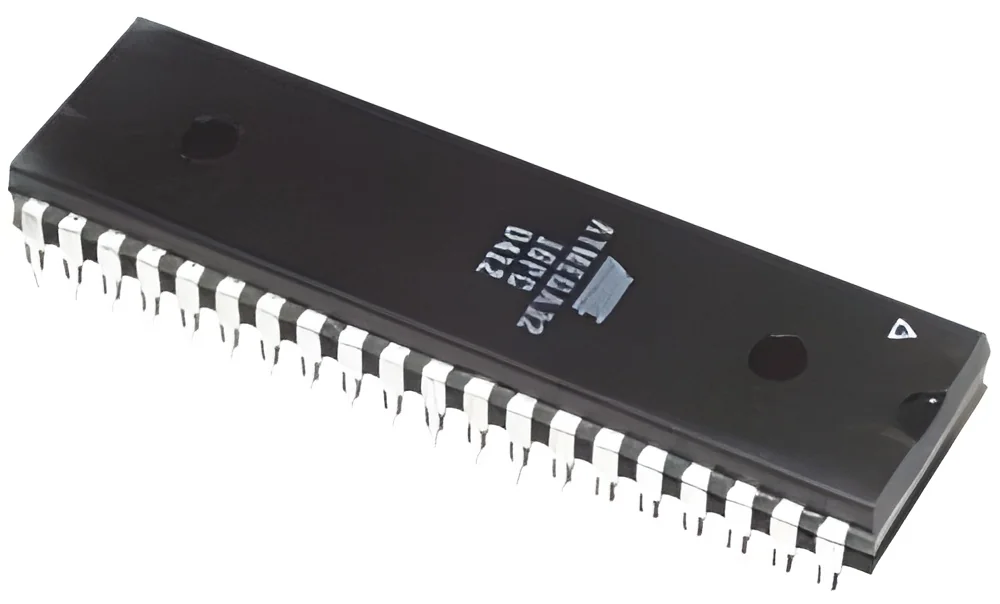
Description
High-performance microcontrollers are the essential computing engines for modern embedded systems, designed specifically for automation and control tasks. These compact integrated circuits combine a processor core with memory and programmable input/output peripherals on a single chip, creating self-contained systems optimized for reliability, real-time performance, and power efficiency. Unlike general-purpose processors, they are engineered to monitor, control, and respond to external sensors and devices with precision, making them indispensable for creating intelligent, connected products. Their architecture, ranging from efficient 8-bit to powerful 32-bit cores, supports everything from basic operational logic to complex algorithms and advanced communication protocols, offering a scalable foundation for innovation. These microcontrollers are deployed across critical industries due to their adaptability and proven reliability. In automotive applications, they manage everything from en...
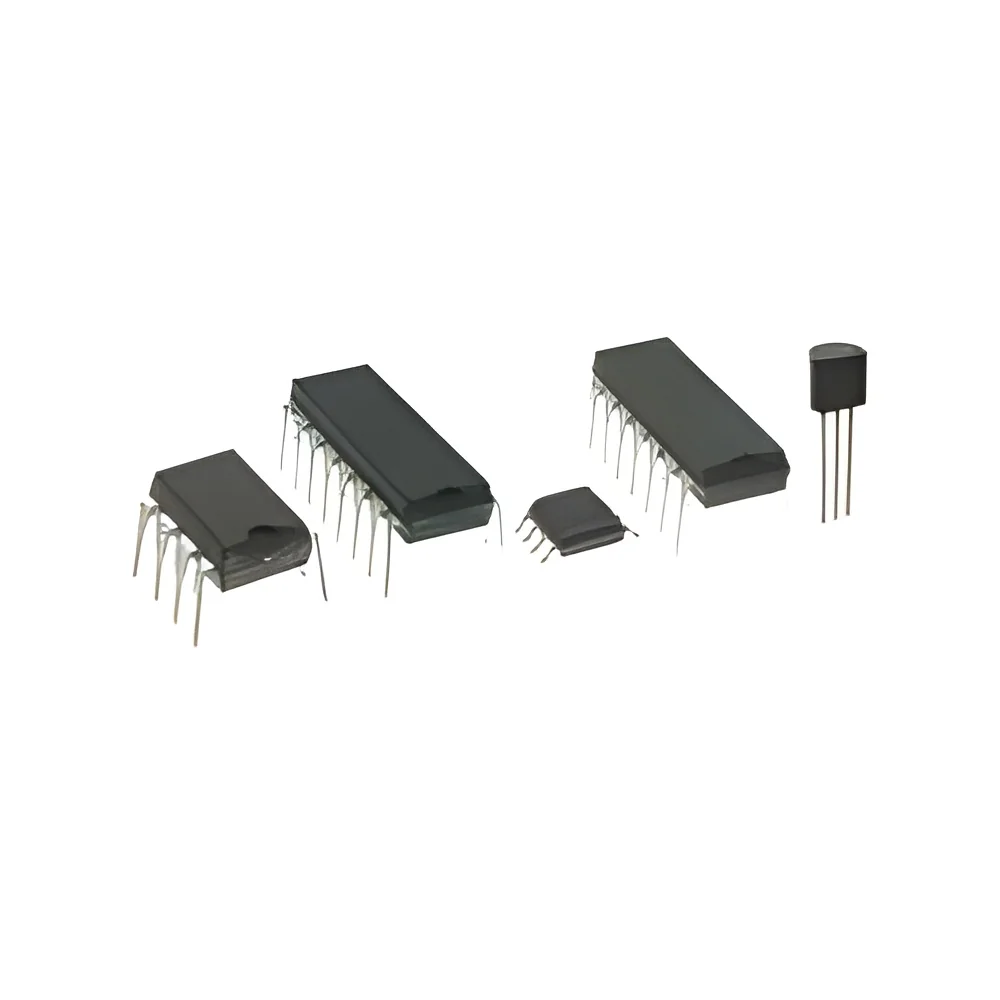
High-performance microcontrollers are the essential computing engines for modern embedded systems, designed specifically for automation and control tasks. These compact integrated circuits combine a processor core with memory and programmable input/output peripherals on a single chip, creating self-contained systems optimized for reliability, real-time performance, and power efficiency. Unlike general-purpose processors, they are engineered to monitor, control, and respond to external sensors and devices with precision, making them indispensable for creating intelligent, connected products. Their architecture, ranging from efficient 8-bit to powerful 32-bit cores, supports everything from basic operational logic to complex algorithms and advanced communication protocols, offering a scalable foundation for innovation.

These microcontrollers are deployed across critical industries due to their adaptability and proven reliability. In automotive applications, they manage everything from engine efficiency and emissions control to advanced driver-assistance systems (ADAS). The industrial sector relies on them for robotics, factory automation, and harsh-environment process control where operational uptime is paramount. Consumer electronics manufacturers integrate them into smart appliances and personal devices for enhanced user interfaces and functionality. Furthermore, they are fundamental to the Internet of Things (IoT), enabling connectivity and data processing in smart infrastructure, agriculture, and healthcare devices, demonstrating their universal role in technological advancement.

The business value of implementing these microcontrollers centers on delivering reliable, efficient, and customizable solutions that drive product differentiation and operational excellence. Their inherent reliability reduces system failure rates, minimizes warranty costs, and protects brand reputation by ensuring consistent end-product performance. The flexibility offered through programmable features and interfaces allows for rapid adaptation to specific market needs without costly hardware redesigns, significantly accelerating development cycles. Energy-efficient designs lower operational costs and aid in meeting environmental regulations. Together, these attributes provide manufacturers with a competitive edge through superior product quality, reduced total cost of ownership, and faster responsiveness to evolving market demands.

Key Features:
- High-performance processor cores with integrated flash memory, RAM, and versatile peripheral interfaces.
- Advanced low-power operating modes optimized for battery-operated and energy-conscious applications.
- Extensive programmability with configurable I/O ports, timers, and communication modules (UART, SPI, I2C).
- Robust industrial-grade construction rated for extended temperature ranges and high reliability.
- Comprehensive ecosystem support including development tools, software libraries, and hardware evaluation kits.

Benefits:
- Enables the creation of reliable, intelligent automation with precise real-time control capabilities.
- Reduces overall system power consumption, extending battery life and lowering operational energy costs.
- Offers design flexibility to tailor functionality for specific applications, speeding up product development.
- Ensures durable operation in demanding environments, minimizing downtime and maintenance needs.
- Simplifies the design process with accessible development tools, reducing time-to-market for new products.
Specifications
| Additional Information | |
|---|---|
| Country of Origin | India |
| Customisable | No |
Application
High-performance microcontrollers act as the intelligent core in modern automation, enabling precise control, real-time processing, and connectivity in embedded systems. They combine processors, memory, and peripherals on a single chip, making them ideal for space-constrained applications that demand reliability and consistent performance across diverse operating environments, from simple devices to complex machinery.
Their versatility supports both low-volume custom projects and high-volume mass production, handling tasks from basic user interfaces to sophisticated sensor data processing and network communications. This scalability ensures they meet the rigorous demands of various industries where embedded intelligence, automation, and dependable operation are non-negotiable for product success and system integrity.
- Automotive control systems for engine management, safety features like ABS, and in-vehicle infotainment.
- Industrial automation equipment including programmable logic controllers (PLCs), motor drives, and process monitoring devices.
- Consumer electronics such as smart home appliances, digital interfaces, and wearable technology.
- IoT and connected devices for smart sensors, gateways, and network-enabled control units.
- Medical devices including portable diagnostic equipment, patient monitors, and infusion pumps.
Trade Details
| Available Stock | In Stock |
| Sample Availability | No |
Payment Terms
| Payment Terms |
|
Company Profile
Cirkit Electro Components Private Limited, Maharashtra
 Maharashtra, India
Maharashtra, IndiaDistributor / Wholesaler
Factory Details
Factory SizeBelow 1000 sqm
Annual Production Capacity0
High Performance Microcontrollers For Embedded Systems Automation
High-performance microcontrollers for embedded systems automation deliver reliable control, energy efficiency, and customization for automotive, industrial, consumer electronics, and IoT devices. Trusted by OEMs worldwide.
Min. Order Quantity: 1 unit
Shipping
Shipping fee and delivery date to be negotiated. Contact supplier now for more details.
Cirkit Electro Components Private Limited
 Maharashtra, India
Maharashtra, IndiaDistributor / Wholesaler