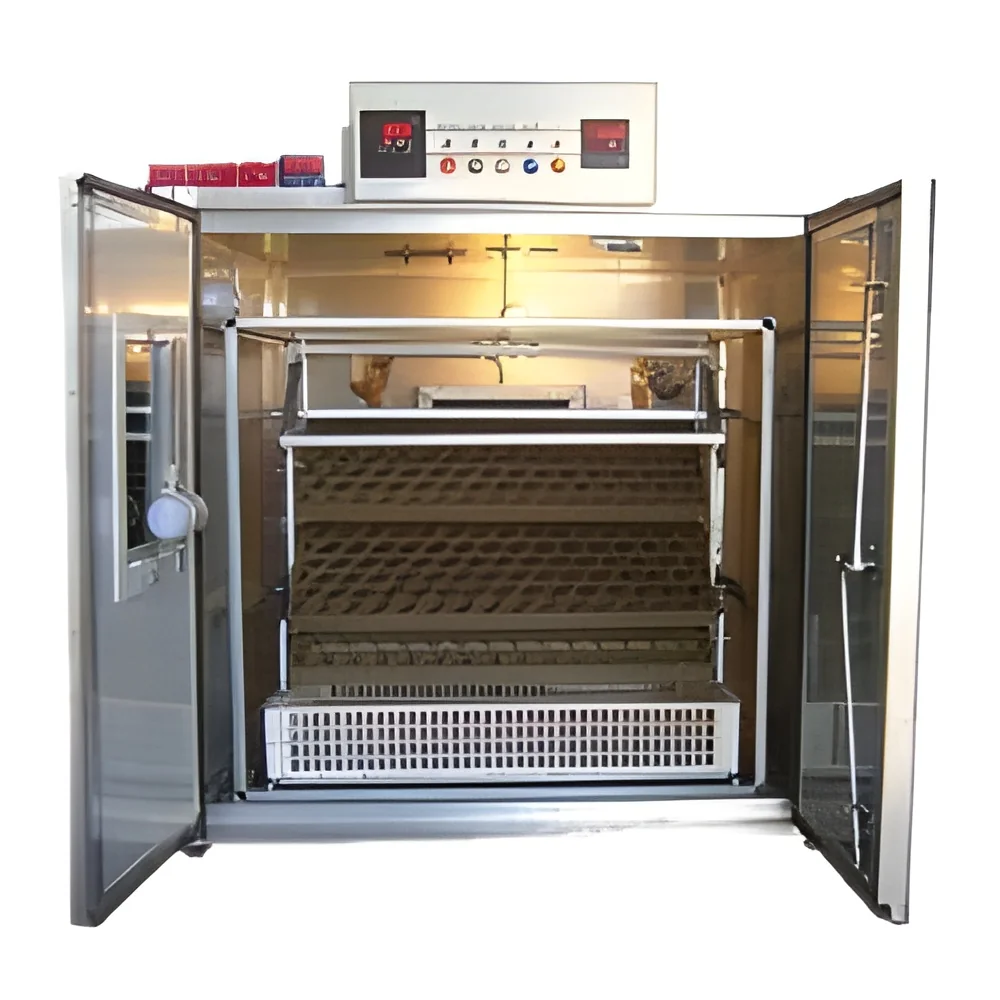
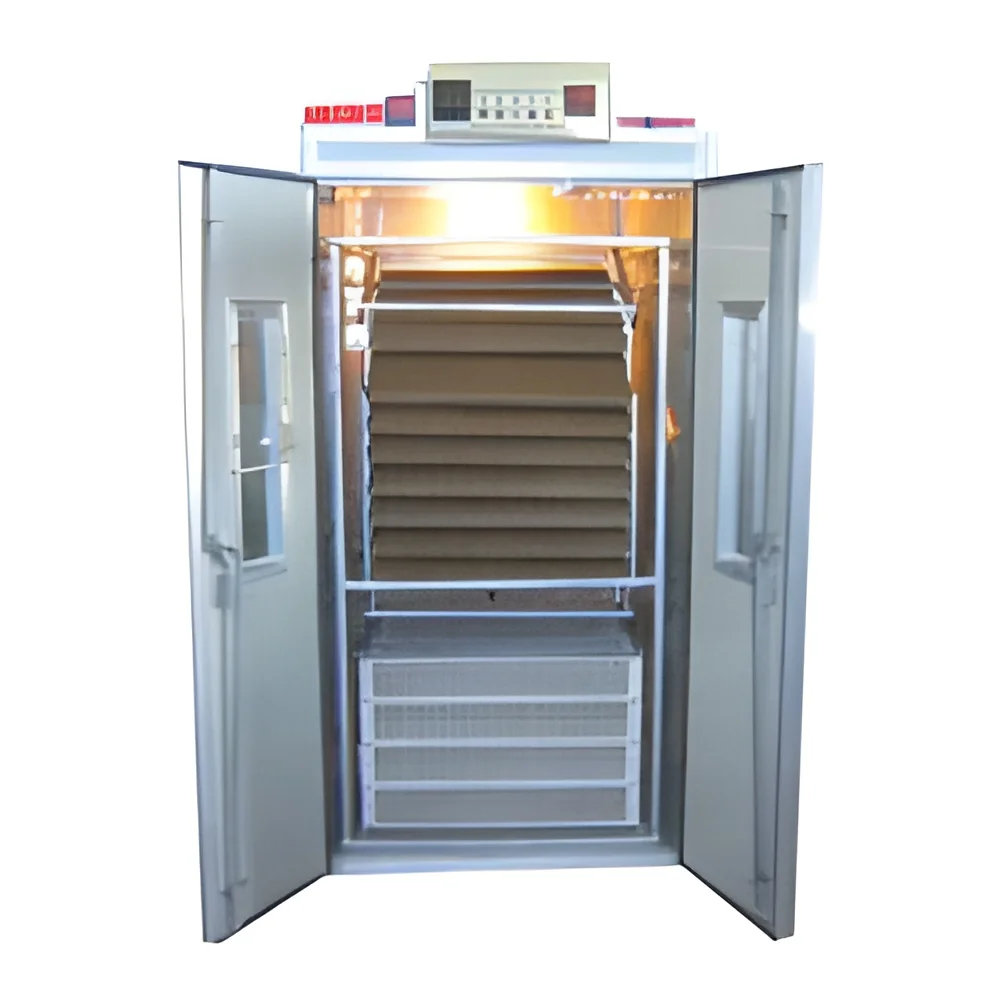
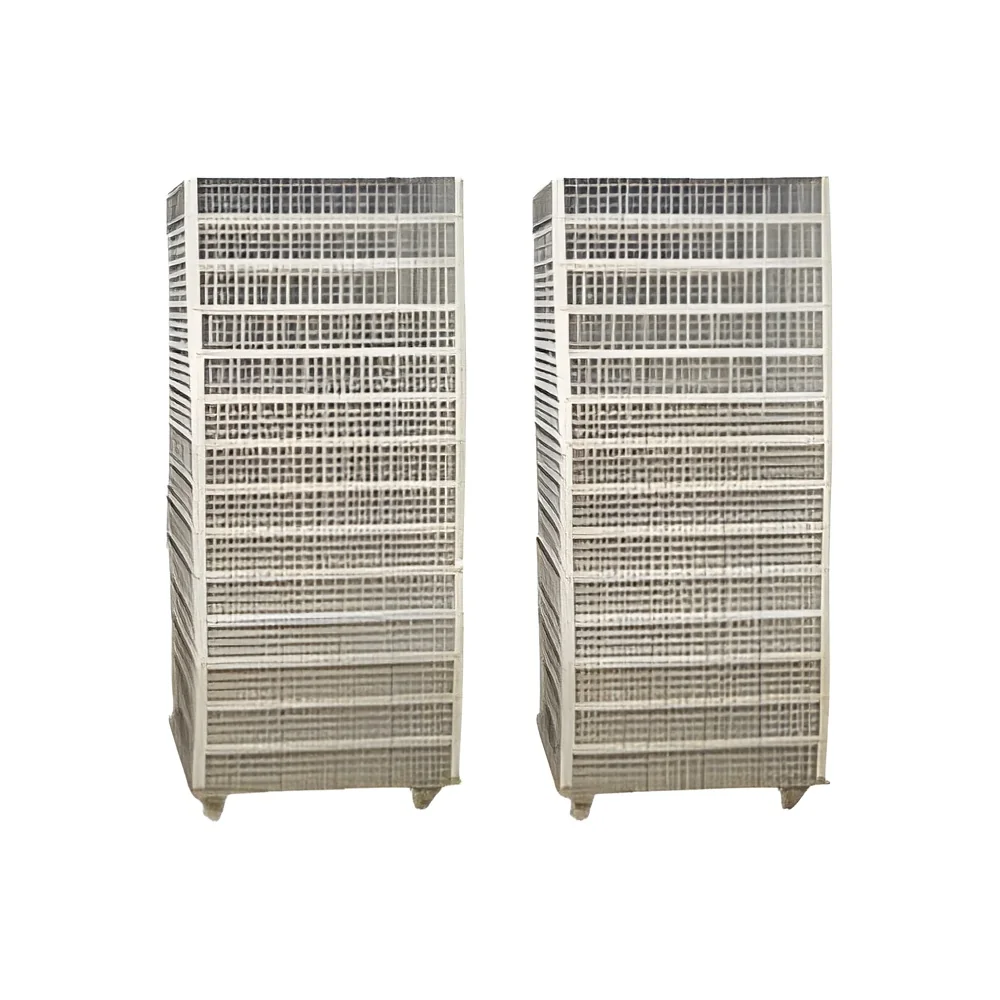
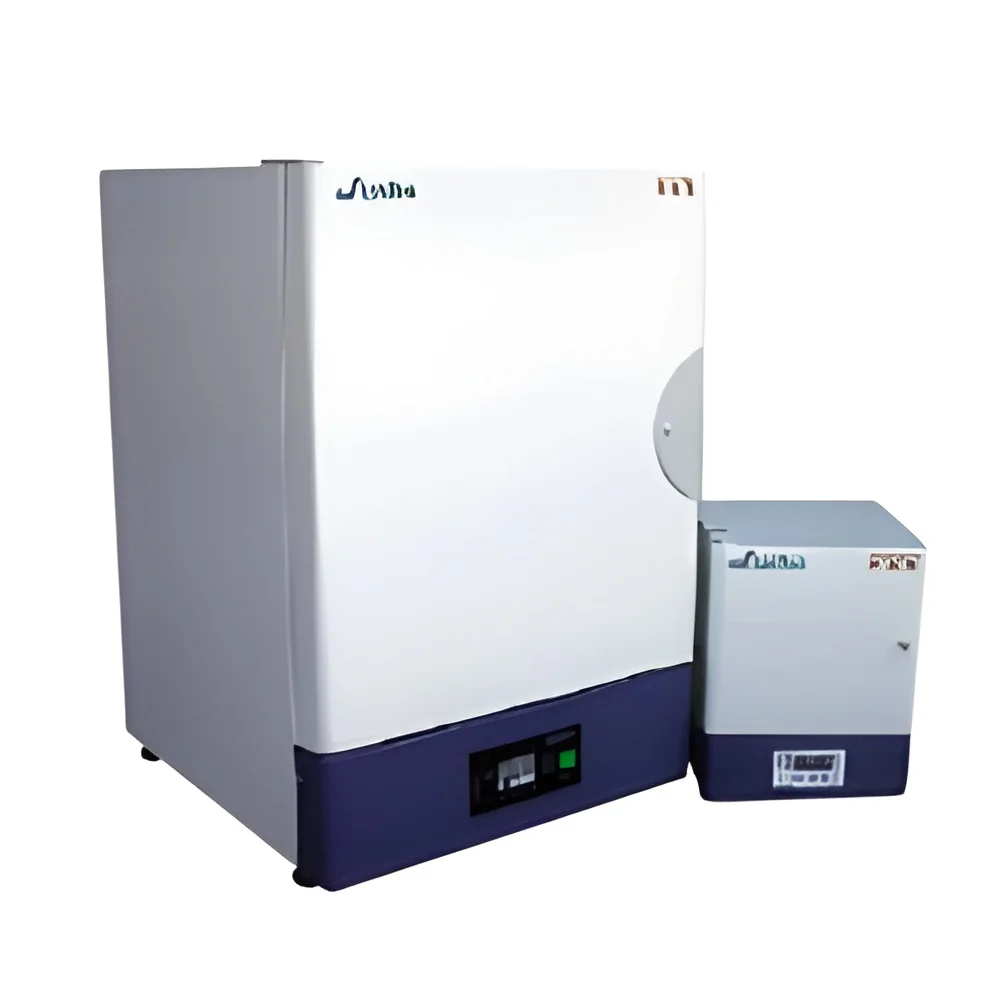
What are Egg Incubators & Hatchers?
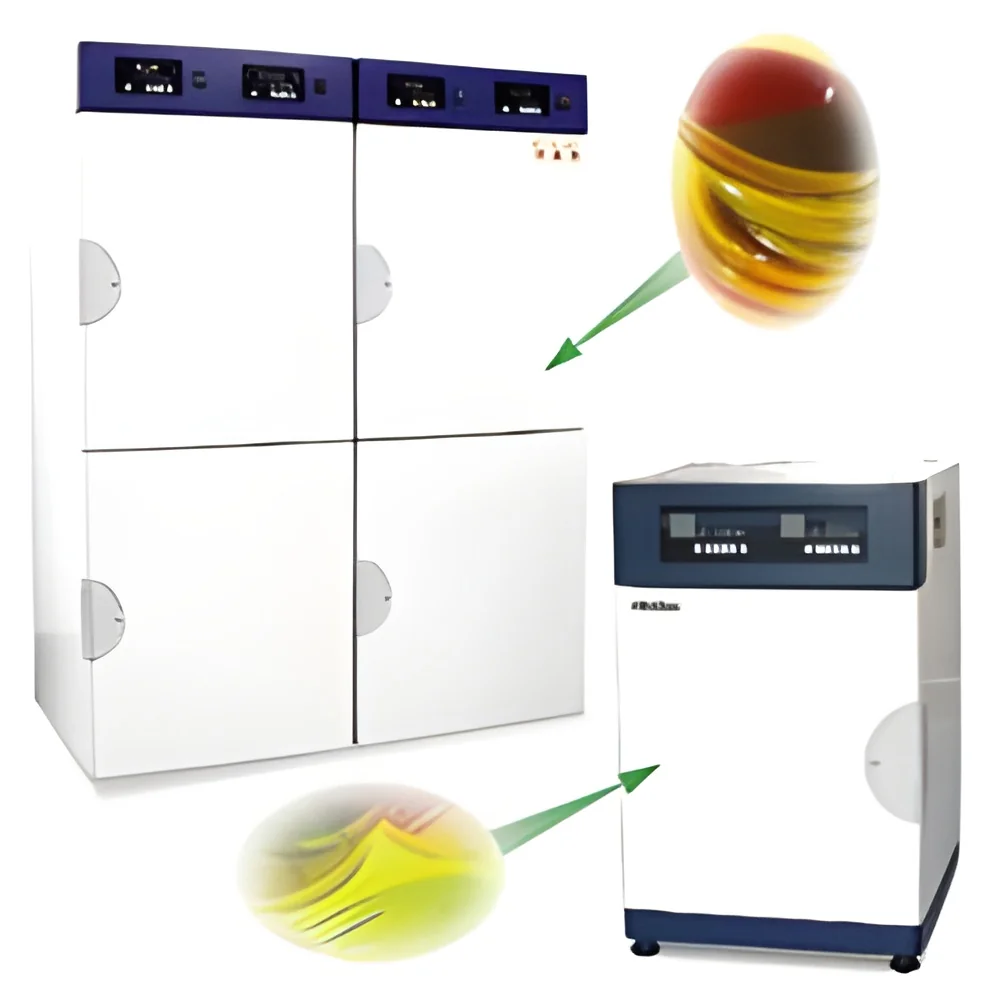
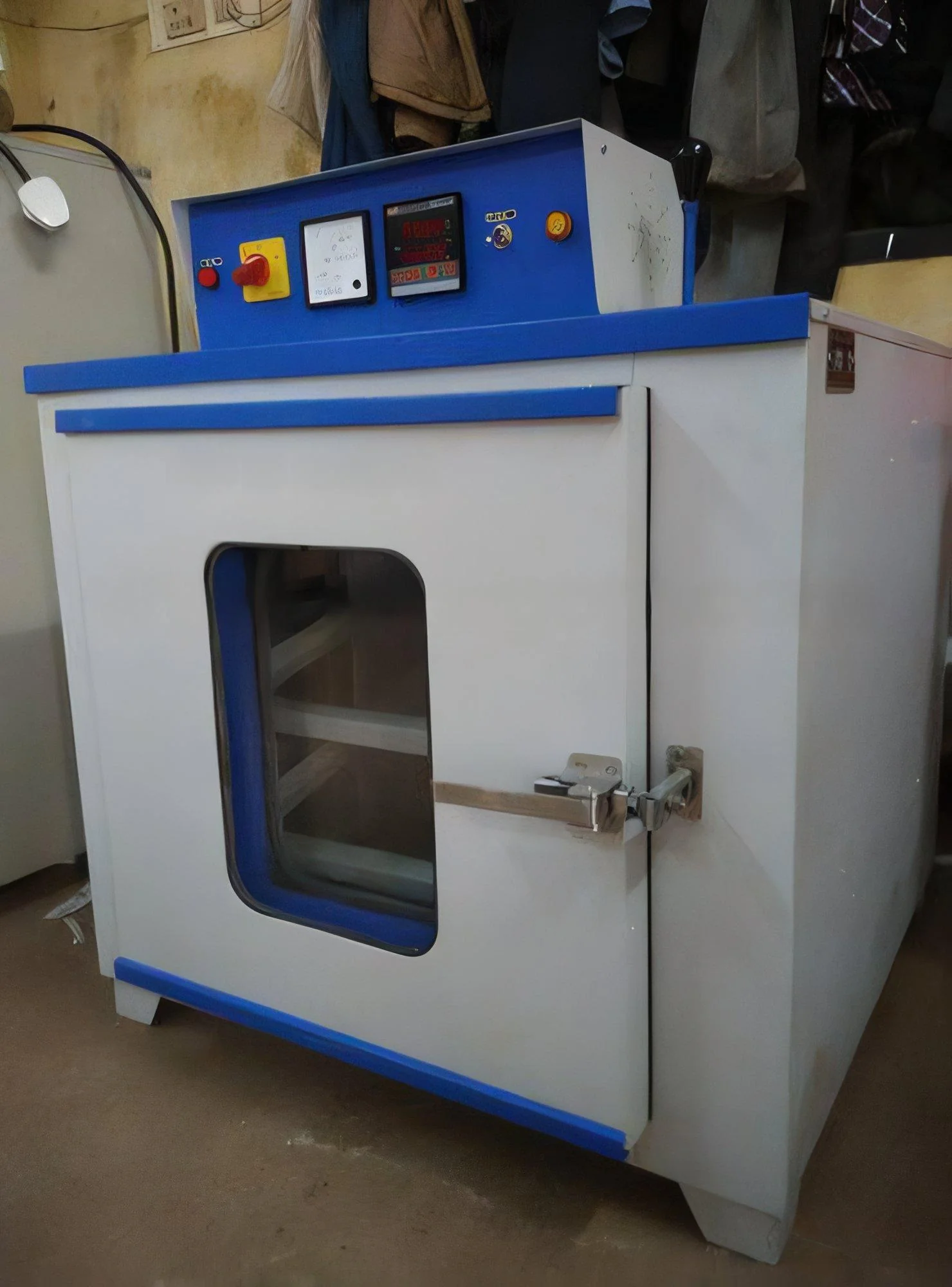
Egg incubators and hatchers are specialized devices designed to create the optimal environment for the incubation and hatching of eggs. They regulate essential conditions such as temperature, humidity, and ventilation, closely mimicking the natural conditions provided by a mother hen. Incubators are typically used for the incubation phase, while hatchers are used during the final stages of the hatching process, allowing eggs to develop and eventually hatch into chicks.
These devices are primarily utilized in the poultry industry, though they also serve various other sectors including agriculture and aquaculture. Businesses involved in commercial poultry farming, educational institutions, and research facilities utilize egg incubators and hatchers to ensure high hatch rates and healthy chicks. The growing demand for poultry products has led to an increased adoption of these technologies, making them a vital component in modern agricultural practices.
The relevance of egg incubators and hatchers in today's market cannot be overstated. As poultry farming becomes more industrialized, the need for efficient and reliable incubation methods grows. The advancements in technology have led to the development of more sophisticated models with enhanced features, ensuring better control over the incubation environment. As such, businesses seeking to optimize their production processes find these devices indispensable.
Key Features and Specifications
Egg incubators and hatchers come equipped with a variety of features to ensure successful incubation and hatching. These specifications are critical for potential buyers to consider when making a purchase.
Key specifications include:
1. Temperature Control
- Allows precise regulation of temperature to ensure optimal conditions for egg development
- Typically ranges from 35 to 40 degrees Celsius
2. Humidity Control
- Maintains humidity levels crucial for egg development and hatching
- Usually between 30% to 70% relative humidity
3. Ventilation System
- Ensures proper airflow to prevent carbon dioxide buildup and provide sufficient oxygen
- Includes adjustable vents for customization
4. Capacity
- Refers to the number of eggs that can be incubated at one time
- Ranges from small units for individual use to large commercial models accommodating thousands of eggs
5. Monitoring Features
- Digital displays and alarms for temperature and humidity levels
- Often includes automated data logging for tracking incubation progress
6. Construction Material
- Typically made from durable, insulated materials to ensure energy efficiency
- Design considerations for easy cleaning and maintenance
7. Power Supply
- Standard models may operate on electricity, while some offer alternative power options
- Backup systems available for emergency situations
8. Certification
- Many models are CE certified, ensuring compliance with EU safety and quality standards
In summary, understanding these key features and specifications helps buyers select the right egg incubator or hatcher tailored to their specific needs and operational requirements.
Common Applications and Use Cases
Egg incubators and hatchers serve a wide range of industries beyond poultry farming.
1. Poultry Farming: These devices are essential for commercial egg production, enabling farmers to hatch large quantities of chicks efficiently.
2. Educational Institutions: Schools and universities utilize incubators for educational purposes, teaching students about biology, animal husbandry, and agricultural practices.
3. Research Facilities: Scientists and researchers use incubators to study avian biology and genetics, providing controlled environments for experimental work.
4. Aquaculture: Some hatchers are used for fish eggs, supporting the aquaculture industry in breeding healthy stock.
5. Exotic Bird Breeders: Breeders of exotic and endangered bird species rely on incubators to increase hatch rates and support conservation efforts.
6. Small-Scale Farmers: Individuals interested in backyard poultry production use incubators to manage hatching processes at a smaller scale.
7. Hobbyists: Bird enthusiasts and hobby farmers utilize incubators for personal projects, enhancing their understanding of animal development.
Product Variants and Subcategories
Egg incubators and hatchers are available in various models, catering to different needs and preferences.
Manual Egg Incubators: These units require manual adjustments for temperature and humidity, making them suitable for small-scale operations or hobbyists. They are often more affordable and straightforward.
Automatic Egg Incubators: These advanced models feature automated temperature and humidity controls, offering ease of use for larger operations. They are ideal for commercial poultry farms looking to maximize efficiency.
Forced Air Incubators: Equipped with fans to circulate air, these incubators ensure even temperature distribution, leading to better hatch rates. They are beneficial for larger volumes of eggs.
Still Air Incubators: These simpler models are designed for small batches and are usually less expensive. They are suitable for beginners and educational purposes.
Benefits and Advantages
Egg incubators and hatchers offer numerous advantages for businesses in various sectors.
Key benefits include:
1. Improved Hatch Rates: By providing controlled environments, these devices significantly enhance hatch rates compared to natural incubation methods.
2. Time Efficiency: Automated features reduce the time and labor required for monitoring and adjusting conditions.
3. Consistency: Egg incubators ensure uniform conditions throughout the incubation period, leading to predictable results.
4. Versatility: Suitable for various species, these devices can be adapted for poultry, fish, and even reptiles.
5. Educational Value: They serve as excellent tools for teaching about animal development and biology in academic settings.
6. Cost-Effective: Investing in an incubator can lead to long-term savings by reducing reliance on external hatching services.
Buying Guide for B2B Buyers
When sourcing egg incubators and hatchers, several factors should be considered to ensure the right choice.
1. Quality Assessment: Evaluate the build quality and reliability of the incubator. Look for reputable brands and models that have a track record of performance.
2. Supplier Verification: Research potential suppliers to ensure they have a history of providing quality products and reliable customer service. Check for certifications and industry reputation.
3. Pricing and MOQ: Understand the pricing structures and minimum order quantities (MOQ) to align with your budget and operational needs.
4. Delivery and Lead Times: Consider logistics and delivery times to ensure that the equipment arrives when needed, especially for time-sensitive operations.
5. Compliance Requirements: Verify that the products meet local regulations and standards to avoid potential legal issues or penalties.
Compliance and Certifications
Compliance with relevant quality standards is crucial for egg incubators and hatchers. Many manufacturers adhere to ISO 9001, which ensures consistent quality management systems. Additionally, certifications like CE signify compliance with European safety standards, giving buyers confidence in the product's reliability.
Safety and testing requirements are also critical, as incubators must operate without posing risks to users. Buyers should ensure that the devices have undergone rigorous testing to meet safety benchmarks.
Regional compliance considerations may vary, so it's essential to understand the specific regulations that apply in your area, particularly for businesses exporting products or operating in multiple regions.
Why Source Egg Incubators & Hatchers from Pepagora?
Pepagora provides a trusted platform for sourcing egg incubators and hatchers, offering several key advantages for B2B buyers.
Verified Supplier Network: Pepagora features a network of verified suppliers, ensuring that buyers can trust the quality and reliability of the products available on the platform.
Streamlined RFQ Process: The Request for Quotation (RFQ) system simplifies the procurement process, allowing buyers to easily compare options and receive competitive pricing from multiple suppliers.
Trade Assurance and Support: Pepagora offers trade assurance to protect buyers, ensuring they receive the products as described and supporting them throughout the purchasing process.
Regional Coverage: With a strong presence in key markets such as India, the GCC, and Southeast Asia, Pepagora connects buyers with suppliers that cater to their specific regional needs, enhancing the overall sourcing experience.

 IN
IN
 India
India