IN
IN₹
Description
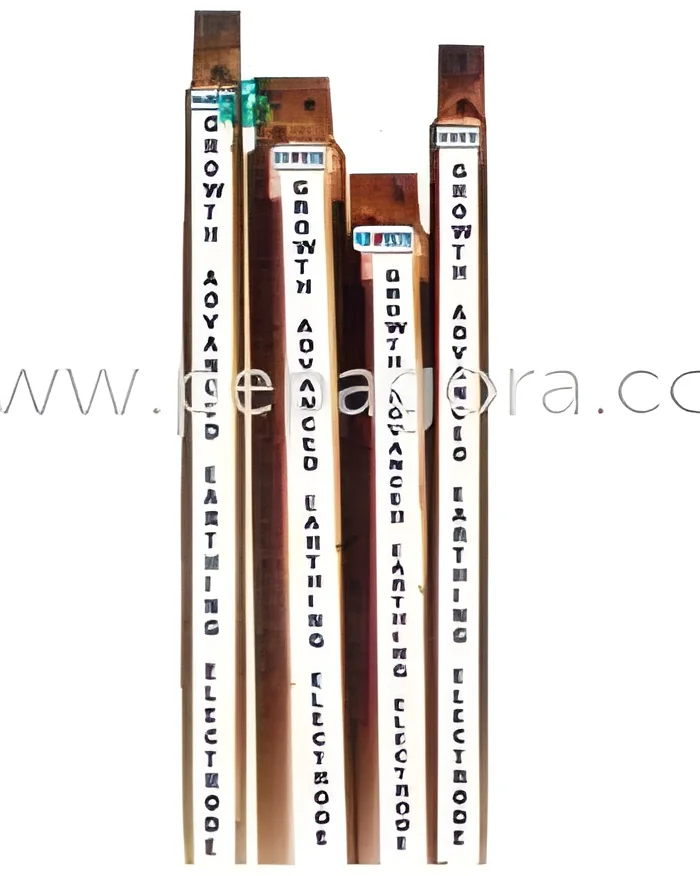
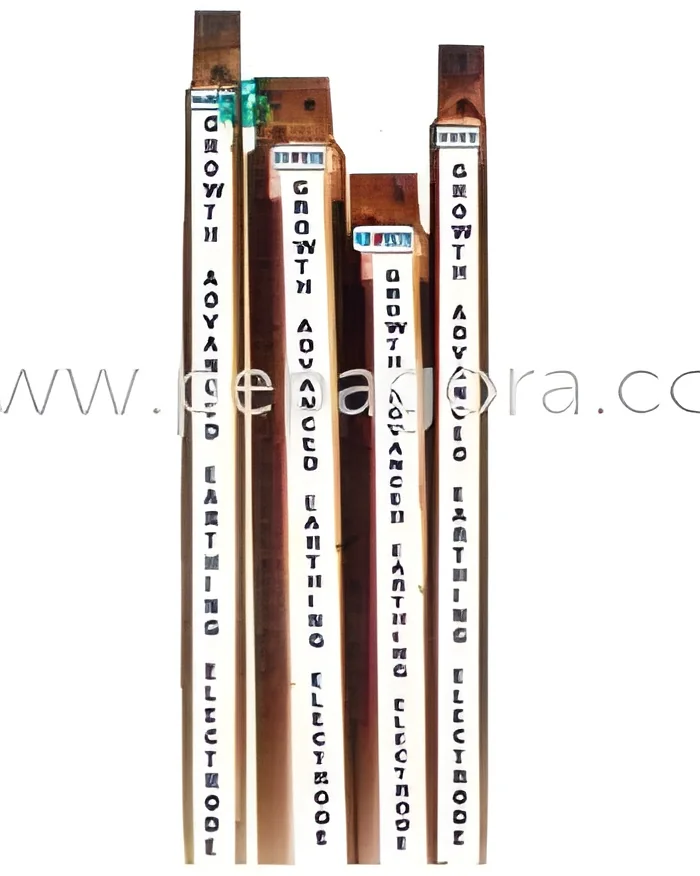
Industrial Commercial Earthing Electrodes are fundamental components for establishing a safe electrical grounding system in industrial and commercial settings. They are engineered to provide a reliable, low-impedance connection to the earth, effectively channeling fault currents, lightning strikes, and static electricity away from structures and equipment. Manufactured from premium, high-conductivity materials like copper or copper-bonded steel, these electrodes offer superior corrosion resistance, ensuring long-term performance and durability even in challenging soil conditions. This reliable dissipation of electrical energy is essential for preventing hazardous voltage build-up, protecting both human life and valuable electrical assets from the dangers of shocks, fires, and equipment failure.

These electrodes are indispensable across a wide spectrum of heavy industries and critical infrastructure. In the power generation and distribution sector, they are integral to the grounding gr...
Industrial Commercial Earthing Electrodes are fundamental components for establishing a safe electrical grounding system in industrial and commercial settings. They are engineered to provide a reliable, low-impedance connection to the earth, effectively channeling fault currents, lightning strikes, and static electricity away from structures and equipment. Manufactured from premium, high-conductivity materials like copper or copper-bonded steel, these electrodes offer superior corrosion resistance, ensuring long-term performance and durability even in challenging soil conditions. This reliable dissipation of electrical energy is essential for preventing hazardous voltage build-up, protecting both human life and valuable electrical assets from the dangers of shocks, fires, and equipment failure.

These electrodes are indispensable across a wide spectrum of heavy industries and critical infrastructure. In the power generation and distribution sector, they are integral to the grounding grids of substations and power plants, safeguarding transformers and switchgear. Manufacturing plants rely on them to ground heavy machinery, CNC equipment, and control panels, ensuring operational safety and continuity. The telecommunications industry installs them at the base of cell towers and data centers to mitigate lightning strike damage. Furthermore, they are crucial for lightning protection systems in commercial high-rises, hospitals, and industrial warehouses, as well as for grounding railway electrification systems and pipeline networks, forming a universal solution for electrical safety.

The investment in high-quality earthing electrodes delivers substantial business value by mitigating severe financial and operational risks. Their primary benefit is the drastic reduction in unplanned downtime caused by electrical faults or lightning-induced damage, which can halt production and incur significant revenue loss. By preventing equipment damage from power surges, they lower capital replacement costs and extend the lifecycle of sensitive machinery. Their durable, low-maintenance design reduces long-term upkeep expenses. Furthermore, their compliance with international safety standards (like IEC, IEEE, and NEC) not only fulfills legal and insurance requirements but also builds trust with stakeholders, demonstrating a commitment to safety and operational excellence. Ultimately, these reliable electrodes provide peace of mind, knowing that your facility's electrical foundation is secure, resilient, and built to last.

Key Features:
- Constructed from high-conductivity, corrosion-resistant materials for optimal performance and longevity.
- Engineered to provide a stable, low-resistance earth connection in various soil types and conditions.
- Robust mechanical design ensures durability and reliable installation in demanding industrial environments.
- Manufactured to comply with relevant international electrical safety and grounding standards.
- Premium build quality guarantees consistent and dependable electrical fault current dissipation.

Benefits:
- Maximizes safety for personnel by preventing electrical shocks and hazardous step potentials.
- Protects critical equipment and machinery from damage due to lightning strikes and power surges.
- Reduces operational downtime and associated costs by preventing electrical system failures.
- Lowers long-term maintenance and replacement expenses through durable, reliable construction.
- Ensures compliance with industry regulations, facilitating smoother inspections and insurance processes.
Specifications
| Additional Information | |
|---|---|
| Country of Origin | India |
Application
Industrial earthing electrodes establish a secure, low-resistance path for fault currents to safely dissipate into the earth. This critical function prevents electrical shocks, protects sensitive machinery from damaging surges, and ensures compliance with stringent safety standards across power plants, factories, and large-scale infrastructure projects, maintaining system integrity and personnel safety.
Engineered for demanding environments, these grounding solutions perform consistently in diverse soil conditions, from corrosive to high-moisture settings. They form the backbone of protection for electrical substations, manufacturing equipment, and communication towers, effectively guarding against lightning strikes and electrical faults to minimize operational downtime and prevent costly damage to valuable assets.
- Grounding systems for electrical substations and power distribution networks.
- Lightning protection installations for commercial buildings and industrial plants.
- Equipment grounding within manufacturing facilities and production lines.
- Foundation grounding for telecommunications towers and data centers.
- Safety grounding for railway signaling systems and transportation infrastructure.
Trade Details
| Available Stock | In Stock |
| Sample Availability | No |
Payment Terms
| Payment Terms |
|
Company Profile
Growth Associates, Uttar Pradesh
 Uttar Pradesh, India
Uttar Pradesh, IndiaRaw Materials & Chemicals•Manufacturer•Trading Company•Distributor / Wholesaler
Factory Details
Factory SizeBelow 1000 sqm
Annual Production Capacity0
Industrial Commercial Earthing Electrodes For Electrical Safety Grounding
Industrial Commercial Earthing Electrodes provide reliable electrical safety grounding for lightning protection and equipment safety in industrial facilities, trusted for durable performance with premium materials.
Min. Order Quantity: 1 unit
Shipping
Shipping fee and delivery date to be negotiated. Contact supplier now for more details.
Growth Associates
 Uttar Pradesh, India
Uttar Pradesh, IndiaRaw Materials & ChemicalsManufacturer