IN
IN₹
Apparel & Fashion
Description
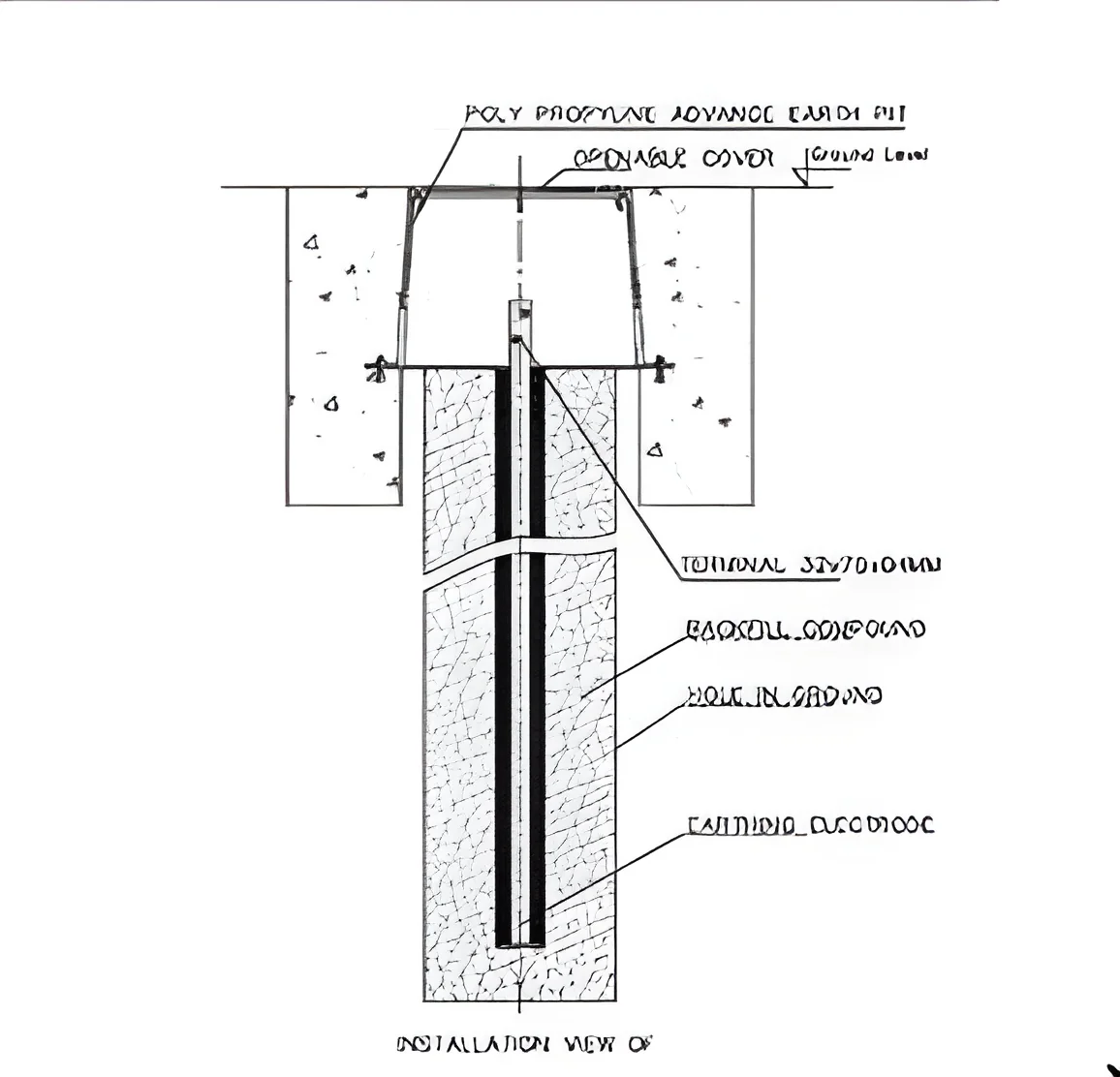
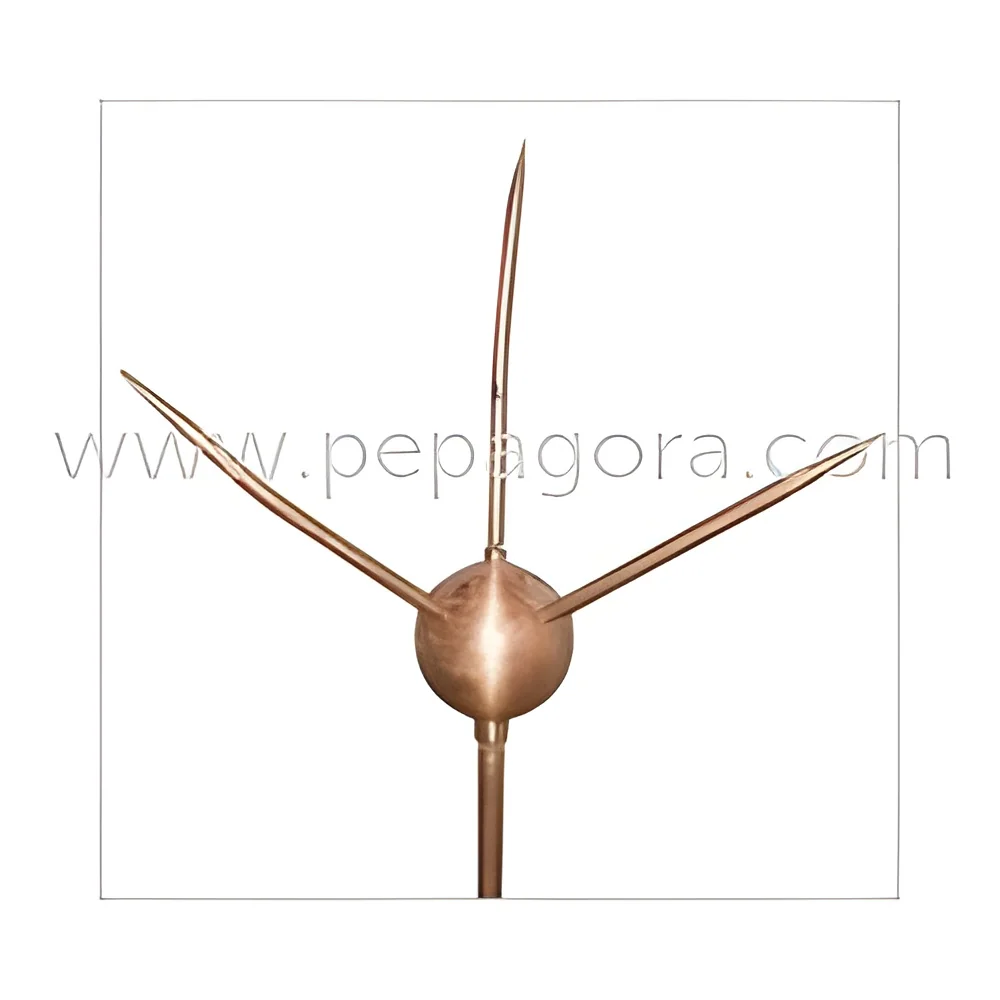
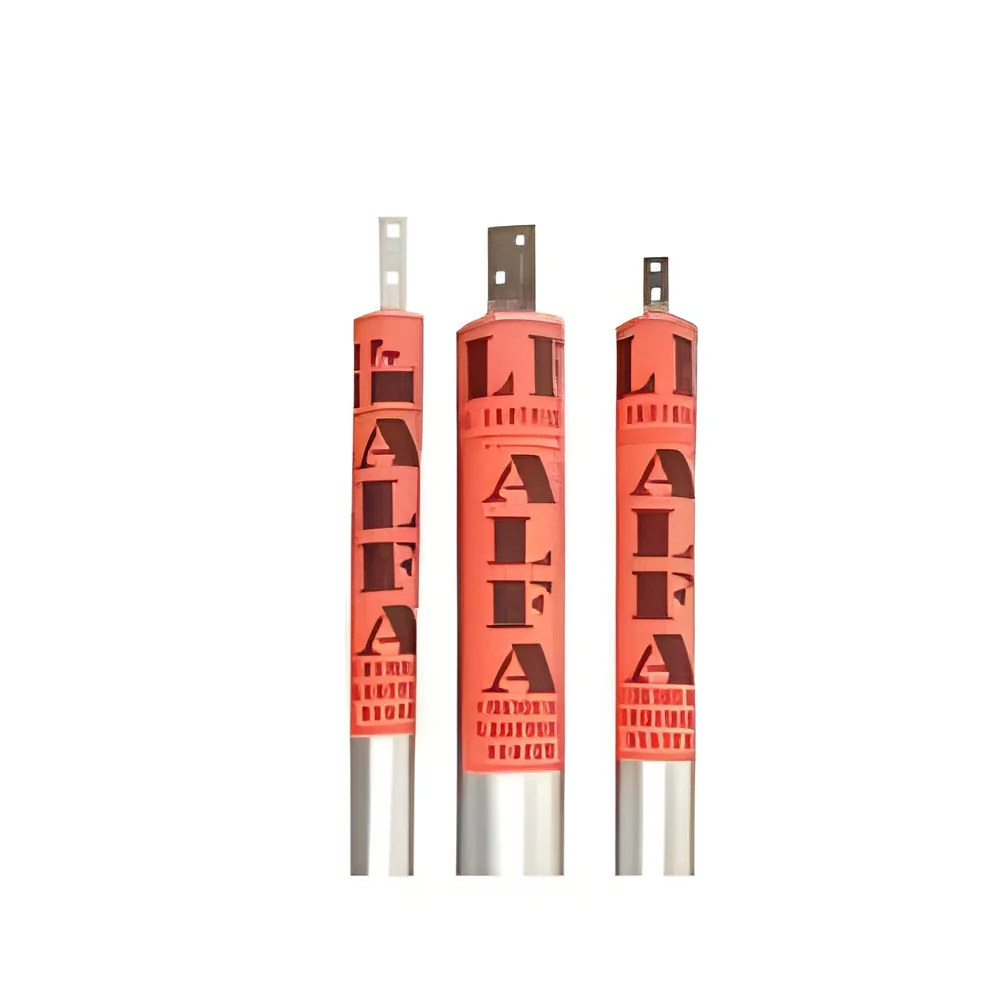
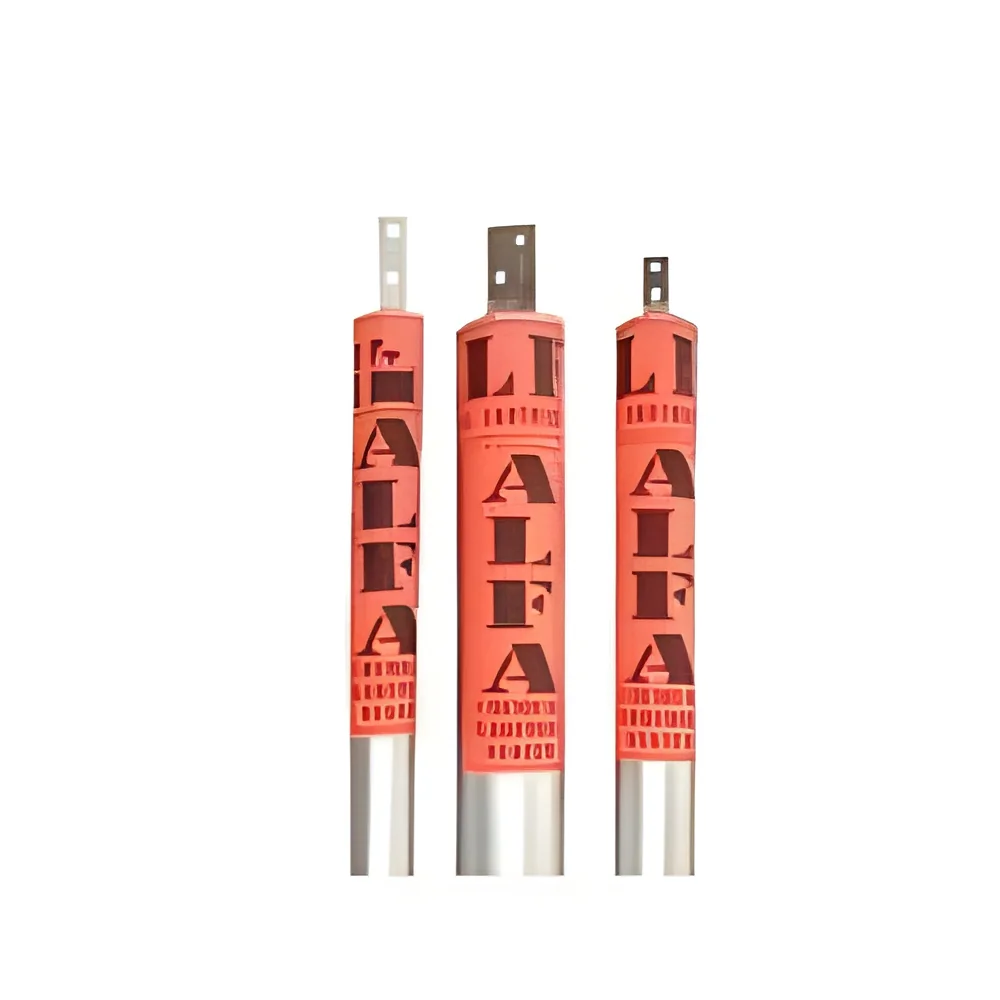
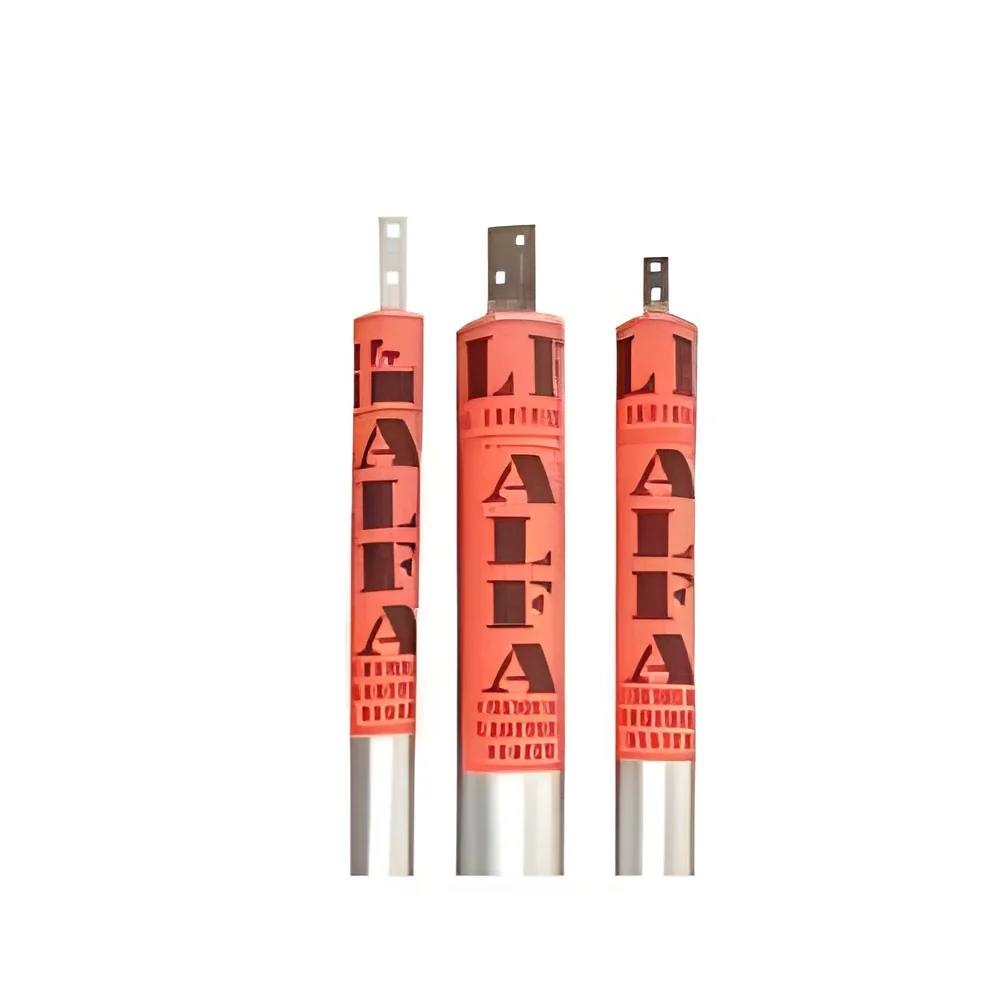
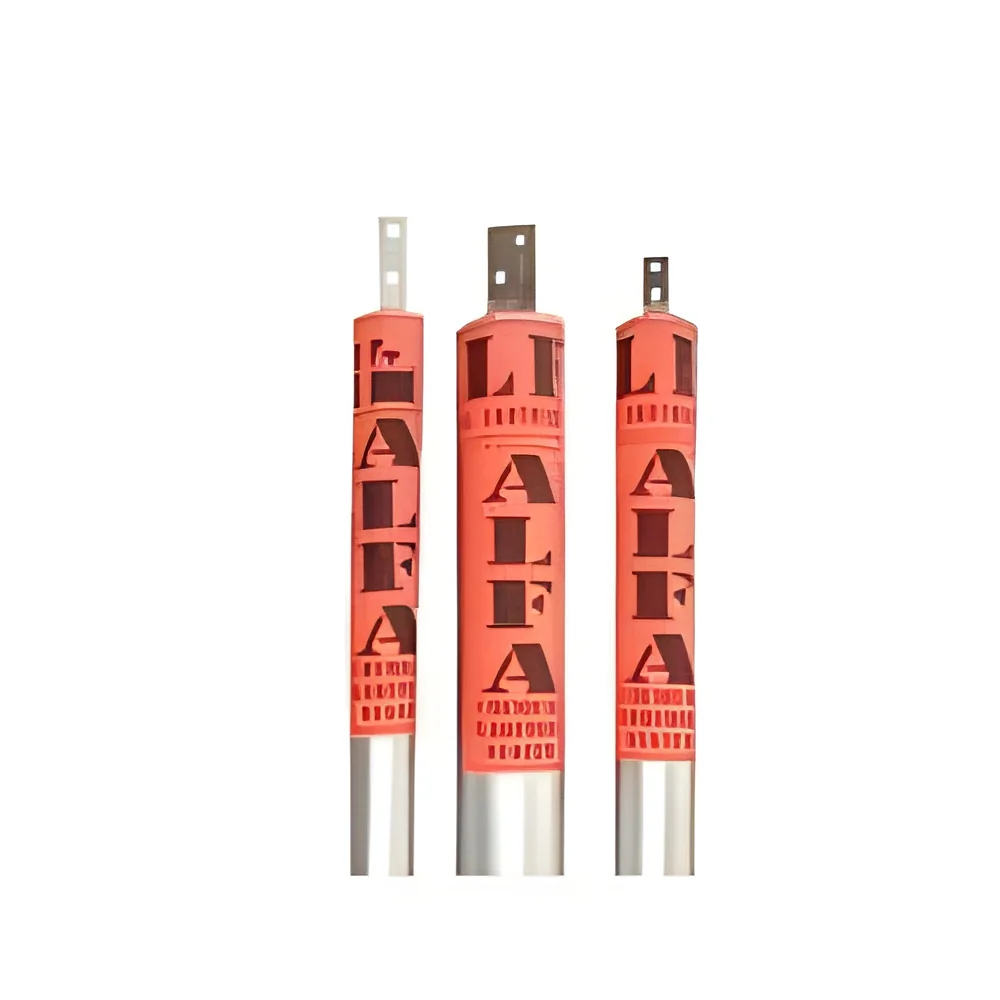
Industrial earthing electrodes are fundamental safety components designed to protect electrical systems, infrastructure, and personnel. They function by providing a dedicated, low-resistance path for dangerous fault currents or lightning strikes to safely dissipate into the earth. Manufactured for high conductivity and exceptional durability, these electrodes ensure reliable grounding performance over decades, even in challenging soil conditions. Their robust construction and material integrity are critical for preventing electrical fires, equipment failure, and ensuring the overall stability of power networks and industrial operations.

These electrodes are indispensable across heavy industries and critical infrastructure. The power generation and distribution sector relies on them for grounding substations, transformers, and transmission lines. Telecommunications companies use them to earth cell towers and data centers, protecting sensitive electronics. Manufacturing plants, oil and ...
Industrial earthing electrodes are fundamental safety components designed to protect electrical systems, infrastructure, and personnel. They function by providing a dedicated, low-resistance path for dangerous fault currents or lightning strikes to safely dissipate into the earth. Manufactured for high conductivity and exceptional durability, these electrodes ensure reliable grounding performance over decades, even in challenging soil conditions. Their robust construction and material integrity are critical for preventing electrical fires, equipment failure, and ensuring the overall stability of power networks and industrial operations.

These electrodes are indispensable across heavy industries and critical infrastructure. The power generation and distribution sector relies on them for grounding substations, transformers, and transmission lines. Telecommunications companies use them to earth cell towers and data centers, protecting sensitive electronics. Manufacturing plants, oil and gas facilities, and large commercial buildings integrate them into their electrical safety systems. Furthermore, they are essential in renewable energy projects, such as solar and wind farms, where they ensure the safe operation of inverters and other high-voltage equipment.

Investing in high-quality earthing electrodes delivers tangible business value through enhanced safety, regulatory compliance, and long-term operational savings. Their reliability translates to reduced risk of unplanned downtime caused by electrical faults, protecting revenue and productivity. By ensuring efficient fault current dissipation, they prolong the lifespan of connected electrical assets. Their durability minimizes maintenance and replacement costs, offering a superior total cost of ownership. Ultimately, they provide peace of mind by creating a safer work environment and protecting significant capital investments in electrical infrastructure.

Key Features:
- Engineered from high-conductivity materials for optimal electrical performance and low earth resistance.
- Built with corrosion-resistant coatings or materials like copper-bonded steel for extended service life.
- Designed for long-term mechanical stability and performance consistency in various soil conditions.
- Manufactured to comply with relevant international standards for electrical safety and earthing.
- Available in standard sizes and configurations suitable for a wide range of industrial applications.

Benefits:
- Ensures personnel safety and protects expensive equipment by providing a reliable path for fault currents.
- Reduces the risk of electrical fires, system damage, and costly operational downtime.
- Facilitates compliance with national and international electrical safety codes and regulations.
- Offers long-term durability and minimal maintenance, leading to lower lifecycle costs.
- Provides a foundational safety component for reliable and continuous industrial and utility operations.
Specifications
| Additional Information | |
|---|---|
| Country of Origin | India |
Application
Industrial earthing electrodes create a safe, low-resistance path for fault currents to dissipate into the ground. This fundamental safety function prevents electrical shocks, protects expensive equipment from damage, and safeguards personnel working on or near electrical systems. Their reliable operation is non-negotiable for maintaining continuous power and communication services.
Engineered for diverse environments, these electrodes perform consistently across various soil types and moisture conditions. They are the cornerstone of safety in electrical substations, manufacturing plants, and telecommunication networks. Industries implement them to meet stringent national and international electrical codes, ensuring operational integrity and compliance while minimizing the risk of costly downtime or hazardous incidents.
- Grounding electrical substations, transformers, and switchgear to manage fault currents.
- Installing lightning protection systems for commercial buildings, factories, and warehouses.
- Earthing telecommunication towers and data centers to protect sensitive electronic equipment.
- Providing a safe earth connection for industrial machinery and manufacturing plant electrical systems.
- Securing renewable energy installations like solar farms and wind turbine foundations.
Trade Details
| Available Stock | In Stock |
| Sample Availability | No |
Payment Terms
| Payment Terms |
|
Company Profile

E Safe Solutions, New Delhi
 New Delhi, India
New Delhi, IndiaIndustrial Equipment & Machinery•Manufacturer•Distributor / Wholesaler
Factory Details
Factory SizeBelow 1000 sqm
Annual Production Capacity0
Main Markets
South Asia
Industrial Earthing Electrodes For Electrical Safety And High Conductivity
Industrial earthing electrodes provide high-conductivity electrical safety for power, telecom, and infrastructure sectors. These reliable electrodes ensure long-term stability and protection for critical installations.
Min. Order Quantity: 1 unit
Shipping
Shipping fee and delivery date to be negotiated. Contact supplier now for more details.
E Safe Solutions
 New Delhi, India
New Delhi, IndiaIndustrial Equipment & MachineryManufacturer