IN
IN₹
Apparel & Fashion
Loading subcategories...
View More
Description
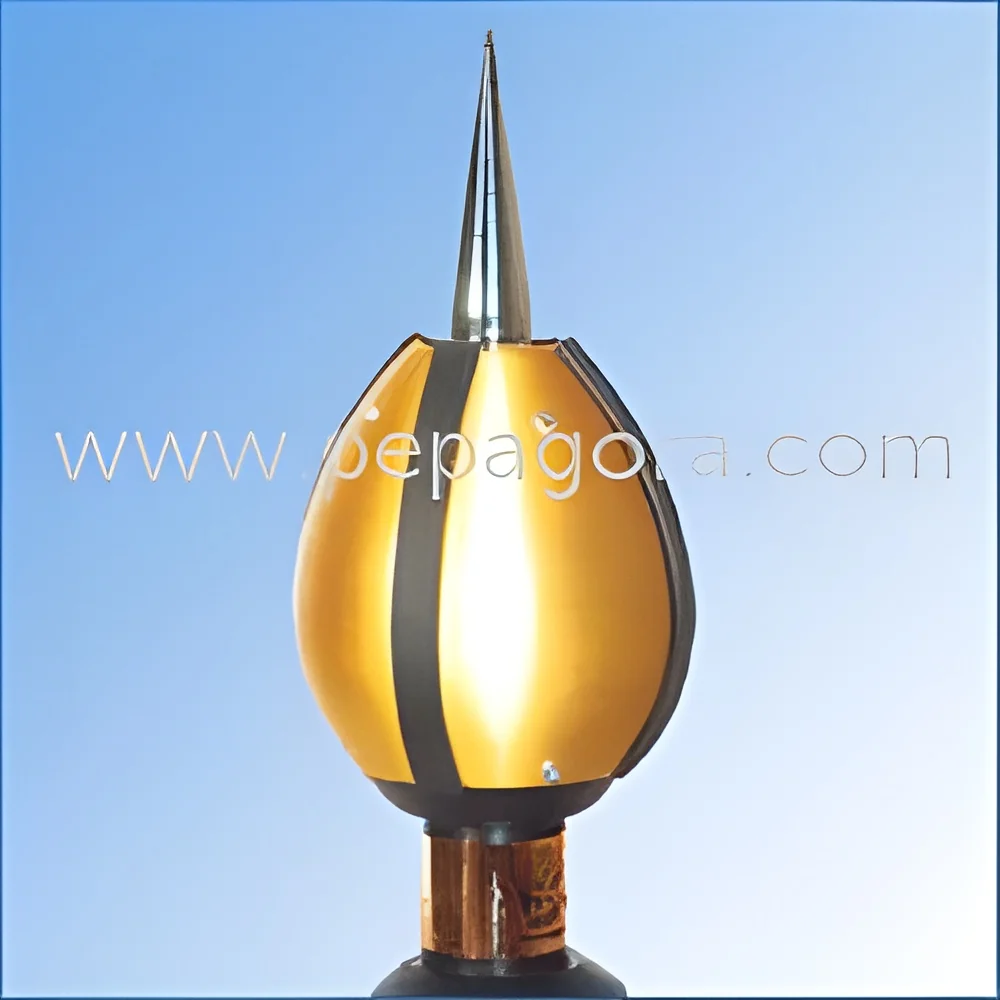
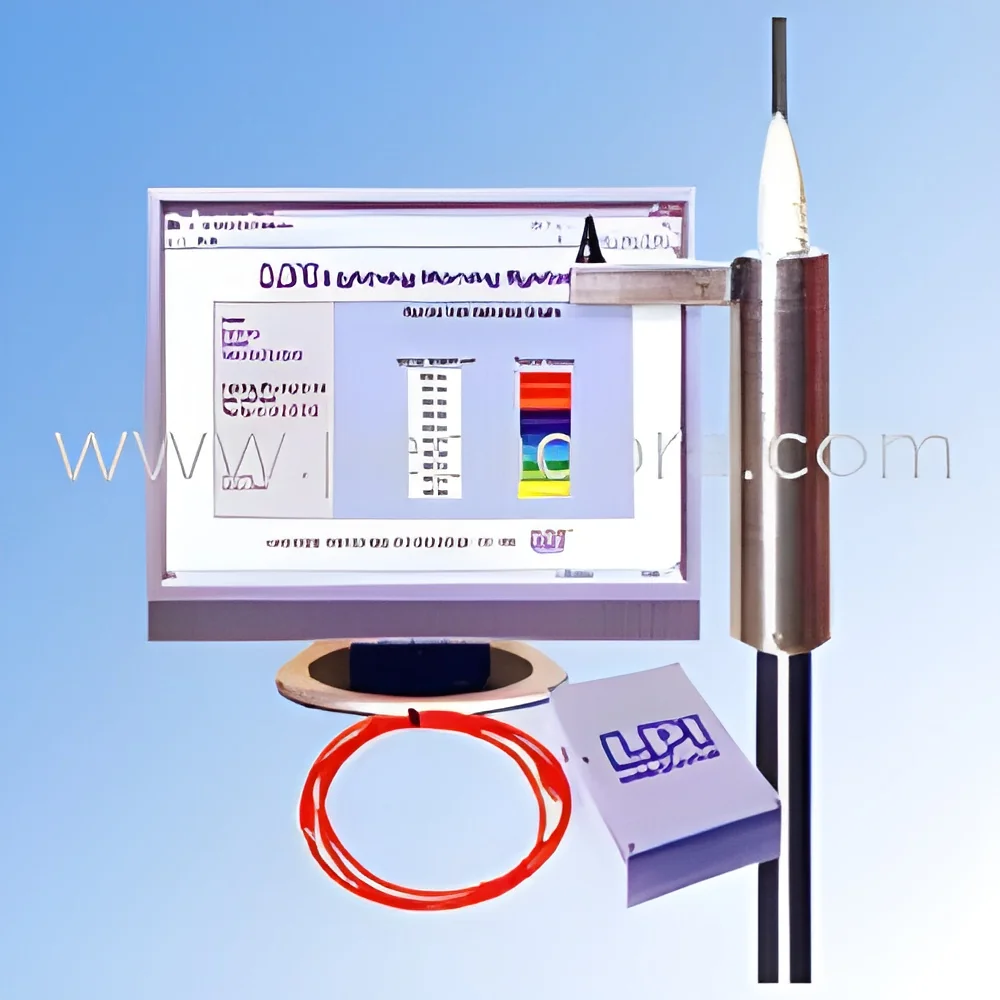
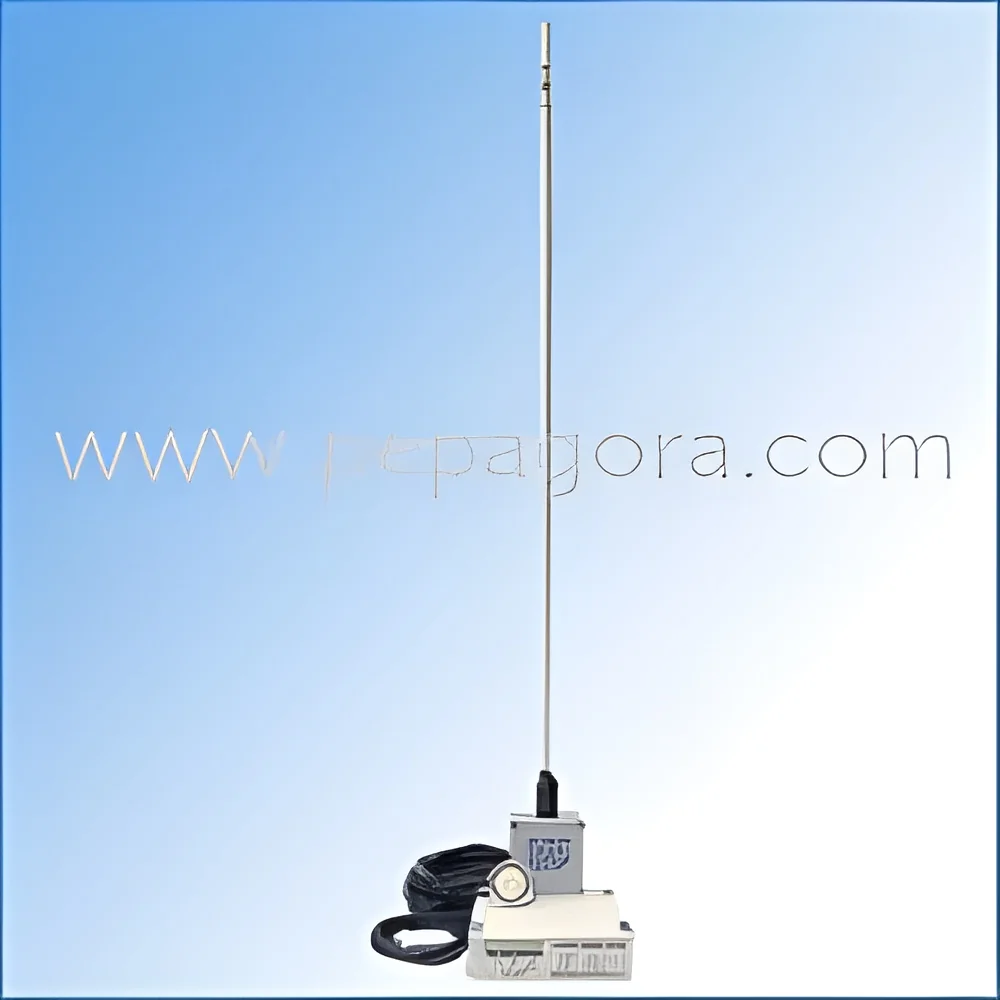
Our advanced lightning protection system represents cutting-edge storm detection technology designed to provide reliable early warning of approaching electrical storms. This sophisticated system utilizes microprocessor-controlled analysis to continuously monitor atmospheric conditions, detecting changes in electric field strength and lightning discharges within a 15km radius. The non-directional local detection instrument triggers appropriate alarm levels based on storm proximity and intensity, ensuring personnel receive timely warnings while the system collects valuable environmental data for safety compliance reporting and risk analysis. This comprehensive approach to lightning protection combines multiple detection methodologies for maximum reliability and accuracy in threat assessment.

The system serves critical protection needs across multiple industries where lightning poses significant risks to personnel safety and operational continuity. Energy sector facilities including oil ...
Our advanced lightning protection system represents cutting-edge storm detection technology designed to provide reliable early warning of approaching electrical storms. This sophisticated system utilizes microprocessor-controlled analysis to continuously monitor atmospheric conditions, detecting changes in electric field strength and lightning discharges within a 15km radius. The non-directional local detection instrument triggers appropriate alarm levels based on storm proximity and intensity, ensuring personnel receive timely warnings while the system collects valuable environmental data for safety compliance reporting and risk analysis. This comprehensive approach to lightning protection combines multiple detection methodologies for maximum reliability and accuracy in threat assessment.

The system serves critical protection needs across multiple industries where lightning poses significant risks to personnel safety and operational continuity. Energy sector facilities including oil refineries, power plants, and renewable energy installations rely on these systems to protect expensive equipment and ensure worker safety during outdoor operations. Manufacturing plants implement this technology to prevent production downtime caused by power surges and equipment damage, while telecommunications companies use it to safeguard transmission towers and network infrastructure. Construction companies utilize these systems to protect workers on high-rise projects and open sites, and the aviation industry depends on reliable lightning detection for airport operations and ground crew safety during adverse weather conditions.

Businesses choose our lightning protection system for its proven reliability and significant return on investment through prevented downtime and damage avoidance. The system's robust design ensures consistent performance in harsh environmental conditions with minimal maintenance requirements and long-term operational stability. The technology integrates seamlessly with existing safety systems and operational protocols, while the comprehensive data collection capabilities provide valuable insights for risk assessment and safety compliance documentation. The dual-alarm system offers flexible warning options suitable for different facility layouts and operational requirements, ensuring appropriate response times for various threat levels and maximizing protection effectiveness.

Key Features:
- Early detection of lightning activity within 15km radius for comprehensive coverage
- Dual-level alarm system triggered at 8-10km and closer ranges for graduated response
- Microprocessor-controlled analysis ensuring accurate threat assessment and minimal false alarms
- Continuous electric field strength monitoring combined with lightning discharge detection
- Comprehensive data collection and download capabilities for compliance reporting and analysis

Benefits:
- Enhanced personnel safety through early warning systems and reliable threat detection
- Protection of valuable equipment and infrastructure from lightning-induced damage
- Reduced operational downtime and maintenance costs through proactive storm response
- Compliance with safety regulations and documentation requirements through data collection
- Flexible integration with existing safety protocols and emergency response systems
Specifications
| Additional Information | |
|---|---|
| Country of Origin | India |
| Customisable | No |
Application
This advanced lightning protection system delivers critical early warnings for approaching electrical storms, enabling facilities to implement safety protocols before lightning threats materialize. The system's comprehensive monitoring capabilities detect both electric field changes and actual lightning discharges, providing multiple data points for accurate threat assessment and timely response coordination across various operational environments.
Industrial facilities across multiple sectors benefit from this protection system's reliable performance and integration capabilities. The technology serves energy production sites, manufacturing plants, telecommunications infrastructure, and construction projects where personnel safety and equipment protection are paramount. The system's early detection allows for proactive measures that prevent downtime, reduce damage costs, and ensure regulatory compliance while maintaining operational continuity.
- Oil and gas facilities for protecting drilling operations, storage tanks, and refinery equipment from lightning strikes
- Construction sites to ensure worker safety during high-rise projects, crane operations, and outdoor work activities
- Telecommunications infrastructure to prevent network downtime and equipment damage from electrical storms and power surges
- Manufacturing plants to safeguard sensitive machinery, prevent production interruptions, and protect automated systems
- Power generation facilities including substations, renewable energy installations, and transmission infrastructure protection
Trade Details
| Available Stock | In Stock |
| Sample Availability | No |
Payment Terms
| Payment Terms |
|
Company Profile
Allied Power Solutions, New Delhi
 New Delhi, India
New Delhi, IndiaManufacturer•Importer / Exporter
Factory Details
Factory SizeBelow 1000 sqm
Annual Production Capacity0
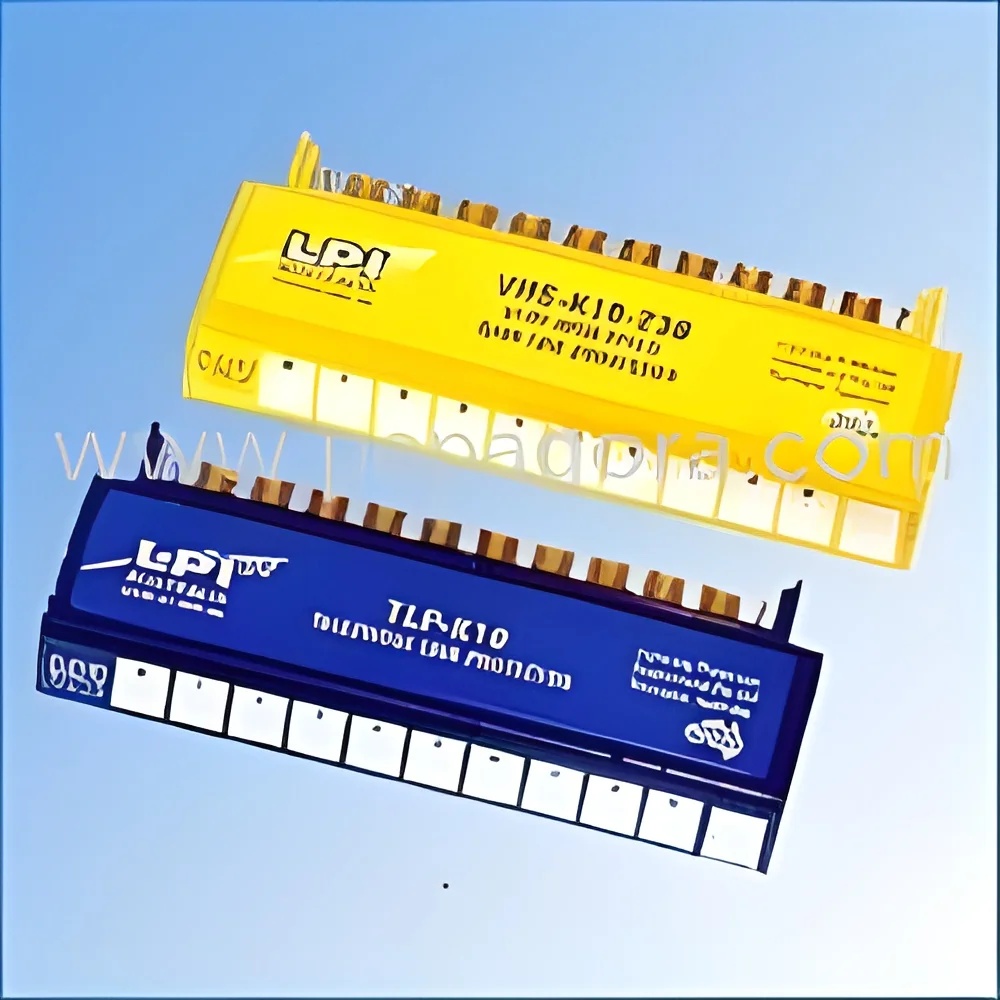
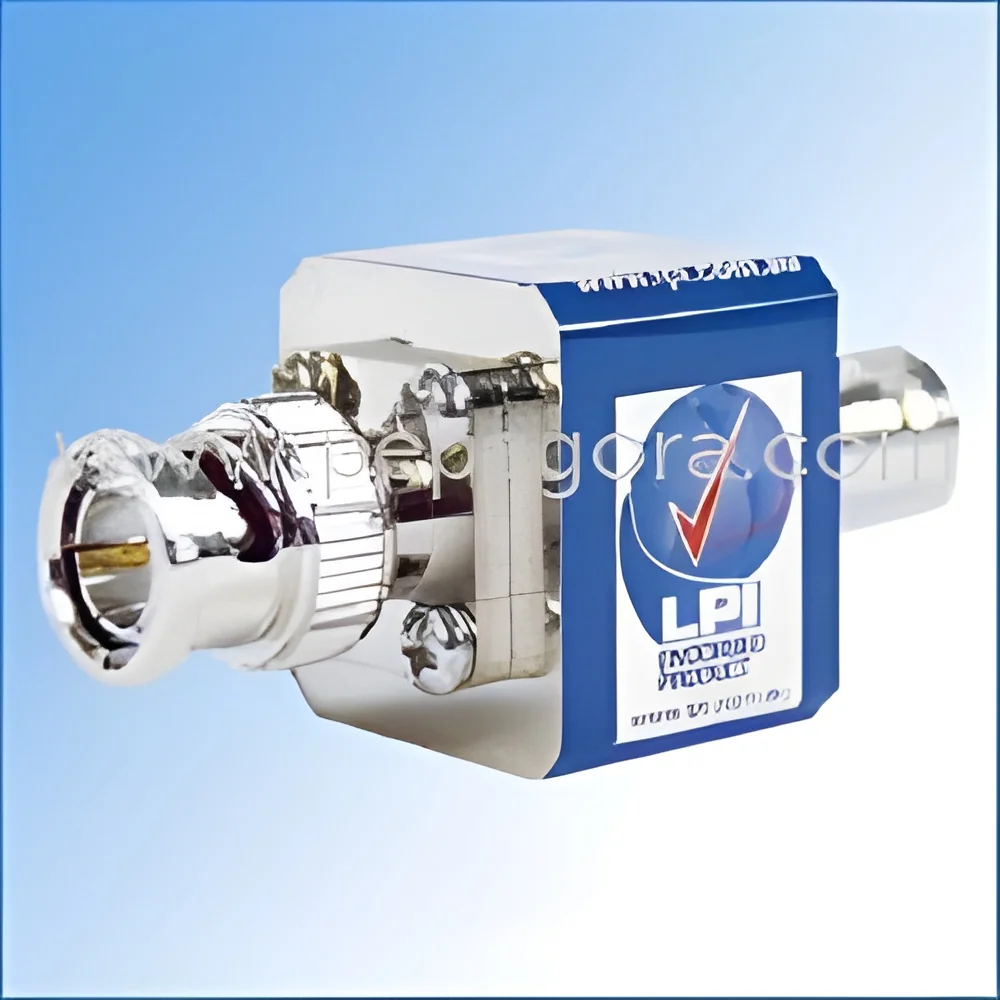
Lightning Protection System with Early Storm Detection and Safety Alarms
Advanced lightning protection system with early storm detection monitors electric field changes and lightning discharges up to 15km away, providing reliable safety alarms for industrial and commercial facilities to protect personnel and equipment.
Min. Order Quantity: 1 unit
Shipping
Shipping fee and delivery date to be negotiated. Contact supplier now for more details.
Allied Power Solutions
 New Delhi, India
New Delhi, IndiaManufacturer