
 IN
Ear Protection (Ear Muffs, Ear Plugs)
3 products available
Key Features and Specifications
When considering ear protection products, it is important to understand their key features and specifications. These specifications can vary between ear muffs and ear plugs, catering to different needs and environments.
Key specifications include:
1. Noise Reduction Rating (NRR)
- Measures the effectiveness of ear protection in reducing sound exposure.
- Typical NRR values range from 20 to 30 decibels.
2. Comfort and Fit
- Ear muffs should have adjustable headbands and cushioned ear cups for extended wear.
- Ear plugs should come in various sizes and materials to ensure a secure fit.
3. Material Quality
- Ear muffs may feature durable plastic or metal components.
- Ear plugs can be made from foam, silicone, or rubber for different comfort levels.
4. Weight
- Lightweight designs enhance comfort during prolonged use.
- Ear muffs typically weigh between 200 and 400 grams.
5. Acoustic Seal
- A proper acoustic seal in ear muffs and ear plugs minimizes sound leakage.
- Essential for ensuring optimal noise reduction.
6. Portability
- Ear plugs are generally more portable and easier to carry.
- Ear muffs may be bulkier but often come with folding designs for convenience.
7. Maintenance and Cleanability
- Ear plugs should be disposable or washable based on material.
- Ear muffs require regular cleaning of ear cushions to maintain hygiene.
8. Compliance Standards
- Must meet safety standards such as CE certification for quality assurance.
- Compliance with local and international regulations is crucial for effectiveness.
In summary, understanding the features and specifications of ear protection is vital for ensuring effective hearing safety in various environments.
Common Applications and Use Cases
Ear protection devices find utility across a wide range of industries and applications.
1. Construction: Workers on construction sites are often exposed to heavy machinery noise, making ear protection essential for hearing safety.
2. Manufacturing: In manufacturing plants, machinery can produce loud sounds that require the use of ear muffs or ear plugs to protect workers.
3. Music and Entertainment: Musicians and sound engineers use ear plugs to safeguard their hearing during performances and studio sessions.
4. Mining: Miners face constant exposure to loud equipment and environmental noise, necessitating reliable ear protection.
5. Aviation: Ground crew and pilots often use ear protection to manage noise levels during flight operations and maintenance work.
6. Agriculture: Farmers and agricultural workers may require ear protection when operating loud machinery like tractors and harvesters.
7. Military: Personnel in the military utilize ear protection to shield their hearing from gunfire and explosive sounds.
Product Variants and Subcategories
Ear protection products come in various forms, each designed for specific needs and settings.
Ear Muffs
Ear muffs are designed to cover the entire ear, providing a high level of noise reduction. They are ideal for environments with extremely high sound levels and are often equipped with features like adjustable headbands and cushioned ear cups for comfort.
Ear Plugs
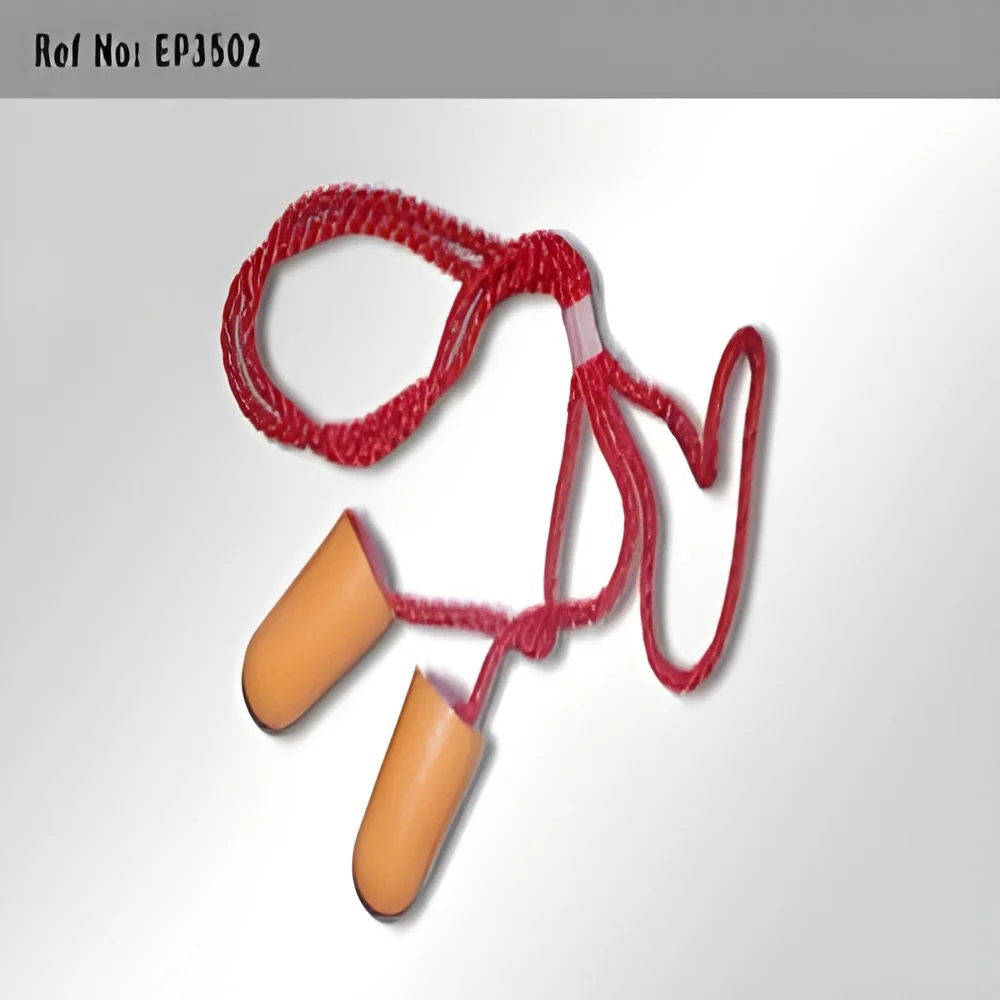
Ear plugs are compact and can be easily carried in pockets or toolkits. They offer a customizable fit and are available in different materials, making them suitable for both temporary and long-term use in noisy environments.
Benefits and Advantages
Investing in ear protection offers numerous advantages for businesses and employees alike.
1. Hearing Preservation: Effective ear protection helps prevent long-term hearing loss associated with noise exposure.
2. Enhanced Productivity: By reducing distractions from loud noises, workers can maintain focus and improve overall productivity.
3. Compliance with Regulations: Using ear protection can help businesses comply with occupational health and safety regulations.
4. Cost-Effective Safety Solution: Ear protection is a relatively low-cost investment compared to the potential costs of hearing loss treatment.
5. Versatile Options: With a variety of ear protection types available, businesses can select the best option for their specific environment and needs.
6. Increased Employee Satisfaction: Providing adequate ear protection demonstrates a commitment to employee safety, boosting morale and job satisfaction.
Buying Guide for B2B Buyers
When sourcing ear protection products, businesses need to consider several crucial factors to ensure they make informed purchasing decisions.
1. Quality Assessment: Evaluate the quality of ear protection by looking for products that meet industry standards and have a proven track record.
2. Supplier Verification: Vet suppliers to ensure they are reputable and can provide reliable products. Check for certifications and customer reviews.
3. Pricing and MOQ: Understand the pricing structure and minimum order quantities (MOQ) to align with budgetary needs.
4. Delivery and Lead Times: Assess delivery timelines to ensure that ear protection products arrive when needed for safety compliance.
5. Compliance Requirements: Confirm that the ear protection meets local and international safety standards, including CE certification, to ensure effectiveness.
Compliance and Certifications
Ear protection products must adhere to various quality standards and certifications to ensure safety and efficacy.
Compliance with ISO 9001 ensures that manufacturers meet quality management system standards, enhancing product reliability.
CE certification is essential for ear protection devices sold in European markets, indicating compliance with health, safety, and environmental protection standards.
Additionally, safety and testing requirements often include evaluations for noise reduction effectiveness and comfort.
Regional compliance considerations may vary, so it is important for businesses to stay aware of local regulations and ensure that their chosen products meet these standards.
Why Source Ear Protection (Ear Muffs, Ear Plugs) from Pepagora?
Pepagora offers a trusted platform for sourcing ear protection products, providing numerous advantages for B2B buyers.
Verified Supplier Network: Pepagora connects buyers with a network of verified suppliers, ensuring that all products meet rigorous quality standards. This reduces the risk involved in sourcing ear protection.
Streamlined RFQ Process: The request for quotation process on Pepagora is efficient and straightforward, allowing buyers to receive competitive pricing and make informed purchasing decisions quickly.
Trade Assurance and Support: Pepagora provides trade assurance, protecting buyers from potential disputes and ensuring satisfaction with their purchases.
Regional Coverage: With a strong presence in India, the GCC, and Southeast Asia, Pepagora facilitates easy access to ear protection products across these regions, catering to a diverse range of industries.

 India
 India
 India

Frequently Asked Questions
What are Ear Protection (Ear Muffs, Ear Plugs)?
Ear Protection (Ear Muffs, Ear Plugs) are devices designed to reduce noise exposure and protect hearing. Ear muffs cover the entire outer ear, while ear plugs are inserted into the ear canal. Both are used in various environments, such as construction sites, factories, and during recreational activities.
What are the different types of Ear Protection (Ear Muffs, Ear Plugs)?
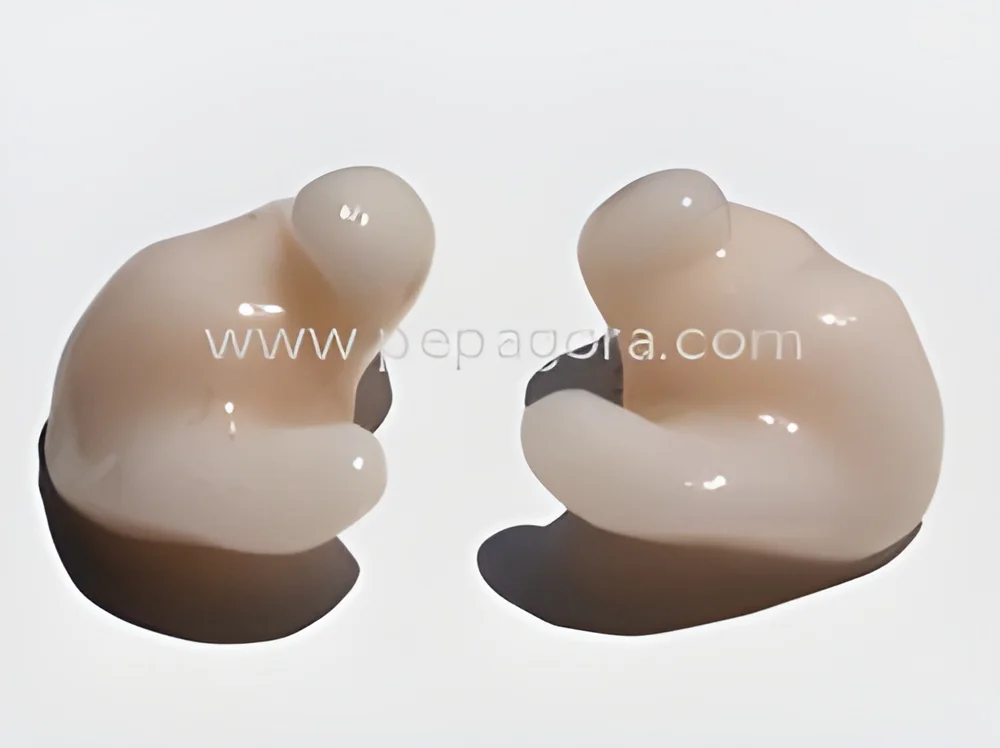
The different types of Ear Protection include passive ear muffs and ear plugs, which block sound through insulation, and active ear muffs, which use electronic components to reduce noise. Additionally, there are custom-molded ear plugs designed for individual ear shape, as well as disposable options for single-use applications.
How do I choose the right Ear Protection (Ear Muffs, Ear Plugs)?
Choosing the right Ear Protection involves assessing the noise levels of your environment and the duration of exposure. Consider factors such as comfort, fit, and the level of noise reduction required. It's also important to select products that meet relevant safety standards.
What are the standard specifications for Ear Protection (Ear Muffs, Ear Plugs)?
Standard specifications for Ear Protection typically include Noise Reduction Rating (NRR), which indicates the level of sound reduction provided. Additionally, materials used for comfort, moisture resistance, and durability are important considerations. Compliance with safety regulations such as ANSI or IS standards is also essential.
What is the price range for Ear Protection (Ear Muffs, Ear Plugs)?
The price range for Ear Protection can vary significantly based on the type and brand. Basic ear plugs may cost as little as INR 10 to 100 per pair, while high-quality ear muffs can range from INR 500 to 5,000 or more. Custom solutions or specialized products may have higher price points.
What quality standards apply to Ear Protection (Ear Muffs, Ear Plugs)?
Quality standards for Ear Protection often include certifications from organizations such as ANSI (American National Standards Institute) or IS (Indian Standards). These standards ensure that the products meet specific safety and performance criteria. Regular testing for durability and effectiveness is also part of maintaining quality.
Where can I find Ear Protection (Ear Muffs, Ear Plugs) suppliers in India?
You can find Ear Protection suppliers in India through various B2B marketplaces, trade shows, and industry directories. Websites like Pepagora.com offer a platform to connect with manufacturers and suppliers. Networking in industry-specific forums and associations can also provide valuable leads.
Can Ear Protection (Ear Muffs, Ear Plugs) be customized?
Yes, Ear Protection can be customized to meet specific user requirements, including size, shape, and branding. Custom-molded ear plugs are often made for individual ear shapes, providing enhanced comfort and effectiveness. Manufacturers typically offer various customization options for bulk orders.
What is the typical minimum order quantity for Ear Protection (Ear Muffs, Ear Plugs)?
The typical minimum order quantity (MOQ) for Ear Protection products can vary by supplier and product type. For standard ear plugs, the MOQ might be as low as 100 pairs, while for custom or specialized ear muffs, the MOQ could be higher, often starting at 500 units or more.
What is the typical lead time for Ear Protection (Ear Muffs, Ear Plugs)?
The typical lead time for Ear Protection products depends on the supplier and whether the items are standard or customized. Generally, standard products may take 1 to 3 weeks for delivery, while custom orders might require 4 to 6 weeks or longer. It's advisable to confirm lead times with suppliers at the time of order.
Why Businesses Trust Pepagora
Thousands of companies trust Pepagora to source smarter and sell faster
Expand Your Sales Globally

Source Smarter,Grow Faster
