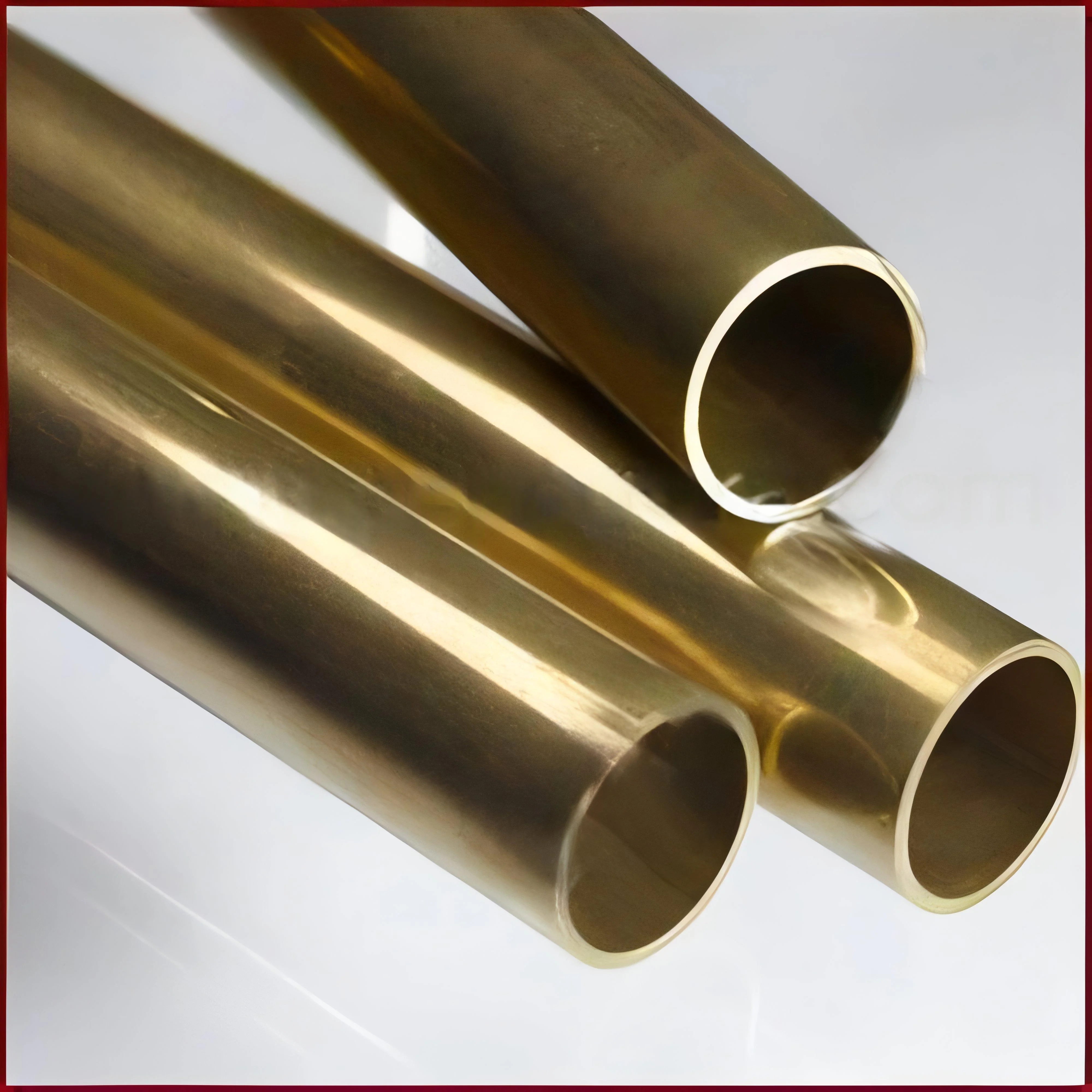
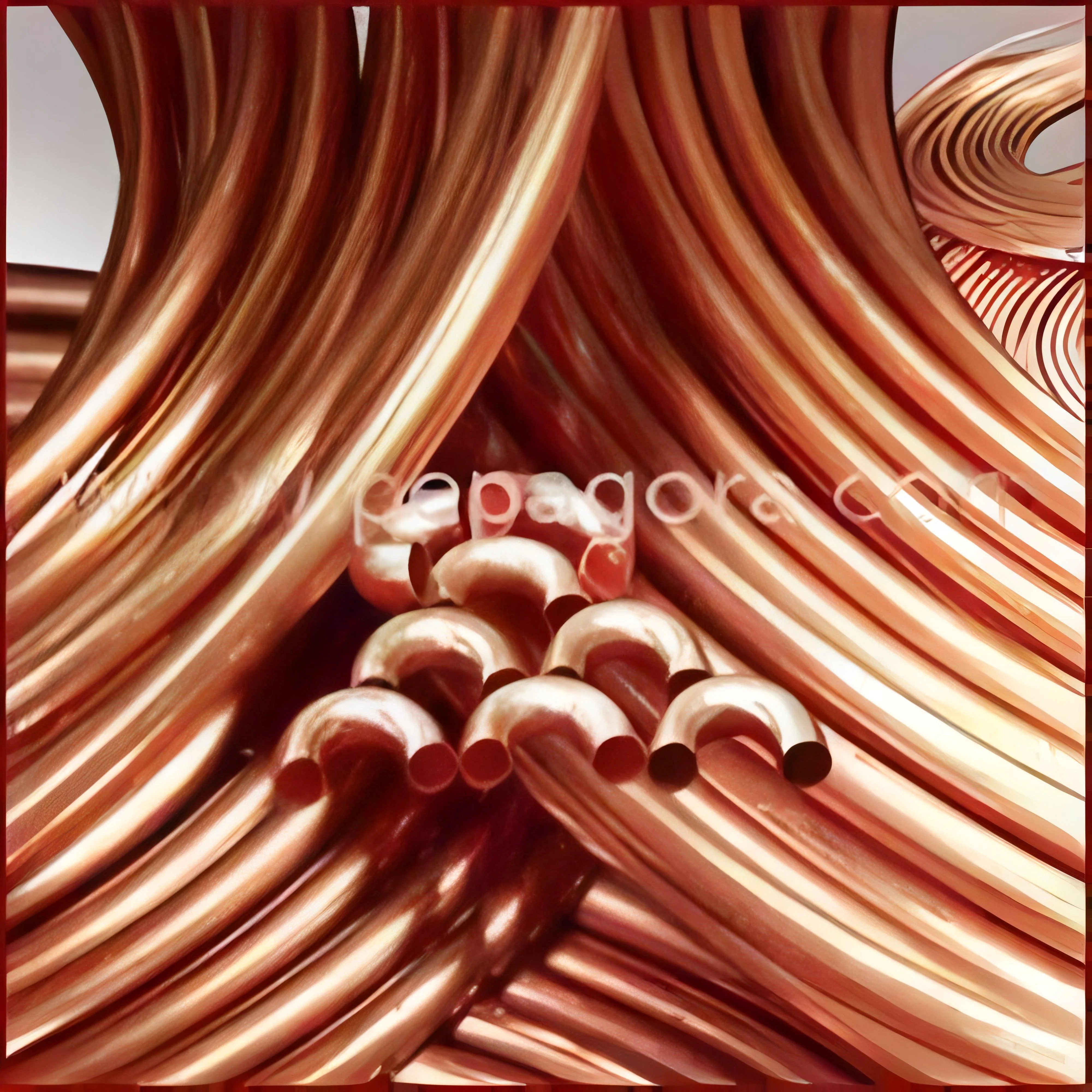
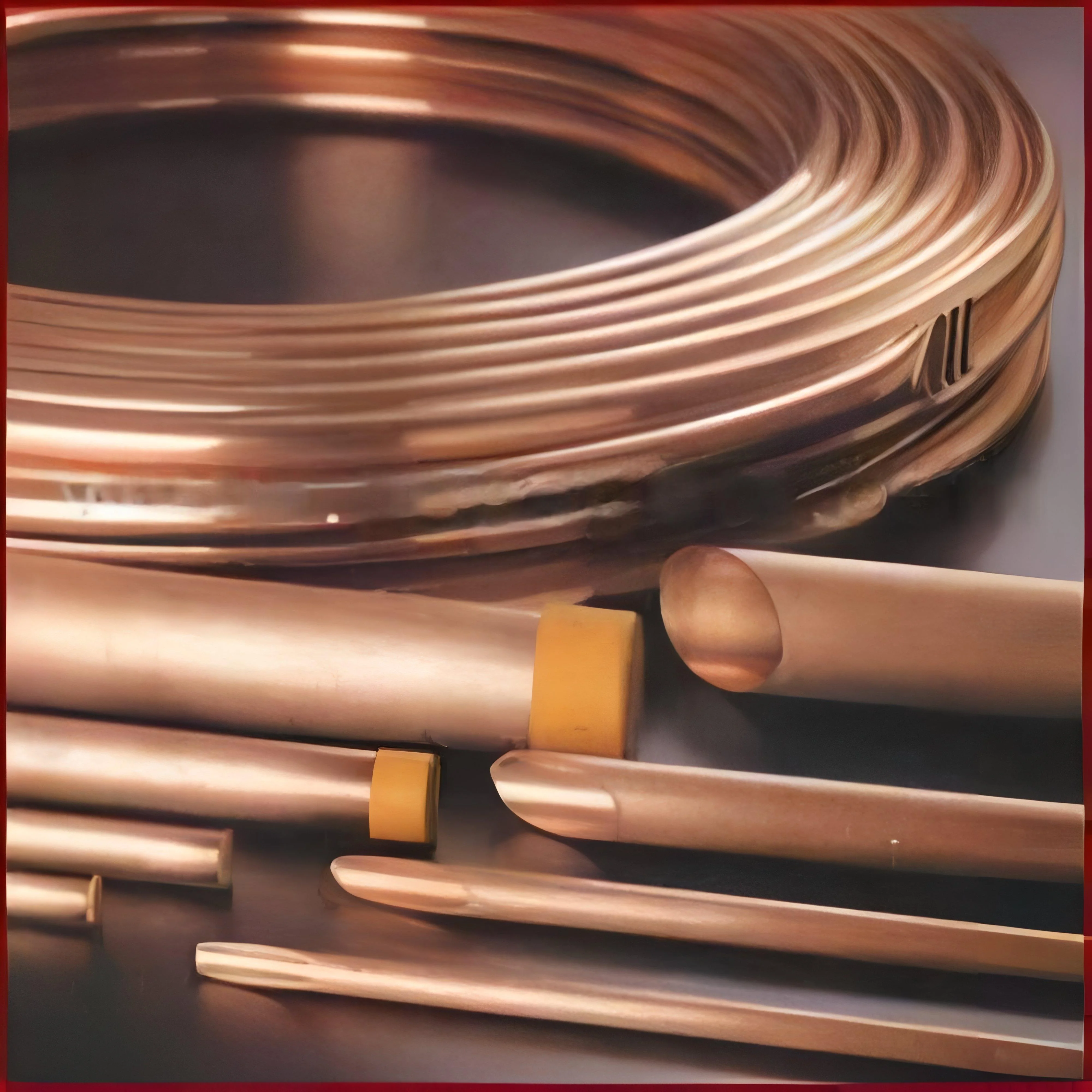
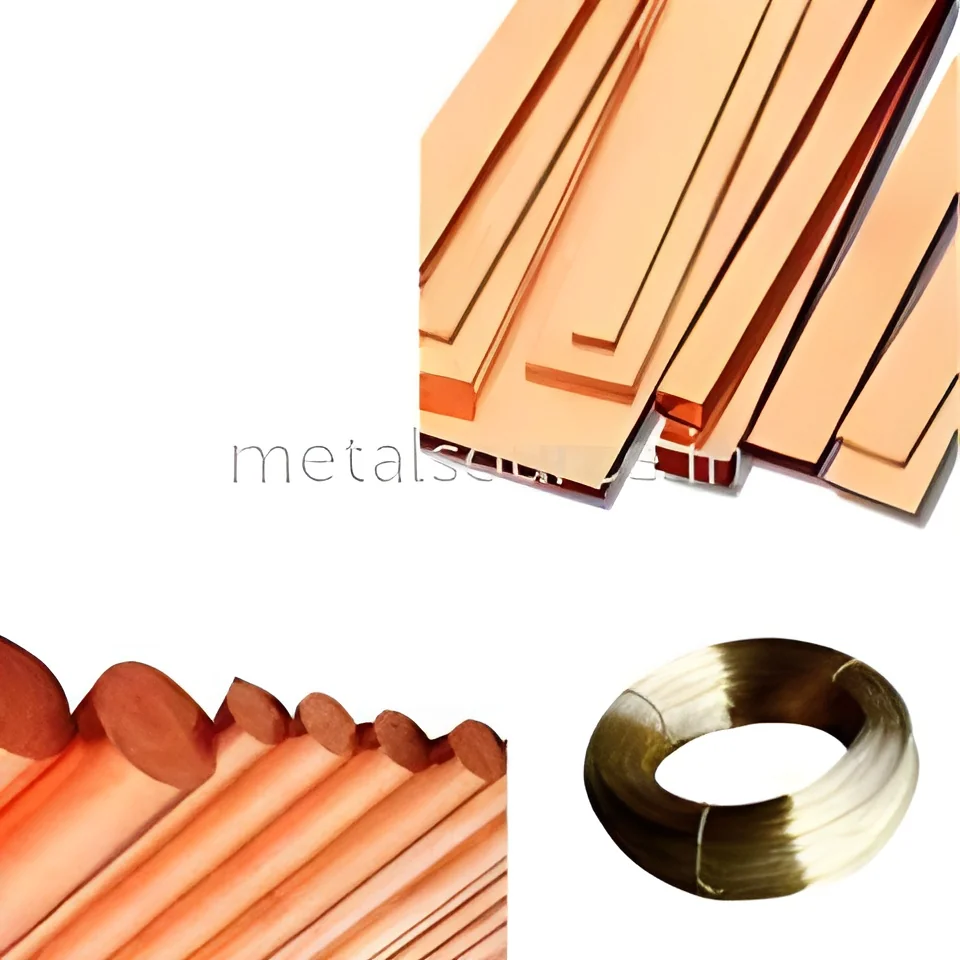
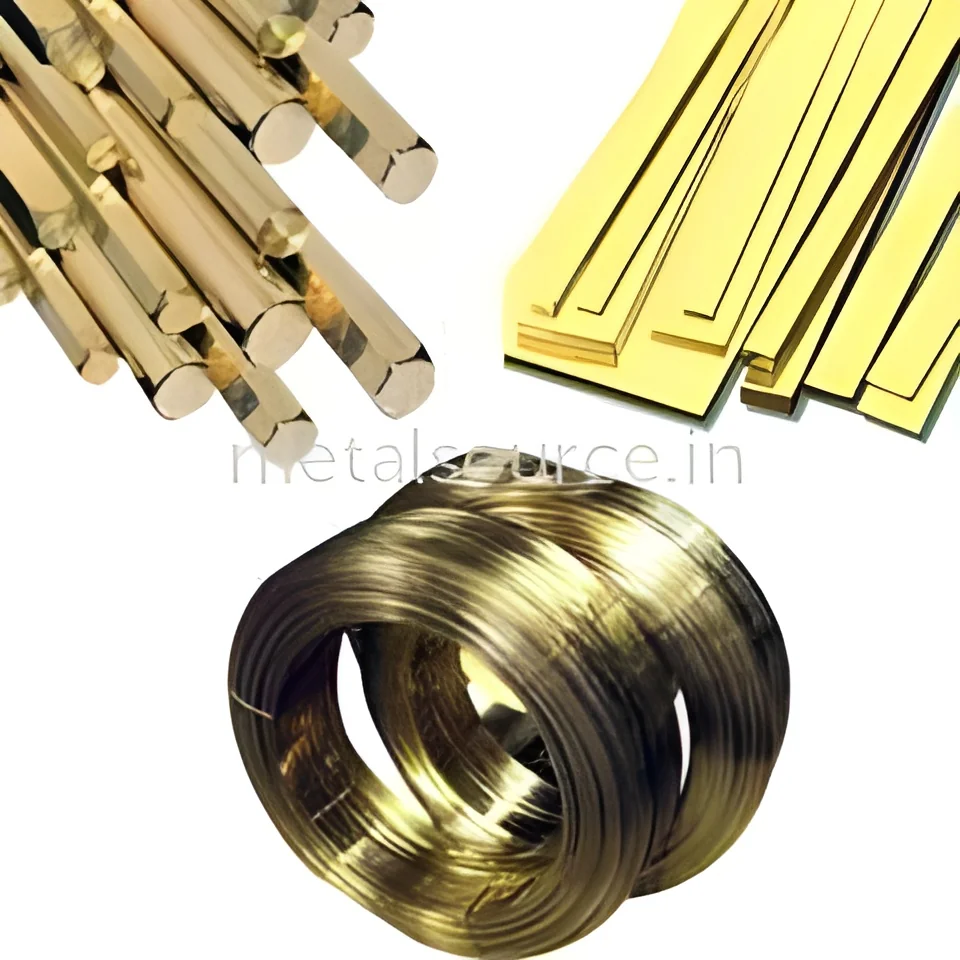
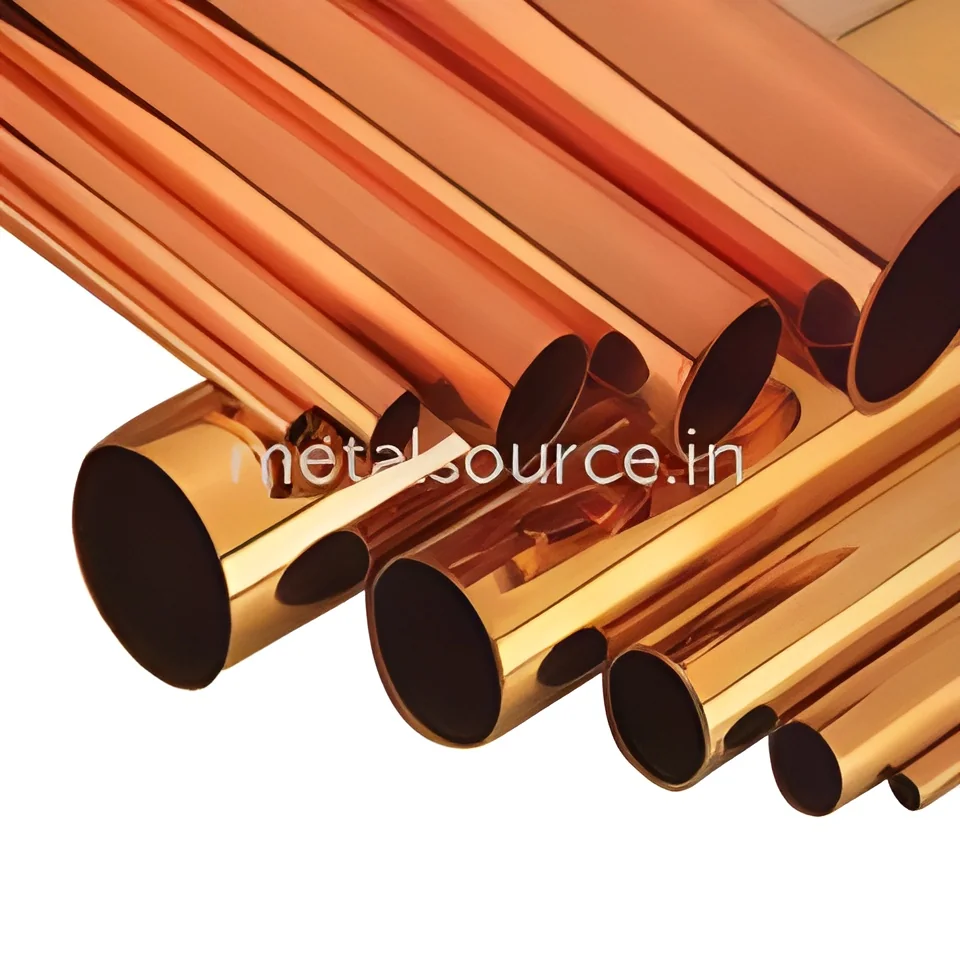
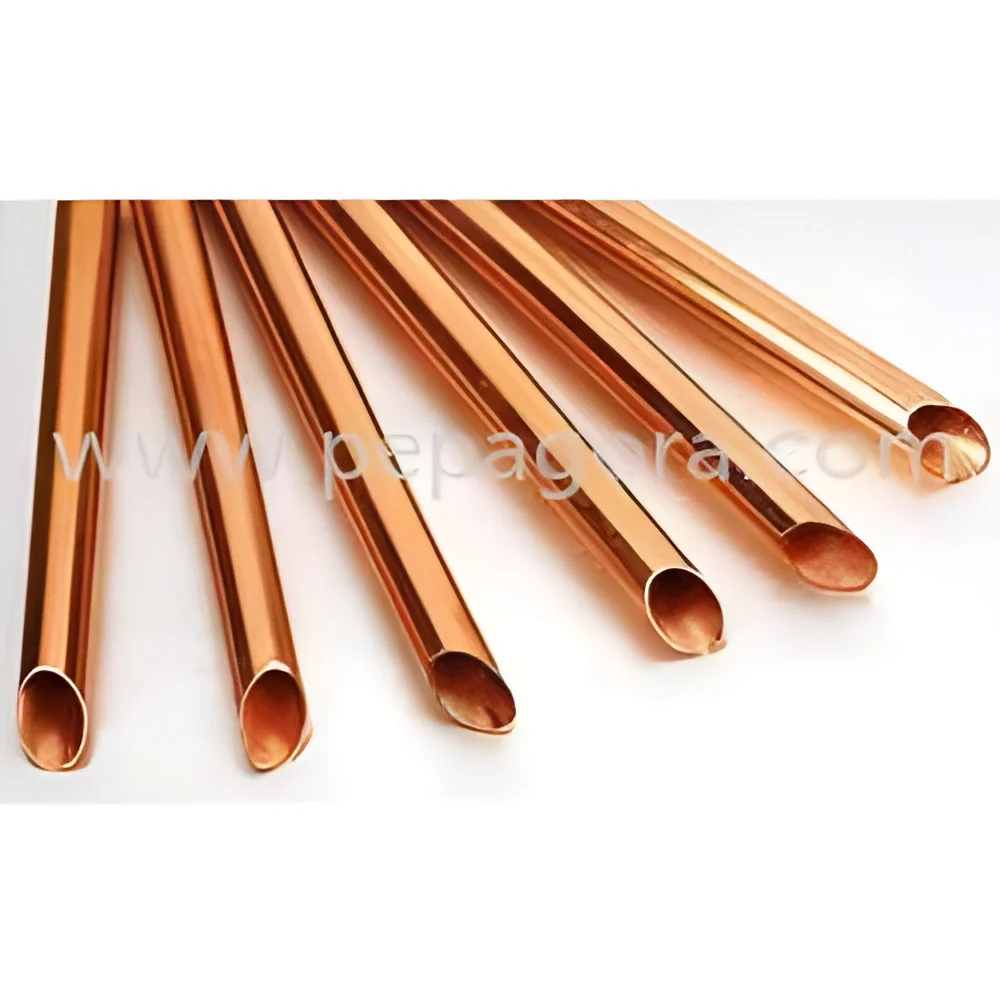
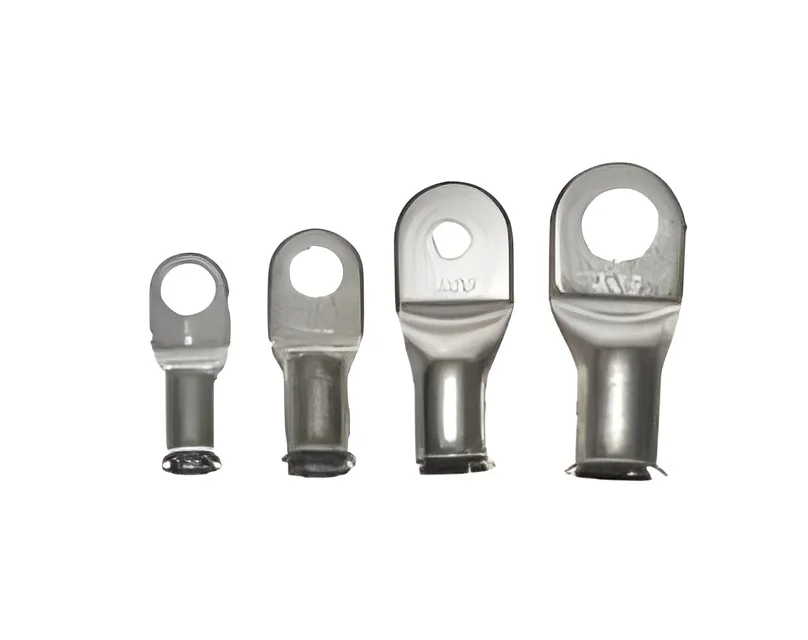
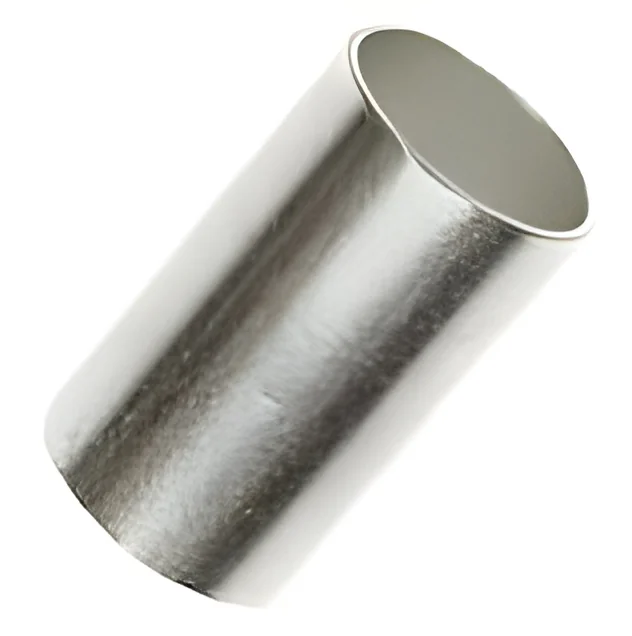
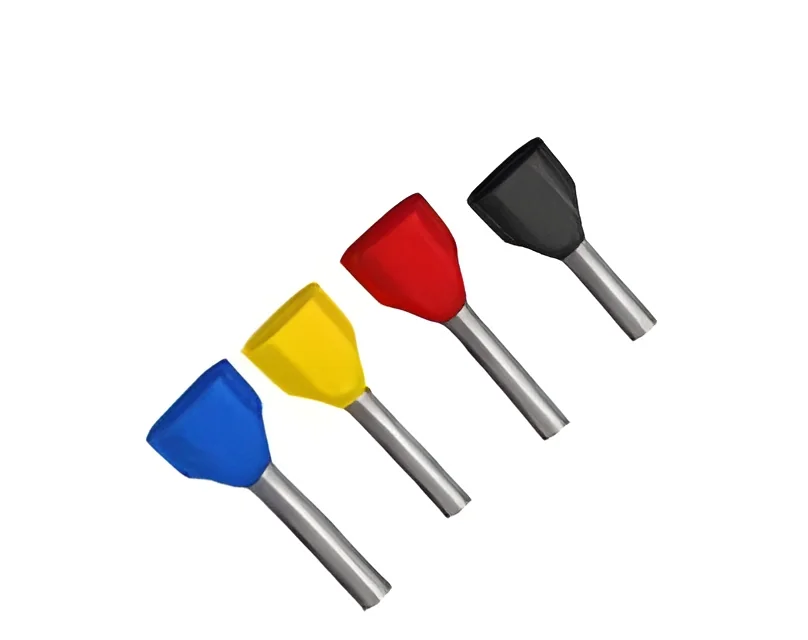
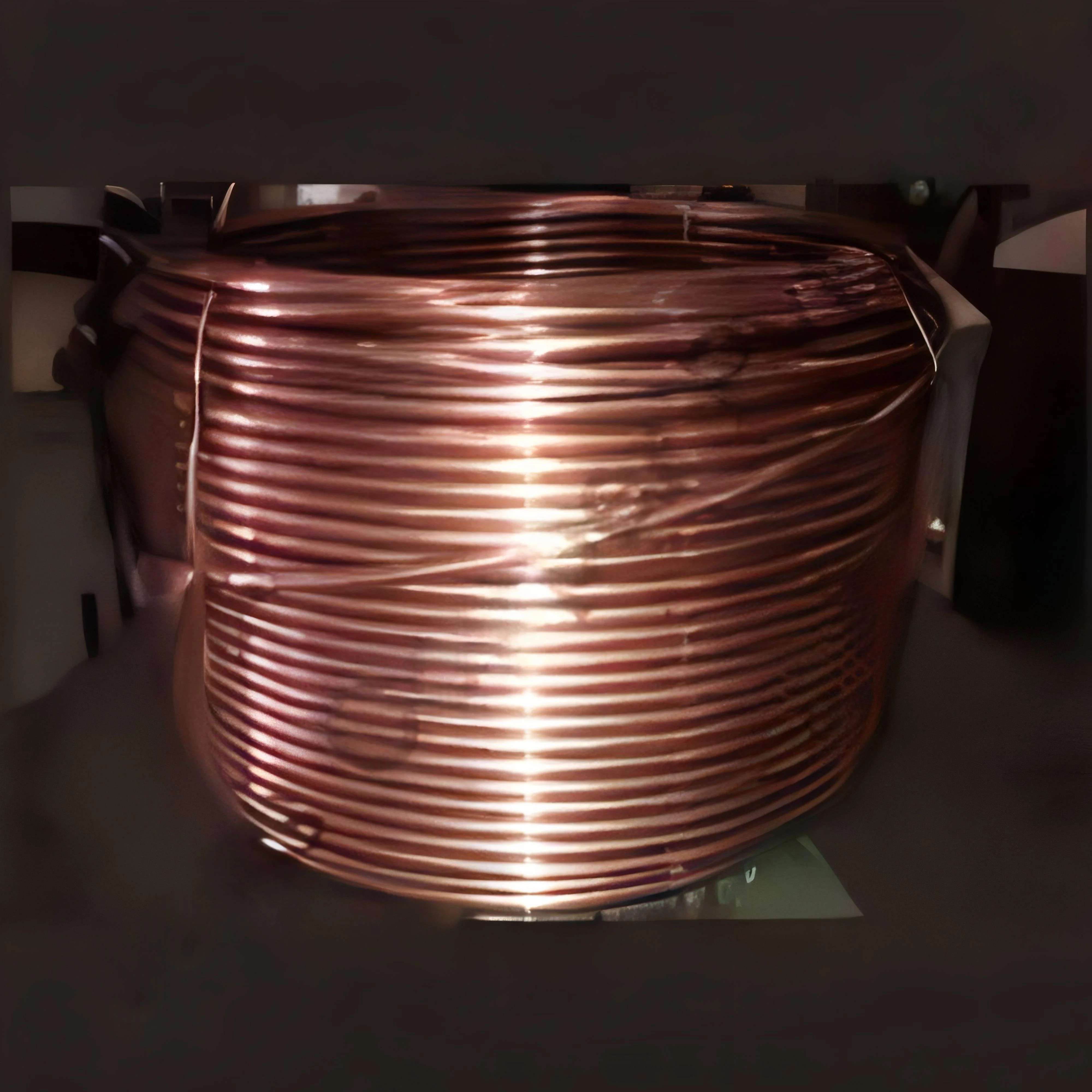
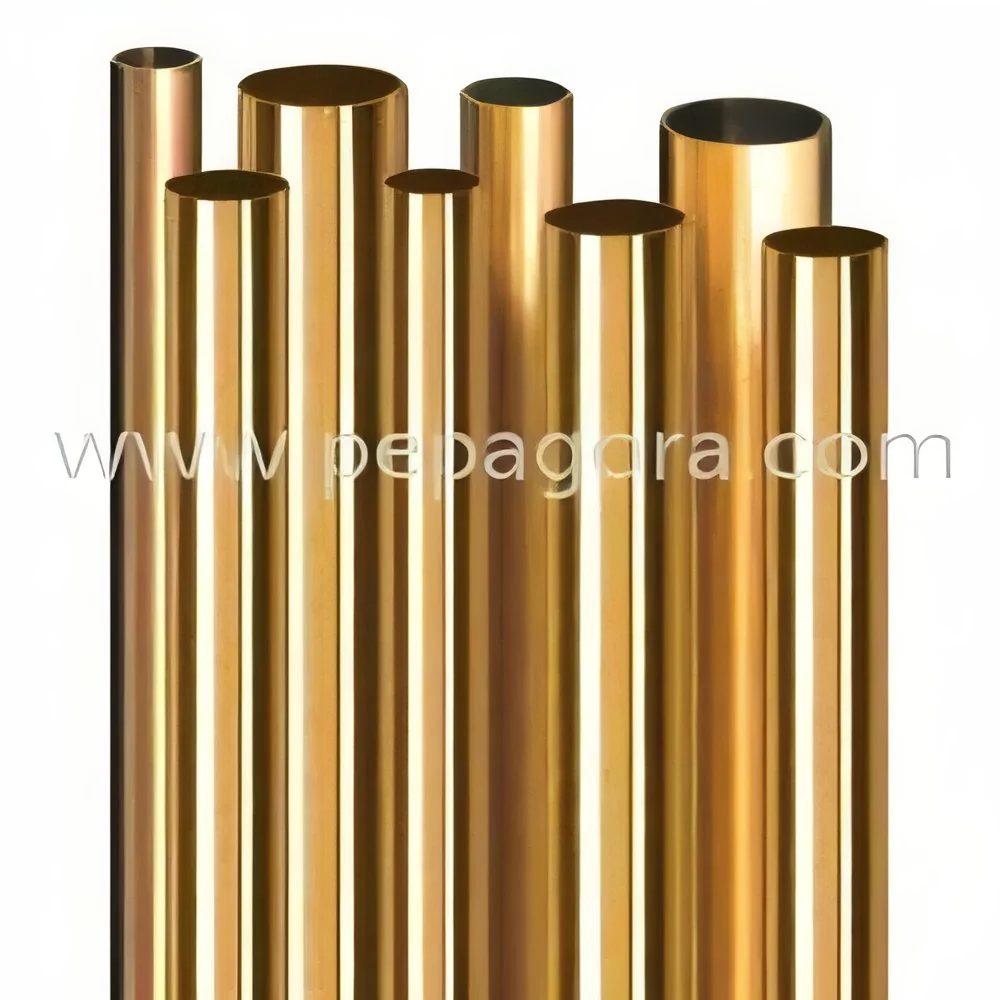
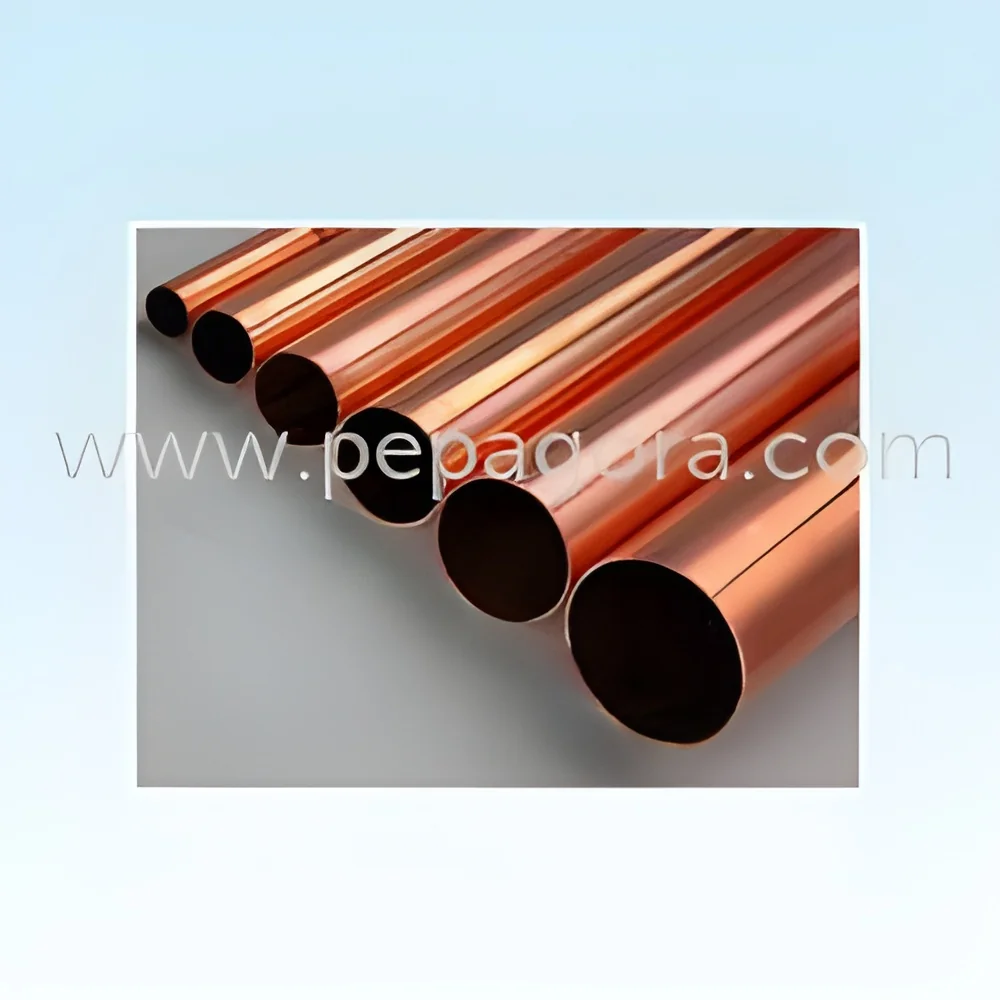
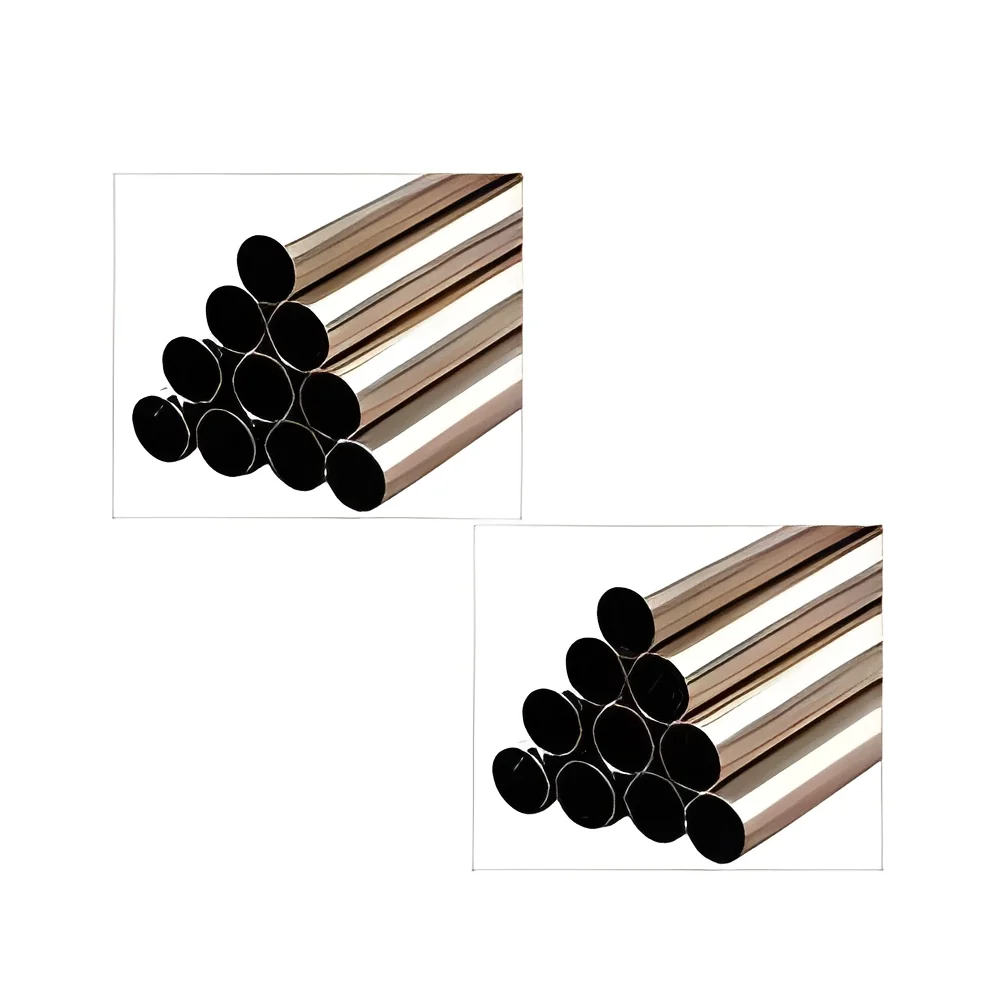
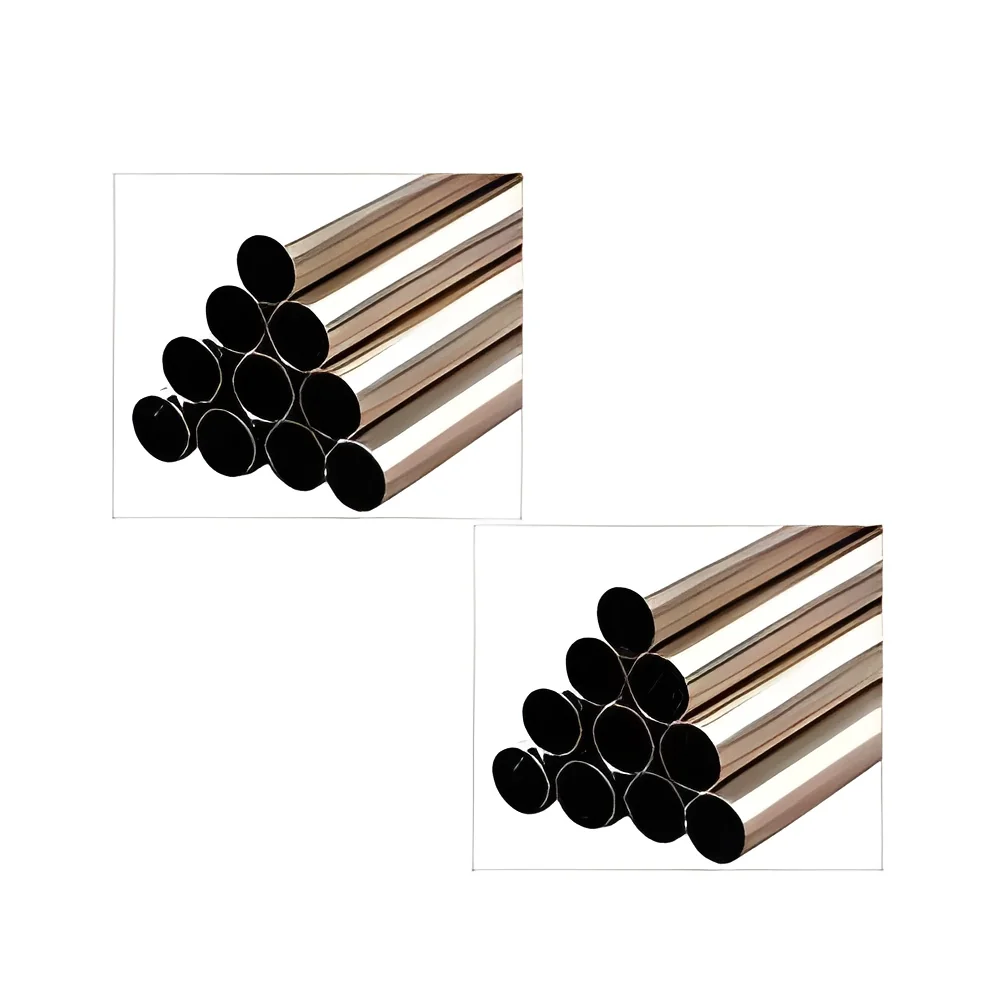
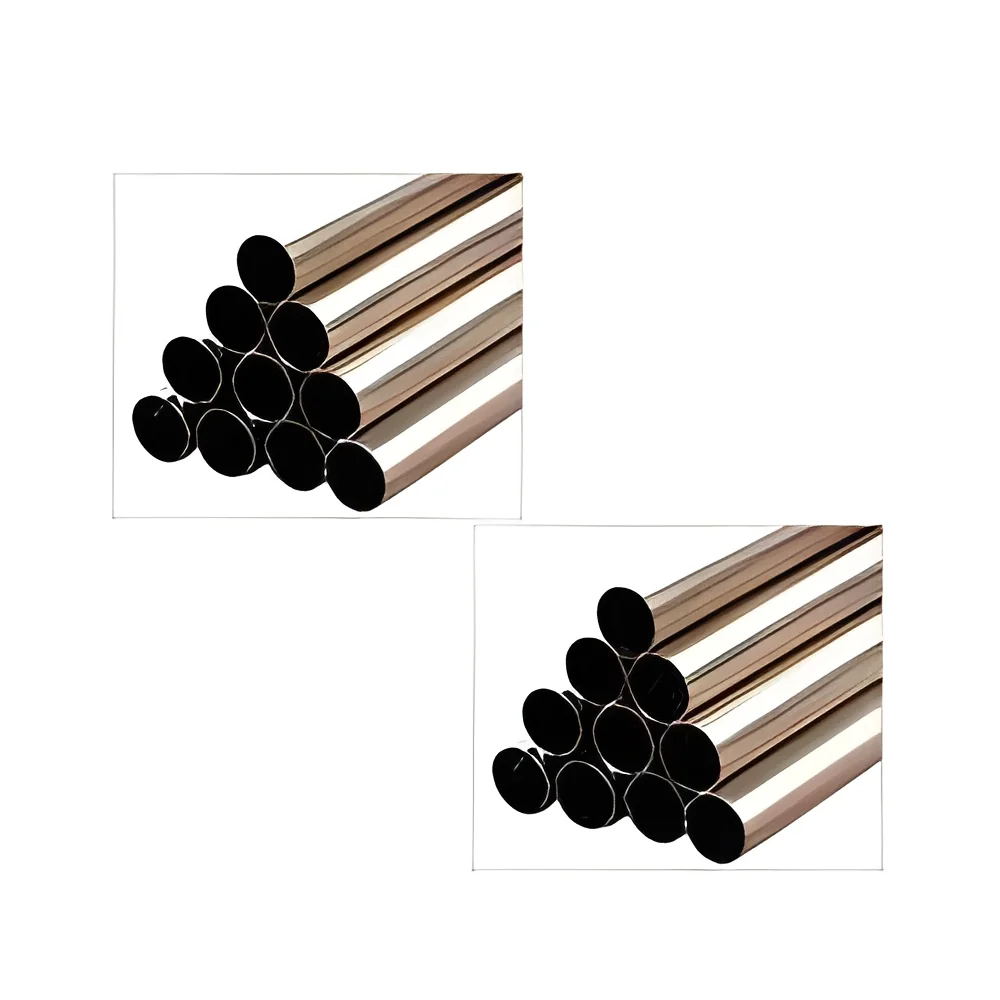
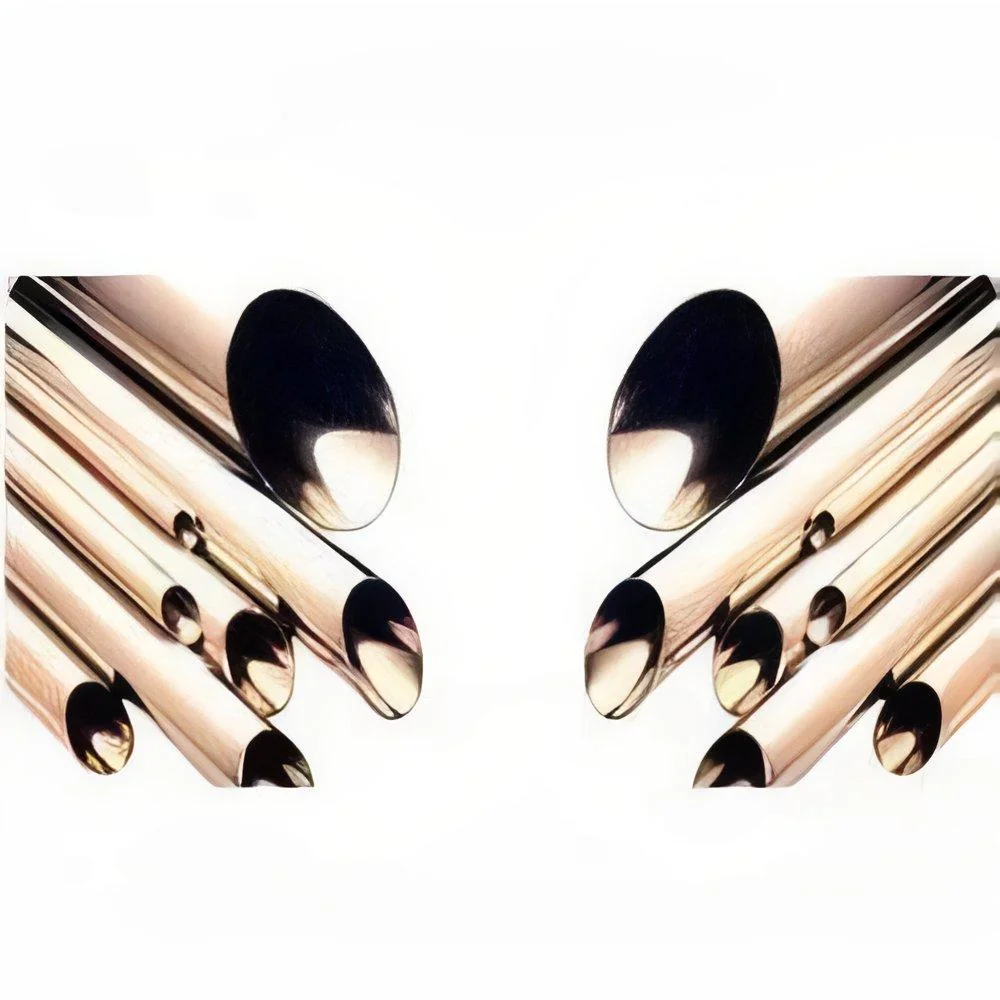
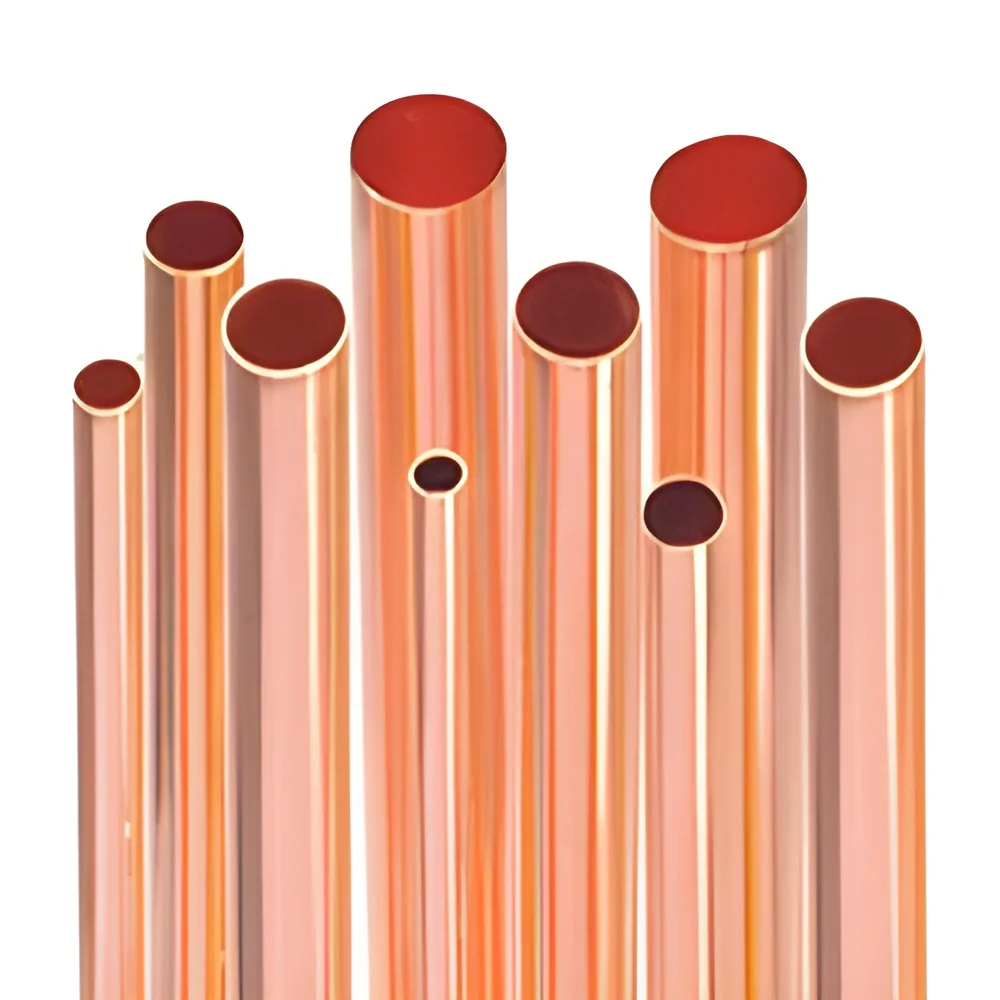
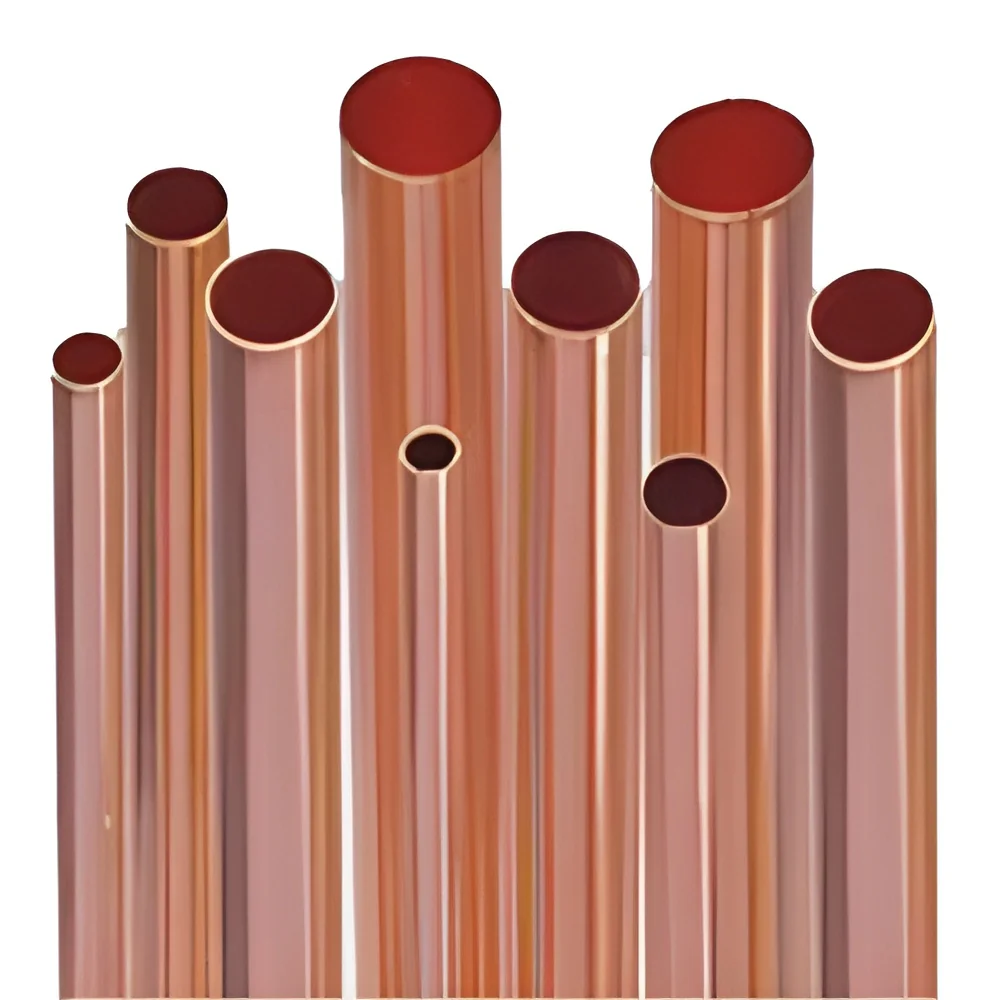
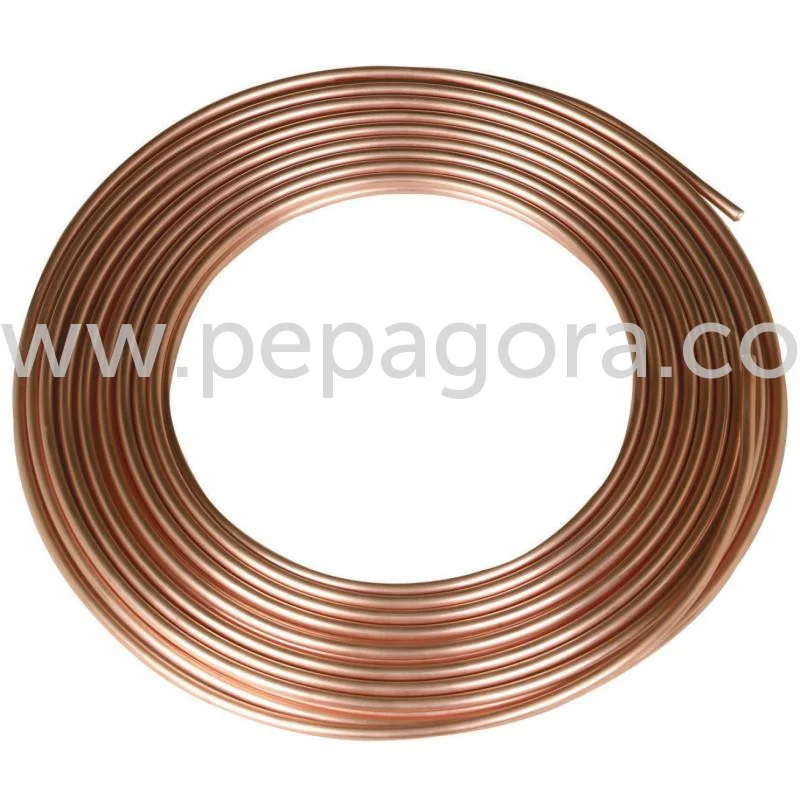
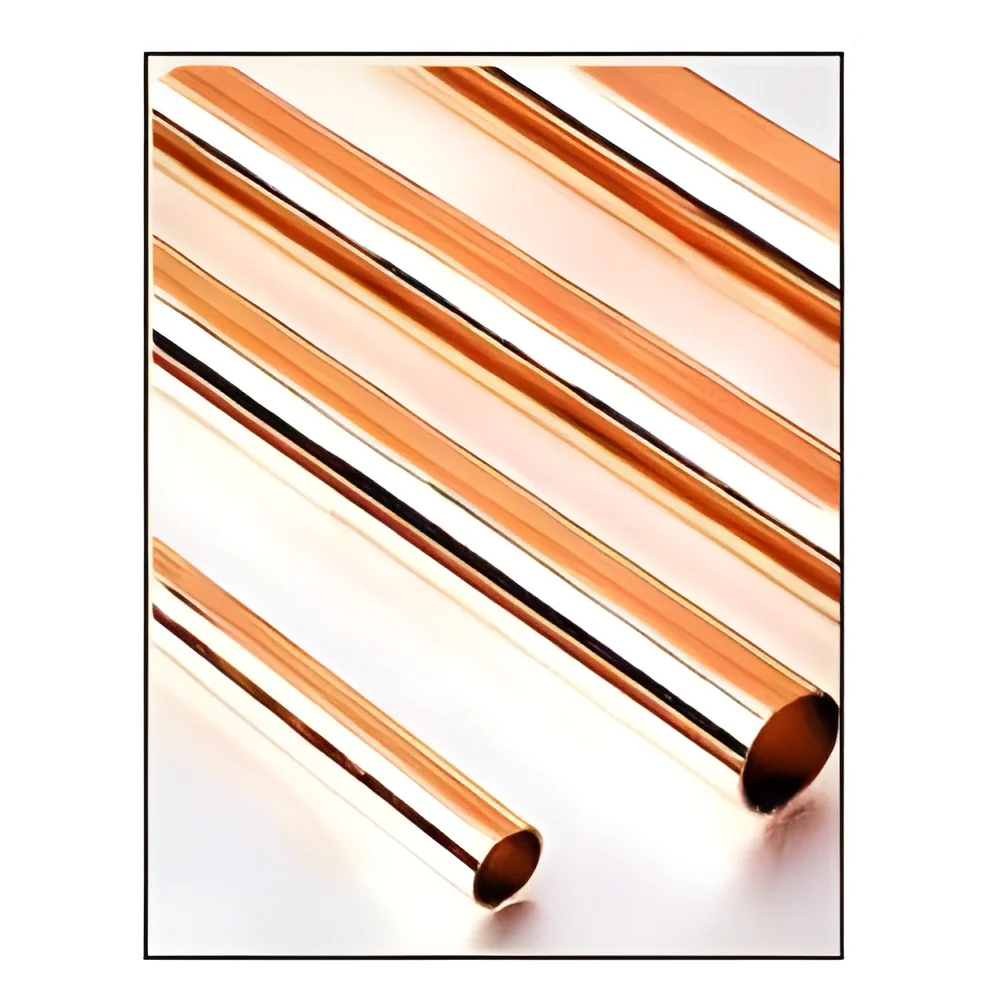
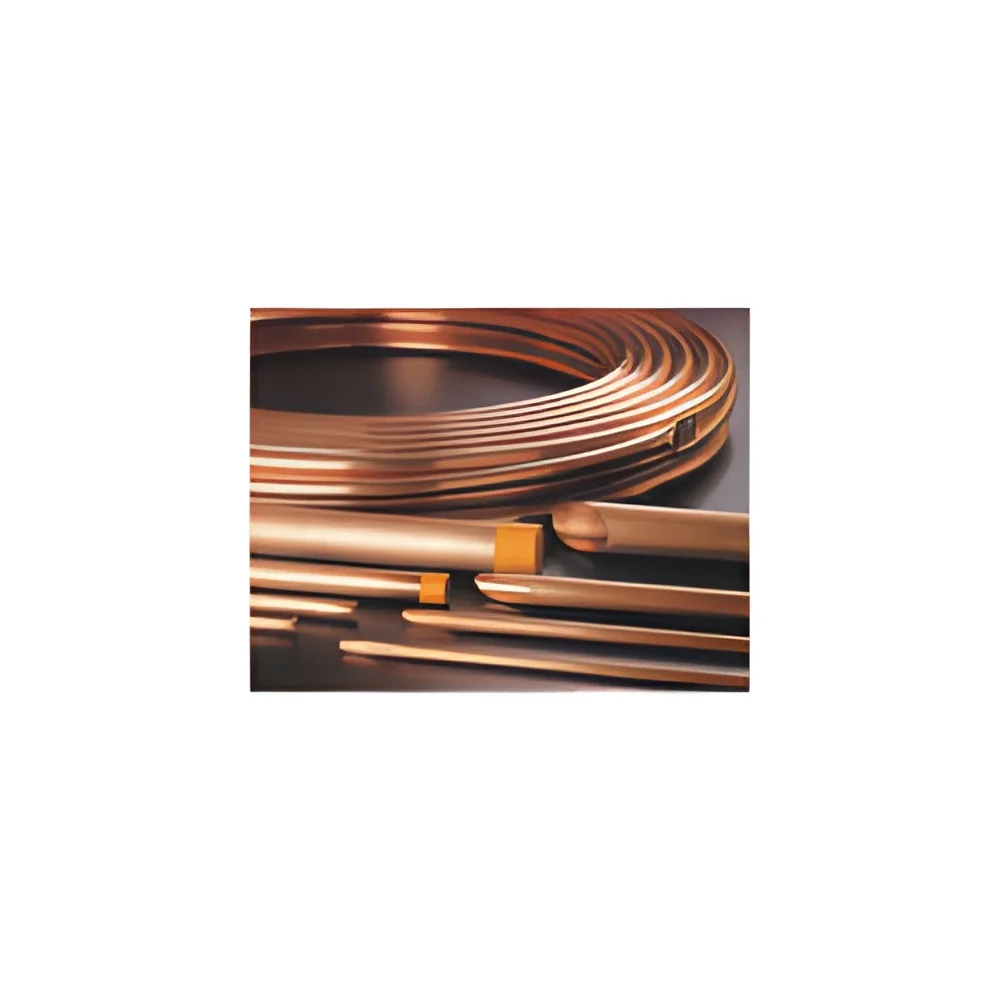
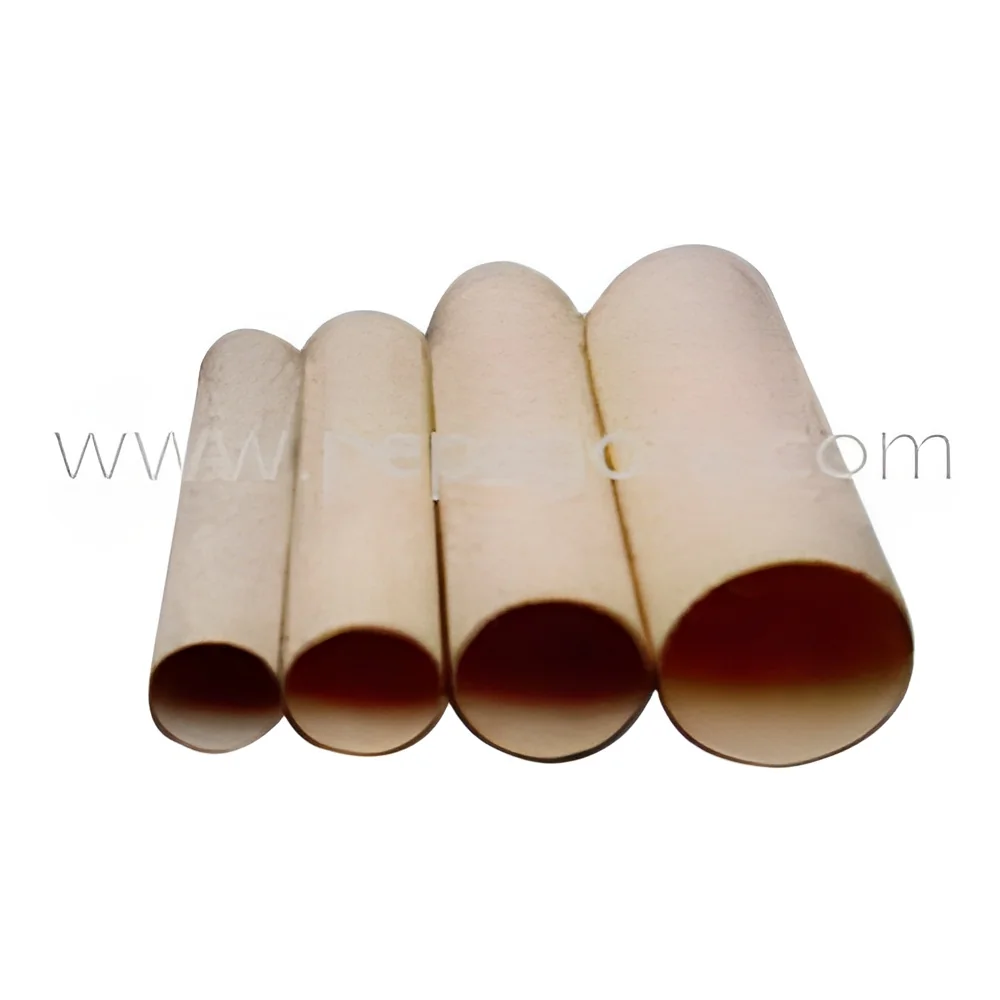
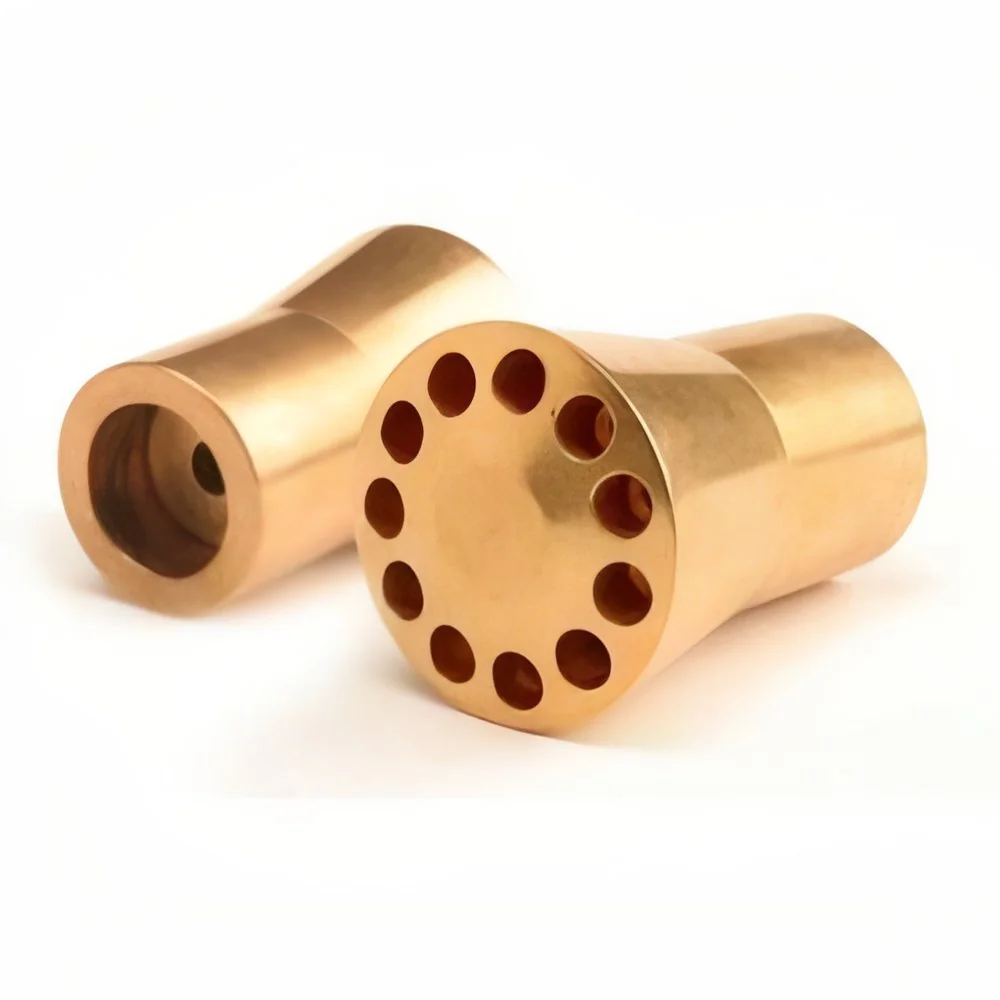
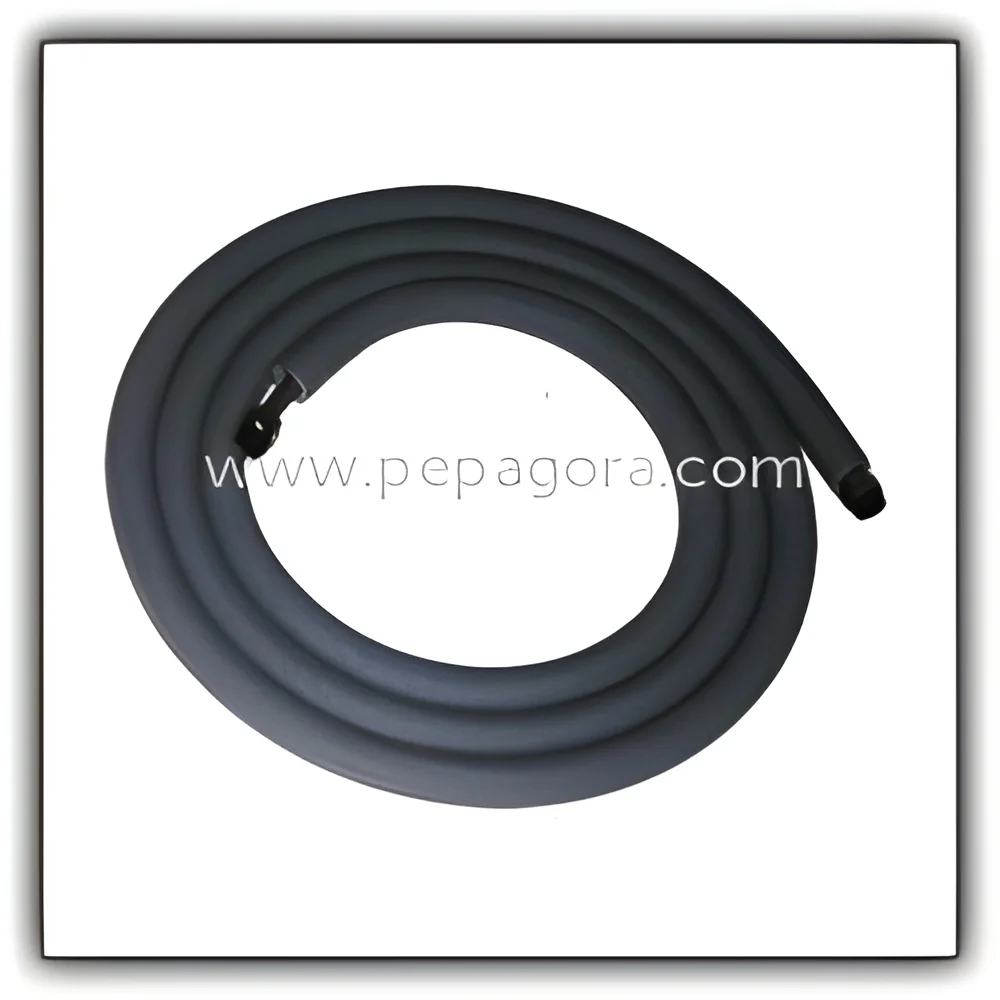
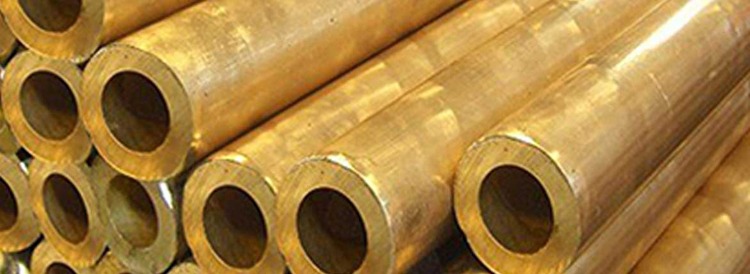
What are Copper Pipes & Tubes?
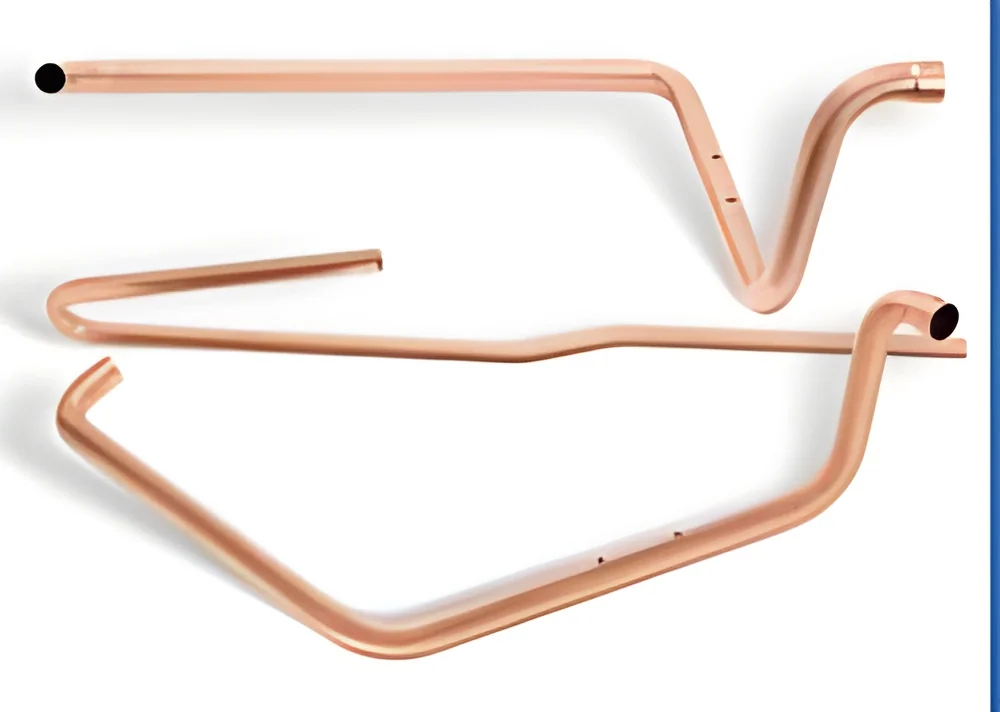
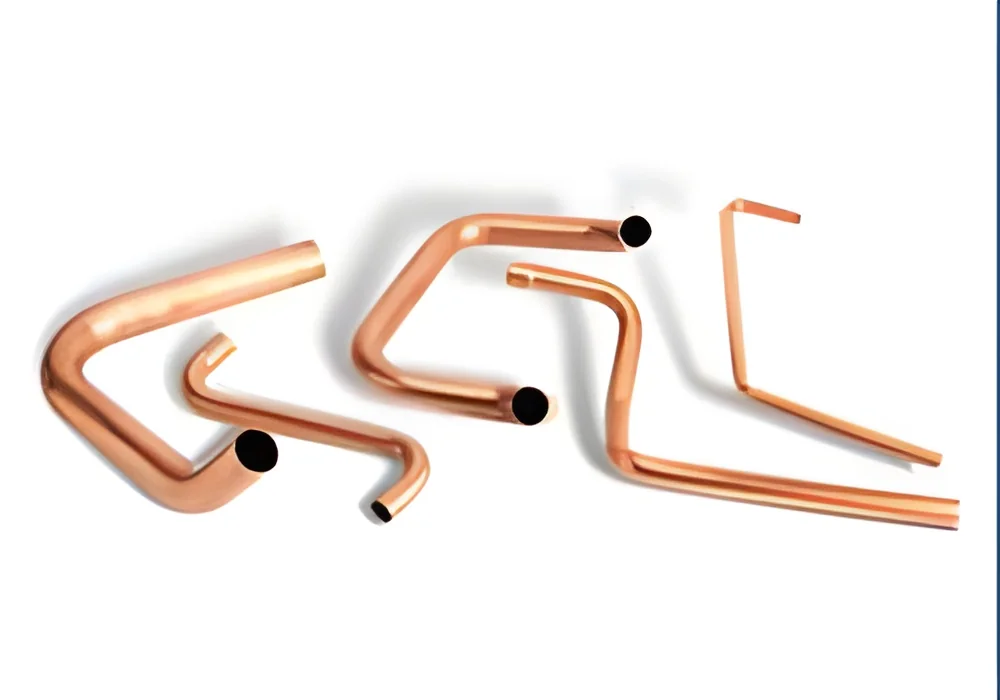
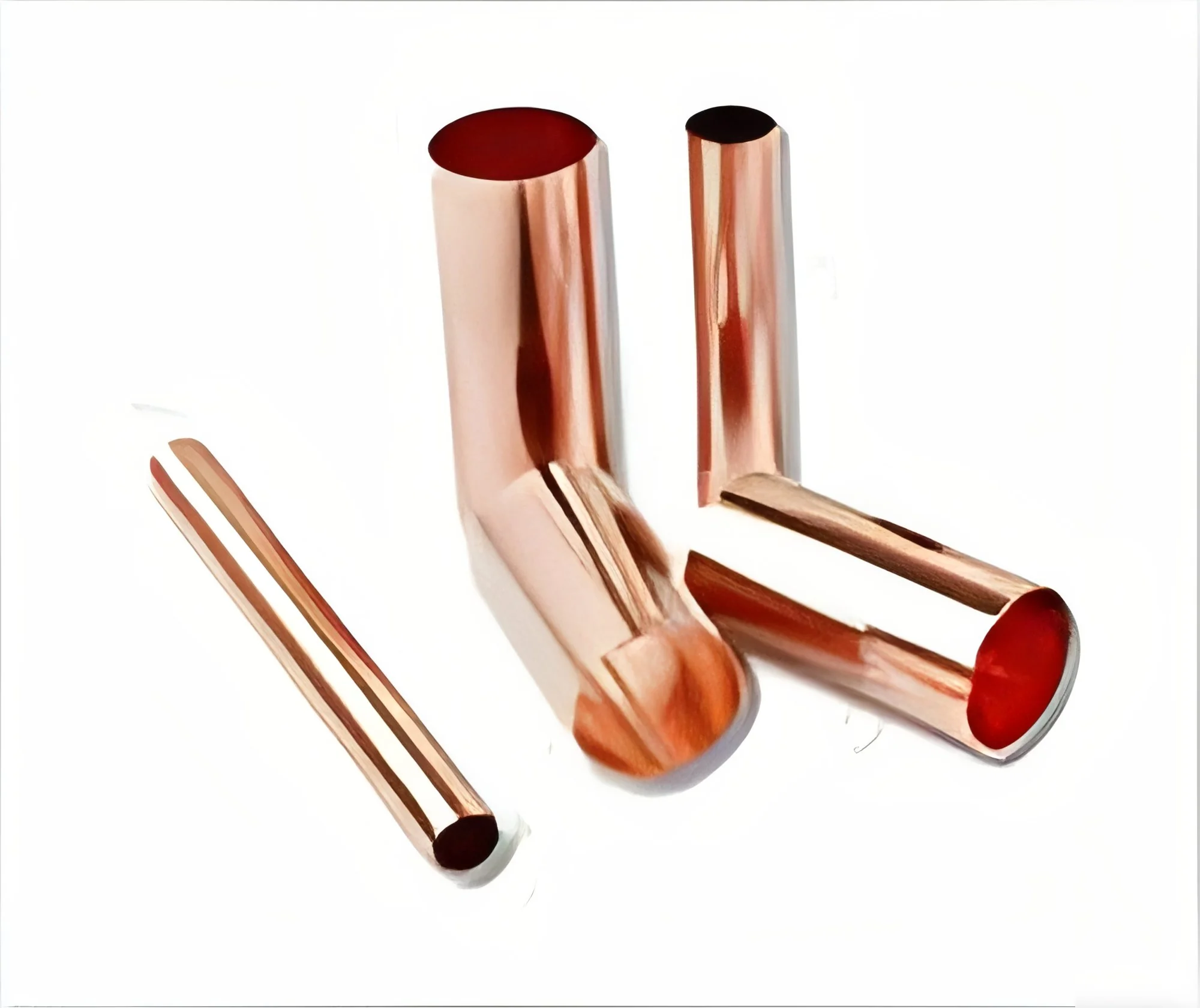
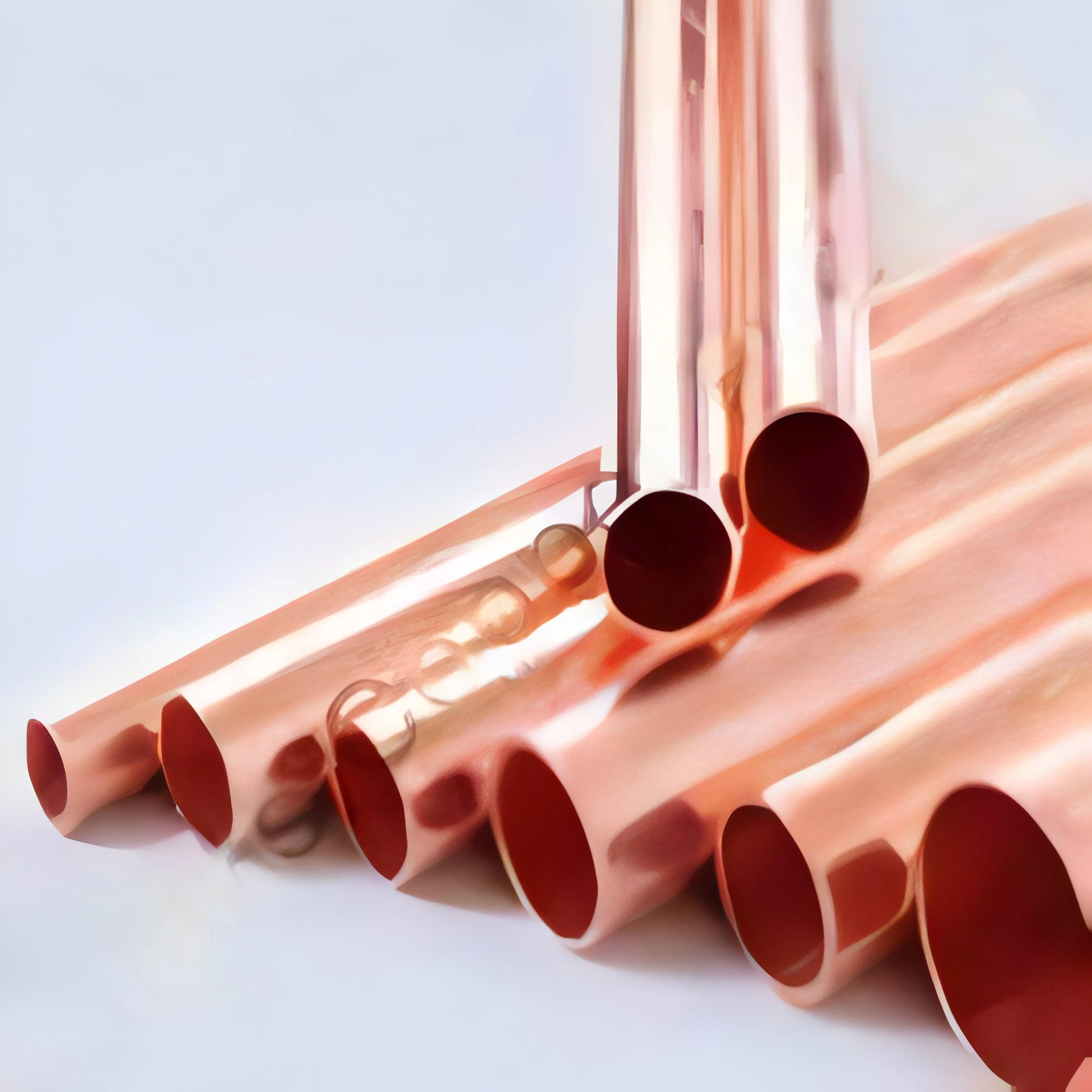
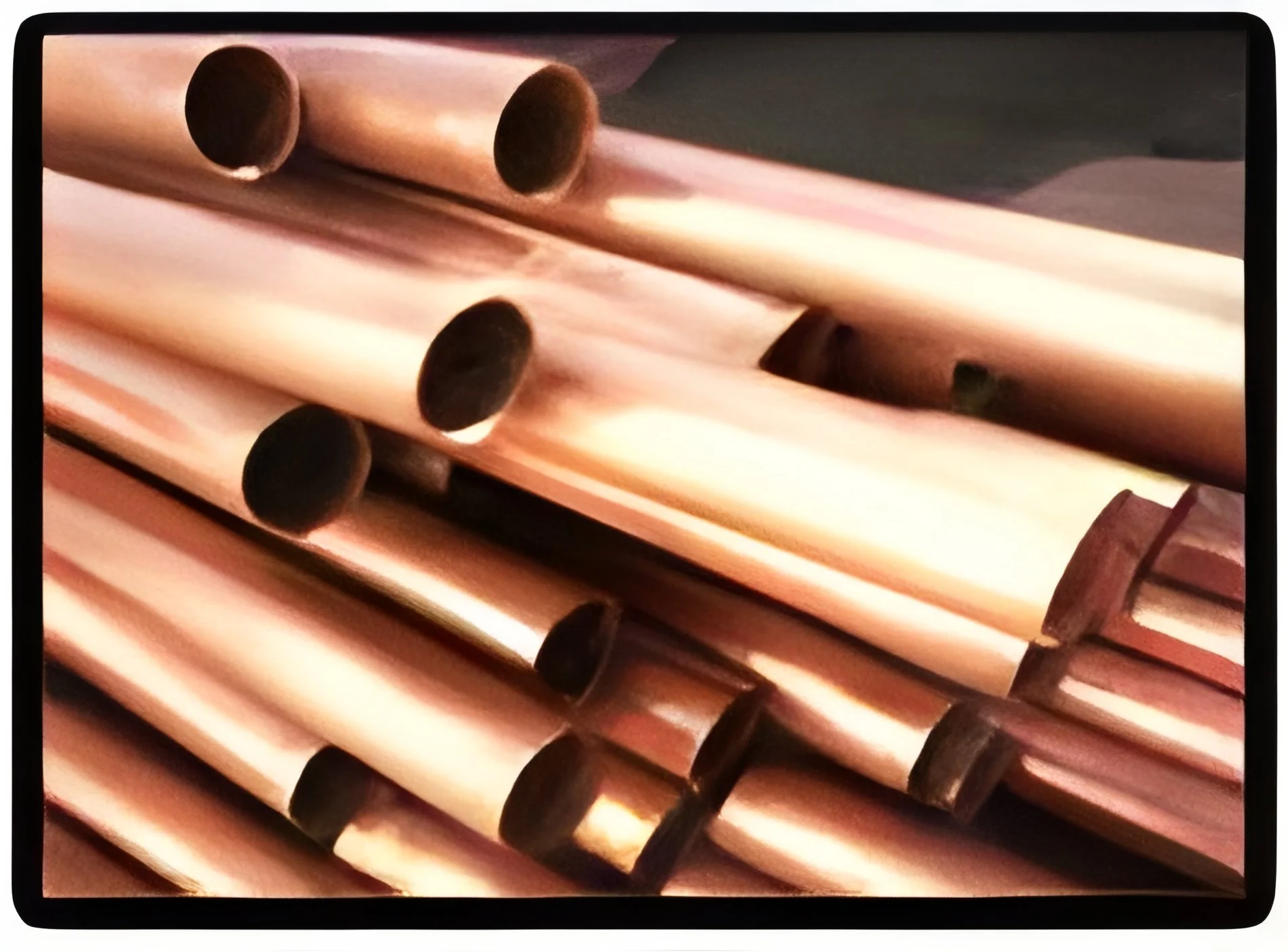
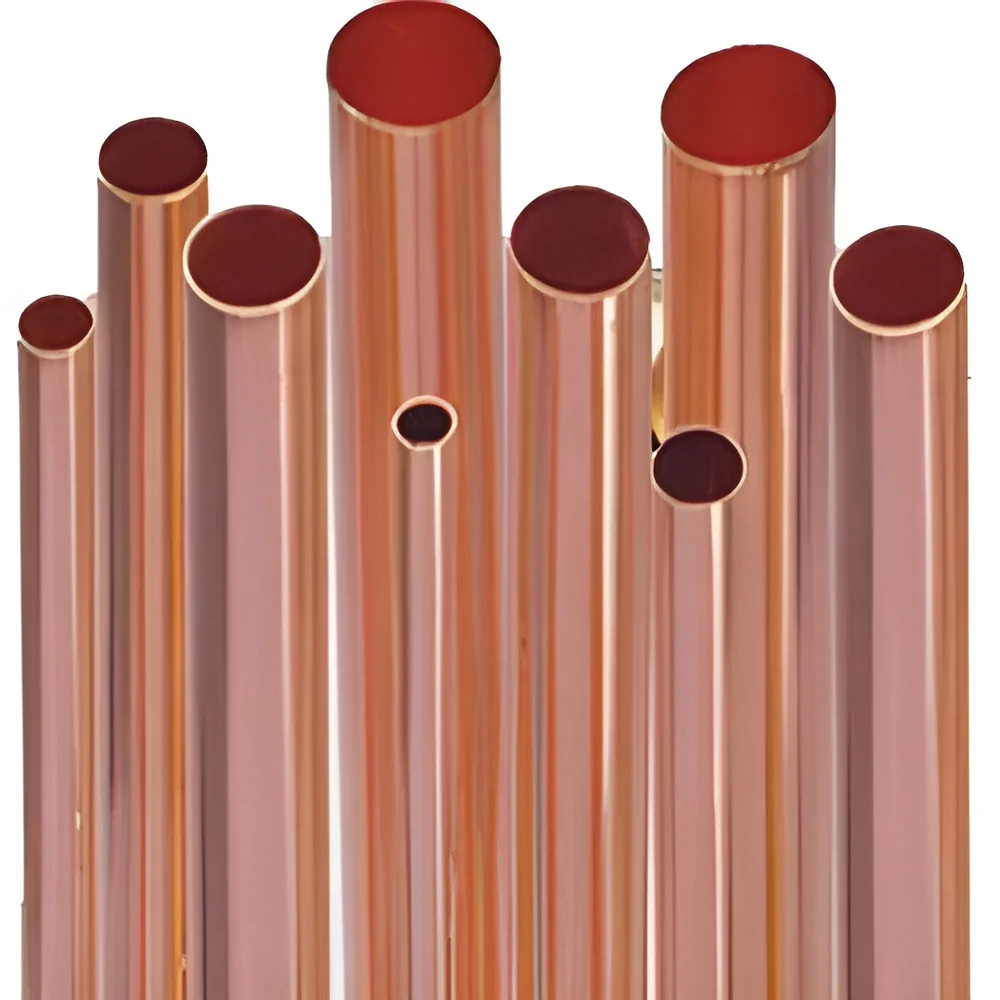
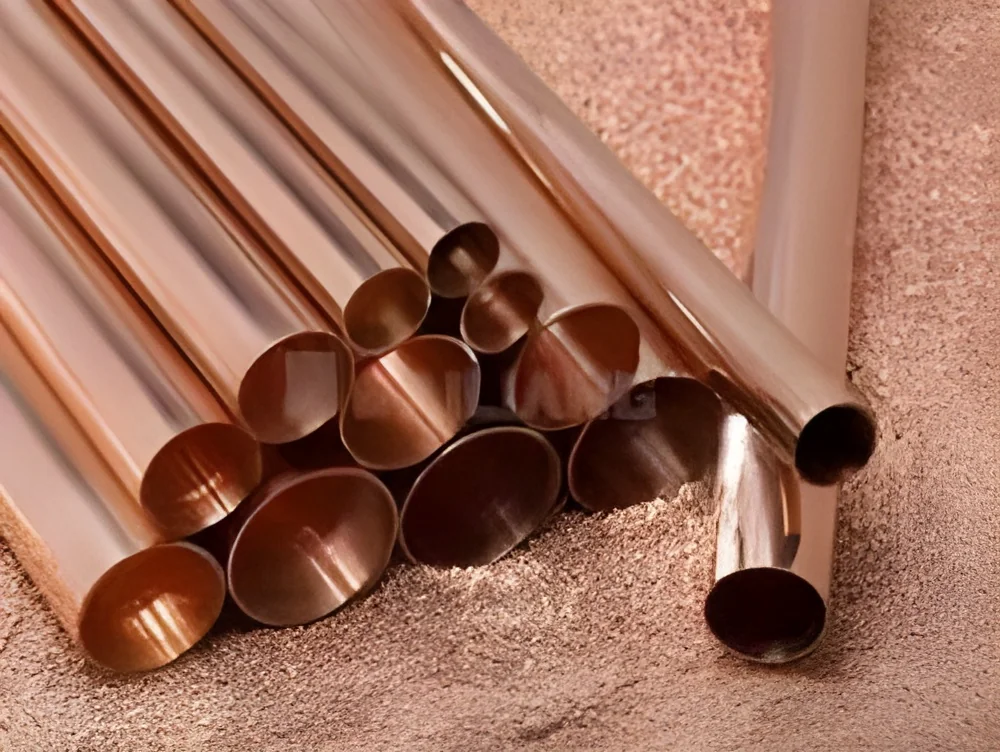
Copper pipes and tubes are essential components in many industrial applications. They are made from high-purity copper and are known for their excellent thermal and electrical conductivity. These pipes and tubes come in various sizes and thicknesses, making them versatile for multiple uses, including plumbing, HVAC systems, and electrical wiring.
The primary applications of copper pipes and tubes are in the construction and manufacturing sectors. In plumbing, they serve as conduits for water supply and drainage systems. In HVAC, copper tubes are utilized in refrigerant lines and heat exchangers. Their resilience against corrosion and high temperatures makes them a preferred choice in industries requiring reliable and durable materials.
In the market context, the demand for copper pipes and tubes is steadily increasing due to their energy efficiency and longevity. Industries are moving towards sustainable materials, and copper fits this need due to its recyclability and low environmental impact. This growing relevance in various sectors ensures that copper pipes and tubes will maintain a significant presence in the B2B marketplace.
Key Features and Specifications
Copper pipes and tubes are distinguished by several key features that underline their utility in industrial applications. Their specifications can vary based on the intended use, but certain parameters remain standard across the board.
Key specifications include:
1. Material Composition
- Made from high-purity copper
- Typically contains a minimum of 99.9% copper content
2. Size and Diameter
- Available in various diameters ranging from 1/8 inch to 12 inches
- Can be customized for specific requirements
3. Wall Thickness
- Standard wall thickness options such as Type K, Type L, and Type M
- Thickness can range from 0.02 inches to 0.06 inches
4. Temperature Resistance
- Can withstand temperatures up to 200 degrees Celsius
- Suitable for both hot and cold applications
5. Pressure Ratings
- Pressure rating varies with size, typically ranging from 100 psi to 300 psi
- Ensures reliability in high-pressure systems
6. Corrosion Resistance
- Naturally resistant to corrosion and rust
- Suitable for outdoor and indoor applications
7. Flexibility and Workability
- Easily bent and shaped for custom installations
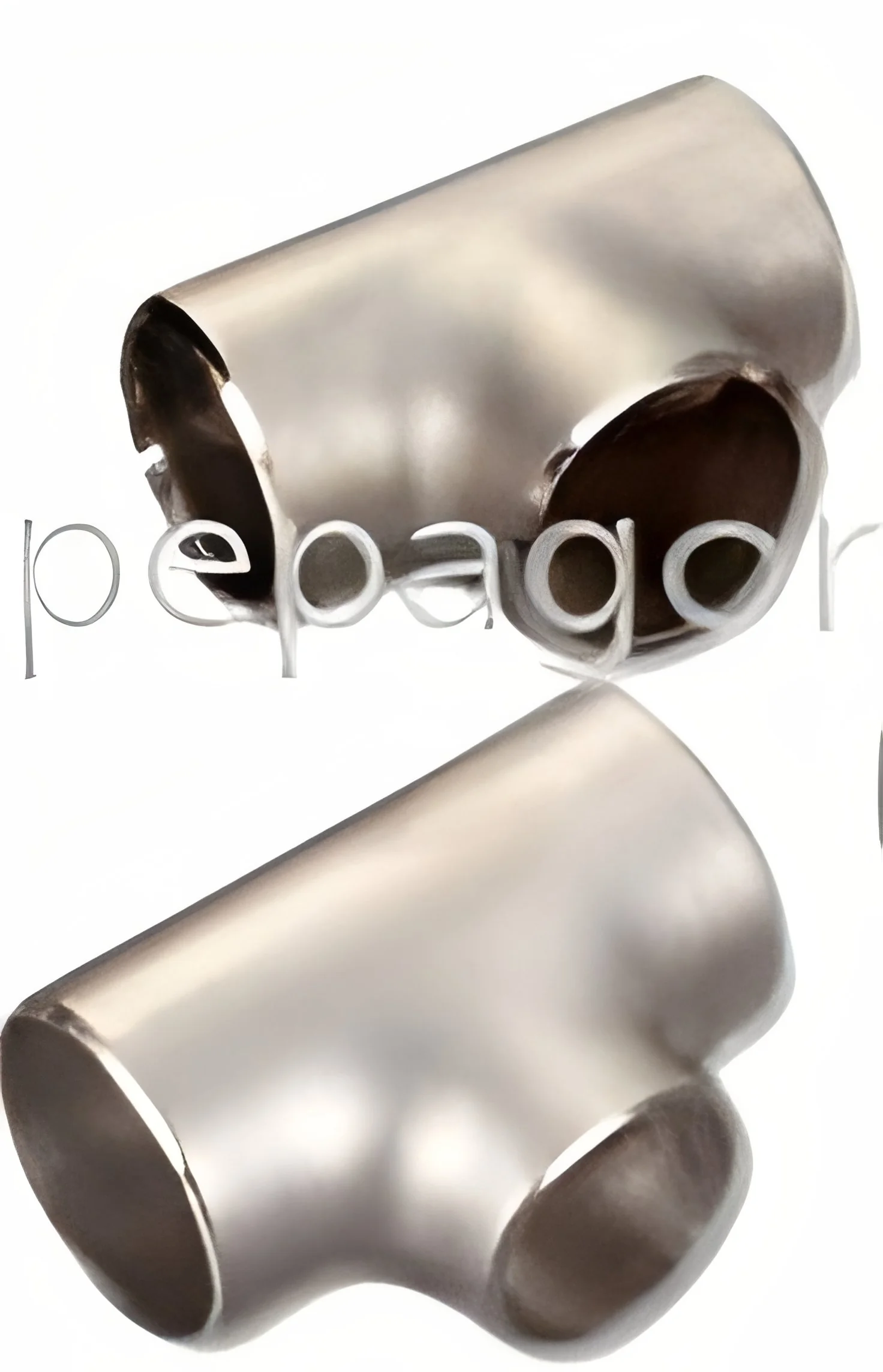
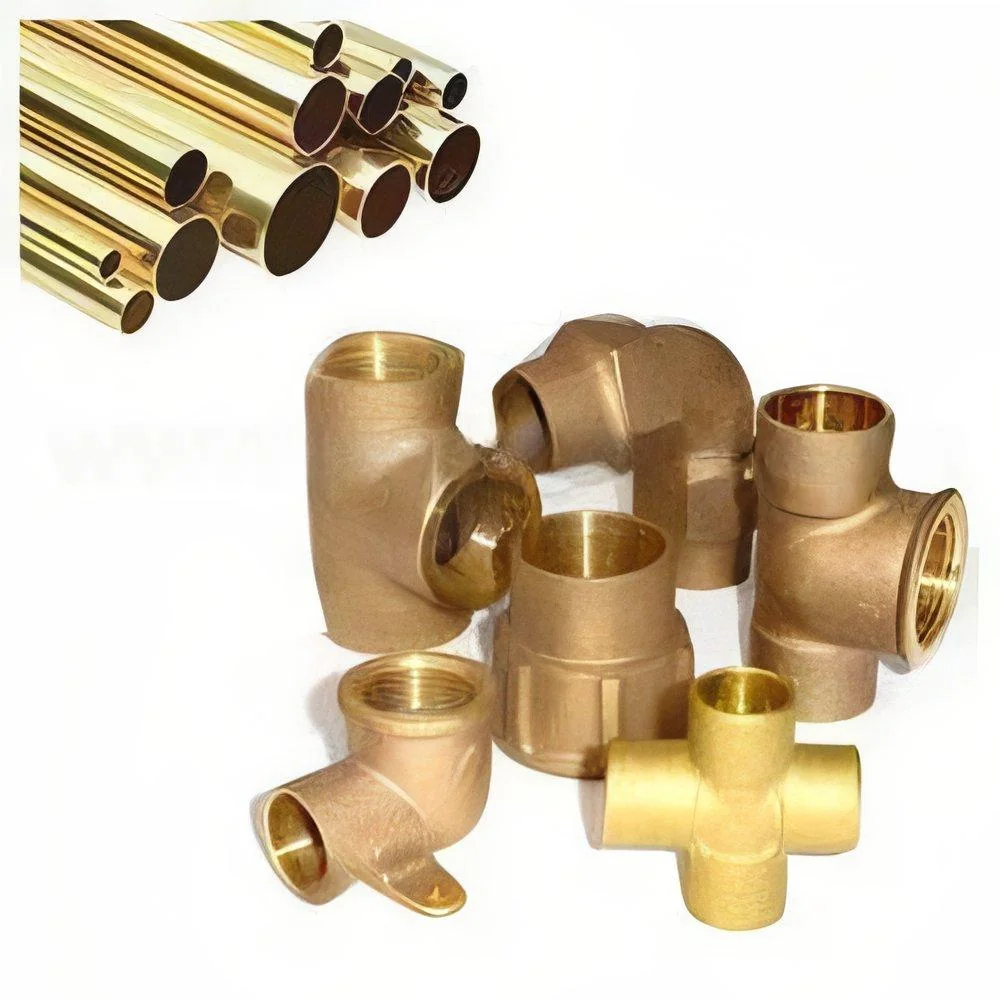
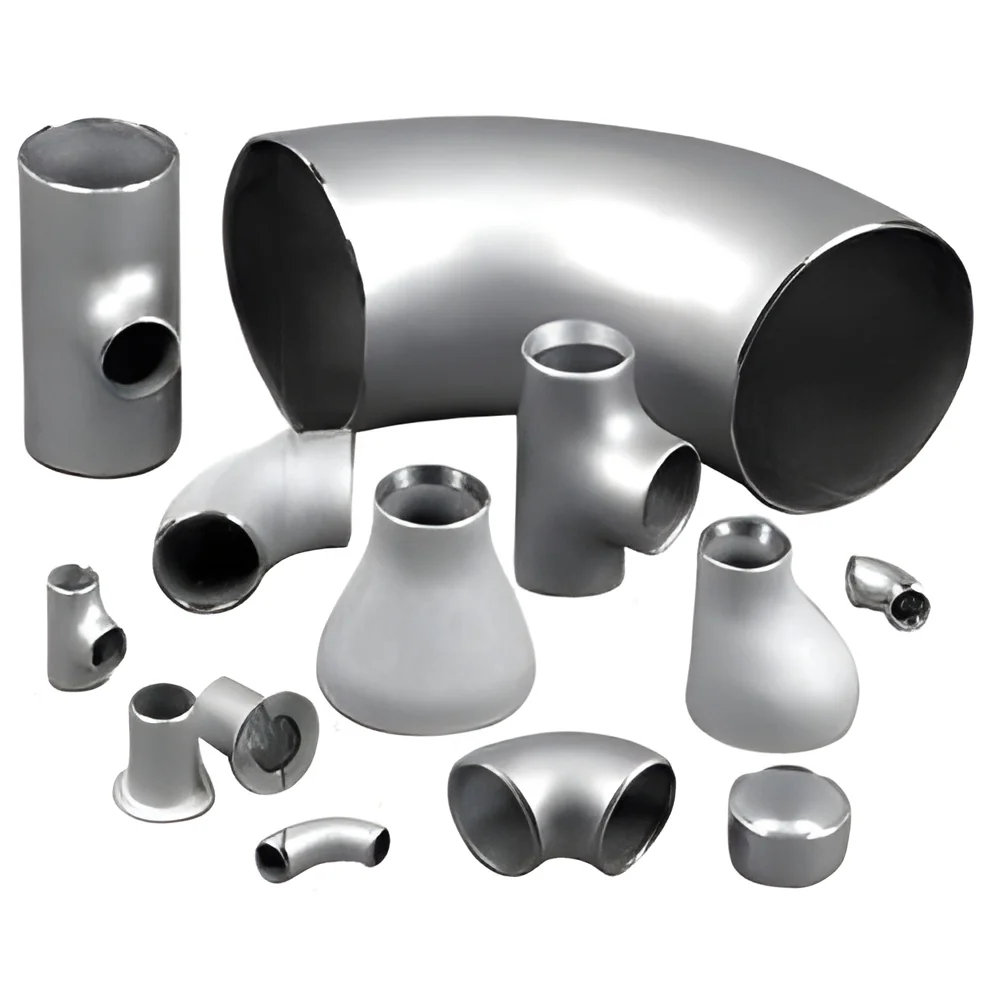
- Compatible with various fittings and joints
8. Recyclability
- Fully recyclable without loss of quality
- Supports sustainable practices in manufacturing
In summary, copper pipes and tubes offer a combination of durability, flexibility, and environmental sustainability, making them a valuable choice for various industrial applications.
Common Applications and Use Cases
Copper pipes and tubes are utilized across a wide range of industries, showcasing their versatility and reliability.
1. Plumbing: In residential and commercial settings, copper pipes are commonly used for water supply and drainage. Their resistance to corrosion ensures a long lifespan in plumbing systems.
2. HVAC: Copper tubes are integral in heating, ventilation, and air conditioning systems. They facilitate the flow of refrigerants, contributing to efficient heat exchange processes.
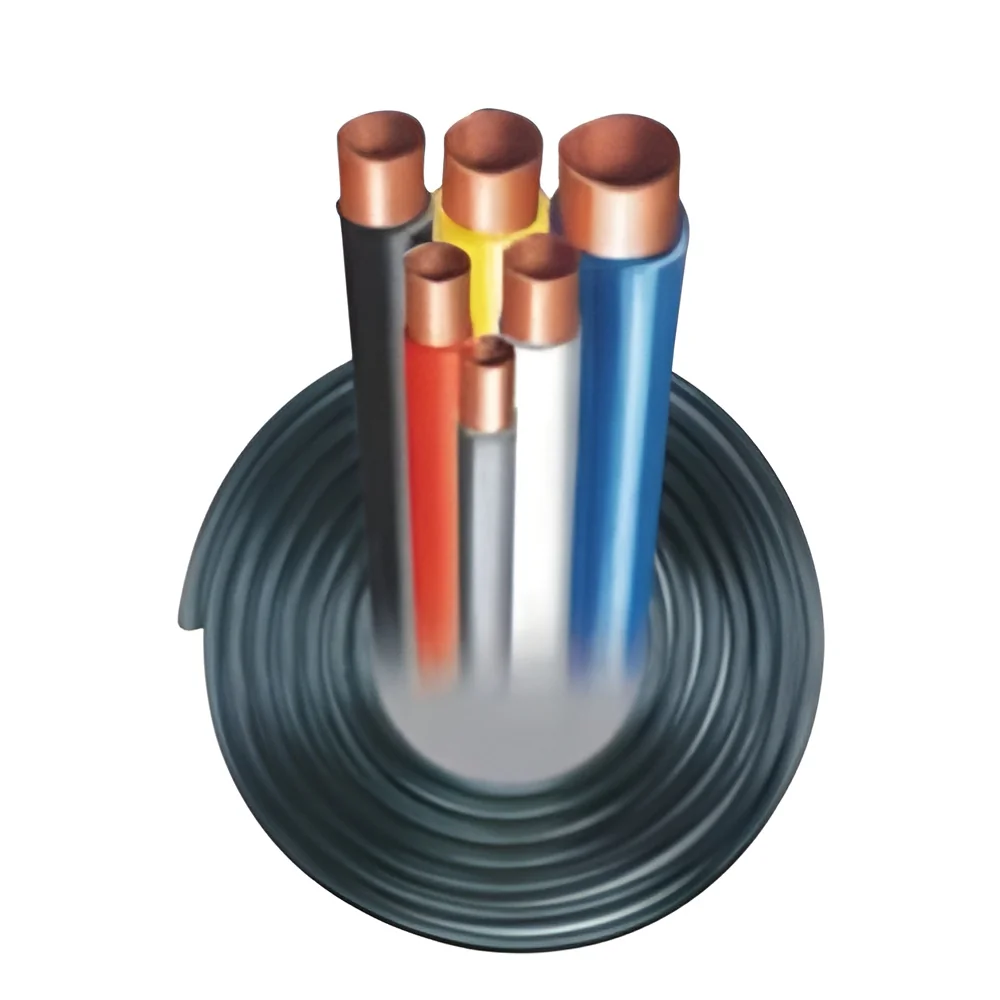
3. Electrical: Copper is a preferred material for electrical wiring due to its excellent conductivity. Copper tubes are also used in grounding applications.
4. Refrigeration: Copper pipes are used in refrigeration systems for their ability to withstand low temperatures and high pressures, ensuring efficient cooling.
5. Automotive: In the automotive industry, copper tubes are employed in heat exchangers and fuel lines, benefiting from their thermal conductivity and durability.
6. Aerospace: Copper is used in aerospace applications for hydraulic systems and structural components, where lightweight and strong materials are essential.
7. Chemical Processing: Copper pipes resist corrosion from harsh chemicals, making them suitable for transporting various substances in chemical plants.
Product Variants and Subcategories
Copper pipes and tubes come in several variants, each tailored for specific applications and requirements.
Type K Copper Pipes
Type K pipes are characterized by their thick walls, making them highly durable and suitable for underground installations. They are often used in water service lines and plumbing systems.
Type L Copper Pipes
Type L pipes have a medium wall thickness, making them versatile for residential and commercial plumbing applications. They are commonly used in both hot and cold water systems.
Type M Copper Pipes
Type M pipes are lighter and thinner than Type K and Type L, making them easier to handle and install. They are often used in interior plumbing and heating systems.
Benefits and Advantages
Copper pipes and tubes offer numerous benefits that make them a preferred choice for many industrial applications.
1. Durability: Copper is known for its strength and longevity, resisting corrosion and wear over time.
2. Excellent Conductivity: Copper's superior thermal and electrical conductivity enhances efficiency in systems where it is used.
3. Lightweight: Copper pipes are lighter than many alternatives, making transportation and installation easier.
4. Versatility: Available in various sizes and forms, copper pipes can be used in a wide range of applications.
5. Eco-Friendly: Copper is fully recyclable, contributing to sustainable practices in manufacturing and construction.
6. Low Maintenance: The inherent properties of copper reduce the need for frequent maintenance, saving time and costs.
Buying Guide for B2B Buyers
When sourcing copper pipes and tubes, it is essential for B2B buyers to consider several factors to ensure they make informed purchasing decisions.
1. Quality Assessment: Look for suppliers that adhere to quality standards and provide detailed specifications for their products. Ensure that the copper used meets industry-grade requirements.
2. Supplier Verification: Conduct thorough research on potential suppliers. Check their reputations, customer reviews, and whether they have necessary certifications to ensure reliability.
3. Pricing and MOQ: Discuss pricing structures and minimum order quantities with suppliers. Ensure that the costs reflect the quality and specifications required for your project.
4. Delivery and Lead Times: Inquire about delivery options and expected lead times. Timely delivery is crucial for maintaining project schedules and avoiding delays.
5. Compliance Requirements: Understand the regulatory requirements in your region regarding the use of copper pipes and tubes. Ensure that the products meet local standards for safety and quality.
Compliance and Certifications
Compliance with industry standards and certifications is crucial when sourcing copper pipes and tubes. Ensuring that products meet established quality benchmarks enhances reliability and safety.
Relevant quality standards include ISO 9001, which outlines requirements for a quality management system, ensuring that businesses consistently meet customer and regulatory requirements. Additionally, HACCP (Hazard Analysis Critical Control Point) principles may apply in specific industries, particularly in food and beverage applications.
Industry certifications, such as CE marking, indicate that the products meet European safety, health, and environmental protection standards. This certification is essential for companies looking to market their products in Europe.
Safety and testing requirements are also vital, as they ensure that the copper pipes and tubes can withstand the conditions they will face in their applications. Regional compliance considerations may vary, and staying informed about local regulations is necessary for successful sourcing.
Why Source Copper Pipes & Tubes from Pepagora?
Pepagora provides a trusted platform for sourcing copper pipes and tubes with several key advantages for B2B buyers.
Verified Supplier Network: Pepagora has a robust network of verified suppliers, ensuring that buyers can connect with reputable manufacturers. This verification process minimizes the risks associated with sourcing materials.
Streamlined RFQ Process: The platform offers a user-friendly Request for Quotation (RFQ) system, allowing buyers to easily request quotes from multiple suppliers. This feature simplifies the procurement process and enhances transparency in pricing.
Trade Assurance and Support: Pepagora offers trade assurance, providing buyers with added protection during transactions. This support helps to instill confidence in the sourcing process.
Regional Coverage: With a strong presence in India, the GCC, and Southeast Asia, Pepagora ensures that buyers can effectively source copper pipes and tubes across these regions, catering to diverse business needs.

 IN
IN
 India
India