IN
IN₹
Apparel & Fashion
Description
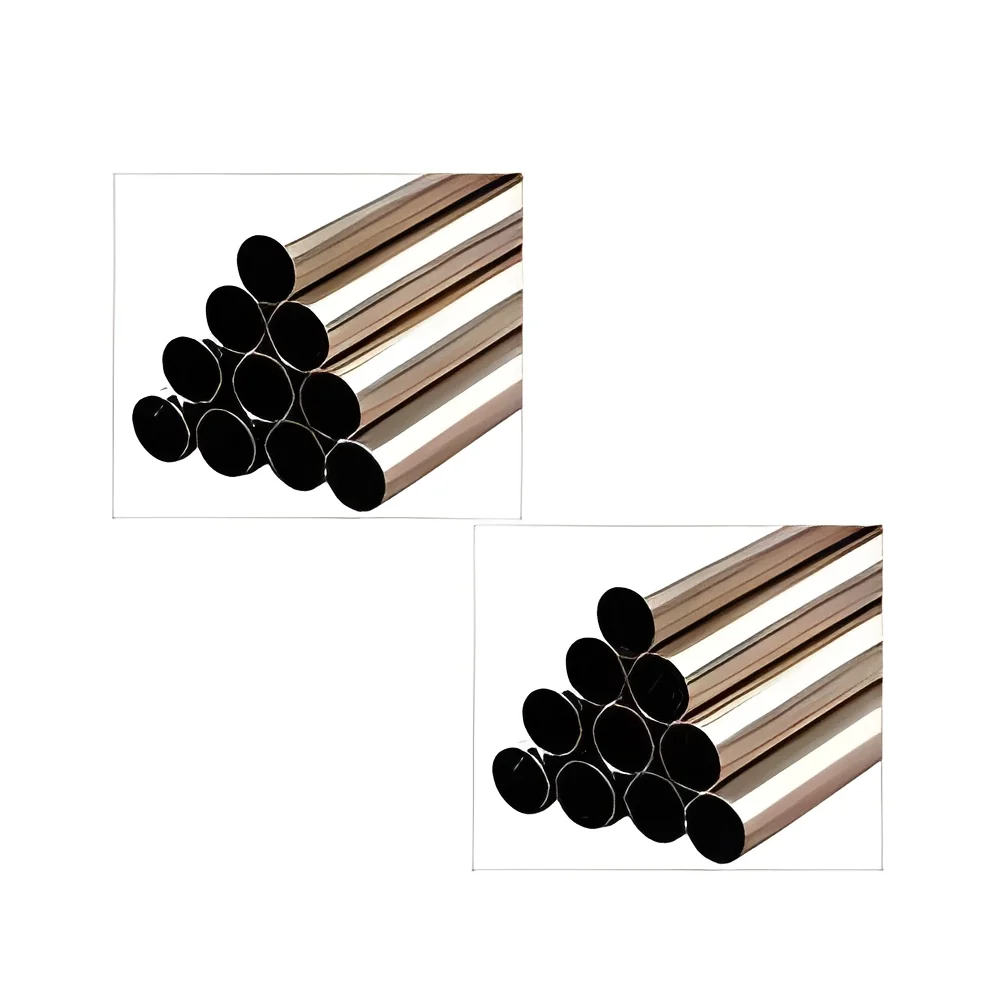
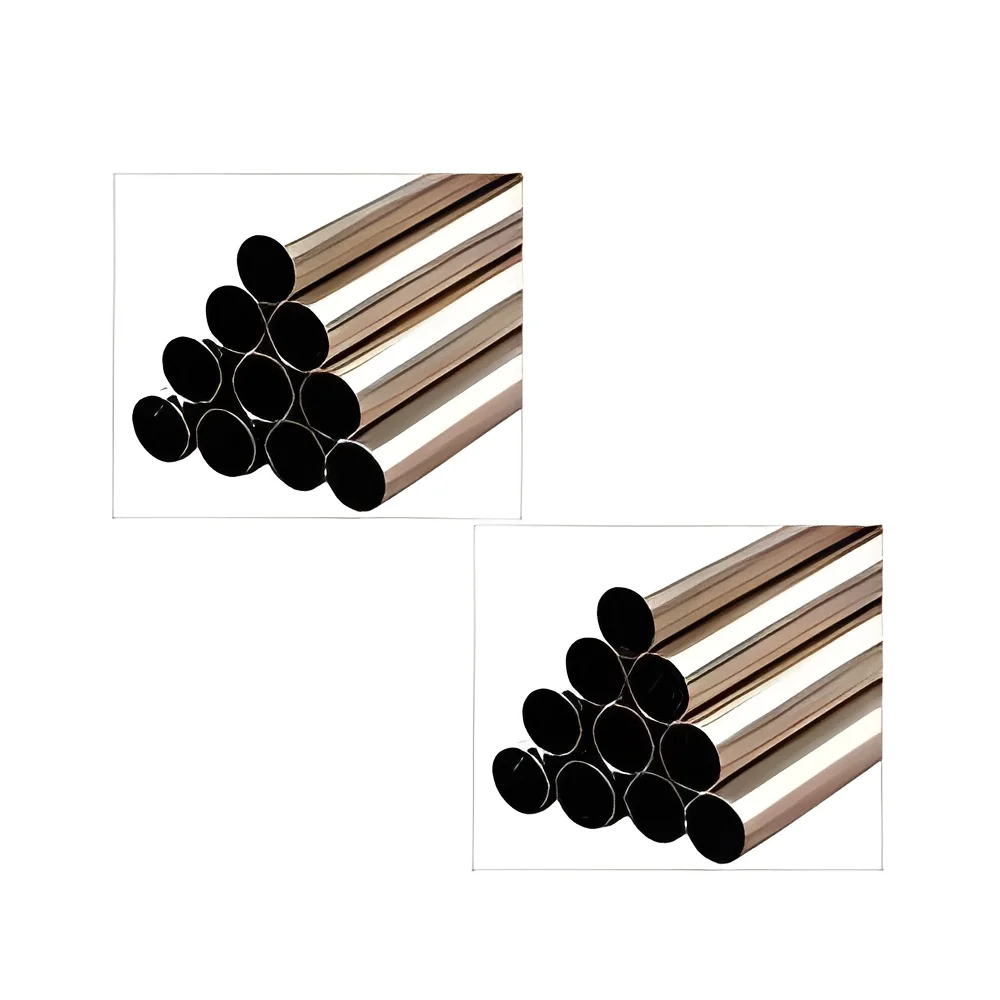
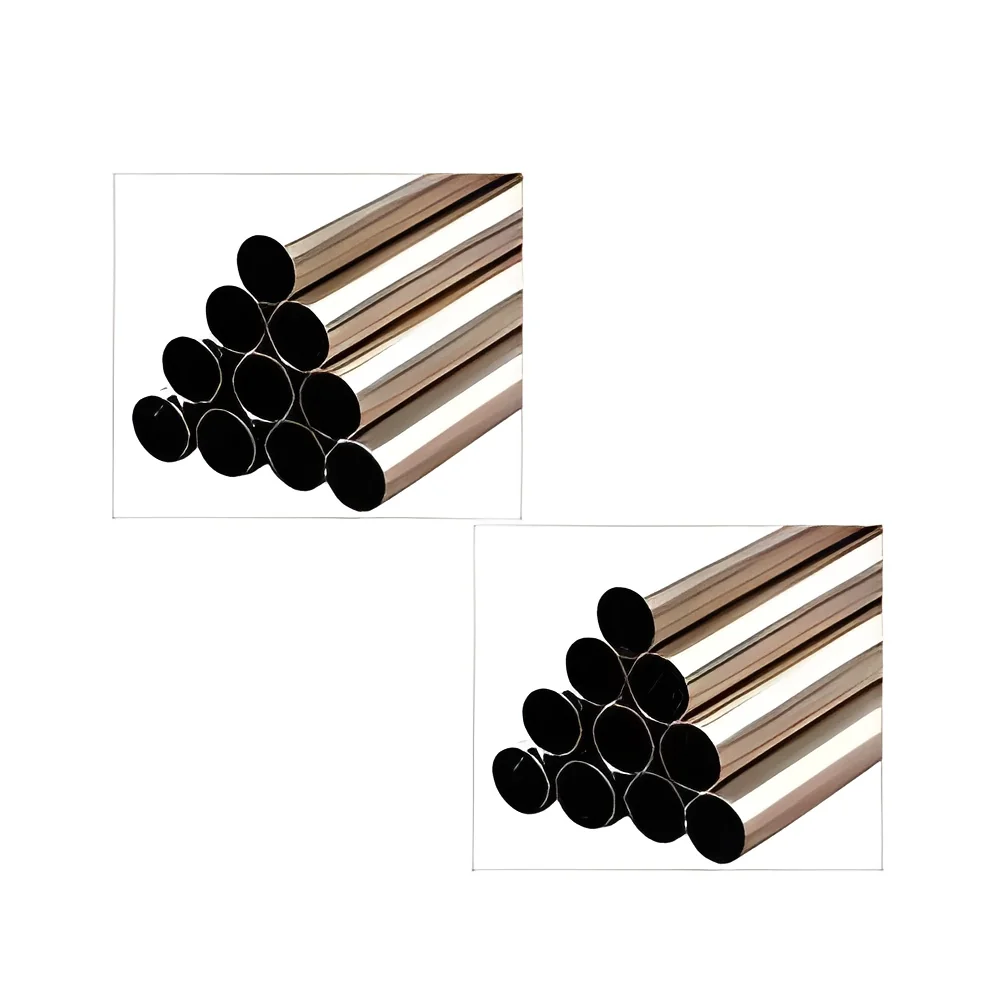
Automotive Cupro Nickel 90/10 Tubes represent a premium engineering solution designed specifically for the automotive industry's most challenging applications. This copper-nickel alloy combines 90% copper with 10% nickel, creating a material that delivers exceptional corrosion resistance while maintaining high mechanical strength and excellent formability. These tubes are manufactured to withstand the harsh chemical environments presented by modern automotive fluids including fuels, brake fluids, engine oils, and various coolants. Their inherent resistance to stress corrosion cracking and erosion makes them particularly valuable in systems where safety and reliability are non-negotiable. The material performs consistently across a wide temperature range, maintaining its structural integrity in both freezing conditions and high-heat engine bay environments. This reliability has been proven through decades of use in critical automotive systems worldwide, establishing Cupro Nickel 90/10 a...
Automotive Cupro Nickel 90/10 Tubes represent a premium engineering solution designed specifically for the automotive industry's most challenging applications. This copper-nickel alloy combines 90% copper with 10% nickel, creating a material that delivers exceptional corrosion resistance while maintaining high mechanical strength and excellent formability. These tubes are manufactured to withstand the harsh chemical environments presented by modern automotive fluids including fuels, brake fluids, engine oils, and various coolants. Their inherent resistance to stress corrosion cracking and erosion makes them particularly valuable in systems where safety and reliability are non-negotiable. The material performs consistently across a wide temperature range, maintaining its structural integrity in both freezing conditions and high-heat engine bay environments. This reliability has been proven through decades of use in critical automotive systems worldwide, establishing Cupro Nickel 90/10 as a trusted material for manufacturers who cannot afford component failure.

The automotive industry utilizes these tubes across multiple critical vehicle systems where performance directly impacts safety and operational efficiency. Major automotive manufacturers specify Cupro Nickel 90/10 tubes for fuel delivery systems, where their resistance to ethanol-blended fuels and hydrocarbon corrosion prevents leaks and ensures consistent fuel flow. In braking systems, their high strength and fatigue resistance maintain integrity under repeated pressure cycles, a crucial safety consideration. Cooling system applications benefit from the alloy's excellent thermal conductivity and resistance to various coolants, including those with aggressive anti-corrosion additives. The commercial vehicle sector relies on these tubes for hydraulic systems and lubrication circuits in heavy-duty applications where downtime costs are substantial. Marine and off-highway vehicle manufacturers particularly value the alloy's proven resistance to seawater corrosion in cooling and exhaust systems, extending component life in the most challenging environments.

Choosing Automotive Cupro Nickel 90/10 Tubes delivers significant business value through reduced total cost of ownership and enhanced system reliability. While the initial investment may be higher than alternative materials, the extended service life and reduced maintenance requirements provide substantial long-term savings. These tubes minimize system failures and unplanned downtime, directly impacting production efficiency and operational profitability for vehicle manufacturers and fleet operators. Their proven reliability reduces warranty claims and enhances brand reputation for quality and safety. The material's excellent formability reduces installation time and complexity, lowering assembly costs during vehicle production. This combination of technical superiority and economic efficiency makes Cupro Nickel 90/10 tubes a smart investment for businesses prioritizing quality, safety, and long-term value in their automotive components.

Key Features:
- Superior corrosion resistance against automotive fluids including fuels, oils, brake fluids, and coolants
- High mechanical strength and excellent fatigue resistance for long service life under vibration and pressure cycles
- Outstanding formability allowing precise bending and flaring without cracking or weakening the tube structure
- Excellent thermal conductivity for efficient heat transfer in engine and transmission cooling applications
- Proven resistance to stress corrosion cracking and erosion in harsh automotive environments

Benefits:
- Extended component life and reduced maintenance requirements lowering total cost of ownership
- Enhanced system reliability and safety in critical automotive applications like braking and fuel systems
- Simplified installation and assembly due to excellent formability, reducing production time and costs
- Consistent performance across wide temperature ranges and under various chemical exposures
- Reduced risk of system failures and unplanned downtime for vehicle manufacturers and operators
Specifications
| Additional Information | |
|---|---|
| Country of Origin | India |
Application
Cupro Nickel 90/10 tubes are engineered for demanding automotive environments where failure is not an option. Their exceptional resistance to corrosion from fuels, oils, coolants, and seawater makes them ideal for critical fluid transport systems that must perform reliably under extreme pressure, temperature, and vibration conditions. The material's high strength-to-weight ratio and excellent fatigue resistance ensure durability throughout the vehicle's service life.
Manufacturers specify these tubes for applications requiring zero compromise on safety and performance. The alloy's excellent formability allows for complex routing in tight engine bays and chassis layouts, simplifying assembly and reducing production time. This combination of durability, ease of installation, and proven performance makes them a preferred choice for systems where longevity and minimal maintenance are critical operational requirements.
- Fuel supply lines and high-pressure hydraulic brake lines in passenger cars, trucks, and commercial vehicles
- Engine and transmission cooling system tubes, including radiator and intercooler connections
- Lubrication oil lines for engines, turbochargers, and transmission systems
- Power steering system fluid lines and transmission oil cooler lines
- Marine and off-highway vehicle seawater cooling pipes and exhaust system components
Trade Details
| Available Stock | In Stock |
| Sample Availability | No |
Payment Terms
| Payment Terms |
|
Company Profile
Noble Metal, Maharashtra
 Maharashtra, India
Maharashtra, IndiaTools & Hardware•Manufacturer•Distributor / Wholesaler
Factory Details
Factory SizeBelow 1000 sqm
Annual Production Capacity0
Automotive Cupro Nickel 90/10 Tubes Corrosion Resistant High Strength
Automotive Cupro Nickel 90/10 Tubes provide superior corrosion resistance and high strength for critical automotive fluid systems like fuel lines, brake systems, and cooling applications, ensuring long-term reliability.
Min. Order Quantity: 1 unit
Shipping
Shipping fee and delivery date to be negotiated. Contact supplier now for more details.
Noble Metal
 Maharashtra, India
Maharashtra, IndiaTools & HardwareManufacturer