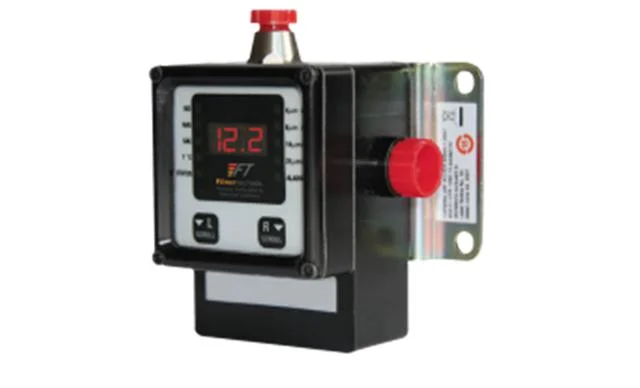
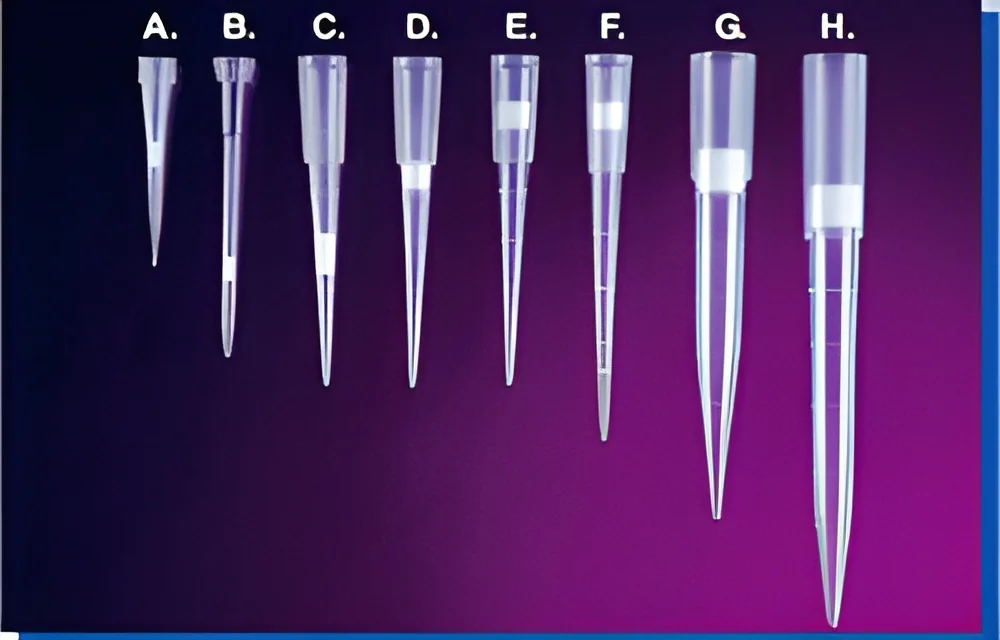
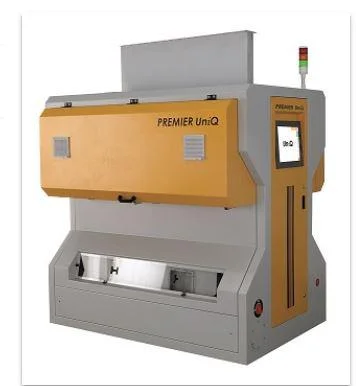
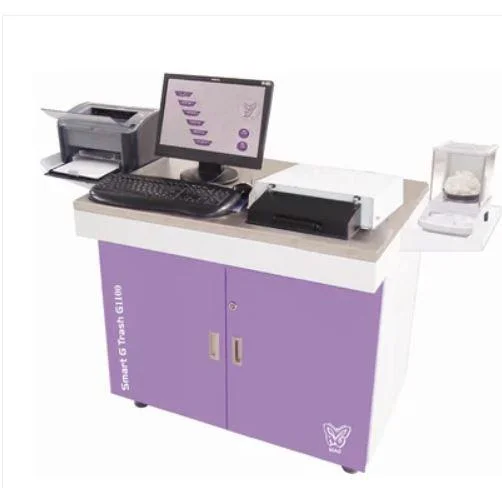
What are Contamination Monitoring Systems?
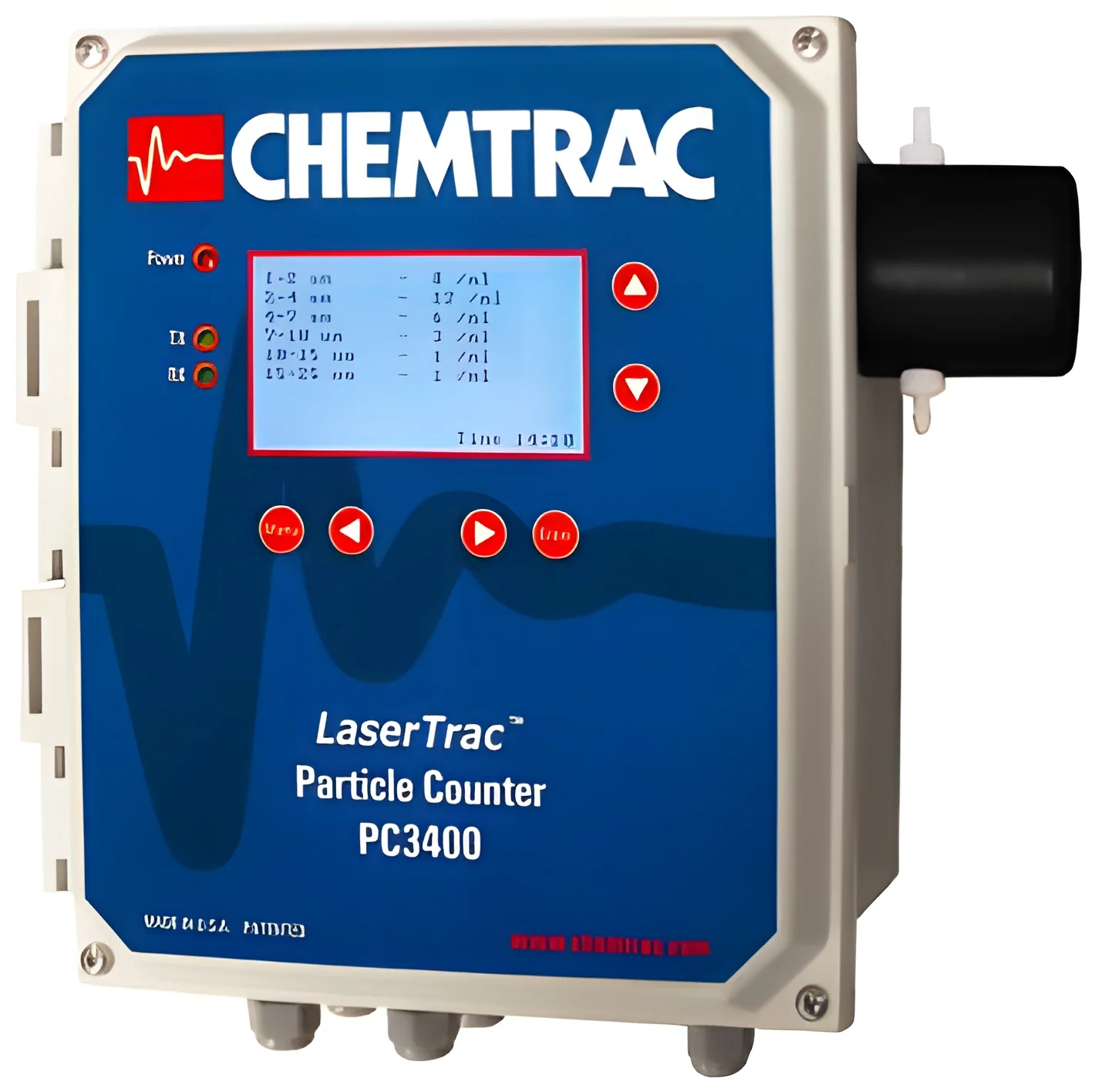
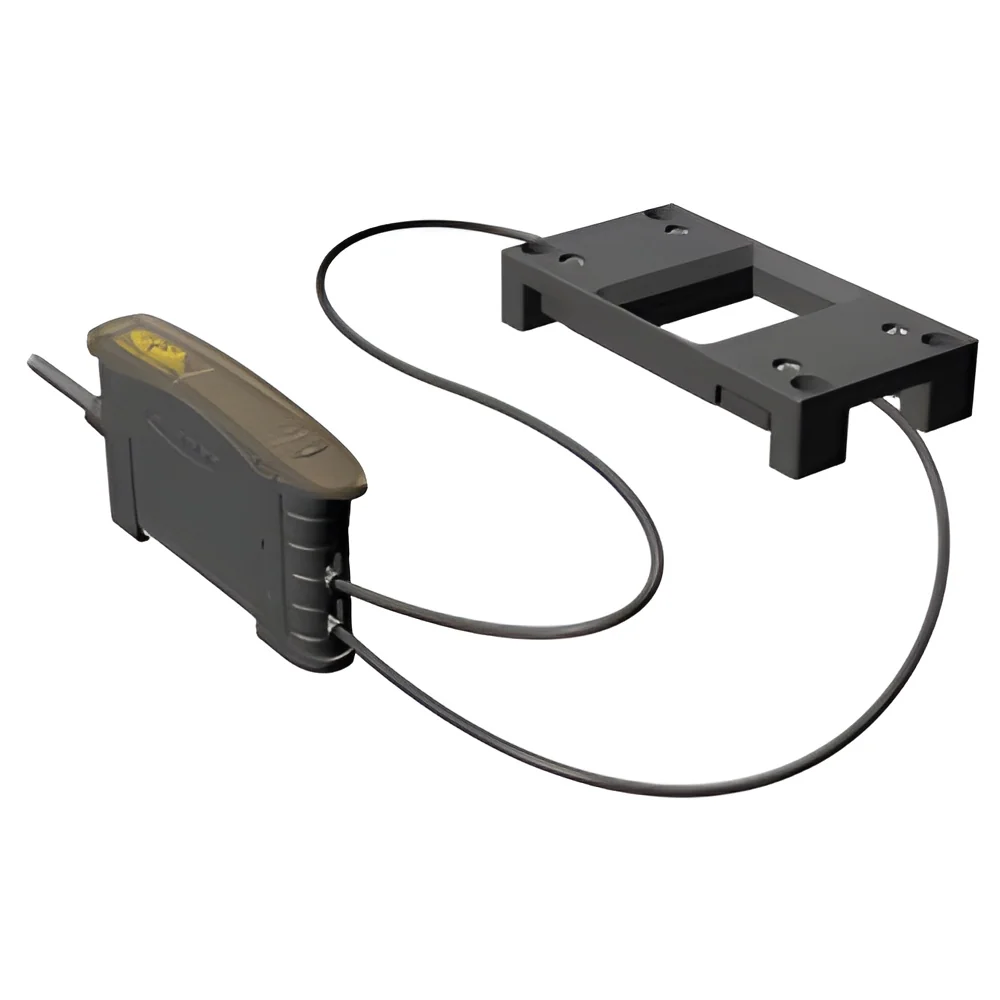
Contamination Monitoring Systems are specialized tools designed to detect and analyze contaminants in various environments. These systems are crucial for maintaining the quality and safety of products, especially in industries such as pharmaceuticals, food processing, and manufacturing. By continuously monitoring the presence of harmful substances, these systems help organizations prevent contamination and ensure compliance with industry standards.
The primary applications of Contamination Monitoring Systems include real-time monitoring of air and surface quality, detection of microbial contamination, and analysis of particulate matter. Businesses utilize these systems to safeguard their production processes, protect consumer health, and maintain regulatory compliance. With an increasing emphasis on quality assurance and environmental safety, the demand for effective contamination monitoring has grown significantly across many sectors.
In the current market context, contamination monitoring is more relevant than ever. As industries face stricter regulations and heightened consumer awareness regarding product safety, the adoption of advanced monitoring solutions has become a strategic necessity. Companies that invest in these systems not only enhance their operational efficiency but also build trust with their customers by demonstrating a commitment to quality and safety.
Key Features and Specifications
Contamination Monitoring Systems are equipped with a variety of features that enhance their effectiveness and usability. These features are designed to provide accurate and timely data, ensuring businesses can respond quickly to potential contamination events.
Key specifications include:
1. Monitoring Features
- Continuous real-time monitoring of contamination levels
- Capable of detecting various contaminants, including chemical and biological agents
2. Data Logging
- Automatic data logging for historical analysis
- User-friendly interfaces for easy access to data reports
3. Sensitivity
- High sensitivity to detect low levels of contaminants
- Adjustable sensitivity settings to suit different applications
4. Response Time
- Rapid response time to contamination alerts
- Instantaneous notifications to designated personnel
5. Calibration
- Easy calibration procedures to ensure accuracy
- Built-in calibration checks for consistent performance
6. Connectivity
- Options for wireless connectivity for remote monitoring
- Integration capabilities with existing quality management systems
7. Portability
- Lightweight and portable designs for flexible use
- Designed for both stationary and mobile applications
In summary, the features and specifications of Contamination Monitoring Systems provide businesses with the tools they need to ensure high-quality standards and safety in their operations.
Common Applications and Use Cases
Contamination Monitoring Systems find applications across a wide range of industries, each benefiting from their ability to ensure safety and compliance.
1. Pharmaceutical Industry: These systems are essential for monitoring sterile environments in pharmaceutical manufacturing. They help detect microbial contamination, ensuring that products meet health regulations.
2. Food Processing: In the food industry, contamination monitoring is vital for maintaining hygiene and safety standards. These systems monitor surfaces and air quality to prevent foodborne illnesses.
3. Manufacturing: In manufacturing environments, contamination can lead to product defects. Monitoring systems identify potential contaminants that could compromise product integrity.
4. Healthcare: Hospitals and laboratories use these systems to monitor infection control and ensure clean environments for patients and staff.
5. Electronics: The electronics industry relies on contamination monitoring to protect sensitive components from dust and other contaminants during production.
6. Biotechnology: In biotech laboratories, contamination monitoring is critical for protecting research and development processes from unintended variables.
7. Environmental Monitoring: These systems are used to assess air and water quality, ensuring compliance with environmental regulations.
Product Variants and Subcategories
Contamination Monitoring Systems are diverse, catering to different needs and applications.
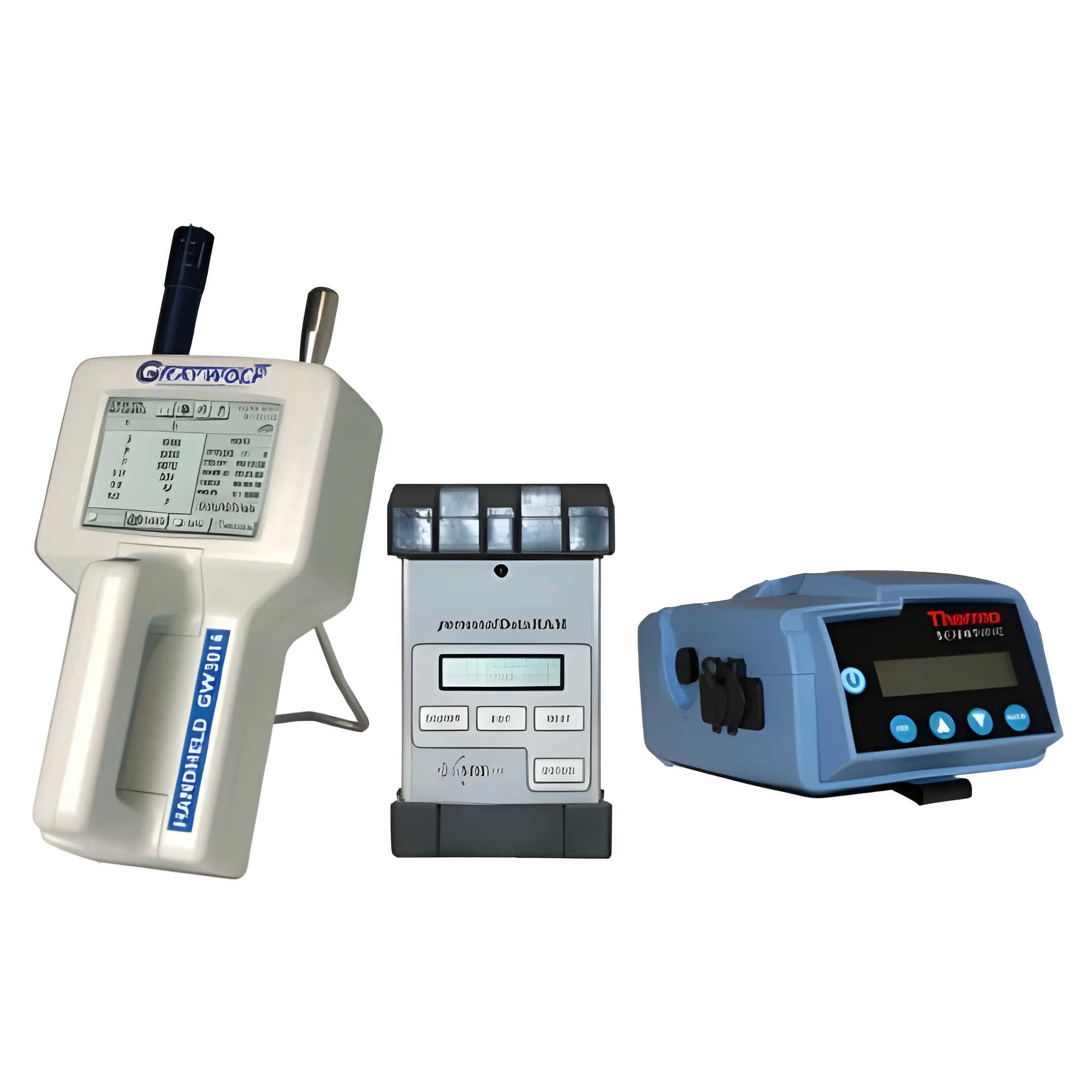
Portable Contamination Monitors: These compact devices offer real-time detection of contaminants in various environments. They are ideal for fieldwork and can be easily transported for onsite assessments.
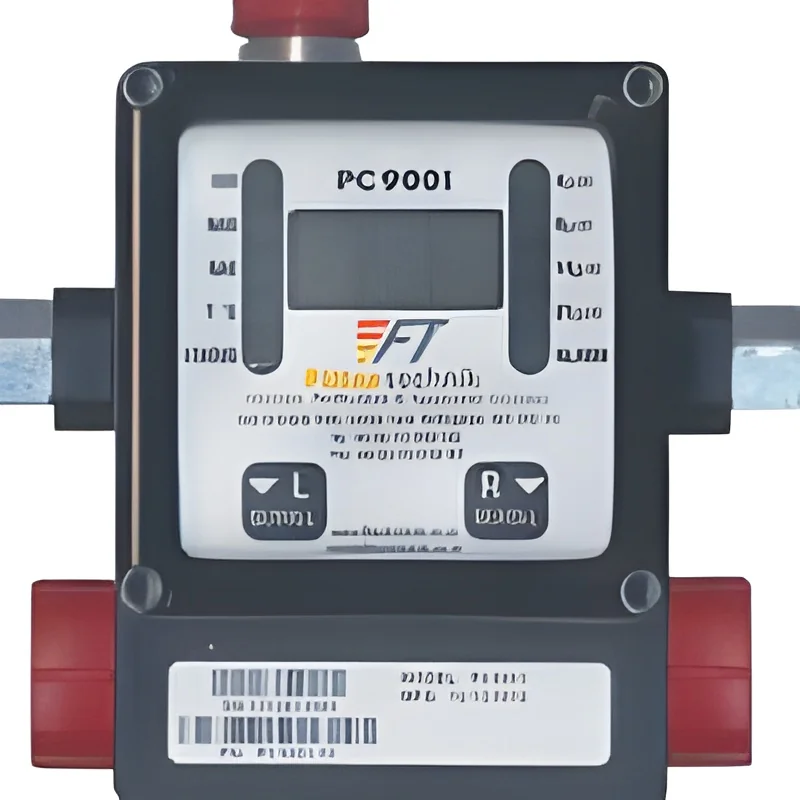
Fixed Monitoring Systems: These systems are installed in specific locations for continuous monitoring. They provide comprehensive data analysis and are suitable for environments requiring constant surveillance.
Wireless Monitoring Solutions: Utilizing wireless technology, these systems allow for remote data access and monitoring. They are particularly useful in large facilities where mobility is essential.
Multi-parameter Monitoring Systems: These advanced systems can detect multiple types of contaminants simultaneously, providing a comprehensive overview of environmental conditions.
Benefits and Advantages
Investing in Contamination Monitoring Systems offers several key benefits to businesses.
1. Enhanced Safety: These systems help prevent contamination, ensuring the safety of products and protecting consumer health.
2. Regulatory Compliance: By utilizing contamination monitoring, businesses can adhere to industry regulations and avoid potential fines or sanctions.
3. Cost Efficiency: Early detection of contamination can save businesses significant costs associated with product recalls and damage control.
4. Improved Quality Control: Continuous monitoring facilitates better quality assurance, leading to higher product standards.
5. Increased Customer Trust: Demonstrating a commitment to safety and quality enhances brand reputation and builds customer loyalty.
6. Data-Driven Decisions: The analytical capabilities of these systems provide valuable insights, enabling informed decision-making regarding process improvements.
Buying Guide for B2B Buyers
When sourcing Contamination Monitoring Systems, it is essential to consider several key factors to ensure the best fit for your business needs.
1. Quality Assessment: Evaluate the quality of the systems based on durability, reliability, and accuracy. Look for products backed by industry standards and certifications.
2. Supplier Verification: Conduct thorough research to verify suppliers. Check for their experience, reputation, and customer reviews to ensure reliability.
3. Pricing and MOQ: Understand the pricing structure and minimum order quantities. Compare quotes from multiple suppliers to ensure competitive pricing.
4. Delivery and Lead Times: Confirm the expected delivery times and logistics involved. Timely delivery is crucial for maintaining operational efficiency.
5. Compliance Requirements: Ensure that the monitoring systems meet necessary regulatory requirements relevant to your industry. This includes certifications and safety standards.
Compliance and Certifications
Contamination Monitoring Systems must adhere to various quality and safety standards to be effective and reliable. Common standards include ISO 9001, which focuses on quality management systems, and HACCP, which emphasizes food safety management.
Industry certifications such as CE mark are essential, indicating compliance with European health, safety, and environmental protection standards. These certifications assure buyers that the products meet rigorous testing and safety requirements.
Additionally, businesses should consider safety and testing requirements specific to their industry. Compliance with regional regulations is also important, as different areas may have unique guidelines regarding contamination monitoring.
Why Source Contamination Monitoring Systems from Pepagora?
Pepagora offers a trusted platform for sourcing Contamination Monitoring Systems, providing several key advantages to buyers.
Verified Supplier Network: Pepagora ensures that all suppliers are thoroughly vetted, providing buyers with access to a reliable network of manufacturers and distributors.
Streamlined RFQ Process: The platform simplifies the request for quotation process, allowing buyers to compare offerings from multiple suppliers efficiently. This saves time and enhances decision-making.
Trade Assurance and Support: Buyers benefit from trade assurance policies that protect their purchases. Pepagora's dedicated support team is available to assist with inquiries and resolve any issues that may arise.
Regional Coverage: With a strong presence in India, the GCC, and Southeast Asia, Pepagora provides extensive geographic reach, ensuring that businesses can source contamination monitoring solutions tailored to their regional needs.

 IN
IN
 India
India