
 IN
Chemical Process Control Panels
12 products available
What are Chemical Process Control Panels?
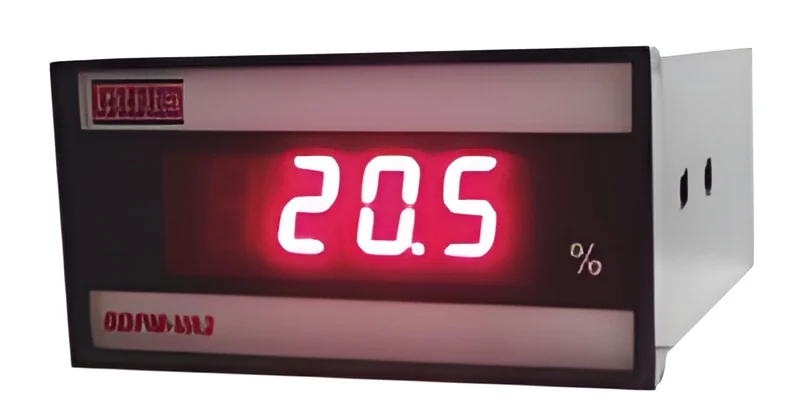
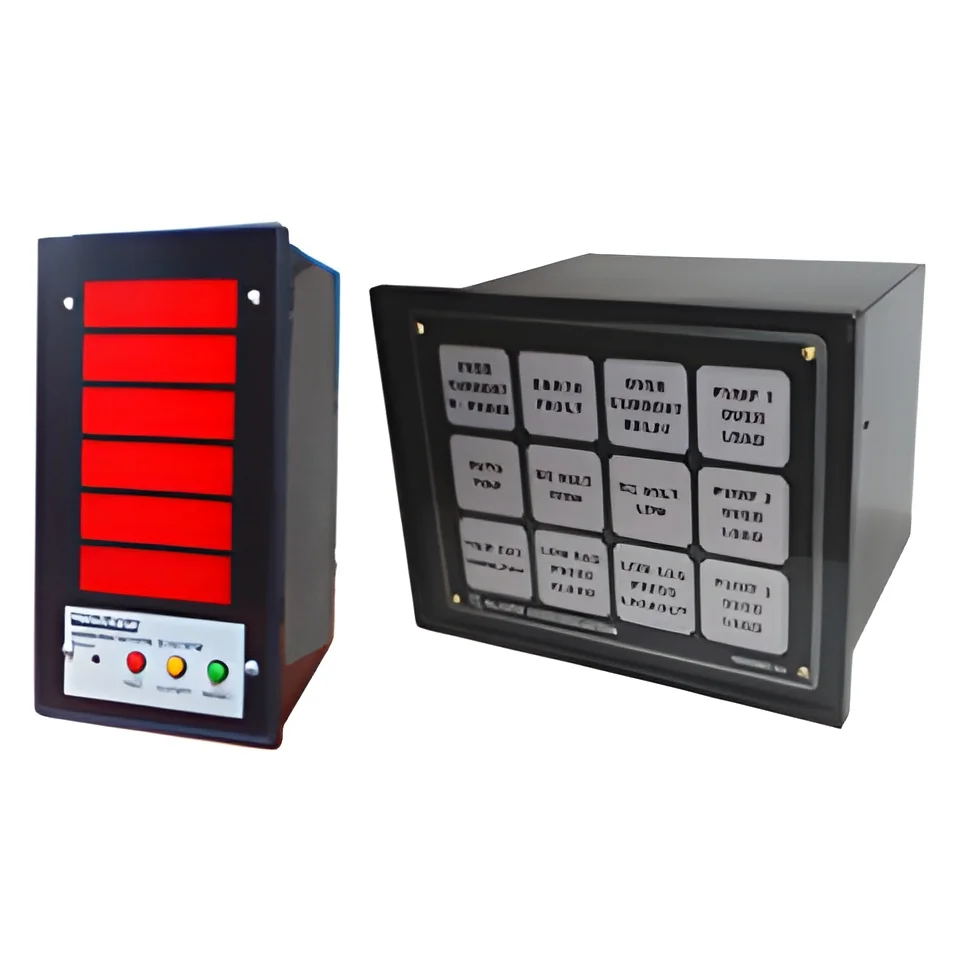
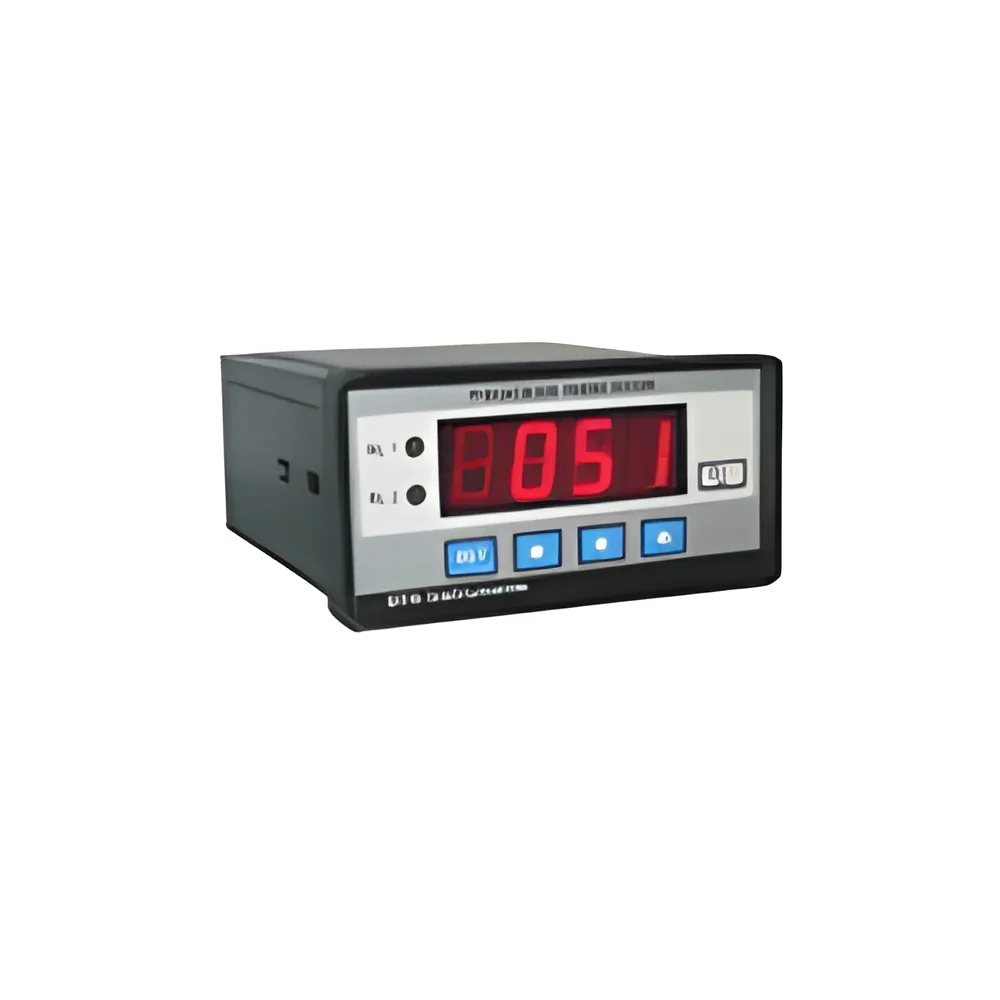
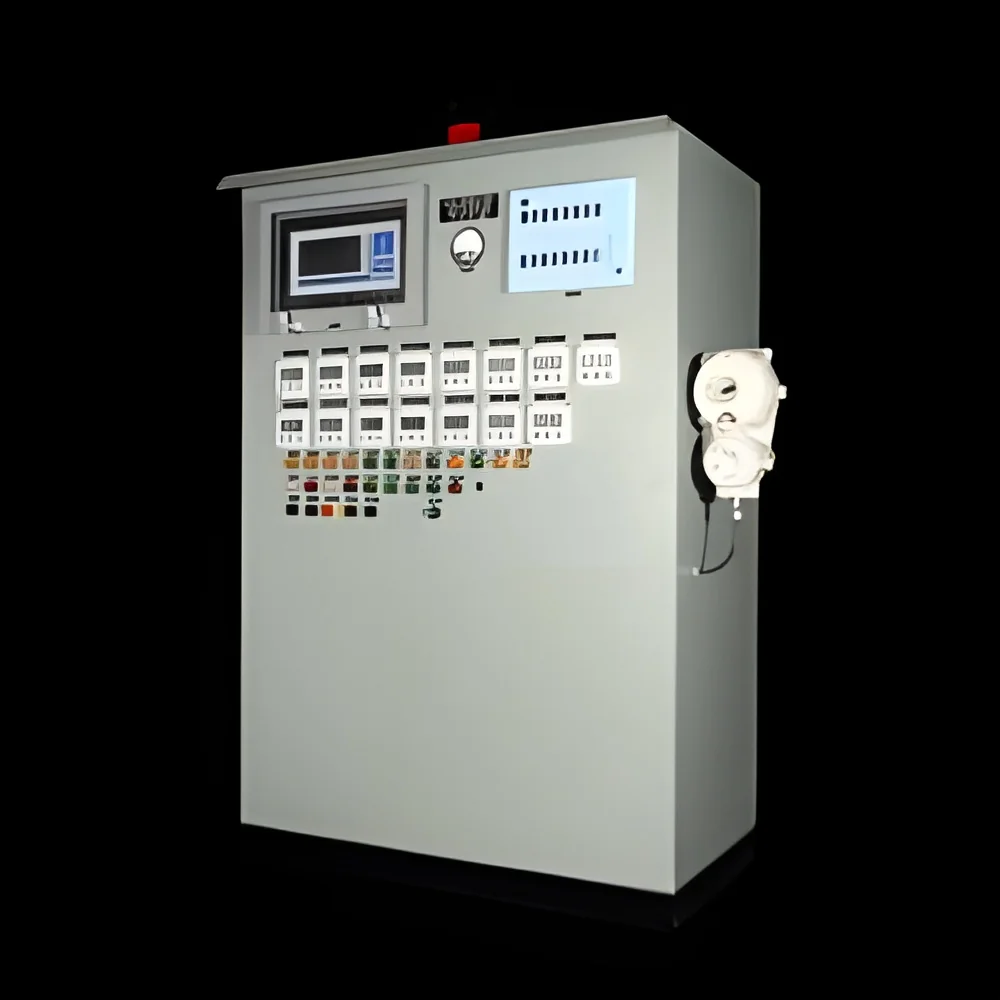
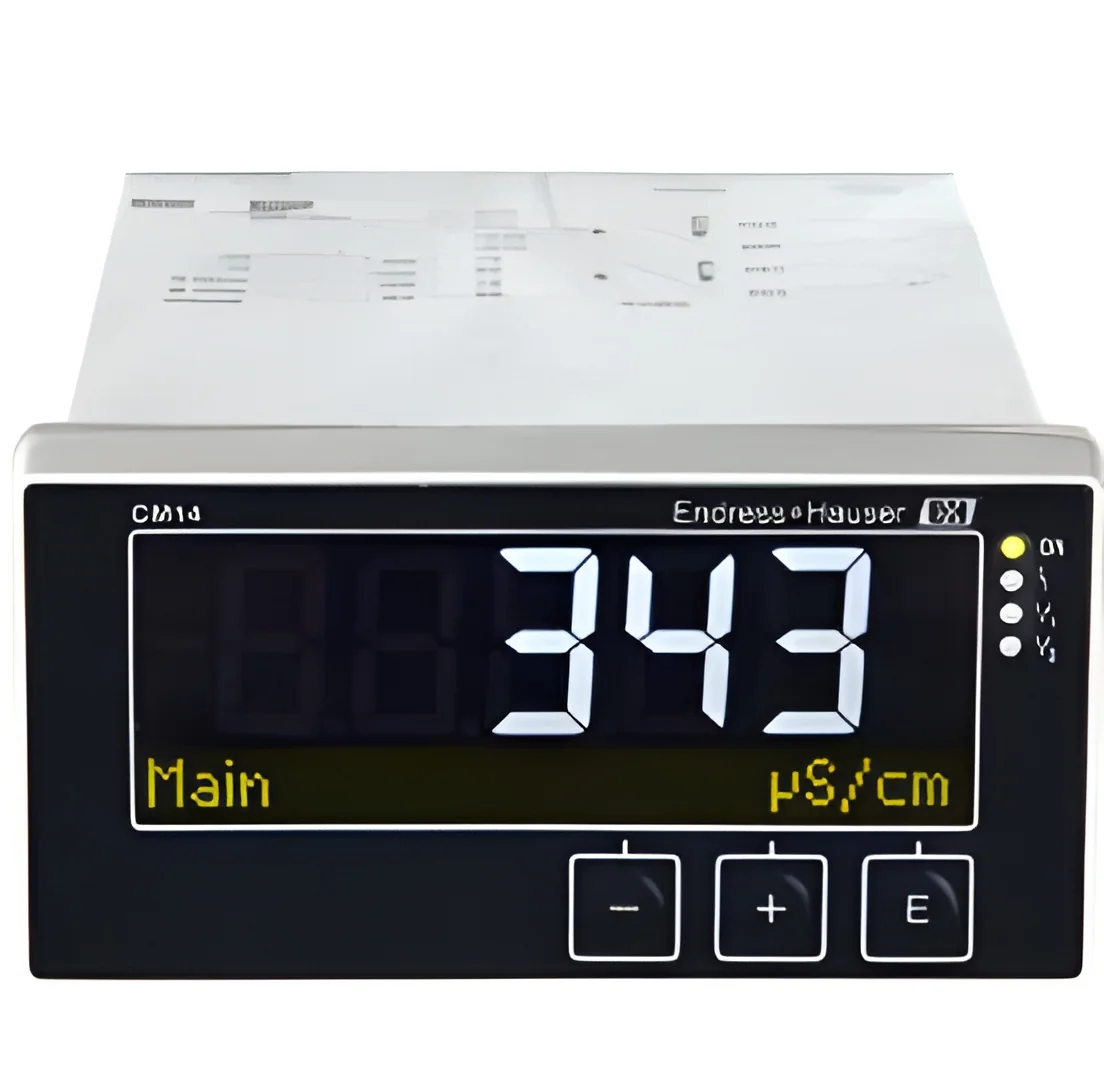
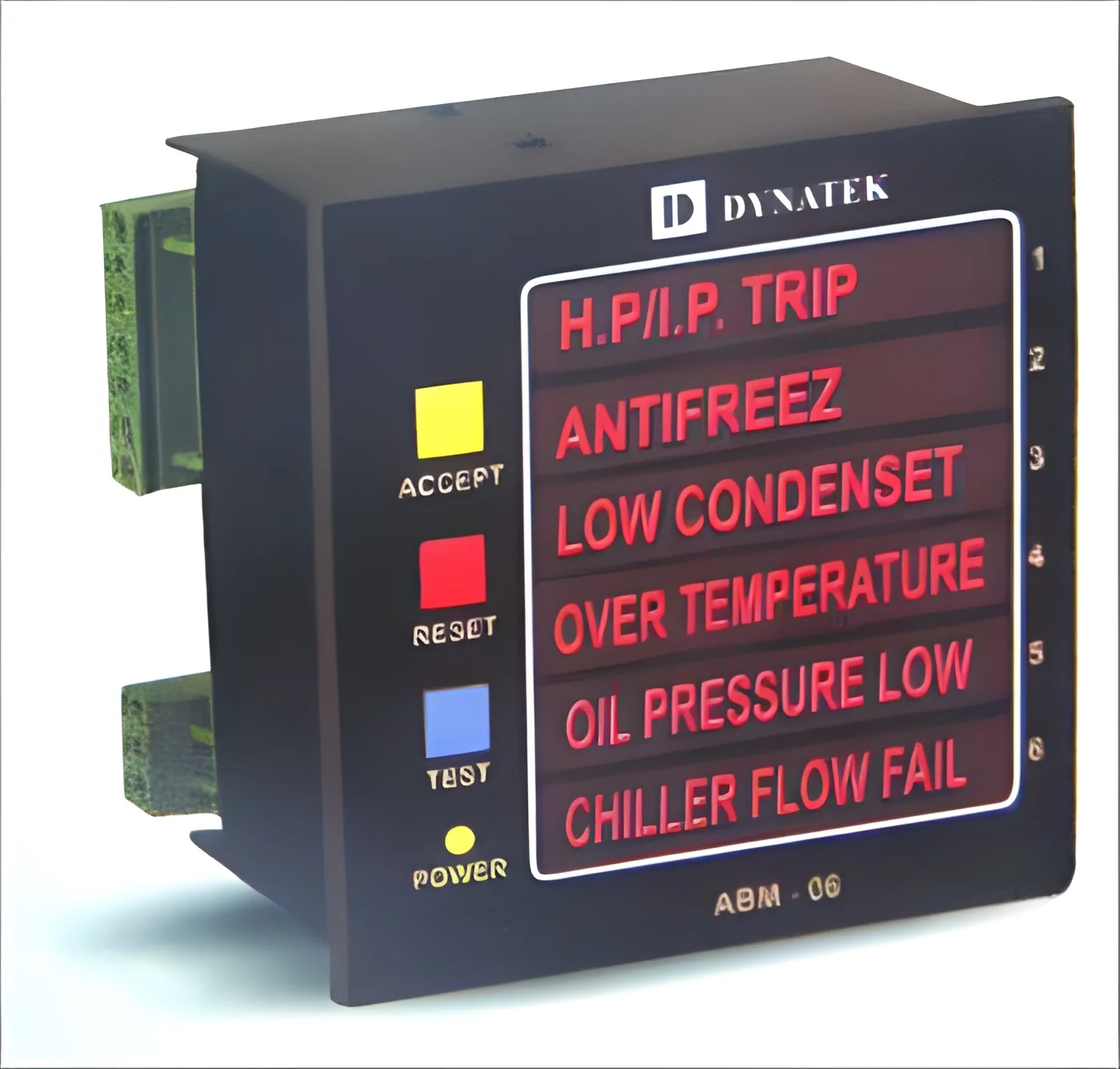
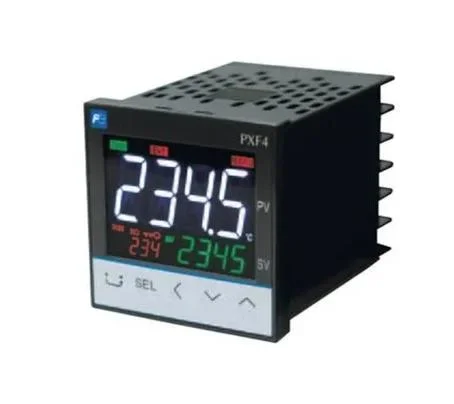
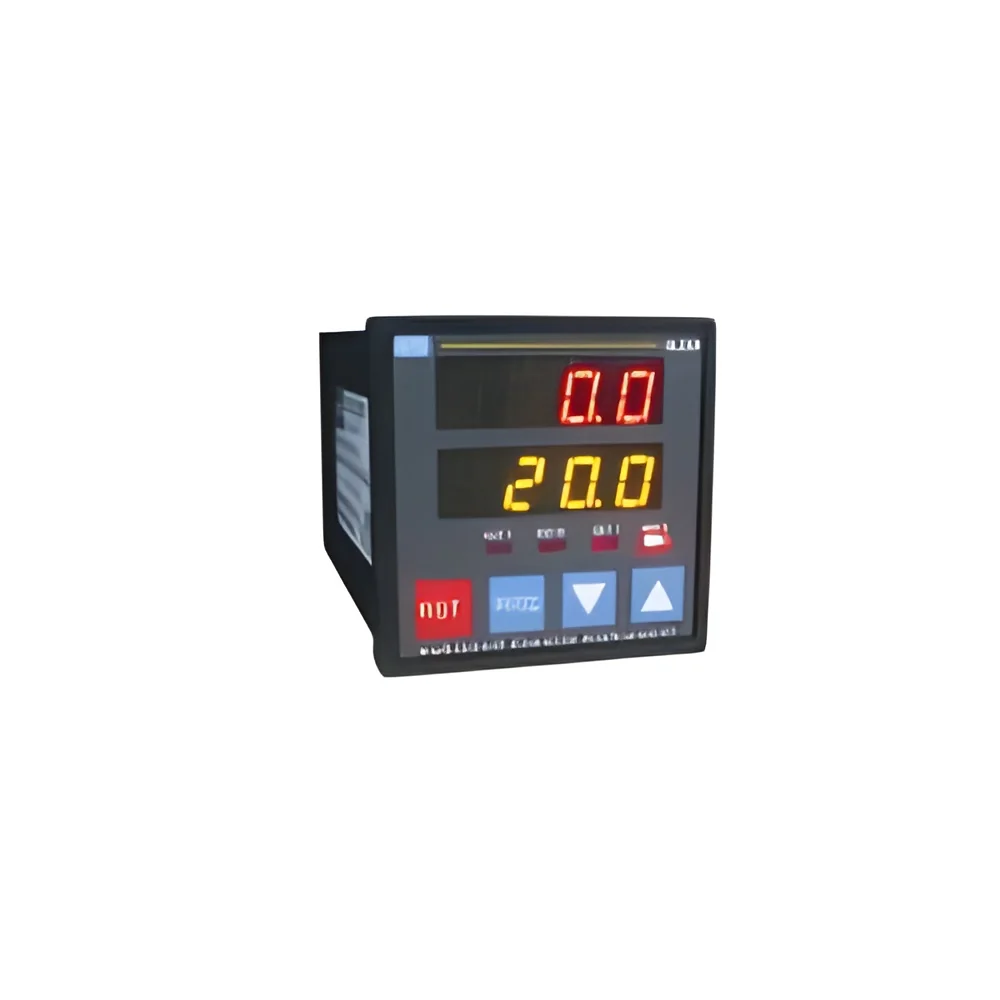
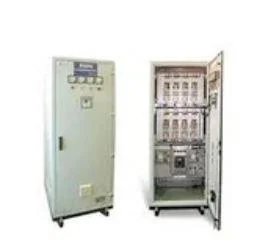
Chemical Process Control Panels are essential components in managing the complexities of industrial processes. These panels house various control devices that monitor and regulate chemical processes, ensuring efficiency, safety, and compliance with industry standards. They typically include instruments for measurement, control, and display, integrated into a single system that can be easily operated and maintained.
These panels are primarily used in industries such as chemical manufacturing, pharmaceuticals, and oil and gas. They help automate processes by controlling variables such as temperature, pressure, and flow rates. This automation leads to improved productivity, enhanced safety, and reduced operational costs. As industries increasingly adopt automation technologies, the relevance of chemical process control panels continues to grow, making them crucial for businesses looking to remain competitive in a rapidly evolving market.
Key Features and Specifications
Chemical Process Control Panels come equipped with a variety of features designed to enhance their functionality and efficiency. Understanding these features is critical for businesses seeking to optimize their operations.
Key specifications include:
1. Control Systems
- Designed for various types of chemical processes
- Can include PLC, DCS, or SCADA systems
2. Input/Output Capability
- Supports multiple I/O points for sensors and actuators
- Configurable to meet specific process requirements
3. User Interface
- Typically features touchscreens or graphical displays
- Provides real-time data visualization and analytics
4. Environmental Ratings
- Constructed to withstand specific environmental conditions
- IP ratings may vary based on application needs
5. Power Supply
- Operates on standard voltage ratings
- Options for redundancy to ensure continuous operation
6. Communication Protocols
- Supports various protocols like Modbus, Profibus, or Ethernet
- Enables integration with existing systems and networks
7. Safety Features
- Equipped with emergency shutoff mechanisms
- Compliance with safety standards to prevent hazards
8. Customization Options
- Panels can be tailored to specific requirements
- Options for additional monitoring and control features
These specifications highlight the versatility and adaptability of chemical process control panels in various industrial applications.
Common Applications and Use Cases
Chemical Process Control Panels are utilized across a broad spectrum of industries, each with unique requirements and applications.
1. Chemical Manufacturing: These panels control reactions, mixing, and separation processes, ensuring that production runs smoothly and safely.
2. Pharmaceuticals: In this sector, panels monitor critical variables to maintain stringent quality control and compliance with regulatory standards.
3. Oil and Gas: They manage extraction and refining processes, providing robust controls to ensure operational efficiency and safety.
4. Food and Beverage: Panels are used to control fermentation, pasteurization, and other processes that require precise monitoring.
5. Water Treatment: They regulate chemical dosing and filtration processes, ensuring safe and clean water supply.
6. Plastics and Polymers: Control panels optimize processes such as extrusion and molding, enhancing product quality and consistency.
7. Pulp and Paper: They help manage chemical treatments and drying processes, improving efficiency and product quality.
Product Variants and Subcategories
Chemical Process Control Panels come in various designs and configurations to meet specific industry needs. While specific subcategories are not available, several common variants can be found in the market.
Compact Control Panels: These panels are designed for small spaces, combining essential functions in a streamlined format. They are ideal for smaller operations or specific applications within larger processes.
Modular Control Panels: These panels allow for easy expansion and customization. Users can add or remove modules based on changing process requirements.
Integrated Control Systems: These panels offer a complete solution that combines hardware and software for seamless operation and monitoring. They are suited for complex processes requiring high levels of integration.
Benefits and Advantages
Investing in Chemical Process Control Panels offers numerous advantages for businesses seeking to enhance their operational efficiency.
Key benefits include:
1. Improved Efficiency: Automation reduces manual intervention, leading to more consistent and faster production cycles.
2. Enhanced Safety: Control panels incorporate safety mechanisms that prevent accidents and protect personnel.
3. Regulatory Compliance: These panels help businesses adhere to industry regulations, avoiding fines and ensuring product quality.
4. Cost Savings: By optimizing resource use and minimizing waste, companies can significantly reduce operational costs.
5. Real-time Monitoring: Advanced data visualization and analytics provide insights into process performance, enabling informed decision-making.
6. Scalability: Many control panels can be easily modified or expanded to accommodate growing business needs.
Buying Guide for B2B Buyers
When sourcing Chemical Process Control Panels, several key factors should be taken into account to ensure you make an informed decision.
1. Quality Assessment: Evaluate the quality of materials and components used in the panels. Look for certifications such as CE that indicate compliance with industry standards.
2. Supplier Verification: Research potential suppliers thoroughly. Check their reputation, customer reviews, and experience in the industry to ensure reliability.
3. Pricing and MOQ: Understand the pricing structure and minimum order quantities. Compare quotes to find a balance between cost and quality.
4. Delivery and Lead Times: Inquire about the lead times for delivery. Consider the supplier's ability to meet your timeline to avoid disruptions in your operations.
5. Compliance Requirements: Ensure that the panels meet all relevant regulatory and safety standards specific to your industry. This can prevent costly compliance issues in the future.
Compliance and Certifications
Chemical Process Control Panels must adhere to stringent quality and safety standards to ensure reliable operation in industrial environments. Common standards include ISO 9001, which focuses on quality management systems, and HACCP, which is essential for food safety processes.
Certification such as CE indicates that the product meets European safety, health, and environmental protection standards. Compliance with these certifications is crucial for gaining customer trust and ensuring that the panels function safely and effectively.
In addition to these standards, testing requirements must be met to validate the performance and safety of the control panels. Regional compliance considerations may also apply, depending on the geographical market where the panels will be used.
Why Source Chemical Process Control Panels from Pepagora?
Pepagora provides a trusted platform for sourcing Chemical Process Control Panels, offering several key advantages that set it apart from competitors.
Verified Supplier Network: Pepagora connects buyers with a network of verified suppliers. Each supplier undergoes a thorough vetting process to ensure reliability and quality.
Streamlined RFQ Process: The platform simplifies the request for quotation process, allowing buyers to easily obtain competitive quotes from multiple suppliers.
Trade Assurance and Support: Buyers benefit from trade assurance measures that protect their investments. Pepagora offers support throughout the purchasing process to address any concerns.
Regional Coverage: With a wide reach across India, the GCC, and Southeast Asia, Pepagora is well-positioned to serve diverse markets, ensuring timely deliveries and localized support.
By choosing Pepagora, businesses can confidently source Chemical Process Control Panels that meet their specific needs while enjoying the benefits of a reliable and efficient procurement process.


 India
 India
 India
 India
 India
 India
 India
 India
 India
Frequently Asked Questions
What are Chemical Process Control Panels?
Chemical Process Control Panels are integrated systems used to monitor and control chemical processes in various industries. They include various components such as sensors, controllers, and actuators, which work together to ensure efficient and safe operation.
What are the different types of Chemical Process Control Panels?
There are several types of Chemical Process Control Panels, including batch control panels, continuous control panels, and hybrid systems. Each type is designed for specific applications and can vary in complexity based on the processes they manage.
How do I choose the right Chemical Process Control Panels?
Choosing the right Chemical Process Control Panel involves assessing your specific process requirements, the types of chemicals involved, and the desired level of automation. It is also important to consider compatibility with existing systems and compliance with industry standards.
What are the standard specifications for Chemical Process Control Panels?
Standard specifications for Chemical Process Control Panels typically include voltage ratings, current capacity, environmental ratings, and safety features. Additionally, they often adhere to industry-specific standards such as IEC, UL, or ATEX, depending on the application.
What is the price range for Chemical Process Control Panels?
The price range for Chemical Process Control Panels can vary widely based on factors such as complexity, size, and customization. Generally, prices can start from a few thousand Indian Rupees and can go up to several lakhs, depending on the specifications and features.
What quality standards apply to Chemical Process Control Panels?
Quality standards for Chemical Process Control Panels often include ISO 9001 for quality management systems and various safety and performance standards relevant to the chemicals used. Compliance with these standards ensures reliability and safety in chemical processing.
Where can I find Chemical Process Control Panels suppliers in India?
You can find Chemical Process Control Panels suppliers in India through online B2B marketplaces like Pepagora, industry trade shows, and directories. Additionally, networking with industry professionals can help identify reputable manufacturers and suppliers.
Can Chemical Process Control Panels be customized?
Yes, Chemical Process Control Panels can be customized to meet specific operational requirements and preferences. Customization may include modifications in design, additional features, and integration with existing systems, depending on the manufacturer's capabilities.
What is the typical minimum order quantity for Chemical Process Control Panels?
The typical minimum order quantity (MOQ) for Chemical Process Control Panels can vary by supplier, but it often ranges from one to several units. It's advisable to check with manufacturers for their specific MOQs based on the panel type and customization.
What is the typical lead time for Chemical Process Control Panels?
The typical lead time for Chemical Process Control Panels can range from a few weeks to several months, depending on the complexity of the order and the manufacturer's production schedule. It is important to discuss lead times with the supplier to ensure timely delivery.
Why Businesses Trust Pepagora
Thousands of companies trust Pepagora to source smarter and sell faster
Expand Your Sales Globally

Source Smarter,Grow Faster
