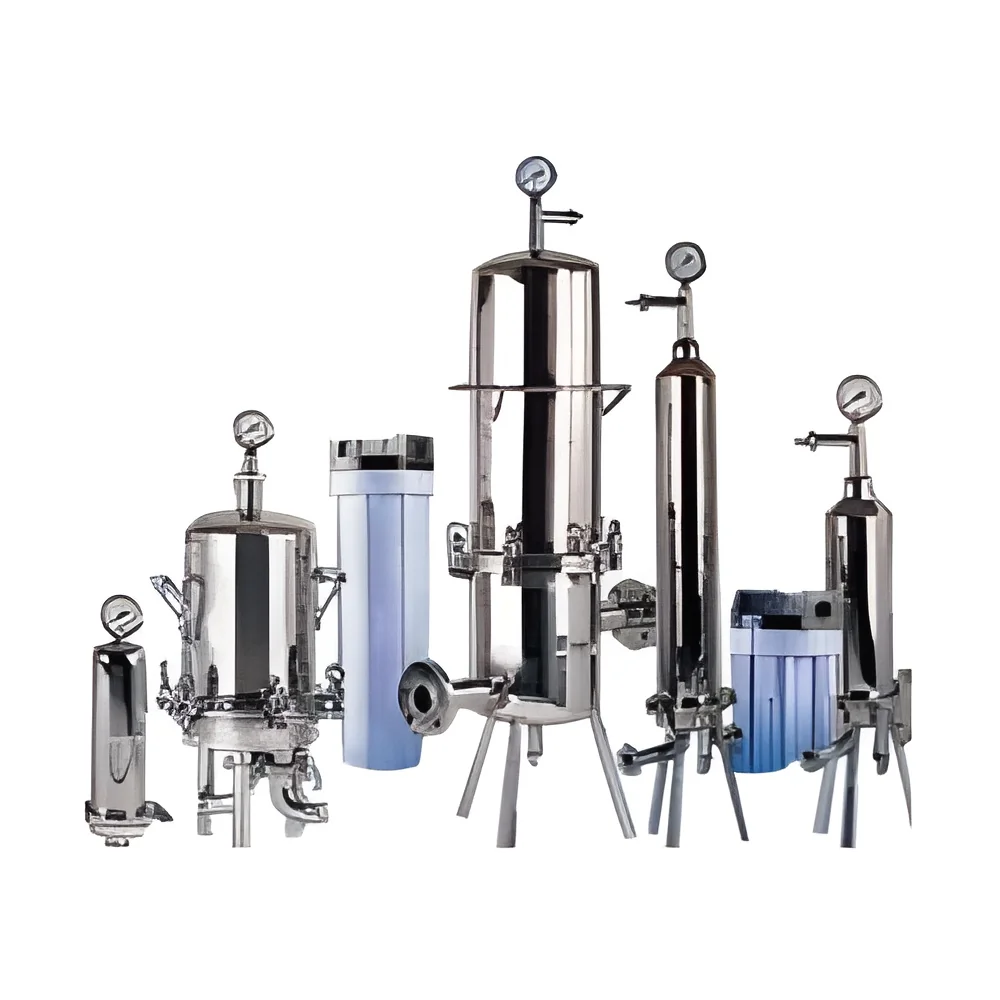
What are Bypass Filtration Systems?
Bypass filtration systems are specialized setups designed to purify fluids by removing contaminants without interrupting the main flow of the system. They work by diverting a portion of the fluid stream through a filtration unit, allowing for continuous operation while ensuring that impurities are effectively captured. This process helps to maintain the quality and efficiency of the primary system, reducing wear and tear on equipment.
These systems are primarily used in industries where fluid cleanliness is critical, such as manufacturing, automotive, and oil and gas. Businesses rely on bypass filtration to extend the life of machinery, improve product quality, and minimize downtime. By ensuring that fluids remain clean, these systems contribute to operational efficiency and cost savings.
The relevance of bypass filtration systems is growing in today’s industrial landscape as companies seek to enhance sustainability and reduce waste. With increasing regulatory pressures and a focus on environmental responsibility, the demand for effective filtration solutions is on the rise. As industries evolve, bypass filtration systems are becoming integral to maintaining operational integrity.
Key Features and Specifications
Bypass filtration systems are equipped with various features that enhance their performance and suitability for diverse applications. Understanding these specifications is crucial for selecting the right system for your needs.
Key specifications include:
1. Filtration Efficiency
- The capability of the system to remove various particle sizes.
- Commonly ranges from 0.5 to 10 microns.
2. Flow Rate
- The volume of fluid that can be processed in a given time.
- Typically measured in liters per minute (LPM), with rates varying by system size.
3. Housing Material
- The construction material of the filtration unit, affecting durability and compatibility.
- Options may include stainless steel or high-grade plastics.
4. Filter Type
- Different filter media options like pleated, depth, or membrane filters.
- Each type offers unique advantages based on the application.
5. Operating Temperature Range
- The temperature limits within which the system can function effectively.
- Data not available.
6. Maintenance Requirements
- Frequency and type of maintenance needed to ensure optimal operation.
- Systems may require periodic filter changes and inspections.
7. Monitoring Features
- Capability to track filtration performance and system status.
- Data not available.
8. Design and Configuration
- Variations in the design, such as compact or modular setups to fit specific space requirements.
- Systems can be customized based on operational needs.
In summary, selecting the right bypass filtration system involves understanding these critical specifications to ensure optimal performance and suitability for specific applications.
Common Applications and Use Cases
Bypass filtration systems serve various industries, each with unique requirements and use cases.
1. Manufacturing: In manufacturing processes, these systems ensure that cutting oils and lubricants remain clean, preventing contamination that could affect product quality.
2. Automotive: Bypass filtration is crucial in automotive applications, where it helps maintain the cleanliness of engine oils, extending the life of engines and improving performance.
3. Oil and Gas: In the oil and gas sector, these systems are used to filter drilling fluids, enhancing efficiency and reducing environmental impact.
4. Food and Beverage: Ensuring the purity of liquids is essential in food and beverage production. Bypass filtration systems help maintain hygiene and quality standards.
5. Chemical Processing: In chemical plants, these systems are vital for maintaining the integrity of process fluids, preventing contamination that could lead to unsafe conditions.
6. Power Generation: Bypass filtration helps in maintaining the quality of lubricants and coolants in turbines and generators, contributing to reliable energy production.
7. Marine: In marine applications, these systems protect engines and hydraulic systems from saltwater and debris, ensuring optimal operation in challenging environments.
Product Variants and Subcategories
Bypass filtration systems come in various configurations to meet different operational needs. While specific subcategories are not available, the diversity in design and features allows for tailored solutions.
Standard Bypass Filtration System
This variant is designed for general industrial applications, featuring robust construction and high filtration efficiency suitable for a range of fluids.
High-Performance Bypass Filtration System
Engineered for demanding environments, this system offers enhanced filtration capabilities and durability, ideal for sectors like oil and gas and heavy manufacturing.
Compact Bypass Filtration System
Designed for space-constrained applications, this variant provides effective filtration in a smaller footprint, making it suitable for mobile or tight installations.
Custom Bypass Filtration System
Tailored to specific industry requirements, these systems can be adapted for unique applications, ensuring optimal performance in specialized environments.
Benefits and Advantages
Bypass filtration systems offer numerous benefits that can significantly impact operational efficiency and product quality.
1. Enhanced Equipment Longevity: By keeping fluids clean, these systems reduce wear on machinery, extending the lifespan of equipment.
2. Improved Product Quality: Clean fluids contribute to higher quality end products, reducing defects and rework costs.
3. Reduced Downtime: Continuous operation without system interruptions minimizes downtime, enhancing overall productivity.
4. Cost Savings: By decreasing maintenance and replacement costs, these systems lead to significant savings over time.
5. Environmental Compliance: Bypass filtration helps companies meet regulatory standards for fluid cleanliness, reducing environmental impact.
6. Flexibility in Applications: The adaptability of these systems allows them to be used across various industries and applications, making them versatile solutions.
Buying Guide for B2B Buyers
When sourcing bypass filtration systems, there are several key factors to consider to ensure you make an informed decision.
1. Quality Assessment: Evaluate the system's materials, construction, and filtration efficiency. Look for products that meet industry standards and have a proven track record.
2. Supplier Verification: It is essential to vet suppliers for reliability and performance history. Consider their reputation in the market and customer testimonials.
3. Pricing and MOQ: Understand the pricing structure and minimum order quantities. Compare costs across different suppliers to find the best value.
4. Delivery and Lead Times: Inquire about logistics and delivery timelines to ensure that the system can be integrated into your operations without delays.
5. Compliance Requirements: Ensure that the filtration systems comply with relevant industry regulations and safety standards. This can prevent potential legal issues down the line.
Compliance and Certifications
Bypass filtration systems are subject to various quality standards and certifications that ensure reliability and safety in operation.
Relevant quality standards include ISO 9001, which focuses on quality management systems, ensuring that manufacturers maintain high standards in production and service delivery. Additionally, HACCP (Hazard Analysis Critical Control Point) is vital for industries like food and beverage, emphasizing food safety through effective filtration processes.
Industry certifications such as CE (Conformité Européenne) indicate that products meet European safety and health standards, providing assurance to buyers regarding the system's safety and efficacy.
Safety and testing requirements are also critical. Manufacturers must adhere to rigorous testing protocols to ensure that their systems perform as expected under various conditions.
Regional compliance considerations may vary, with different markets having specific regulations that must be met. Understanding these requirements is essential for buyers, especially those operating in multiple regions.
Why Source Bypass Filtration Systems from Pepagora?
Pepagora provides a trusted platform for sourcing bypass filtration systems with several key advantages that enhance the buying experience.
Verified Supplier Network: Pepagora features a network of verified suppliers who are vetted for quality and reliability. This ensures buyers can find trusted partners for their filtration needs.
Streamlined RFQ Process: The platform offers a straightforward request for quotation (RFQ) process, allowing buyers to quickly obtain competitive quotes from multiple suppliers, saving time and effort.
Trade Assurance and Support: Pepagora provides trade assurance and buyer protection, ensuring that transactions are secure and that buyers receive the products as described.
Regional Coverage: With a strong presence in India, the GCC, and Southeast Asia, Pepagora facilitates access to a wide range of suppliers and products, catering to diverse regional needs. This broad coverage ensures that buyers can find suitable filtration solutions tailored to their specific markets.

 IN
IN