
 IN
Busbars & Busbar Trunking Systems
57 products available
What are Busbars & Busbar Trunking Systems?
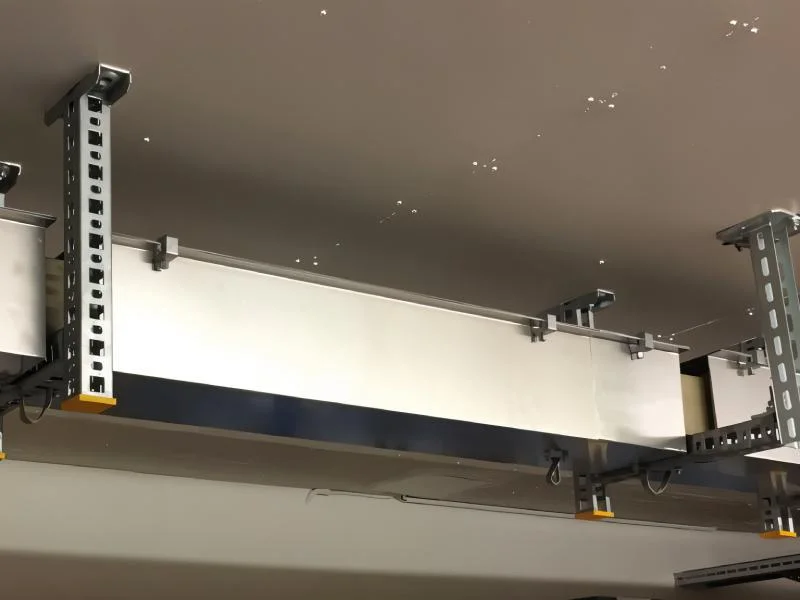
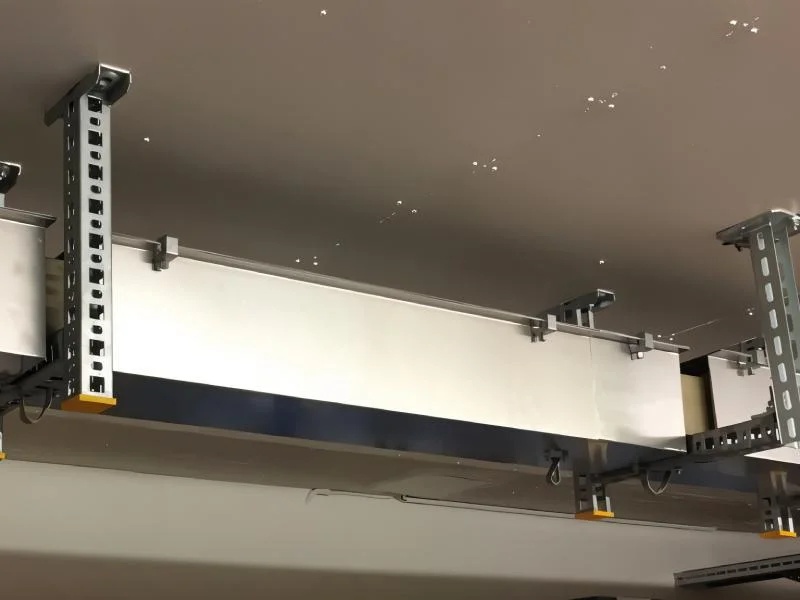
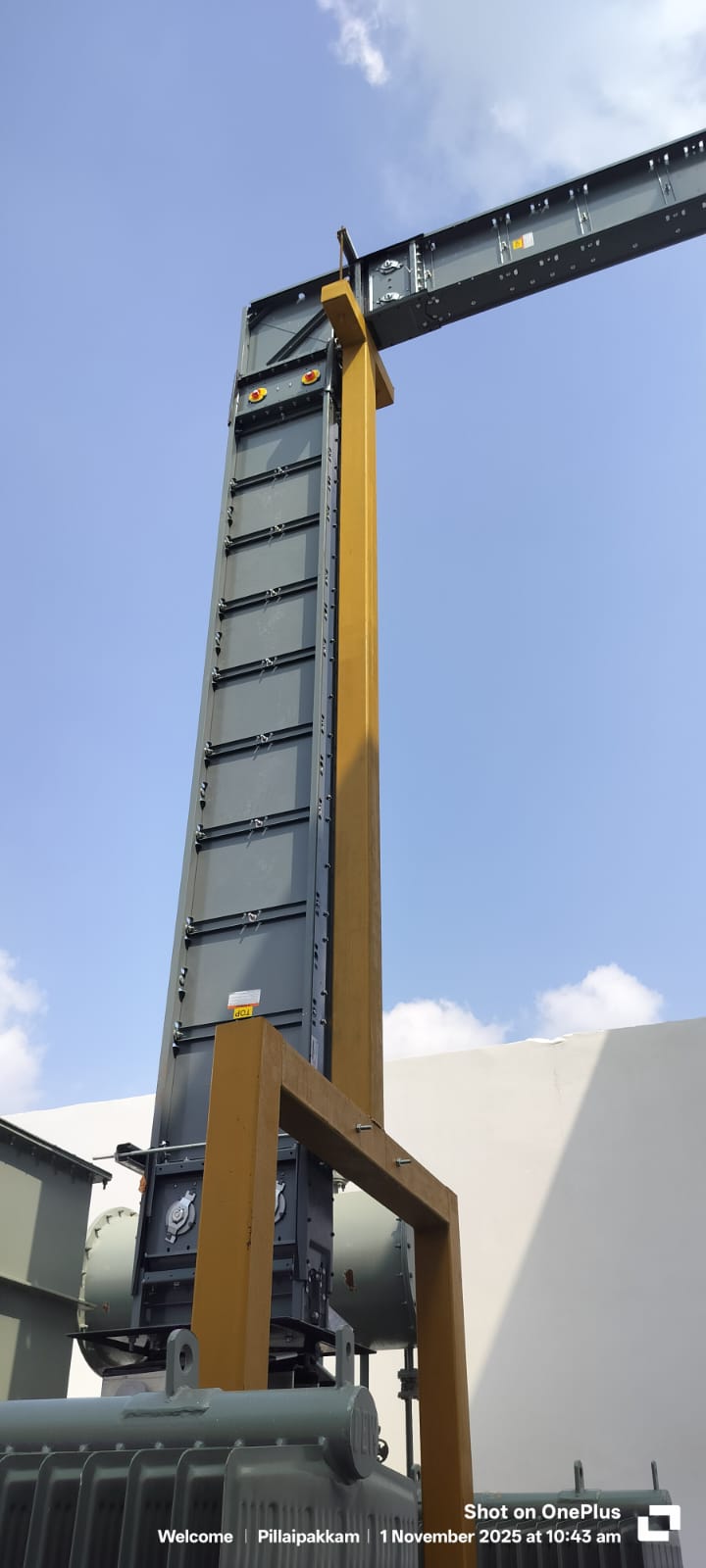
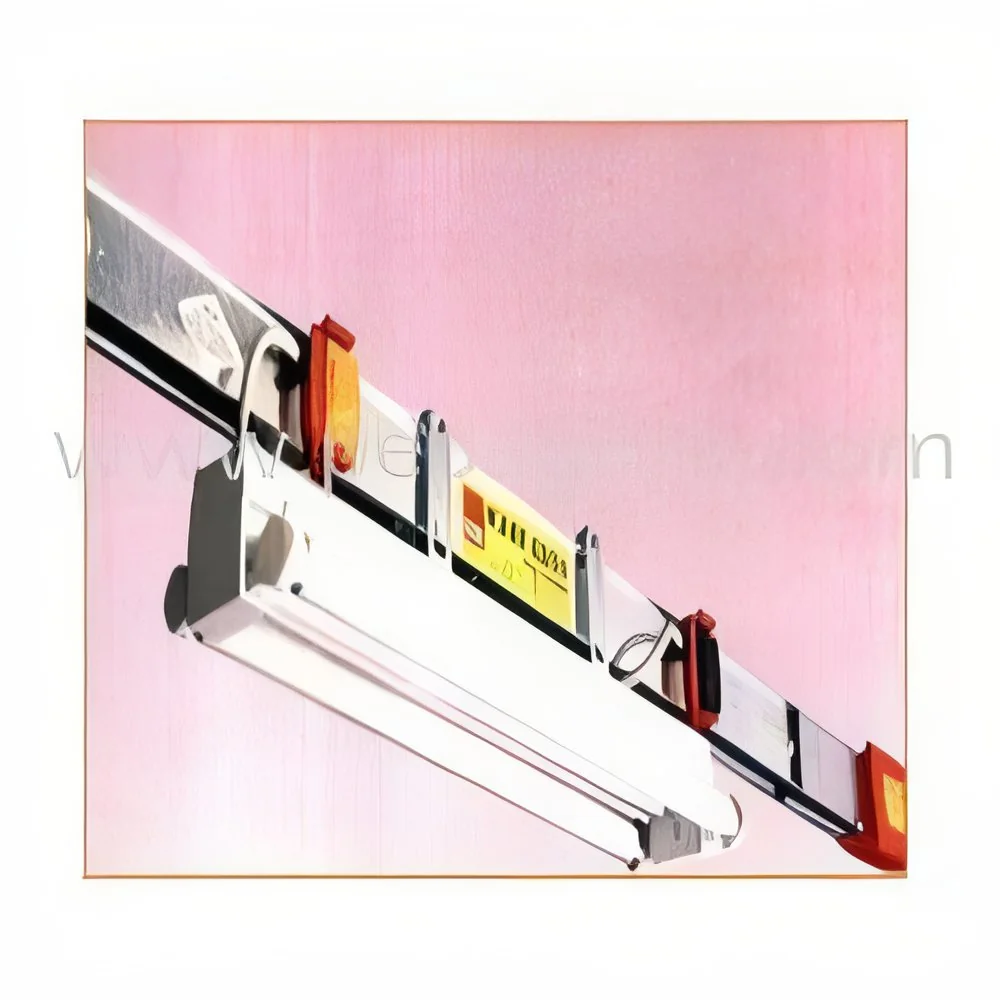
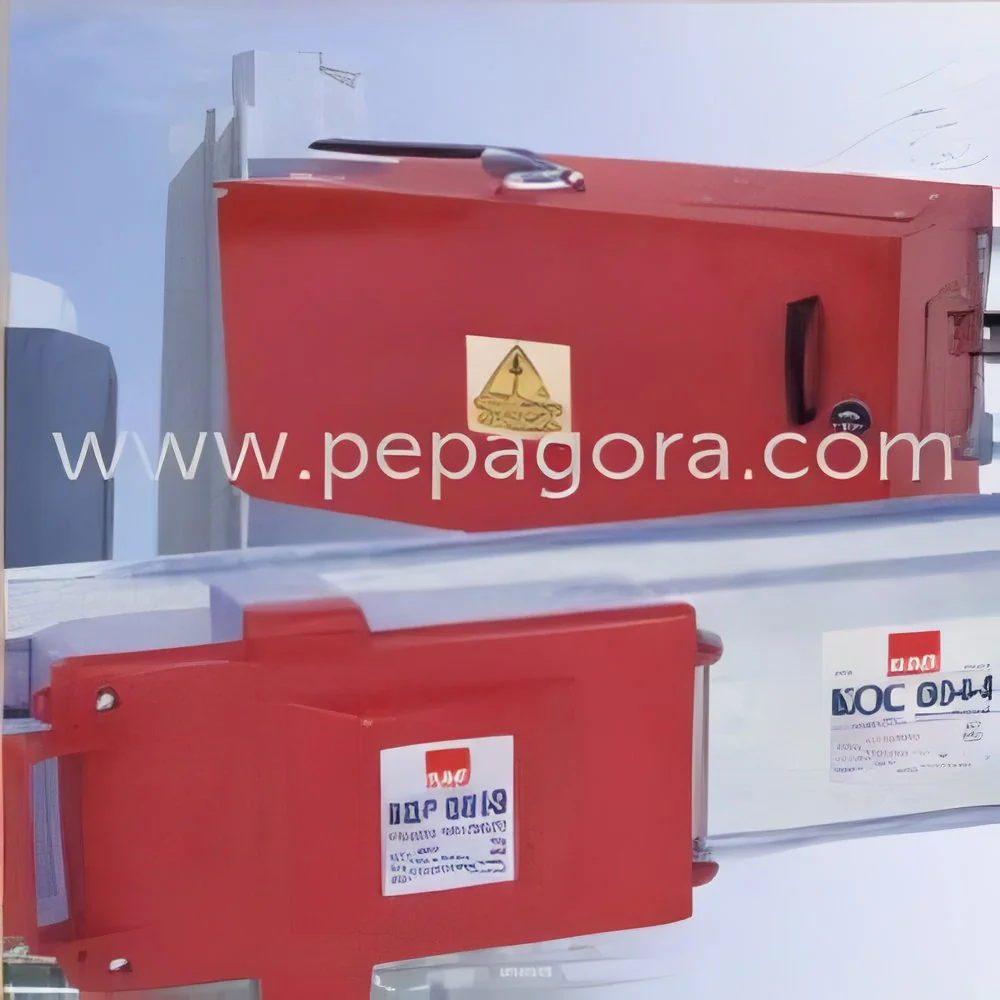
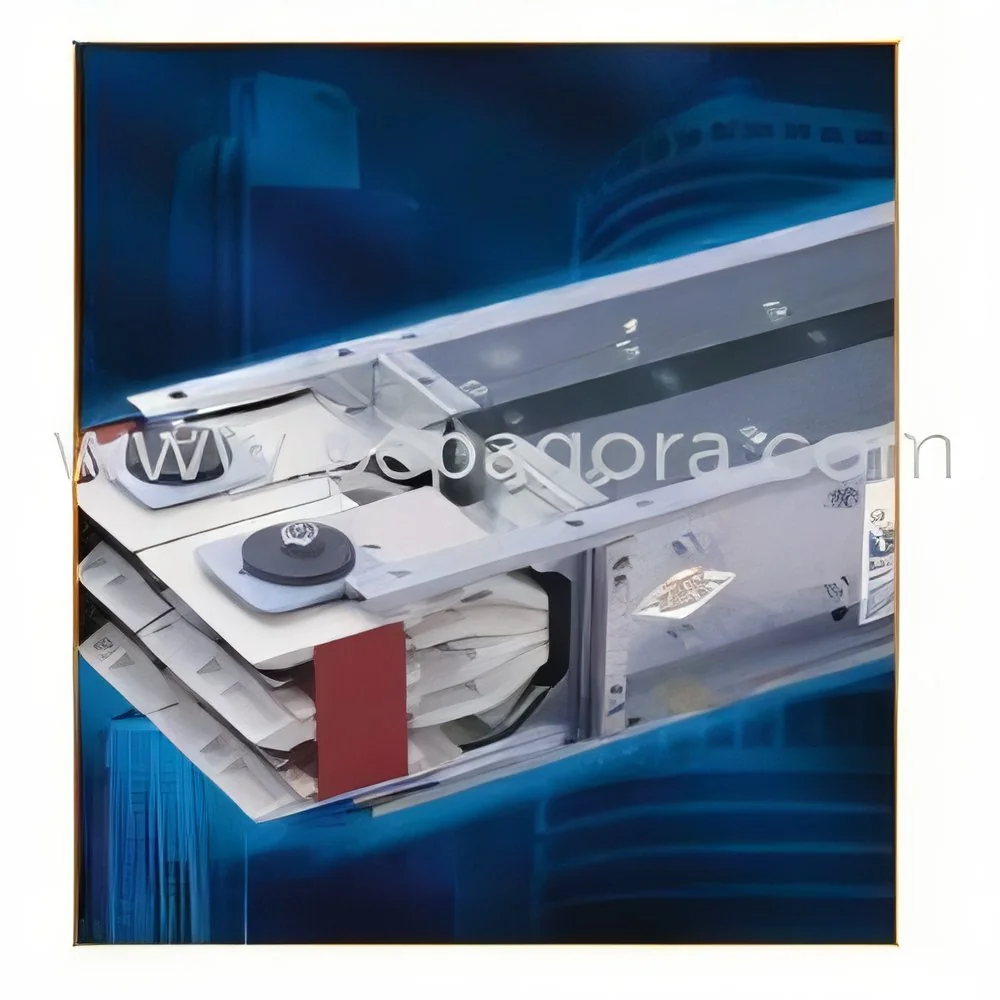
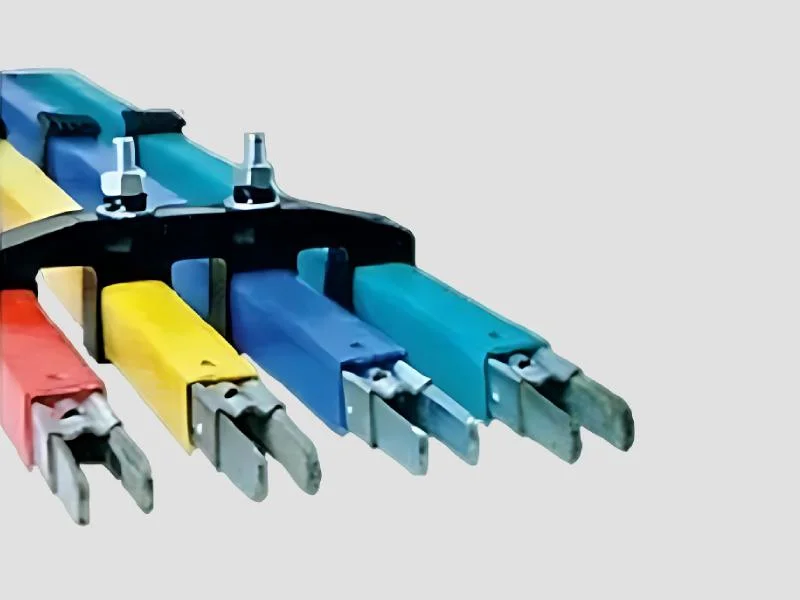
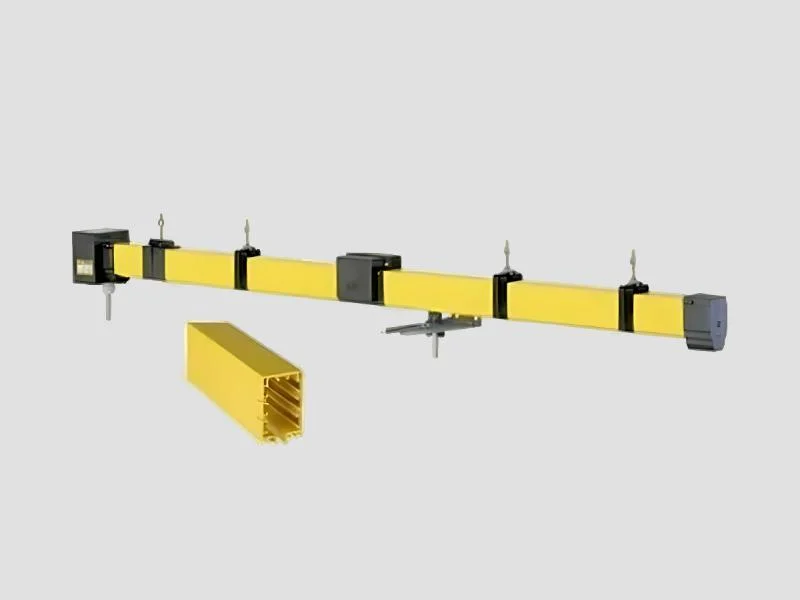
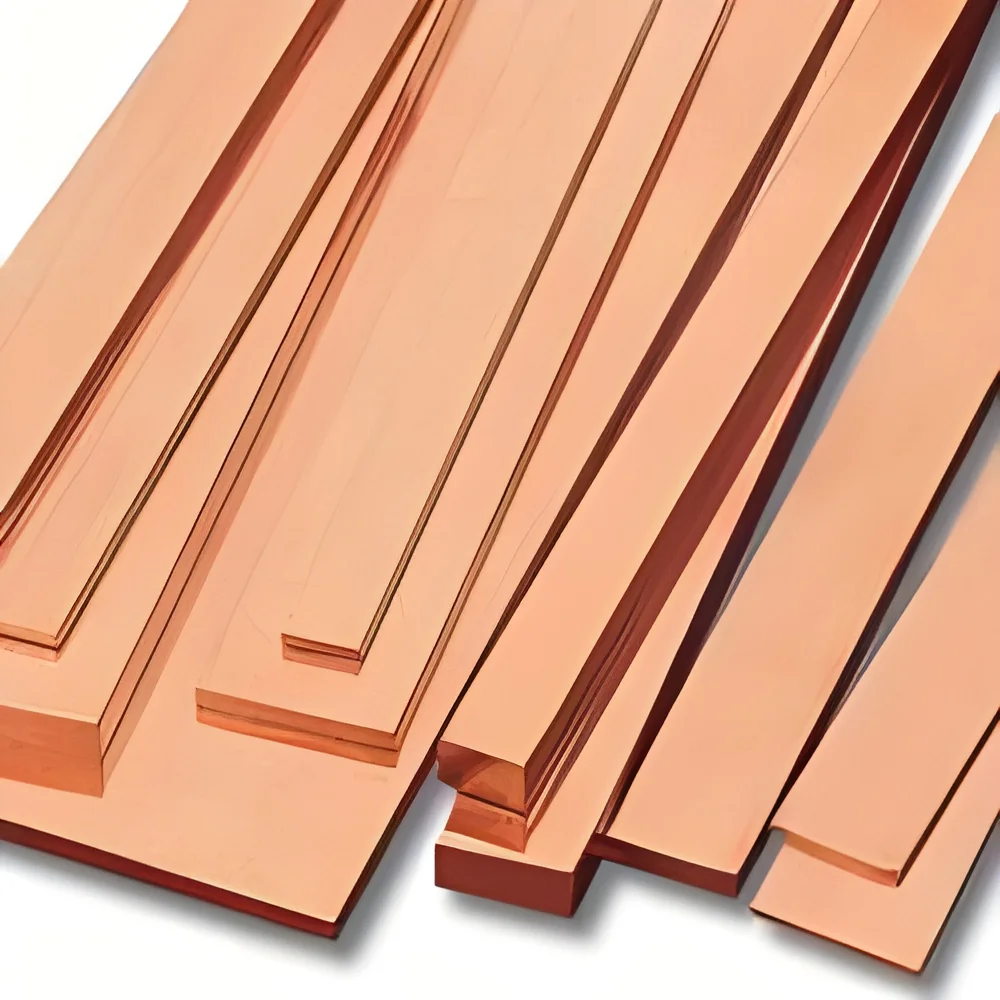
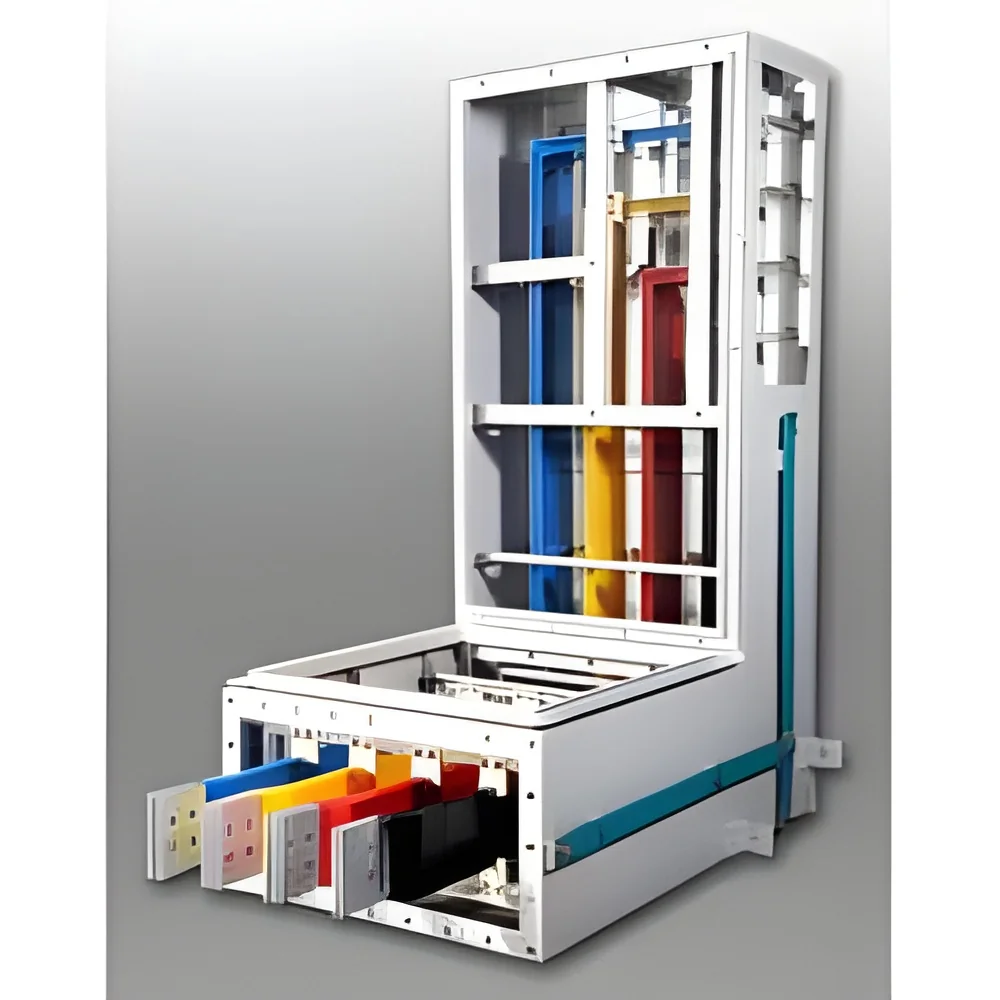
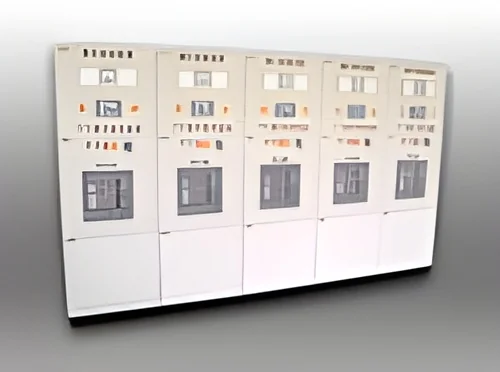
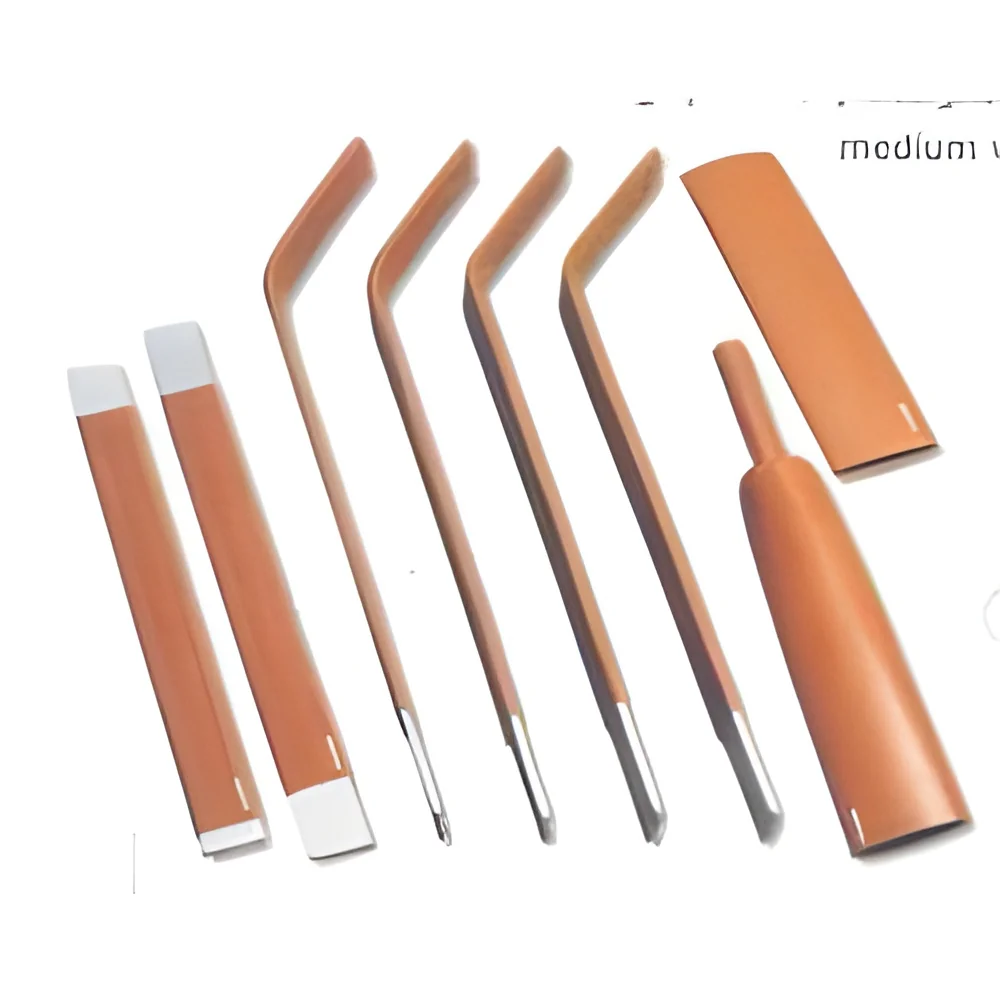
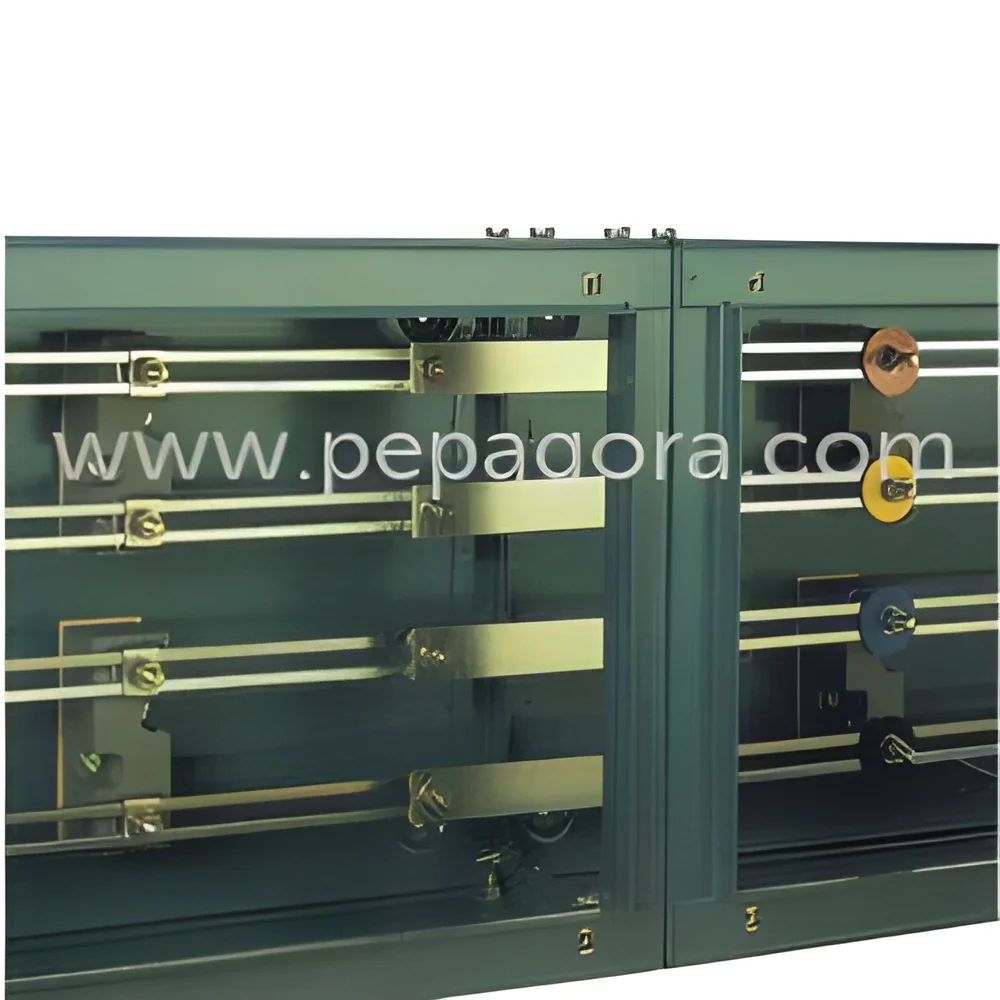
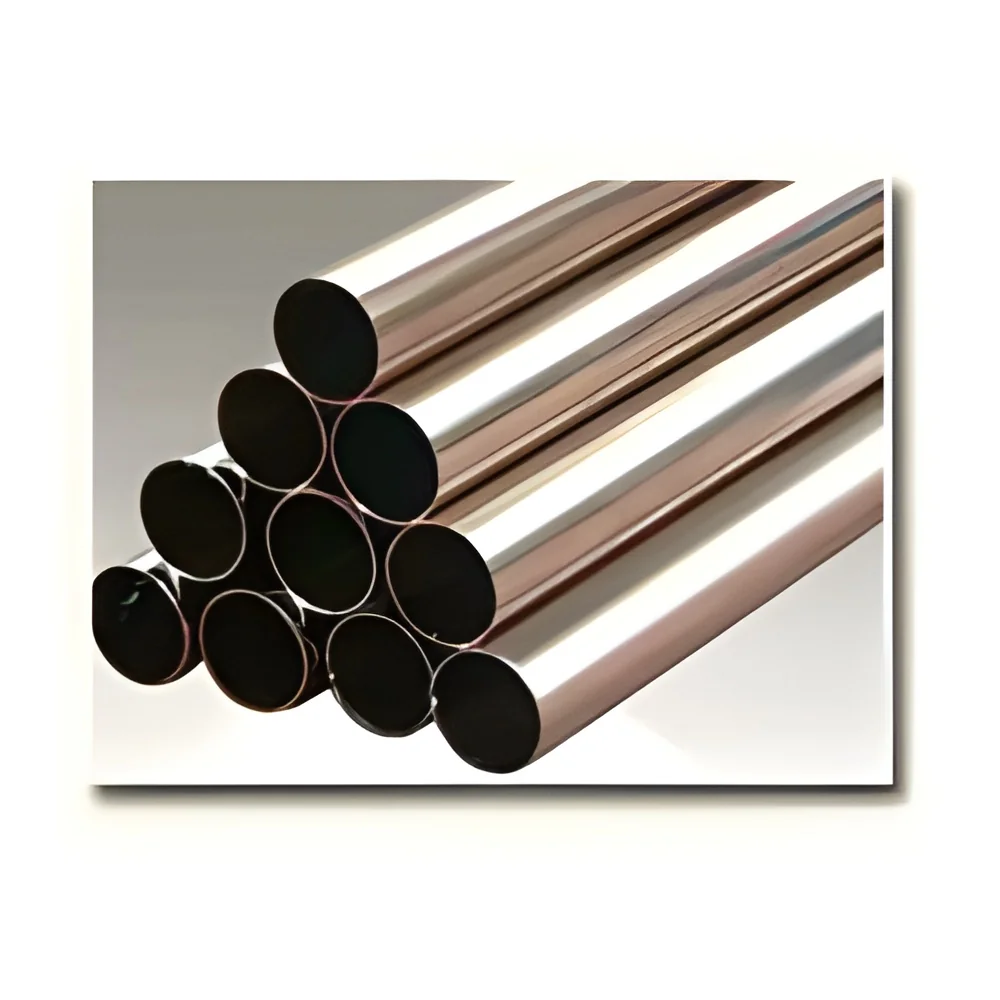
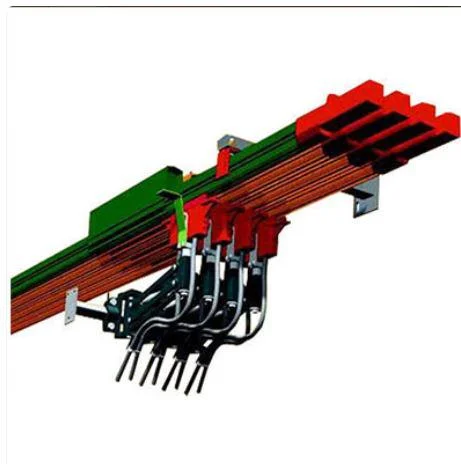
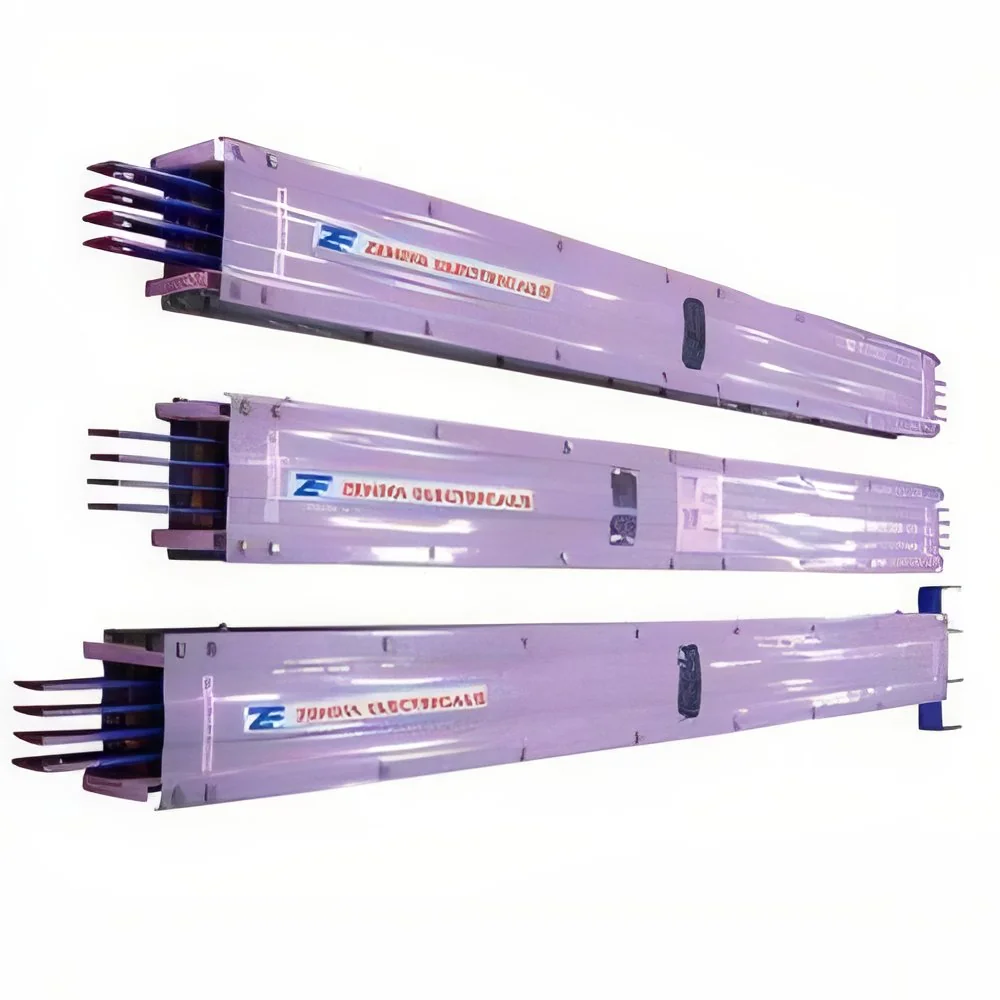
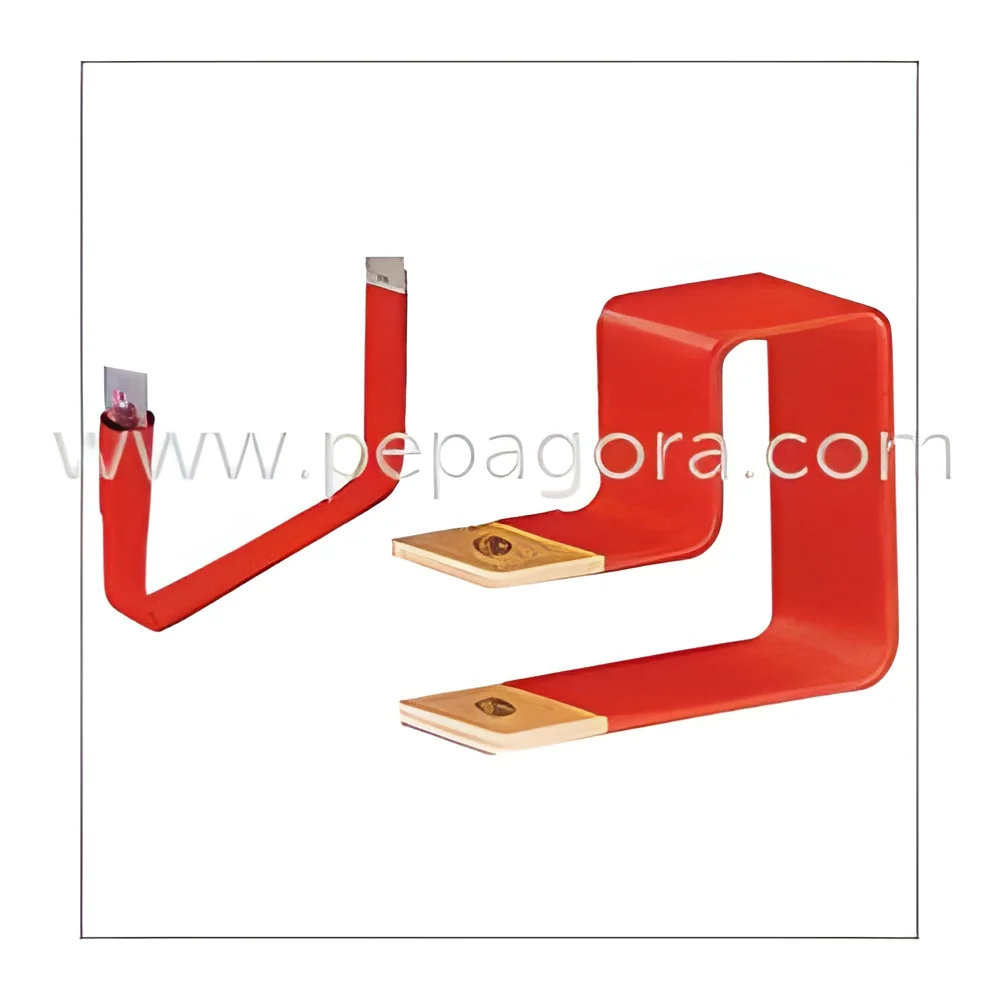
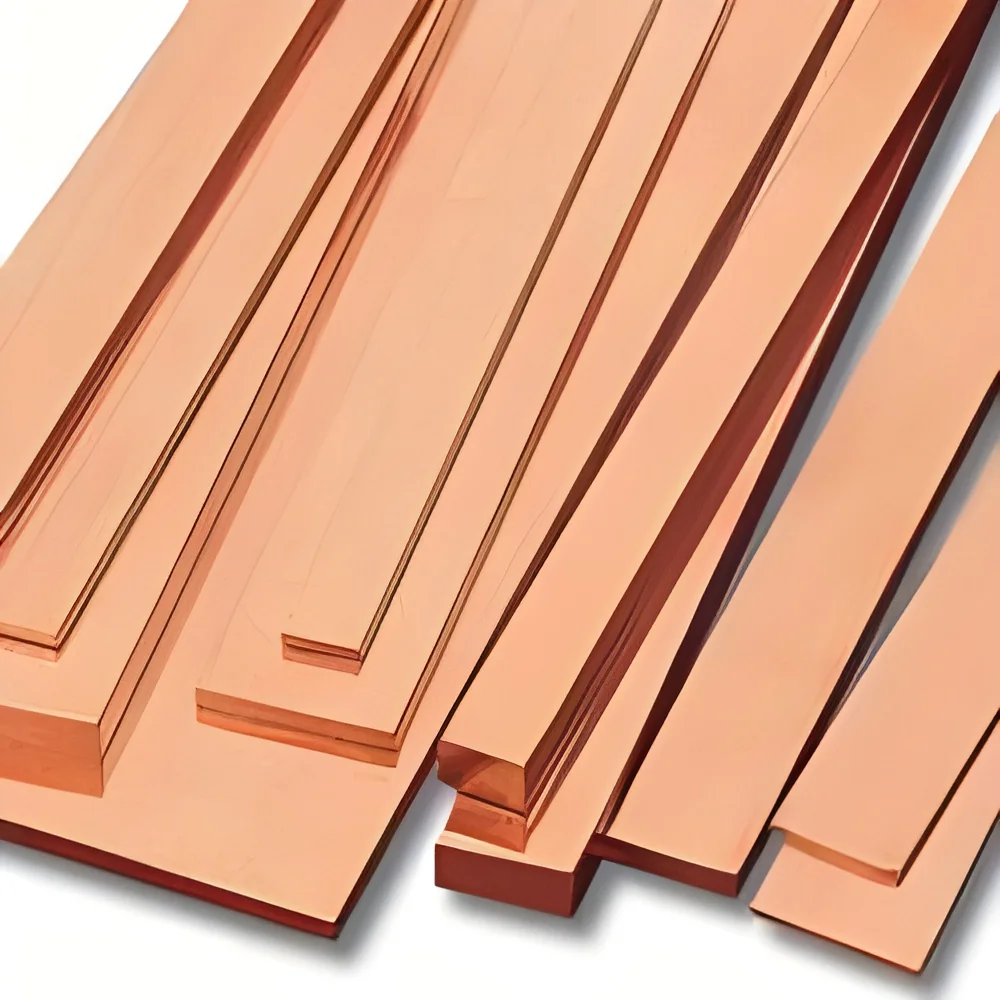
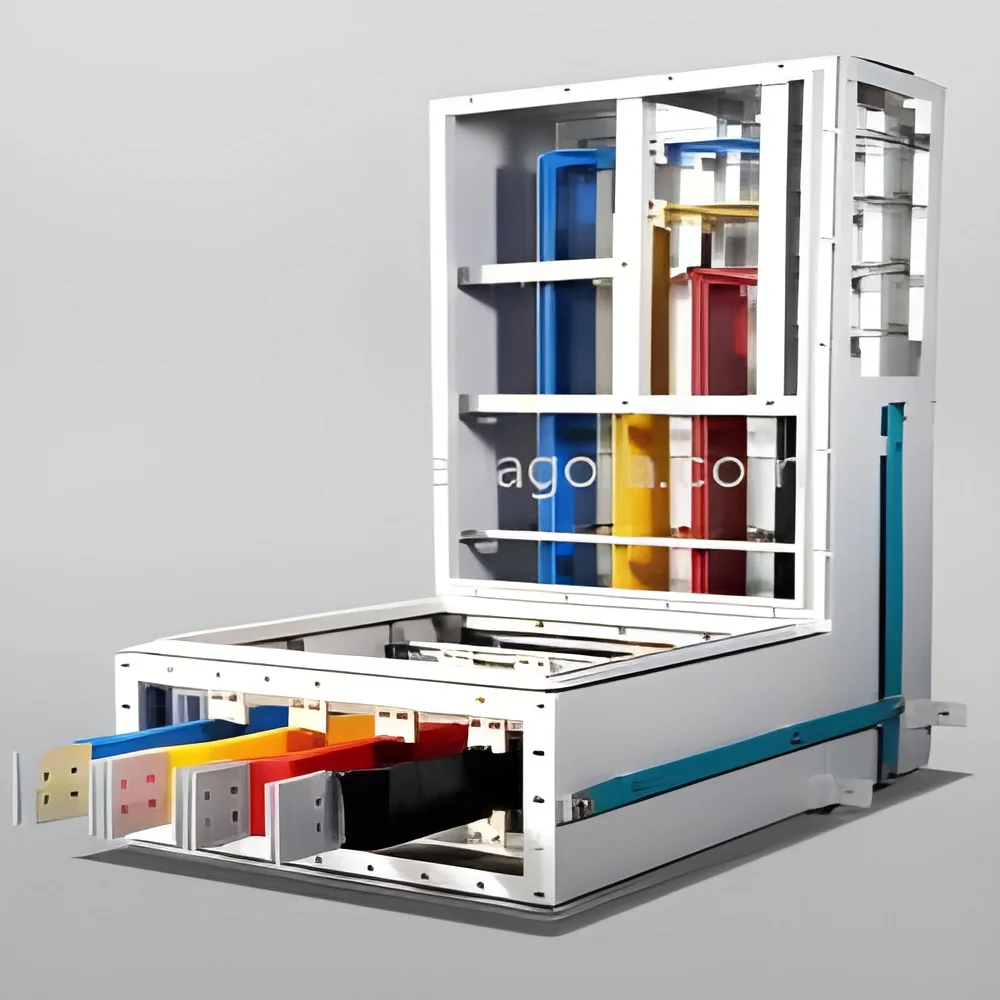
Busbars and busbar trunking systems are essential components in electrical distribution networks. A busbar is a metallic strip or bar that conducts electricity within a switchboard, distribution board, substation, or other electrical apparatus. It serves as a central point for electrical connections and allows for the efficient distribution of electrical power. Busbar trunking systems, on the other hand, are pre-fabricated structures that house busbars and provide a complete solution for power distribution, typically from transformers to various loads.
These systems are widely utilized in commercial, industrial, and utility applications. They are particularly valuable in environments with high power demands, such as manufacturing plants, data centers, and large commercial buildings. Busbars facilitate quick and reliable connections, while trunking systems enhance safety and reduce installation time. As industries increasingly seek efficient power distribution solutions, the market for busbars and busbar trunking systems continues to grow, reflecting the ongoing demand for reliable and efficient electrical infrastructure.
Key Features and Specifications
Busbars and busbar trunking systems come with a range of features that cater to various industrial needs. These systems are designed for high performance, durability, and safety in electrical distribution.
Key specifications include:
1. Current Rating
- Defines the maximum current the busbar can handle
- Typically ranges from 100A to 5000A depending on application
2. Material Composition
- Commonly made from copper or aluminum
- Copper provides higher conductivity, while aluminum is lighter and often more cost-effective
3. Insulation Type
- Varies based on environmental requirements
- Options include air-insulated and resin-insulated systems
4. Temperature Rating
- Indicates the operating temperature range for safety and efficiency
- Standard ratings generally vary from -20°C to 90°C
5. System Configuration
- Can be configured in straight, angled, or T-shaped designs
- Flexibility allows for innovative layouts in complex installations
6. Length and Size Options
- Available in various lengths and cross-sectional sizes
- Custom sizes may be offered based on specific project requirements
7. Protection Ratings
- Rated for dust and moisture ingress, commonly IP54 or higher
- Indicates suitability for diverse environments
8. Compliance Standards
- Must adhere to relevant industry standards such as CE
- Ensures safety and reliability in electrical installations
In summary, the varied specifications of busbars and busbar trunking systems allow businesses to select the right solutions tailored to their specific operational needs.
Common Applications and Use Cases
Busbars and busbar trunking systems are versatile and applicable across various industries.
1. Manufacturing: In manufacturing facilities, busbars efficiently distribute power to machinery and equipment, ensuring minimal downtime and high operational efficiency.
2. Data Centers: Data centers utilize these systems for reliable power distribution to servers and cooling systems, crucial for maintaining uptime.
3. Commercial Buildings: In large commercial buildings, busbars facilitate safe and efficient power distribution across multiple floors and sections.
4. Renewable Energy: Busbars play a role in solar power plants and wind farms, connecting multiple generation units to the grid.
5. Transportation: Busbars are used in electric vehicles and rail systems to manage power distribution effectively.
6. Infrastructure Projects: In large-scale infrastructure projects, busbars provide reliable power solutions for construction equipment and temporary facilities.
7. Pharmaceuticals: In pharmaceutical manufacturing, busbars ensure precise power supply to critical equipment under stringent regulatory requirements.
Product Variants and Subcategories
Busbars and busbar trunking systems come in various forms to meet different operational needs.
Standard Busbar: This variant typically features a simple design for straightforward power distribution. It is ideal for applications where space is limited and installation speed is critical.
Busbar Trunking System: This system integrates multiple busbars within a single unit, offering easier installation and maintenance. It is suited for environments that require flexible power routing.
Compact Busbars: Designed for smaller spaces, these busbars provide efficient power distribution without compromising on capacity. They are commonly used in residential and light commercial applications.
Benefits and Advantages
Busbars and busbar trunking systems offer numerous advantages to industries seeking efficient electrical solutions.
1. Enhanced Efficiency: These systems reduce electrical losses by providing a direct path for power distribution, improving overall energy efficiency.
2. Space-Saving Design: Their compact nature allows for more efficient use of space, especially in facilities with limited room for electrical infrastructure.
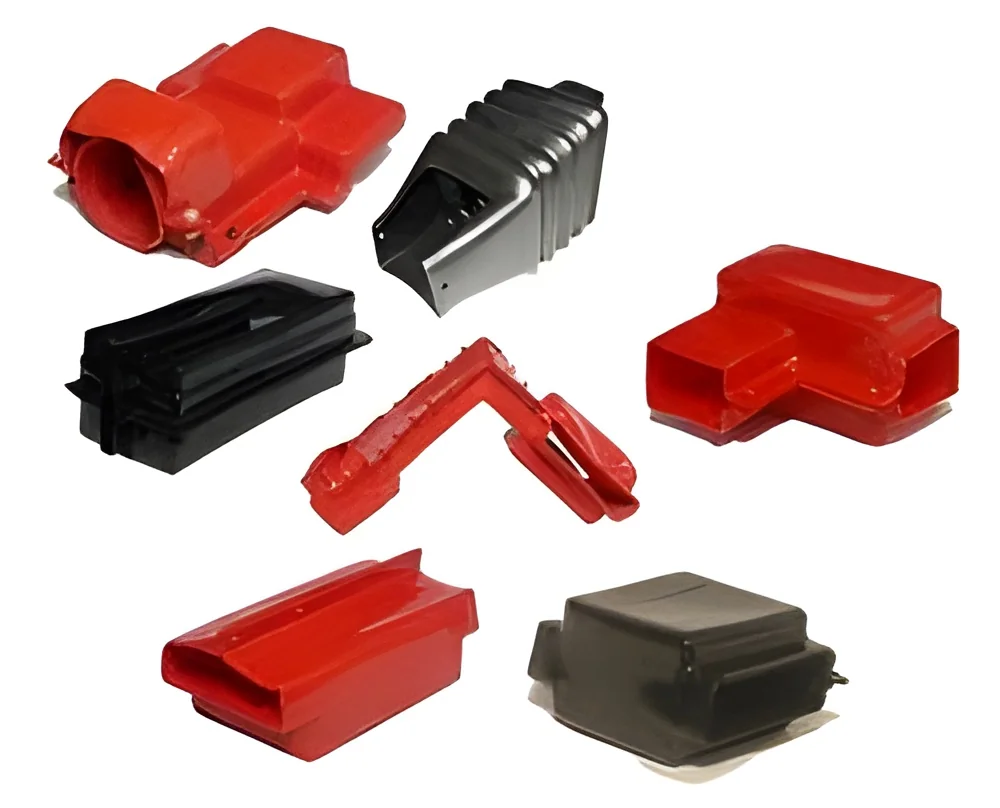
3. Safety Features: Busbars are designed with safety in mind, featuring insulation and protective enclosures to minimize electrical hazards.
4. Easy Installation: Pre-fabricated busbar trunking systems simplify installation processes, reducing labor time and associated costs.
5. Scalability: These systems can easily be expanded or modified to accommodate future growth or changes in power needs.
6. Reduced Maintenance: Their robust design and materials require less frequent maintenance compared to traditional wiring systems.
Buying Guide for B2B Buyers
When sourcing busbars and busbar trunking systems, it is important to consider several key factors to ensure the right choice for your business needs.
1. Quality Assessment: Evaluate the quality of materials and manufacturing processes. Look for products that meet industry standards for durability and performance.
2. Supplier Verification: Conduct thorough research to verify suppliers' credibility. Check for certifications and industry experience to ensure reliability.
3. Pricing and MOQ: Understand the pricing models and minimum order quantities. Compare multiple suppliers to find competitive pricing without compromising quality.
4. Delivery and Lead Times: Assess the supplier's ability to meet your delivery requirements. Timely delivery is crucial to avoid project delays.
5. Compliance Requirements: Ensure that the products meet relevant regulatory and safety standards. This is essential for legal compliance and operational safety.
Compliance and Certifications
Busbars and busbar trunking systems must adhere to various quality standards and certifications to ensure safety and reliability in electrical applications. One of the primary standards is ISO 9001, which focuses on quality management systems. This certification indicates that the manufacturer consistently delivers products that meet customer and regulatory requirements.
Additionally, CE certification is important for products marketed within the European Union. It signifies that the products have been tested and meet EU safety, health, and environmental protection standards. Compliance with these certifications assures buyers of the product's quality and safety.
Safety and testing requirements are critical in this industry. Busbars must undergo rigorous testing to ensure they can handle the specified current ratings without overheating or failing. Furthermore, regional compliance considerations may vary, so it is essential for manufacturers to be aware of local regulations and standards that apply to busbars and busbar trunking systems.
Why Source Busbars & Busbar Trunking Systems from Pepagora?
Pepagora provides a trusted platform for sourcing busbars and busbar trunking systems, offering several key advantages to B2B buyers.
The verified supplier network at Pepagora ensures that businesses can connect with reputable manufacturers. Each supplier undergoes a thorough vetting process, providing buyers with confidence in the quality of products they receive.
The streamlined RFQ process simplifies the quotation system, allowing buyers to quickly receive competitive quotes from multiple suppliers. This feature saves time and effort, fostering efficient procurement.
Trade assurance and support are integral aspects of the Pepagora experience. Buyers are protected throughout their purchasing journey, ensuring that they receive products that meet their expectations and requirements.
Furthermore, Pepagora offers regional coverage across India, the GCC, and Southeast Asia. This geographic reach enables businesses to access a wide range of suppliers and products, making it easier to find the best solutions for their electrical distribution needs.


 India
 India
 India
 India
 India
 India

 India
 India
 India
 India
 India

 India
 India
 India

 India
 India
 IndiaIndia
 India
 India
 India

Frequently Asked Questions
What are Busbars & Busbar Trunking Systems?
Busbars are conductive metal bars used to distribute electrical power within a facility. Busbar Trunking Systems are prefabricated electrical distribution systems that use busbars enclosed in protective casings to safely transport electrical energy.
What are the different types of Busbars & Busbar Trunking Systems?
There are several types of busbars, including copper and aluminum busbars, which differ in conductivity and weight. Busbar Trunking Systems can be categorized into different configurations such as single and three-phase systems, depending on the application requirements.
How do I choose the right Busbars & Busbar Trunking Systems?
Selecting the right busbars and busbar trunking systems involves considering factors such as the electrical load, installation environment, and space constraints. It is also essential to consult with suppliers or manufacturers to ensure compatibility with existing systems.
What are the standard specifications for Busbars & Busbar Trunking Systems?
Standard specifications for busbars include current-carrying capacity, voltage ratings, and temperature ratings. Busbar Trunking Systems should also meet specific safety and performance standards outlined by regulatory bodies.
What is the price range for Busbars & Busbar Trunking Systems?
The price of busbars and busbar trunking systems varies widely based on factors such as material, size, and manufacturer. Generally, prices can range from a few thousand to several lakhs of Indian Rupees, depending on the specifications.
What quality standards apply to Busbars & Busbar Trunking Systems?
Busbars and busbar trunking systems must comply with international quality standards such as IEC, ASTM, and IS. Adhering to these standards ensures safety, reliability, and efficiency in electrical distribution.
Where can I find Busbars & Busbar Trunking Systems suppliers in India?
You can find suppliers of busbars and busbar trunking systems in India through online B2B marketplaces like Pepagora.com. Additionally, industry trade shows and exhibitions can also serve as good sources for locating reliable manufacturers.
Can Busbars & Busbar Trunking Systems be customized?
Yes, many manufacturers offer customization options for busbars and busbar trunking systems to meet specific project requirements. Customizations can include size, shape, and electrical specifications.
What is the typical minimum order quantity for Busbars & Busbar Trunking Systems?
The minimum order quantity (MOQ) for busbars and busbar trunking systems varies by supplier. Generally, MOQs can range from a few pieces to several hundred, depending on the manufacturer and the product type.
What is the typical lead time for Busbars & Busbar Trunking Systems?
The typical lead time for busbars and busbar trunking systems can vary from a few weeks to a couple of months. Lead times depend on factors such as customization requirements, manufacturing capacity, and shipping logistics.
Why Businesses Trust Pepagora
Thousands of companies trust Pepagora to source smarter and sell faster
Expand Your Sales Globally

Source Smarter,Grow Faster
