IN
IN₹
Apparel & Fashion
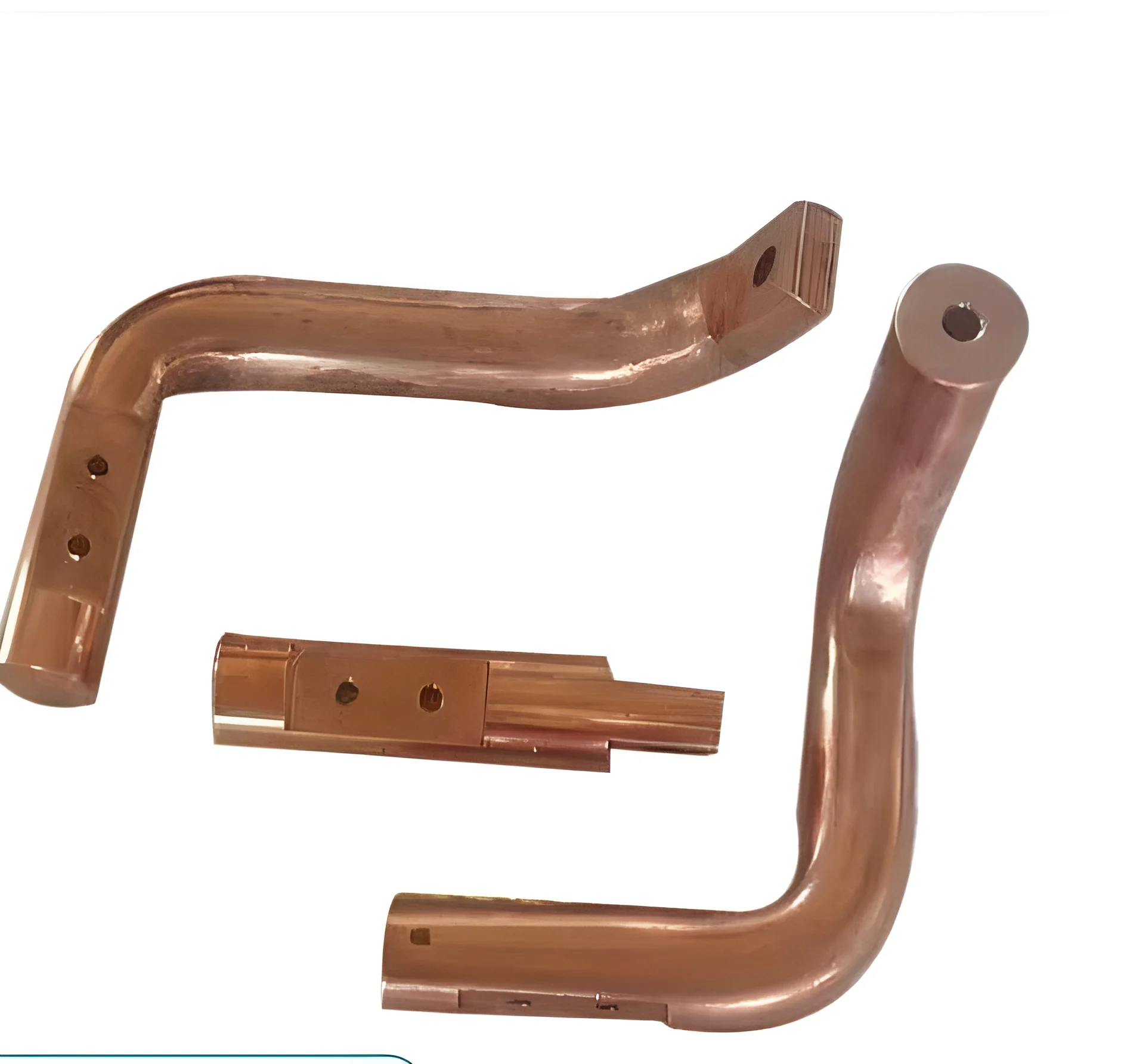
Description
Copper flexible busbars represent the advanced solution for high-current electrical connections that must withstand mechanical stress, vibration, and thermal cycling. Constructed from multiple layers of premium tinned copper strips laminated together, these busbars combine exceptional electrical conductivity with mechanical flexibility that rigid busbars cannot match. The annealing process ensures the copper remains soft and pliable, allowing the busbar to flex repeatedly without work hardening or cracking. This unique construction enables reliable performance in applications where equipment movement, thermal expansion, or seismic activity would compromise traditional solid busbars. The tin plating provides corrosion resistance while maintaining excellent surface contact properties, ensuring long-term reliability in various environmental conditions.

These versatile components serve critical functions across multiple industries where electrical reliability is non-negotiable. In power g...
Copper flexible busbars represent the advanced solution for high-current electrical connections that must withstand mechanical stress, vibration, and thermal cycling. Constructed from multiple layers of premium tinned copper strips laminated together, these busbars combine exceptional electrical conductivity with mechanical flexibility that rigid busbars cannot match. The annealing process ensures the copper remains soft and pliable, allowing the busbar to flex repeatedly without work hardening or cracking. This unique construction enables reliable performance in applications where equipment movement, thermal expansion, or seismic activity would compromise traditional solid busbars. The tin plating provides corrosion resistance while maintaining excellent surface contact properties, ensuring long-term reliability in various environmental conditions.

These versatile components serve critical functions across multiple industries where electrical reliability is non-negotiable. In power generation and distribution, they connect transformers, switchgear, and circuit breakers in substations and power plants. Manufacturing facilities utilize them in motor control centers, industrial automation equipment, and heavy machinery where vibration resistance is essential. The renewable energy sector depends on copper flexible busbars for solar farm inverters, wind turbine generators, and battery storage systems. Commercial construction projects specify them for main electrical panels, data center power distribution, and emergency power systems. The transportation industries incorporate them in railway systems and marine electrical applications.

Businesses choosing copper flexible busbars gain significant operational advantages through enhanced system reliability and reduced maintenance costs. The flexibility eliminates stress concentrations at connection points, preventing loose connections and reducing downtime. Superior conductivity minimizes energy losses, leading to lower operating costs over the system's lifetime. The robust construction withstands harsh industrial environments, providing long service life without degradation. These factors combine to deliver exceptional return on investment through improved safety, reduced operational expenses, and minimized system failures across various applications and industries.

Key Features:
- Multi-layer laminated construction using tinned annealed copper strips
- Superior electrical conductivity with low impedance and minimal voltage drop
- Excellent flexibility to accommodate movement, vibration, and thermal expansion
- Customizable dimensions including thickness, width, length, and terminal configurations
- Corrosion-resistant tin plating for enhanced durability and reliable surface contact

Benefits:
- Reduces mechanical stress on electrical connections, preventing failures
- Lowers installation time and labor costs through easy handling and positioning
- Minimizes energy losses through superior conductivity, reducing operating costs
- Enhances system reliability and safety in demanding operating conditions
- Provides long service life with minimal maintenance requirements across applications
Specifications
| Additional Information | |
|---|---|
| Country of Origin | India |
Application
Copper flexible busbars are engineered to handle demanding electrical environments where movement, vibration, and thermal expansion present constant challenges. Their multi-layer laminated construction ensures consistent performance while accommodating mechanical stress that would damage rigid connections. This makes them indispensable for modern electrical infrastructure requiring both high current capacity and operational flexibility across various industrial applications and power distribution networks.
These busbars serve critical roles across power distribution networks, industrial automation systems, and renewable energy installations. From main power feeds in manufacturing facilities to complex panel builds in data centers, they provide durable, low-resistance connections necessary for system reliability and safety. Their adaptability makes them suitable for both standard applications and engineered solutions across multiple sectors where electrical performance cannot be compromised.
- Power distribution switchgear and transformer connections in electrical substations
- Motor control centers and variable frequency drive installations in industrial plants
- Solar inverter connections and wind turbine power collection systems in renewable energy
- Electrical panels and busway systems in commercial buildings and data centers
- Heavy equipment and automotive electrical systems requiring vibration-resistant power links
Trade Details
| Available Stock | In Stock |
| Sample Availability | No |
Payment Terms
| Payment Terms |
|
Company Profile

PARENTNashik, Maharashtra
 Maharashtra, India
Maharashtra, IndiaTools & Hardware•Manufacturer•Trading Company•Importer / Exporter
Factory Details
Factory Size1000-5000 sqm
No. of Production Lines2
Annual Production Capacity0 a:1:{i:0;s:4:"Tons";}
Main Markets
North America
Northern Europe
Mid East
Copper Flexible Busbars For High Current Electrical Connections
Copper flexible busbars provide reliable high-current electrical connections with superior flexibility, vibration resistance, and excellent conductivity for switchgear, transformers, power panels, and industrial distribution systems.
Min. Order Quantity: 1 piece
Shipping
Shipping fee and delivery date to be negotiated. Contact supplier now for more details.
PARENTNashik
 Maharashtra, India
Maharashtra, IndiaTools & HardwareManufacturer