
 IN
INBag Filters & Cartridge Filters
61 products available
What are Bag Filters & Cartridge Filters?
Key Features and Specifications
Common Applications and Use Cases
Product Variants and Subcategories
Benefits and Advantages
Buying Guide for B2B Buyers
Compliance and Certifications
Why Source Bag Filters & Cartridge Filters from Pepagora?






 India
India


 India
India
 India
India

 India
India
 India
India
 India
India
 India
India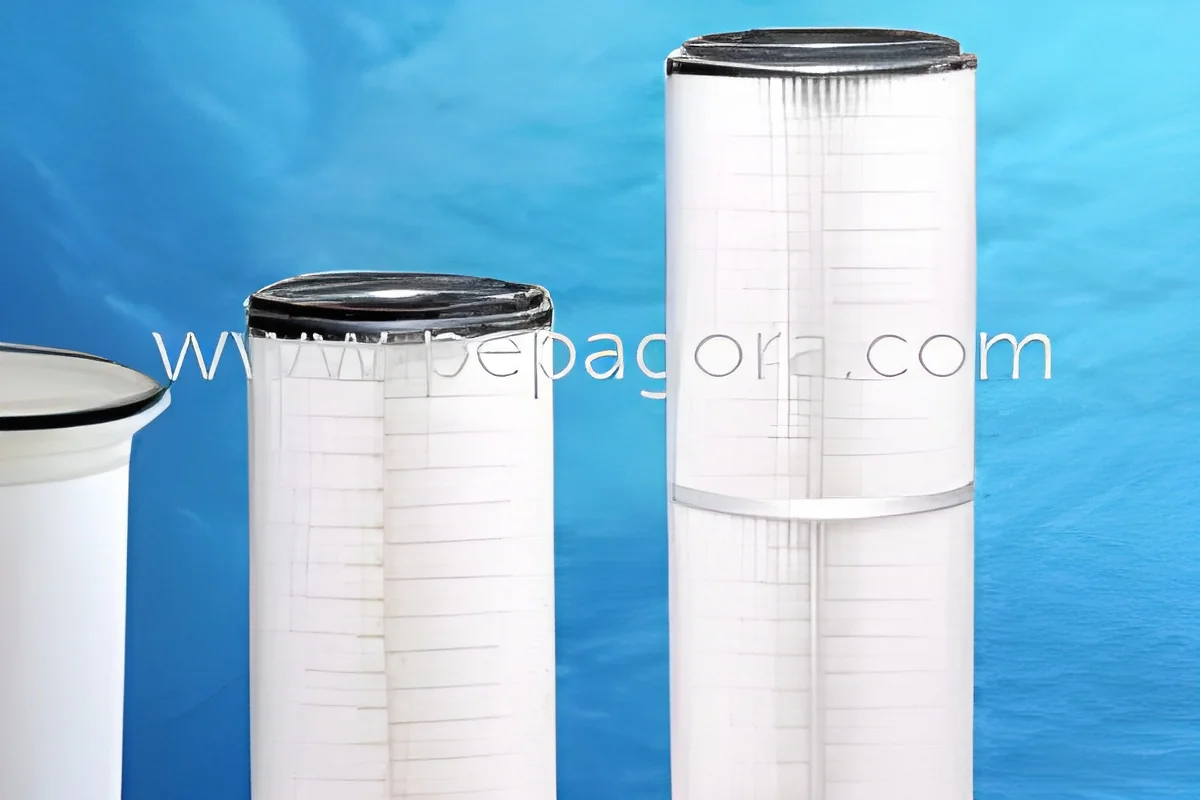

 India
India

 India
India
 India
India

 India
India India
India
 India
India India
India
 India
India India
India India
India

 India
India


 India
India India
India
 India
India
 India
India India
India India
India
 India
India India
India

 India
India India
India
 India
India

 India
India

 India
India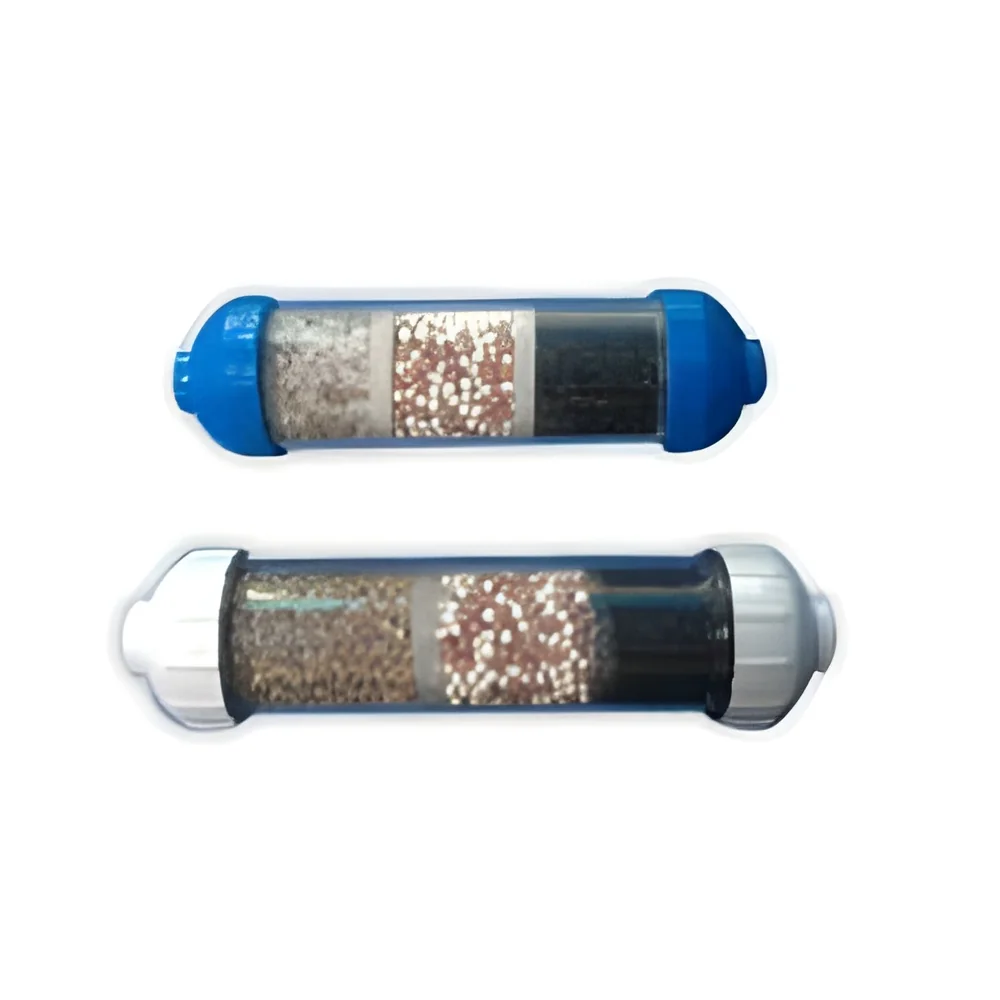
 India
India
Frequently Asked Questions
What are Bag Filters & Cartridge Filters?
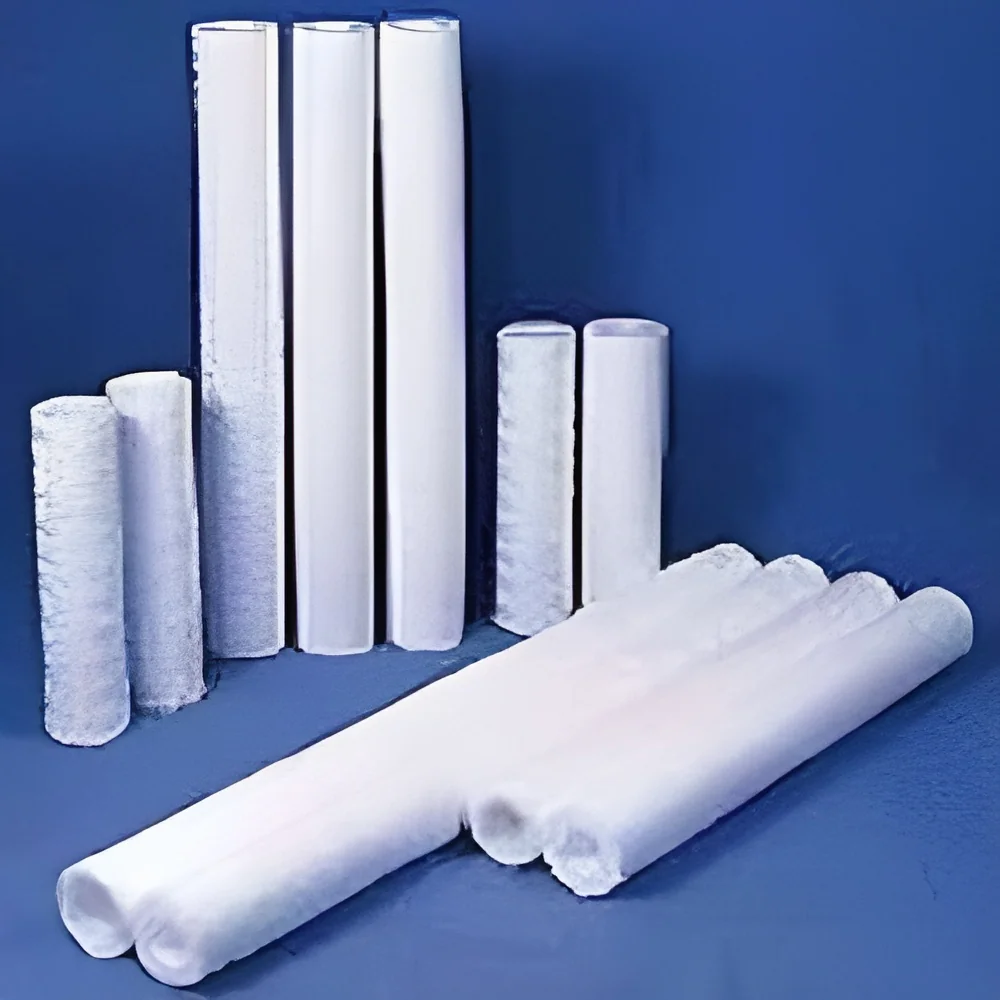
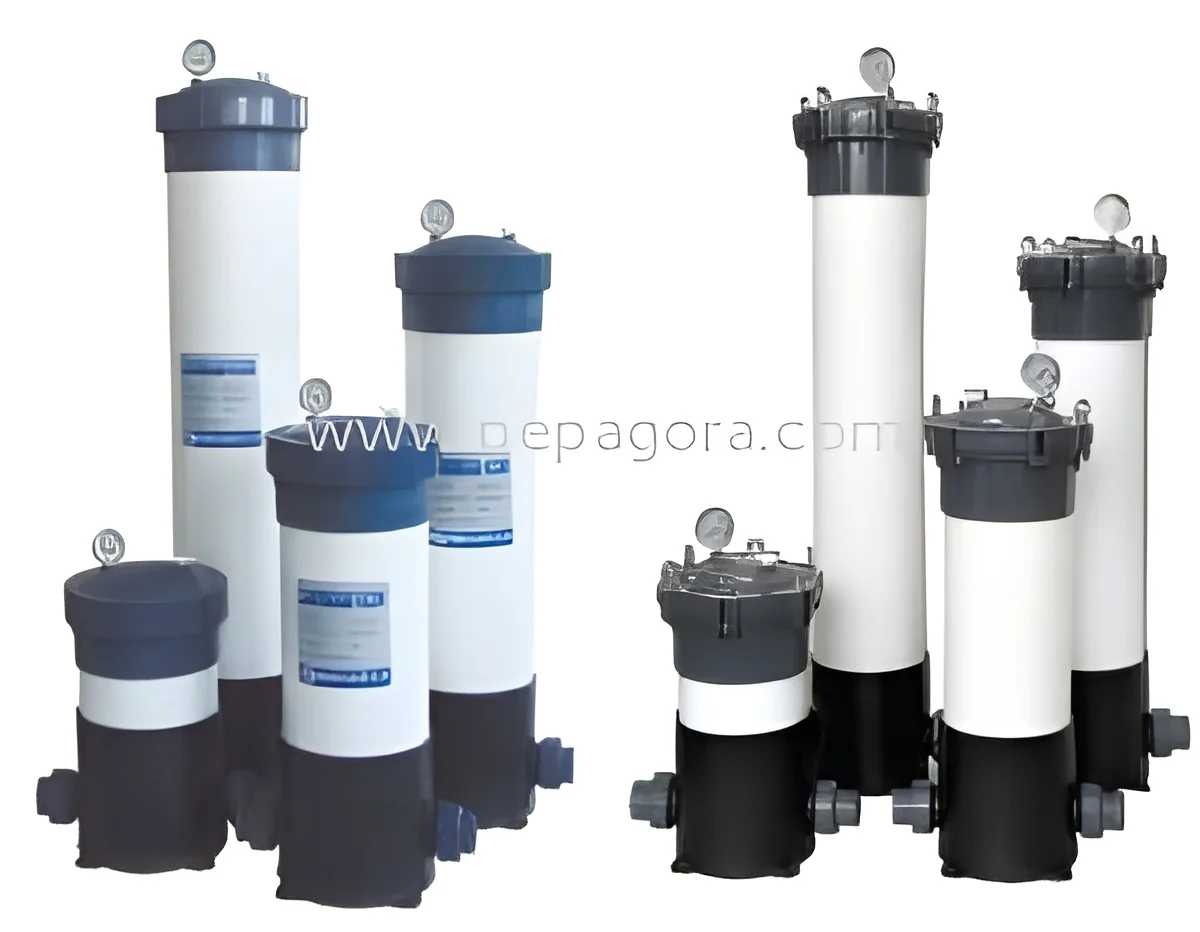
Bag Filters & Cartridge Filters are filtration devices used to remove particles and impurities from liquids and gases in various industrial applications. Bag filters utilize a bag-like structure to capture contaminants, while cartridge filters employ a cylindrical shape for the same purpose. Both are essential for maintaining the quality of fluids and protecting equipment.
What are the different types of Bag Filters & Cartridge Filters?
There are several types of Bag Filters & Cartridge Filters, including standard bag filters, pleated cartridge filters, and depth filters. Bag filters can further be classified based on the material used, such as polypropylene, polyester, or nylon. Cartridge filters also vary in design and media, offering options like activated carbon, ceramic, and membrane filters.
How do I choose the right Bag Filters & Cartridge Filters?
To choose the right Bag Filters & Cartridge Filters, consider factors such as the type of fluid being filtered, the size and nature of the contaminants, and the desired flow rate. Additionally, evaluate the filter's compatibility with your system and any specific industry standards that need to be met. Consulting with manufacturers or suppliers can also help ensure you make an informed decision.
What are the standard specifications for Bag Filters & Cartridge Filters?
Standard specifications for Bag Filters & Cartridge Filters typically include filtration efficiency, flow rate, maximum operating temperature, and pressure drop. The micron rating of the filter media is also crucial, as it determines the size of particles that can be captured. These specifications can vary based on the application and manufacturer.
What is the price range for Bag Filters & Cartridge Filters?
The price range for Bag Filters & Cartridge Filters can vary widely depending on factors such as type, material, and specifications. Generally, basic models may start from a few hundred rupees, while high-performance or specialized filters can cost several thousand rupees. It's advisable to compare prices from different suppliers to find the best option for your needs.
What quality standards apply to Bag Filters & Cartridge Filters?
Bag Filters & Cartridge Filters should comply with various quality standards based on the industry and application, such as ISO, FDA, or CE certifications. These standards ensure that the filters meet safety and performance criteria. It's essential to verify the certifications of the manufacturer to ensure product reliability and effectiveness.
Where can I find Bag Filters & Cartridge Filters suppliers in India?
You can find Bag Filters & Cartridge Filters suppliers in India through online B2B marketplaces, trade shows, and industry directories. Platforms like Pepagora.com offer a comprehensive listing of manufacturers and suppliers in this category. Additionally, local industrial supply stores may also carry these products.
Can Bag Filters & Cartridge Filters be customized?
Yes, many manufacturers offer customization options for Bag Filters & Cartridge Filters to meet specific requirements. Customizations may include alterations in size, material, filtration rating, and design features. It's best to discuss your needs directly with the supplier to explore available options.
What is the typical minimum order quantity for Bag Filters & Cartridge Filters?
The typical minimum order quantity (MOQ) for Bag Filters & Cartridge Filters can vary by supplier and product type. Generally, MOQs can range from a few pieces to several hundred units. It's advisable to check with individual suppliers for their specific MOQ policies.
What is the typical lead time for Bag Filters & Cartridge Filters?
The typical lead time for Bag Filters & Cartridge Filters can range from a few days to several weeks, depending on factors such as product availability, customization requirements, and supplier location. For urgent requirements, it's recommended to communicate directly with the supplier to arrange expedited shipping if possible.
Why Businesses Trust Pepagora
Thousands of companies trust Pepagora to source smarter and sell faster
Expand Your Sales Globally

Source Smarter,Grow Faster
