
 IN
Automatic Lubrication Systems
12 products available
What are Automatic Lubrication Systems?
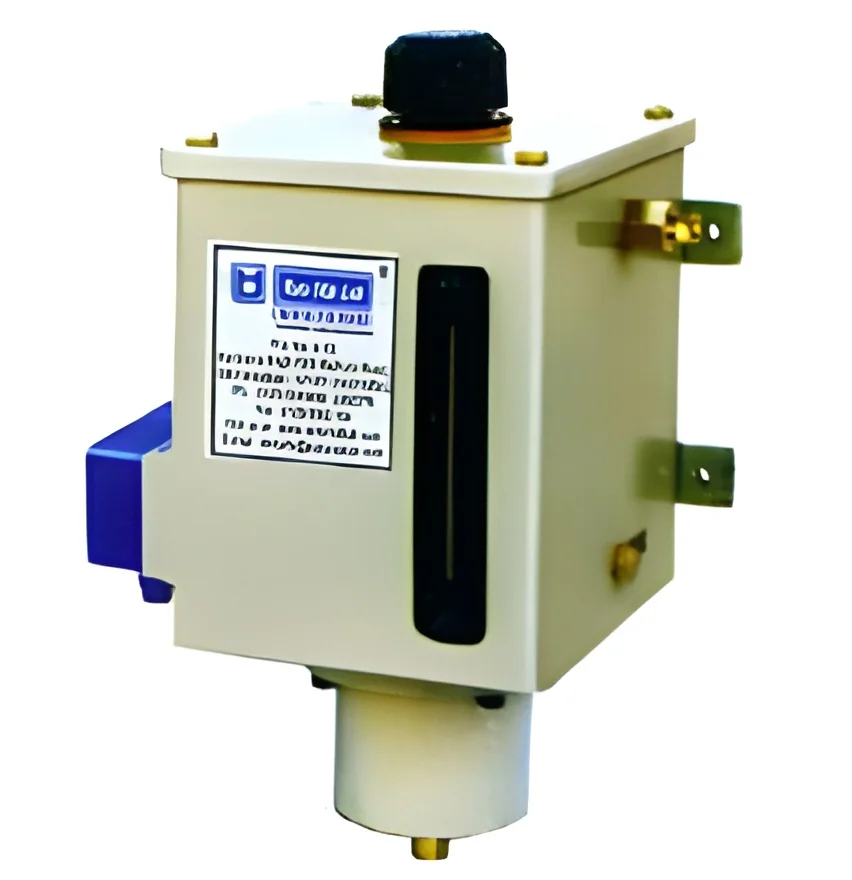
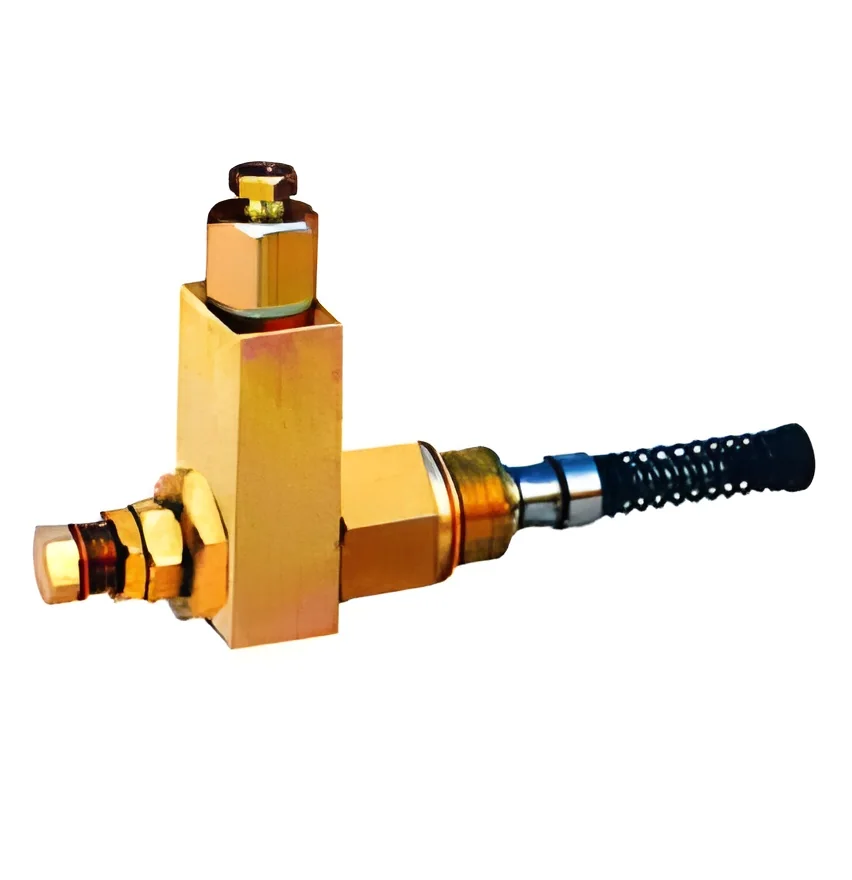
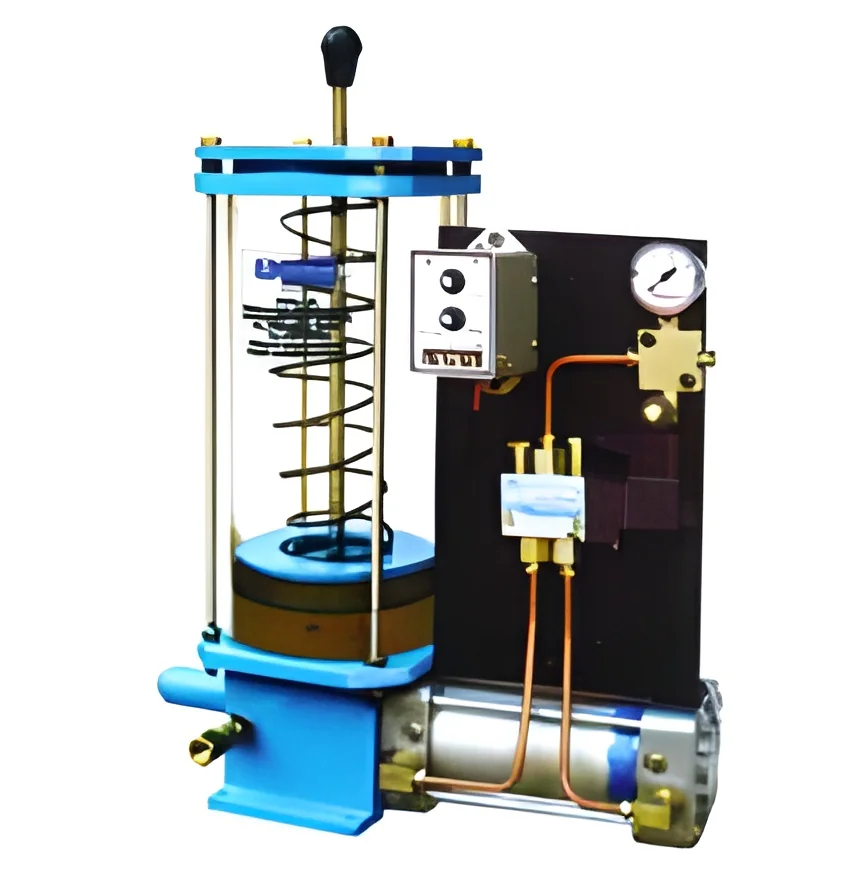
Automatic lubrication systems are advanced mechanisms designed to deliver precise amounts of lubricant to machinery and equipment in a controlled manner. These systems ensure that critical components receive consistent lubrication, reducing friction and wear while enhancing operational efficiency. By automating the lubrication process, these systems minimize manual intervention, allowing for continuous operation and reducing downtime.
These systems are commonly used in various industrial applications, including manufacturing, construction, and transportation sectors. They serve to maintain the performance of equipment such as bearings, gears, and chains. With the growing emphasis on maintenance efficiency, automatic lubrication systems have become essential in preventing equipment failures and extending the lifespan of machinery. Their relevance is increasingly recognized in industries that rely on heavy machinery and equipment, driving demand for innovative lubrication solutions.
Key Features and Specifications
Automatic lubrication systems boast several essential features designed to optimize performance and reliability. The specifications provide insights into the system's capabilities, allowing businesses to select the right solution for their operational needs.
Key specifications include:
1. Lubrication Type
- A range of lubricants can be used, including grease and oil.
- Compatibility with different types of machinery and environmental conditions.
2. Delivery Mechanism
- Systems may utilize progressive, single-line, or multi-line distribution methods.
- Each mechanism offers unique advantages depending on application requirements.
3. Control Options
- Options for manual, time-based, or sensor-triggered operation.
- Enhanced control enables flexibility in lubrication frequency and volume.
4. Capacity
- Varies by model; systems can hold anywhere from a small reservoir to large tanks.
- Larger capacities reduce the frequency of refilling, ideal for extensive operations.
5. Monitoring Features
- Some models include real-time monitoring capabilities.
- Allows for tracking lubrication levels and system performance.
6. Temperature Range
- Designed to operate effectively in various temperature conditions (data not available).
- Ensures reliability in extreme environments.
7. Humidity Control
- Systems may have features to manage humidity levels (data not available).
- Important for preventing lubricant degradation.
8. Compliance and Certifications
- Many systems are CE certified, ensuring adherence to safety and quality standards.
- Compliance with relevant regulations enhances market trust.
In summary, the array of features and specifications makes automatic lubrication systems adaptable to numerous industrial contexts, enhancing their appeal for businesses looking to improve maintenance practices.
Common Applications and Use Cases
Automatic lubrication systems find applications across a broad spectrum of industries. They are essential for maintaining equipment performance and operational efficiency.
1. Manufacturing: In manufacturing facilities, these systems are used to lubricate conveyor belts, robotic arms, and production machinery, ensuring smooth and uninterrupted operation.
2. Construction: Heavy machinery such as excavators and cranes benefit from automatic lubrication, which minimizes downtime and enhances equipment lifespan.
3. Transportation: In the transportation sector, systems are applied to keep bearings and axles well-lubricated, contributing to improved safety and reliability of vehicles.
4. Mining: Automatic lubrication systems are crucial in mining operations, providing consistent lubrication to equipment that operates in harsh conditions.
5. Agriculture: Tractors and harvesting equipment rely on these systems to reduce wear and maintain performance in demanding agricultural environments.
6. Food and Beverage: In food processing, hygiene is critical, and automatic systems ensure that lubricants are applied without contamination.
7. Energy: Equipment in renewable energy sectors, such as wind turbines, utilize these systems to ensure continuous operation and reduce maintenance costs.
Product Variants and Subcategories
Automatic lubrication systems are diverse, catering to various operational needs and environments. This diversity allows businesses to select systems that best fit their specific requirements.
Electric Lubrication Systems
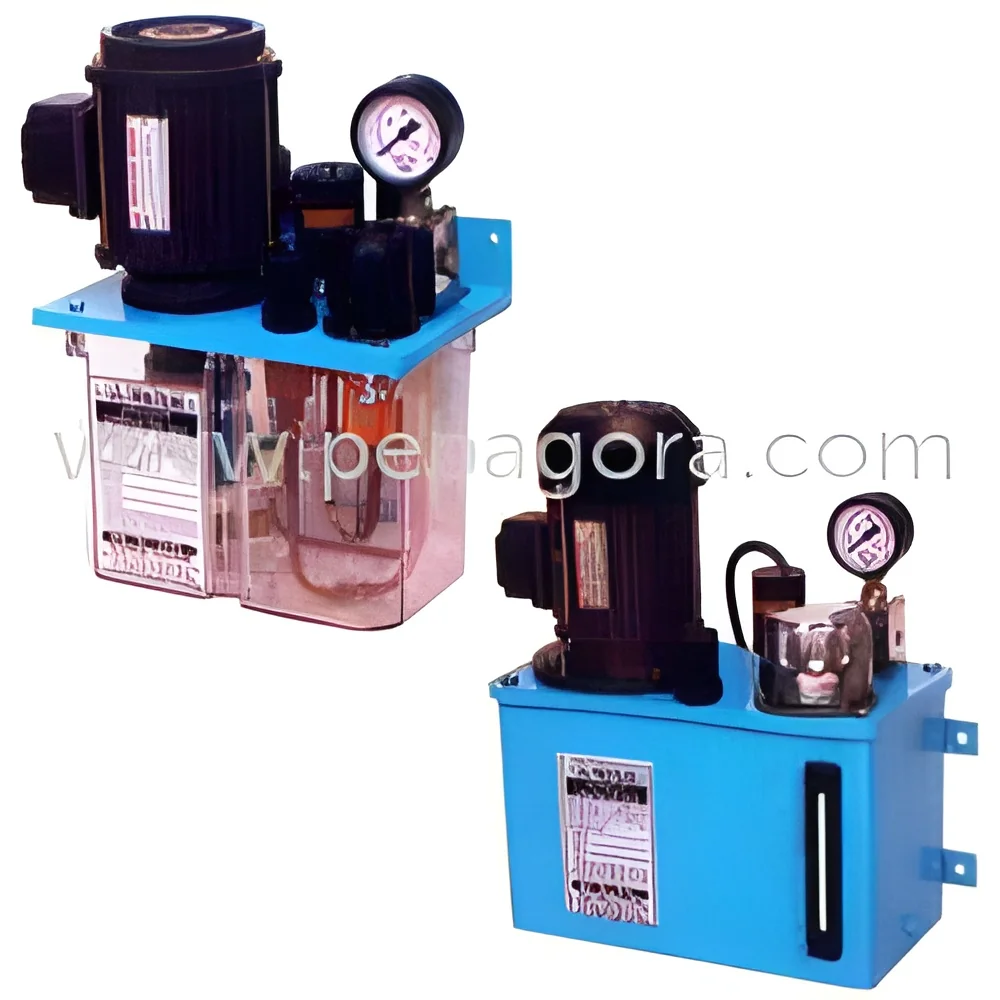
These variants are powered by electric motors, providing precise control over lubrication intervals and quantities. They are ideal for applications requiring consistent lubrication without manual intervention.
Pneumatic Lubrication Systems
Utilizing compressed air, these systems are suitable for environments where electrical systems may pose risks. They deliver lubrication effectively in hazardous locations.
Single-Line Lubrication Systems
These systems are designed for simplicity and are often used in smaller installations. They efficiently distribute lubricant through a single line to multiple points.
Multi-Line Lubrication Systems
These systems are more complex, capable of servicing multiple lubrication points with separate lines. They are ideal for larger machinery with diverse lubrication needs.
Benefits and Advantages
Automatic lubrication systems offer various benefits that enhance operational efficiencies and reduce maintenance costs.
1. Reduced Downtime: By providing continuous lubrication, these systems minimize the risk of equipment failure, leading to less downtime and higher productivity.
2. Improved Safety: Automated systems reduce the need for manual lubrication, decreasing the risk of accidents associated with maintenance tasks.
3. Consistent Lubrication: These systems ensure that machinery receives the right amount of lubricant consistently, which helps optimize performance and extend equipment life.
4. Lower Maintenance Costs: The efficiency of automatic lubrication systems leads to reduced maintenance and repair costs over time.
5. Enhanced Equipment Lifespan: By preventing wear and tear through consistent lubrication, these systems contribute to the longevity of machinery.
6. Environmental Benefits: Many systems are designed to minimize lubricant waste, promoting more sustainable operations.
Buying Guide for B2B Buyers
When sourcing automatic lubrication systems, it is crucial to consider several factors to ensure the right fit for your business needs.
1. Quality Assessment: Evaluate the quality of the systems based on manufacturer reputation, user reviews, and adherence to relevant industry standards.
2. Supplier Verification: Vet potential suppliers by checking their credentials, certifications, and customer feedback to ensure reliability.
3. Pricing and MOQ: Understand the typical price range for the systems and inquire about the minimum order quantities to align with your budget and operational requirements.
4. Delivery and Lead Times: Discuss delivery schedules and lead times with suppliers to ensure timely availability of systems for your operations.
5. Compliance Requirements: Ensure that the systems comply with necessary regulatory standards, including CE certification, to avoid potential legal issues.
Compliance and Certifications
Automatic lubrication systems are subject to various quality standards and certifications that ensure safety and performance.
ISO 9001 is a widely recognized standard that establishes criteria for a quality management system. Compliance with this standard indicates that the manufacturer consistently provides products that meet customer and regulatory requirements.
HACCP and GDP standards apply to specific industries, particularly food and beverage, where safety and hygiene are paramount. Compliance ensures that the systems do not compromise product quality.
CE certification is crucial for automatic lubrication systems marketed in Europe, indicating compliance with health, safety, and environmental protection standards.
Safety and testing requirements also play a significant role in the manufacturing of these systems. Robust testing ensures that products can withstand operational stresses and perform reliably over time.
Businesses should also consider regional compliance requirements to ensure adherence to local regulations that may impact the deployment and operation of lubrication systems.
Why Source Automatic Lubrication Systems from Pepagora?
Pepagora provides a trusted platform for sourcing automatic lubrication systems, offering several key advantages for B2B buyers.
Verified Supplier Network: Pepagora ensures that all suppliers are thoroughly vetted, providing buyers with confidence in their sourcing decisions.
Streamlined RFQ Process: The platform simplifies the request for quotation process, making it easier for buyers to compare offers and select the best options for their needs.
Trade Assurance and Support: Pepagora offers buyer protection through trade assurance, ensuring that transactions are secure and reliable.
Regional Coverage: With a strong presence in India, the GCC, and Southeast Asia, Pepagora facilitates access to a wide range of suppliers, helping businesses find the right solutions to meet their operational requirements.


 India
 India
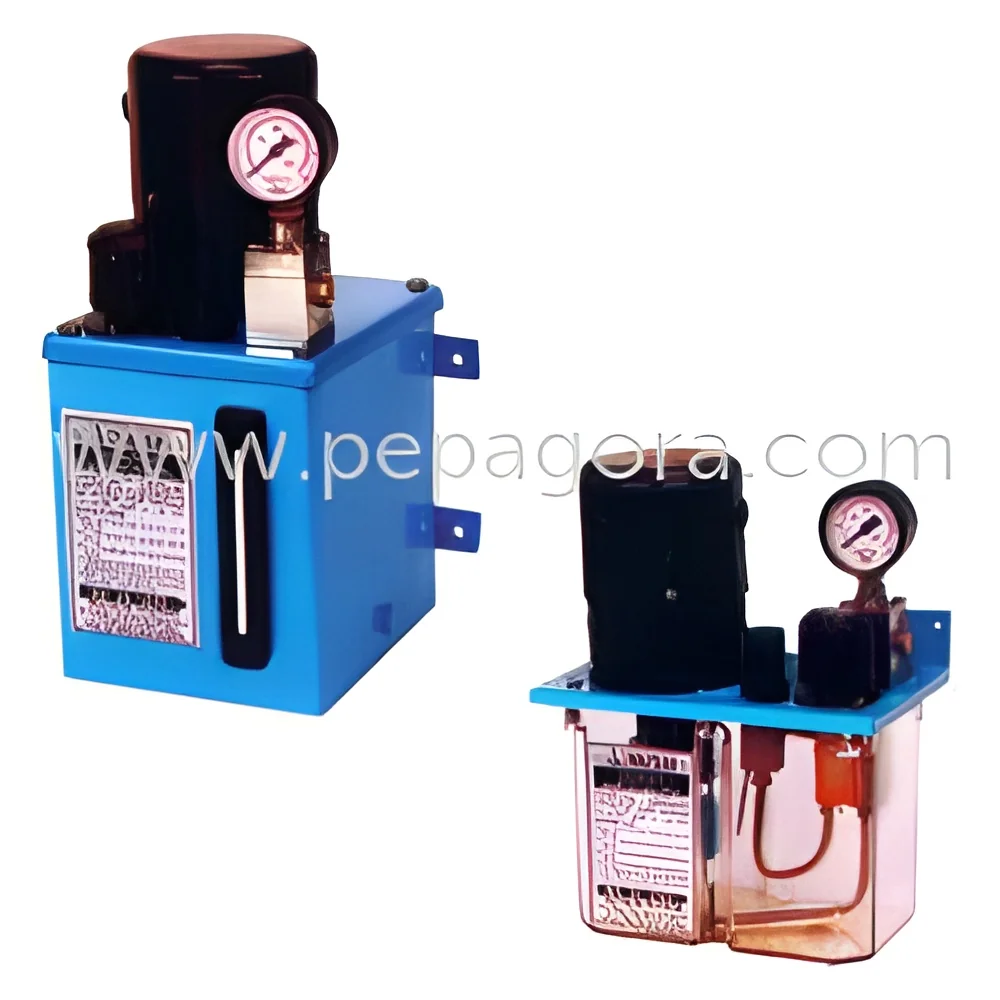
 India

 India
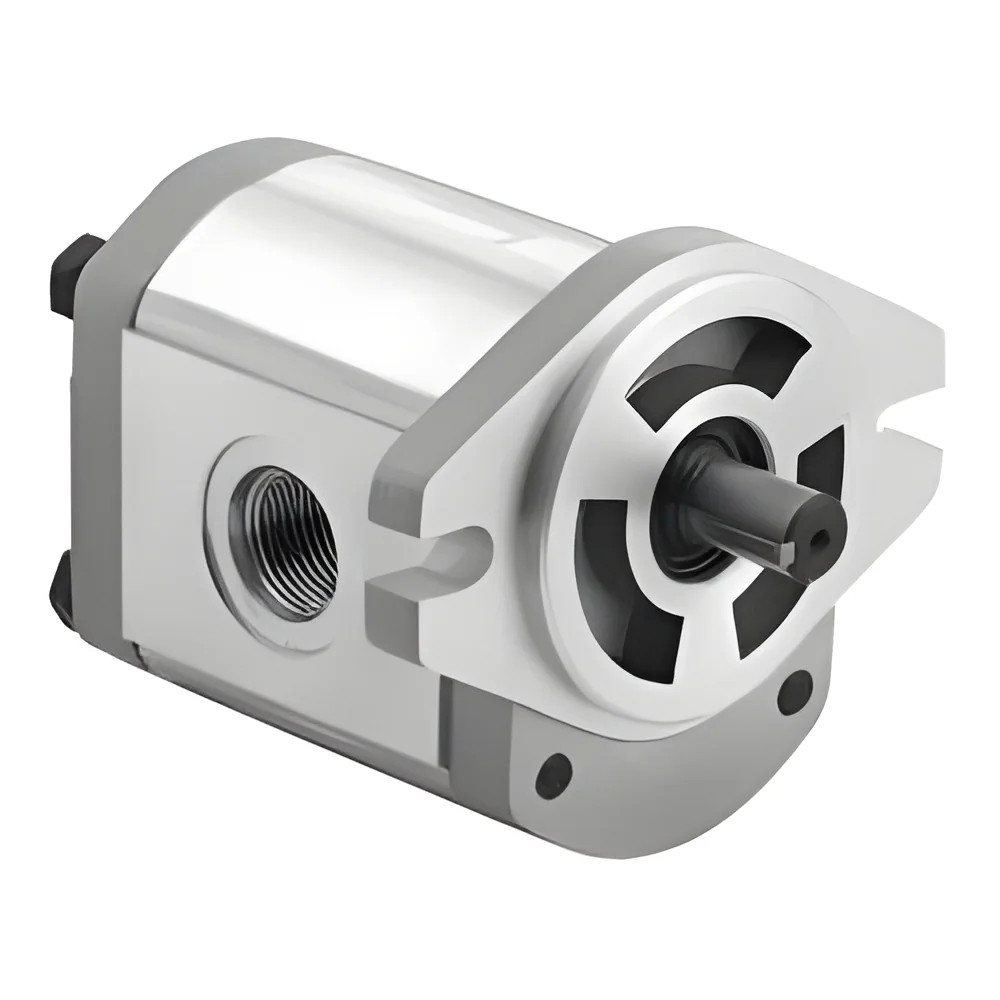 India
 India
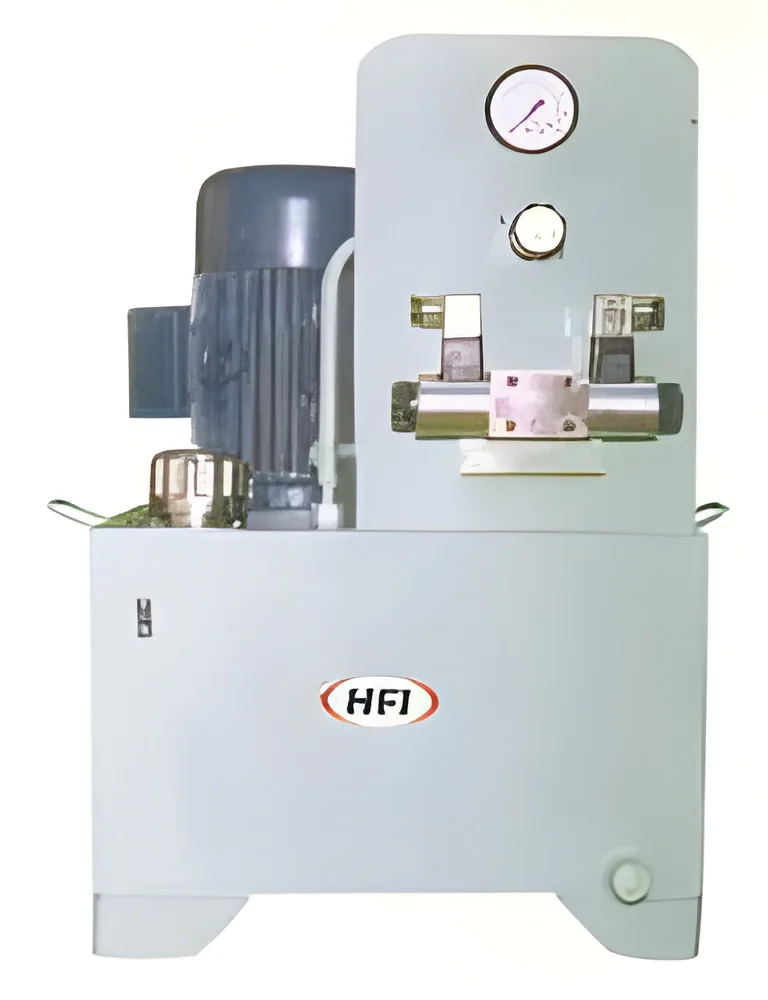 India
 India
Frequently Asked Questions
What are Automatic Lubrication Systems?
Automatic Lubrication Systems are devices designed to deliver a precise amount of lubricant to various components of machinery without the need for manual intervention. They help improve equipment efficiency, reduce wear and tear, and minimize downtime by ensuring consistent lubrication.
What are the different types of Automatic Lubrication Systems?
There are several types of Automatic Lubrication Systems, including single-line systems, dual-line systems, progressive systems, and oil mist systems. Each type is tailored for specific applications and machinery requirements, providing various methods of lubricant distribution.
How do I choose the right Automatic Lubrication Systems?
Selecting the appropriate Automatic Lubrication System involves considering factors such as the type of machinery, lubrication requirements, environment, and the type of lubricant used. It is also essential to evaluate the system's compatibility with existing equipment and maintenance needs.
What are the standard specifications for Automatic Lubrication Systems?
Standard specifications for Automatic Lubrication Systems can include parameters such as lubricant type, flow rate, pressure, and operating temperature range. Each system may also have specific requirements for installation dimensions and electrical specifications.
What is the price range for Automatic Lubrication Systems?
The price range for Automatic Lubrication Systems can vary widely based on the type, brand, and specific features. Generally, prices can start from a few thousand Indian Rupees and can go up to several lakhs for advanced systems.
What quality standards apply to Automatic Lubrication Systems?
Automatic Lubrication Systems are typically manufactured in accordance with international quality standards such as ISO 9001. Compliance with these standards ensures the reliability and performance of the systems in various industrial applications.
Where can I find Automatic Lubrication Systems suppliers in India?
You can find Automatic Lubrication Systems suppliers in India through online B2B marketplaces, industry trade shows, and local equipment distributors. Websites like Pepagora can help you connect with reliable suppliers and manufacturers.
Can Automatic Lubrication Systems be customized?
Yes, many manufacturers offer customization options for Automatic Lubrication Systems to meet specific operational requirements. Customization can include features like size, type of lubricant, and control mechanisms to suit unique applications.
What is the typical minimum order quantity for Automatic Lubrication Systems?
The typical minimum order quantity (MOQ) for Automatic Lubrication Systems can vary by supplier and product type. Generally, MOQs can range from one unit for standard systems to larger quantities for custom units.
What is the typical lead time for Automatic Lubrication Systems?
The lead time for Automatic Lubrication Systems can vary based on factors like the type of system, customization requirements, and supplier location. Typically, lead times can range from a few weeks to several months.
Why Businesses Trust Pepagora
Thousands of companies trust Pepagora to source smarter and sell faster
Expand Your Sales Globally

Source Smarter,Grow Faster
