What are Anti-Static Tools & Gear?
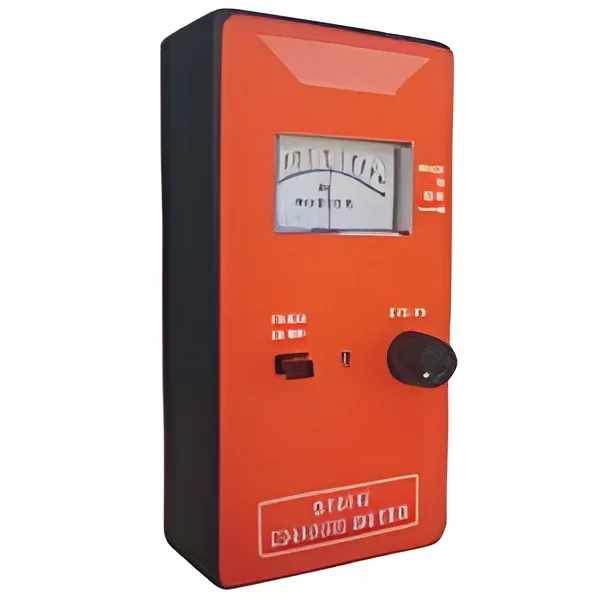
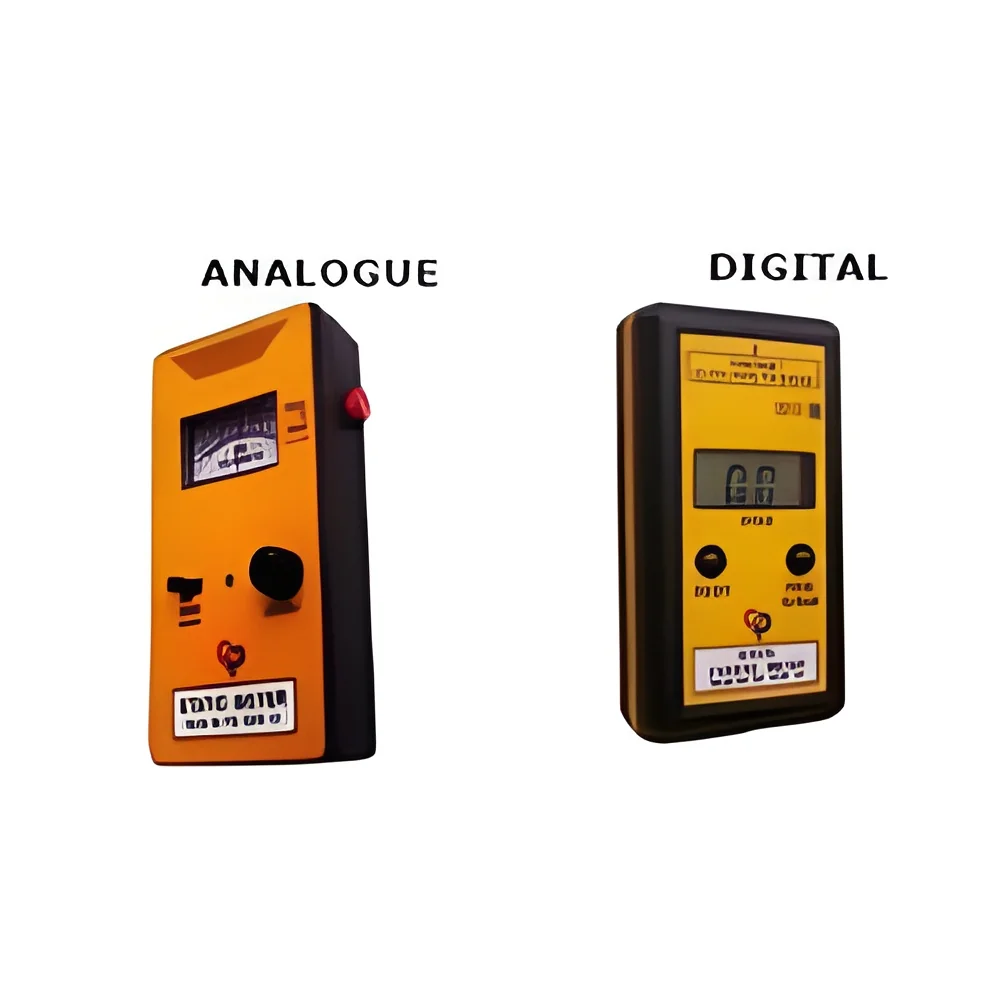
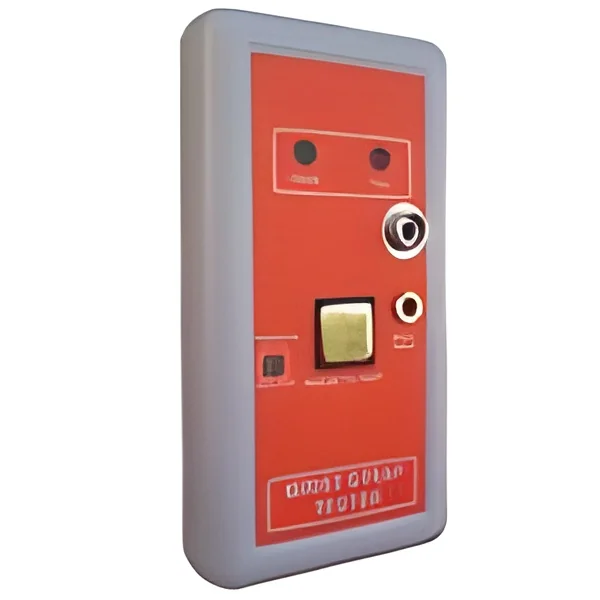
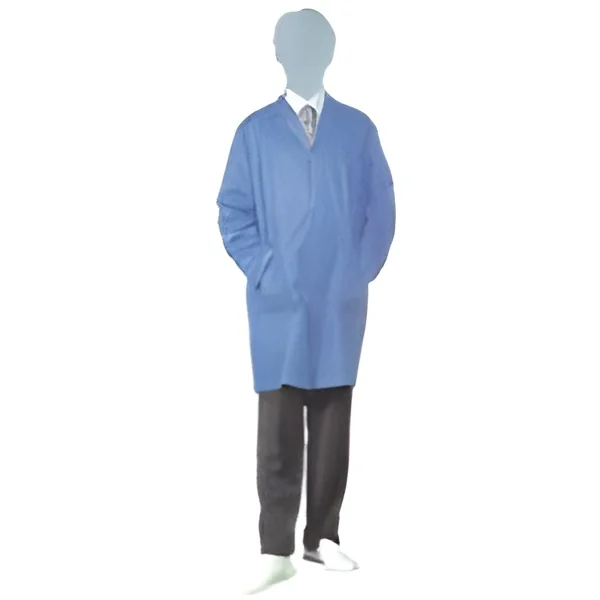
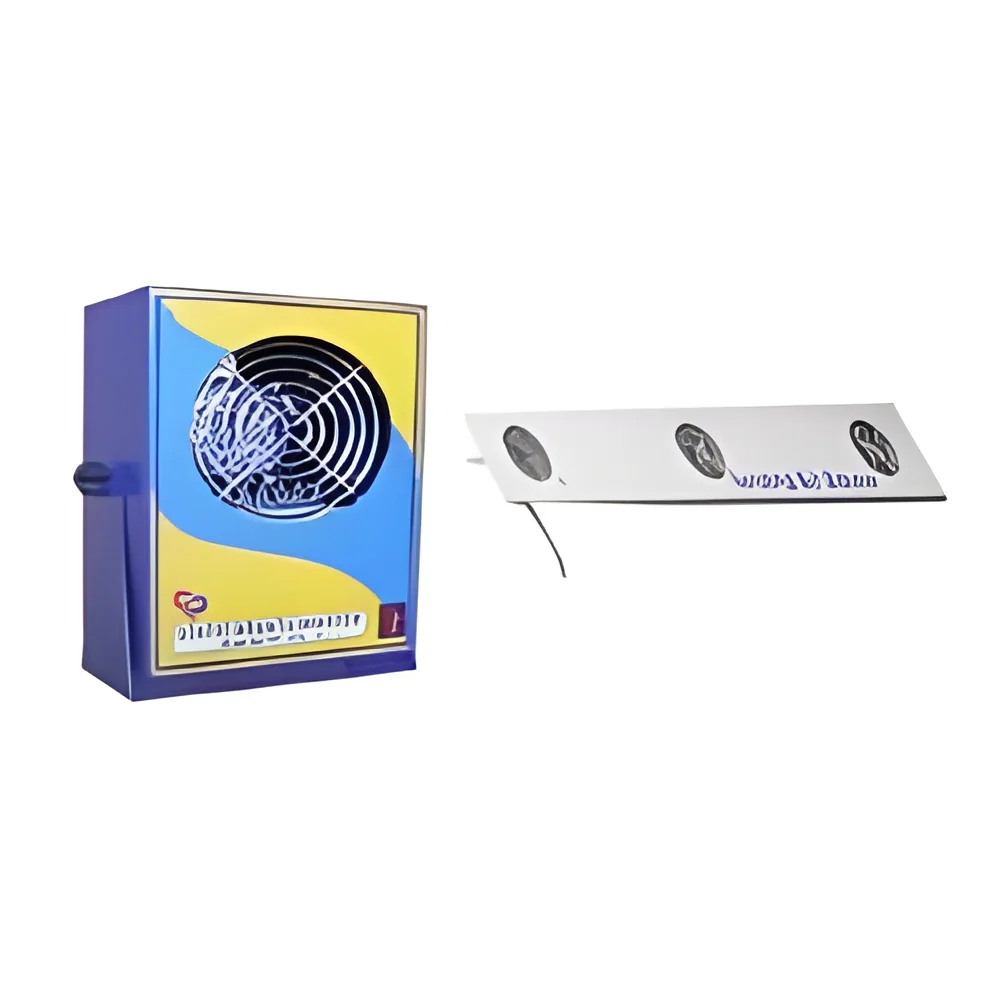
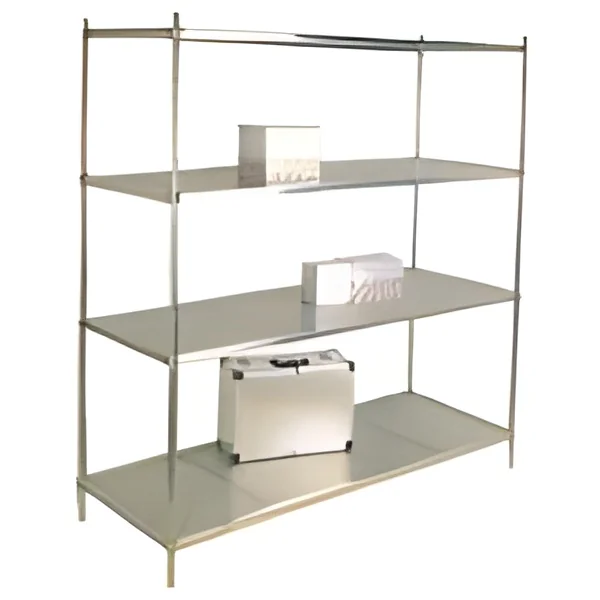
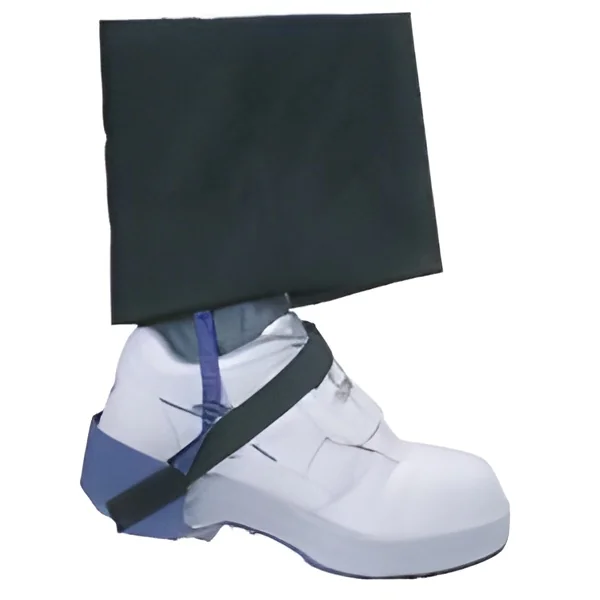
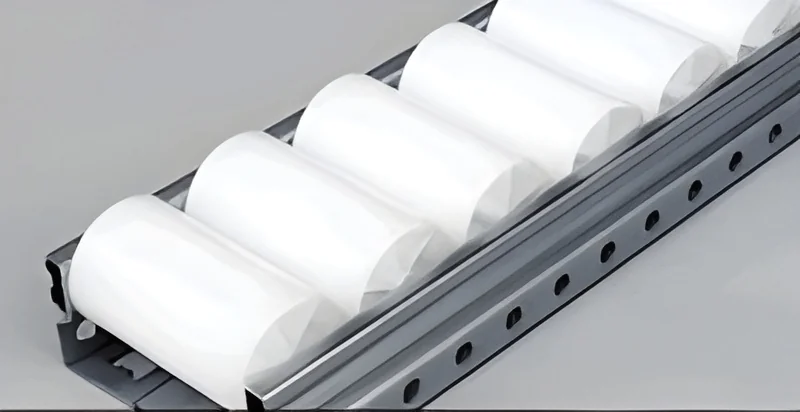
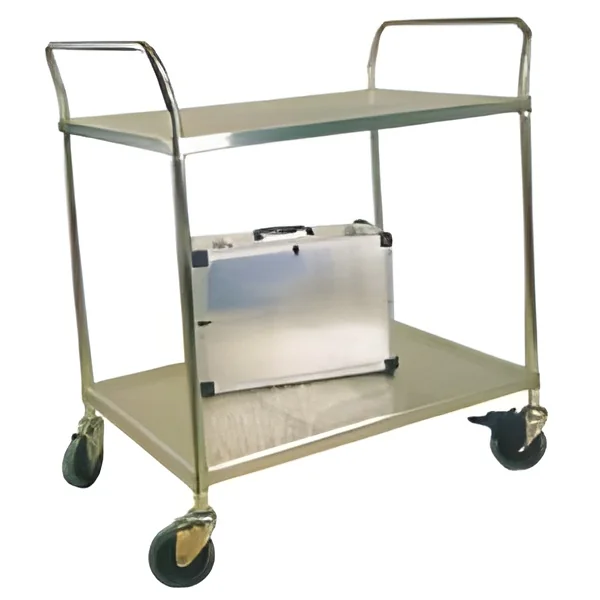
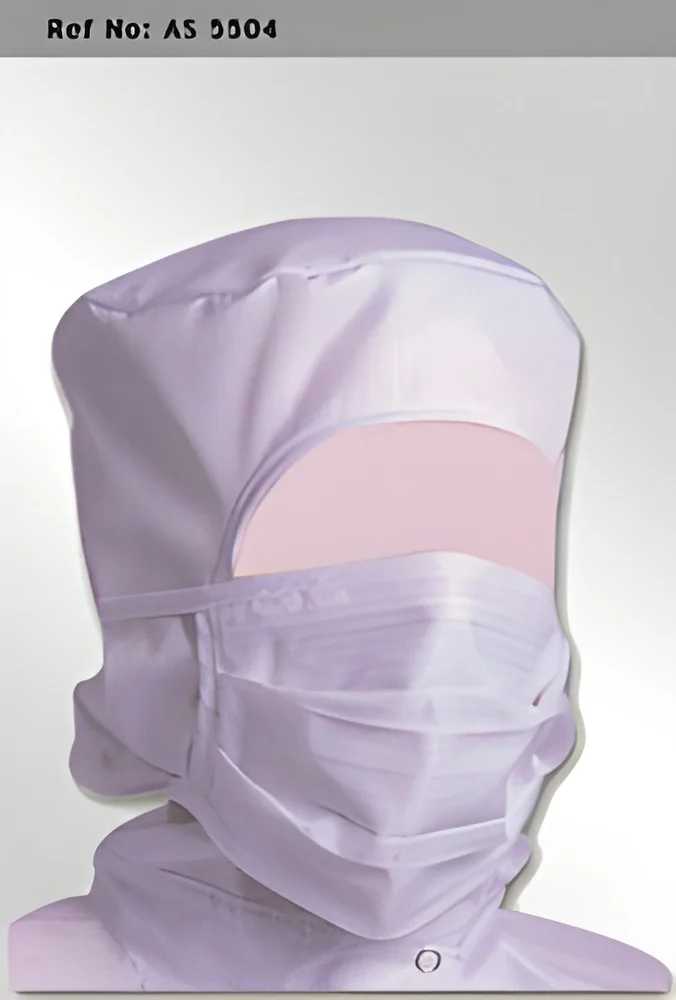
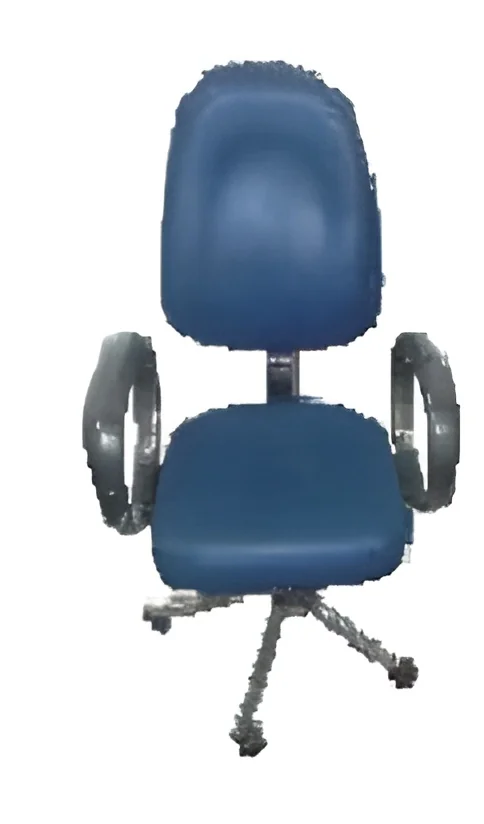
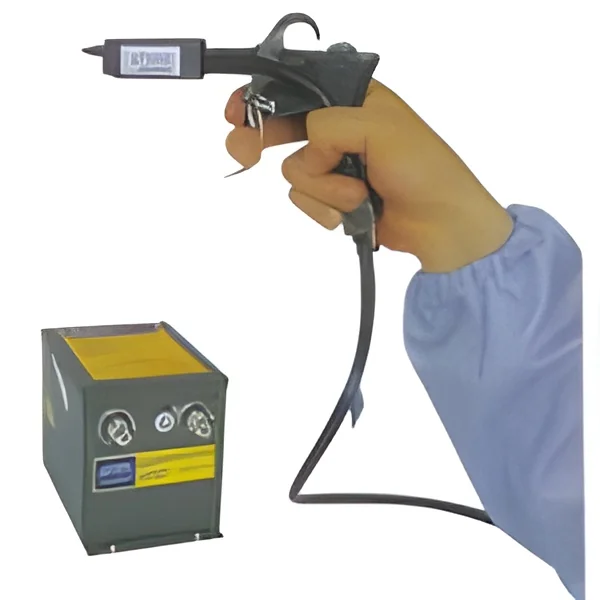
Anti-Static Tools and Gear are specialized products designed to eliminate static electricity, which can damage sensitive electronic components and disrupt manufacturing processes. These tools operate by neutralizing static charges, ensuring a safer and more efficient working environment. Common examples include anti-static wrist straps, mats, and grounding devices, which are essential in industries where static discharge can lead to costly errors or accidents.
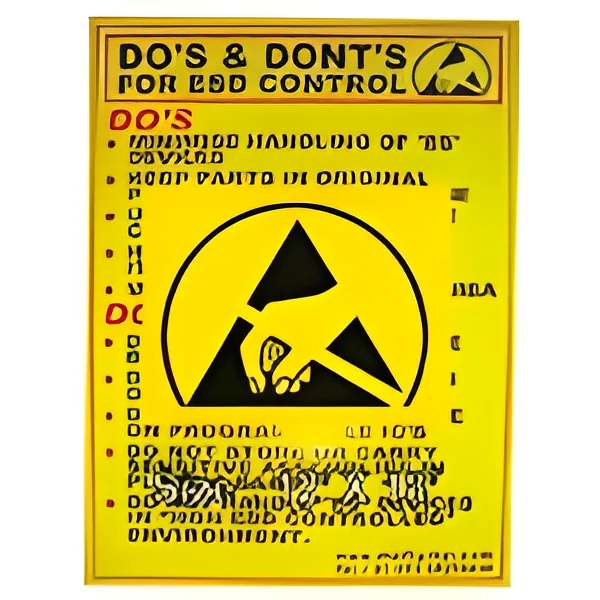
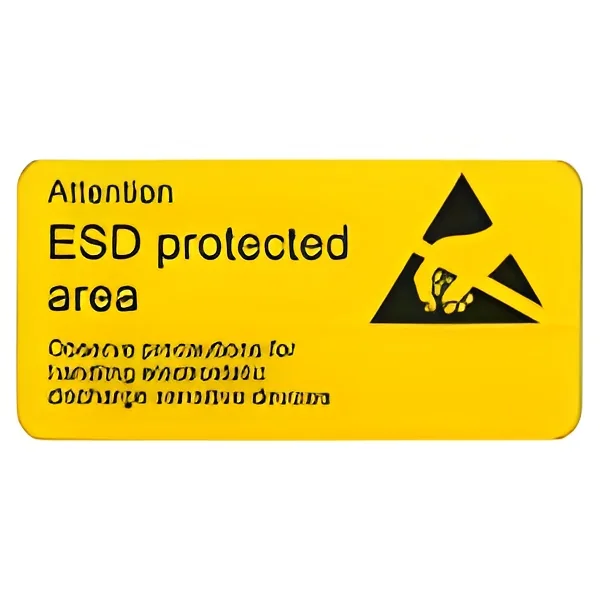
Primary uses of anti-static tools are found in electronics manufacturing, cleanrooms, laboratories, and industrial environments. They help maintain product integrity during assembly and testing by preventing electrostatic discharge (ESD). The relevance of anti-static gear extends to a wide range of industries, reflecting the growing awareness of the potential hazards associated with static electricity and the need for effective solutions. As technology advances, the demand for these tools continues to rise in sectors such as telecommunications, automotive, and healthcare.
Key Features and Specifications
Anti-static tools and gear come with various features tailored to different applications and environments. Understanding the specifications is essential for selecting the right product for your needs.
Key specifications include:
1. Material Composition
- Made from anti-static materials that dissipate charges
- Common materials include nylon, polyester, and conductive rubber
2. Resistance Levels
- Measured in ohms, indicating the material's ability to conduct electricity
- Typically ranges from 1 x 10^6 to 1 x 10^9 ohms for safe ESD protection
3. Grounding Options
- Many tools come with grounding cables or clips
- Ensures effective discharge of static electricity to the ground
4. Durability
- Designed for repeated use in demanding environments
- Resistant to wear, chemicals, and environmental factors
5. Compliance Standards
- Products may adhere to industry standards like CE marking
- Ensures reliability and safety across applications
6. Size and Fit
- Available in various sizes for different user requirements
- Ensures proper fit for maximum effectiveness
7. Ease of Use
- Many tools feature simple designs for user-friendly operation
- Quick setup and adjustment capabilities for various tasks
8. Maintenance Requirements
- Low maintenance needs for most anti-static tools
- Regular checks to ensure functionality and safety are recommended
These specifications highlight the essential characteristics of anti-static tools and gear, making it easier for businesses to select appropriate products for their specific applications.
Common Applications and Use Cases
Anti-static tools and gear are utilized across a variety of industries, illustrating their significance in maintaining operational integrity.
1. Electronics Manufacturing: In this sector, anti-static tools prevent damage to sensitive components during assembly and testing processes.
2. Cleanrooms: These controlled environments require anti-static gear to maintain low static levels, ensuring product quality in pharmaceuticals and biotech.
3. Automotive Industry: Anti-static tools are crucial for protecting electronic systems in vehicles from electrostatic discharge during assembly.
4. Telecommunications: Used in the installation and maintenance of sensitive equipment, these tools help prevent static-related failures.
5. Aerospace: Anti-static gear protects critical components during manufacturing and maintenance, ensuring safety and reliability.
6. Healthcare: In hospitals and laboratories, anti-static tools reduce the risk of static discharge affecting medical equipment.
7. Consumer Electronics: Used in packaging and handling to protect devices from static damage, enhancing product longevity.
Product Variants and Subcategories
Anti-static tools and gear are available in a variety of forms to cater to different needs in various environments.
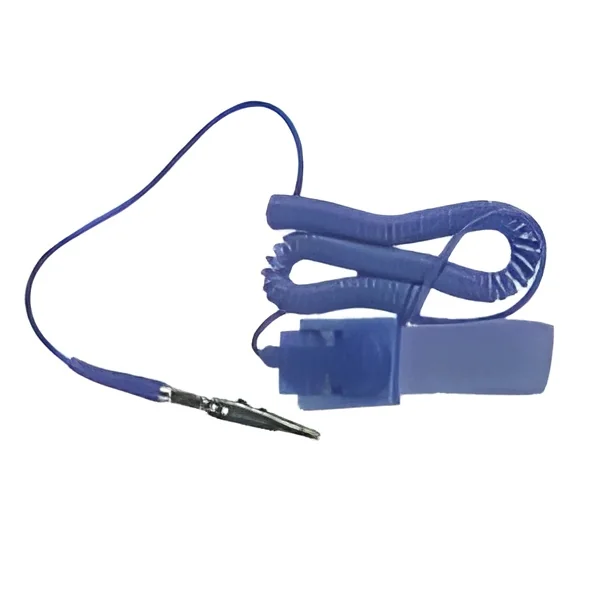
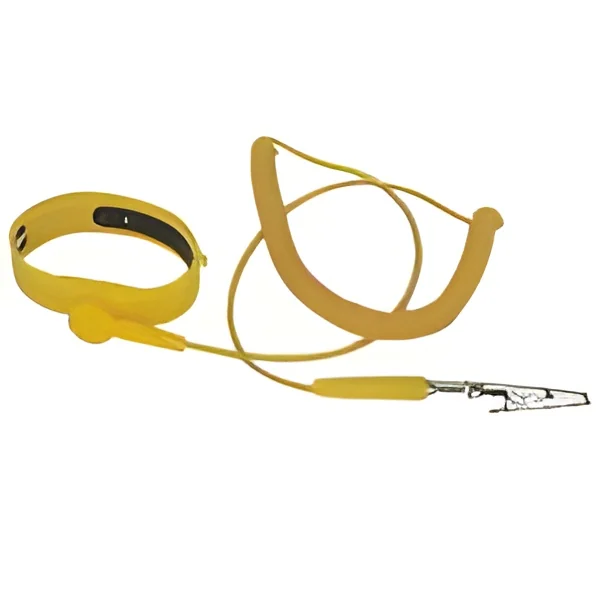
Anti-Static Wrist Straps: These straps are worn by personnel to safely ground themselves while working with electronic components. They ensure that any static charge is redirected away from sensitive devices.
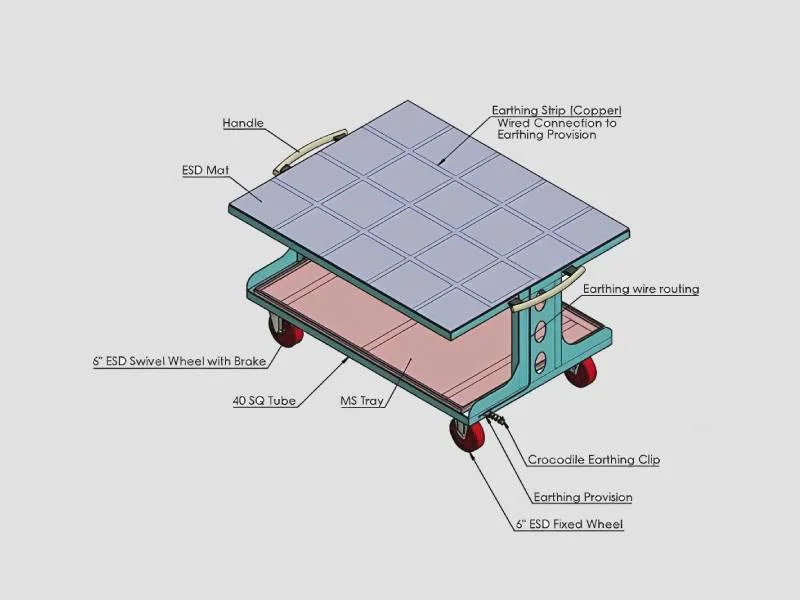
Anti-Static Mats: These mats provide a safe surface for working with electronic equipment, preventing static build-up and discharging any accumulated charges.
Anti-Static Bags: Used for packaging sensitive electronic components, these bags prevent static damage during shipping and storage.
Anti-Static Gloves: These gloves are designed for handling electronic devices, providing protection against static discharge while allowing dexterity and tactile feedback.
Benefits and Advantages
Investing in anti-static tools and gear offers several significant benefits for businesses.
1. Enhanced Safety: These tools protect sensitive electronic devices from damage due to electrostatic discharge, reducing the risk of costly errors.
2. Improved Efficiency: By minimizing static-related disruptions, businesses can streamline operations and enhance productivity.
3. Compliance with Regulations: Using certified anti-static gear helps companies meet industry standards, fostering trust and reliability.
4. Cost-Effectiveness: Protecting equipment from static damage can lead to lower maintenance costs and longer product lifespans.
5. Versatility: Anti-static tools are applicable in various industries, making them a valuable addition to any operational setup.
6. User Comfort: Many products are designed for ease of use and comfort, allowing workers to focus on tasks without distraction.
Buying Guide for B2B Buyers
When sourcing Anti-Static Tools and Gear, it is crucial to consider several factors to make informed purchasing decisions.
1. Quality Assessment: Evaluate products based on material composition and durability to ensure they meet industry standards and can withstand demanding environments.
2. Supplier Verification: Vet suppliers for reputation and reliability. Look for established businesses with positive customer feedback and proven track records.
3. Pricing and MOQ: Understand the cost structure and minimum order quantities. Compare prices among suppliers to ensure competitive rates while maintaining quality.
4. Delivery and Lead Times: Assess logistics capabilities of suppliers. Timely delivery is vital to maintain workflow and meet project deadlines.
5. Compliance Requirements: Ensure that products comply with relevant regulations and certifications, such as CE marking, to guarantee safety and performance.
Compliance and Certifications
Compliance and certifications are essential for ensuring that anti-static tools and gear meet industry standards for quality and safety. Many products adhere to quality management systems, like ISO 9001, which signifies their commitment to consistent quality control.
Industry certifications, such as CE marking, indicate that products meet European health, safety, and environmental protection standards. These certifications are crucial for businesses operating in regions with strict regulatory requirements.
Additionally, safety and testing requirements often involve rigorous assessments to confirm that anti-static tools perform effectively in preventing electrostatic discharge. Companies must also consider regional compliance factors, as different markets may have unique regulations governing the use and sale of anti-static products.
Why Source Anti-Static Tools & Gear from Pepagora?
Pepagora offers a trusted platform for sourcing Anti-Static Tools and Gear, providing multiple advantages for B2B buyers.
Verified Supplier Network: Pepagora connects buyers with a network of verified suppliers who meet stringent quality and reliability standards. This ensures that businesses can source high-quality products with confidence.
Streamlined RFQ Process: The platform simplifies the request-for-quotation process, allowing buyers to quickly obtain competitive quotes from multiple suppliers, saving time and effort.
Trade Assurance and Support: Buyers benefit from trade assurance features that protect their purchases, ensuring satisfaction and support throughout the sourcing journey.
Regional Coverage: Pepagora's extensive network spans key markets, including India, the Gulf Cooperation Council (GCC), and Southeast Asia, providing access to a wide array of anti-static tools and gear tailored to regional needs.

 IN
IN