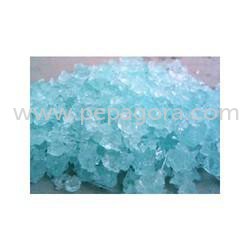
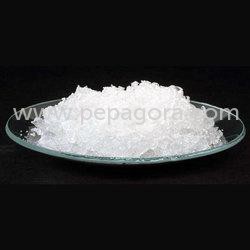
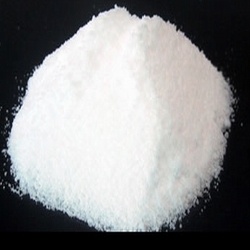
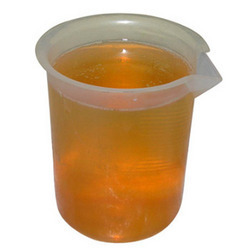
What are Acids (Sulfuric, Hydrochloric, Nitric)?
Acids such as Sulfuric, Hydrochloric, and Nitric are chemical compounds characterized by their high reactivity and ability to donate protons in chemical reactions. Sulfuric acid (H2SO4) is a strong acid commonly used in various industrial processes, including battery manufacturing and fertilizer production. Hydrochloric acid (HCl) is known for its effectiveness in metal cleaning and pickling, while Nitric acid (HNO3) is vital in the production of explosives and fertilizers.
These acids are essential in multiple business applications across industries. Sulfuric acid is integral to petrochemical processing, while Hydrochloric acid finds its use in food processing and water treatment. Nitric acid plays a crucial role in the synthesis of nitrates used in agriculture. The demand for these acids is driven by their versatility and critical roles in manufacturing, pharmaceuticals, and environmental services, making them significant in the global market.
𝗞𝗲𝘆 𝗙𝗲𝗮𝘁𝘂𝗿𝗲𝘀 𝗮𝗻𝗱 𝗦𝗽𝗲𝗰𝗶𝗳𝗶𝗰𝗮𝘁𝗶𝗼𝗻𝘀
Acids are classified by their distinct chemical properties and concentrations. When selecting these products, several specifications are critical for ensuring quality and performance.
Key specifications include:
1. Purity Levels
- Typically ranges from 90% to 98% for concentrated acids.
- Higher purity ensures optimal performance in industrial applications.
2. Concentration
- Available in varying concentrations depending on application needs.
- Concentrated forms are usually more effective for industrial processes.
3. Chemical Composition
- Sulfuric acid contains sulfur, oxygen, and hydrogen.
- Hydrochloric acid is composed of hydrogen and chlorine.
- Nitric acid consists of nitrogen, oxygen, and hydrogen.
4. Density
- Varies with concentration; higher concentrations have greater density.
- Affects handling and storage requirements.
5. pH Level
- Strongly acidic, with pH levels typically below 1 for concentrated forms.
- Important for applications requiring precise acidity control.
6. Thermal Stability
- Stability at varying temperatures, essential for storage and transportation.
- Must be handled to prevent degradation.
7. Reactivity
- Highly reactive with bases and organic compounds.
- Requires careful management to prevent hazardous reactions.
In summary, understanding these specifications helps businesses select the right acid for their specific applications, ensuring safety and effectiveness in use.
𝗖𝗼𝗺𝗺𝗼𝗻 𝗔𝗽𝗽𝗹𝗶𝗰𝗮𝘁𝗶𝗼𝗻𝘀 𝗮𝗻𝗱 𝗨𝘀𝗲 𝗖𝗮𝘀𝗲𝘀
Acids such as Sulfuric, Hydrochloric, and Nitric are used across various industries, each serving distinct functions.
1. Chemical Manufacturing: Sulfuric acid is used in the production of fertilizers and synthetic fibers, while Nitric acid is essential in making explosives and dyes.
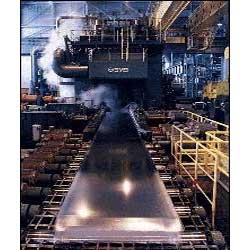
2. Metal Processing: Hydrochloric acid is extensively utilized in metal cleaning and pickling to remove rust and scale from surfaces.
3. Oil and Gas: Sulfuric acid aids in refining processes, helping to extract valuable hydrocarbons from crude oil.
4. Water Treatment: Hydrochloric acid is employed to adjust pH levels in water, ensuring compliance with environmental regulations.
5. Pharmaceuticals: Nitric acid is involved in synthesizing various pharmaceutical compounds, playing a crucial role in drug manufacturing.
6. Food Industry: Hydrochloric acid is used in food processing, particularly in the production of some food additives.
7. Textile Industry: Sulfuric acid is utilized in dyeing processes, enhancing fabric color and quality.
𝗣𝗿𝗼𝗱𝘂𝗰𝘁 𝗩𝗮𝗿𝗶𝗮𝗻𝘁𝘀 𝗮𝗻𝗱 𝗦𝘂𝗯𝗰𝗮𝘁𝗲𝗴𝗼𝗿𝗶𝗲𝘀
Acids are available in various forms, catering to specific industrial requirements.
Concentrated Sulfuric Acid
This variant is highly concentrated and used in battery production and chemical synthesis. Its strong dehydrating properties make it valuable in producing other chemicals.
Dilute Hydrochloric Acid
This variant is typically used in food processing and cleaning applications. It is safer to handle due to its reduced concentration and is effective for various cleaning tasks.
Fuming Nitric Acid
This variant contains a higher concentration of nitrogen oxides and is used in specialized applications such as explosives manufacturing. It is known for its strong oxidizing properties.
Nutrient-grade Nitric Acid
This variant is specifically formulated for agricultural uses, ensuring compliance with safety and quality standards for fertilizers.
𝗕𝗲𝗻𝗲𝗳𝗶𝘁𝘀 𝗮𝗻𝗱 𝗔𝗱𝘃𝗮𝗻𝘁𝗮𝗴𝗲𝘀
Sourcing Acids (Sulfuric, Hydrochloric, Nitric) offers several advantages for businesses.
1. Versatility: These acids can be used in a wide range of applications, making them essential for multiple industries.
2. Efficiency: High purity and concentration levels enhance the effectiveness of chemical reactions, improving overall production efficiency.
3. Cost-Effectiveness: Bulk purchasing options can lead to reduced costs, benefiting businesses with high usage rates.
4. Quality Assurance: Sourcing from reputable suppliers ensures compliance with safety and quality standards.
5. Customization: Some suppliers offer customized solutions to meet specific industrial needs, providing tailored concentrations or blends.
6. Technical Support: Many suppliers provide technical assistance, helping businesses optimize their use of these acids.
𝗕𝘂𝘆𝗶𝗻𝗴 𝗚𝘂𝗶𝗱𝗲 𝗳𝗼𝗿 𝗕𝟮𝗕 𝗕𝘂𝘆𝗲𝗿𝘀
When sourcing Acids (Sulfuric, Hydrochloric, Nitric), it is essential to consider several factors to ensure the right choice.
1. Quality Assessment: Evaluate the purity and concentration of the acids. Ensure they meet industry standards and specifications for your application.
2. Supplier Verification: Vet suppliers for their reputation and reliability. Check for certifications and past performance to ensure quality and consistency.
3. Pricing and MOQ: Understand the pricing structure and minimum order quantities (MOQ). This helps in budgeting and ensuring you have sufficient supply.
4. Delivery and Lead Times: Discuss logistics with suppliers to ensure timely delivery. Understanding lead times is crucial for production schedules.
5. Compliance Requirements: Ensure that the acids meet all relevant regulatory requirements, including safety and environmental standards.
𝗖𝗼𝗺𝗽𝗹𝗶𝗮𝗻𝗰𝗲 𝗮𝗻𝗱 𝗖𝗲𝗿𝘁𝗶𝗳𝗶𝗰𝗮𝘁𝗶𝗼𝗻𝘀
Compliance with industry standards is vital when sourcing Acids (Sulfuric, Hydrochloric, Nitric). Key quality standards include ISO 9001, which ensures a commitment to quality management systems. Other relevant certifications may include UL and CE, which indicate compliance with safety and performance requirements.
Safety and testing requirements are also critical. Proper handling and storage protocols must be in place to mitigate risks associated with these highly reactive substances. Regional compliance considerations can vary, so it is essential to understand local regulations related to chemical safety and environmental protection.
Why Source Acids (Sulfuric, Hydrochloric, Nitric) from Pepagora?
Pepagora provides a trusted platform for sourcing Acids (Sulfuric, Hydrochloric, Nitric), offering several key advantages.
Verified Supplier Network: Pepagora connects buyers with thoroughly vetted suppliers, ensuring quality and reliability. Each supplier undergoes a rigorous verification process to maintain high standards.
Streamlined RFQ Process: The platform simplifies the request for quotation (RFQ) process, allowing buyers to receive competitive quotes quickly. This efficiency helps businesses make informed purchasing decisions.
Trade Assurance and Support: Pepagora offers trade assurance, protecting buyers from potential risks associated with procurement. Support services ensure that any issues arising during the purchasing process are addressed promptly.
Regional Coverage: With a strong presence in India, the GCC, and Southeast Asia, Pepagora facilitates access to a broad network of suppliers. This regional coverage enhances sourcing capabilities, enabling businesses to find the right acids for their needs.

 IN
IN
 India
India