
 IN
3D Printing Workstations
1 products available
What are 3D Printing Workstations?
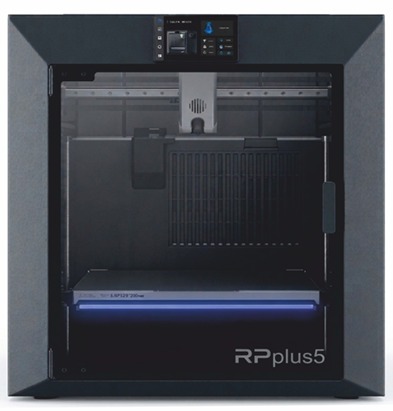
3D Printing Workstations are specialized environments designed for the operation and management of 3D printers. These workstations integrate hardware and software to facilitate the additive manufacturing process, allowing users to create three-dimensional objects from digital models. They often include components such as powerful computers, high-resolution displays, and necessary tools for design and production. The workstations are tailored to optimize workflow, enhance productivity, and ensure the quality of the printed products.
These workstations are used across various industries for applications such as prototyping, product development, and custom manufacturing. Businesses utilize them to produce intricate designs, reduce production costs, and accelerate time to market. Industries like automotive, aerospace, and healthcare significantly benefit from the capabilities of 3D printing workstations, as they allow for rapid iteration and innovation.
The market for 3D printing technology has been growing rapidly, driven by advancements in materials and printing techniques. As more industries recognize the value of rapid prototyping and custom production, the demand for efficient and versatile 3D printing workstations continues to rise. This growth presents opportunities for businesses to leverage this technology for competitive advantage.
Key Features and Specifications
3D Printing Workstations come equipped with several features and specifications that cater to the needs of various industries. These specifications ensure that the workstations deliver high performance, reliability, and ease of use.
Key specifications include:
1. Build Volume
- Determines the maximum size of objects that can be printed.
- Ranges typically from small (200x200x200 mm) to large (1000x1000x1000 mm).
2. Print Resolution
- Refers to the level of detail that can be achieved in printed objects.
- Measured in microns, with common values ranging from 20 to 200 microns.
3. Filament Compatibility
- Indicates the types of materials that can be used for printing.
- Common materials include PLA, ABS, PETG, and flexible filaments.
4. Software Integration
- Compatibility with various CAD and slicing software for design and preparation.
- Supports file formats like STL, OBJ, and AMF.
5. User Interface
- Features touchscreen controls or software interfaces for user interaction.
- Provides ease of navigation and operation.
6. Connectivity Options
- Includes USB, Wi-Fi, and Ethernet for data transfer and remote monitoring.
- Facilitates integration into existing network infrastructures.
7. Safety Features
- Incorporates thermal protection, emergency stop buttons, and enclosure designs.
- Ensures a safe operating environment.
8. Maintenance Requirements
- Describes the ease of maintenance and accessibility of components.
- Regular cleaning and calibration are typically required.
In summary, these specifications help define the capabilities of 3D printing workstations, making it crucial for businesses to select the right one based on their specific needs.
Common Applications and Use Cases
3D Printing Workstations serve a wide range of industries, each leveraging the technology for unique applications.
1. Automotive: 3D printing is used for prototyping components, creating custom parts, and producing tooling. This speeds up the design process and reduces costs.
2. Aerospace: The aerospace industry utilizes 3D printing for lightweight components, tooling, and complex geometries that are difficult to manufacture using traditional methods.
3. Healthcare: Medical professionals use 3D printing for custom implants, prosthetics, and anatomical models, allowing for personalized patient care.
4. Education: Educational institutions employ 3D printing workstations for teaching design and engineering skills, enabling students to create tangible projects.
5. Consumer Products: Companies in this sector use 3D printing for rapid prototyping of new products, allowing for quick iterations based on consumer feedback.
6. Architecture: Architects utilize 3D printing to create detailed models of buildings and landscapes, aiding in visual presentations and project planning.
7. Art and Design: Artists and designers leverage 3D printing to produce intricate sculptures and bespoke designs, expanding the possibilities of creative expression.
Product Variants and Subcategories
The diversity of 3D Printing Workstations allows businesses to choose models that best fit their operational needs.
Entry-Level Workstations
These models are designed for small businesses and educational institutions. They typically offer basic features, making them affordable while still providing quality printing capabilities.
Professional Workstations
Targeted at medium to large enterprises, these workstations come with enhanced specifications such as larger build volumes and advanced material compatibility, suitable for more complex projects.
Industrial Workstations
These high-end models are designed for heavy-duty use in manufacturing environments. They support a wide range of materials and often include advanced features for automation and integration into production lines.
Benefits and Advantages
Investing in 3D Printing Workstations brings numerous benefits to businesses.
1. Cost Efficiency: Reduces costs associated with traditional manufacturing processes, such as tooling and materials waste.
2. Speed: Accelerates product development cycles through rapid prototyping and quick iterations.
3. Customization: Allows for the production of tailored solutions that meet specific customer needs, enhancing customer satisfaction.
4. Innovation: Facilitates the exploration of new designs and concepts, promoting creativity and technological advancement.
5. Sustainability: Minimizes material waste and energy consumption compared to conventional manufacturing methods.
6. Accessibility: Makes advanced manufacturing technology available to smaller businesses and startups, leveling the playing field.
Buying Guide for B2B Buyers
When sourcing 3D Printing Workstations, it is essential to consider several factors to ensure a suitable purchase.
1. Quality Assessment: Evaluate the build quality and reliability of the workstation. Look for customer reviews and performance ratings to gauge its effectiveness.
2. Supplier Verification: Conduct thorough research on potential suppliers. Check for their reputation, experience in the industry, and the support they offer.
3. Pricing and MOQ: Understand the pricing structure and minimum order quantities. Compare costs among different suppliers to get the best value.
4. Delivery and Lead Times: Inquire about the expected delivery times and logistics. Ensure the supplier can meet your project deadlines.
5. Compliance Requirements: Check for compliance with industry standards and regulations. This may include safety certifications and quality assurance protocols.
Compliance and Certifications
Compliance with relevant quality standards is critical for 3D Printing Workstations. Manufacturers often adhere to ISO 9001, which ensures consistent quality management systems. Additionally, certifications such as CE indicate that the product meets European safety, health, and environmental protection standards.
Testing requirements are also crucial to ensure safety in operation. Workstations may undergo various safety tests to validate their performance under different conditions. Furthermore, businesses should consider regional compliance issues, as regulations can vary significantly across different countries and markets.
Why Source 3D Printing Workstations from Pepagora?
Pepagora offers a reliable platform for sourcing 3D Printing Workstations, providing several significant advantages to buyers.
Verified Supplier Network: We maintain a network of verified suppliers, ensuring that businesses receive products from reputable manufacturers. This minimizes risks associated with sourcing.
Streamlined RFQ Process: Our request for quotation process is designed to be straightforward, enabling buyers to receive competitive quotes quickly and efficiently. This saves time and enhances decision-making.
Trade Assurance and Support: Pepagora provides trade assurance to protect buyers' interests during transactions. Our dedicated support team is available to assist with any inquiries or issues that may arise.
Regional Coverage: With a strong presence in regions such as India, the GCC, and Southeast Asia, Pepagora is well-positioned to serve a diverse range of customers. Our geographic reach ensures that buyers can access quality products tailored to their local market needs.

Frequently Asked Questions
What are 3D Printing Workstations?
3D Printing Workstations are specialized computers designed to handle the demands of 3D modeling and printing. They typically feature high-performance CPUs, dedicated graphics cards, and large amounts of RAM to efficiently process complex designs.
What are the different types of 3D Printing Workstations?
There are several types of 3D Printing Workstations, including entry-level models for beginners, mid-range options for small to medium enterprises, and high-end workstations for advanced users and large-scale production. Each type varies in performance specifications and features to cater to different user needs.
How do I choose the right 3D Printing Workstations?
Choosing the right 3D Printing Workstation depends on your specific requirements, such as the complexity of projects, software compatibility, and budget. It's essential to consider the hardware specifications, including processor speed, graphics capabilities, and memory to ensure optimal performance.
What are the standard specifications for 3D Printing Workstations?
Standard specifications for 3D Printing Workstations often include multi-core processors, a minimum of 16GB RAM, dedicated graphics cards with sufficient VRAM, and SSD storage for faster data access. Additionally, a high-resolution monitor is recommended for detailed design work.
What is the price range for 3D Printing Workstations?
The price range for 3D Printing Workstations can vary significantly based on specifications and brand. Generally, you can expect prices to start from around INR 50,000 for entry-level models and can exceed INR 200,000 for high-end workstations.
What quality standards apply to 3D Printing Workstations?
Quality standards for 3D Printing Workstations typically involve compliance with industry benchmarks for performance and reliability. Certifications like ISO 9001 may apply, along with adherence to safety and environmental regulations.
Where can I find 3D Printing Workstations suppliers in India?
You can find 3D Printing Workstations suppliers in India through various online B2B marketplaces, trade shows, and technology expos. Platforms like Pepagora offer a range of manufacturers and suppliers to choose from.
Can 3D Printing Workstations be customized?
Yes, many manufacturers offer customization options for 3D Printing Workstations to meet specific user needs. This can include modifications to hardware components, software installations, and additional features tailored to particular applications.
What is the typical minimum order quantity for 3D Printing Workstations?
The typical minimum order quantity (MOQ) for 3D Printing Workstations can vary by supplier but is often set at one unit for individual buyers and may increase for bulk purchases. It's advisable to check with specific suppliers for their MOQ policies.
What is the typical lead time for 3D Printing Workstations?
The typical lead time for 3D Printing Workstations can range from a few days to several weeks, depending on the supplier and whether the workstation is customized. Factors such as production capacity and shipping logistics will also influence delivery times.
Why Businesses Trust Pepagora
Thousands of companies trust Pepagora to source smarter and sell faster
Expand Your Sales Globally

Source Smarter,Grow Faster
