
 IN
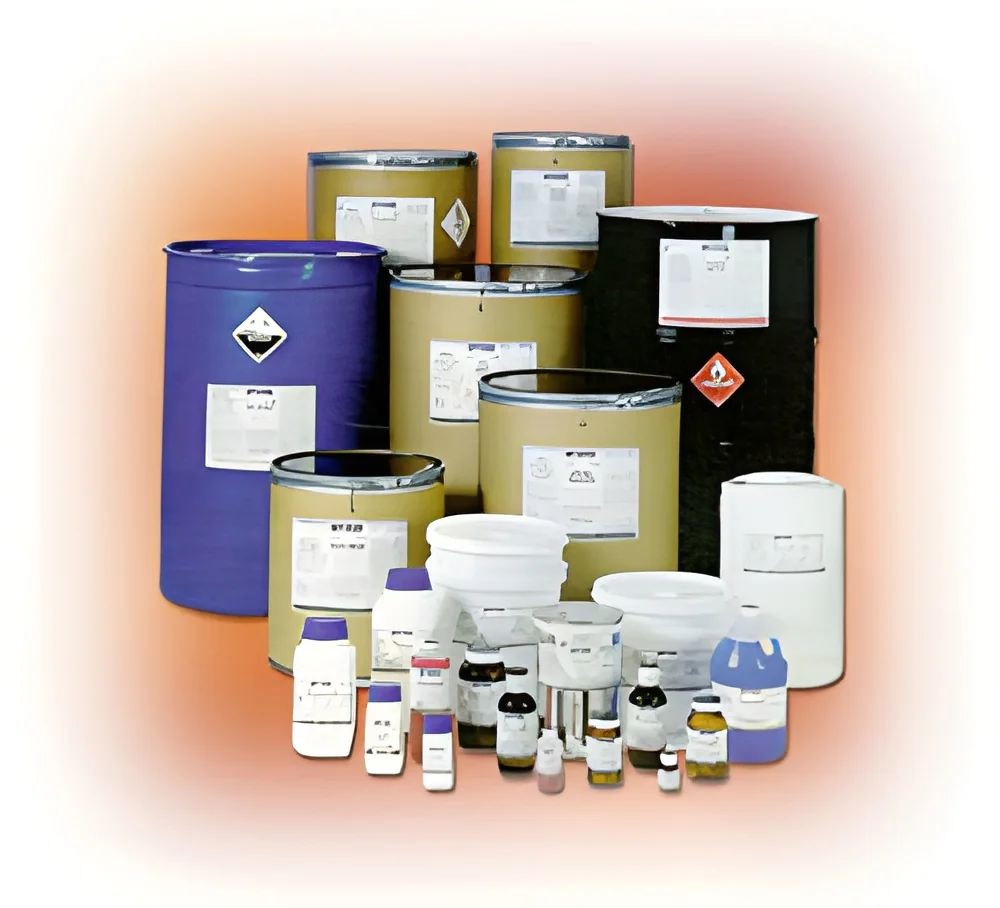
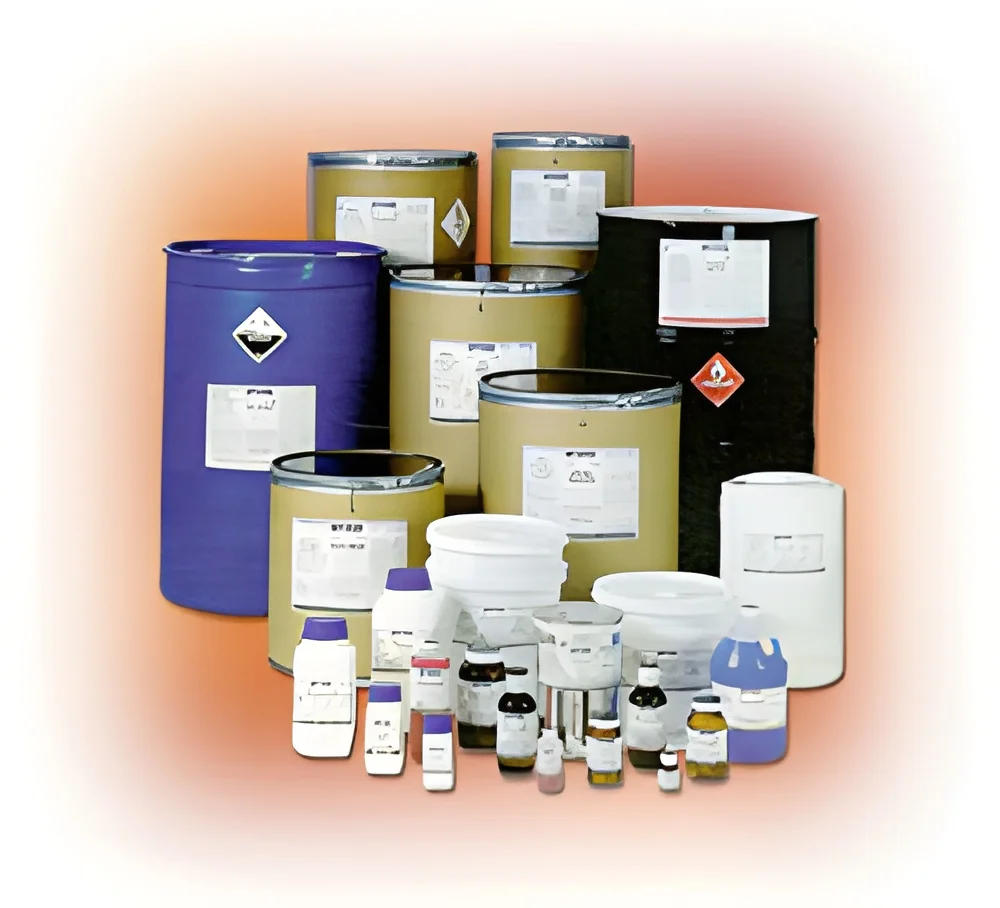
Organic & Inorganic Chemicals
1116 products available
𝗪𝗵𝗮𝘁 𝗮𝗿𝗲 𝗢𝗿𝗴𝗮𝗻𝗶𝗰 & 𝗜𝗻𝗼𝗿𝗴𝗮𝗻𝗶𝗰 𝗖𝗵𝗲𝗺𝗶𝗰𝗮𝗹𝘀?
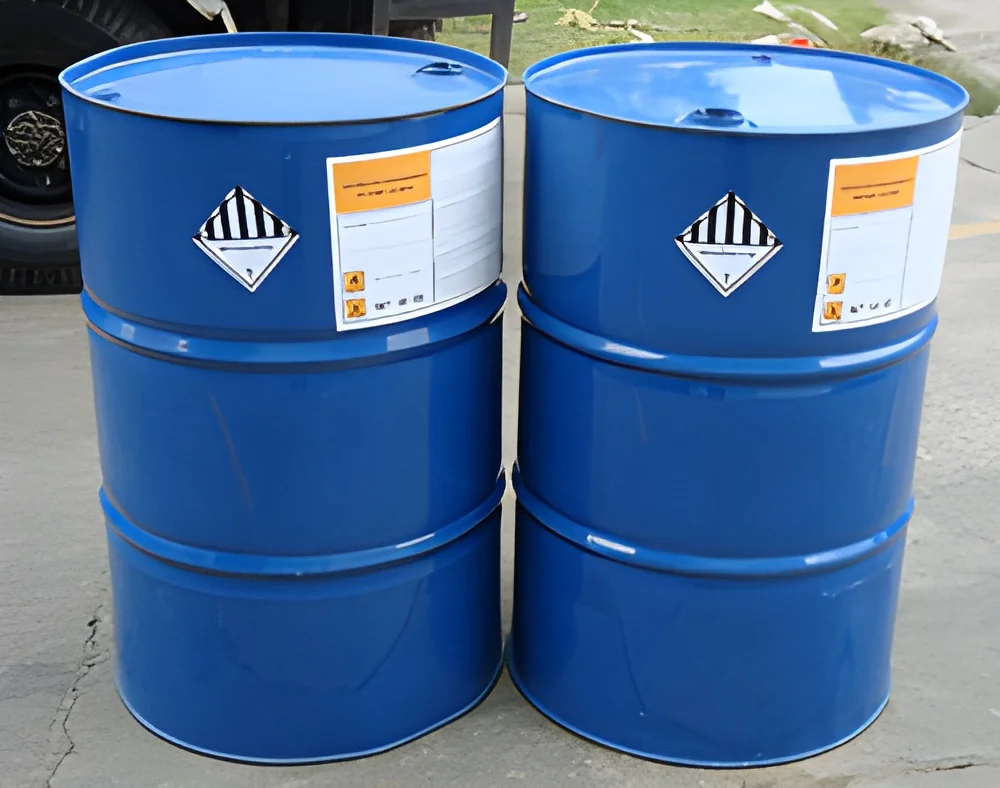
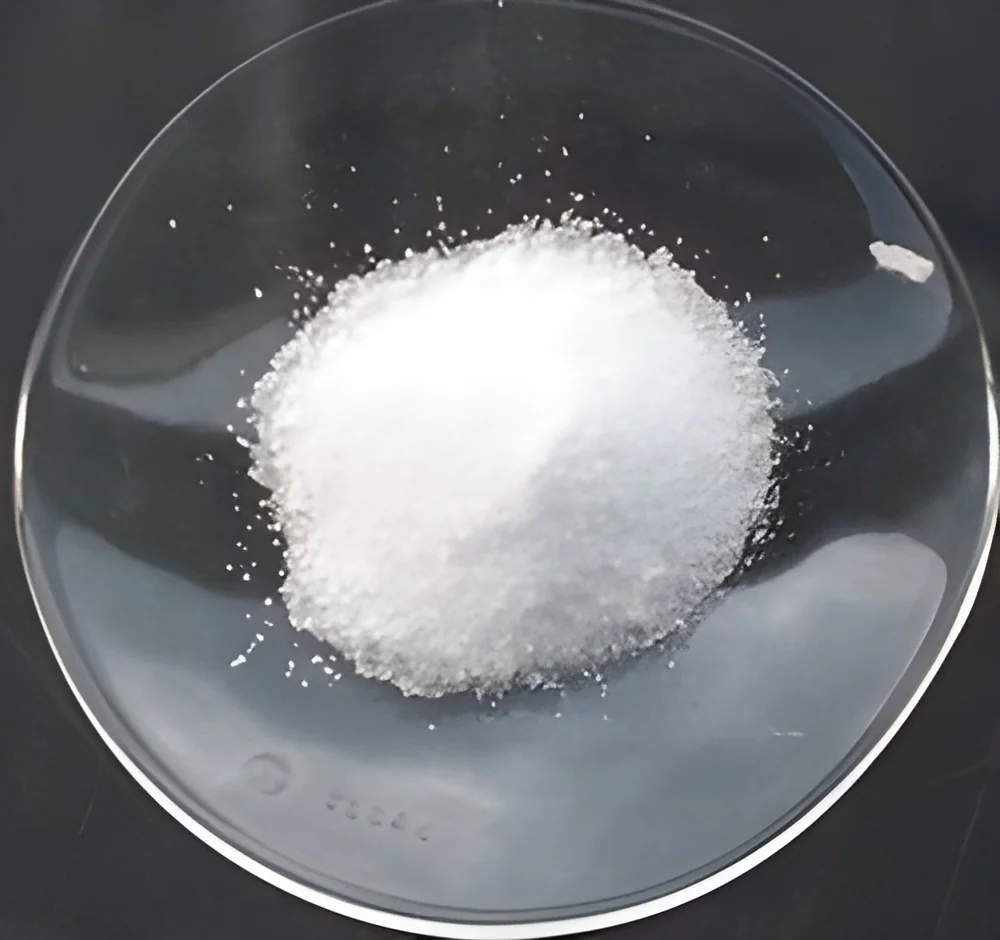
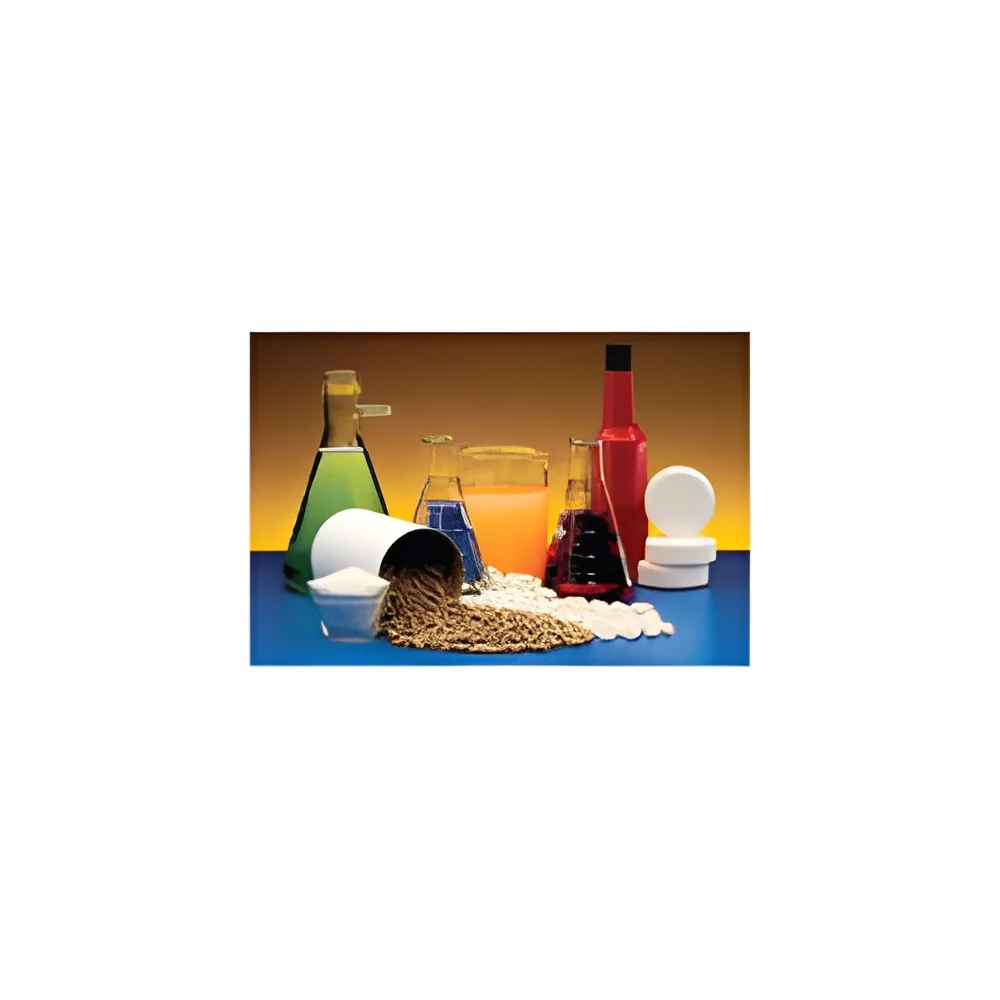
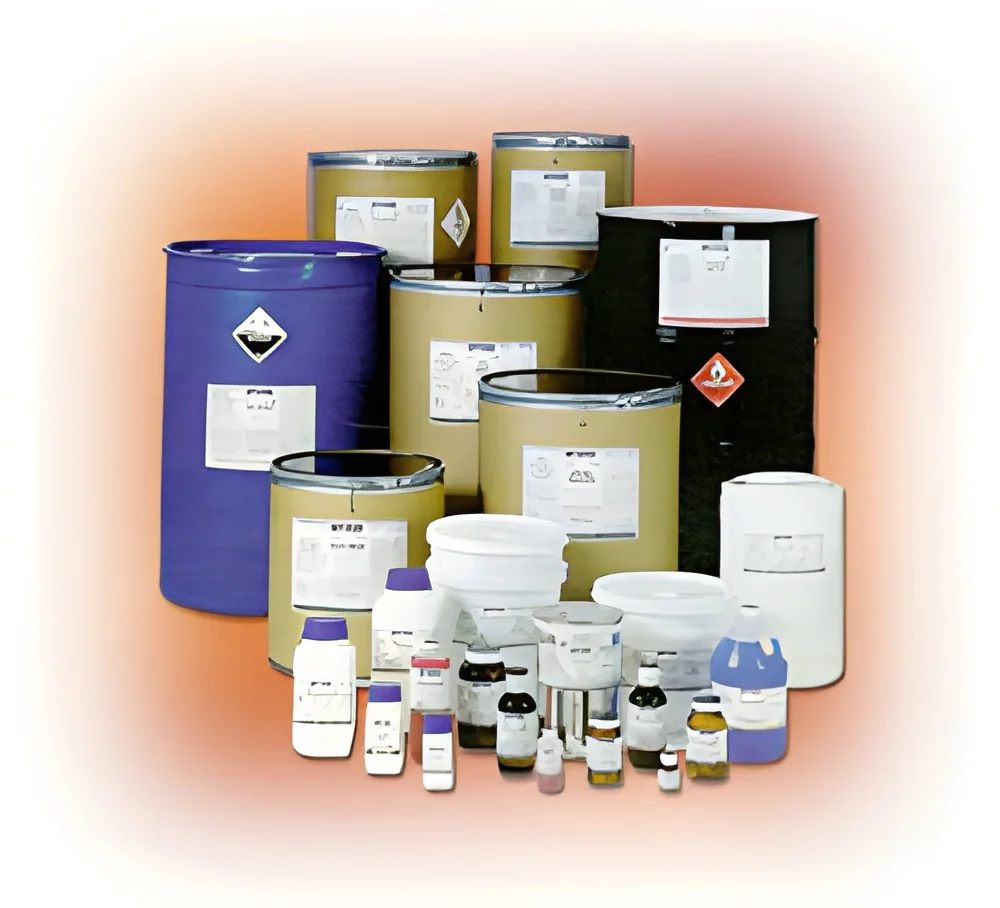
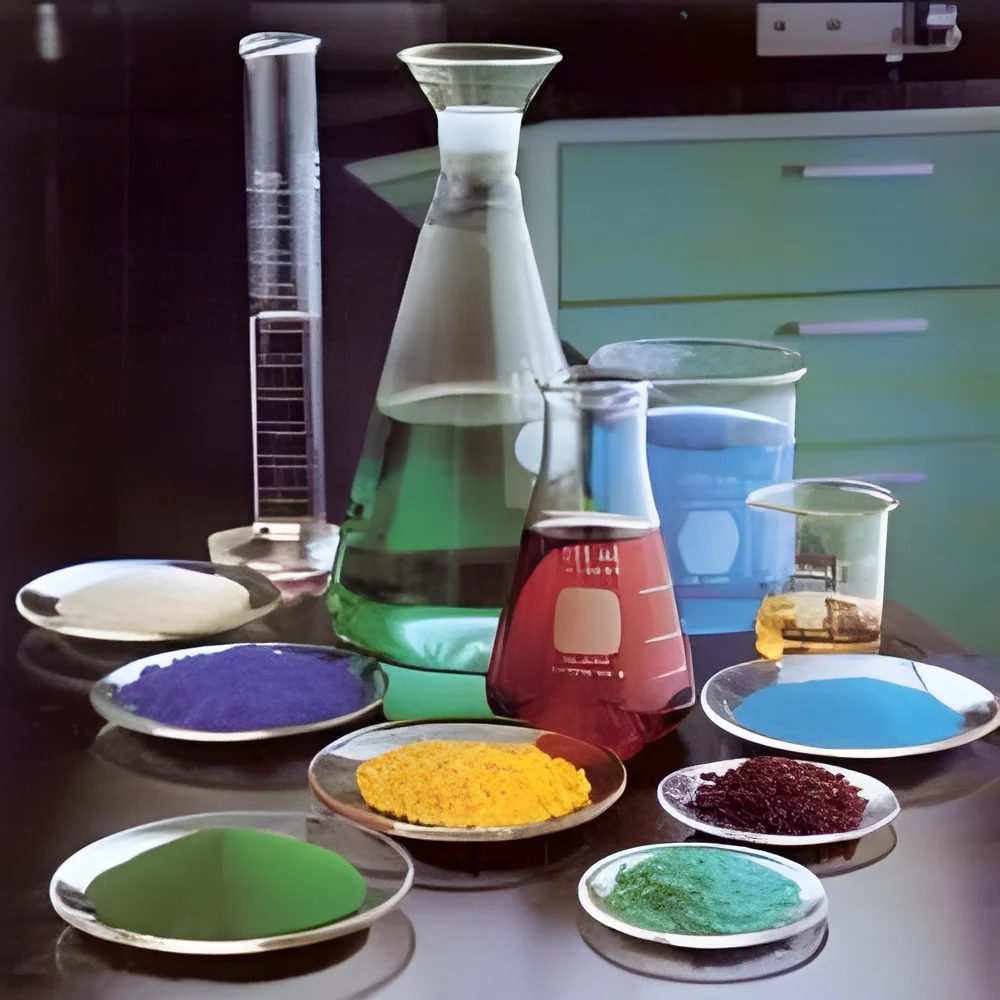
Organic and inorganic chemicals are essential substances utilized across various industries. Organic chemicals primarily consist of carbon atoms and are characterized by their complex structures. They are typically derived from living organisms or synthesized in laboratories. In contrast, inorganic chemicals lack carbon-hydrogen bonds and are often sourced from minerals, metals, and non-living matter. These two categories encompass a broad range of compounds, each serving unique roles in different applications.
The primary uses of organic and inorganic chemicals span numerous sectors, including pharmaceuticals, agriculture, food processing, and manufacturing. Organic chemicals are frequently employed in creating solvents, dyes, and plastics, while inorganic chemicals are essential for producing fertilizers, catalysts, and pigments. As industries continue to innovate, the demand for both categories of chemicals remains robust, driven by the need for enhanced efficiency and performance in various applications. The market for these chemicals is expanding, reflecting their critical role in supporting modern industry.
𝗞𝗲𝘆 𝗙𝗲𝗮𝘁𝘂𝗿𝗲𝘀 𝗮𝗻𝗱 𝗦𝗽𝗲𝗰𝗶𝗳𝗶𝗰𝗮𝘁𝗶𝗼𝗻𝘀
When considering organic and inorganic chemicals, it is important to understand their key features and specifications. These specifications help ensure that businesses select the right products for their specific applications.
Key specifications include:
1. Purity Level
- Essential for ensuring product effectiveness
- Typically ranges from 95% to 99.9% depending on the application
2. Solubility
- Indicates how well a chemical dissolves in solvents
- Can vary widely; water-soluble and non-water-soluble options available
3. pH Level
- Important for application in agriculture and pharmaceuticals
- Ranges from acidic to neutral to basic (0-14 scale)
4. Molecular Weight
- Affects the chemical's behavior and reactivity
- Varies significantly across different compounds
5. Melting and Boiling Points
- Crucial for processing and storage
- Specific temperatures depend on the chemical composition
6. Toxicity Level
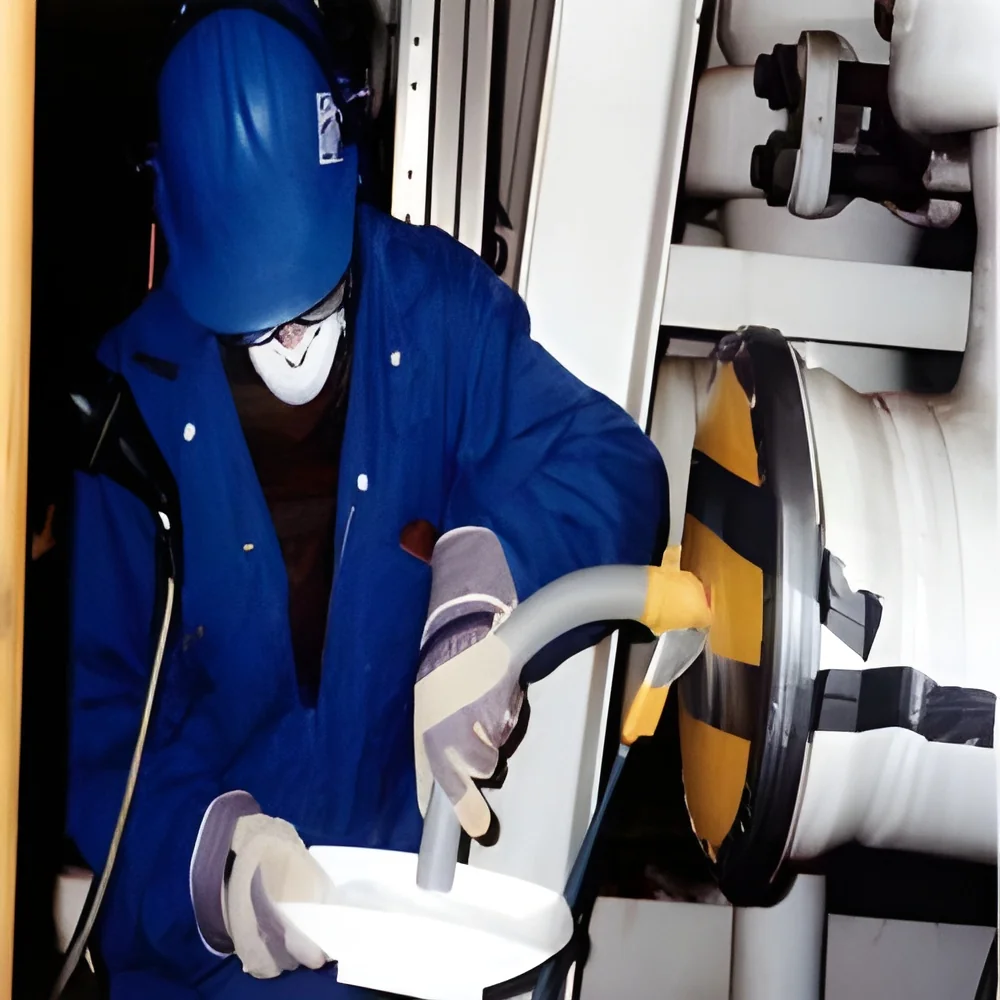
- Determines safety precautions needed during handling
- Varies; some chemicals require minimal safety measures, while others need extensive controls
7. Regulatory Compliance
- Must adhere to standards such as REACH and CE
- Ensures safety and environmental protection
8. Shelf Life
- Indicates the duration a chemical can be stored before degradation
- Varies based on the chemical's nature and storage conditions
In summary, understanding these specifications is vital for businesses to select the appropriate organic and inorganic chemicals that meet their operational needs.
𝗖𝗼𝗺𝗺𝗼𝗻 𝗔𝗽𝗽𝗹𝗶𝗰𝗮𝘁𝗶𝗼𝗻𝘀 𝗮𝗻𝗱 𝗨𝘀𝗲 𝗖𝗮𝘀𝗲𝘀
Organic and inorganic chemicals find applications in a wide range of industries.
1. Agriculture: Used in fertilizers and pesticides to enhance crop yield and protect plants from pests.
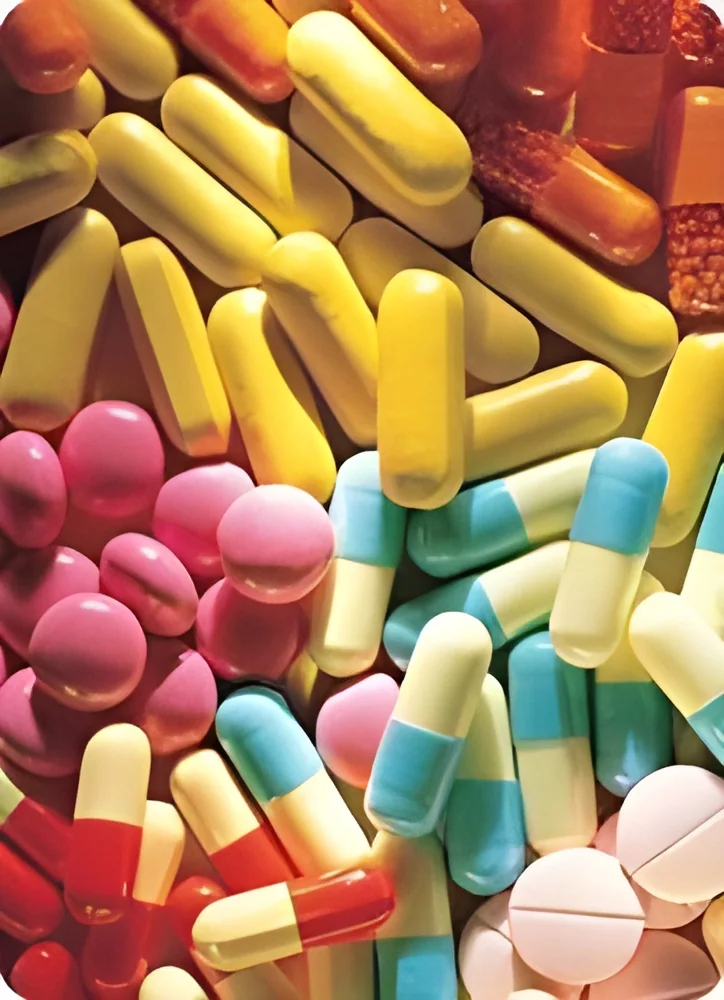
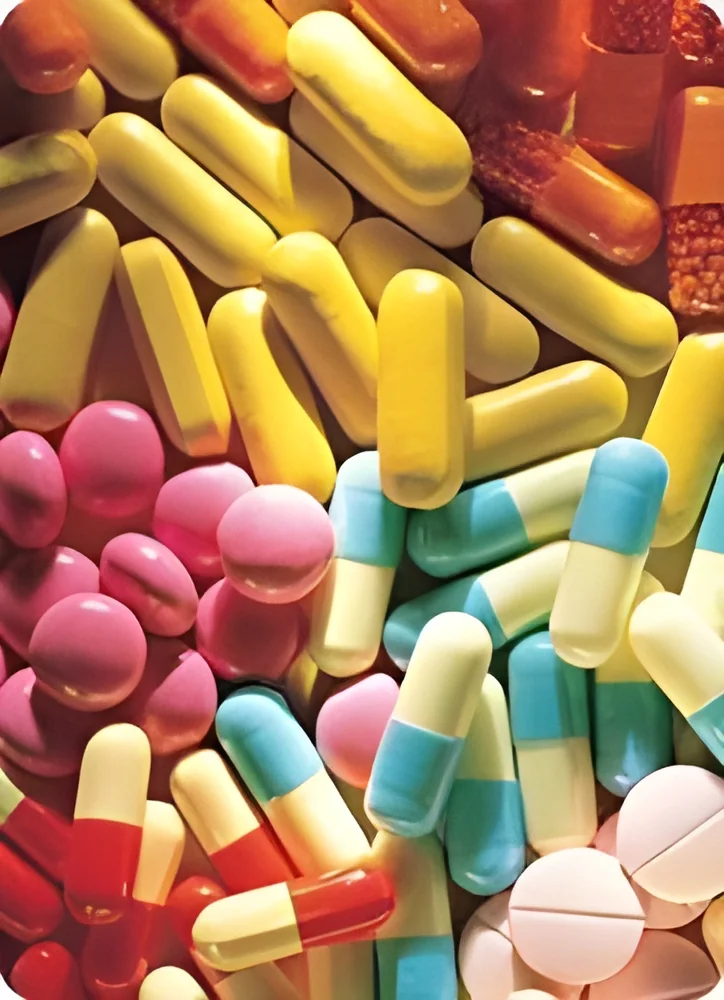
2. Pharmaceuticals: Essential in the production of medications, where precision and purity are paramount.
3. Food and Beverage: Employed in food preservatives, flavorings, and colorants, ensuring safety and quality in products.
4. Manufacturing: Integral in producing plastics, metals, and other materials, driving innovation and efficiency.
5. Water Treatment: Utilized to purify water and remove contaminants, ensuring safe drinking water supplies.
6. Textiles: Important in dyeing and finishing processes, providing color and durability to fabrics.
7. Electronics: Used in semiconductor manufacturing and other processes requiring high-purity chemicals.
𝗣𝗿𝗼𝗱𝘂𝗰𝘁 𝗩𝗮𝗿𝗶𝗮𝗻𝘁𝘀 𝗮𝗻𝗱 𝗦𝘂𝗯𝗰𝗮𝘁𝗲𝗴𝗼𝗿𝗶𝗲𝘀
The diversity of organic and inorganic chemicals allows for a range of product variants tailored to specific needs.
Acids
Acids such as sulfuric and hydrochloric are vital in various industrial processes, including manufacturing and cleaning.
Alkali Chemicals
Sodium hydroxide and potassium hydroxide fall under this category, commonly used in soap production and as pH regulators.
Solvents
Organic solvents like acetone and ethanol are essential for dissolving substances and are widely used in laboratories and industry.
Salts
Inorganic salts, such as sodium chloride and potassium sulfate, play crucial roles in agriculture and food processing.
𝗕𝗲𝗻𝗲𝗳𝗶𝘁𝘀 𝗮𝗻𝗱 𝗔𝗱𝘃𝗮𝗻𝘁𝗮𝗴𝗲𝘀
Sourcing organic and inorganic chemicals offers several key benefits.
1. Versatility: These chemicals are applicable in a wide variety of industries, providing solutions across different sectors.
2. Efficiency: High purity and tailored formulations enhance production efficiency and product performance.
3. Innovation: Ongoing research and development lead to new chemical formulations that improve existing processes.
4. Customization: Many suppliers can tailor chemicals to meet specific business needs, ensuring optimal performance.
5. Cost-Effectiveness: Bulk purchasing and long-term contracts can lead to significant savings for businesses.
6. Environmental Impact: Many suppliers focus on sustainable practices, providing eco-friendly chemical options.
𝗕𝘂𝘆𝗶𝗻𝗴 𝗚𝘂𝗶𝗱𝗲 𝗳𝗼𝗿 𝗕𝟮𝗕 𝗕𝘂𝘆𝗲𝗿𝘀
When sourcing organic and inorganic chemicals, several factors should be considered to make informed purchasing decisions.
1. Quality Assessment: Evaluate the purity and quality standards of the chemicals to ensure they meet application requirements.
2. Supplier Verification: Research potential suppliers to confirm their reputability and reliability in delivering quality products.
3. Pricing and MOQ: Understand the pricing structures and minimum order quantities to manage costs effectively.
4. Delivery and Lead Times: Consider logistics and the time required for delivery to ensure timely production schedules.
5. Compliance Requirements: Verify that chemicals meet necessary regulatory standards to avoid compliance issues.
𝗖𝗼𝗺𝗽𝗹𝗶𝗮𝗻𝗰𝗲 𝗮𝗻𝗱 𝗖𝗲𝗿𝘁𝗶𝗳𝗶𝗰𝗮𝘁𝗶𝗼𝗻𝘀
Compliance with relevant standards is crucial in the chemical industry. Key quality standards include ISO 9001, which focuses on quality management systems, and HACCP, which ensures food safety in chemical applications. Compliance with GDP (Good Distribution Practice) guidelines guarantees that chemicals are stored and transported under appropriate conditions.
Industry certifications like CE signify that products meet European safety, health, and environmental protection requirements. Additionally, safety and testing requirements are essential to ensure that chemicals are safe for use in various applications. Regional compliance considerations may vary, necessitating thorough research based on geographic markets.
𝗪𝗵𝘆 𝗦𝗼𝘂𝗿𝗰𝗲 𝗢𝗿𝗴𝗮𝗻𝗶𝗰 & 𝗜𝗻𝗼𝗿𝗴𝗮𝗻𝗶𝗰 𝗖𝗵𝗲𝗺𝗶𝗰𝗮𝗹𝘀 𝗳𝗿𝗼𝗺 𝗣𝗲𝗽𝗮𝗴𝗼𝗿𝗮?
Pepagora provides a trusted platform for sourcing organic and inorganic chemicals, ensuring quality and reliability for B2B buyers. The verified supplier network allows businesses to connect with reputable manufacturers and distributors, ensuring the integrity of their chemical supply.
The streamlined RFQ process simplifies the quotation system, enabling buyers to receive competitive pricing and tailored quotes based on their specific needs. This efficiency helps businesses save time and resources during procurement.
Pepagora also offers trade assurance and support, providing buyer protection throughout the purchasing process. This assurance fosters confidence among buyers, knowing they receive quality products and services.
With a broad regional coverage, including India, the GCC, and Southeast Asia, Pepagora effectively connects businesses to suppliers across diverse markets, facilitating access to essential organic and inorganic chemicals.





Frequently Asked Questions
What are Organic & Inorganic Chemicals?
Organic & Inorganic Chemicals are substances that can be classified based on their chemical composition. Organic chemicals contain carbon and are typically derived from living organisms, while inorganic chemicals do not primarily contain carbon and are often derived from mineral sources.
What are the different types of Organic & Inorganic Chemicals?
There are various types of Organic & Inorganic Chemicals, including solvents, acids, bases, and salts. Organic chemicals include hydrocarbons, alcohols, and esters, whereas inorganic chemicals encompass compounds like metal oxides, salts, and minerals.
How do I choose the right Organic & Inorganic Chemicals?
Choosing the right Organic & Inorganic Chemicals involves understanding your specific application requirements, including purity, concentration, and compatibility. It is also important to consider supplier reliability and product certifications to ensure quality.
What are the standard specifications for Organic & Inorganic Chemicals?
Standard specifications for Organic & Inorganic Chemicals vary by type but generally include purity levels, physical properties, and compliance with safety regulations. Manufacturers often provide technical data sheets detailing these specifications.
What is the price range for Organic & Inorganic Chemicals?
The price range for Organic & Inorganic Chemicals can vary significantly based on the type, quality, and supplier. Generally, prices can range from a few hundred to several thousand rupees per kilogram, depending on the market demand and production costs.
What quality standards apply to Organic & Inorganic Chemicals?
Quality standards for Organic & Inorganic Chemicals typically include ISO certifications, ASTM standards, and other industry-specific regulations. Compliance with these standards ensures product safety and efficacy for end-users.
Where can I find Organic & Inorganic Chemicals suppliers in India?
You can find Organic & Inorganic Chemicals suppliers in India through B2B marketplaces like Pepagora, trade shows, and industry directories. Online platforms often provide a comprehensive list of verified suppliers and manufacturers.
Can Organic & Inorganic Chemicals be customized?
Yes, many suppliers offer customization options for Organic & Inorganic Chemicals based on specific customer requirements. This may include adjustments in formulation, packaging, and labeling to meet unique application needs.
What is the typical minimum order quantity for Organic & Inorganic Chemicals?
The typical minimum order quantity (MOQ) for Organic & Inorganic Chemicals varies by supplier and product type. MOQs can range from as low as 10 kilograms to several tons, depending on the manufacturer's policies and the chemical being ordered.
What is the typical lead time for Organic & Inorganic Chemicals?
The typical lead time for Organic & Inorganic Chemicals can range from a few days to several weeks, depending on the supplier's inventory, production capacity, and shipping logistics. It's advisable to confirm lead times with the supplier when placing an order.
Why Businesses Trust Pepagora
Thousands of companies trust Pepagora to source smarter and sell faster
Expand Your Sales Globally

Source Smarter,Grow Faster
