
 IN
HVAC Systems
306 products available
𝗪𝗵𝗮𝘁 𝗮𝗿𝗲 𝗛𝗩𝗔𝗖 𝗦𝘆𝘀𝘁𝗲𝗺𝘀?
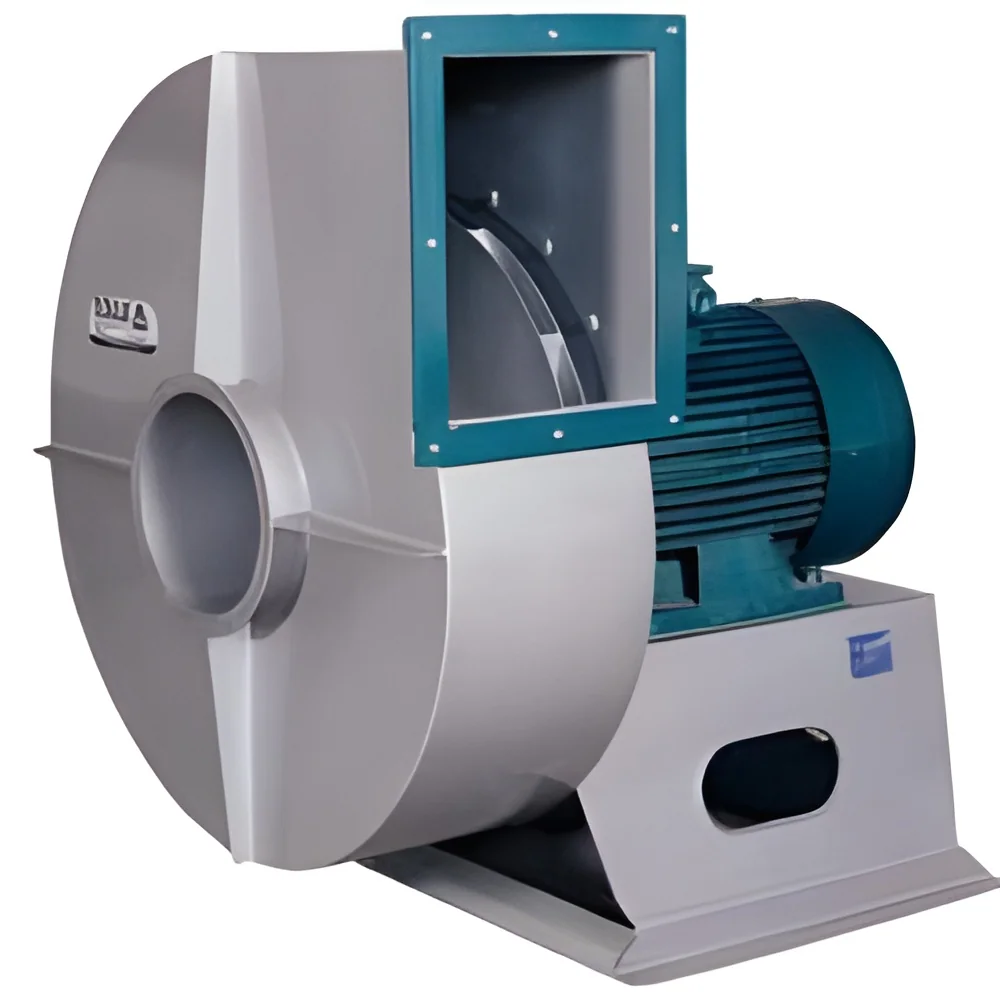
HVAC systems, or Heating, Ventilation, and Air Conditioning systems, are essential components for maintaining indoor air quality and comfort in various environments. They are designed to control the heating and cooling of buildings while ensuring adequate ventilation. HVAC systems work by circulating air, regulating temperature, and filtering out pollutants, thereby creating a comfortable and healthy atmosphere for occupants.
The primary uses of HVAC systems span a wide range of business applications. They are commonly found in commercial spaces, such as offices, retail stores, and industrial facilities. Additionally, HVAC systems are crucial for residential buildings to provide comfortable living conditions. In industries like healthcare and manufacturing, HVAC systems play a vital role in maintaining specific environmental conditions necessary for operations and compliance with safety standards.
In today's market, the HVAC industry is rapidly evolving, driven by technological advancements and increasing energy efficiency demands. Businesses are now focusing on sustainable solutions that not only enhance comfort but also reduce energy consumption. With growing awareness of climate change, the relevance of HVAC systems in providing eco-friendly options is becoming more pronounced, making them a significant investment for companies looking to improve their operational efficiency.
𝗞𝗲𝘆 𝗙𝗲𝗮𝘁𝘂𝗿𝗲𝘀 𝗮𝗻𝗱 𝗦𝗽𝗲𝗰𝗶𝗳𝗶𝗰𝗮𝘁𝗶𝗼𝗻𝘀
When considering HVAC systems, it is important to understand their key features and specifications. These systems are designed with various functionalities to meet the diverse needs of different environments. The specifications can vary based on the type, brand, and model of the HVAC system.
Key specifications include:
1. Heating Capacity
- Measured in BTUs (British Thermal Units), this indicates the amount of heat the system can produce.
- Typically ranges from 10,000 to 150,000 BTUs, depending on the application.
2. Cooling Capacity
- Also measured in BTUs, this reflects the system's ability to remove heat from a space.
- Cooling capacities generally range from 5,000 to 60,000 BTUs.
3. Energy Efficiency Ratio (EER)
- This ratio measures the cooling output divided by the electrical input.
- A higher EER indicates better energy efficiency.
4. Seasonal Energy Efficiency Ratio (SEER)
- This rating assesses the efficiency of cooling systems over a typical cooling season.
- SEER ratings can range from 13 to 25 or higher.
5. Airflow Rate
- Measured in cubic feet per minute (CFM), this indicates the volume of air the system can circulate.
- Airflow rates can vary significantly based on system design.
6. Noise Levels
- HVAC systems are rated by the sound level they produce, measured in decibels (dB).
- Quieter systems typically operate around 50 to 60 dB.
7. Humidity Control
- This feature allows the system to manage indoor humidity levels effectively.
- Specific ranges for humidity control are not specified but are crucial for comfort.
8. Filtration System
- High-efficiency filters remove particles and contaminants from the air.
- Systems may incorporate HEPA filters for enhanced air quality.
In summary, understanding the key features and specifications of HVAC systems is essential for making informed purchasing decisions. Buyers should evaluate these specifications based on their specific needs and operational requirements.
𝗖𝗼𝗺𝗺𝗼𝗻 𝗔𝗽𝗽𝗹𝗶𝗰𝗮𝘁𝗶𝗼𝗻𝘀 𝗮𝗻𝗱 𝗨𝘀𝗲 𝗖𝗮𝘀𝗲𝘀
HVAC systems are versatile and serve various industries effectively. They are tailored to suit the unique demands of different environments.
1. Commercial Offices: HVAC systems in office buildings provide a comfortable work environment by regulating temperature and ensuring proper air circulation. These systems are essential for maintaining productivity and employee well-being.
2. Retail Stores: In retail settings, HVAC systems help create a pleasant shopping experience by managing indoor climate. They ensure that temperature and humidity levels are conducive to both customers and merchandise.
3. Healthcare Facilities: Hospitals and clinics rely on HVAC systems to maintain strict control over air quality and temperature. These systems are vital for patient comfort and safety, as well as for protecting sensitive medical equipment.
4. Industrial Manufacturing: HVAC systems in manufacturing plants are crucial for maintaining optimal conditions for production processes. They help control temperature and humidity, which can significantly impact product quality.
5. Educational Institutions: Schools and universities utilize HVAC systems to provide a comfortable learning environment. Proper ventilation is essential for healthy indoor air quality in classrooms.
6. Hospitality Industry: Hotels and restaurants depend on HVAC systems to ensure guest comfort. These systems help regulate temperature and air quality in common areas and individual rooms.
7. Data Centers: In technology-driven environments like data centers, HVAC systems are vital for cooling equipment and maintaining ideal operating conditions. Efficient temperature control is necessary to prevent overheating of servers.
𝗣𝗿𝗼𝗱𝘂𝗰𝘁 𝗩𝗮𝗿𝗶𝗮𝗻𝘁𝘀 𝗮𝗻𝗱 𝗦𝘂𝗯𝗰𝗮𝘁𝗲𝗴𝗼𝗿𝗶𝗲𝘀
HVAC systems come in various configurations to meet diverse needs across different industries. Each variant offers unique features tailored to specific applications.
1. Central HVAC Systems
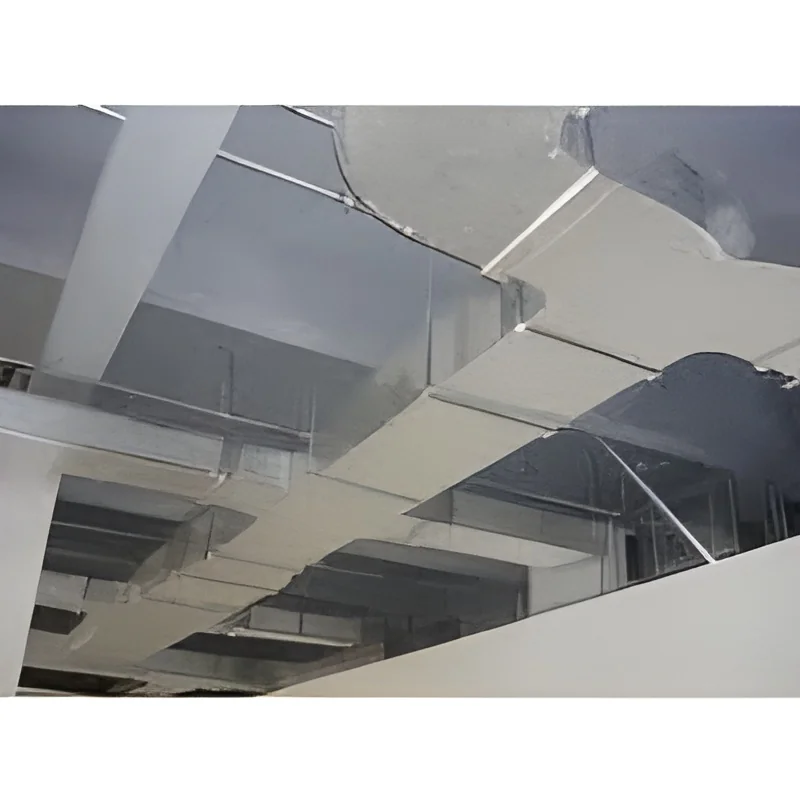
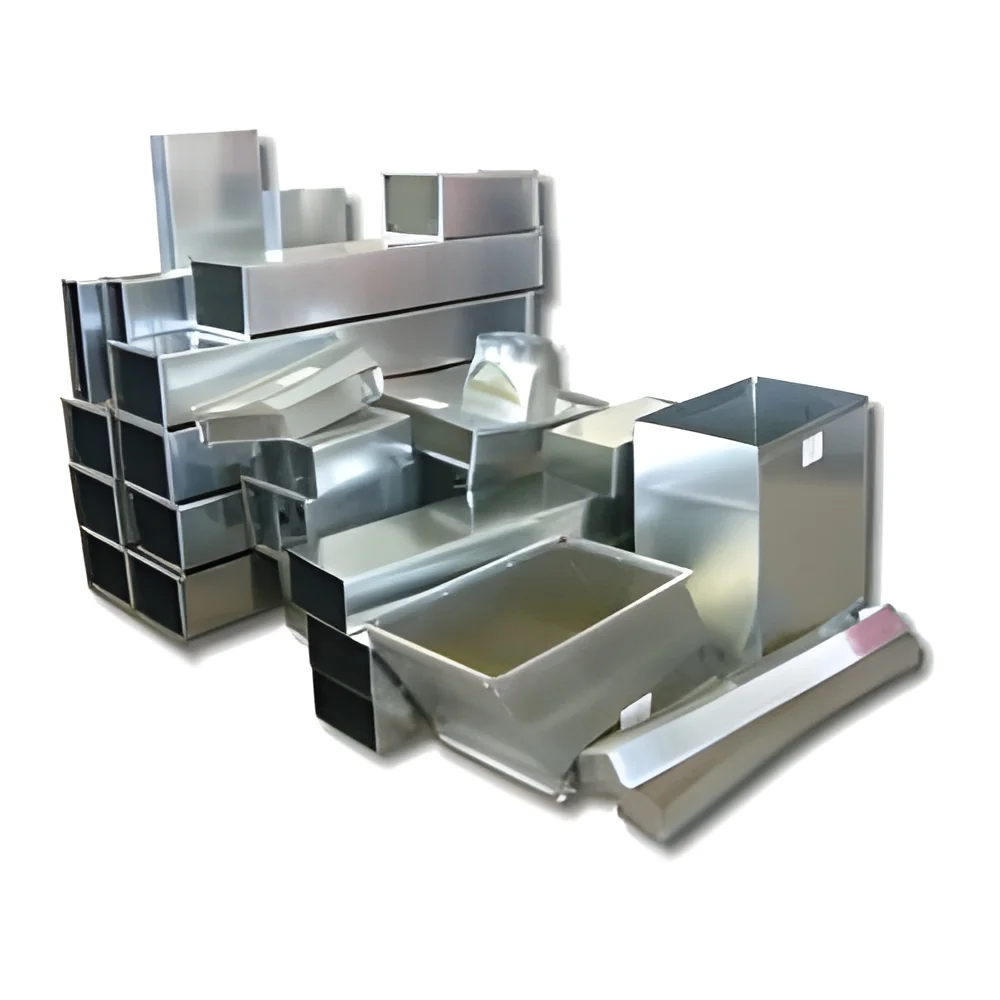
Central systems provide heating and cooling through a network of ducts, efficiently delivering conditioned air throughout large spaces. They are ideal for commercial buildings and large residential properties.
2. Ductless Mini-Split Systems
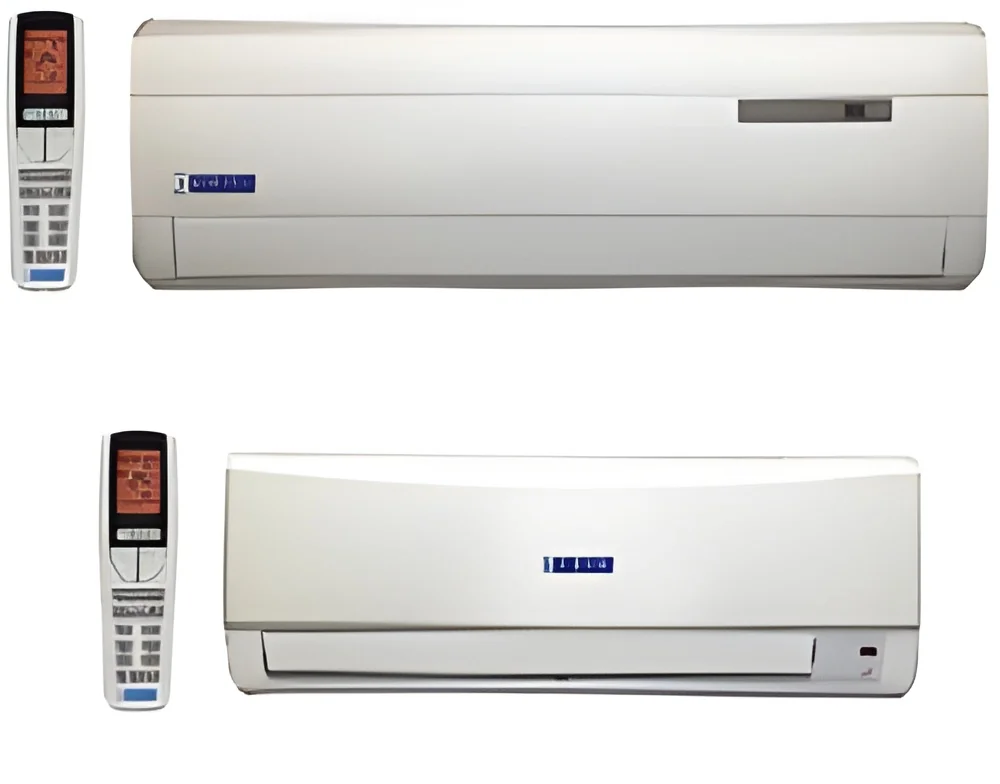
Ductless systems offer flexibility and are suitable for spaces without ductwork. They consist of an outdoor unit and one or more indoor units, making them perfect for retrofitting older buildings.
3. Rooftop Units (RTUs)
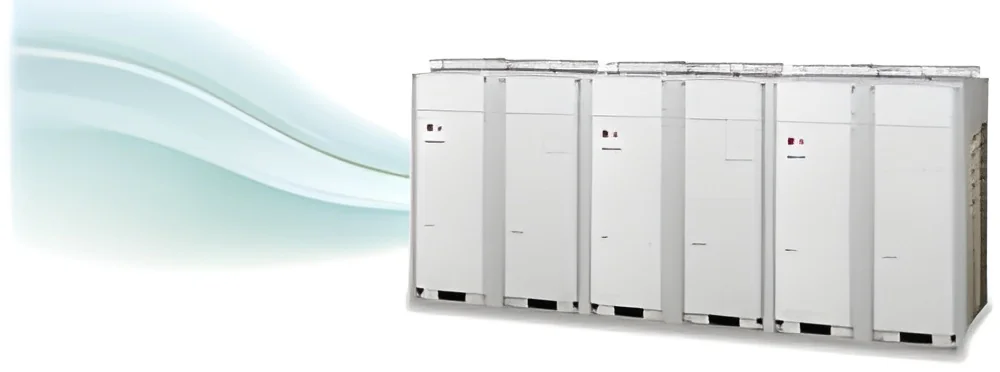
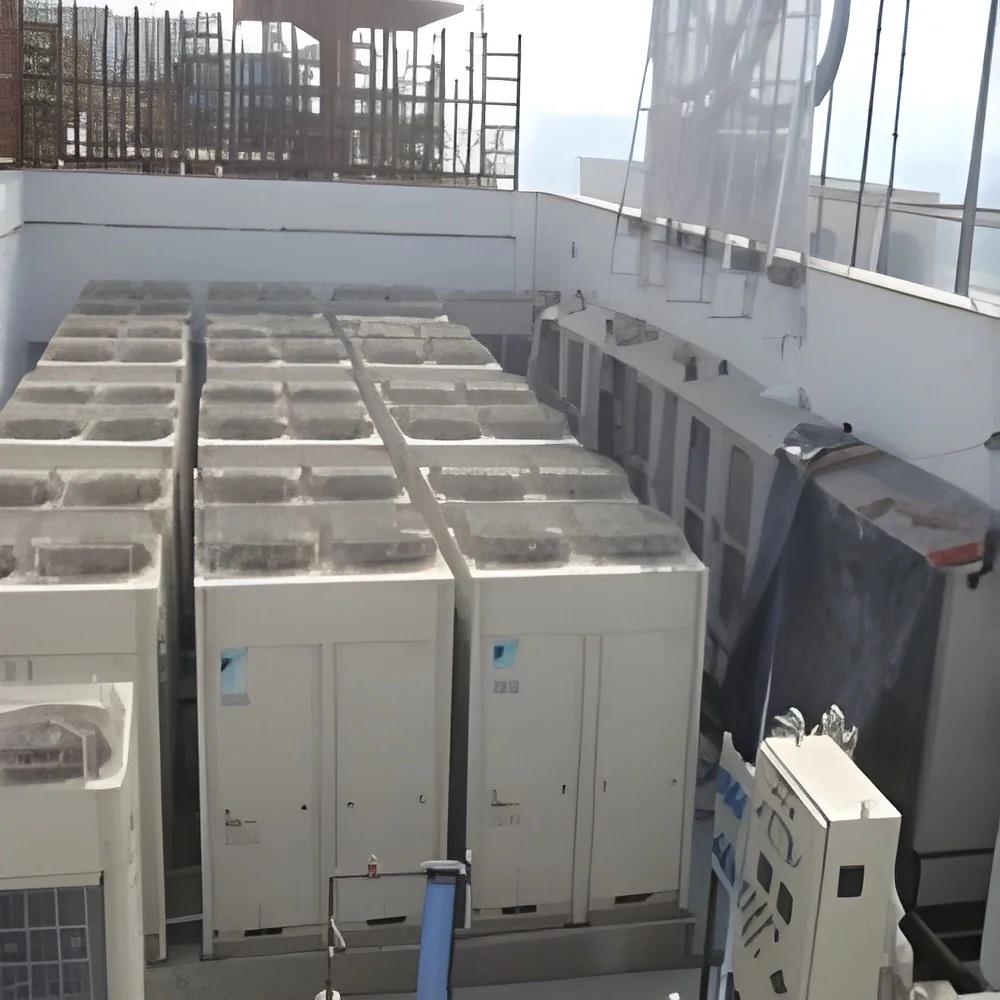
RTUs are self-contained units installed on rooftops, commonly used in commercial settings. They provide both heating and cooling and are designed for easy maintenance and space-saving.
4. Chiller Systems
Chiller systems are used for large commercial applications, providing cooling through a refrigeration cycle. They are efficient for cooling water, which can be circulated through air handling units.
5. Heat Pumps
Heat pumps can both heat and cool spaces, making them versatile for various climates. They are energy-efficient and suitable for residential and light commercial applications.
𝗕𝗲𝗻𝗲𝗳𝗶𝘁𝘀 𝗮𝗻𝗱 𝗔𝗱𝘃𝗮𝗻𝘁𝗮𝗴𝗲𝘀
Investing in HVAC systems offers a range of benefits that can enhance operational efficiency and comfort.
1. Improved Air Quality: HVAC systems filter airborne pollutants, providing cleaner and healthier indoor air for occupants.
2. Energy Efficiency: Modern HVAC systems are designed to minimize energy consumption, leading to reduced utility costs.
3. Enhanced Comfort: These systems maintain consistent temperatures and humidity levels, ensuring a comfortable environment year-round.
4. Increased Productivity: Comfortable indoor conditions contribute to higher employee productivity and satisfaction.
5. Customization Options: Many HVAC systems can be tailored to meet specific needs, allowing for flexibility in design and functionality.
6. Reliability: Well-designed HVAC systems provide consistent performance, reducing the risk of system failures and downtime.
𝗕𝘂𝘆𝗶𝗻𝗴 𝗚𝘂𝗶𝗱𝗲 𝗳𝗼𝗿 𝗕𝟮𝗕 𝗕𝘂𝘆𝗲𝗿𝘀
When sourcing HVAC systems, it is crucial for B2B buyers to consider several key factors to ensure they make informed decisions.
1. Quality Assessment: Evaluate the quality of HVAC systems by checking certifications and industry standards. Look for products that meet recognized benchmarks for performance and durability.
2. Supplier Verification: Vet potential suppliers to ensure they have a proven track record in the HVAC industry. Request references and check their reputation for delivering quality products.
3. Pricing and MOQ: Understand the pricing structure and minimum order quantities (MOQ) of HVAC systems. This information helps in budgeting and ensuring that suppliers can meet your volume requirements.
4. Delivery and Lead Times: Assess the logistics involved in acquiring HVAC systems, including delivery timelines and any potential delays. Reliable suppliers should provide clear expectations.
5. Compliance Requirements: Ensure that the HVAC systems comply with relevant regulations and standards in your region. This ensures safety and adherence to legal requirements.
𝗖𝗼𝗺𝗽𝗹𝗶𝗮𝗻𝗰𝗲 𝗮𝗻𝗱 𝗖𝗲𝗿𝘁𝗶𝗳𝗶𝗰𝗮𝘁𝗶𝗼𝗻𝘀
Compliance with industry standards and certifications is critical for HVAC systems. These requirements ensure that products meet quality and safety benchmarks.
Many HVAC systems adhere to quality standards such as ISO 9001, which ensures effective quality management systems are in place. This certification indicates that the manufacturer consistently meets customer and regulatory requirements.
Additionally, HVAC systems may carry the CE mark, indicating compliance with European safety and performance standards. This certification is crucial for products entering the European market.
Safety and testing requirements are also essential in the HVAC industry. Systems should undergo rigorous testing to ensure they operate efficiently and safely under various conditions.
Regional compliance considerations are important as well. Different countries and regions may have specific regulations governing HVAC systems, impacting design and implementation.
𝗪𝗵𝘆 𝗦𝗼𝘂𝗿𝗰𝗲 𝗛𝗩𝗔𝗖 𝗦𝘆𝘀𝘁𝗲𝗺𝘀 𝗳𝗿𝗼𝗺 𝗣𝗲𝗽𝗮𝗴𝗼𝗿𝗮?
Pepagora provides a trusted platform for sourcing HVAC systems, offering numerous advantages for B2B buyers.
Verified Supplier Network: Pepagora features a network of verified suppliers, ensuring that buyers can connect with reputable manufacturers. This verification helps in building trust and confidence in sourcing decisions.
Streamlined RFQ Process: The request for quotation (RFQ) process on Pepagora is efficient and user-friendly. Buyers can easily submit their requirements and receive multiple competitive quotes from qualified suppliers.
Trade Assurance and Support: Pepagora offers trade assurance, providing protection for buyers throughout the procurement process. This support helps mitigate risks associated with purchasing HVAC systems.
Regional Coverage: With a broad geographic reach, Pepagora operates in markets such as India, the GCC, and Southeast Asia. This coverage allows buyers to access a diverse range of suppliers and products tailored to their specific needs.





Frequently Asked Questions
What are HVAC Systems?
HVAC Systems, which stands for Heating, Ventilation, and Air Conditioning, are integrated systems designed to provide thermal comfort and acceptable indoor air quality. They regulate temperature, humidity, and air flow in residential, commercial, and industrial environments.
What are the different types of HVAC Systems?
The main types of HVAC Systems include split systems, packaged systems, ductless mini-split systems, and central air conditioning systems. Each type varies in design, efficiency, and application, catering to different heating and cooling needs.
How do I choose the right HVAC Systems?
Choosing the right HVAC System involves assessing factors such as the size of the space, energy efficiency, and specific heating and cooling requirements. Consulting with a qualified HVAC professional can help in selecting the most suitable system for your needs.
What are the standard specifications for HVAC Systems?
Standard specifications for HVAC Systems generally include capacity ratings (BTU or tonnage), energy efficiency ratings (SEER, EER), and noise levels. Additionally, specifications may also include installation requirements and maintenance guidelines.
What is the price range for HVAC Systems?
The price range for HVAC Systems can vary widely based on the type, brand, and efficiency of the system. Generally, prices can range from a few thousand to several lakhs of Indian Rupees, depending on the features and specifications.
What quality standards apply to HVAC Systems?
HVAC Systems are subject to various quality standards, including ISO certifications, ASHRAE standards for energy efficiency, and local building codes. Compliance with these standards ensures safety, performance, and reliability.
Where can I find HVAC Systems suppliers in India?
HVAC Systems suppliers in India can be found through online B2B marketplaces like Pepagora, industry trade shows, or local directories. These platforms connect buyers with manufacturers and suppliers offering a wide range of HVAC products.
Can HVAC Systems be customized?
Yes, HVAC Systems can often be customized to meet specific requirements such as size, capacity, and additional features. Customization may involve consulting with manufacturers or suppliers to tailor the system to your needs.
What is the typical minimum order quantity for HVAC Systems?
The typical minimum order quantity (MOQ) for HVAC Systems can vary by supplier and type of system. Generally, MOQs can range from a single unit for smaller systems to larger quantities for commercial-grade units.
What is the typical lead time for HVAC Systems?
The typical lead time for HVAC Systems can range from a few days to several weeks, depending on the supplier, system specifications, and whether customization is involved. It is advisable to confirm lead times with the supplier during the ordering process.
Why Businesses Trust Pepagora
Thousands of companies trust Pepagora to source smarter and sell faster
Expand Your Sales Globally

Source Smarter,Grow Faster
