IN
IN₹
Apparel & Fashion
Loading subcategories...
View More
Description
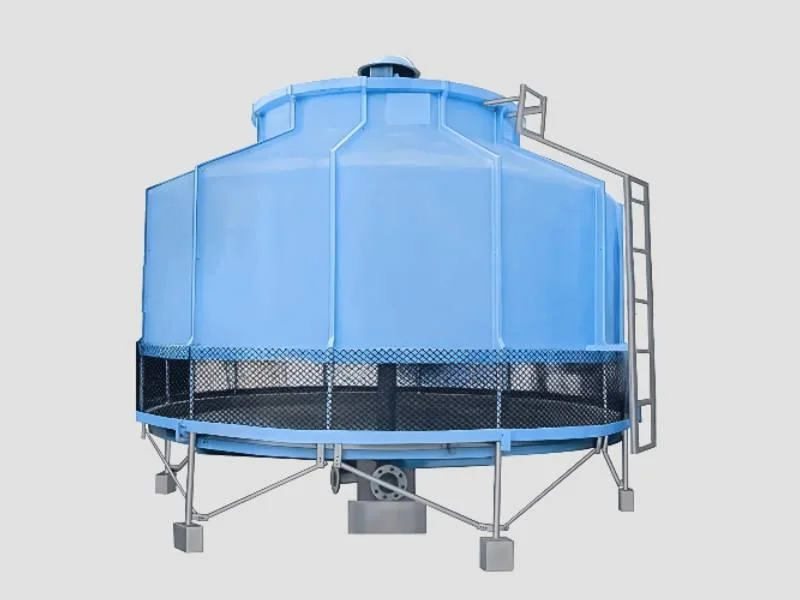
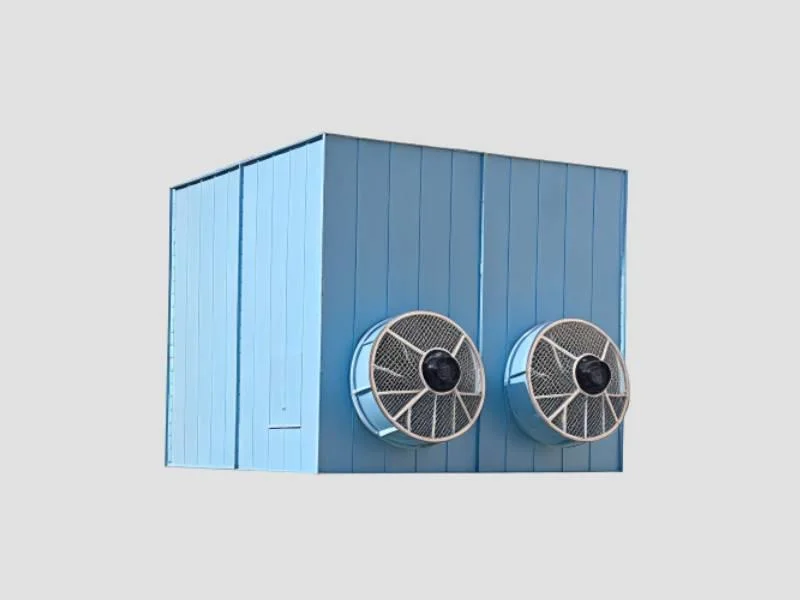
Forced Draft Cooling Towers represent advanced thermal management solutions designed specifically for industrial environments. These systems utilize strategically positioned fans at the air inlet to actively push air upward through the cooling structure, creating powerful airflow that enhances heat exchange efficiency. The bottom air intake design draws fresh ambient air directly into the system, ensuring optimal cooling performance even under demanding conditions. Engineered for reliability and durability, these towers maintain consistent operation through continuous use, with energy-efficient components that support stable performance while minimizing operational costs. The organized layout of components simplifies maintenance access, while the robust construction withstands challenging industrial environments for extended service life.

These cooling towers serve critical functions across numerous industrial sectors where effective heat rejection is essential for operational success...
Forced Draft Cooling Towers represent advanced thermal management solutions designed specifically for industrial environments. These systems utilize strategically positioned fans at the air inlet to actively push air upward through the cooling structure, creating powerful airflow that enhances heat exchange efficiency. The bottom air intake design draws fresh ambient air directly into the system, ensuring optimal cooling performance even under demanding conditions. Engineered for reliability and durability, these towers maintain consistent operation through continuous use, with energy-efficient components that support stable performance while minimizing operational costs. The organized layout of components simplifies maintenance access, while the robust construction withstands challenging industrial environments for extended service life.

These cooling towers serve critical functions across numerous industrial sectors where effective heat rejection is essential for operational success. In power generation facilities, they manage heat from turbines and generators to maintain efficiency and prevent overheating. Manufacturing plants rely on them for cooling heavy machinery, furnaces, and processing equipment in steel, metal, and cement production. Chemical processing operations utilize these systems for precise temperature control during various manufacturing stages. The towers also support large-scale climate management in industrial facilities, ensuring proper environmental conditions for both equipment and personnel across diverse operational settings.

The business value of Forced Draft Cooling Towers lies in their reliable performance and operational efficiency that directly impacts productivity and cost management. These systems provide consistent cooling capacity during peak thermal demands, preventing production interruptions and maintaining process stability. Their durable construction reduces replacement frequency and maintenance requirements, delivering long-term value through extended service life. The energy-efficient design lowers operational expenses while supporting sustainability initiatives. The organized component layout minimizes downtime during maintenance procedures, and the systems integrate smoothly with existing plant utilities without requiring extensive modifications or complex installations.

Key Features:
- Bottom air intake design for efficient fresh air circulation
- Fan-driven forced draft system creating powerful upward airflow
- Durable construction materials suitable for industrial environments
- Organized component layout for simplified maintenance access
- Energy-efficient fan selection supporting stable performance

Benefits:
- Consistent cooling performance during peak thermal demands
- Reduced operational costs through energy-efficient operation
- Extended service life with minimal maintenance requirements
- Seamless integration with existing plant infrastructure
- Reliable heat rejection for continuous industrial processes
Specifications
| Additional Information | |
|---|---|
| Country of Origin | India |
| Customisable | No |
Application
Forced Draft Cooling Towers with bottom air intake are engineered for demanding industrial environments where consistent cooling is critical. The fan-driven airflow system ensures reliable heat rejection even during peak operational periods, making these towers suitable for continuous heavy-duty applications across multiple sectors.
These cooling towers excel in facilities requiring substantial thermal management due to their robust design and efficient performance. The bottom air intake configuration draws fresh ambient air effectively, maintaining optimal cooling capacity while integrating seamlessly with existing plant infrastructure for various processing and manufacturing operations.
Real-world applications:
- Power generation facilities for turbine and generator cooling systems
- Steel and metal processing plants managing furnace and equipment heat
- Chemical manufacturing operations requiring precise temperature control
- Cement production units cooling kilns and processing equipment
- Large-scale industrial HVAC systems for facility climate management
Trade Details
| Available Stock | In Stock |
| Sample Availability | No |
Payment Terms
| Payment Terms |
|
| Payment Methods |
|
Company Profile

Janani Enterprises, Tamil Nadu
 Tamil Nadu, India
Tamil Nadu, IndiaManufacturer
Factory Details
Factory Size1000-5000 sqm
Industrial Forced Draft Cooling Towers For Power Generation And Heavy Manufacturing
Forced Draft Cooling Towers with bottom air intake deliver powerful airflow for industrial cooling applications. These reliable systems feature efficient fan-driven operation, durable construction, and consistent performance for high-heat processes.
Min. Order Quantity: 1 piece
Shipping
Shipping fee and delivery date to be negotiated. Contact supplier now for more details.
Janani Enterprises
 Tamil Nadu, India
Tamil Nadu, IndiaManufacturer