𝗪𝗵𝗮𝘁 𝗮𝗿𝗲 𝗛𝗲𝗮𝗹𝘁𝗵 𝗠𝗼𝗻𝗶𝘁𝗼𝗿𝗶𝗻𝗴 𝗗𝗲𝘃𝗶𝗰𝗲𝘀?
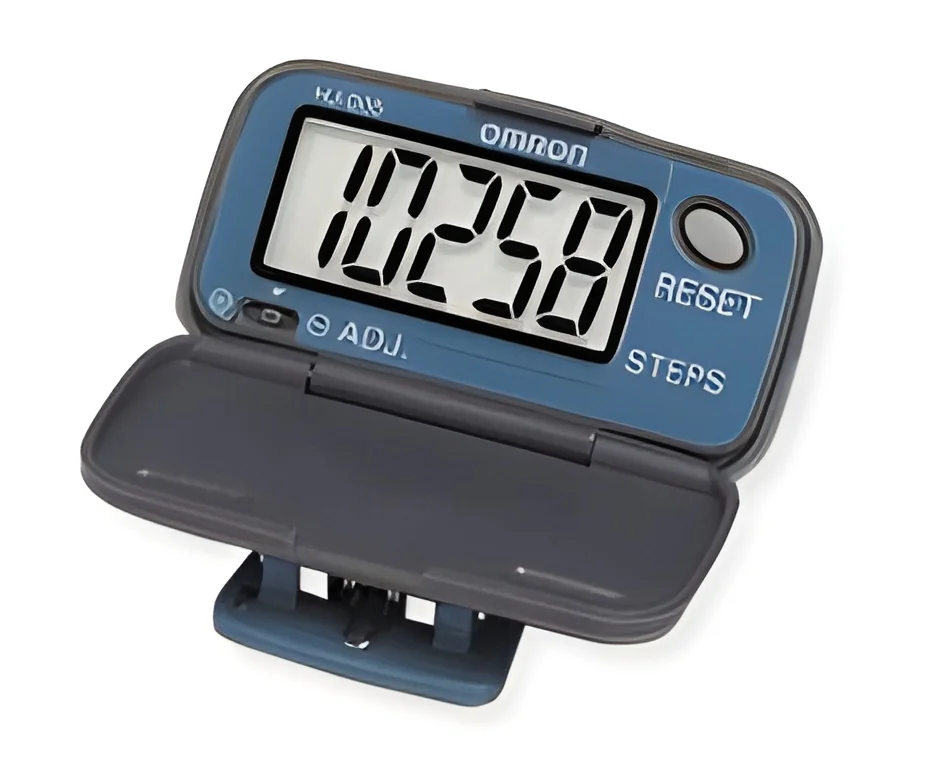
Health monitoring devices are technological tools designed to track and assess various health metrics and physiological parameters of individuals. These devices can range from simple wearables like fitness trackers to advanced medical-grade equipment used in hospitals and clinics. By collecting data such as heart rate, blood pressure, glucose levels, and more, these devices provide crucial insights into a person's health status.
In the business context, health monitoring devices are primarily used for preventive care, chronic disease management, and wellness tracking. They facilitate remote patient monitoring, allowing healthcare providers to keep tabs on patients' health without requiring in-person visits. This is particularly beneficial in managing chronic conditions, where continuous monitoring can lead to timely interventions. The growing demand for telehealth services amidst the global health crisis has further accelerated the adoption of these devices in various healthcare settings.
The market for health monitoring devices is expanding rapidly, driven by technological advancements, increased health awareness, and the aging population. Industry players are continuously innovating to enhance device functionalities and improve user experience. With a focus on digital health solutions, health monitoring devices are becoming integral to modern healthcare systems, bridging the gap between patients and medical professionals.
𝗞𝗲𝘆 𝗙𝗲𝗮𝘁𝘂𝗿𝗲𝘀 𝗮𝗻𝗱 𝗦𝗽𝗲𝗰𝗶𝗳𝗶𝗰𝗮𝘁𝗶𝗼𝗻𝘀
Health monitoring devices come equipped with a range of features and technical specifications that enhance their usability and effectiveness in monitoring health.
Key specifications include:
1. Monitoring Features
- Continuous tracking of vital signs such as heart rate, respiratory rate, and blood pressure.
- Real-time data transmission to healthcare providers or mobile applications for immediate analysis.
2. User Interface
- Intuitive displays that provide easy access to health metrics and alerts.
- Compatibility with mobile devices for seamless data synchronization.
3. Battery Life
- Long-lasting battery options that allow for extended use without frequent recharging.
- Energy-efficient designs to maximize device lifespan.
4. Data Storage
- Internal memory for storing historical health data for trend analysis.
- Automatic cloud backup to ensure data security and accessibility.
5. Connectivity
- Wireless connectivity via Bluetooth or Wi-Fi for easy integration with other devices.
- Support for various operating systems and platforms for enhanced usability.
6. Lightweight Design
- Ergonomic and portable designs for ease of use by patients and healthcare providers.
- Durable materials that withstand daily wear and tear.
7. Compliance Standards
- Adherence to industry regulations such as CE certification for medical devices.
- Incorporation of safety testing protocols to ensure device reliability.
8. Customization Options
- Ability to personalize settings and alerts based on user preferences.
- Availability of various models to cater to different health monitoring needs.
In summary, health monitoring devices feature advanced technology and specifications that make them suitable for a variety of health applications. Their continuous evolution is essential for meeting the growing demands of healthcare providers and patients.
𝗖𝗼𝗺𝗺𝗼𝗻 𝗔𝗽𝗽𝗹𝗶𝗰𝗮𝘁𝗶𝗼𝗻𝘀 𝗮𝗻𝗱 𝗨𝘀𝗲 𝗖𝗮𝘀𝗲𝘀
Health monitoring devices have a diverse range of applications across multiple industries.
1. Healthcare: These devices are widely used in hospitals and clinics for patient monitoring, enabling healthcare professionals to track vital signs remotely and manage chronic conditions effectively.
2. Fitness and Wellness: In the fitness industry, wearables help users monitor their physical activity levels, calorie intake, and overall health metrics, promoting a healthier lifestyle.
3. Telemedicine: Health monitoring devices facilitate telehealth services, allowing doctors to evaluate patients' conditions remotely and provide timely interventions.
4. Elderly Care: They are essential in senior care facilities, where continuous monitoring can help manage age-related health issues and ensure timely medical attention.
5. Insurance: Health insurers utilize these devices to promote wellness programs, incentivizing policyholders to engage in healthier behaviors and reduce healthcare costs.
6. Research: In clinical trials, health monitoring devices gather real-time data on participants to assess the efficacy of new treatments.
7. Corporate Wellness: Companies implement health monitoring devices in employee wellness programs to promote health awareness and improve productivity.
𝗣𝗿𝗼𝗱𝘂𝗰𝘁 𝗩𝗮𝗿𝗶𝗮𝗻𝘁𝘀 𝗮𝗻𝗱 𝗦𝘂𝗯𝗰𝗮𝘁𝗲𝗴𝗼𝗿𝗶𝗲𝘀
Health monitoring devices come in various forms to cater to different needs and preferences.
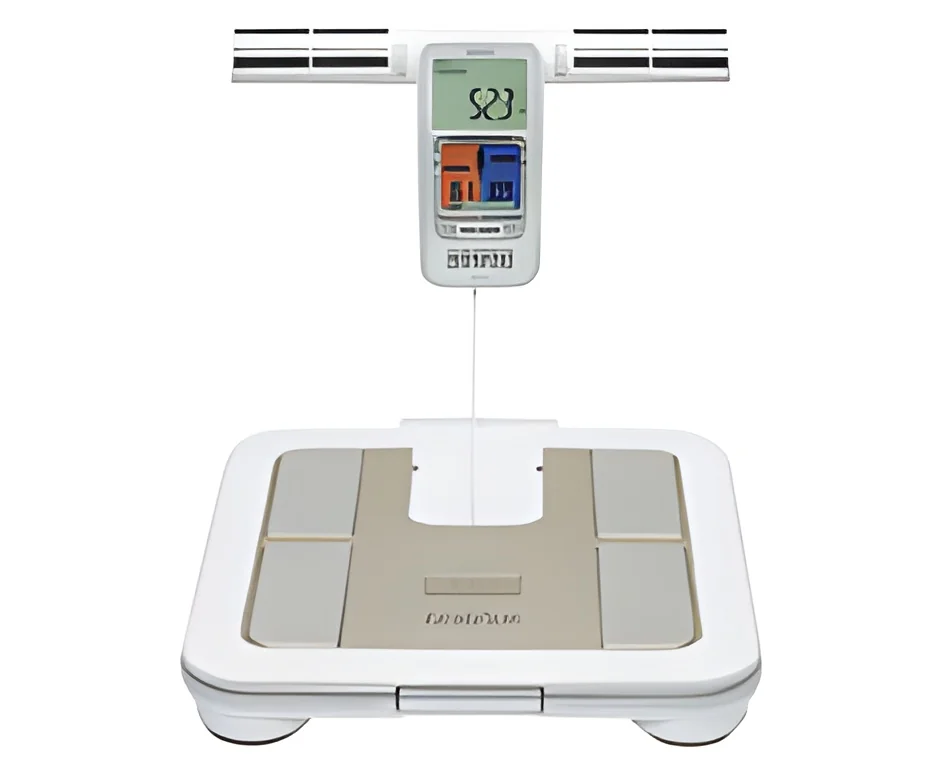
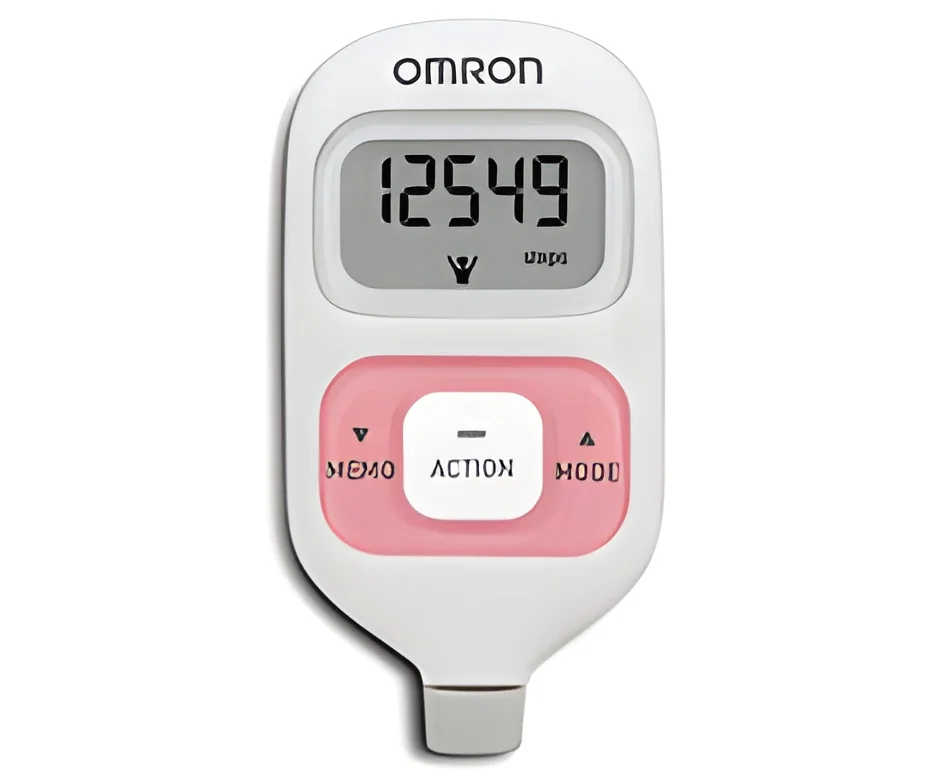
Wearable Health Trackers: These devices, often worn on the wrist, monitor fitness levels, heart rate, sleep patterns, and more. They are designed for everyday use and provide users with insights to improve their health.
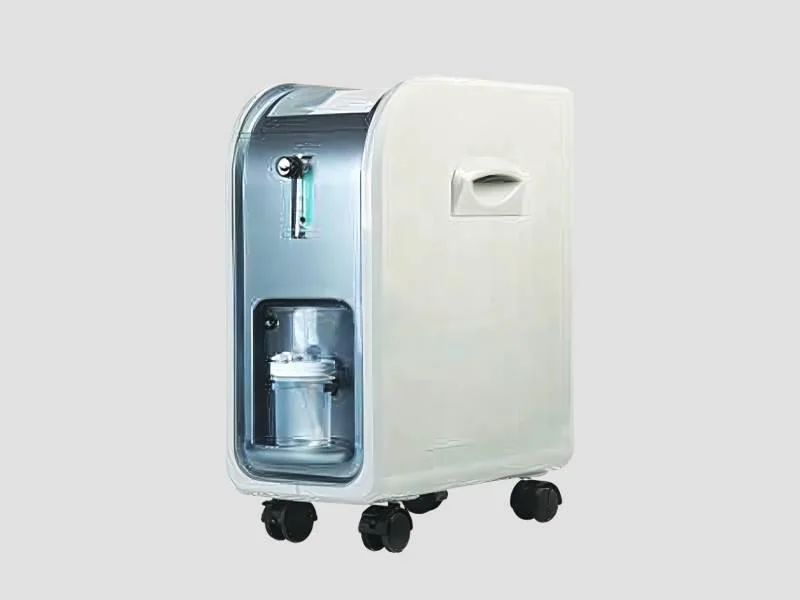
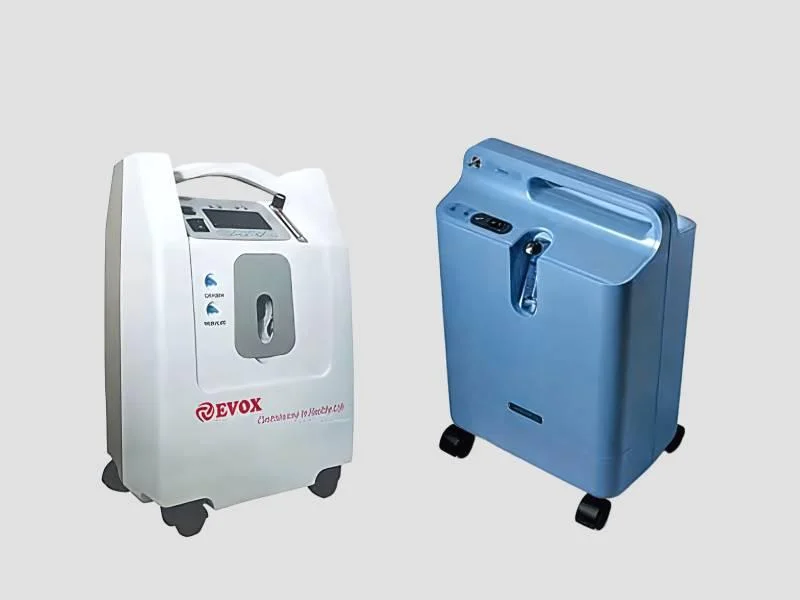
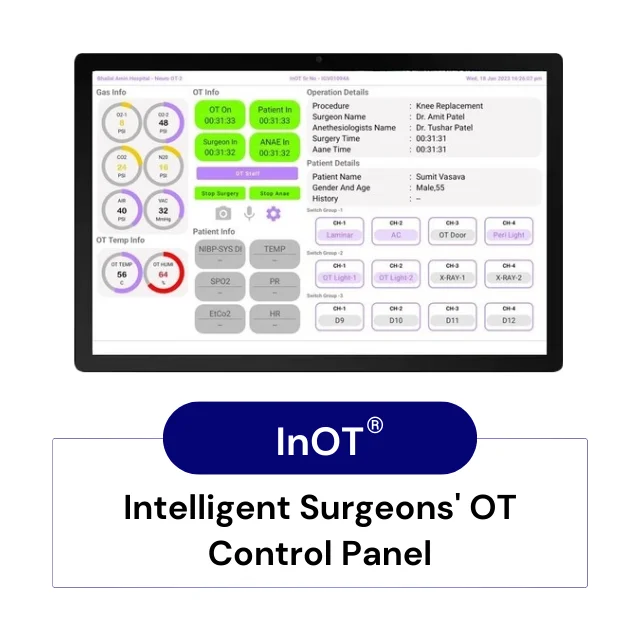
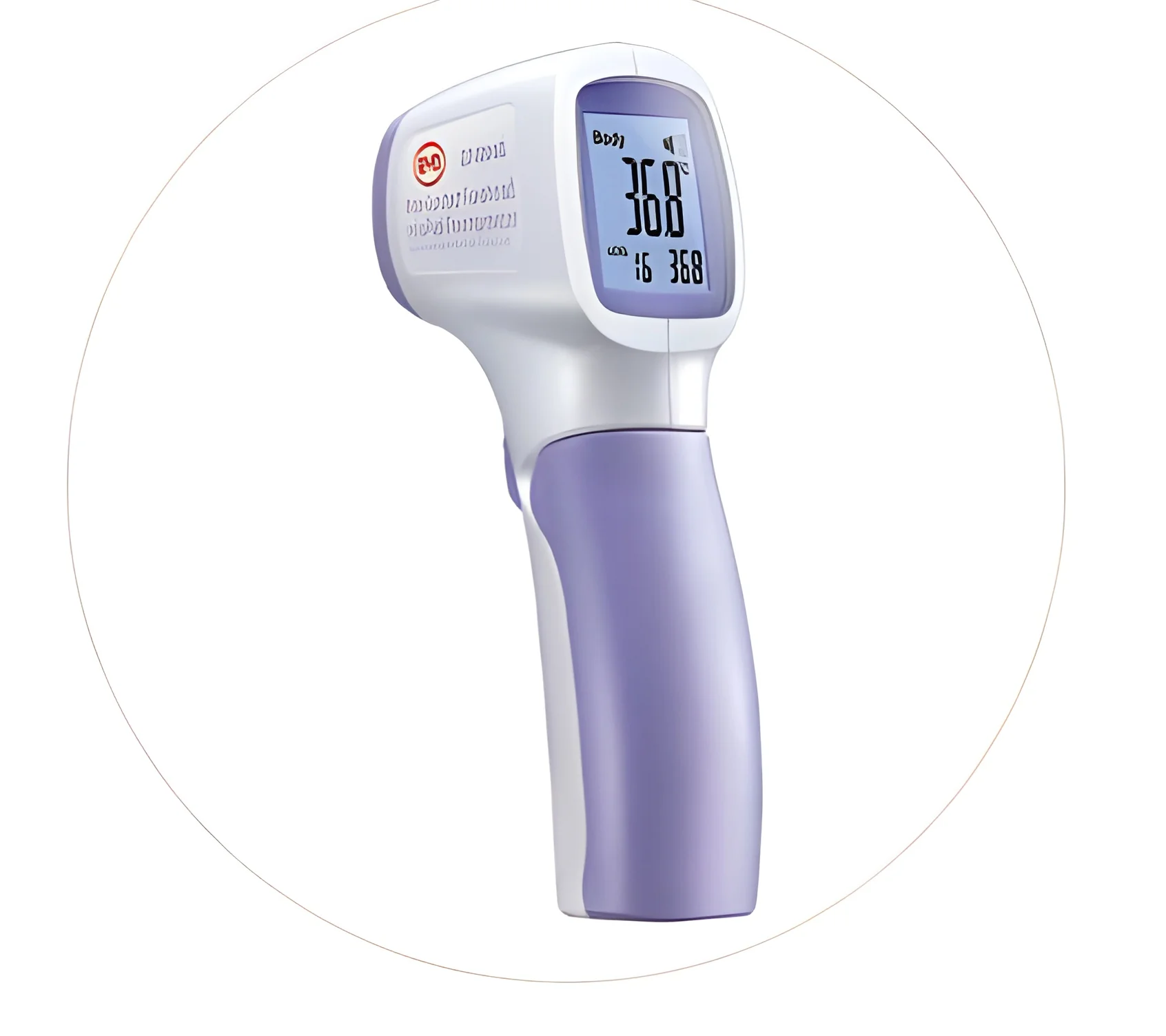
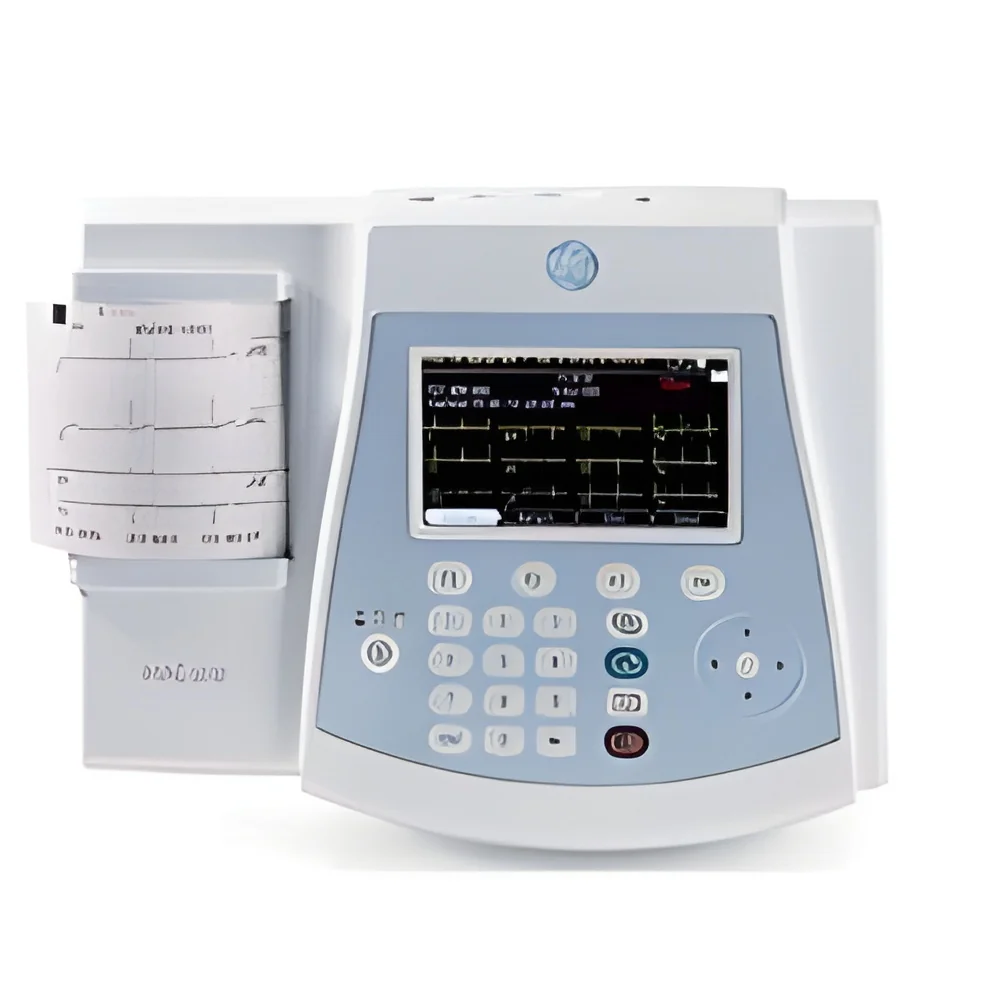
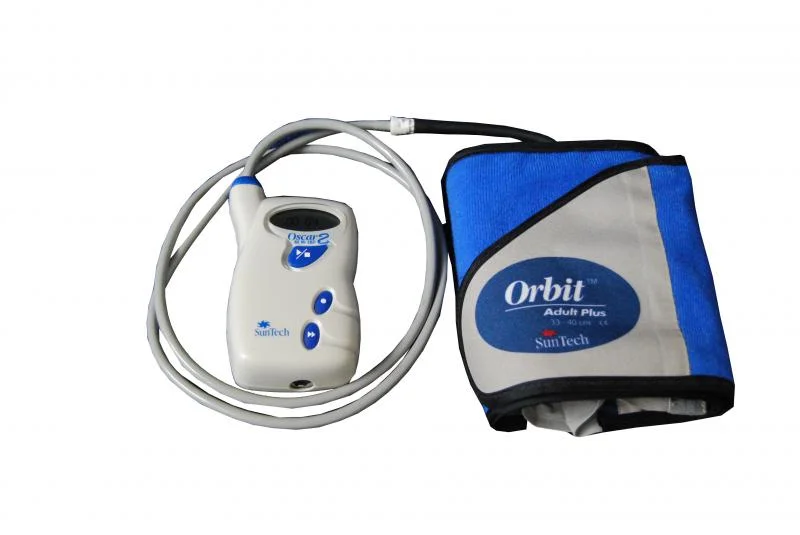
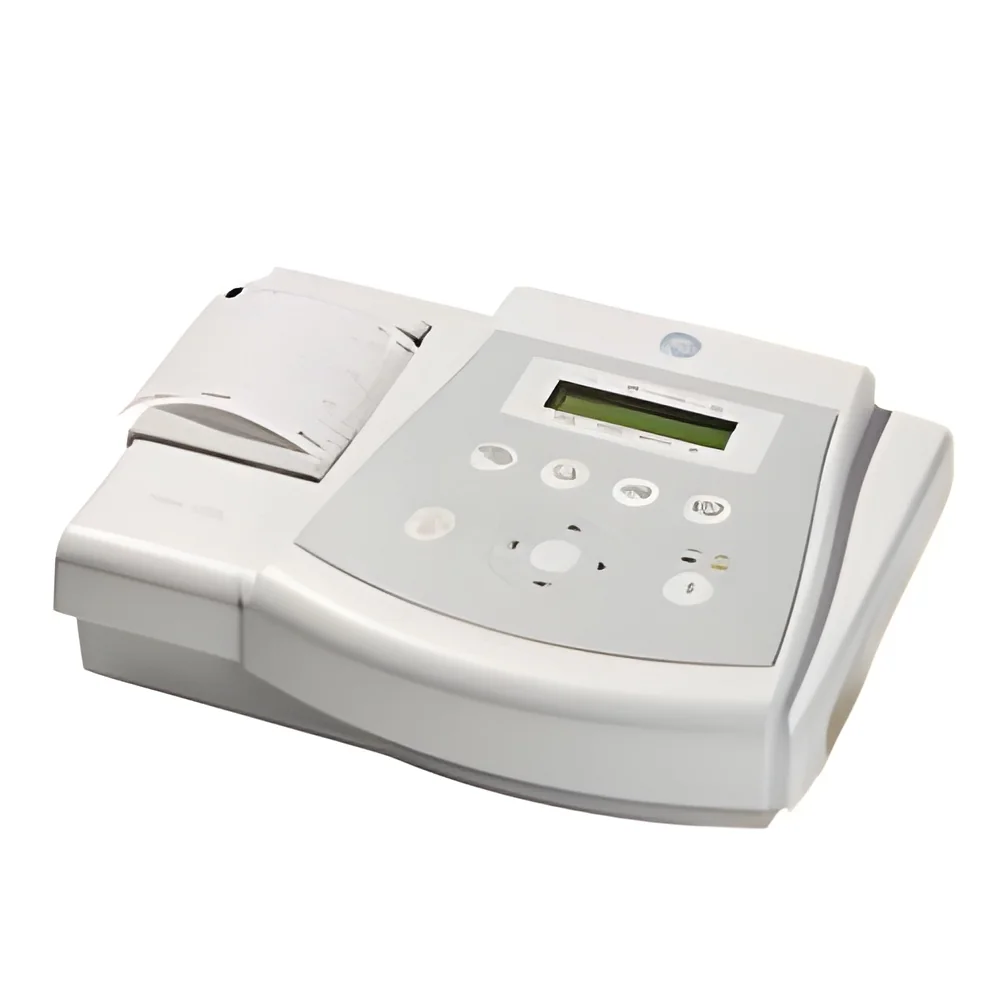
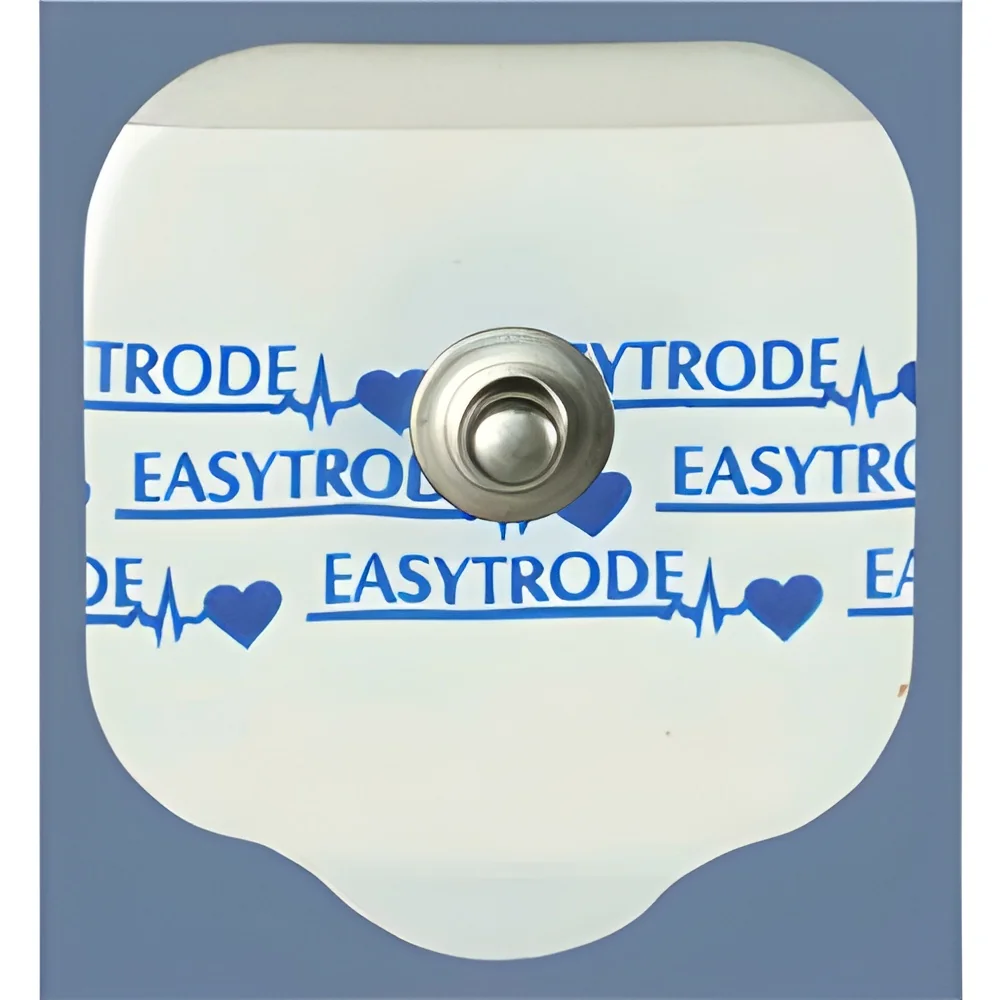
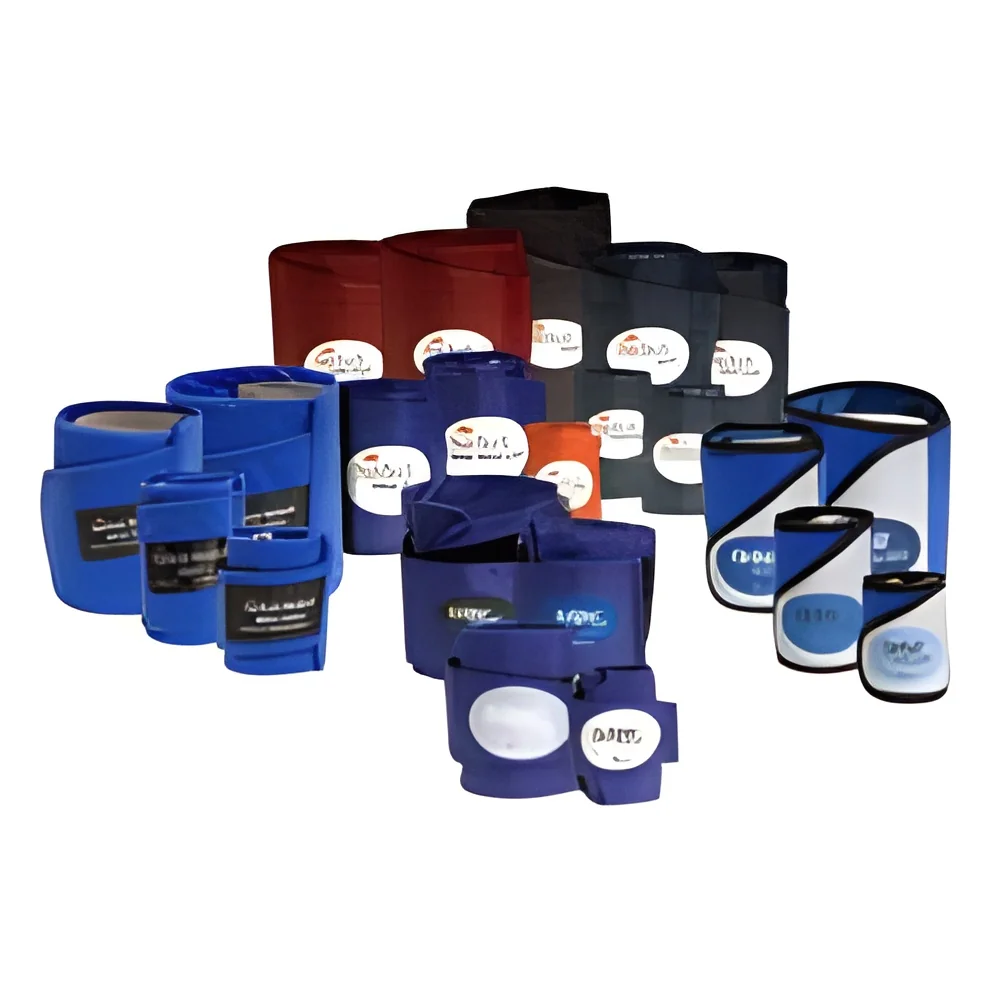
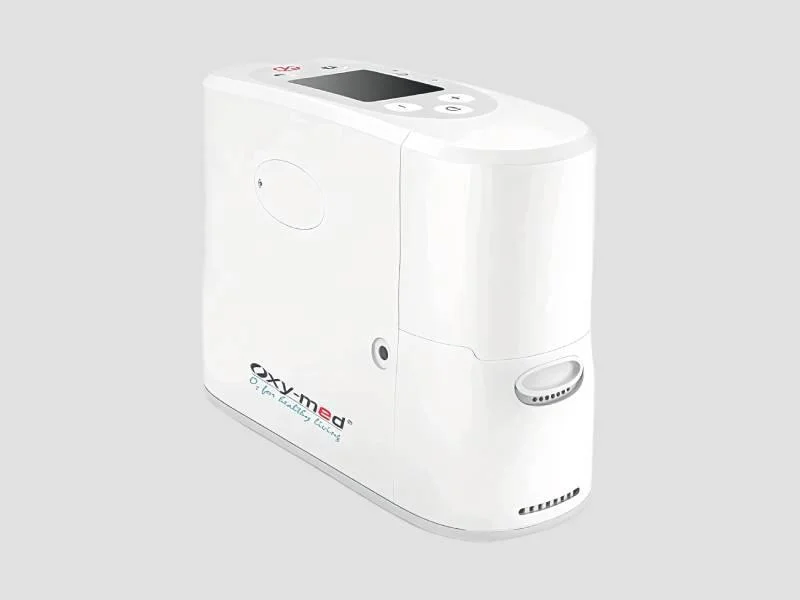
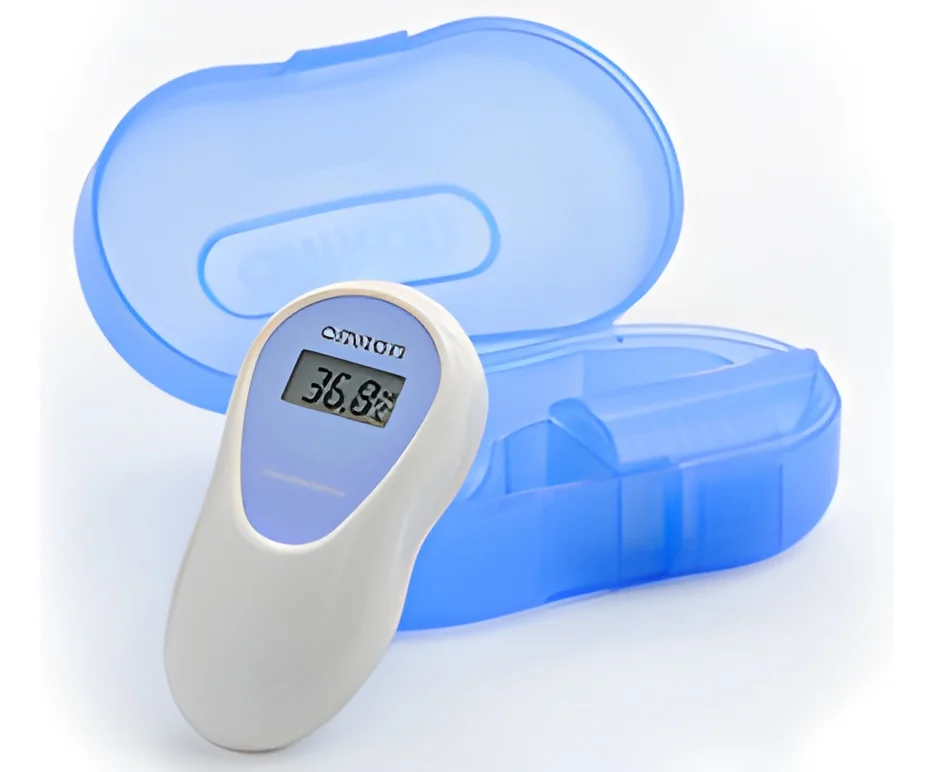
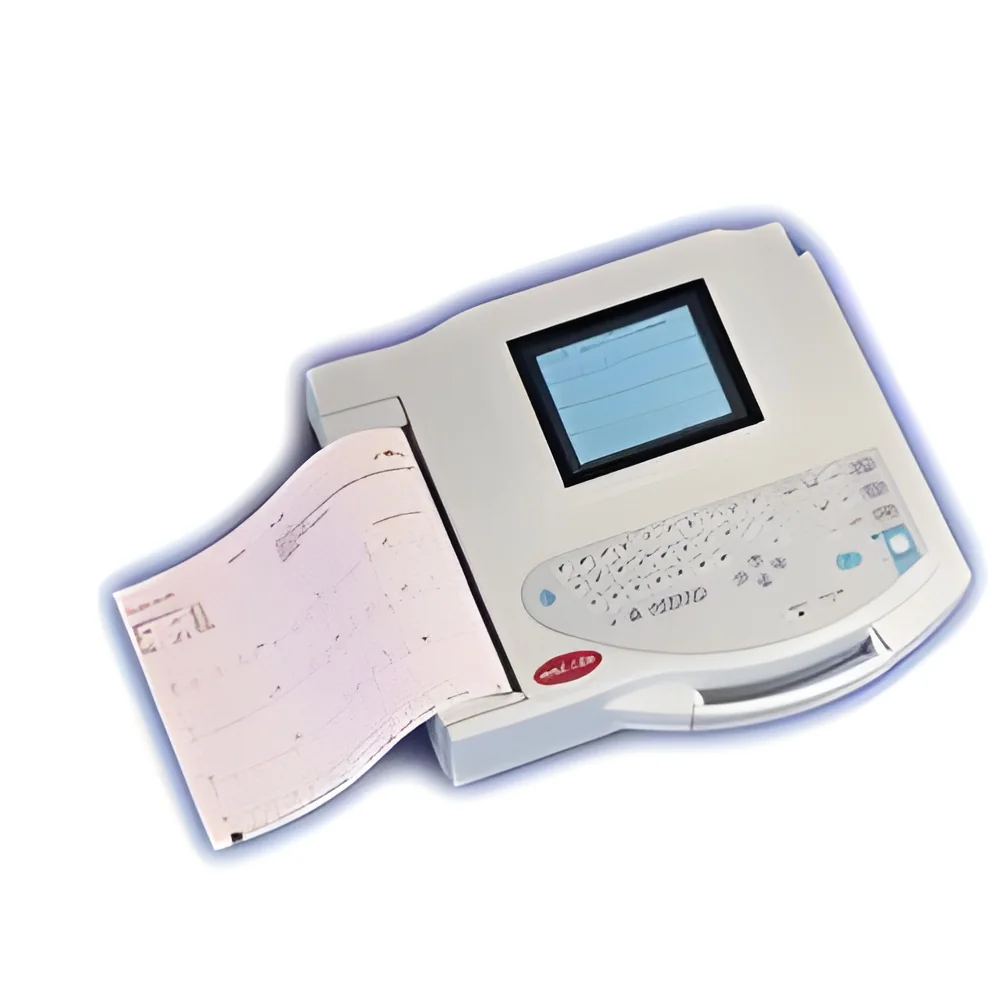
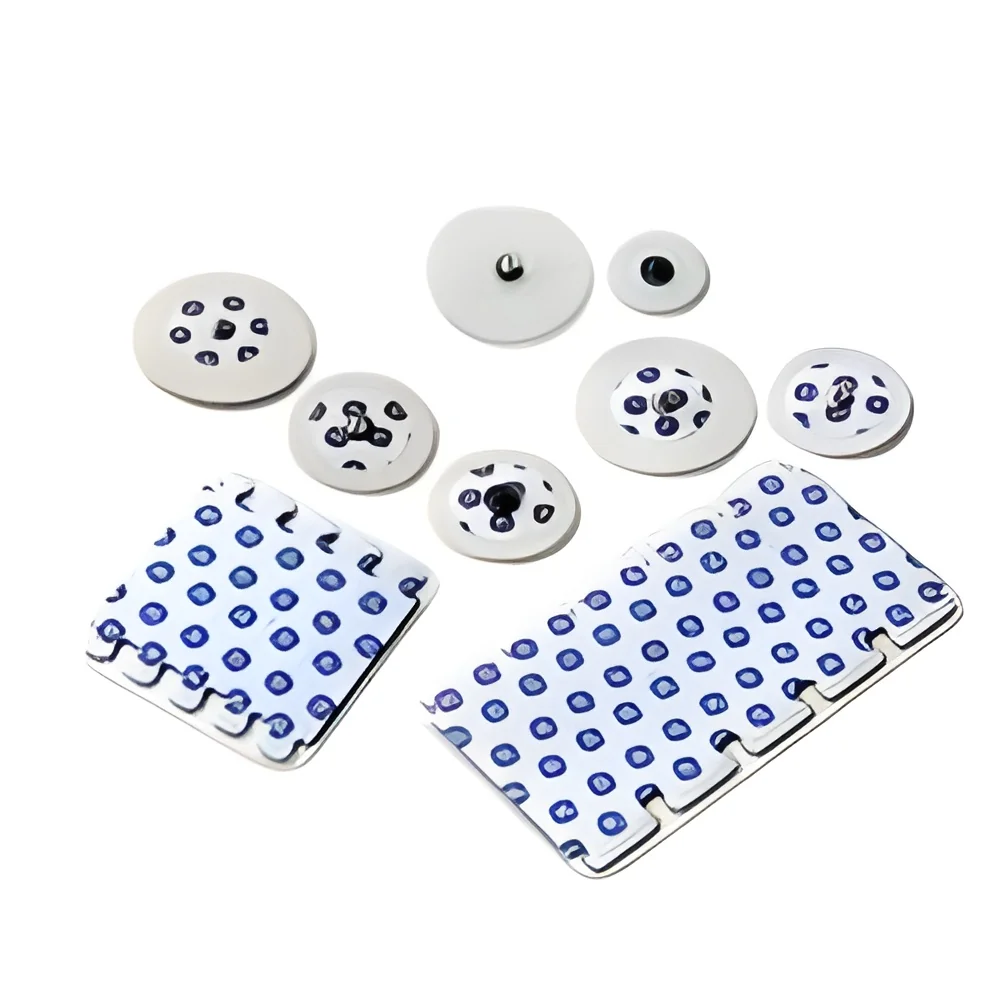
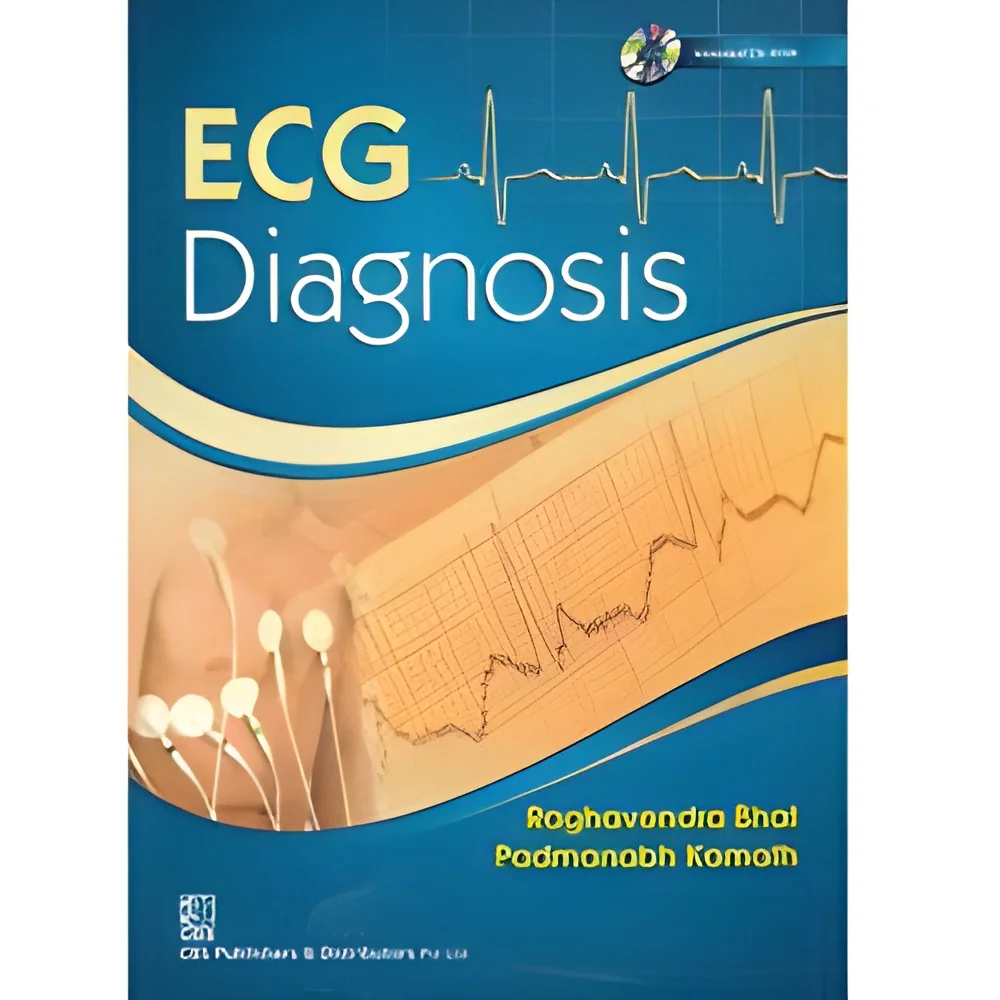
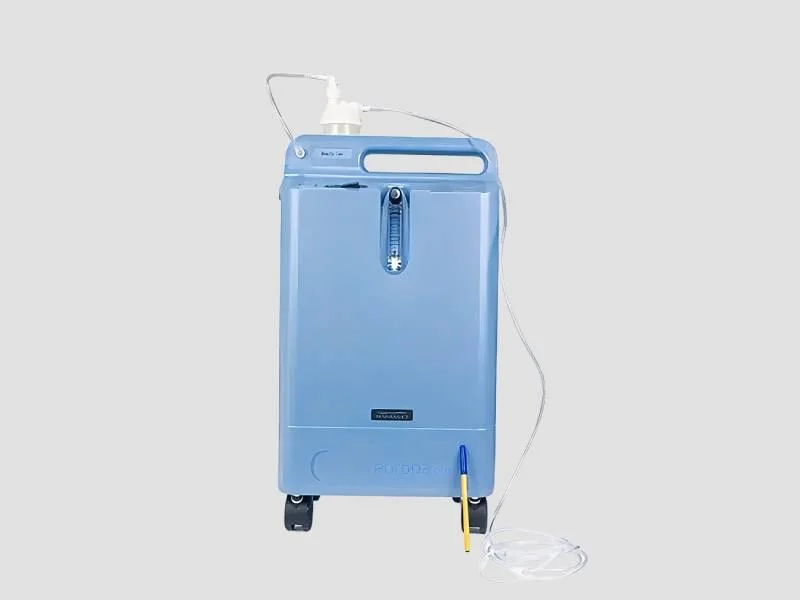
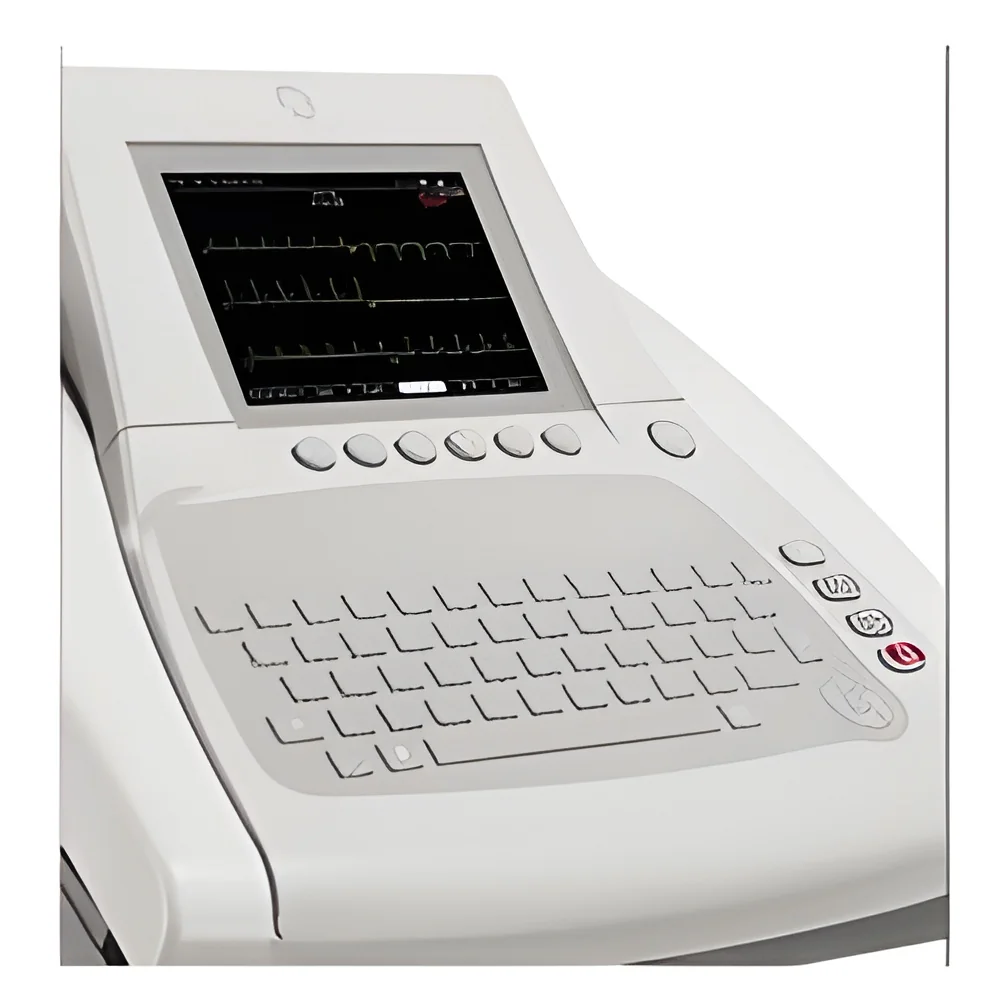
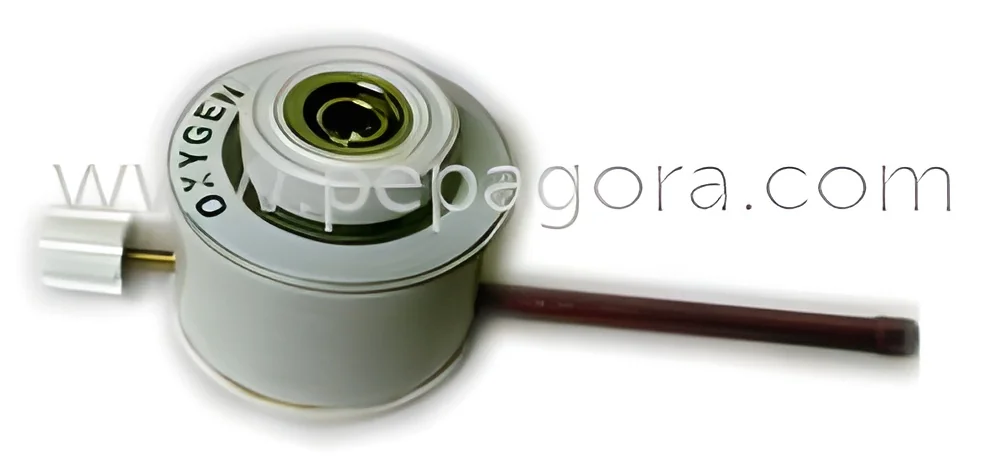
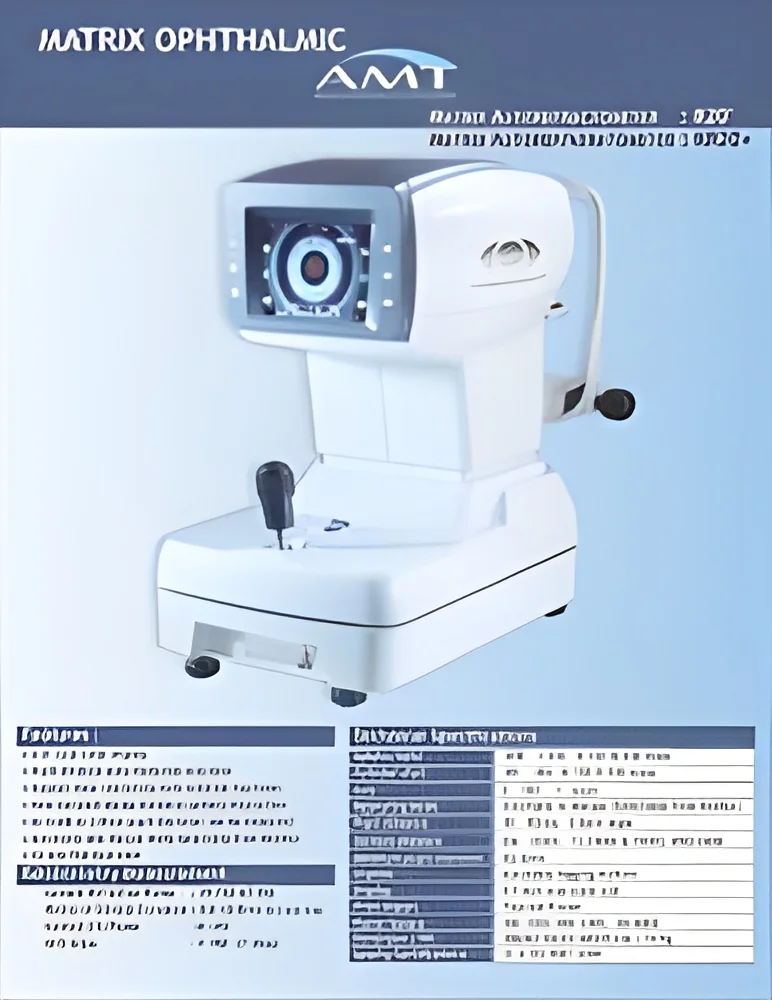
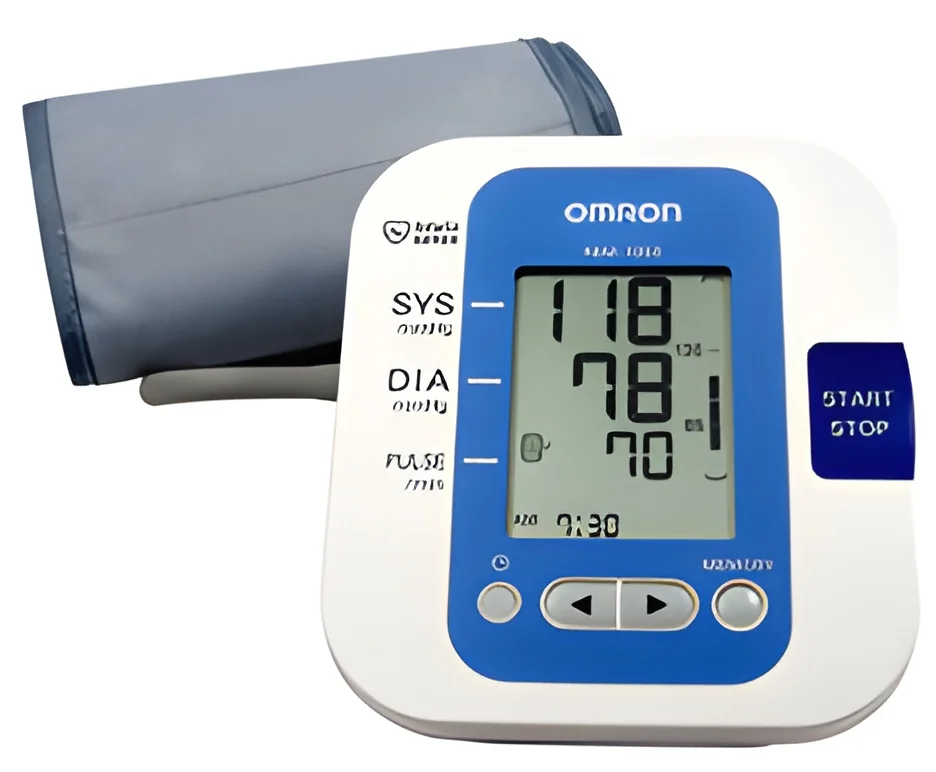
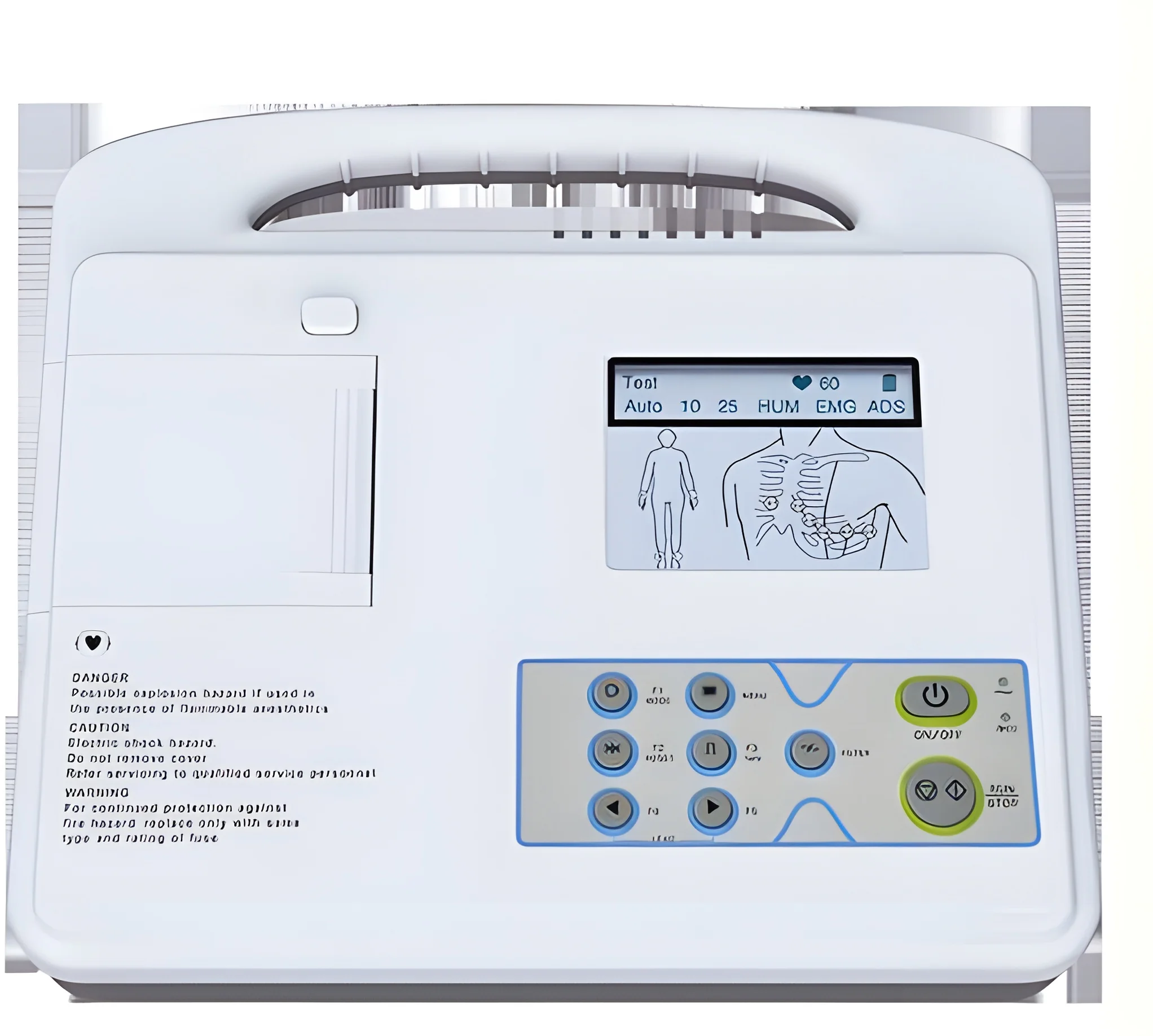
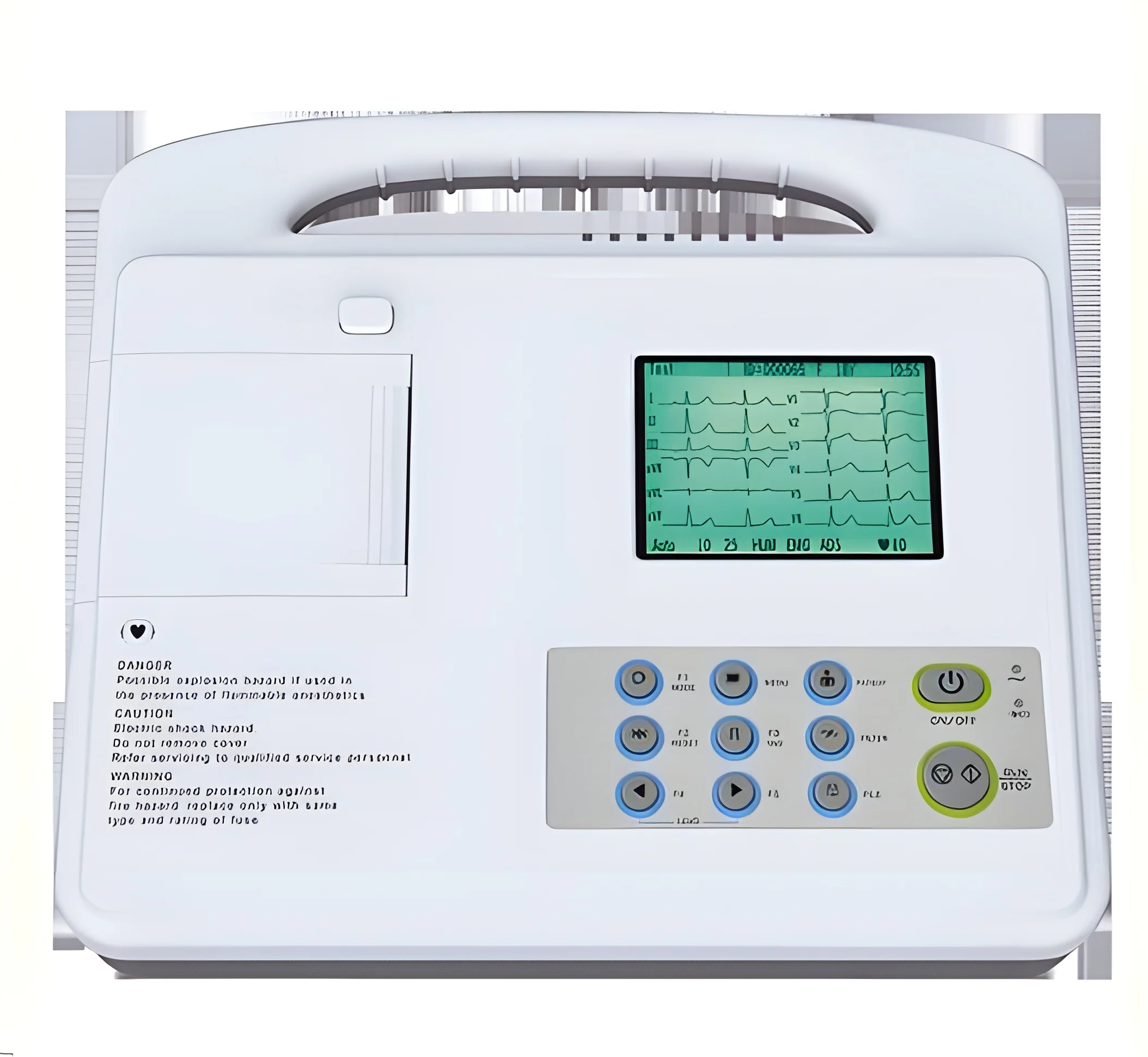
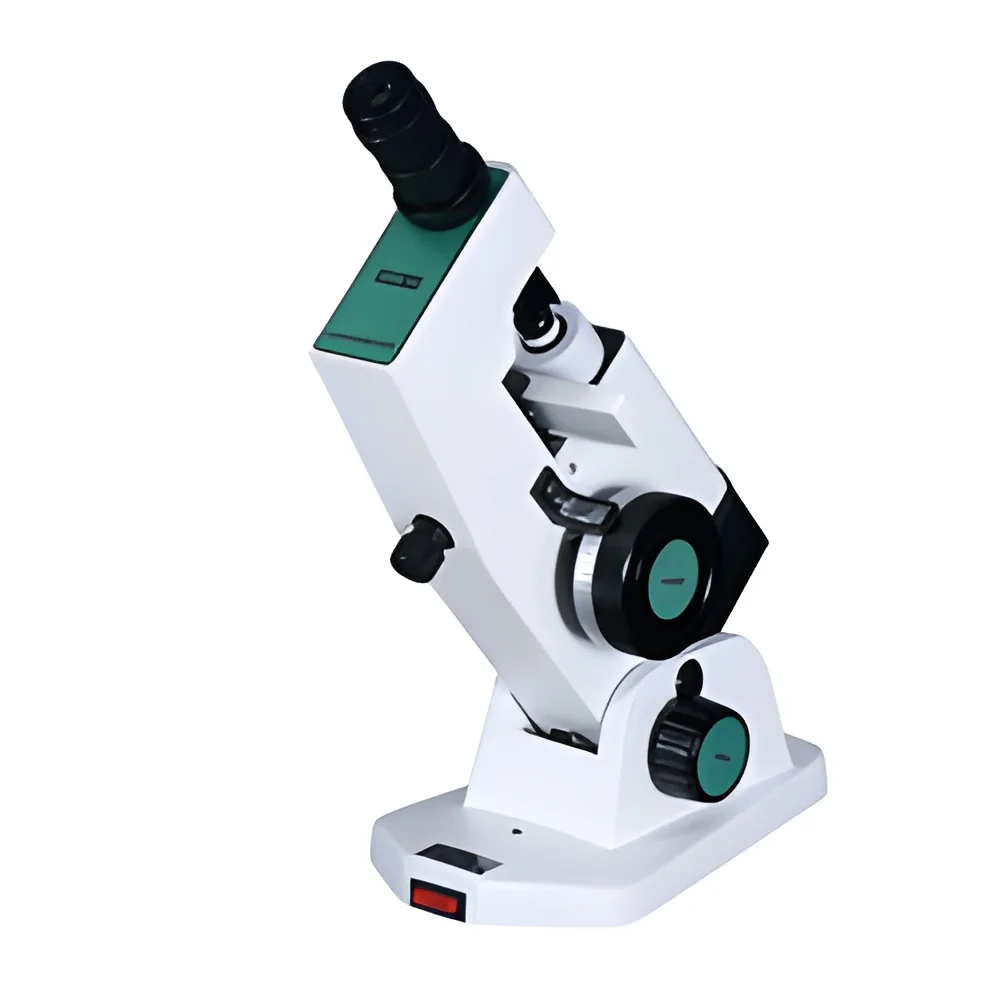
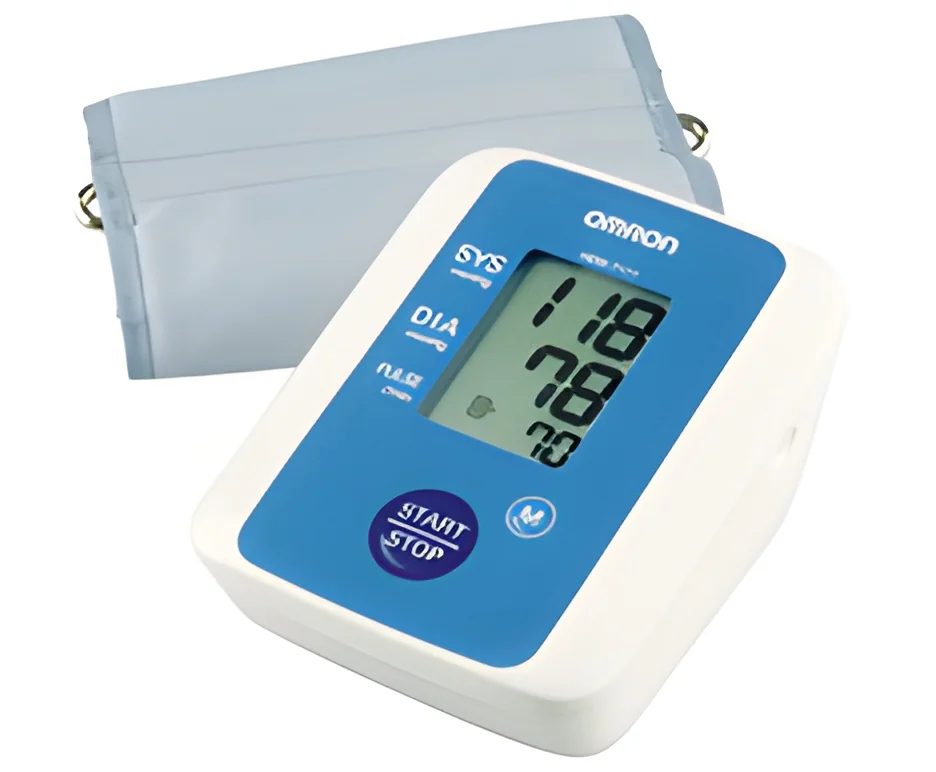
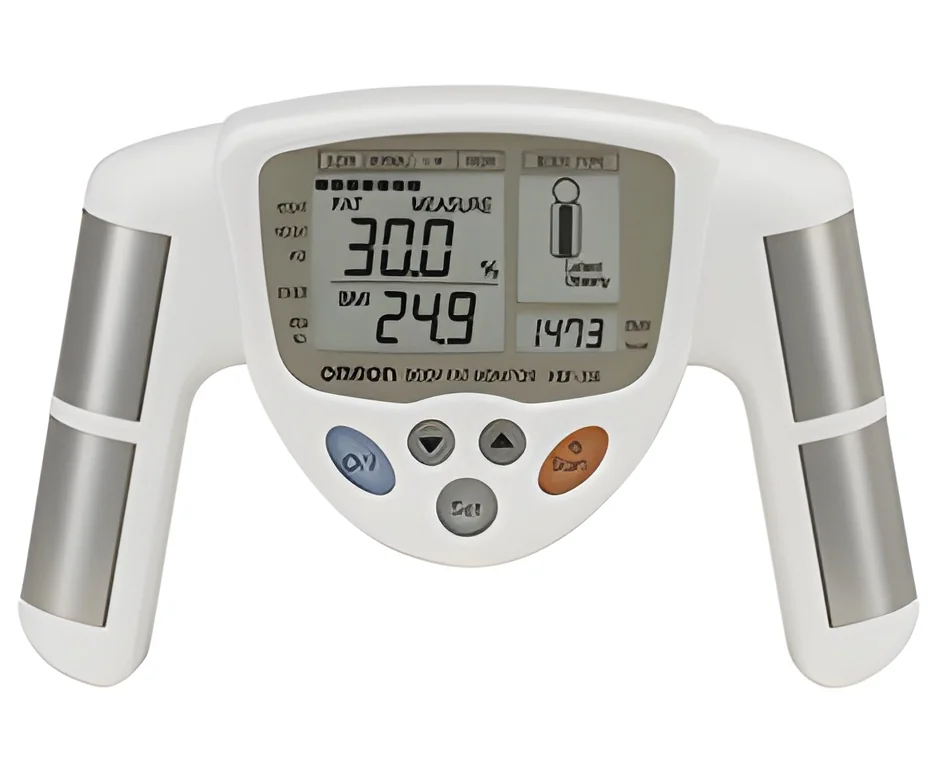
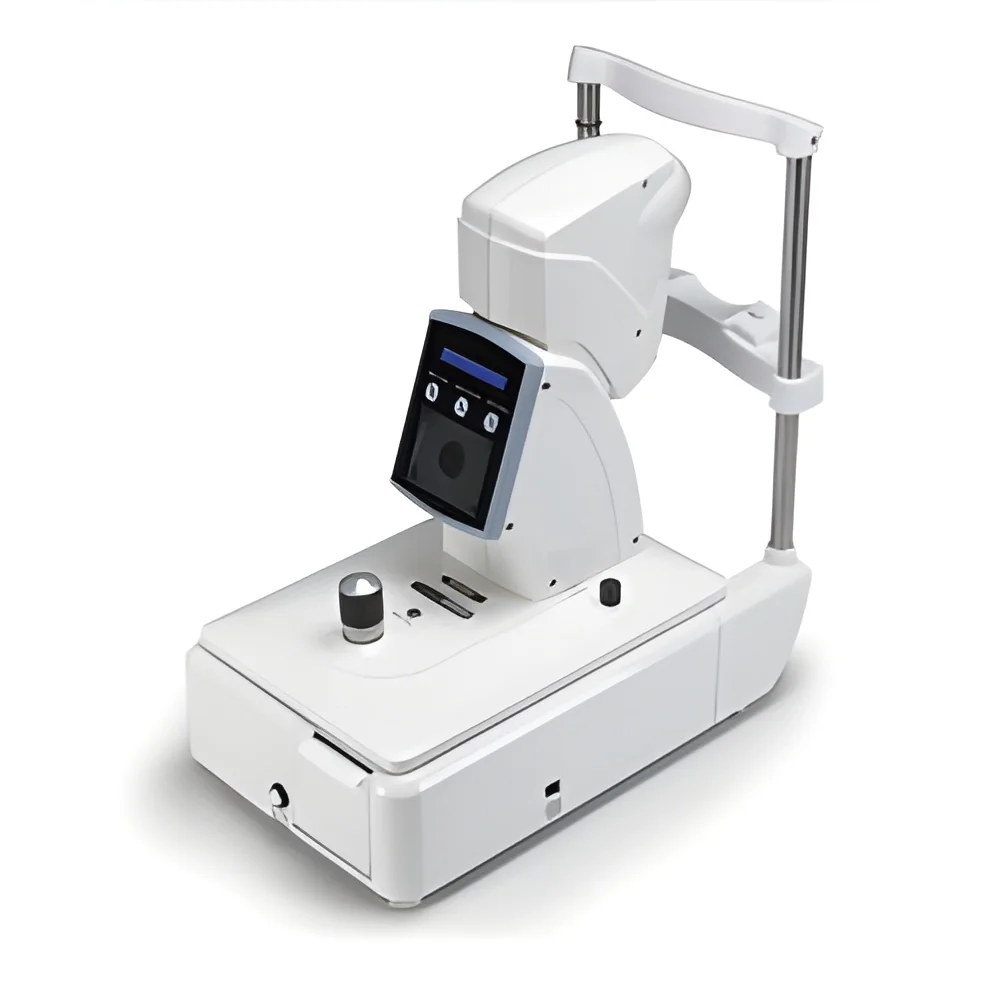
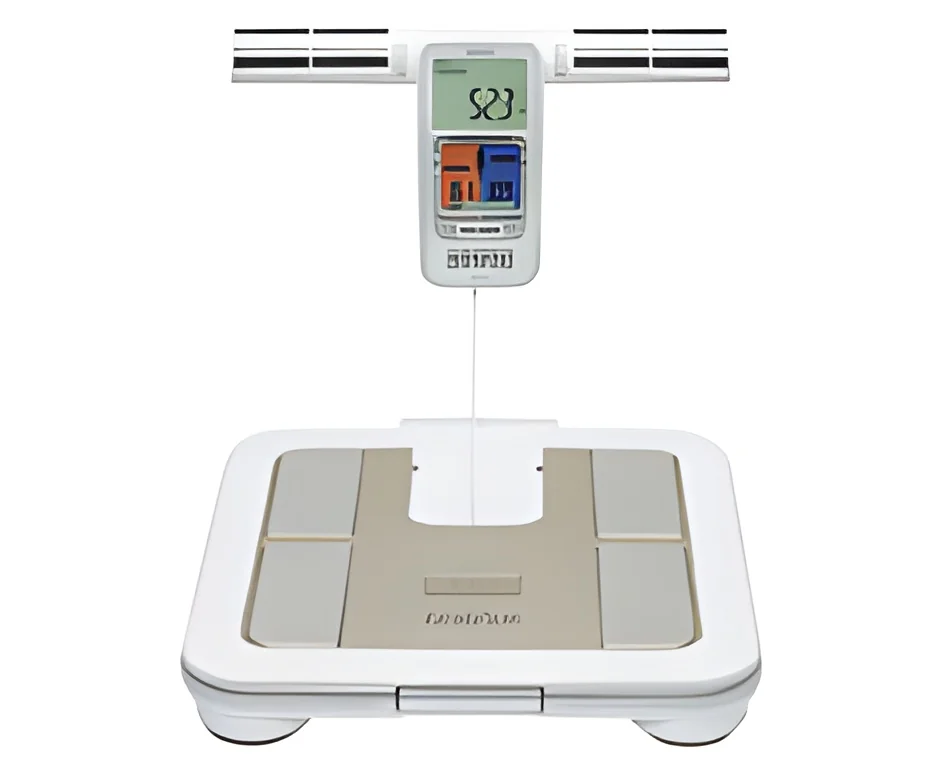
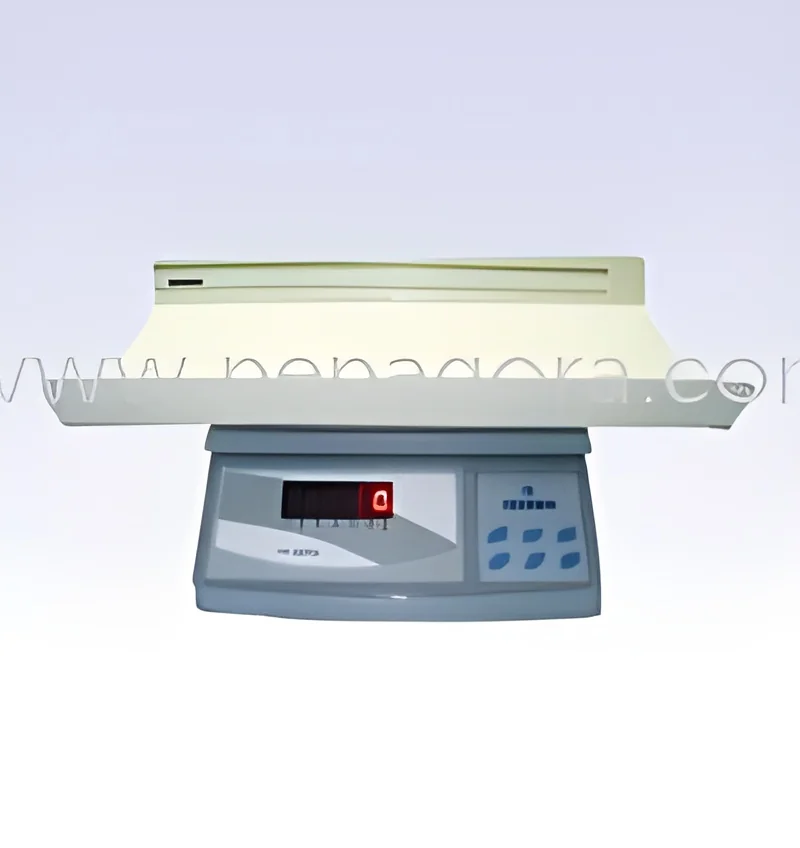
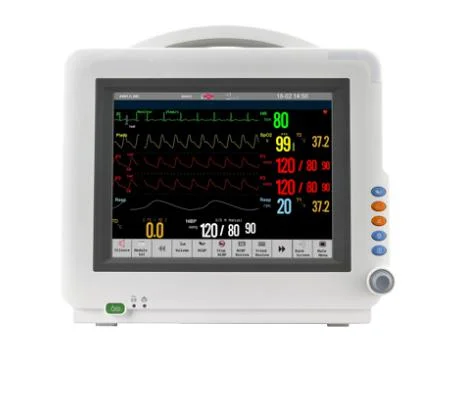
Medical Monitoring Devices: These devices are used in clinical settings and offer more advanced monitoring capabilities. They can measure vital signs such as blood pressure, oxygen saturation, and ECG readings, providing healthcare professionals with critical data.
Mobile Health Applications: Many health monitoring devices integrate with mobile applications that allow users to track their health metrics, set goals, and receive personalized health advice.
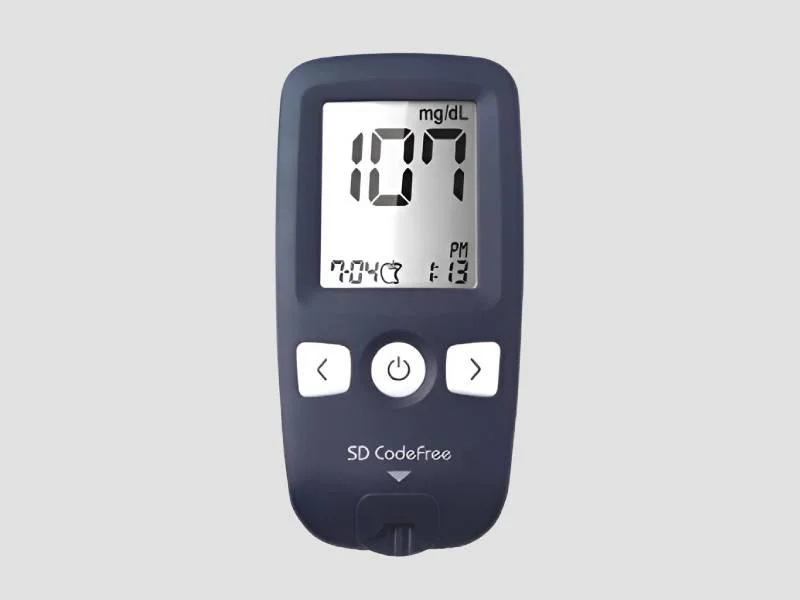
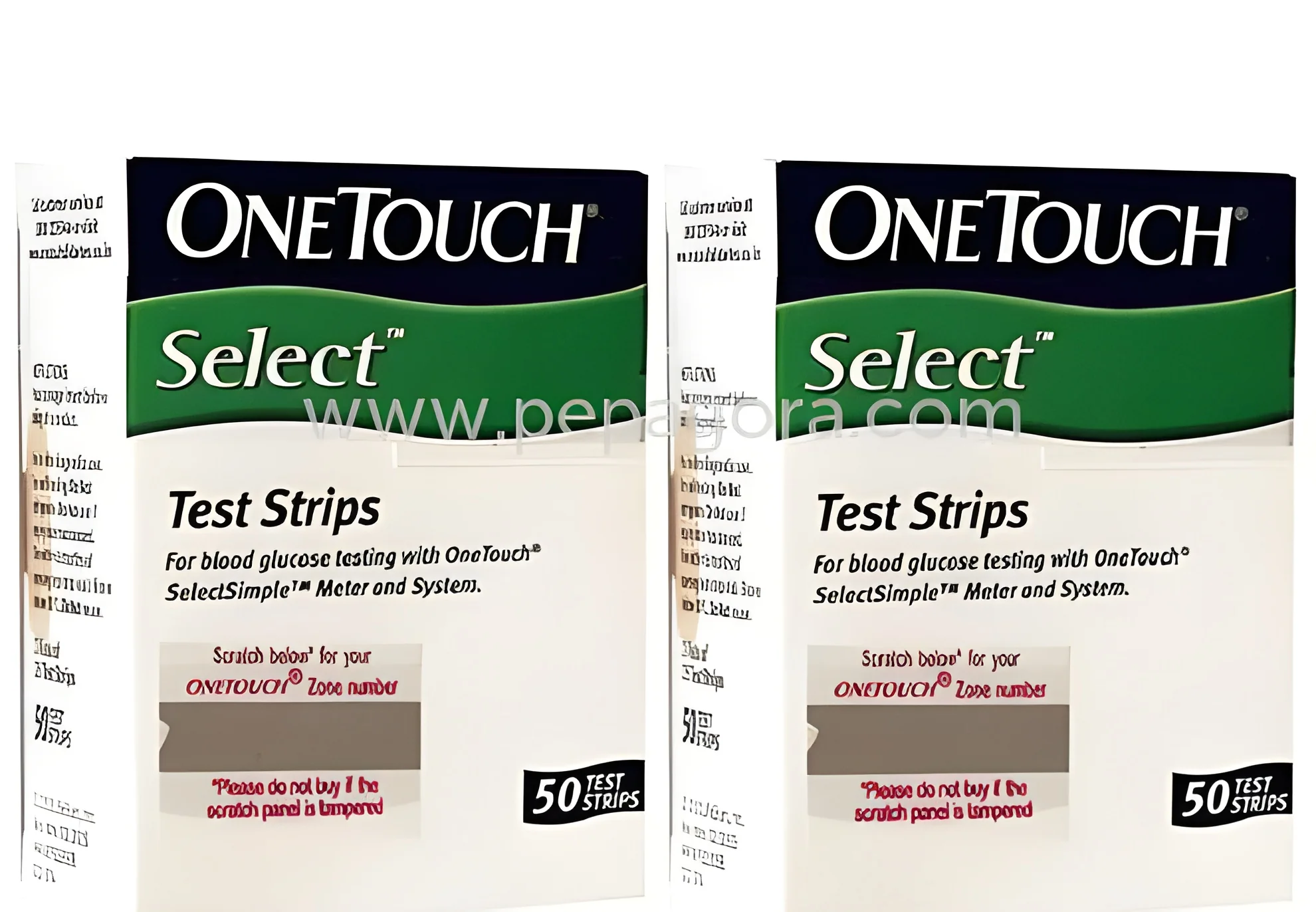
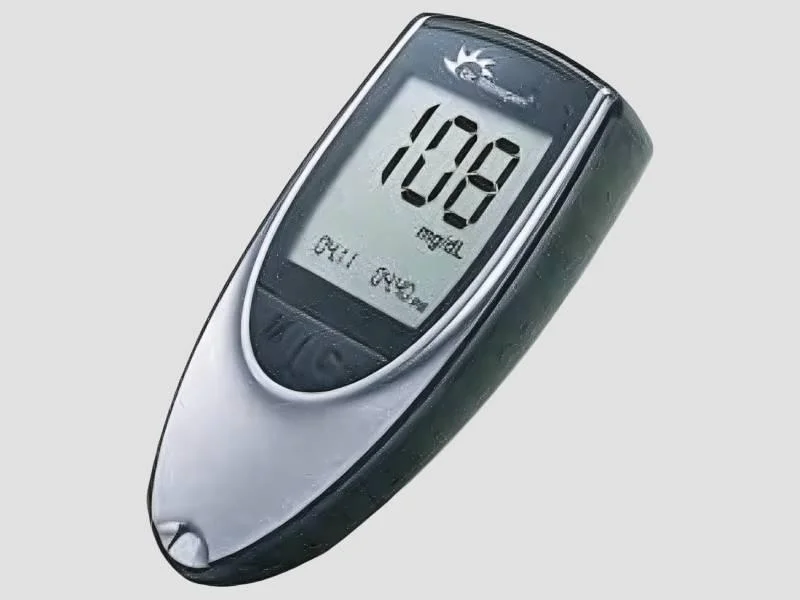
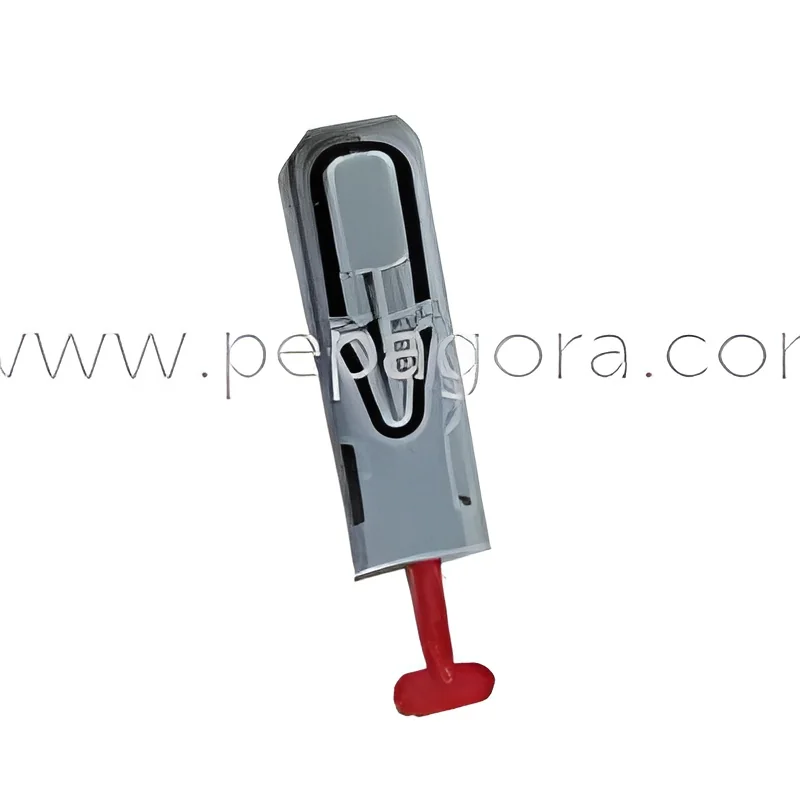
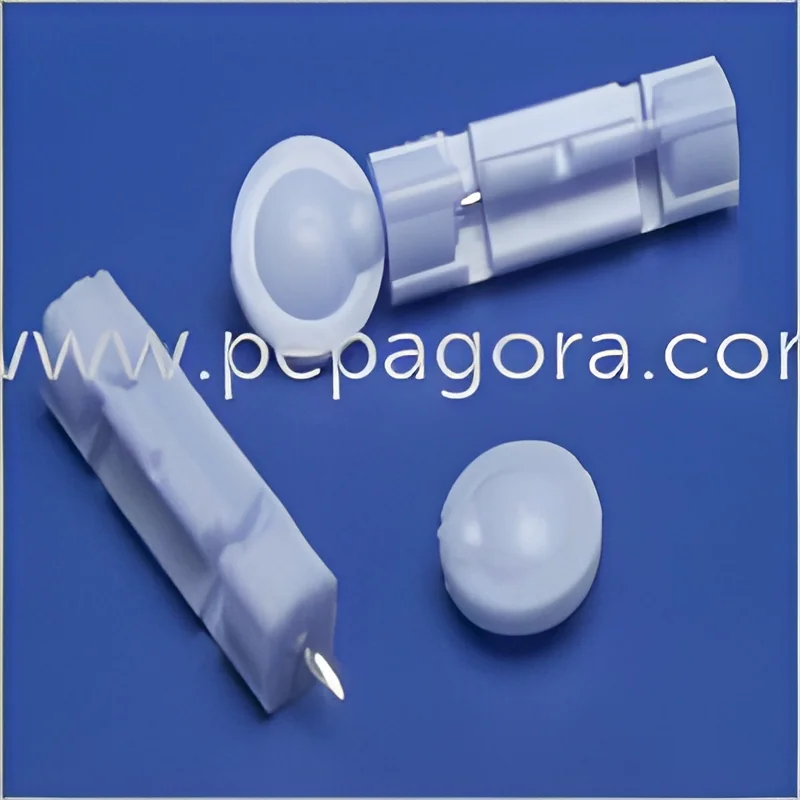
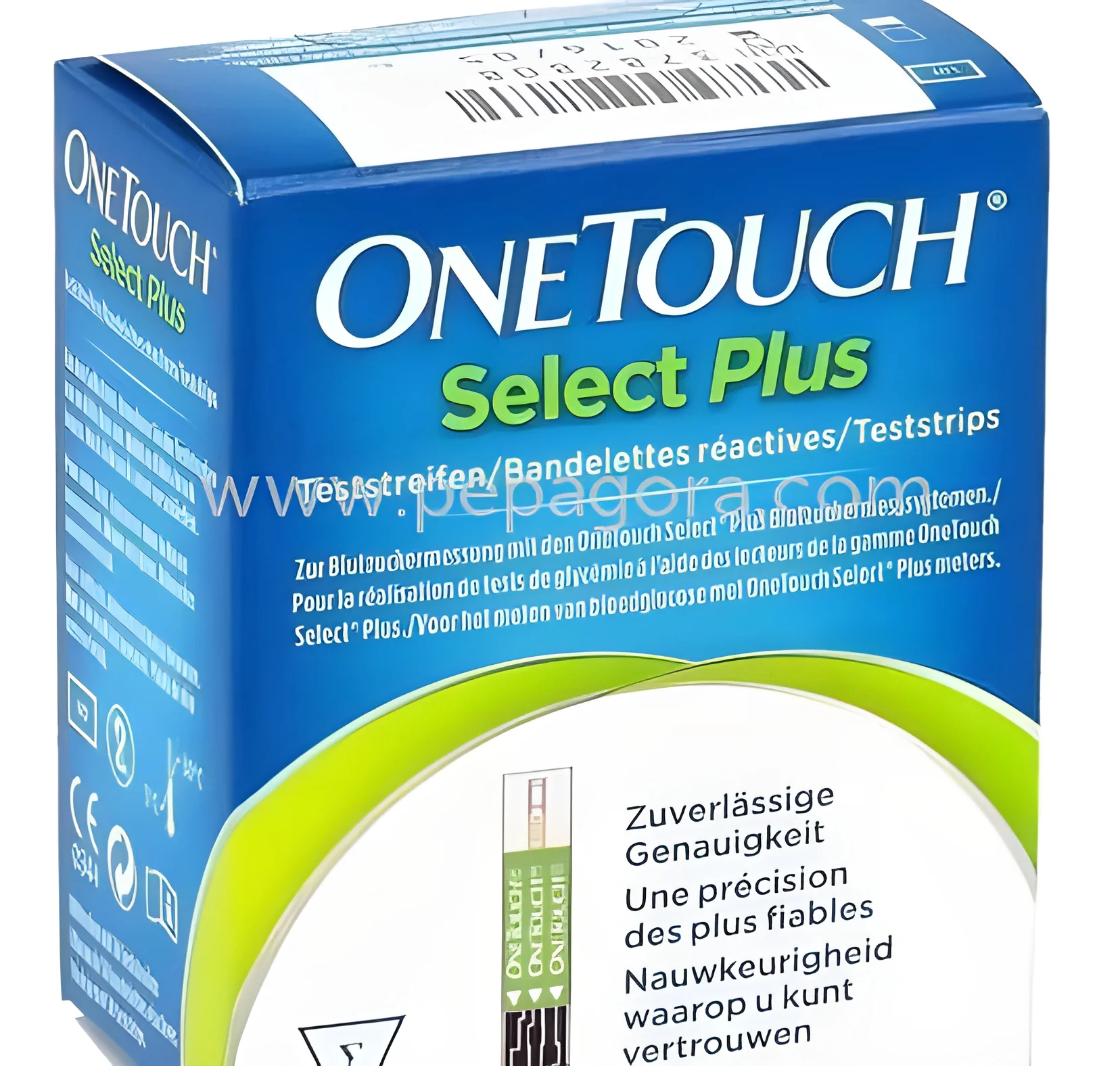
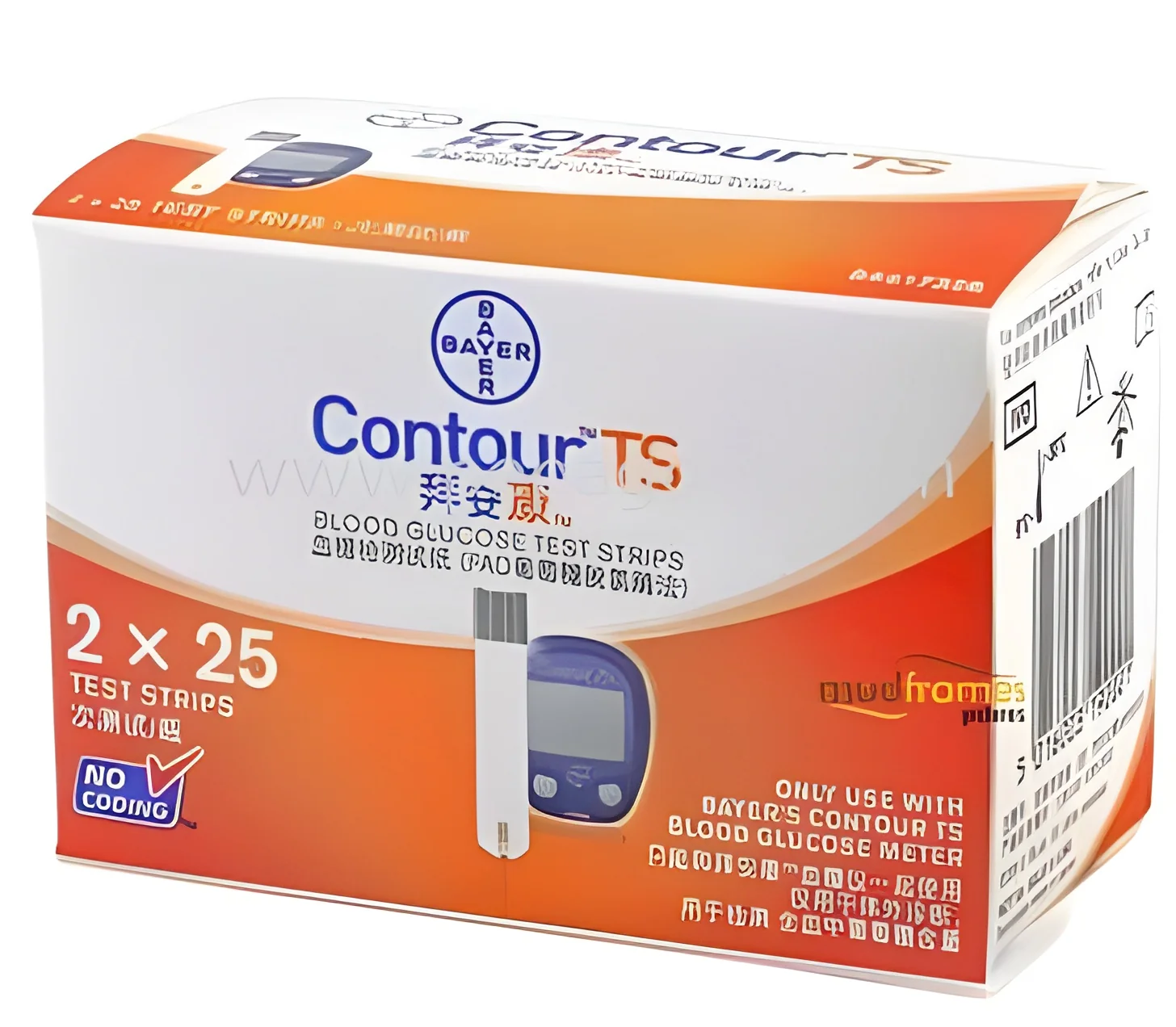
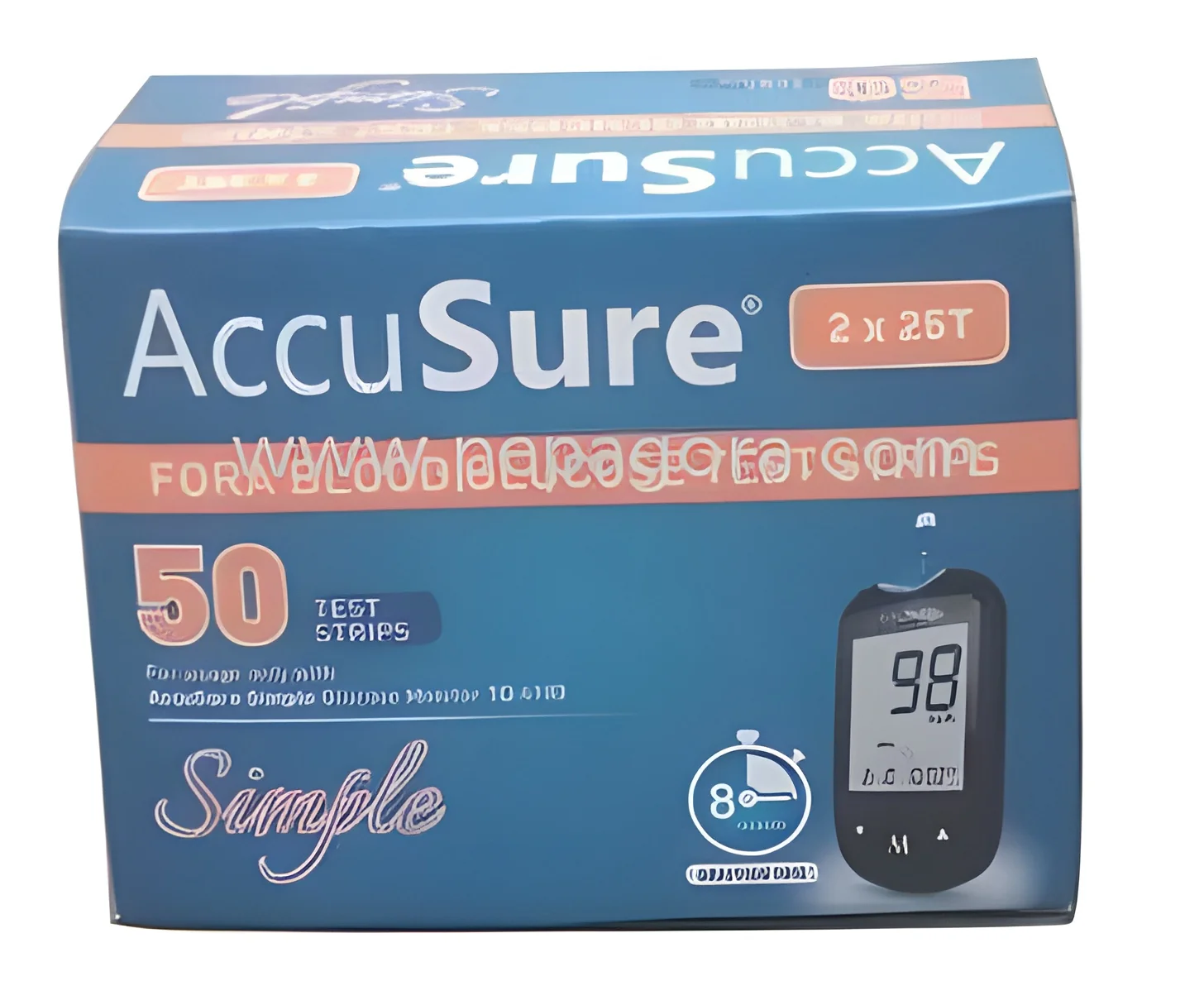
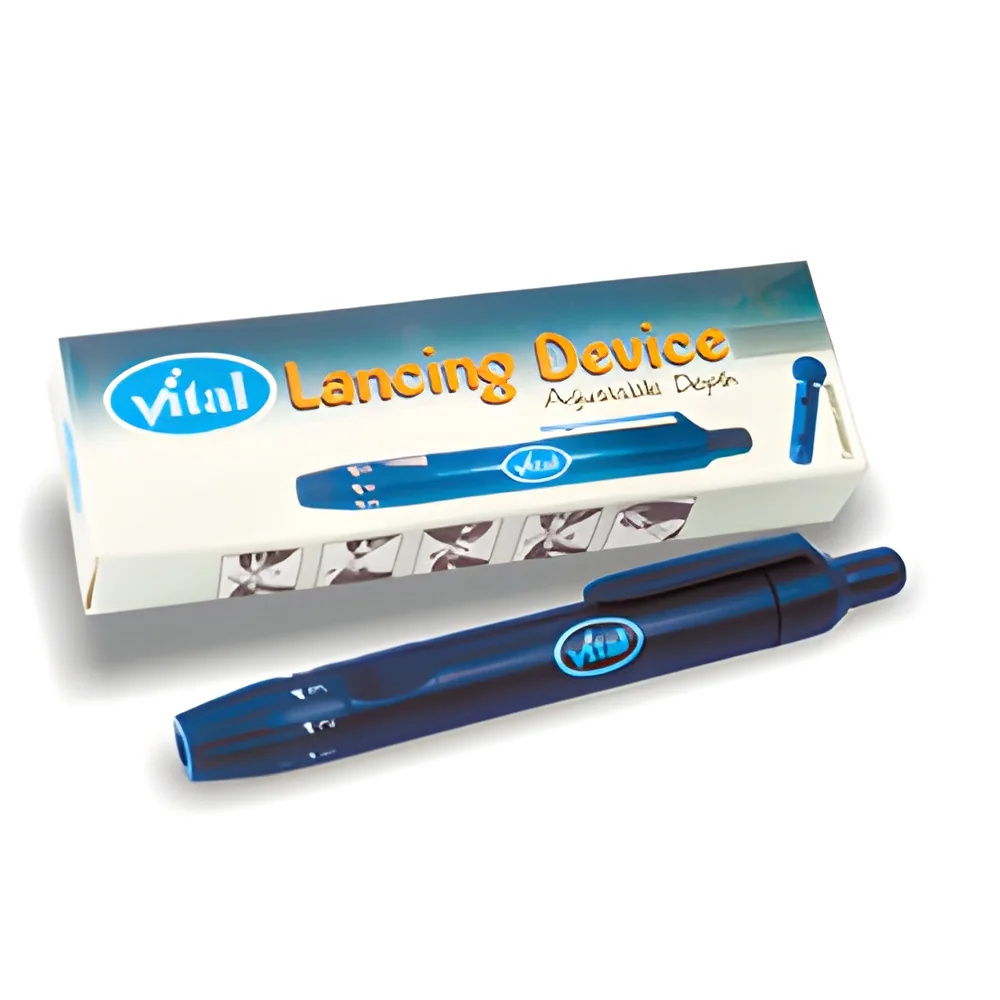
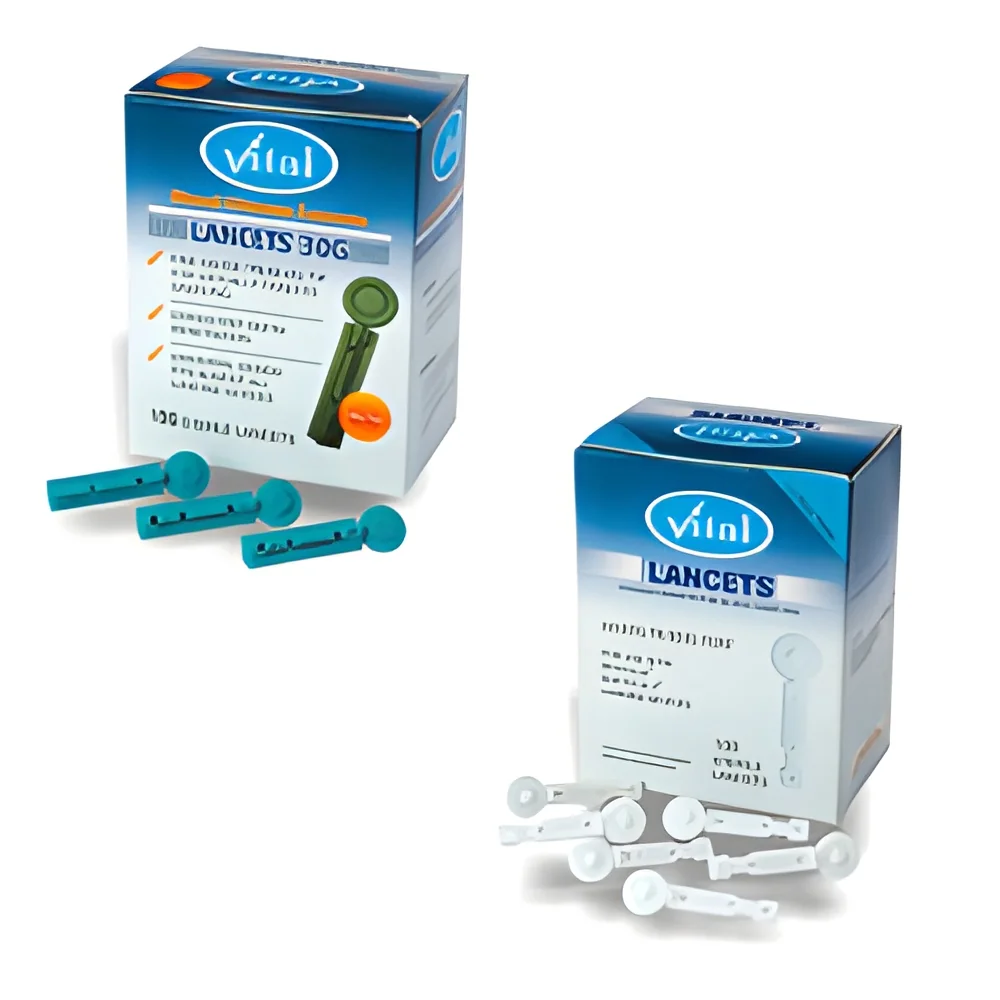
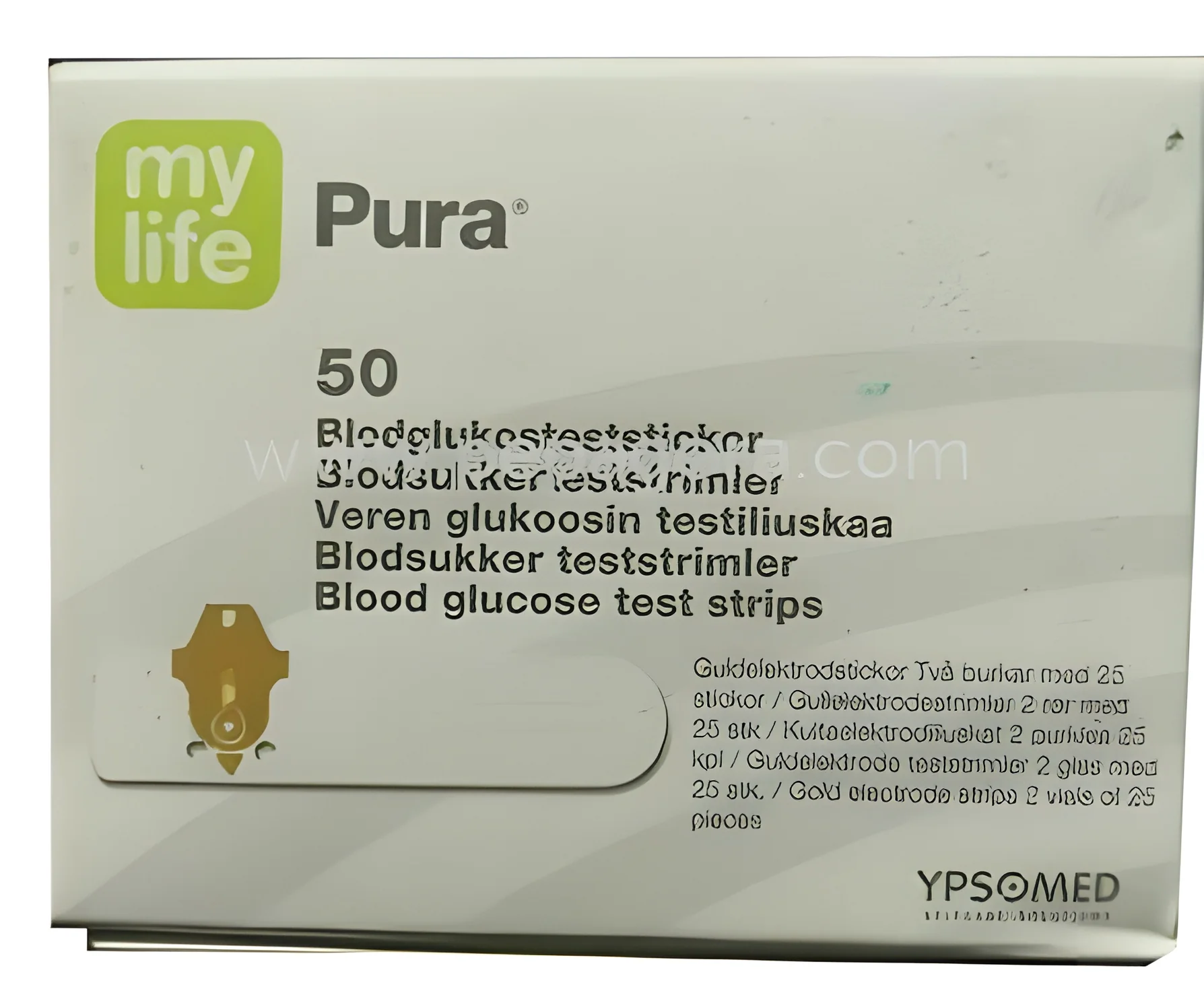
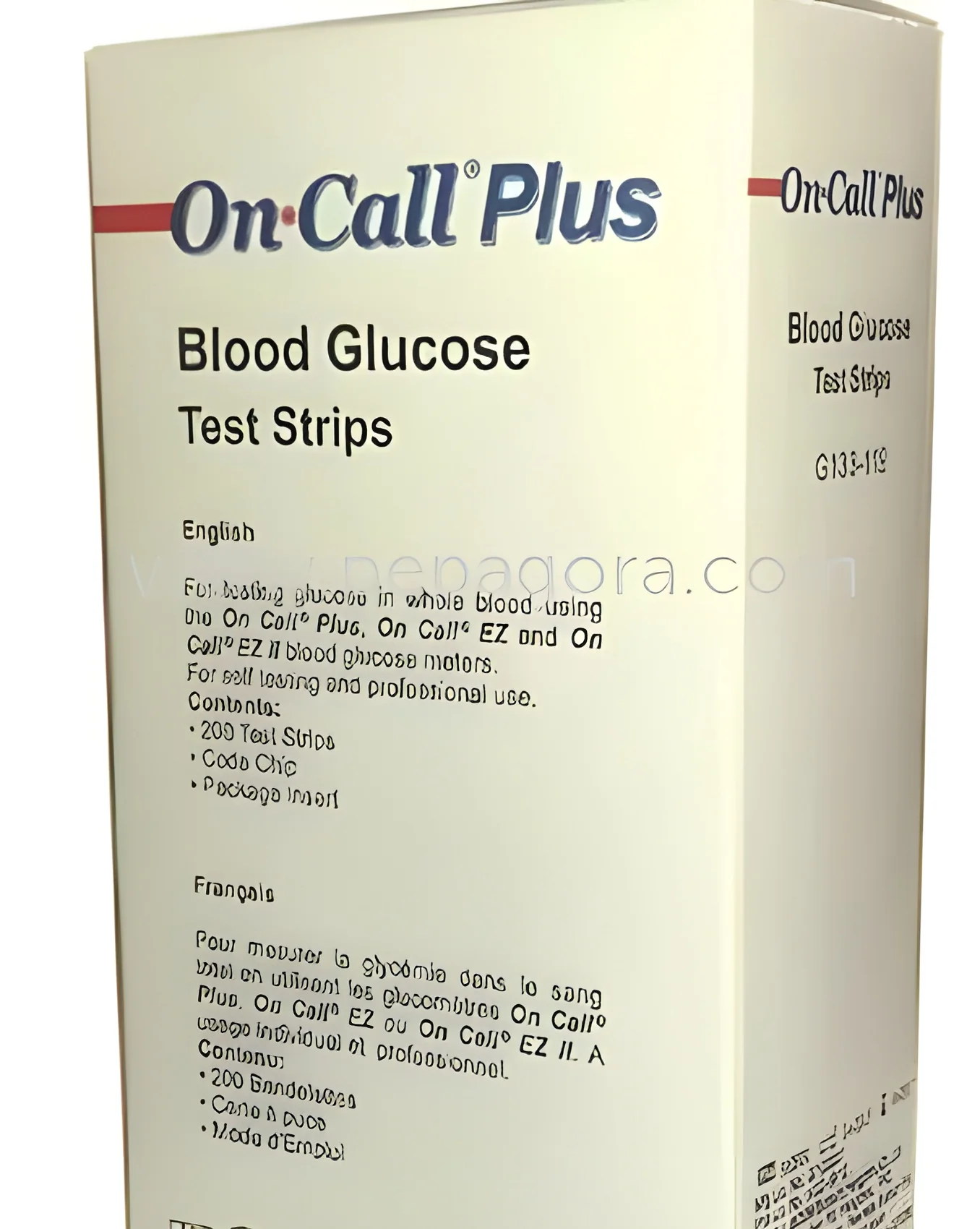
Home Health Monitoring Kits: These kits are designed for patients to use at home, often including devices for measuring blood glucose, blood pressure, and other essential health indicators.
𝗕𝗲𝗻𝗲𝗳𝗶𝘁𝘀 𝗮𝗻𝗱 𝗔𝗱𝘃𝗮𝗻𝘁𝗮𝗴𝗲𝘀
Health monitoring devices offer numerous benefits that enhance health management and improve patient outcomes.
1. Enhanced Patient Engagement: By providing users with real-time health data, these devices encourage proactive health management and lifestyle adjustments.
2. Improved Health Outcomes: Continuous monitoring allows for early detection of potential health issues, leading to timely medical interventions and better overall health.
3. Cost-Effective Solutions: Remote monitoring reduces the need for in-person visits, saving both time and healthcare costs for patients and providers.
4. Increased Efficiency: Healthcare professionals can monitor multiple patients simultaneously, optimizing resource allocation and improving care delivery.
5. Customizable Health Insights: Users can tailor device settings to meet their specific health goals, resulting in a more personalized health management experience.
6. Accessibility: Health monitoring devices make health tracking accessible to individuals regardless of their location, promoting health equity.
𝗕𝘂𝘆𝗶𝗻𝗴 𝗚𝘂𝗶𝗱𝗲 𝗳𝗼𝗿 𝗕𝟮𝗕 𝗕𝘂𝘆𝗲𝗿𝘀
When sourcing health monitoring devices, it is essential to consider several key factors to ensure quality and reliability.
1. Quality Assessment: Evaluate the quality of devices based on industry standards and customer reviews. Look for certifications that validate the device's performance and safety.
2. Supplier Verification: Conduct thorough research to vet suppliers. Check their reputation, customer service, and experience in the industry to ensure reliability.
3. Pricing and MOQ: Understand the pricing structure and minimum order quantities (MOQ) required by suppliers. This will help in budgeting and planning for procurement.
4. Delivery and Lead Times: Inquire about logistics and lead times for delivery. Timely access to devices is crucial for maintaining health monitoring programs.
5. Compliance Requirements: Ensure that the devices meet regulatory requirements relevant to your region, including safety and quality certifications.
𝗖𝗼𝗺𝗽𝗹𝗶𝗮𝗻𝗰𝗲 𝗮𝗻𝗱 𝗖𝗲𝗿𝘁𝗶𝗳𝗶𝗰𝗮𝘁𝗶𝗼𝗻𝘀
Health monitoring devices must adhere to various compliance standards to ensure their safety, efficacy, and reliability in the market. ISO 9001 is a widely recognized quality management standard that applies to manufacturers of health monitoring devices. Compliance with this standard demonstrates a commitment to quality and continuous improvement in product offerings.
In addition to ISO standards, industry certifications such as CE mark indicate that the device meets European health and safety regulations. This certification is crucial for devices intended for use in the European market, ensuring they comply with stringent safety and performance standards.
Safety and testing requirements further encompass a range of protocols to ensure that devices function correctly and pose no risk to users. Rigorous testing is essential to validate device performance and reliability.
Regional compliance considerations also play a significant role. Different regions may have specific regulations that manufacturers must adhere to, ensuring that health monitoring devices are safe and effective for local populations.
𝗪𝗵𝘆 𝗦𝗼𝘂𝗿𝗰𝗲 𝗛𝗲𝗮𝗹𝘁𝗵 𝗠𝗼𝗻𝗶𝘁𝗼𝗿𝗶𝗻𝗴 𝗗𝗲𝘃𝗶𝗰𝗲𝘀 𝗳𝗿𝗼𝗺 𝗣𝗲𝗽𝗮𝗴𝗼𝗿𝗮?
Pepagora offers a trusted platform for sourcing health monitoring devices, equipped with several key advantages tailored to meet the needs of B2B buyers.
Verified Supplier Network: Pepagora features a comprehensive network of verified suppliers, ensuring that buyers have access to reliable manufacturers who meet stringent quality standards.
Streamlined RFQ Process: The platform facilitates an efficient request for quotation (RFQ) process, allowing buyers to receive competitive quotes from multiple suppliers quickly. This efficiency helps in making informed purchasing decisions.
Trade Assurance and Support: Buyers benefit from trade assurance services that protect their investments. Pepagora provides support throughout the procurement process, ensuring smooth transactions and satisfactory outcomes.
Regional Coverage: With a strong presence in regions such as India, the Gulf Cooperation Council (GCC), and Southeast Asia, Pepagora connects buyers with suppliers across diverse markets. This regional coverage enhances accessibility to a broad range of health monitoring devices.
Overall, Pepagora stands out as a valuable resource for businesses seeking health monitoring devices, offering a blend of quality, support, and extensive supplier options.

 IN
IN