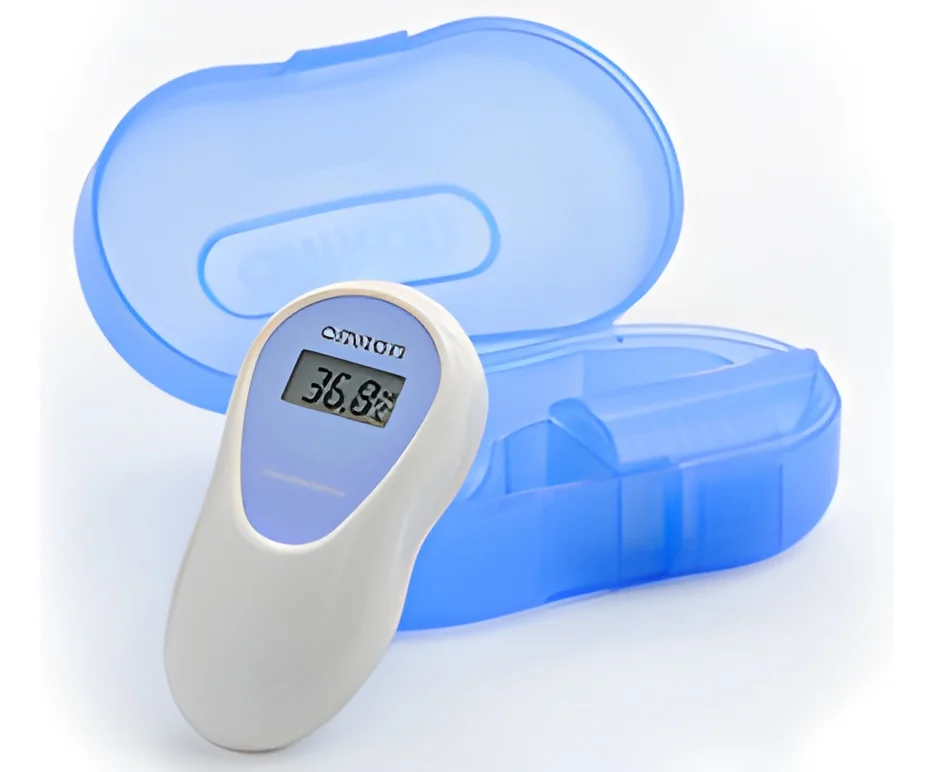
What are Digital Thermometers?
Digital thermometers are electronic devices used to measure temperature with precision and speed. Unlike traditional mercury thermometers, digital thermometers provide a digital readout, making it easier for users to obtain accurate temperature readings quickly. They are equipped with sensors that detect temperature changes, translating them into a numerical display. This advancement in technology has made digital thermometers a preferred choice across various industries.
The primary uses of digital thermometers include monitoring temperature in healthcare settings, food safety, and industrial processes. In healthcare, they are commonly utilized to check patients' body temperatures, while in the food industry, they ensure proper cooking temperatures to prevent foodborne illnesses. Additionally, these devices are crucial in manufacturing and laboratory environments, where precise temperature measurements can impact product quality and compliance.
In the current market, digital thermometers are increasingly relevant due to the growing emphasis on accuracy and speed in temperature measurement. Industries are adopting these devices due to their reliability and ease of use. The demand for digital thermometers is on the rise as businesses seek to enhance operational efficiency and ensure compliance with safety standards.
Key Features and Specifications
Digital thermometers come with various features designed to enhance usability and accuracy. Understanding these specifications is vital for businesses looking to invest in reliable temperature measurement tools.
Key specifications include:
1. Temperature Measurement Range
- Digital thermometers typically measure temperatures from -50°C to 300°C.
- Some models may offer extended ranges for specialized applications.
2. Response Time
- Many digital thermometers provide readings in under 10 seconds.
- Quick response times are essential for efficient monitoring in fast-paced environments.
3. Accuracy
- Most digital thermometers have an accuracy of ±0.1°C to ±0.5°C.
- High accuracy is crucial for applications requiring precise temperature control.
4. Display Type
- Digital displays are standard, with some models featuring backlit screens for visibility in low-light conditions.
- Clear displays facilitate easy reading of temperature data.
5. Power Source
- Many digital thermometers are battery-operated, with some models offering rechargeable options.
- Battery life can vary, typically lasting from several months to a few years, depending on usage.
6. Calibration
- Some digital thermometers come with built-in calibration features for maintaining accuracy.
- Regular calibration is necessary to ensure consistent performance.
7. Portability
- Compact designs make many digital thermometers easy to transport.
- Portability is vital for on-site measurements in various industries.
In summary, understanding the key features and specifications of digital thermometers is essential for making informed purchasing decisions. These specifications not only impact the device's performance but also its suitability for specific applications.
Common Applications and Use Cases
Digital thermometers serve various industries with their flexibility and accuracy.
1. Healthcare: In medical settings, digital thermometers are used to monitor patients' body temperatures during examinations and treatment. They help in quickly identifying fever or hypothermia, which are crucial for patient care.
2. Food and Beverage: In the food industry, these thermometers are employed to ensure that food is cooked to safe temperatures. They help prevent foodborne illnesses by verifying that food reaches the required internal temperature during cooking.
3. Manufacturing: In manufacturing environments, digital thermometers are used to monitor temperatures in processes that require precise thermal control. This ensures product quality and adherence to safety standards.
4. Laboratories: In laboratory settings, digital thermometers are essential for experiments where temperature accuracy is crucial. They are used to monitor the temperature of samples and reagents.
5. HVAC: In heating, ventilation, and air conditioning applications, digital thermometers help technicians assess system performance by measuring air and surface temperatures.
6. Automotive: In the automotive industry, these devices are used to monitor engine temperatures and ensure optimal performance during testing and maintenance.
7. Agricultural: In agriculture, digital thermometers help monitor soil temperatures and environmental conditions, which can affect crop growth and yield.
Product Variants and Subcategories
Digital thermometers come in various types to meet specific needs across different industries.
Infrared Thermometers
Infrared thermometers allow for non-contact temperature measurement, making them ideal for scanning temperatures from a distance. They are widely used in food safety and healthcare to minimize cross-contamination and ensure quick assessments.
Clinical Thermometers
Clinical thermometers are specifically designed for medical use. They provide accurate body temperature readings and often have features like fever alerts and memory functions for tracking temperatures over time.
Industrial Thermometers
Industrial thermometers are built to withstand harsh environments. They are used in manufacturing and laboratory applications, offering enhanced durability and accuracy for critical temperature measurements.
Benefits and Advantages
Digital thermometers offer numerous benefits that enhance their appeal for businesses.
1. Speed: Digital thermometers provide quick readings, allowing for immediate decision-making in various applications.
2. Accuracy: With advanced technology, these devices deliver precise temperature measurements, reducing the risk of errors.
3. Ease of Use: Digital displays and simple operation make these thermometers user-friendly, even for those without technical expertise.
4. Versatility: Digital thermometers can be used across multiple industries, making them a valuable tool for various applications.
5. Minimal Maintenance: Many digital thermometers require little maintenance, with features like automatic shut-off to prolong battery life.
6. Data Logging: Some advanced models offer data logging capabilities, allowing users to track temperature changes over time for compliance and analysis.
Buying Guide for B2B Buyers
When sourcing digital thermometers, businesses should consider several key factors to ensure they select the right product.
1. Quality Assessment: Evaluate the thermometer’s construction and reliability. Products should meet industry standards to ensure durability and performance.
2. Supplier Verification: Conduct thorough checks on potential suppliers. Ensure they have a reputation for quality and a history of providing reliable products.
3. Pricing and MOQ: Consider the price range of digital thermometers and minimum order quantities. Balance cost with quality to find the best value for your needs.
4. Delivery and Lead Times: Assess suppliers' logistics capabilities. Ensure they can meet your delivery requirements and provide timely shipments.
5. Compliance Requirements: Confirm that the thermometers comply with relevant regulations and standards in your industry, such as CE certification.
Compliance and Certifications
Digital thermometers must adhere to several quality standards and certifications to ensure their reliability and safety.
ISO 9001 is a key standard that outlines quality management principles. Manufacturers of digital thermometers should aim for ISO certification to demonstrate their commitment to quality control.
HACCP, or Hazard Analysis Critical Control Point, is vital in the food industry. Digital thermometers used in food safety must comply with HACCP guidelines to ensure they accurately monitor temperatures critical for safe food handling.
CE certification is required for products sold in the European market. This certification confirms that the thermometer meets essential health and safety requirements.
Additionally, safety and testing requirements must be met to ensure devices function correctly under various conditions. Regional compliance considerations may vary, so it is crucial for businesses to verify local regulations and standards.
Why Source Digital Thermometers from Pepagora?
Pepagora provides a trusted platform for sourcing digital thermometers, offering several key advantages for businesses looking for reliable temperature measurement solutions.
Verified Supplier Network: Pepagora features a robust network of verified suppliers. Each supplier undergoes a rigorous vetting process to ensure they meet quality and reliability standards.
Streamlined RFQ Process: The request for quotation process on Pepagora is designed to be efficient. Buyers can quickly obtain competitive quotes from multiple suppliers, simplifying the procurement process.
Trade Assurance and Support: Pepagora offers trade assurance, providing buyers with protection in their transactions. This support builds trust and confidence in sourcing products.
Regional Coverage: With a strong presence in India, the GCC, and Southeast Asia, Pepagora facilitates access to a wide range of suppliers. This regional coverage ensures that businesses can find suitable digital thermometers to meet their specific needs.

 IN
IN