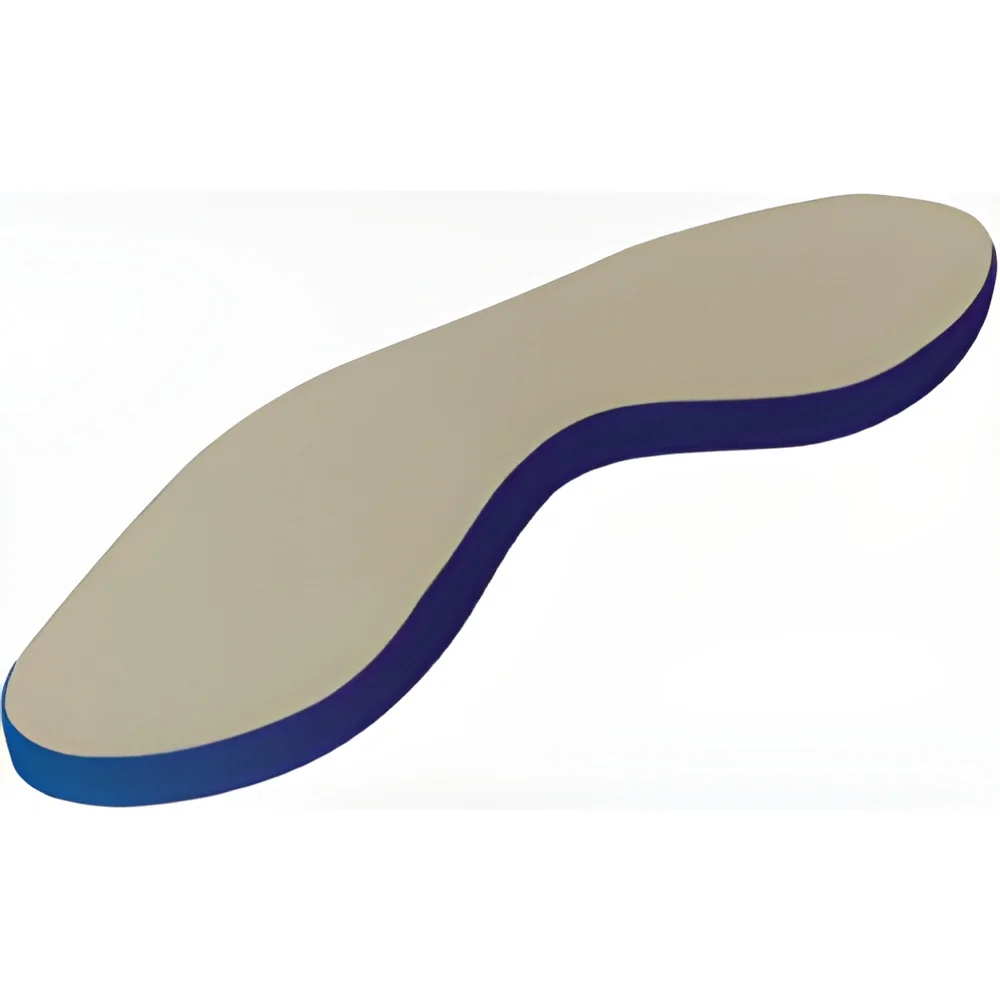
What are Diabetic Foot Monitors?
Diabetic foot monitors are specialized devices designed to assess foot health in individuals with diabetes. These monitors help in detecting issues such as neuropathy, circulation problems, and tissue breakdown, which are critical concerns for diabetic patients. They often utilize advanced technology to provide real-time data about foot conditions, allowing for timely interventions and preventive care.
The primary uses of diabetic foot monitors include consistent monitoring of foot health in clinical settings and at home. Healthcare professionals use these devices to screen patients for complications that may lead to serious conditions, such as ulcers or amputations. In a business context, hospitals, clinics, and home healthcare providers invest in these monitors to enhance patient care and outcomes, ultimately reducing the financial burden of diabetic complications.
In the current market, the demand for diabetic foot monitors is rising due to the increasing prevalence of diabetes globally. With a growing awareness of diabetic complications, healthcare providers are prioritizing foot health management. This trend highlights the importance of diabetic foot monitors in both clinical practice and patient education, making them a relevant product in the healthcare industry.
Key Features and Specifications
Diabetic foot monitors come with several key features and specifications that enhance their functionality and effectiveness. These features ensure accurate assessments and provide reliable data for both patients and healthcare providers.
Key specifications include:
1. Monitoring Features
- Advanced sensors detect pressure, temperature, and blood flow.
- Data transmission capabilities for remote monitoring.
2. User Interface
- Intuitive display for ease of use.
- Options for data logging and patient history tracking.
3. Battery Life
- Long-lasting battery for extended use without frequent charging.
- Rechargeable options available.
4. Size and Portability
- Compact design for easy handling and storage.
- Lightweight for patient mobility.
5. Connectivity
- Bluetooth or Wi-Fi options for data transfer to healthcare providers.
- Compatibility with mobile health applications.
6. Alerts and Notifications
- Real-time alerts for abnormal readings.
- Customizable settings for individual patient needs.
In summary, diabetic foot monitors are equipped with advanced features that facilitate effective monitoring and management of diabetic foot health, ensuring timely interventions and improved patient outcomes.
Common Applications and Use Cases
Diabetic foot monitors have versatile applications across various industries.
1. Healthcare Providers: Hospitals and clinics utilize these monitors to screen patients regularly, allowing for early detection of potential foot complications.
2. Home Healthcare Services: Agencies offering at-home care use diabetic foot monitors to provide continuous monitoring, improving patient comfort and reducing hospital visits.
3. Podiatry Clinics: Specialists in foot health rely on these devices to assess diabetic patients, enabling targeted treatment plans.
4. Rehabilitation Centers: Facilities focused on recovery can integrate these monitors into their programs for patients with diabetes, ensuring comprehensive care.
5. Research Institutions: Researchers use diabetic foot monitors to gather data for studies on diabetes-related complications, contributing to medical advancements.
In conclusion, the applicability of diabetic foot monitors extends across various sectors, enhancing diabetes management and patient care.
Product Variants and Subcategories
Diabetic foot monitors may vary in features and functionalities to cater to different user needs.
Wireless Diabetic Foot Monitors
These monitors allow for remote data transmission to healthcare providers, making it easier to track patient progress without requiring frequent visits.
Handheld Diabetic Foot Monitors
Designed for portability, these devices are suitable for both clinical use and personal monitoring, offering convenience for users on the go.
In summary, the diversity in diabetic foot monitors provides options for various applications, ensuring that users can select a model that best meets their specific requirements.
Benefits and Advantages
Diabetic foot monitors offer several benefits that enhance patient care and operational efficiency.
1. Early Detection: These monitors facilitate timely identification of foot issues, allowing for prompt intervention and reduced complication risks.
2. Enhanced Patient Monitoring: Continuous monitoring provides healthcare professionals with ongoing insights into patient foot health, improving treatment strategies.
3. Increased Patient Engagement: Users can actively participate in their health management, fostering a sense of responsibility and awareness.
4. Cost Savings: By preventing serious complications such as ulcers and amputations, these monitors can significantly reduce healthcare costs.
5. Improved Quality of Life: Regular monitoring leads to better health outcomes, allowing patients to maintain an active lifestyle.
In conclusion, the advantages of diabetic foot monitors make them an essential tool for both patients and healthcare providers in managing diabetes effectively.
Buying Guide for B2B Buyers
When sourcing diabetic foot monitors, it is crucial for B2B buyers to consider various factors to ensure they select the right products for their needs.
1. Quality Assessment: Evaluate the quality of the monitors by checking for compliance with industry standards and manufacturer reputation. Look for devices that have undergone rigorous testing.
2. Supplier Verification: Conduct thorough research on potential suppliers. Assess their credibility, track record, and customer reviews to ensure they provide reliable products.
3. Pricing and MOQ: Understand the pricing structure and minimum order quantities. Compare costs across different suppliers to ensure competitive pricing while maintaining quality.
4. Delivery and Lead Times: Inquire about shipping options and lead times to ensure timely delivery of products. Efficient logistics can significantly impact operational efficiency.
5. Compliance Requirements: Ensure that the monitors comply with relevant regulations and certifications, such as CE marking, to guarantee safety and effectiveness.
In summary, careful consideration of these factors will help B2B buyers make informed decisions when sourcing diabetic foot monitors.
Compliance and Certifications
Compliance and certifications are essential aspects of diabetic foot monitors, ensuring that these devices meet quality and safety standards.
Relevant quality standards such as ISO 9001 and HACCP apply to medical devices, ensuring consistent quality management systems are in place. These certifications indicate that manufacturers prioritize quality in their production processes.
The CE certification is particularly important for diabetic foot monitors sold in European markets. This certification signifies that the product meets EU safety, health, and environmental protection standards.
Safety and testing requirements are also critical. Manufacturers must conduct comprehensive testing to ensure that their devices do not pose risks to users. This includes evaluating the accuracy of monitoring features and the reliability of data transmission.
Regional compliance considerations may vary, so it is essential for buyers to understand local regulations in their markets. This knowledge will help ensure that the monitors they source comply with all necessary guidelines.
Why Source Diabetic Foot Monitors from Pepagora?
Pepagora provides a trusted platform for sourcing diabetic foot monitors, offering several key advantages for B2B buyers.
Verified Supplier Network: Pepagora connects buyers with a network of verified suppliers. Each supplier undergoes a stringent verification process to ensure they meet industry standards, providing peace of mind for buyers.
Streamlined RFQ Process: The platform simplifies the request for quotation process, allowing buyers to easily compare quotes from multiple suppliers. This efficiency saves time and helps in making informed purchasing decisions.
Trade Assurance and Support: Pepagora offers trade assurance, protecting buyers from potential disputes. Their dedicated support team is available to assist with any issues that may arise, ensuring a smooth transaction.
Regional Coverage: With a focus on regions such as India, GCC, and Southeast Asia, Pepagora provides extensive geographical coverage. This reach allows buyers to find suitable suppliers within their local markets, enhancing accessibility and convenience.
In conclusion, choosing Pepagora as a sourcing platform for diabetic foot monitors ensures that buyers benefit from a reliable network, streamlined processes, and comprehensive support, facilitating effective procurement in this critical healthcare sector.

 IN
IN