
 IN
Body Fat Scales & BMI Monitors
6 products available
What are Body Fat Scales & BMI Monitors?
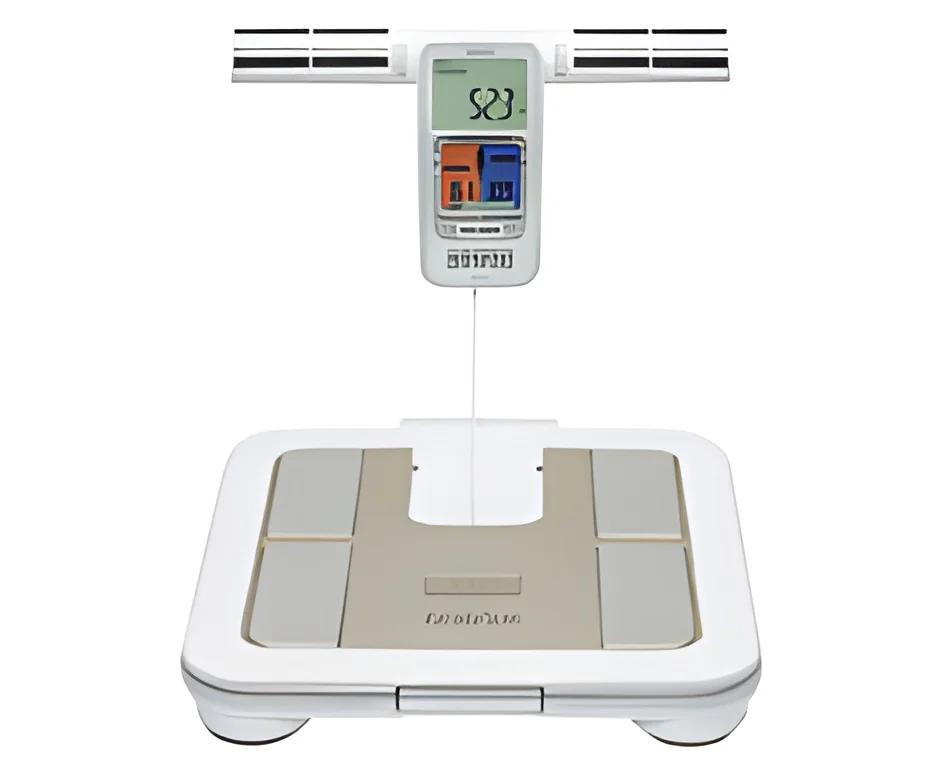
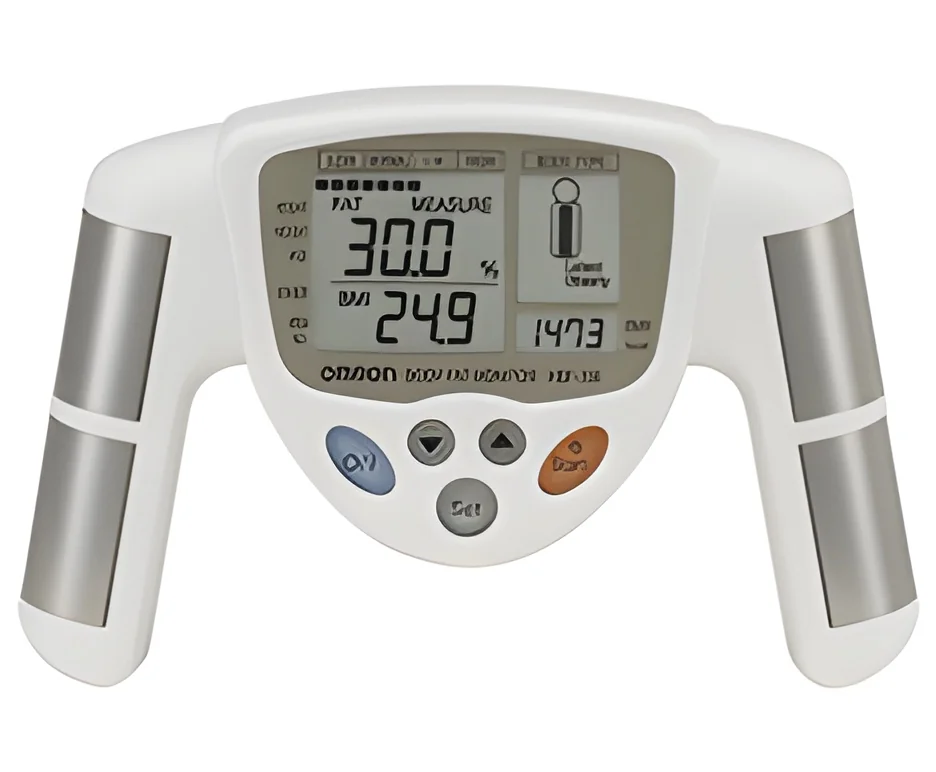
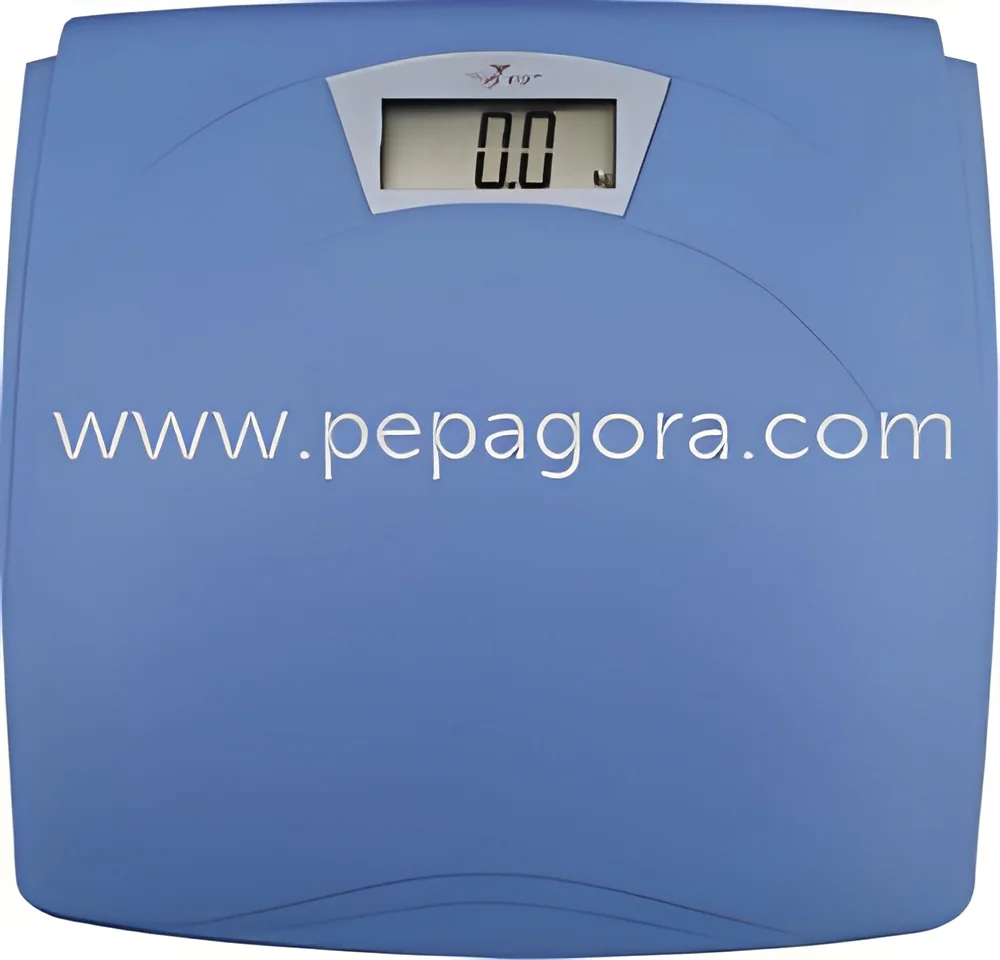
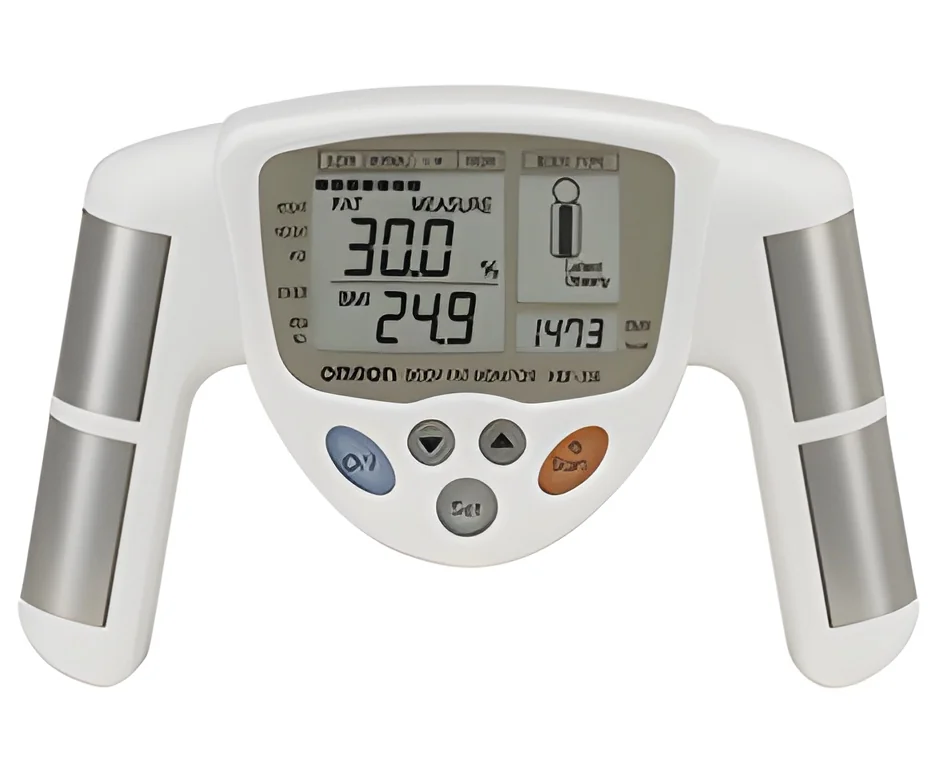
Body fat scales and BMI monitors are essential tools used to assess body composition and overall health. These devices measure not only weight but also body fat percentage and Body Mass Index (BMI). Body fat scales utilize bioelectrical impedance analysis (BIA) to estimate body fat by sending a small electrical current through the body. BMI monitors calculate BMI using weight and height data, providing a quick assessment of whether an individual falls within a healthy weight range.
These products find primary applications in various sectors, including healthcare, fitness, and wellness industries. Health professionals use them to monitor patients' progress in weight management programs, while fitness trainers use them to tailor workout regimens based on clients' body composition. Additionally, wellness centers and corporate health programs leverage these devices to promote healthy lifestyles among employees. As the focus on health and fitness continues to grow, the demand for accurate and reliable body fat scales and BMI monitors is expanding in the market.
Key Features and Specifications
Body fat scales and BMI monitors come equipped with a variety of features designed to enhance user experience and data accuracy. When selecting a product, it is essential to understand the specifications that determine its performance and suitability for specific applications.
Key specifications include:
1. Measurement Method
- Bioelectrical impedance analysis for body fat measurement
- Calculation of BMI based on weight and height
2. Display Type
- LED or LCD screens for clear visibility
- User-friendly interfaces for easy navigation
3. Weight Capacity
- Maximum weight limits typically range from 150 kg to 200 kg
- Suitable for a wide range of users
4. Connectivity Options
- Bluetooth or Wi-Fi connectivity for syncing data to apps
- Compatibility with various health management platforms
5. User Profiles
- Ability to store multiple user profiles
- Customization options for individual goals and tracking
6. Accuracy
- Precision within a margin of ±0.1 kg for weight measurement
- Body fat percentage accuracy typically within ±5%
7. Battery Life
- Long-lasting battery life, often exceeding one year
- Rechargeable options available for convenience
In summary, understanding these features and specifications ensures that businesses select the right body fat scales and BMI monitors that meet their needs.
Common Applications and Use Cases
Body fat scales and BMI monitors are utilized across various industries to support health and wellness initiatives.
1. Healthcare: Medical professionals use these devices to assess patients' body composition as part of routine health check-ups or weight management programs.
2. Fitness: Gyms and personal trainers rely on these scales to track clients' progress and adjust fitness plans accordingly, helping individuals achieve their health goals.
3. Wellness Programs: Corporate wellness initiatives often incorporate body fat scales and BMI monitors to encourage employees to maintain a healthy lifestyle, potentially reducing healthcare costs.
4. Sports: Athletes and coaches use these devices to monitor body composition changes, ensuring optimal performance and recovery strategies.
5. Nutrition: Nutritionists and dieticians utilize the data from these monitors to create personalized dietary plans based on clients’ body measurements.
6. Research: Academic and clinical research studies often include body fat scales and BMI monitors to analyze population health trends and the effectiveness of interventions.
7. Home Use: Consumers increasingly purchase these devices for personal health tracking, providing insights into their body composition and supporting informed lifestyle choices.
Product Variants and Subcategories
Body fat scales and BMI monitors come in various models designed to meet different user needs and preferences.
Basic Body Fat Scales
These scales provide essential measurements such as weight, body fat percentage, and BMI. They are ideal for home use and offer a straightforward way to monitor health without complex features.
Smart Body Fat Scales
These advanced models connect to mobile applications, allowing users to track their data over time. They often include additional features like multi-user profiles and integration with fitness trackers, making them popular among fitness enthusiasts.
Commercial Body Fat Scales
Designed for gyms, clinics, and wellness centers, these scales typically have higher weight capacities and enhanced durability. They often feature advanced measurement technologies and user-friendly interfaces for easy operation in busy environments.
Benefits and Advantages
Body fat scales and BMI monitors offer several advantages that contribute to better health management and decision-making.
1. Accurate Measurements: These devices provide precise data regarding body composition, enabling informed health choices.
2. User-Friendly: Most models are designed for ease of use, with clear displays and simple navigation, making them accessible to a wide audience.
3. Health Monitoring: Regular use of these scales helps track changes in body composition, promoting accountability in health and fitness journeys.
4. Multi-User Support: Many devices accommodate multiple profiles, allowing families or groups to track individual health metrics easily.
5. Integration with Technology: Smart scales can sync data with health apps, providing comprehensive insights and trends over time.
6. Cost-Effective: Compared to traditional health assessments, these devices offer a budget-friendly alternative for monitoring health at home or in professional settings.
Buying Guide for B2B Buyers
When sourcing body fat scales and BMI monitors for business use, several key factors should be considered to ensure the best selection.
1. Quality Assessment: Evaluate the quality of the devices based on customer reviews, brand reputation, and warranty offerings. Ensuring high standards can lead to better performance and user satisfaction.
2. Supplier Verification: Research potential suppliers to confirm their reliability and credibility. Request samples or references to assess the quality of their products before making a bulk purchase.
3. Pricing and MOQ: Consider the price range and minimum order quantities (MOQ) that align with your budget and business needs. Compare different suppliers to find the best value.
4. Delivery and Lead Times: Inquire about logistics and expected delivery times. Timely delivery is crucial for maintaining operational efficiency.
5. Compliance Requirements: Ensure that the products meet necessary compliance and safety regulations, such as CE certification. This guarantees that the devices are safe for use and adhere to industry standards.
Compliance and Certifications
Compliance with industry standards and certifications is vital for body fat scales and BMI monitors, ensuring their reliability and safety.
Relevant quality standards include ISO 9001, which sets criteria for quality management systems, helping ensure consistent quality in manufacturing processes.
Industry certifications like CE mark indicate that the products meet European health, safety, and environmental protection standards.
Manufacturers must also adhere to safety and testing requirements, ensuring the devices are safe for consumer use and function as intended.
Regional compliance considerations may vary depending on the market, necessitating that suppliers understand local regulations to ensure product acceptance and use.
Why Source Body Fat Scales & BMI Monitors from Pepagora?
Pepagora offers an excellent platform for sourcing body fat scales and BMI monitors, providing several advantages to B2B buyers.
Verified Supplier Network: Our platform features a network of verified suppliers, ensuring that buyers can trust the quality and reliability of the products offered.
Streamlined RFQ Process: The request for quotation (RFQ) system simplifies the sourcing process, allowing buyers to receive competitive pricing and product options efficiently.
Trade Assurance and Support: Pepagora provides buyer protection through trade assurance, giving customers peace of mind during transactions and throughout the purchasing process.
Regional Coverage: With a strong presence in India, the GCC, and Southeast Asia, Pepagora can facilitate sourcing in diverse markets, helping businesses find the right products tailored to their regional needs.

Frequently Asked Questions
What are Body Fat Scales & BMI Monitors?
Body Fat Scales & BMI Monitors are electronic devices designed to measure body composition, including body fat percentage and Body Mass Index (BMI). These scales utilize bioelectrical impedance analysis (BIA) or other technologies to provide insights into an individual's health status.
What are the different types of Body Fat Scales & BMI Monitors?
There are primarily two types of Body Fat Scales & BMI Monitors: digital and analog. Digital scales offer more advanced features such as body fat percentage, hydration levels, and memory functions, whereas analog scales typically display weight and may have limited additional metrics.
How do I choose the right Body Fat Scales & BMI Monitors?
Choosing the right Body Fat Scales & BMI Monitors involves considering factors like measurement accuracy, additional features (such as Bluetooth connectivity), user capacity, and the types of measurements provided. Reviewing customer feedback and expert recommendations can also assist in making an informed decision.
What are the standard specifications for Body Fat Scales & BMI Monitors?
Standard specifications for Body Fat Scales & BMI Monitors typically include weight capacity, measurement accuracy, battery type, dimensions, and additional features like Bluetooth or app compatibility. Many models also specify the range of body fat percentage and BMI they can measure.
What is the price range for Body Fat Scales & BMI Monitors?
The price range for Body Fat Scales & BMI Monitors can vary widely based on features and brand, typically ranging from INR 1,500 to INR 10,000. Basic models are usually more affordable, while advanced scales with multiple features tend to be on the higher end.
What quality standards apply to Body Fat Scales & BMI Monitors?
Body Fat Scales & BMI Monitors should comply with relevant safety and accuracy standards set by organizations such as the Bureau of Indian Standards (BIS) or international bodies like ISO. High-quality products often undergo rigorous testing to ensure reliability and user safety.
Where can I find Body Fat Scales & BMI Monitors suppliers in India?
You can find Body Fat Scales & BMI Monitors suppliers in India through online B2B marketplaces, trade shows, and industry directories. Platforms like Pepagora.com can connect you with reputable manufacturers and suppliers who specialize in these products.
Can Body Fat Scales & BMI Monitors be customized?
Yes, many manufacturers offer customization options for Body Fat Scales & BMI Monitors. Custom features may include branding, specific design modifications, or additional functionalities tailored to meet particular customer needs.
What is the typical minimum order quantity for Body Fat Scales & BMI Monitors?
The typical minimum order quantity (MOQ) for Body Fat Scales & BMI Monitors can vary by supplier, but it generally ranges from 50 to 100 units. It's advisable to confirm MOQs directly with suppliers for specific requirements.
What is the typical lead time for Body Fat Scales & BMI Monitors?
The typical lead time for Body Fat Scales & BMI Monitors depends on the supplier and order size, usually ranging from 2 to 6 weeks. Factors such as customization and shipping logistics can also affect the delivery timeframe.
Why Businesses Trust Pepagora
Thousands of companies trust Pepagora to source smarter and sell faster
Expand Your Sales Globally

Source Smarter,Grow Faster
