What are Lancets & Lancing Devices?
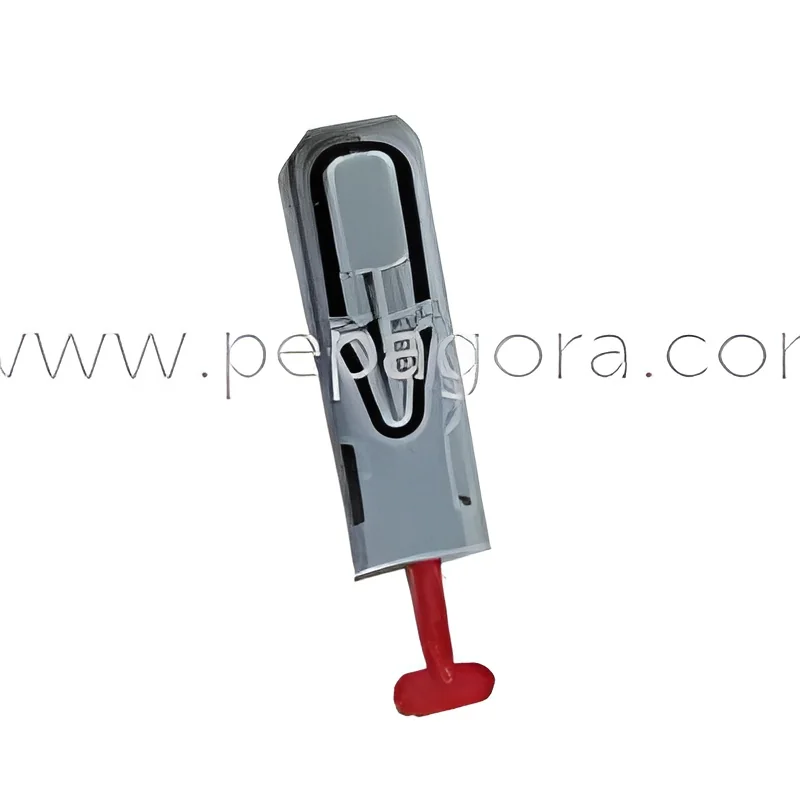
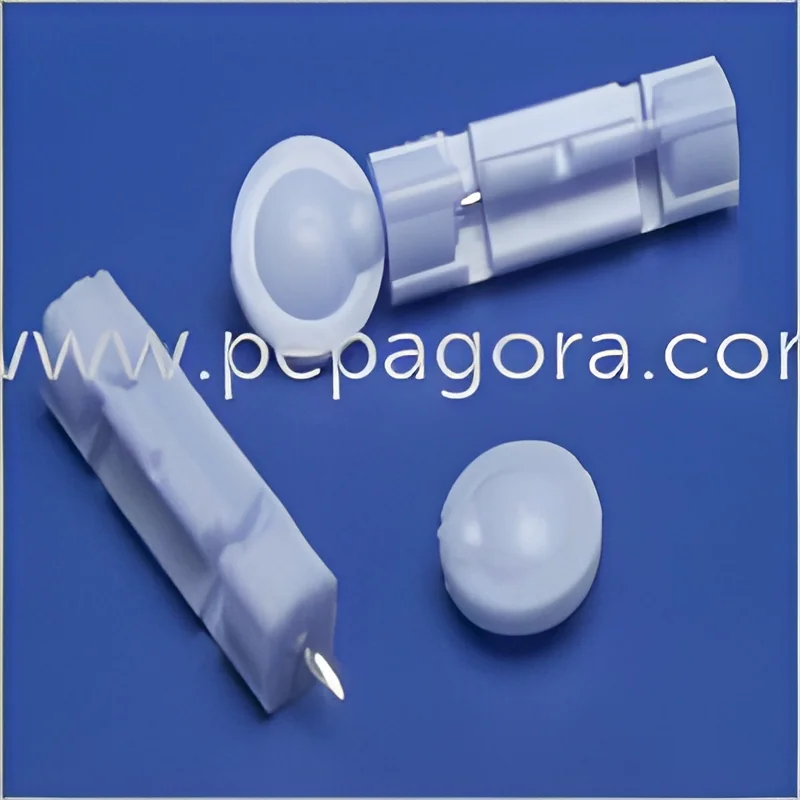
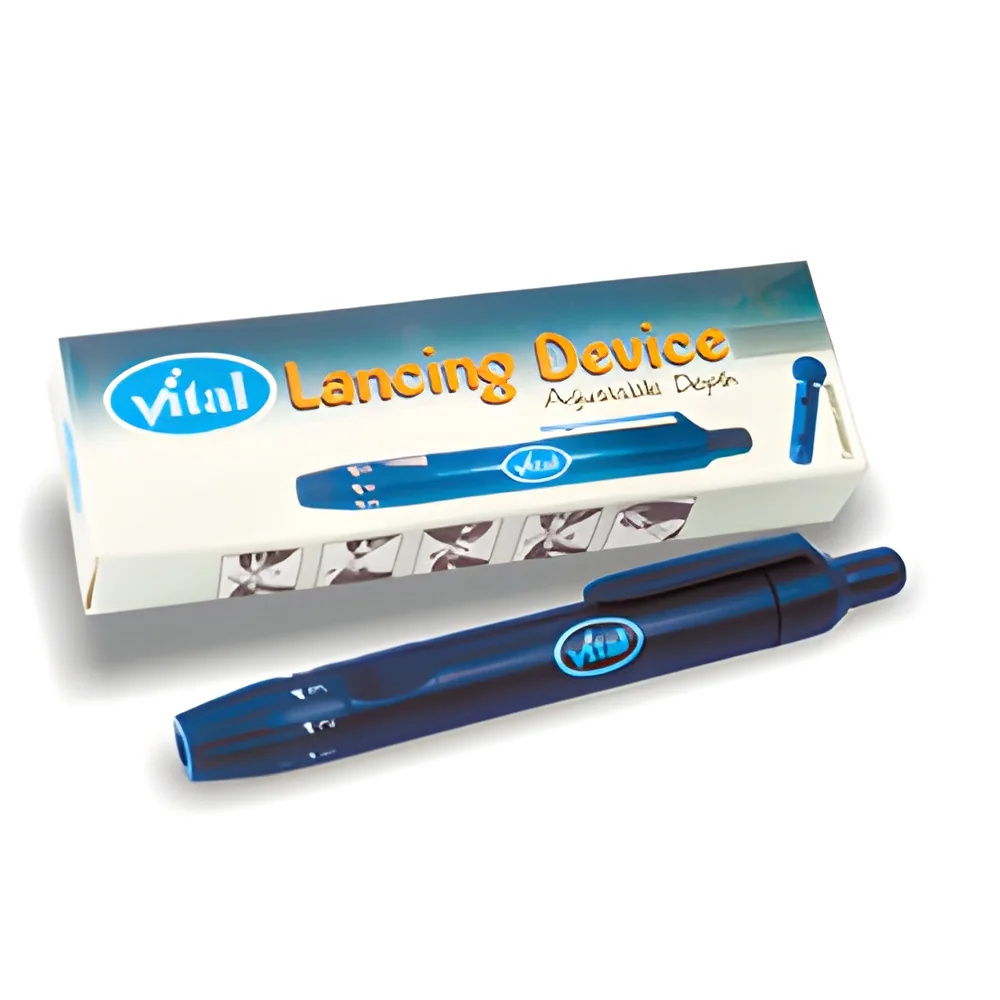
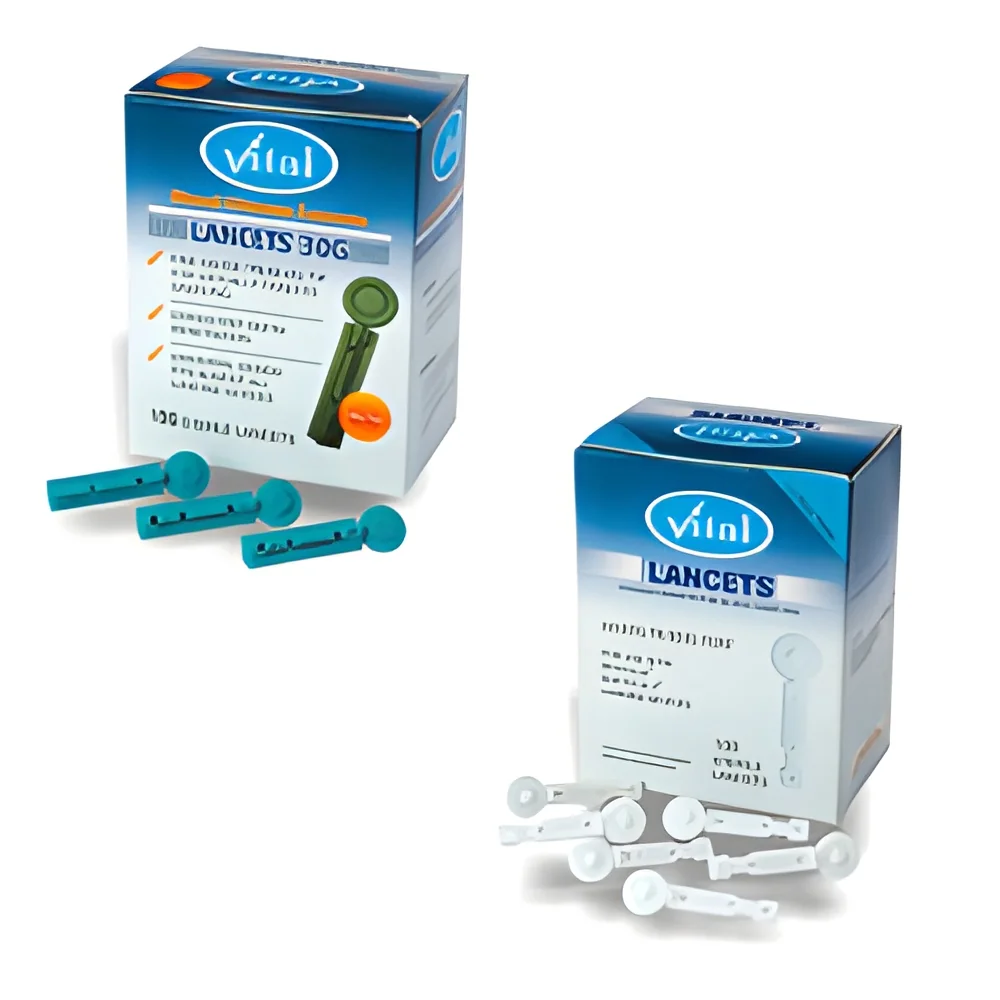
Lancets are small medical devices used to obtain blood samples through a quick and minimally invasive procedure. These devices typically feature a sharp point that punctures the skin, allowing for the collection of blood for various diagnostic purposes. Lancing devices, on the other hand, are tools designed to hold the lancets and provide a controlled depth of puncture, enhancing the safety and comfort of the user.
Primary uses of lancets and lancing devices include blood glucose monitoring for diabetes management, hemoglobin testing, and other clinical evaluations requiring blood samples. These devices are essential in both home healthcare settings and clinical laboratories, enabling healthcare professionals and patients to perform quick blood tests. The increasing prevalence of diabetes and the need for regular blood monitoring have significantly contributed to the demand for these products in the healthcare market.
In terms of industry relevance, the lancet and lancing device market is experiencing significant growth due to advancements in technology and an increasing focus on patient-centric healthcare solutions. Manufacturers are continually innovating to improve the safety, comfort, and efficiency of these devices, making them a critical component in the broader healthcare ecosystem.
Key Features and Specifications
Lancets and lancing devices come with various features that enhance their usability and effectiveness. These specifications are crucial for healthcare providers and businesses when selecting the right products for their needs.
Key specifications include:
1. Design Type
- Various designs are available, including single-use and reusable options.
- Single-use lancets minimize the risk of cross-contamination.
2. Puncture Depth Adjustment
- Many lancing devices allow users to adjust the depth of puncture to accommodate different skin types.
- This feature helps in reducing pain and discomfort during blood sampling.
3. Safety Features
- Some devices include safety shields to prevent accidental needle sticks.
- Integrated retraction mechanisms are available in certain models.
4. Sterility Assurance
- Most lancets are provided in sterile packaging to ensure safety and efficacy.
- Compliance with safety regulations is critical for market acceptance.
5. Compatibility
- Not all lancets fit all lancing devices; compatibility is crucial for effective use.
- Users should verify that the lancets chosen are compatible with their device.
6. Volume of Blood Sample
- Different lancets require varying volumes of blood for accurate testing.
- Smaller gauge lancets typically require less blood, making them preferable for frequent testing.
7. Material Composition
- Lancets are generally made from stainless steel to ensure durability and sharpness.
- Some devices are also designed to be lightweight for ease of handling.
8. Packaging Options
- Available in bulk or individually packaged to suit different usage scenarios.
- Packaging sustainability is becoming an important factor for many buyers.
In summary, understanding these specifications allows businesses to make informed decisions when sourcing lancets and lancing devices that meet their operational needs.
Common Applications and Use Cases
Lancets and lancing devices have diverse applications across various industries.
1. Healthcare: These devices are predominantly used in hospitals and clinics for blood glucose monitoring and other diagnostic tests. They enable healthcare professionals to perform quick assessments for timely medical interventions.
2. Home Care: Patients managing chronic conditions like diabetes often use lancets and lancing devices at home for regular blood testing. This convenience promotes adherence to health management routines.
3. Laboratories: Clinical laboratories utilize these devices for blood sample collection during various tests, ensuring accurate results while minimizing patient discomfort.
4. Pharmaceuticals: In the pharmaceutical industry, these devices are used during clinical trials and drug development processes where blood sampling is required.
5. Veterinary Medicine: Lancets are also used in veterinary practices for blood sampling from animals, supporting diagnosis and treatment plans for pets and livestock.
6. Research Institutions: Research entities often rely on these devices for collecting blood samples in studies related to health and medicine.
7. Point-of-Care Testing: They play a crucial role in point-of-care testing environments, providing rapid results that aid in immediate decision-making.
Product Variants and Subcategories
Lancets and lancing devices are available in various forms to cater to specific needs in the market.
Single-Use Lancets
These are designed for one-time use, promoting safety and hygiene. They are often pre-sterilized and provide a quick and painless way to obtain blood samples, making them ideal for home healthcare and clinical settings.
Adjustable Depth Lancing Devices
These devices allow users to modify the depth of puncture based on individual skin types. This feature enhances user comfort and minimizes pain, making them suitable for frequent testing.
Multi-Use Lancing Devices
These devices can accommodate multiple lancets and are designed for repeated use. They are often found in clinical and laboratory settings where blood sampling is conducted frequently.
Safety Lancets
Incorporating safety mechanisms to prevent needle-stick injuries, these lancets are particularly important in environments where multiple healthcare workers handle devices. They ensure both patient and practitioner safety.
Benefits and Advantages
Sourcing lancets and lancing devices offers several advantages for businesses and healthcare providers.
1. Precision Testing: These devices allow for accurate blood sampling, which is crucial for reliable test results.
2. Reduced Pain: Many lancing devices feature adjustable settings that minimize discomfort, improving patient satisfaction.
3. Enhanced Safety: Safety lancets and lancing devices reduce the risk of accidental needle sticks, ensuring a safer working environment.
4. Cost-Effectiveness: Single-use options provide a cost-effective solution for routine blood testing, reducing the need for extensive sterilization protocols.
5. Convenience: Portable designs make these devices easy to use in various settings, from clinics to patients' homes.
6. Compliance: Utilizing certified devices ensures adherence to industry standards, which is critical for regulatory compliance and patient safety.
Buying Guide for B2B Buyers
When sourcing lancets and lancing devices, several factors should be considered to ensure optimal selection.
1. Quality Assessment: Evaluate the quality of the products based on manufacturer reputation and compliance with relevant standards. High-quality materials and construction are essential for reliability.
2. Supplier Verification: Vet suppliers meticulously to ensure they have a track record of providing safe and effective medical devices. Look for certifications and customer reviews.
3. Pricing and MOQ: Understand the pricing structure and minimum order quantities. This helps in budgeting and ensures that the procurement process aligns with business needs.
4. Delivery and Lead Times: Consider the logistics involved, including delivery times and shipping costs. Reliable suppliers should offer clear timelines to avoid disruptions.
5. Compliance Requirements: Confirm that the products meet necessary regulatory requirements in your region. This includes certifications such as CE to ensure safety and efficacy.
Compliance and Certifications
Compliance with industry standards is vital for the safe and effective use of lancets and lancing devices. Common standards include ISO 9001 for quality management systems, which ensures consistent quality in manufacturing processes. HACCP (Hazard Analysis Critical Control Point) guidelines also apply to medical devices, focusing on food safety that indirectly affects healthcare settings.
The CE mark indicates that the products meet European health, safety, and environmental protection standards. This certification is crucial for market entry in Europe and serves as a benchmark for safety and quality.
Safety and testing requirements include rigorous assessments of the devices to ensure they do not pose any risk to users. Compliance with regional regulations is also essential, as different markets may have varying standards for medical devices.
Why Source Lancets & Lancing Devices from Pepagora?
Pepagora provides a trusted platform for sourcing lancets and lancing devices, offering several key advantages to B2B buyers.
Verified Supplier Network: Pepagora ensures that all suppliers are thoroughly vetted, providing buyers with confidence in the quality and reliability of the products offered.
Streamlined RFQ Process: The request for quotation (RFQ) system simplifies the procurement process, allowing buyers to easily compare options and make informed purchasing decisions.
Trade Assurance and Support: Pepagora offers trade assurance, protecting buyers against potential issues and providing support throughout the purchasing process to enhance buyer confidence.
Regional Coverage: With a strong presence in India, the GCC, and Southeast Asia, Pepagora facilitates access to a diverse range of products and suppliers, making it easier for businesses to find the right solutions to meet their needs.

 IN
IN