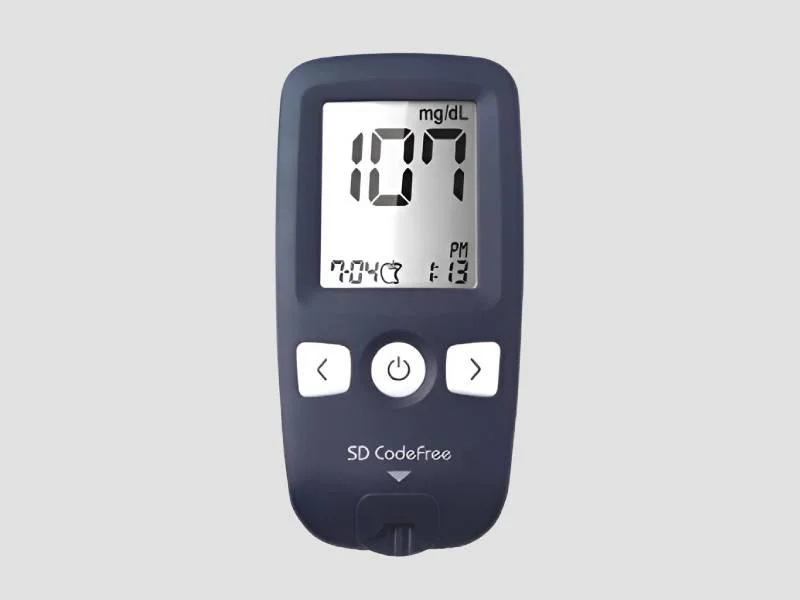
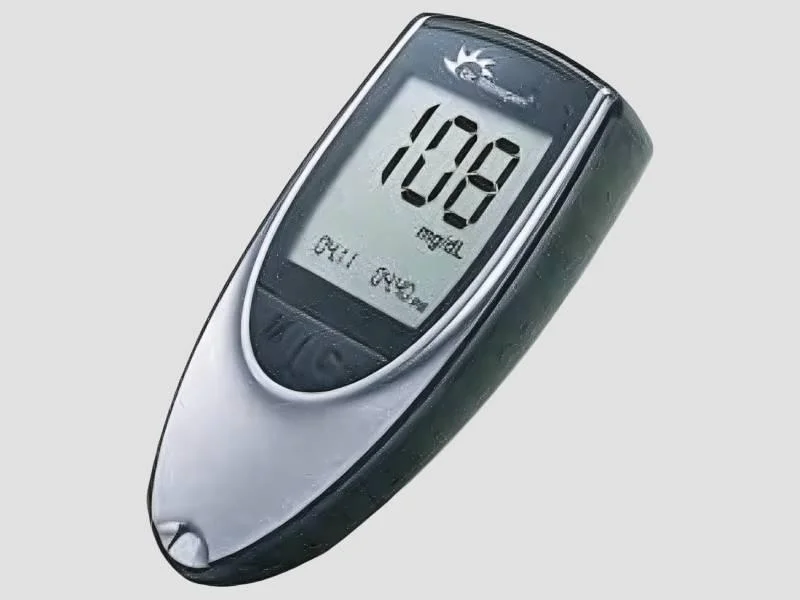
What are Glucometers?
Glucometers are medical devices used to measure the concentration of glucose in the blood. These devices are essential for individuals with diabetes, as they provide critical information needed to manage the condition effectively. By using a small drop of blood, typically obtained through a finger prick, glucometers can deliver accurate readings within seconds, helping users monitor their blood sugar levels.
In a business context, glucometers are vital tools in healthcare settings, including hospitals, clinics, and laboratories. They are also commonly used in home care environments. The data obtained from these devices empowers medical professionals and patients alike to make informed decisions regarding treatment and lifestyle adjustments. The increasing prevalence of diabetes globally has led to a growing demand for glucometers, positioning them as significant products in the healthcare market.
Key Features and Specifications
Glucometers come equipped with various features designed to enhance usability and accuracy. When selecting a glucometer, it's important to consider several specifications that align with the intended applications.
Key specifications include:
1. Measurement Range
- Typically ranges from 20 to 600 mg/dL
- Allows for a broad spectrum of glucose levels to be measured
2. Accuracy
- Must meet specific regulatory standards (e.g., ISO 15197)
- Variability usually within +/- 15% of laboratory results
3. Sample Size
- Generally requires a small blood sample, approximately 0.5 to 1.0 microliters
- Facilitates ease of use and comfort for patients
4. Test Time
- Most glucometers provide results within 5 to 30 seconds
- Fast results improve patient convenience
5. Memory Capacity
- Can store anywhere from 50 to over 1000 test results
- Useful for tracking trends over time
6. Connectivity Features
- Some models offer Bluetooth or USB connectivity
- Allows data transfer to mobile apps or computers for better tracking
7. Display Type
- Digital displays are standard, with some offering backlit options
- Enhances readability in various lighting conditions
8. Battery Life
- Varies by model, typically lasting several months to a year
- Important for ensuring reliability and minimizing disruptions
In summary, understanding these key specifications is crucial for selecting a glucometer that meets both personal and professional needs.
Common Applications and Use Cases
Glucometers serve various industries, each with specific applications that enhance patient care and monitoring.
1. Healthcare Facilities: Hospitals and clinics utilize glucometers to monitor patients' blood sugar levels regularly. This aids in immediate treatment decisions and long-term management of diabetes.
2. Home Healthcare: Many patients use glucometers at home to track their glucose levels independently. This enables them to manage their diabetes more effectively and communicate their data with healthcare providers.
3. Pharmacies: Community pharmacies often provide glucometers as part of diabetes care programs. They also offer patient education on proper usage and interpretation of results.
4. Research Institutions: In clinical trials, glucometers are used to collect data on glucose control as part of broader studies on diabetes management.
5. Diabetes Education Centers: These centers use glucometers to teach patients about self-monitoring techniques, empowering them to take charge of their health.
6. Remote Patient Monitoring: With advancements in telemedicine, glucometers are increasingly used for remote monitoring of patients, allowing healthcare providers to track data without in-person visits.
7. Sports and Fitness: Some athletes utilize glucometers to monitor glucose levels during training, ensuring optimal energy levels and performance.
Product Variants and Subcategories
Glucometers are available in various designs and functionalities, catering to diverse user needs.
Standard Glucometers: These are the most common types, designed for everyday use. They are user-friendly and typically come with basic features for blood glucose monitoring.
Smart Glucometers: Equipped with advanced technology, these devices often connect to smartphones or tablets. They provide additional features like data tracking, reminders, and health insights through apps.
Continuous Glucose Monitors (CGMs): While not traditional glucometers, CGMs provide continuous glucose monitoring through sensors placed under the skin. This offers real-time data and trends for more comprehensive management.
Portable Glucometers: Designed for on-the-go use, these glucometers are compact and lightweight, making them ideal for travelers or those with active lifestyles.
Benefits and Advantages
Glucometers offer numerous benefits that enhance patient care and diabetes management.
1. Improved Monitoring: Regular blood glucose checks enable timely adjustments in diet and medication, leading to better health outcomes.
2. User-Friendly Design: Many glucometers are designed for ease of use, allowing patients to perform tests with minimal training.
3. Quick Results: Glucometers provide fast readings, helping patients make immediate decisions regarding their health.
4. Cost-Effective: Compared to laboratory tests, home glucometers are a cost-effective solution for ongoing glucose monitoring.
5. Data Management: Advanced models allow for data tracking and analysis, which can be shared with healthcare providers for better management.
6. Enhanced Patient Engagement: By empowering users to monitor their own glucose levels, glucometers encourage active participation in managing their health.
Buying Guide for B2B Buyers
When sourcing glucometers, several factors should be considered to ensure the right choice for your organization.
1. Quality Assessment: Evaluate the quality and reliability of glucometers by checking for certifications and industry standards. Quality control processes are essential to guarantee accuracy and performance.
2. Supplier Verification: Vet suppliers for their reputation and experience in the medical device industry. Look for reviews and feedback from other businesses to ensure reliability.
3. Pricing and MOQ: Understand the pricing structures and minimum order quantities (MOQ) offered by suppliers. This will help in budgeting and inventory planning.
4. Delivery and Lead Times: Inquire about delivery times and logistics to ensure that the products can be received in a timely manner, especially in urgent situations.
5. Compliance Requirements: Ensure that the glucometers meet relevant regulatory requirements in your region. Compliance with standards like CE is crucial for medical devices.
Compliance and Certifications
Glucometers must adhere to various compliance and certification standards to ensure safety and effectiveness.
Relevant quality standards include ISO 9001, which encompasses quality management systems, and ISO 15197, specifically addressing the performance of blood glucose monitoring systems. Compliance with these standards ensures that glucometers are manufactured and tested under strict quality guidelines.
Industry certifications such as CE indicate that the product meets European health, safety, and environmental protection standards. This certification is often required for market entry in European countries.
Safety and testing requirements are critical, as glucometers must be reliable in delivering accurate results. Regular testing for performance and accuracy is necessary to maintain compliance with industry standards.
Regional compliance considerations may vary, as different countries may have specific regulations governing medical devices. Ensuring adherence to these regulations is vital for legal distribution and use.
Why Source Glucometers from Pepagora?
Pepagora provides a trusted platform for sourcing glucometers, offering several key advantages that benefit B2B buyers.
Verified Supplier Network: Pepagora connects buyers with a network of verified suppliers who have been vetted for quality and reliability. This ensures that businesses can source glucometers from reputable manufacturers.
Streamlined RFQ Process: The request for quotation (RFQ) process on Pepagora is designed for efficiency, allowing buyers to easily compare prices and features from multiple suppliers. This simplifies the decision-making process.
Trade Assurance and Support: Pepagora offers trade assurance, providing buyers with protection during transactions. Support is available to assist with any issues that arise, ensuring a smooth purchasing experience.
Regional Coverage: With a strong presence in India, the GCC, and Southeast Asia, Pepagora offers extensive regional coverage. This allows for easy access to glucometer suppliers across a wide geographical area, facilitating better sourcing options for businesses.

 IN
IN